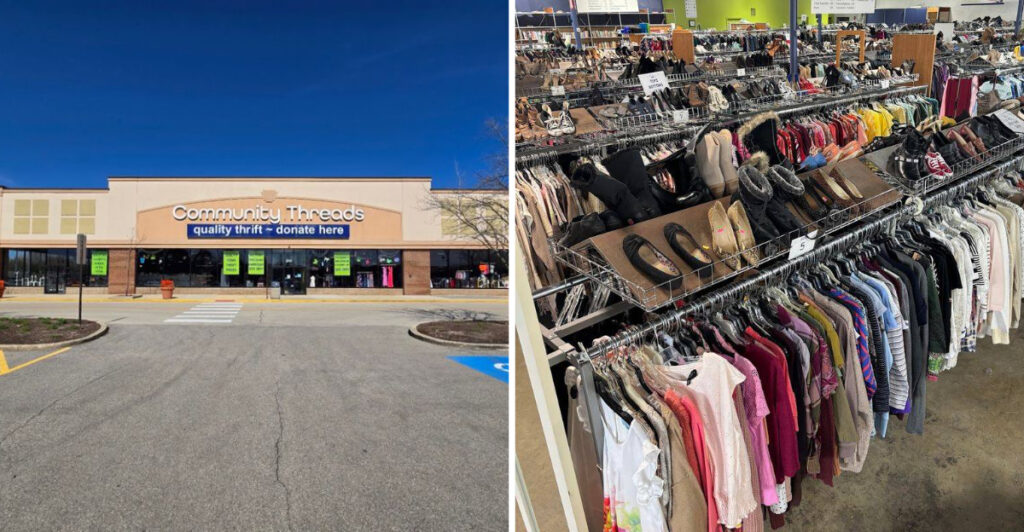
Community Threads is one of Illinois’ largest thrift stores, giving bargain hunters the chance to fill an entire shopping cart with clothing, furniture, home décor, books, toys, kitchenware, and everyday essentials without spending a fortune. Located in Arlington Heights, this nonprofit resale store is known for its well-organized layout, constantly changing inventory, and prices that make treasure hunting genuinely rewarding.
Whether you’re furnishing a home, updating your wardrobe, or searching for unique vintage finds, every visit offers something different. If you enjoy secondhand shopping that delivers both value and variety, this Illinois thrift store is well worth the trip.
The Aisles Start Big and Stay Busy
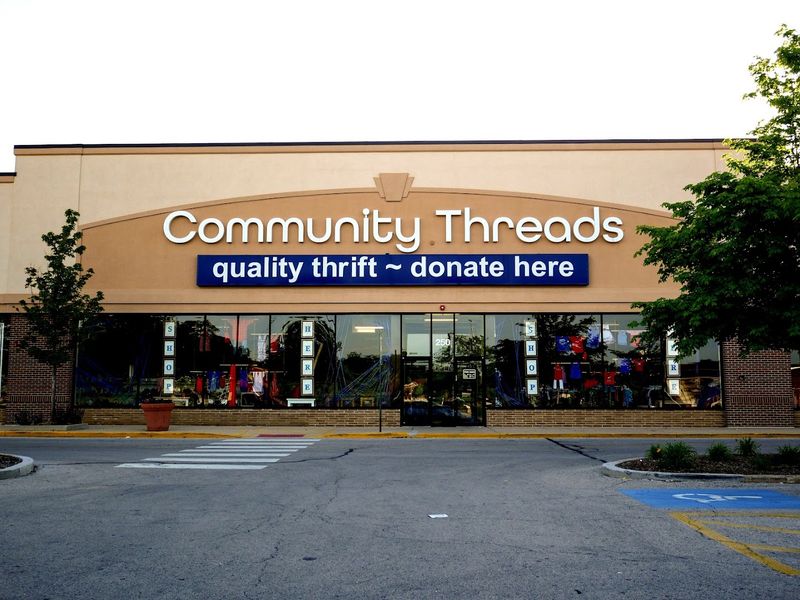
Community Threads announces itself with scale. You walk in expecting a neighborhood resale shop, then the room keeps opening up with long clothing racks, furniture grouped in clusters, shelves lined with dishes, and enough floor space to let you browse without bumping elbows every few seconds.
That first sweep matters because it immediately changes your shopping strategy from quick scan to full expedition.
The store does not read as chaotic overflow. It reads as a place that understands how much inventory it moves and how badly thrift shoppers need breathing room while they hunt.
Wide pathways, visible category breaks, and a generally clean presentation help you spot where to start, whether that means apparel, home goods, or the larger pieces waiting farther in.
That sense of order is one reason a cart can fill faster than expected. When merchandise is arranged clearly, your attention is free to focus on fit, color, texture, and price instead of decoding messy piles.
A thrift store this large could easily become exhausting, yet the layout softens the usual fatigue and turns the visit into a steady series of discoveries.
There is also a practical advantage to the size here. Different shoppers can chase totally different goals under one roof, with one person checking infant clothes while someone else measures a chair with their eyes and another stacks mugs into a basket.
At Community Threads, volume is not background noise. It is the core feature, and it gives the store its distinct momentum from the first aisle onward.
Why a $50 Cart Here Does Not Sound Ridiculous
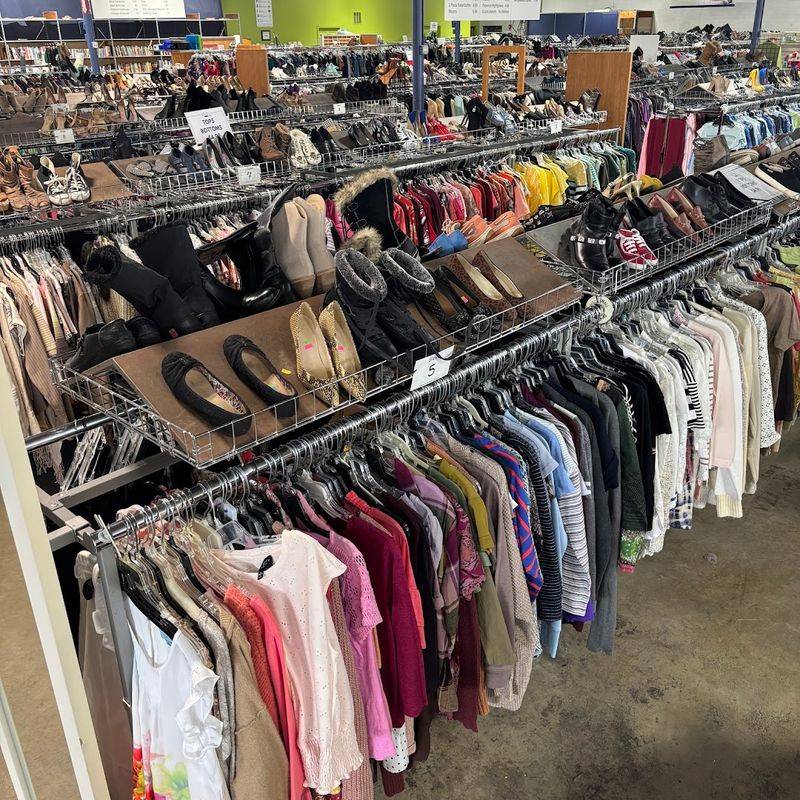
The headline promise gets your attention, but the real story is how Community Threads makes a fifty-dollar cart sound believable. This is not the kind of place where every shelf has been stripped down to curated boutique leftovers.
The mix appears broad enough that you can build value through quantity, especially if you stay focused on practical categories like everyday clothing, kitchen basics, kids’ items, and simple decor.
That does not mean every tag will look like a garage sale giveaway. Some shoppers have noted price increases over time, and thrift regulars can spot when a standout item carries a more ambitious number.
Still, the store seems strongest when you approach it as a smart filler for essentials rather than a one-shot jackpot machine for every single purchase.
In that context, the cart math starts working. A few tops, a stack of plates, a toy or two, maybe a lamp, maybe a pair of shoes, and suddenly the total can still land in a range that feels satisfying rather than punishing.
Community Threads benefits from depth, because depth lets you pass over one item that seems too high and find three others that balance the trip. That flexibility is where the fun lives. You are not locked into chasing one expensive score to justify the visit.
Instead, the store rewards patient accumulation, the kind of browsing where useful pieces keep appearing from different departments until the cart starts looking fuller than the receipt suggests. In a thrift landscape where value can feel inconsistent, that is a strong edge.
Furniture, Housewares, and the Long Look Section
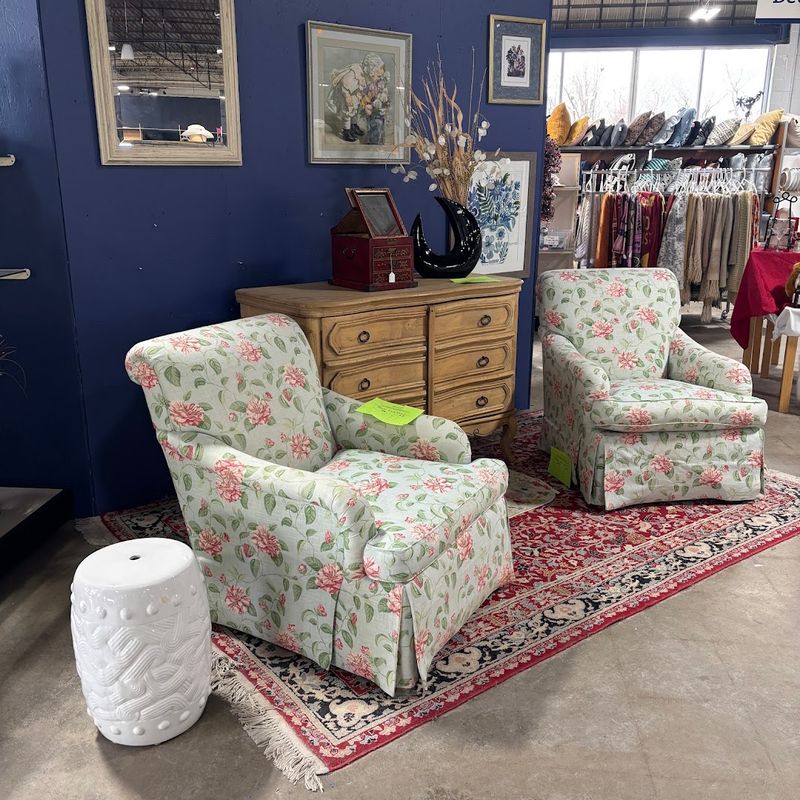
Some thrift stores are mostly clothing with a token shelf of mugs and a lonely end table near the register. Community Threads pushes much deeper into furniture and household goods, and that changes the tempo of the visit.
Instead of racing rack to rack, you slow down, circle pieces, compare condition, and picture how a chair, side table, or lamp might land in an actual room.
That larger-format inventory gives the store a second personality. One half of the experience is quick-grab thrifting, where you toss smaller wins into the cart and keep moving.
The other half is more deliberate, especially around seating, storage, decor, and kitchen pieces where shape, wear, and usefulness matter as much as price.
Several shoppers specifically point to the strong furniture selection, and that tracks with the store’s reputation for carrying more household inventory than many nearby thrift spots.
You can also find the kind of everyday domestic pieces that make secondhand shopping worthwhile: plates, decorations, servingware, picture frames, and seasonal items that let you refresh a space without walking into a big-box checkout line.
There is a practical note here, too. Bigger items deserve a closer read before you commit, and Community Threads seems like a place where taking an extra minute with furniture or electronics makes sense.
Still, that is part of the appeal of this section. It invites inspection, rewards patience, and gives the store a longer visual horizon than the average thrift run built only around shirts and shelves of glassware.
Clothing Racks That Reward Patient Browsers
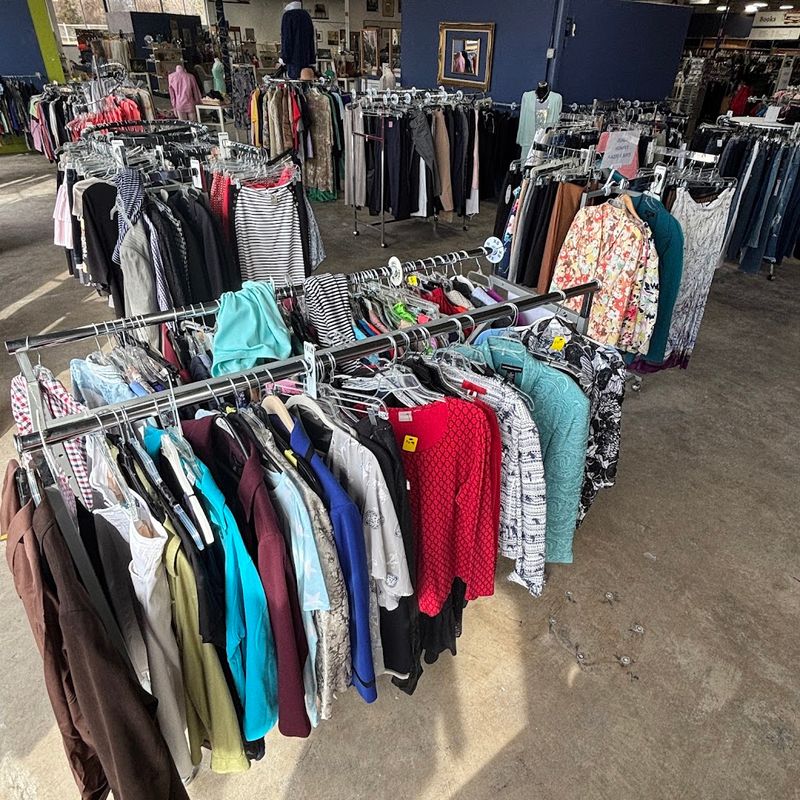
Clothing can make or break a thrift store, and Community Threads appears to understand that sorting matters almost as much as selection. Shoppers have described the store as organized, with sizes laid out in a way that makes browsing more efficient than the usual dig-and-pray routine.
That is a major advantage when you want the thrill of secondhand fashion without sacrificing half the day to tangled hangers.
The apparel range also seems broad enough to keep things interesting. Reports of designer pieces, true vintage, everyday basics, accessories, and infant clothing suggest that the racks are not locked into a single lane.
You might come in for a practical winter layer and leave with a sharply cut jacket, a scarf, and a dress that looked ordinary from three hangers away but not from the right angle.
The fitting rooms add another layer of usefulness, since thrift clothing often needs a real-world test before it earns a place in your closet. At the same time, timing matters here.
Because fitting room access can end before store closing, this is a place where arriving with enough cushion pays off, especially if your cart starts growing and decisions need a second look.
That small bit of strategy fits the store well. Community Threads rewards the shopper who wants options and knows how to edit in real time.
With clean presentation and a large enough apparel mix to support both basics and surprises, the clothing section becomes more than a side department. It turns into one of the store’s strongest reasons to keep circling for another pass before heading to the register.
A Clean Illinois Thrift Store With Real Browsing Comfort
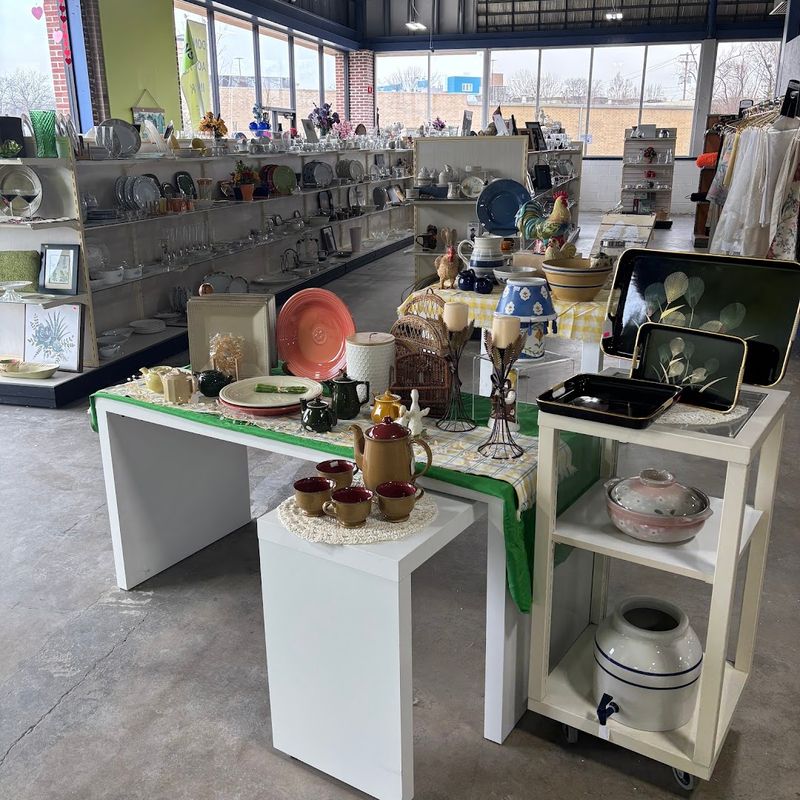
Cleanliness is not a glamorous trait until you spend time in enough thrift stores that do not have it. Community Threads consistently stands out for being neat, well kept, and merchandised with more care than many donation-based shops.
That level of upkeep changes the entire visit because it tells you the store expects browsing, comparison, and a little curiosity rather than rushed rummaging through clutter.
The visual effect is immediate. Furniture has room around it, shelves read more clearly, and clothing does not disappear into an overloaded wall of fabric.
Even when inventory is plentiful, the space appears to hold itself together, which gives you better odds of actually noticing interesting details like a vintage cut, a stronger brand label, or a piece of decor that would vanish in a messier environment. This matters in a practical way too.
Good merchandising does not just look nice; it helps you think. You can compare similar items more quickly, estimate condition with less effort, and move through categories without the mental drag that comes from disorder, dim lighting, or unclear placement. For a big thrift store, those are not cosmetic upgrades.
They are the infrastructure of a productive trip. There are occasional complaints about lighting or signage clarity, so the experience may not read exactly the same at every moment. Still, the dominant picture is of a store that invests in presentation more than the average secondhand stop.
In Illinois, where thrift competition can range from polished chains to crowded rummage rooms, Community Threads earns attention by making bargain hunting feel easier on your eyes and your patience.
The Local Mission Hiding Behind the Treasure Hunt
A thrift store gets more interesting when it is connected to a community purpose, and Community Threads carries that extra layer.
Shoppers familiar with the store often link it to supporting Sparrow’s Nest’s charitable mission, which gives the purchase cycle a broader frame than simple bargain chasing.
You are not only scanning for a lamp or coat. You are participating in a local reuse system tied to something larger than retail.
That context helps explain the store’s blend of practical inventory and polished presentation. Donation-based shops often reflect the values behind them, and here the emphasis seems to be on making secondhand shopping accessible, functional, and respectable rather than dusty or apologetic.
The result is a place where buying used can feel routine in the best possible way, not like a compromise and not like a curated performance.
The community angle also shows up in the kinds of things people return for. Parents hunting children’s clothes, apartment dwellers searching for furniture, gift-minded browsers checking decor, and regulars donating what they no longer need all feed the same circulation.
Items arrive, get sorted, displayed, purchased, and redistributed into nearby homes, keeping value local and tangible.
That cycle gives Community Threads a steadier identity than stores built only on novelty. Yes, the thrill of finding a great deal remains central, but the store’s purpose reaches beyond the score.
It functions as a neighborhood exchange point where objects get a second useful life and shoppers get another route around full-price retail. In a place this large, that mission does not read as abstract. It sits right on the sales floor.
How to Time Your Arlington Heights Thrift Run
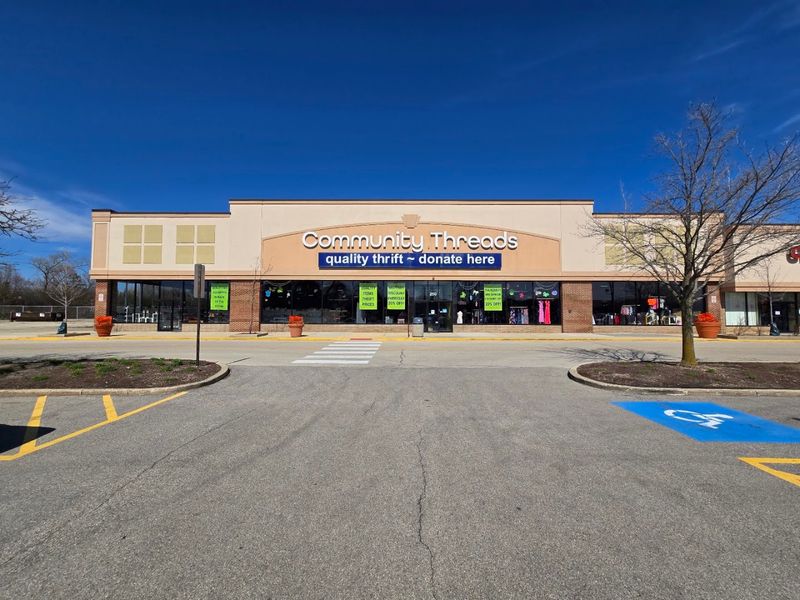
The best visit to Community Threads starts with timing, not luck. The store opens at 10 AM and runs until 6 PM on Monday through Friday, with a shorter day on Saturday and a full closure on Sunday.
If you want room to browse carefully, compare furniture, and test clothing without feeling rushed, aiming earlier in the day is the smarter move.
That is especially true because some practical details can shape the experience more than expected. Fitting rooms may close before the official end of the day, so late arrivals gambling on a fast try-on are playing the wrong game.
This store works better when you allow enough margin to circle back, reconsider a piece, and make decisions without squeezing everything into the final minutes.
Approach the floor in sections. Start with the department most likely to deliver what you actually need, then leave time for the wildcard categories that make thrift shopping fun in the first place.
At Community Threads, a disciplined route can save you from burning all your energy on one rack before you even reach the furniture, kitchenware, or shelves that might hold the better score.
There is also value in keeping your expectations flexible. Not every item will be underpriced, not every interaction will be perfect, and not every trip will produce the same kind of win.
Yet when you show up with time, a little patience, and an eye for useful secondhand goods, the store offers enough range to make the hunt productive. In Arlington Heights, that combination is exactly why this place keeps pulling bargain-minded shoppers back through the doors.