Texas isn’t just big—it’s absolutely massive in ways that can be hard to wrap your head around. When people say everything’s bigger in Texas, they’re not exaggerating, especially when it comes to the state itself. To really understand just how enormous Texas is, you need to compare it to other places you might know, and that’s when things get truly mind-blowing.
1. The United Kingdom
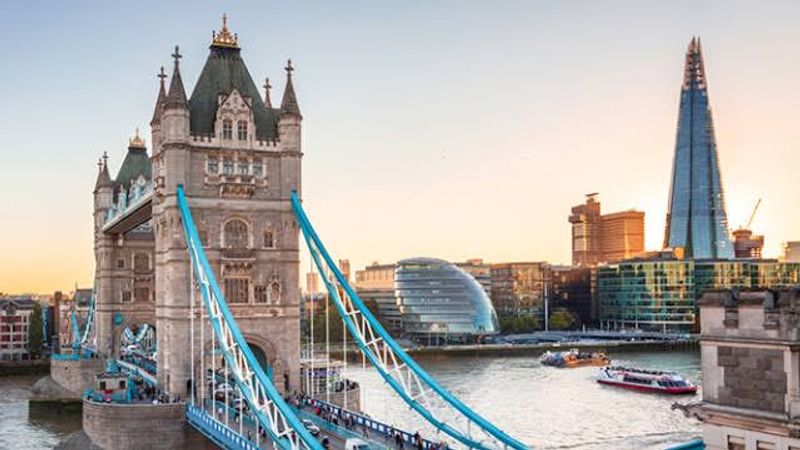
Picture the entire United Kingdom—England, Scotland, Wales, and Northern Ireland all together. Now imagine Texas swallowing it whole with room to spare. That’s the reality of Texas geography.
The UK covers about 93,628 square miles, which sounds pretty substantial until you realize Texas sprawls across 268,596 square miles. Texas is nearly three times larger than the entire United Kingdom. You could fit the UK into Texas almost three times over and still have some space left for good measure.
What makes this comparison really striking is thinking about population density. The UK packs in about 67 million people into that relatively small space, while Texas holds around 30 million across its vastness. That means Texans have way more elbow room than their British counterparts.
Consider that London alone has more people than the four largest Texas cities combined. Yet Texas could contain multiple Londons geographically without breaking a sweat. The cultural centers, historic sites, and bustling cities of the UK would all nestle comfortably within Texas borders.
When Texans travel to the UK, they’re often amazed at how quickly you can move between countries. You can drive from London to Edinburgh in about seven hours, crossing the entire length of Great Britain. That same seven hours in Texas might only get you from El Paso to San Antonio—and you’d still be in Texas.
The sheer scale becomes even more apparent when you think about diversity of landscape. The UK has rolling hills, dramatic coastlines, and charming countryside. Texas has all that plus deserts, pine forests, prairies, beaches, canyons, and mountains.
The Lone Star State packs incredible variety into its enormous footprint.
This comparison really hammers home why Texans have such a strong sense of state identity. When your home state could comfortably contain an entire nation with centuries of history, distinct cultures, and multiple countries, you start to understand the Texas-sized pride.
2. Metropolitan France
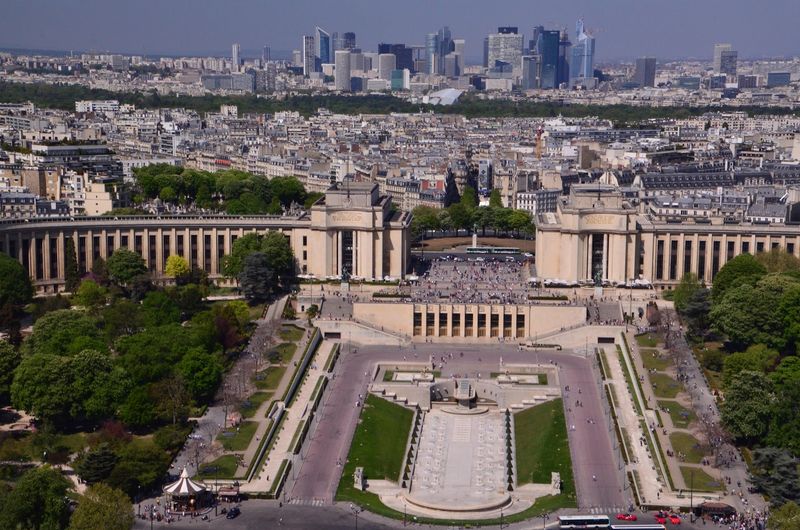
France and Texas share something unexpected—they’re almost the same size. Metropolitan France (the part in Europe, not including overseas territories) measures about 248,573 square miles. Texas clocks in at 268,596 square miles, making it slightly larger than the entire French mainland.
This comparison is particularly fascinating because France is considered a major European power with global influence. Texas, as just one of fifty American states, matches it in sheer geographic scope. The French countryside, world-famous cities, wine regions, and coastal areas would all fit within Texas boundaries.
Think about France’s incredible diversity—the beaches of the French Riviera, the Alps mountains, the lavender fields of Provence, the forests of the Loire Valley. Texas matches that diversity with its own dramatic landscapes, from Gulf Coast beaches to West Texas mountains, from Hill Country vineyards to Panhandle plains.
Population tells an interesting story too. France packs about 67 million people into its space, while Texas has roughly 30 million. That means France is more than twice as densely populated.
French cities and towns cluster closely together, while Texas settlements spread out with vast distances between them.
The cultural implications are worth considering. France developed as a unified nation over centuries, with cultural touchstones recognized worldwide. Texas developed its own distinct identity within a larger nation, yet Texans often feel as connected to their state as French citizens do to France.
Travel time really illustrates the scale. You can drive across France from the German border to the Atlantic coast in about seven or eight hours. Crossing Texas from east to west takes roughly the same time—except you never leave one state.
From Texarkana to El Paso is about 820 miles, comparable to traversing all of France.
When you realize that one American state rivals an entire European nation in size, you begin to grasp why Texas feels less like a state and more like a country unto itself.
3. Almost Two Germanys
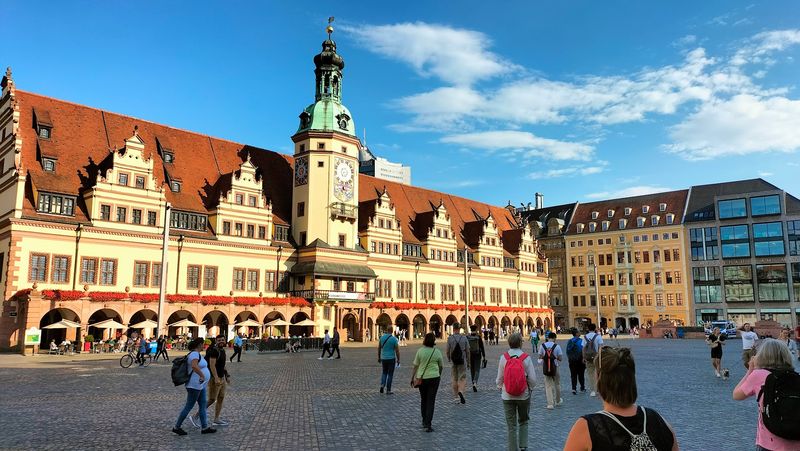
Germany ranks as Europe’s most populous country and one of its most powerful economies. Yet Texas dwarfs it geographically. Germany covers about 137,988 square miles, meaning Texas is nearly twice its size—you could fit almost two complete Germanys inside Texas borders.
This comparison becomes really interesting when you consider Germany’s role in Europe and the world. As an economic powerhouse and cultural center, Germany punches way above its geographic weight. Texas does something similar within the United States, boasting the second-largest state economy that would rank among the world’s top ten if Texas were its own country.
Germany’s landscape includes the Bavarian Alps, the Black Forest, the Rhine Valley, and northern coastal plains. Despite all that geographic variety packed into a relatively compact space, Texas still manages to be nearly double the size. From the Piney Woods to the Chihuahuan Desert, Texas spreads its landscapes across a much vaster canvas.
The population difference is staggering. Germany is home to about 83 million people in its 137,988 square miles. Texas has roughly 30 million people across 268,596 square miles.
That means Germany’s population density is about six times higher than Texas. German cities and towns sit much closer together, while Texas embraces wide-open spaces.
Transportation illustrates the scale beautifully. Germany’s famous Autobahn system connects the entire country efficiently. You can drive from Munich in the south to Hamburg in the north in about six to seven hours.
That same driving time in Texas might take you from Houston to El Paso, and you’d still be well within state lines.
Historical context makes this even more remarkable. Germany’s borders have shifted throughout history, encompassing various territories and principalities. Modern Germany’s current size represents careful political boundaries.
Texas, by contrast, has maintained essentially the same enormous footprint since joining the United States in 1845.
When you grasp that Texas could contain nearly two Germanys, you understand why the phrase “everything’s bigger in Texas” isn’t just bragging—it’s geographic reality that shapes how Texans see their place in the world.
4. More Than Five Greeces
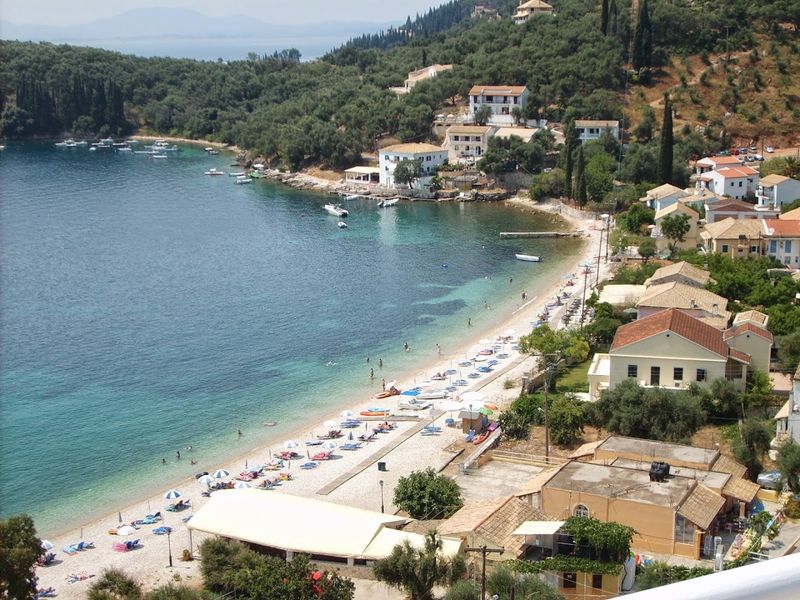
Greece, the cradle of Western civilization, seems substantial when you’re exploring its mainland and thousands of islands. Then you compare it to Texas and realize you could fit more than five Greeces inside the Lone Star State. Greece covers approximately 50,949 square miles, while Texas sprawls across 268,596 square miles.
Do the math and Texas is more than five times larger than Greece. You could take Greece’s entire landmass—including all those beautiful islands scattered across the Aegean and Ionian seas—and replicate it five times over within Texas borders with room to spare. That’s Athens, Sparta, Crete, Santorini, and countless historic sites multiplied by five.
Greece’s geography is famously complex, with mountains covering about 80 percent of the country and a coastline so convoluted it measures over 8,000 miles when you include the islands. Despite all that geographic intricacy, Texas still dwarfs it. Texas has its own complexity—deserts, forests, prairies, and 367 miles of Gulf coastline—just spread across a much bigger stage.
Population density reveals another fascinating contrast. Greece is home to about 10.5 million people in those 50,949 square miles. Texas houses roughly 30 million across its much larger expanse.
Even with three times the population, Texas still feels far more spacious because of its sheer size.
Historical significance versus geographic scale makes an interesting comparison. Greece’s relatively small territory produced philosophy, democracy, drama, and countless contributions that shaped human civilization. Texas, with five times the land area, developed its own larger-than-life mythology in a much shorter timespan.
Travel time really drives the point home. You can drive the length of mainland Greece from north to south in about seven hours. That same seven hours in Texas might get you from Amarillo to Austin—barely halfway across the state.
Greek islands might take ferry rides to reach, but they’re still relatively close together compared to the vast distances between Texas cities.
When you visualize five complete Greeces fitting inside Texas, the scale becomes almost absurd. Ancient Greek city-states fought wars over relatively small territories. Texas contains enough space for five entire Greeces and still has room left over.
5. About 174 Rhode Islands
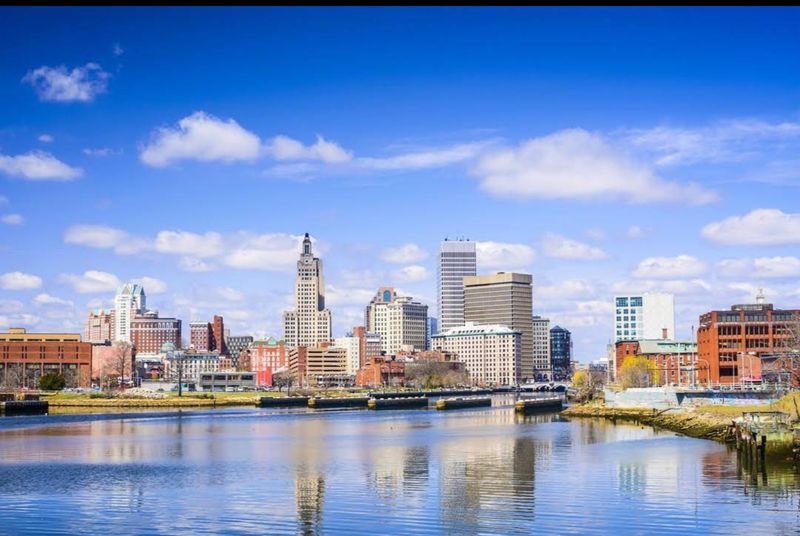
Rhode Island earned its nickname “Little Rhody” honestly—it’s America’s smallest state at just 1,545 square miles. Texas, by delightful contrast, could swallow approximately 174 Rhode Islands. Yes, you read that right: one hundred seventy-four of America’s tiniest state would fit inside Texas.
Let that sink in for a moment. If you took Rhode Island and cloned it 174 times, you could arrange all those copies within Texas borders like tiles on a floor. Rhode Island measures about 48 miles long and 37 miles wide at its greatest points.
Texas stretches about 801 miles from north to south and roughly 773 miles from east to west.
Rhode Island’s entire existence could be replicated more than 170 times over in Texas. Providence, Newport, and every beach, historic site, and neighborhood in Rhode Island—multiply all of that by 174 and you’d fill up Texas. The mind struggles to process that level of size difference.
Population makes the comparison even more interesting. Rhode Island packs about 1.1 million people into its compact space, giving it the second-highest population density of any state. Texas spreads 30 million people across its vastness, resulting in far more breathing room.
You could theoretically fit 174 Rhode Island populations into Texas and still have less crowding than Rhode Island experiences now.
Driving across Rhode Island takes about an hour from border to border. You could cross the entire state, grab lunch, and be back before dinner. Crossing Texas requires commitment—you’re looking at 12 hours or more from one end to the other, and that’s if traffic cooperates and you don’t stop much.
The cultural implications are worth pondering. Rhode Island, despite its tiny size, played an outsized role in American history as one of the original thirteen colonies. Texas also punches above its weight, though it has the geographic size to back up its swagger.
Rhode Island proves you don’t need size to matter, but Texas demonstrates what happens when you have both size and attitude.
This comparison perfectly captures Texas’s enormous scale. When you can fit nearly 200 of another state inside your borders, you’ve moved beyond “big” into territory that’s genuinely difficult to comprehend without seeing it for yourself.
6. Belgium, the Netherlands and Luxembourg Together

Imagine combining three entire European countries—Belgium, the Netherlands, and Luxembourg—into one unified landmass. Collectively known as the Benelux countries, they represent a significant chunk of northwestern Europe. Yet Texas is still larger than all three combined.
Belgium covers about 11,787 square miles, the Netherlands spans roughly 16,040 square miles, and Luxembourg adds about 998 square miles. Add them together and you get approximately 28,825 square miles of combined territory. Texas, at 268,596 square miles, is more than nine times larger than these three countries together.
The Benelux region is incredibly important historically and economically. These countries house major European institutions, world-class ports like Rotterdam and Antwerp, and cultural treasures accumulated over centuries. They’re densely populated, highly developed, and influential far beyond their small geographic footprint.
Yet Texas could contain all three with massive amounts of space left over.
Population density creates a stark contrast. The Benelux countries together house about 29 million people in those roughly 29,000 square miles—almost as many people as Texas, but crammed into about one-ninth the space. That means the Benelux region is roughly nine times more densely populated than Texas.
Cities and towns practically run into each other there, while Texas cities are separated by vast stretches of countryside.
Travel between these countries takes minutes or a few hours at most. You can eat breakfast in Amsterdam, lunch in Brussels, and dinner in Luxembourg City—hitting all three countries in a single day. Try that in Texas and you’d still be driving at dinnertime, probably somewhere in the middle of nowhere between cities.
The landscape variety is notable too. Belgium has rolling hills and historic cities, the Netherlands features famously flat terrain and elaborate canal systems, Luxembourg offers forested hills and river valleys. Together they present considerable geographic diversity.
Texas matches that diversity and multiplies it across a vastly larger canvas—pine forests, deserts, coastline, prairies, and hill country all within one state.
When you realize Texas could contain Belgium, the Netherlands, and Luxembourg together with room for six or seven more countries of similar size, you begin to grasp the true enormity of the Lone Star State.
7. More Than 269 Luxembourgs
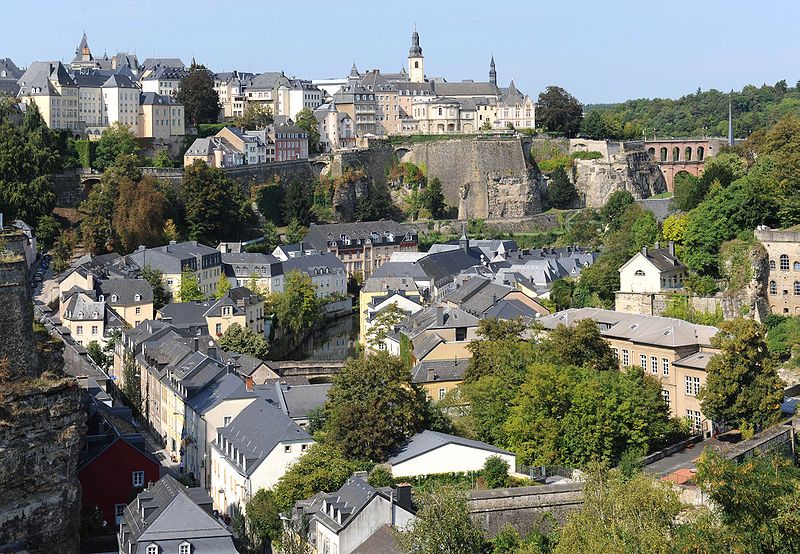
Luxembourg might be small, but it’s a sovereign nation with its own government, culture, and place in European affairs. At just 998 square miles, it’s one of Europe’s tiniest countries. Texas, meanwhile, could contain more than 269 complete Luxembourgs within its borders.
That number deserves repetition: two hundred sixty-nine Luxembourgs would fit inside Texas. Imagine cloning an entire country 269 times over and arranging all those copies within a single U.S. state. The mathematical reality is almost absurd—Texas is 269 times larger than a European nation.
Luxembourg City, the capital, is a UNESCO World Heritage site known for its fortress history and stunning architecture. The entire country boasts castles, forests, and charming villages that attract visitors from around the world. You could replicate all of that 269 times and still be within Texas boundaries.
Every castle, every village, every scenic valley—multiply it by 269.
Despite its tiny size, Luxembourg plays an important role in Europe as a founding member of the European Union and home to major EU institutions. It’s also one of the world’s wealthiest countries per capita. Size clearly doesn’t determine significance, but the comparison still highlights Texas’s staggering geographic scale.
Population tells an interesting story. Luxembourg has about 640,000 people in its 998 square miles, giving it substantial population density. Texas spreads 30 million people across its vastness.
If Texas had Luxembourg’s population density, it would be home to roughly 172 million people—more than half the current U.S. population, all crammed into one state.
You can drive across Luxembourg in about an hour from one end to the other. The entire country is smaller than many Texas counties. Brewster County alone, Texas’s largest county, covers 6,192 square miles—more than six Luxembourgs.
One Texas county contains six entire Luxembourgs.
Luxembourg’s official languages include Luxembourgish, French, and German, reflecting its position between larger European powers. Texas has its own cultural complexity, influenced by Mexican, German, Czech, and Southern American traditions spread across a territory that could hold hundreds of Luxembourgs.
When you grasp that 269 Luxembourgs fit inside Texas, the scale becomes almost comical. That’s not just big—that’s a level of size that challenges normal comprehension and explains why Texans might have a slightly inflated sense of their state’s importance.
8. DFW Airport Is Larger Than Manhattan’s Land Area
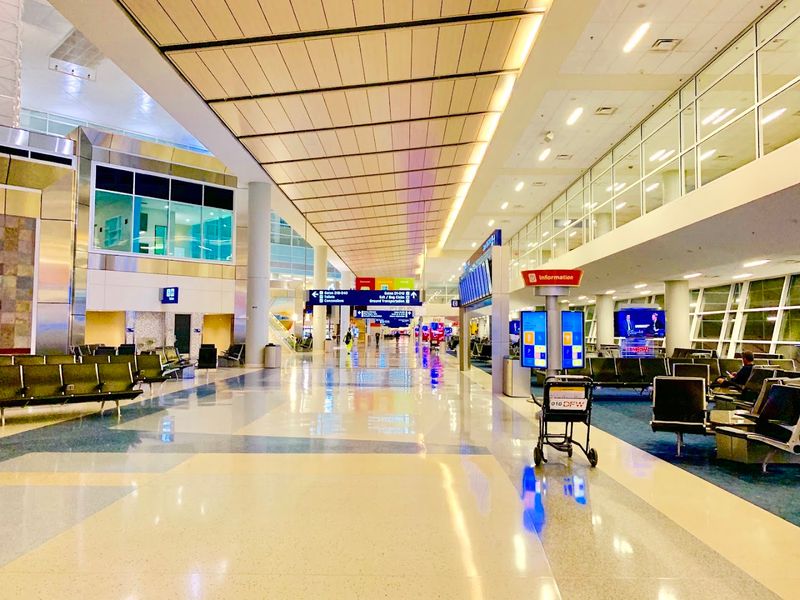
Dallas/Fort Worth International Airport isn’t just big for an airport—it’s bigger than entire cities. Specifically, DFW Airport covers more land area than Manhattan, one of the world’s most famous and densely developed islands. Manhattan spans about 22.8 square miles of land area.
DFW Airport sprawls across approximately 27 square miles.
Wrap your head around that for a second. A single airport in Texas has more land area than Manhattan, home to iconic landmarks like Times Square, Central Park, Wall Street, and countless skyscrapers packed with millions of people. DFW’s runways, terminals, and grounds could contain all of Manhattan with room left over.
Manhattan represents the ultimate in urban density—about 1.6 million residents packed into those 22.8 square miles, plus millions more who commute there daily for work. DFW Airport, by contrast, is designed for airplanes, terminals, parking lots, and the infrastructure needed to handle one of the world’s busiest aviation hubs. The contrast between these two uses of similar-sized land areas couldn’t be more dramatic.
DFW serves as a major hub for American Airlines and handles more than 75 million passengers annually. Its five terminals connect via the Skylink train system because the airport is simply too large to walk across efficiently. You could fit all of Manhattan’s streets, buildings, and parks within DFW’s boundaries and still have space for a few more city blocks.
The airport features seven runways, with the longest stretching 13,401 feet. Manhattan’s longest street, Broadway, runs about 13 miles through the island. The scale is genuinely comparable—one Texas airport rivals an entire New York City borough in geographic footprint.
This comparison really hammers home the Texas approach to building things. While New York built upward to maximize limited Manhattan space, creating one of the world’s most recognizable skylines, Texas built outward at DFW, creating an airport that could swallow Manhattan whole. Different philosophies, similar land areas, wildly different results.
When people joke about everything being bigger in Texas, DFW Airport stands as Exhibit A. An airport larger than Manhattan isn’t just big—it’s a testament to Texas’s willingness to use space in ways that would be impossible almost anywhere else.
9. King Ranch Is Larger Than Rhode Island’s Land Area
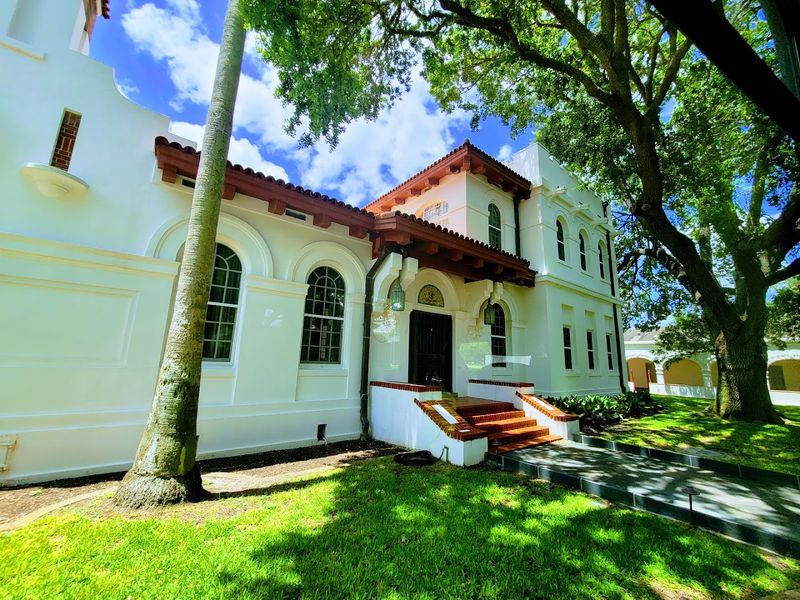
King Ranch isn’t just a big ranch—it’s bigger than Rhode Island, America’s smallest state. This working cattle ranch in South Texas covers approximately 825,000 acres, which translates to roughly 1,289 square miles. Rhode Island’s land area measures about 1,034 square miles.
Yes, one Texas ranch is larger than an entire U.S. state.
Founded in 1853 by Captain Richard King, this ranch has operated continuously for more than 170 years. It’s not a museum or tourist attraction primarily—it’s a genuine working ranch that raises cattle and quarter horses. The fact that it’s bigger than Rhode Island while still functioning as a single business operation is almost incomprehensible.
To put this in perspective, King Ranch is bigger than the entire state of Rhode Island, which houses over a million people, two major cities, beaches, historic sites, and everything else that makes up a state. King Ranch houses cattle, horses, wildlife, and ranch operations across a landmass that could contain all of Rhode Island’s cities, towns, and infrastructure.
The ranch is so large it spans multiple Texas counties—parts of Kleberg, Kenedy, Willacy, and Cameron counties fall within its boundaries. Its famous Running W brand is recognized worldwide. The ranch developed the Santa Gertrudis breed of cattle, the first beef breed created in the United States, and helped establish the American Quarter Horse breed.
Driving across King Ranch takes serious time. The ranch’s headquarters in Kingsville sits roughly in the middle of the property, but reaching the far boundaries requires hours of driving on ranch roads. You could spend days exploring the ranch and still not see everything.
Meanwhile, you can drive across Rhode Island in about an hour.
King Ranch has hosted kings, presidents, and celebrities over the decades, all marveling at its enormous scale. It’s been featured in books, movies, and documentaries. Yet it remains primarily a working ranch, focused on cattle operations and land management rather than tourism.
When one private property exceeds an entire state in size, you’ve moved beyond normal definitions of “large.” King Ranch represents Texas scale at its most extreme—a single ranch bigger than Rhode Island, still operating as it has for generations, a testament to just how much space Texas really has.
10. The 15 Smallest States Combined
Here’s where things get truly absurd: Texas is roughly equal in size to the fifteen smallest U.S. states combined. Take Rhode Island, Delaware, Connecticut, New Jersey, New Hampshire, Vermont, Massachusetts, Hawaii, Maryland, West Virginia, South Carolina, Maine, Indiana, Kentucky, and Virginia—add up all their land areas and you get approximately the same size as Texas.
Let that sink in. Fifteen states—each with its own government, laws, cities, and populations—collectively match one Texas. That’s fifteen state capitals, fifteen state legislatures, fifteen distinct histories and cultures, all fitting into the geographic footprint of a single state.
These fifteen states are home to roughly 64 million people combined, more than double Texas’s population of about 30 million. They include major metropolitan areas like Boston, New York City (partially), Philadelphia, Baltimore, and numerous other significant cities. All that urban development, all those people, all that infrastructure exists in roughly the same space as Texas.
The historical significance of these fifteen states is staggering. Many were original thirteen colonies where American independence was born. They’ve shaped American history, culture, politics, and economics for centuries.
Yet geographically, they collectively equal one state that didn’t even join the Union until 1845.
Travel across these fifteen states would take you from New England’s rocky coasts through the Mid-Atlantic’s urban corridors, down to Virginia’s historic sites, across Appalachian mountains, and over to Hawaii’s Pacific islands. You’d experience incredible diversity of landscape, climate, and culture. Texas offers similar diversity—beaches, mountains, deserts, forests, prairies—just packaged within a single state’s boundaries.
The economic output of these fifteen states combined exceeds Texas’s economy, but not by as much as you might expect. Texas ranks second nationally in GDP, punching well above its weight economically even while matching fifteen other states geographically.
Driving across all fifteen states would require weeks and thousands of miles, crossing multiple state lines, adapting to different laws and customs. Driving across Texas requires similar time and distance but keeps you within one state the entire journey. Same scale, completely different experience.
When one state equals fifteen others combined in size, you understand why Texans might feel their state is special. It’s not arrogance—it’s geographic reality that shapes identity and perspective in ways that are hard to explain to anyone who hasn’t experienced Texas’s enormous scale firsthand.