Texas is packed with world-class museums, but you don’t need to empty your wallet to experience them. Scattered across the state are hidden cultural gems that welcome visitors without charging admission, from contemporary art spaces to military history collections. Whether you’re a budget-conscious traveler or simply love discovering off-the-beaten-path attractions, these free museums offer incredible experiences that rival their pricier counterparts.
1. Rothko Chapel (Houston)
Walking into this octagonal sanctuary feels like stepping into another dimension where art and spirituality blur together. Commissioned by art collectors John and Dominique de Menil in the 1960s, this non-denominational chapel showcases fourteen massive canvases by abstract expressionist Mark Rothko, all in deep purples and blacks that seem to shift and breathe as you sit with them. The space invites silence, reflection, and whatever meaning you bring to it.
Natural light filters through the skylight above, changing the mood of Rothko’s paintings throughout the day. Morning visits bathe the works in soft illumination, while afternoon light creates deeper shadows and more dramatic contrasts. Many visitors spend anywhere from fifteen minutes to an hour here, simply sitting on the wooden benches and letting the experience unfold.
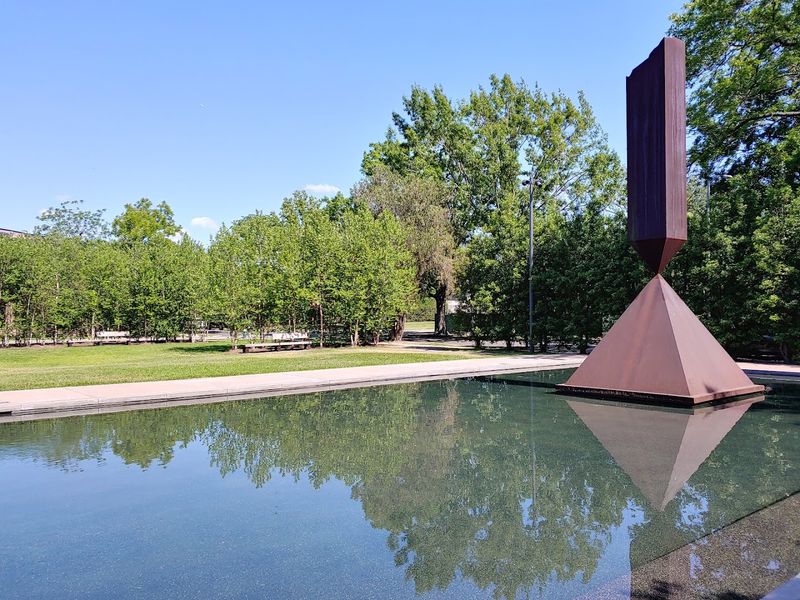
The chapel sits in a peaceful park setting with a reflecting pool and Barnett Newman’s Broken Obelisk sculpture dedicated to Dr. Martin Luther King Jr. outside. It’s become an international destination for people seeking contemplation, artistic inspiration, or just a break from Houston’s hustle. The surrounding grounds offer additional space to decompress before or after your visit.
What makes this place truly special is its commitment to human rights activism alongside its artistic mission. The chapel regularly hosts interfaith dialogues, concerts, and programs addressing social justice issues. You might catch a poetry reading, a meditation session, or simply share the space with travelers from around the globe.
There’s no gift shop pressure, no timed entry, and no one rushing you along. The staff understands that meaningful experiences can’t be scheduled down to the minute. Whether you’re an art enthusiast, a spiritual seeker, or just curious about what all the fuss is about, this Houston landmark delivers something you can’t quite find anywhere else.
The chapel proves that the most profound museum experiences sometimes happen in the quietest spaces.
2. The Fire Museum of Texas (Beaumont)
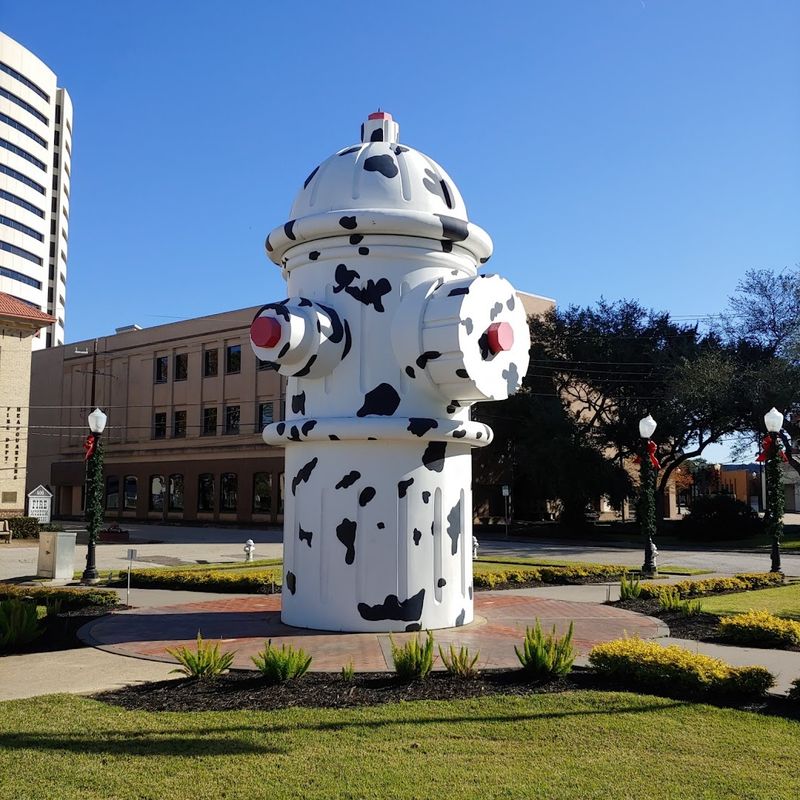
Housed in a gorgeous 1927 fire station with original brass poles still intact, this museum celebrates the brave folks who’ve battled blazes across Texas for generations. The building itself is worth the trip, with its classic firehouse architecture and that unmistakable smell of history mixed with a hint of old leather and metal. Kids absolutely lose their minds when they see the antique fire engines gleaming under the lights.
The collection spans over a century of firefighting history, from hand-pumped wagons pulled by horses to motorized trucks that look like they rolled straight out of a Norman Rockwell painting. You’ll find everything from leather buckets and speaking trumpets to elaborate parade uniforms decorated with more brass buttons than a marching band. Each piece tells a story about how firefighters risked everything to protect their communities.
One of the coolest features is the working fire pole that connected the upstairs living quarters to the ground floor garage. Firefighters would slide down in seconds when the alarm sounded, saving precious time that could mean the difference between a small fire and a disaster. The museum preserves these architectural details that modern fire stations have largely abandoned.
Interactive displays let visitors try on firefighter gear (which is surprisingly heavy) and learn about fire safety in ways that actually stick with kids. The museum doesn’t just glorify the equipment; it shares real stories from Texas firefighters who faced everything from oil refinery explosions to devastating wildfires. These personal accounts add emotional weight to the gleaming trucks and polished brass.
Volunteers, many of them retired firefighters, staff the museum and love sharing their knowledge and war stories. They’ll explain how equipment evolved, demonstrate old tools, and answer questions about what it’s really like to run into burning buildings when everyone else is running out. Their passion transforms what could be a static collection into a living tribute to courage and community service that resonates long after you leave.
3. Interurban Railway Museum (Plano)
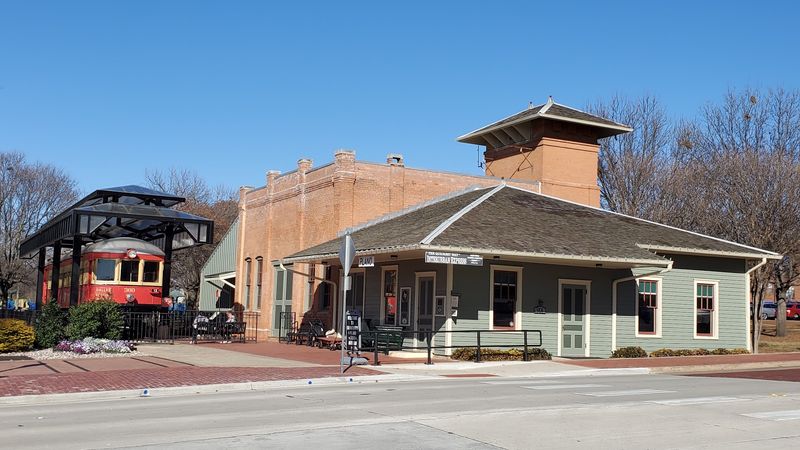
Before highways crisscrossed North Texas, electric railway cars zipped between Dallas and surrounding towns, connecting communities in ways that shaped the region’s growth. This compact museum preserves that forgotten era when interurban railways represented cutting-edge transportation technology. The star attraction is a beautifully restored 1908 Texas Electric Railway car that once carried passengers along routes now buried under suburban sprawl.
Stepping aboard the vintage railcar transports you to a time when a trip to Dallas meant something special. The wooden seats, brass fixtures, and period advertisements recreate the experience of early 20th-century travel. You can almost hear the conductor calling out stops and feel the gentle sway as the car glided along elevated tracks.
The museum occupies a restored depot building that itself tells stories about small-town Texas life. Photographs line the walls showing Plano when it was still farmland dotted with cotton gins, long before it became the corporate headquarters capital it is today. These images reveal how the railway transformed sleepy agricultural communities into connected suburbs practically overnight.
What’s fascinating is learning how the interurban system worked as both commuter transit and freight hauler. The same tracks that brought shoppers into Dallas also carried produce, mail, and supplies back to outlying towns. The railway created economic opportunities and social connections that fundamentally changed North Texas, yet most people today have no idea these electric lines ever existed.
Exhibits explain why the system eventually died out as automobiles became affordable and highways improved. It’s a cautionary tale about how quickly transformative technology can become obsolete. The irony isn’t lost on visitors that Plano now struggles with traffic congestion that those old interurban lines might have helped prevent.
Docents share colorful anecdotes about railway operations, including tales of winter ice storms, summer heat challenges, and the occasional cow on the tracks. Their enthusiasm for this niche slice of transportation history is contagious, making you appreciate infrastructure you never knew existed and sparking questions about what modern conveniences might someday fill museums.
4. Kimbell Art Museum (Fort Worth)
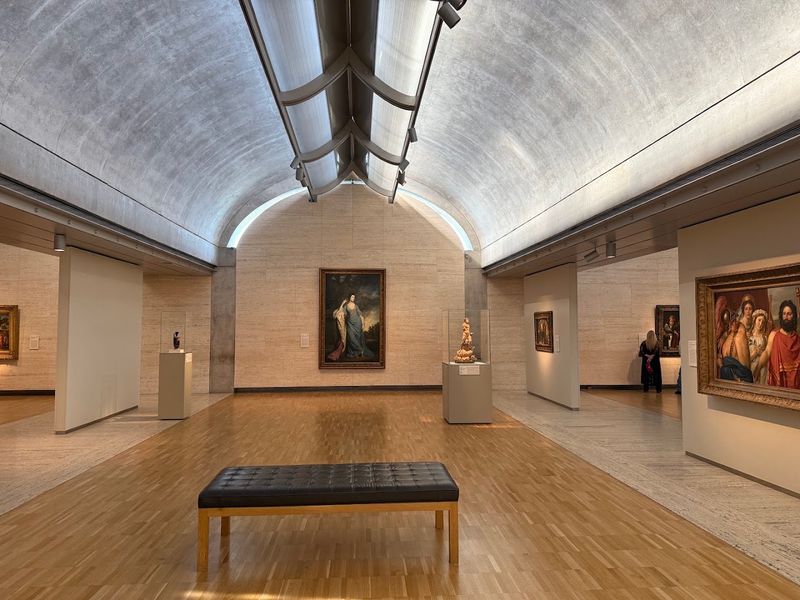
Designed by legendary architect Louis Kahn, this Fort Worth gem proves that world-class art doesn’t require an admission fee. The building itself is a masterpiece, with its signature vaulted ceilings and ingenious use of natural light that filters through narrow skylights to illuminate galleries without damaging delicate artworks. Architecture students make pilgrimages here just to study Kahn’s brilliant design, which many consider his greatest achievement.
The permanent collection punches way above its weight, featuring works by Caravaggio, Monet, Picasso, and other household names you’d expect to pay serious money to see. A Velázquez here, a Cézanne there—the Kimbell assembled an impressive European collection that spans centuries. Asian art, ancient artifacts, and pre-Columbian pieces round out holdings that could easily anchor museums three times its size.
What sets this place apart is its intimate scale and thoughtful curation. Instead of overwhelming you with hundreds of pieces crammed together, the Kimbell presents carefully selected works with enough breathing room to actually appreciate them. You can spend quality time with each painting without feeling rushed by crowds or exhausted by endless galleries.
It’s quality over quantity in the best possible way.
The museum’s commitment to free admission for its permanent collection reflects Fort Worth’s cultural values and the vision of its founders. While special exhibitions sometimes require tickets, you can visit the core collection whenever you want without planning around budget constraints. This accessibility means families can return repeatedly, students can study favorite works up close, and anyone can experience great art regardless of financial circumstances.
The Renzo Piano Pavilion addition blends seamlessly with Kahn’s original structure while providing space for those ticketed special exhibitions. Even if you’re only visiting the free areas, you’ll appreciate how the expansion respects and enhances the original vision. The grounds include a reflecting pool and sculpture garden that invite lingering before or after your gallery visit.
Fort Worth locals treat the Kimbell like their personal art collection, dropping by for thirty minutes to visit specific favorites or spending entire afternoons sketching in the galleries. That kind of casual relationship with museum-quality art is rare and wonderful, made possible entirely by the institution’s commitment to keeping great art accessible to everyone.
5. Bee Cave Sculpture Park (Bee Cave)
Tucked into the Hill Country just west of Austin, this outdoor sculpture park transforms a natural limestone landscape into an ever-changing gallery under the Texas sky. More than thirty large-scale contemporary sculptures dot the property, ranging from abstract metal constructions to figurative stone works that interact beautifully with their surroundings. Unlike traditional museums where you tiptoe quietly through climate-controlled rooms, here you’re encouraged to walk, explore, and experience art in fresh air and sunshine.
The park rotates its collection regularly, so return visits always offer something new to discover. One sculpture might tower twenty feet high in rusted steel, while another sits low to the ground in polished granite. This variety keeps the experience dynamic and prevents the visual fatigue that can happen in conventional galleries.
Your eyes travel from artwork to artwork with the Hill Country serving as the ultimate backdrop.
Walking paths wind through the property, creating a leisurely route that takes about an hour if you stop to really look at each piece. Some visitors treat it like a brisk walk with artistic bonuses, while others settle onto benches to sketch or photograph their favorites. The park attracts everyone from serious art collectors scouting emerging artists to families just wanting an outdoor activity that’s more interesting than another playground visit.
What makes this place special is how the sculptures respond to changing light and weather. Morning sun casts long shadows that become part of the composition, while late afternoon gold tones warm the metal surfaces. After a rain, water droplets cling to abstract forms, creating temporary details the artists never planned.
This constant transformation means the same sculpture can look completely different depending on when you visit.
The park hosts occasional artist talks and events, but mostly it just exists as a free resource for anyone who wants to combine nature, exercise, and culture. There’s no pretension, no hushed voices, no guards watching your every move. You can get as close to the sculptures as you want, walk the paths in any order, and take all the photos your phone can hold.
Bee Cave might not be on most tourists’ radar, but locals know this hidden gem offers something increasingly rare: accessible contemporary art in a relaxed setting where you can actually breathe and think. It’s proof that meaningful cultural experiences don’t require walls, tickets, or stuffy formality.
6. Texas Military Forces Museum (Austin)
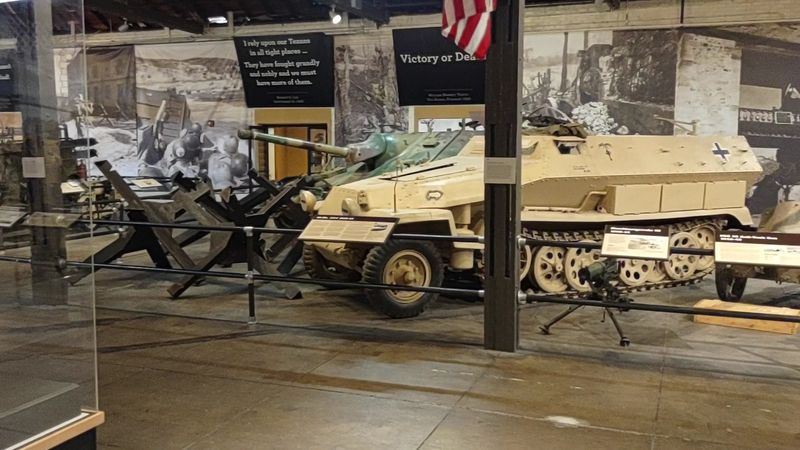
Located at Camp Mabry in Austin, this museum chronicles Texas military history from Spanish colonial times through modern conflicts, with a special focus on the Texas National Guard and State Guard. The collection includes everything from Civil War-era rifles and World War I uniforms to Vietnam-era helicopters and Gulf War equipment. It’s a comprehensive look at how Texans have served in military conflicts across three centuries, told through artifacts that saw actual combat and service.
The museum doesn’t glorify war so much as document the experiences of ordinary Texans who found themselves in extraordinary circumstances. Personal letters, photographs, and diary entries humanize the statistics and dates, revealing the homesickness, bravery, humor, and fear that soldiers experienced far from Texas. These intimate details transform dusty history into stories about real people who could have been your neighbors or relatives.
One of the more unusual aspects is the coverage of lesser-known military actions like the Mexican Punitive Expedition and various border conflicts that rarely make it into standard textbooks. Texas’s unique history as an independent republic and border state created military situations that don’t fit neatly into national narratives. The museum fills in these gaps with artifacts and explanations that give fuller context to the state’s complex military heritage.
Outdoor displays feature impressive hardware including tanks, artillery pieces, and aircraft that visitors can view up close. Kids especially love seeing the helicopters and imagining what it was like to fly them in combat. These large-scale exhibits provide visceral impact that photographs simply can’t match, helping visitors grasp the massive logistics and engineering behind military operations.
The museum’s location on an active military base adds authenticity to the experience. You might see National Guard members in uniform going about their duties, connecting past and present in tangible ways. Security protocols require showing ID at the gate, but the process is straightforward and staff are welcoming to visitors genuinely interested in military history.
Veterans often visit to find artifacts from their own service eras, sometimes discovering equipment they personally used or seeing uniforms identical to ones they wore. These moments of recognition create powerful connections between the museum’s collections and living memory, reminding visitors that much of this history is recent enough that its participants are still around to share their stories and perspectives.