Texas has always been about big flavors, bold traditions, and places that stick around long enough to become part of the family. Some restaurants here aren’t just spots to grab a meal—they’re woven into the state’s history, passed down through generations like treasured recipes. Whether it’s a plate of enchiladas served the same way since the 1940s or a steak challenge that draws visitors from across the globe, these dining destinations have earned their legendary status one satisfied customer at a time.
1. Gaido’s Seafood Restaurant (Galveston)
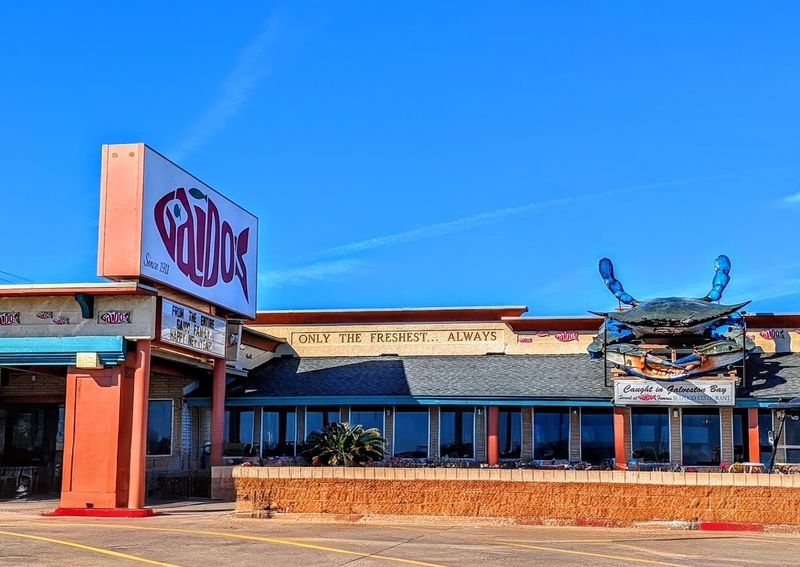
Standing proud on the Galveston seawall since 1911, this family-owned seafood house has survived hurricanes, economic downturns, and changing tastes while keeping its reputation as the island’s premier dining destination. The Gaido family built their empire on fresh Gulf catches and hospitality that makes every visitor feel like a regular. Walk through those doors and you’re stepping into more than a century of coastal Texas tradition.
The menu reads like a love letter to the Gulf of Mexico. Shrimp, crab, oysters, and fish arrive daily from local boats, then get transformed into dishes that range from classic fried platters to more refined preparations. The stuffed snapper has earned legendary status among locals who’ve been ordering it for decades.
Portions are generous without being wasteful, and the kitchen knows exactly how to let quality seafood shine without drowning it in unnecessary complications.
What sets this place apart isn’t just the food—it’s the atmosphere that wraps around you like a warm coastal breeze. The dining room features nautical touches that feel authentic rather than themed, with large windows offering views of the Gulf. Service comes with genuine warmth, the kind you only get when staff members have worked somewhere long enough to take pride in every plate.
Generations of the same families have celebrated birthdays, anniversaries, and graduations here, creating layers of memories within these walls.
The restaurant has adapted over the decades while staying true to its core identity. Modern touches have been added thoughtfully, but the soul remains unchanged. You’ll find businesspeople closing deals over lunch, tourists discovering what fresh Gulf seafood really tastes like, and longtime Galveston residents who wouldn’t dream of celebrating special occasions anywhere else.
The bar pours stiff drinks and the desserts are worth saving room for, especially the key lime pie that’s been made the same way since anyone can remember.
Location matters here. Sitting on Seawall Boulevard means you’re dining with the Gulf as your backdrop, watching ships pass and feeling connected to the maritime heritage that defines Galveston. This isn’t a restaurant trying to be iconic—it simply is, through decades of consistent quality and genuine hospitality that can’t be faked.
2. Matt’s El Rancho (Austin)
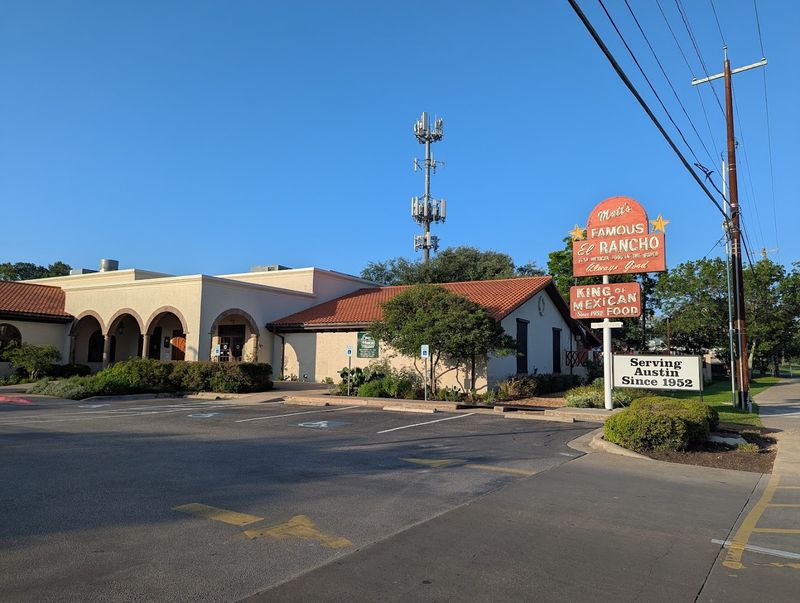
Since 1952, this Austin institution has been slinging Tex-Mex that defines what the genre should taste like. Matt Martinez Sr. opened the original location with recipes that blended his Mexican heritage with Texas sensibilities, creating dishes that became templates for countless imitators. The current South Lamar location, opened in 1986, carries on that legacy with the same commitment to flavor and tradition that made the name famous.
The Bob Armstrong dip alone justifies the trip. Named after a former Texas Land Commissioner who was a regular customer, this queso creation layers refried beans, seasoned ground beef, and guacamole under a blanket of melted cheese that stays creamy from first bite to last. It’s become so popular that other restaurants have tried to copy it, but the original remains unmatched.
The enchiladas come in multiple styles, each with its own devoted following, and the tamales are hand-rolled using techniques passed down through generations.
Walking into Matt’s feels like entering someone’s well-loved home, if that home happened to seat a few hundred people. Colorful Mexican artwork covers the walls, and the booths have absorbed decades of conversations, celebrations, and casual Tuesday dinners. The waitstaff includes people who’ve worked here long enough to remember when the neighborhood looked completely different, and they treat regulars and first-timers with the same attentive care.
The margaritas deserve their own paragraph. Mixed strong and served in glasses that seem designed to make you forget your troubles, they’re the perfect companion to plates of sizzling fajitas or cheese-smothered enchiladas. The bar area buzzes with energy, especially during happy hour when locals pack in for drink specials and appetizers.
It’s not uncommon to spot politicians, musicians, and neighborhood folks all sharing the same space, united by their appreciation for food done right.
Austin has changed dramatically since Matt’s first opened, with the city growing from a sleepy college town to a booming tech hub. Through all that transformation, this restaurant has remained a constant, a place where you can still taste Austin as it used to be while enjoying the vibrant energy of what it’s become. The Martinez family still runs the operation, ensuring that quality and authenticity never get sacrificed for trends or shortcuts.
3. The Big Texan Steak Ranch (Amarillo)
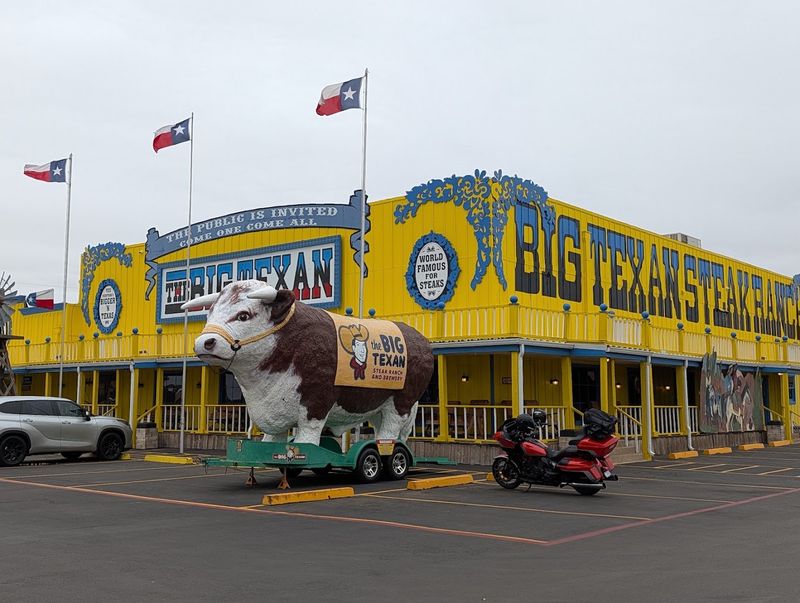
You can spot this place from the interstate, which is exactly how R.J. Lee designed it when he opened along Route 66 in 1960. The giant cowboy sign and Western facade promise something bigger than life, and the restaurant delivers on that promise with the kind of showmanship that makes the Texas Panhandle famous.
This isn’t just dinner—it’s an experience that combines serious steakhouse quality with roadside attraction entertainment.
The 72-ounce steak challenge has become legendary across America. Finish the massive steak plus all the sides within one hour, and your meal is free. Thousands have tried, many have failed, and the few who succeed get their names immortalized and their photos on the wall.
But even if you’re not attempting the challenge, the regular steaks are exceptional—hand-cut, perfectly seasoned, and cooked over an open flame that adds the right amount of char. The beef comes from quality sources, and the kitchen treats it with the respect it deserves.
The interior embraces Western kitsch with full commitment. Mounted animal heads watch over diners, wagon wheels hang from the ceiling, and the decor celebrates cowboy culture without a hint of irony. Live country music plays nightly, adding to the atmosphere that feels part honky-tonk, part family steakhouse, and entirely Texan.
The gift shop sells everything from hot sauce to cowboy hats, ensuring nobody leaves empty-handed.
What makes this place special goes beyond the gimmicks. The service is genuinely friendly, with servers who handle the constant stream of tourists and locals with equal professionalism. The menu offers plenty beyond the challenge steak, including chicken, seafood, and smaller cuts for those with more reasonable appetites.
The salad bar is extensive, and the sides are made from scratch—these aren’t afterthoughts but proper accompaniments to the main event.
Amarillo sits in the middle of a whole lot of nowhere, making The Big Texan an essential stop for road trippers crossing the Panhandle. It’s become a pilgrimage site for steak lovers and a must-visit for anyone traveling Interstate 40. The restaurant has appeared in countless travel shows, magazines, and social media posts, yet somehow maintains its authentic character.
It’s touristy, sure, but it’s also genuinely good, which is a rare combination that keeps people coming back decade after decade.
4. Blue Bonnet Cafe (Marble Falls)
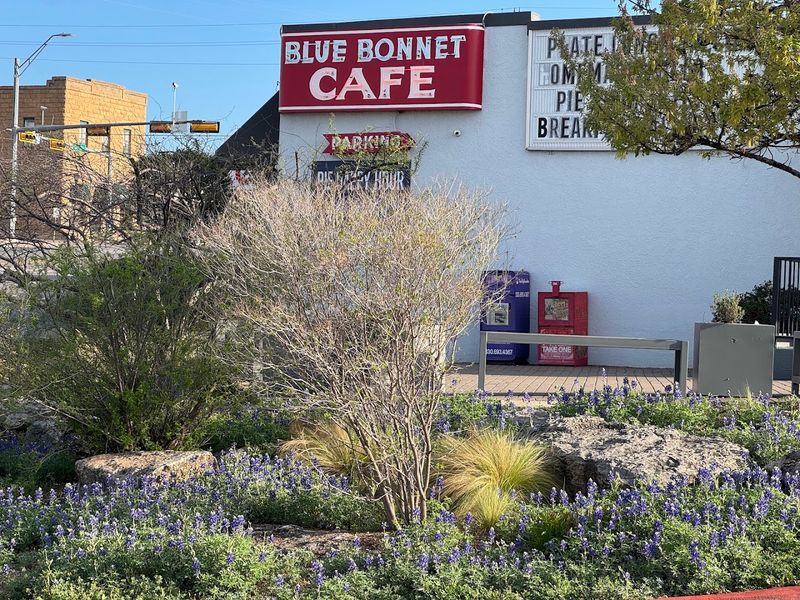
Opened in 1929, this Hill Country cafe has been serving comfort food to generations of Texans who know that sometimes the best meals come from the simplest places. The building sits on Highway 281 in downtown Marble Falls, a modest structure that doesn’t need flashy marketing because its reputation does all the talking. Step inside and you’ll find booths filled with ranchers, retirees, families, and visitors who’ve heard about the pies and came to see if the rumors are true.
Those pies are no rumor. The Blue Bonnet bakes dozens of varieties daily, each one made from scratch using recipes that have been perfected over decades. The meringue stands tall and proud, the fruit fillings are neither too sweet nor too tart, and the crusts are flaky without being greasy.
Chocolate cream, coconut cream, pecan, and seasonal fruit pies rotate through the display case, and by mid-afternoon on weekends, the selection gets picked over by customers who know to arrive early. Many people stop in just for pie and coffee, which the staff welcomes with the same warmth as those ordering full meals.
The regular menu covers all the Texas cafe classics. Chicken-fried steak arrives with cream gravy that could make a vegetarian reconsider their choices. The breakfast plates are generous, with eggs cooked exactly as ordered and hash browns that get properly crispy.
Lunch brings burgers, sandwiches, and daily specials that often sell out before closing time. Nothing here tries to be fancy or trendy—it’s honest food cooked by people who’ve been doing this long enough to know what works.
The atmosphere feels frozen in a better time, when diners were community gathering spots rather than quick fuel stops. Regulars occupy their usual tables, waitresses remember your order from last week, and conversations flow between booths as naturally as coffee refills. The walls display local history, photos of the town through the decades, and memorabilia that tells the story of Marble Falls and the Hill Country.
Location in the Highland Lakes region makes this a perfect stop for weekend getaways. After hiking around Inks Lake or shopping in Marble Falls, pulling into the Blue Bonnet for a slice of pie feels like the reward you’ve earned. It’s the kind of place that reminds you why small-town Texas cafes matter—they preserve flavors, traditions, and a pace of life that’s worth protecting.
5. Campisi’s Egyptian Restaurant (Dallas)
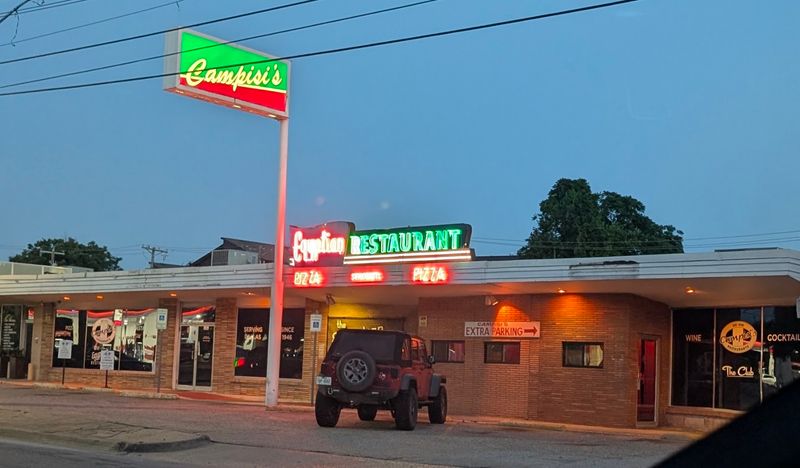
The story starts in 1946 when Joe Campisi opened a restaurant with an unusual name and even more unusual decor. The Egyptian theme came from Joe’s fascination with ancient history, but the food was pure Italian-American, the kind of red-sauce cooking that Dallas had never tasted before. The original location on Mockingbird Lane became a gathering spot for everyone from celebrities to alleged mobsters, creating a mystique that still surrounds the restaurant today.
Pizza is the star here, and the recipe hasn’t changed since opening day. The crust hits that perfect balance between crispy and chewy, the sauce carries just enough tang, and the cheese melts into a blanket of gooey perfection. The Egyptian Special loads on Italian sausage, pepperoni, mushrooms, and other toppings without becoming a soggy mess.
Slices are generous, and the whole pies are sized to feed hungry groups who tend to order multiple varieties to share around the table.
Beyond pizza, the Italian menu covers all the classics. Lasagna arrives bubbling hot with layers of pasta, meat sauce, and cheese that stretch when you pull a forkful away. The spaghetti and meatballs use beef that’s seasoned properly and cooked until tender.
Veal and chicken dishes show that the kitchen can handle more than just pizza, though honestly, most people come for that signature pie. The portions are sized for Texas appetites, which means you’ll likely leave with a to-go box.
The decor commits fully to the Egyptian theme with hieroglyphics, pharaoh statues, and murals that transport you somewhere between ancient Egypt and mid-century Dallas. It’s kitschy in the best way, creating an atmosphere that’s both fun and somehow sophisticated. The bar serves stiff drinks, and the dim lighting makes it feel like the kind of place where deals get made and secrets get kept.
Whether any of the mob rumors are true hardly matters—the mystique is part of the experience.
Multiple locations now serve the Dallas area, but the original Mockingbird spot carries the most history and atmosphere. Jack Ruby was a regular customer, and the restaurant’s connection to Dallas history—both the glamorous and the notorious—adds layers of intrigue to every visit. It’s a place where you can taste the past while enjoying food that still holds up decades later, proving that some recipes and some stories never go out of style.
6. Brennan’s of Houston (Houston)
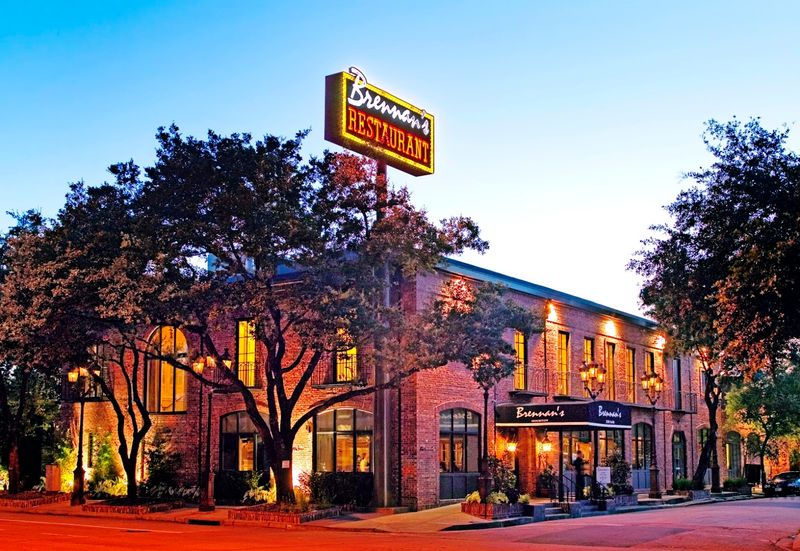
Opened in 1967 by the legendary New Orleans restaurant family, this Houston outpost brought Creole sophistication to a city that was ready for fine dining with soul. The Brennan family had already made their name with Commander’s Palace and other Big Easy institutions, and they approached Houston with the same commitment to excellence. The restaurant sits in a beautifully restored mansion surrounded by lush courtyards, creating an oasis of elegance in the middle of the city.
Brunch at Brennan’s isn’t just a meal—it’s a ritual that Houstonians have been practicing for generations. The menu features classics like Eggs Hussarde and Eggs Sardou, both drowning in rich Hollandaise sauce that’s whisked to perfection. Turtle soup arrives as a dark, complex broth that showcases the Creole tradition of using every ingredient to its fullest potential.
The Bananas Foster gets prepared tableside with theatrical flair, flames leaping as butter, brown sugar, and rum transform fresh bananas into a dessert that’s equal parts show and substance.
Dinner service maintains the same high standards with dishes that balance French technique and Louisiana soul. Gulf fish gets treated with respect, seafood gumbo carries layers of flavor built over hours of careful cooking, and the steaks are aged and prepared by people who understand that great ingredients need minimal interference. The wine list is extensive without being pretentious, and the sommelier actually listens to what you like rather than pushing the most expensive bottles.
The setting enhances every meal. Dining rooms feature crystal chandeliers, fine linens, and artwork that creates an atmosphere of refined elegance without stuffiness. The courtyard offers a more casual option where you can enjoy your meal surrounded by tropical plants and the sound of fountains.
Service is professional in the best sense—attentive without hovering, knowledgeable without showing off, and genuinely invested in ensuring your experience is memorable.
Special occasions call for Brennan’s. Anniversaries, graduations, business celebrations, and milestone birthdays all feel more significant when marked with a meal here. The restaurant has hosted countless proposals, family reunions, and important conversations over plates of expertly prepared food.
It’s expensive, no question, but the quality justifies the prices. This is the kind of place that reminds you why fine dining matters, why taking time over a meal with people you care about is worth the investment of both money and attention.
7. Black’s Barbecue (Lockhart)
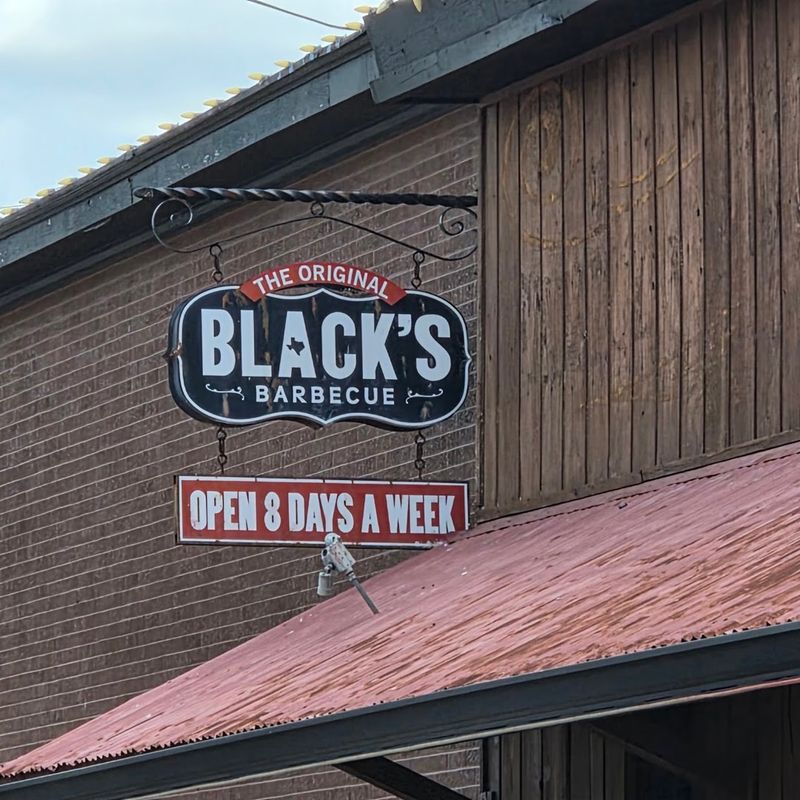
Operating since 1932, this is the oldest continuously operating barbecue joint in Texas under the same family ownership. That’s not just a fun fact—it’s a testament to consistency, quality, and a refusal to cut corners even when shortcuts would be easier. The Black family has been smoking meat over post oak for over ninety years, and they’ve perfected the process to the point where every brisket that comes off the pit is a masterclass in Texas barbecue.
The brisket is what built the reputation. Smoked low and slow until the fat renders into the meat and the exterior develops a dark, peppery bark, each slice reveals the pink smoke ring that signals proper smoking technique. The meat is tender enough to pull apart with your fingers but still has enough structure to hold together on a slice of white bread.
No sauce is needed, though bottles sit on every table for those who want it. The beef ribs are massive, with meat that slides off the bone, and the sausage has a satisfying snap when you bite through the casing.
The setting is pure functional Texas. Butcher paper serves as your plate, slices of white bread soak up the juices, and sides like pinto beans and potato salad provide simple accompaniment to the main event. The dining room features long communal tables where strangers become temporary friends over shared appreciation for great barbecue.
The walls display photos documenting decades of family history, awards from barbecue competitions, and visits from celebrities who’ve made the pilgrimage to Lockhart.
Lockhart claims the title of Barbecue Capital of Texas, and Black’s is a major reason why. The town of fewer than 15,000 people draws barbecue pilgrims from around the world, all seeking the authentic experience that only comes from places that have been doing this for generations. Lines form before opening, especially on weekends, but the wait is part of the experience.
Use the time to smell the smoke, watch the pit masters work, and build anticipation for what’s coming.
The success hasn’t changed the fundamentals. The family still sources quality beef, still uses post oak, still refuses to rush the process. They’ve opened additional locations and expanded the original building, but the core product remains unchanged.
When you eat here, you’re tasting history—not in a museum sense, but in the living, breathing tradition of Texas barbecue done the way it’s supposed to be done.
8. Joe T. Garcia’s (Fort Worth)
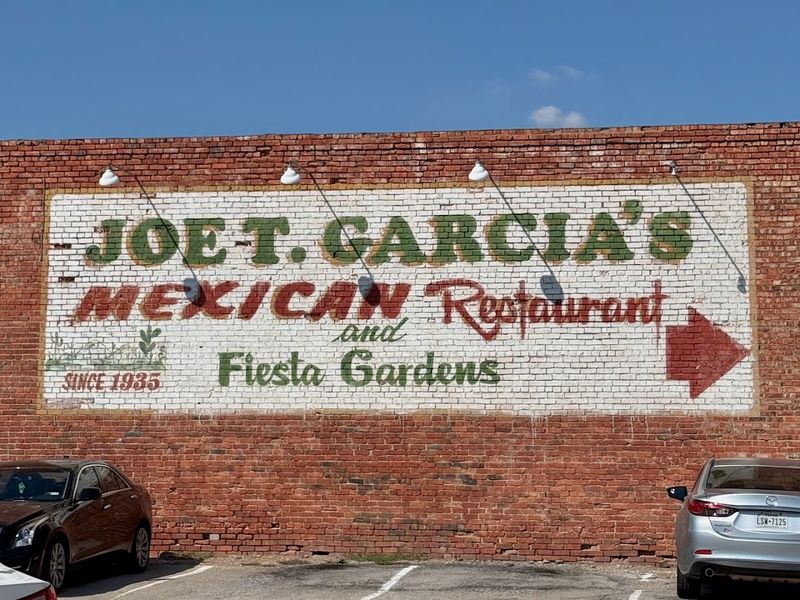
Since 1935, this family compound has been serving Tex-Mex to Fort Worth residents who consider it a second home. What started as a small cafe run by Joe T. and his wife Jessie has grown into a sprawling complex that can seat over a thousand people across multiple patios, dining rooms, and the famous outdoor courtyard. Despite the size, it maintains the feel of dining at someone’s hacienda, with stucco walls, fountains, and lush plants creating an atmosphere that transports you south of the border.
The menu is famously simple. For dinner, you get a choice: the enchilada dinner or the fajita dinner. That’s it.
Lunch offers a few more options, but the evening meal embraces minimalism in a way that’s actually liberating. No agonizing over choices, no decision fatigue—just pick your protein and let the kitchen do what it’s been doing for decades. The enchiladas arrive swimming in chili gravy, the fajitas sizzle on cast iron platters, and everything comes with beans, rice, guacamole, and fresh tortillas that are still warm from the griddle.
The courtyard is where magic happens, especially on warm evenings when the Fort Worth sky turns purple and the string lights start to glow. Families gather around tables, margaritas flow from the bar, and the sound of conversation and laughter fills the air. The fountain provides a peaceful soundtrack, and the plants create intimate pockets within the larger space.
It’s romantic without trying to be, festive without being loud, and comfortable in a way that makes you want to linger long after the plates are cleared.
Getting a table requires patience, especially on weekends when the wait can stretch past an hour. The restaurant doesn’t take reservations for most parties, operating on a first-come, first-served basis that’s democratic if occasionally frustrating. Use the wait time to grab drinks from the bar, explore the grounds, or people-watch as groups arrive for birthdays, anniversaries, and casual Tuesday dinners.
The staff handles the chaos with practiced efficiency, somehow keeping track of hundreds of diners without losing their cool.
Fort Worth natives have deep emotional connections to this place. Generations have celebrated here, from quinceañeras to retirement parties. The Garcia family still runs the operation, maintaining the standards that made the restaurant famous.
It’s not trying to be trendy or modern—it’s simply being itself, serving the same food the same way it always has, trusting that quality and atmosphere will keep people coming back. That trust has been rewarded with decades of loyalty and lines that never seem to get shorter.
9. S&D Oyster Company (Dallas)
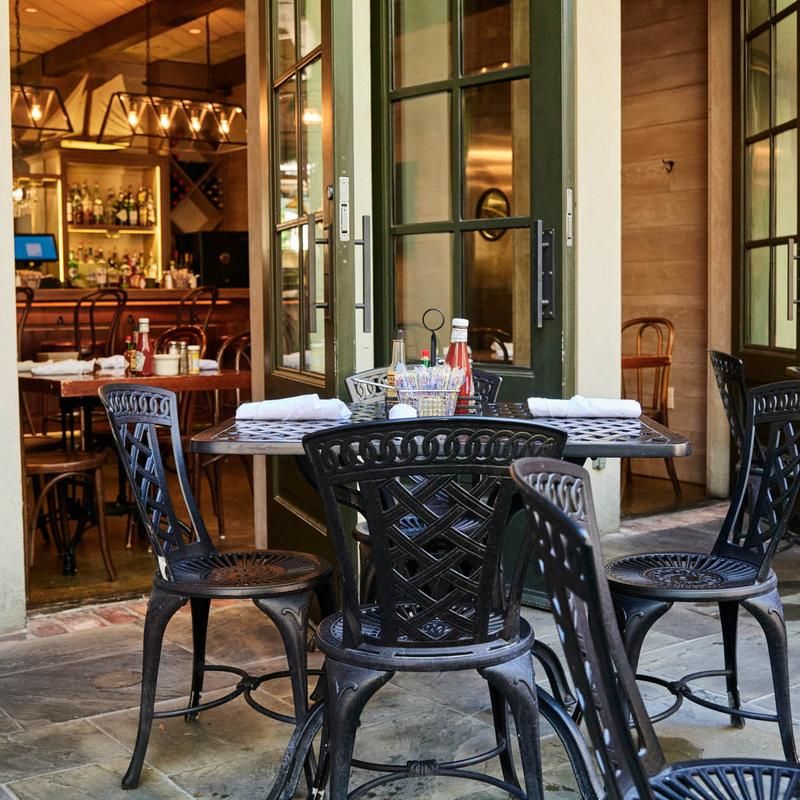
When it opened in 1976, Dallas wasn’t exactly known for fresh seafood. The city sits hundreds of miles from the nearest coast, and most restaurants served frozen fish that had seen better days. The founders of S&D changed that equation by establishing direct relationships with Gulf fishermen and flying in fresh catches daily.
What started as a bold experiment became a Dallas institution, proving that landlocked cities can serve seafood that rivals coastal restaurants when quality and freshness are non-negotiable.
The oyster bar is the centerpiece, both literally and figuratively. Raw oysters arrive on beds of ice, shucked to order, with varieties from different Gulf locations offering subtle differences in brine and texture. The shuckers work with speed and precision, their knives opening shells in smooth motions perfected through thousands of repetitions.
Mignonette sauce and cocktail sauce accompany every order, but the oysters are good enough to eat plain, letting the taste of the Gulf shine through.
Beyond oysters, the menu showcases the full range of Gulf seafood. Redfish, snapper, grouper, and other catches get prepared simply—grilled, blackened, or fried—allowing the quality of the fish to be the star. The gumbo is dark and rich, built on a roux that’s been cooked to the edge of burning for maximum flavor.
Crab cakes are mostly crab with just enough binding to hold them together, and the shrimp comes in multiple preparations from basic boiled to more elaborate presentations.
The atmosphere splits the difference between casual and upscale. You can come in shorts and a t-shirt or dress up for a business dinner, and either choice feels appropriate. The bar pours excellent cocktails with a focus on classics—martinis, Manhattans, and margaritas made properly without unnecessary flourishes.
The wine list emphasizes bottles that pair well with seafood, and the staff can guide you toward choices that complement your meal rather than overpower it.
Location in Uptown Dallas makes this a popular spot for business lunches and after-work gatherings. The proximity to offices and hotels brings a steady stream of customers who appreciate the combination of quality and convenience. Happy hour draws crowds for discounted oysters and drinks, creating a buzzy atmosphere that carries into dinner service.
Weekends bring a more relaxed crowd, with couples and groups settling in for leisurely meals that stretch across multiple courses. It’s the kind of place that works for multiple occasions, adapting to whatever experience you’re seeking while maintaining consistent quality across every visit.
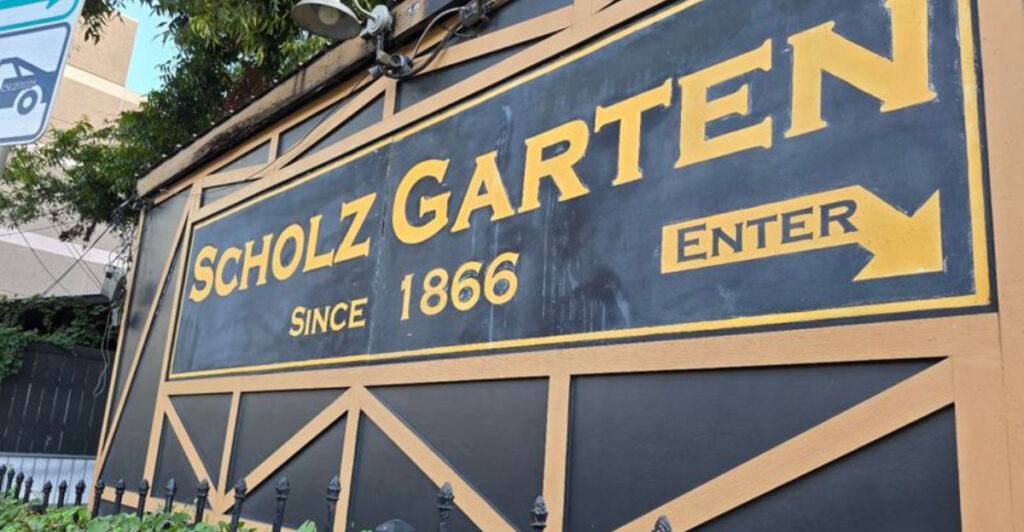
10. Scholz Garten (Austin)
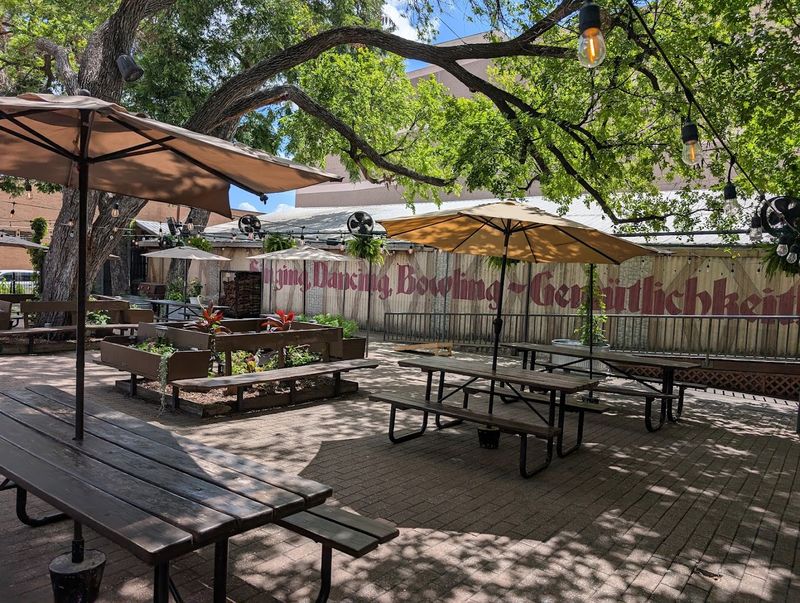
This is Texas’s oldest continuously operating business, period. August Scholz opened his beer garden in 1866, just a year after the Civil War ended, creating a gathering place for German immigrants who wanted a taste of home in their adopted Texas. The building has survived everything Austin has thrown at it—economic depressions, world wars, Prohibition, and the transformation of the city from sleepy capital to booming tech hub.
Through it all, Scholz Garten has remained a constant, pouring beer and serving food to generations of Austinites.
The beer selection focuses on German imports and quality American craft brews, served in proper glassware that enhances the drinking experience. The outdoor beer garden is the main attraction, with picnic tables under massive oak trees that provide shade during brutal Texas summers. Inside, the building feels like a time capsule, with dark wood, vintage signs, and memorabilia documenting the restaurant’s long history.
The walls are covered with photos of political figures, university groups, and regular customers who’ve been coming here for decades.
Food covers German-American classics and Texas favorites in equal measure. Bratwurst and sauerkraut share menu space with burgers and nachos, reflecting the blended culture that defines Texas. The schnitzel is properly pounded thin and fried crispy, the potato salad carries a vinegar tang, and the pretzels arrive warm with spicy mustard.
Nothing is fancy, but everything is executed well, the kind of food that pairs perfectly with cold beer and good conversation.
Politics and sports dominate the atmosphere. The building sits near the state capitol, making it a natural gathering spot for legislators, lobbyists, and political operatives. University of Texas fans pack the place on game days, wearing burnt orange and debating the team’s prospects.
Campaign events and political fundraisers regularly take over sections of the restaurant, and it’s not unusual to see candidates working the crowd during election season. The mix creates an energy that’s uniquely Austin—progressive and conservative, old and young, native and transplant all sharing the same space.
The historical significance can’t be overstated. This building has witnessed over 150 years of Texas history, from Reconstruction through the present day. Politicians have made deals here, students have celebrated victories and mourned losses, and countless regular folks have simply enjoyed a beer after work.
The fact that it’s survived this long while maintaining its character is remarkable in a city that’s constantly tearing down the old to make room for the new. Scholz Garten stands as proof that some traditions are worth preserving, that some places matter beyond their commercial value.
11. Molina’s Cantina (Houston)
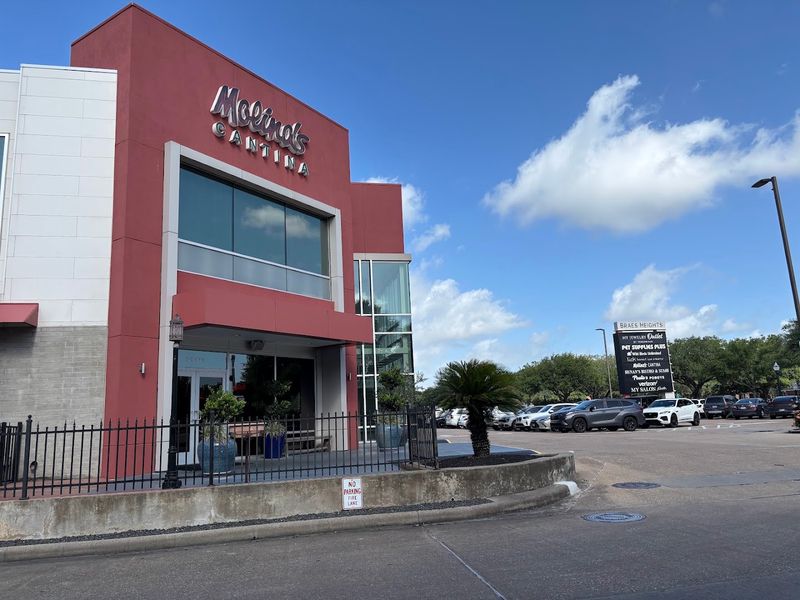
The Molina family opened their first restaurant in 1941, bringing recipes from Mexico and adapting them for Houston palates. What emerged was Tex-Mex in its purest form—cheese-heavy, flavor-forward, and completely unpretentious. The family now operates multiple locations across Houston, but each one maintains the standards that Raul Molina Sr. established over eighty years ago.
This isn’t fusion or modern interpretation—it’s the real deal, the kind of Tex-Mex that defines what Houston tastes like.
The menu reads like a greatest hits collection of Tex-Mex classics. Enchiladas come in multiple varieties, each smothered in a different sauce that’s been simmered to perfection. The beef fajitas arrive sizzling, with onions and peppers that have been grilled until they’re sweet and tender.
Tacos are simple but perfect, with fresh tortillas cradling seasoned meat and fresh toppings. The queso is smooth and stays melted, and the guacamole is made fresh with chunks of avocado that haven’t been mashed into paste.
Margaritas flow freely from the bar, mixed strong enough to feel the tequila but balanced enough to drink more than one. The original location on Westheimer has the most character, with walls covered in family photos, news clippings, and awards accumulated over decades. The booths are worn in the best way, shaped by thousands of satisfied customers who’ve slid in for lunch, dinner, or late-night tacos after a night out.
The atmosphere is loud and festive without being chaotic, the sound of families and friends enjoying meals together.
What makes Molina’s special is its role in Houston’s cultural fabric. This is where families gather for Sunday dinners, where coworkers meet for lunch, where first dates happen and anniversaries are celebrated. The restaurant has fed generations of Houstonians, watching the city grow from a regional hub to the fourth-largest city in America.
Through all that growth, Molina’s has remained affordable, accessible, and consistent—three qualities that create loyalty money can’t buy.
The Molina family still runs the business, with multiple generations involved in daily operations. They’ve resisted the temptation to expand nationally or franchise the concept, keeping control over quality and maintaining the family atmosphere that defines the experience. Each location has slight variations in decor and ambiance, but the food remains consistent across all of them.
It’s the kind of restaurant that makes Houston feel like home, whether you’ve lived here your whole life or just arrived last week.