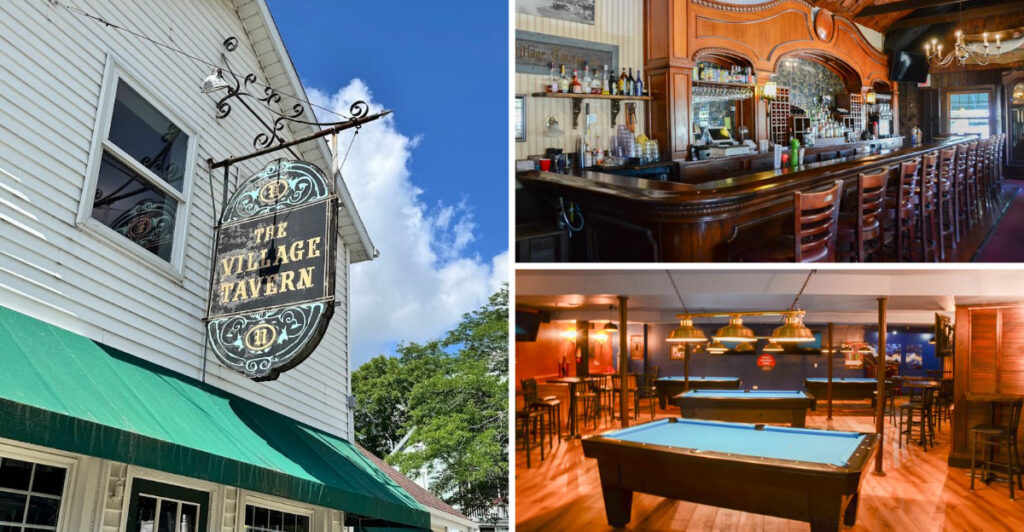
Long before craft cocktail bars became fashionable, The Village Tavern was already serving guests in the heart of historic Long Grove. For well over a century, this iconic Illinois restaurant and bar has welcomed visitors with timeless charm, hearty American fare, and an atmosphere filled with exposed beams, vintage character, and small-town history.
Its location in one of Illinois’ best-preserved historic districts makes it an easy stop while exploring local shops, festivals, and brick-lined streets. Whether you’re settling in for a drink, a leisurely lunch, or an evening meal, The Village Tavern offers a classic Illinois experience that has stood the test of time.
The Room Tells the Story Before the Menu Does
The Village Tavern announces itself with texture before it ever gets to food or drinks. Set in historic Long Grove, the building wears its age openly, with wood, trim, and a slightly uneven lived-in character that would look wrong if it were polished too hard.
That matters here because the appeal is not retro staging. It is the visual confidence of a place that has lasted long enough to stop trying.
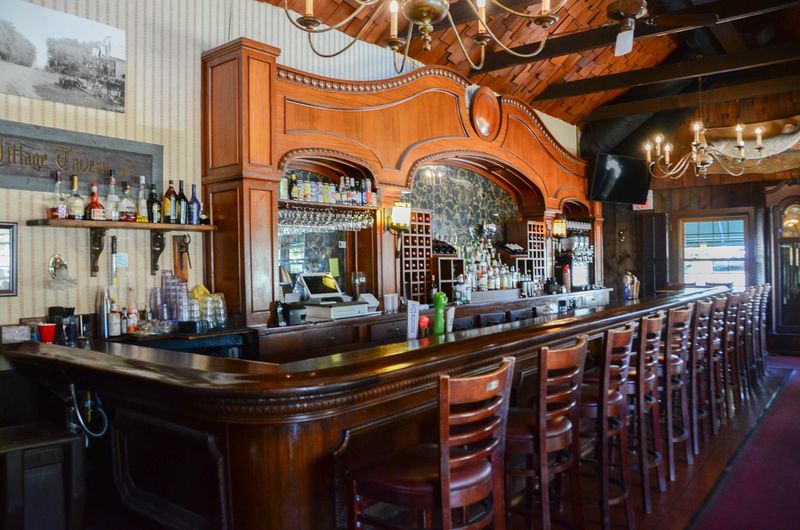
Inside, the tavern leans into dark wood and old-school barroom weight. A long mahogany bar gives the room a grounded center, and the wood-trimmed setting does much of the talking without needing decorative clutter everywhere.
There is a practical comfort to that layout. You can picture lunch, late dinner, a quick beer, or a slow conversation all fitting into the same space without friction.
The building also benefits from its village setting. Long Grove already encourages strolling, browsing, and pausing, so the tavern lands less like an isolated restaurant and more like a natural anchor inside the district.
That connection changes the pacing of a visit. Instead of feeling rushed to eat and leave, the place suits an afternoon that includes wandering nearby storefronts, festival traffic, or simply lingering a little longer than planned.
Plenty of historic restaurants coast on age alone. This one works better because the room still functions as a tavern first, not a museum with burgers.
The visual charm is real, but it stays tied to use: bar seats filling, tables turning, drinks arriving, people settling in. You are not just looking at history here. You are sitting inside a place that still knows how to move.
A Menu That Mixes Tavern Comfort with German Roots
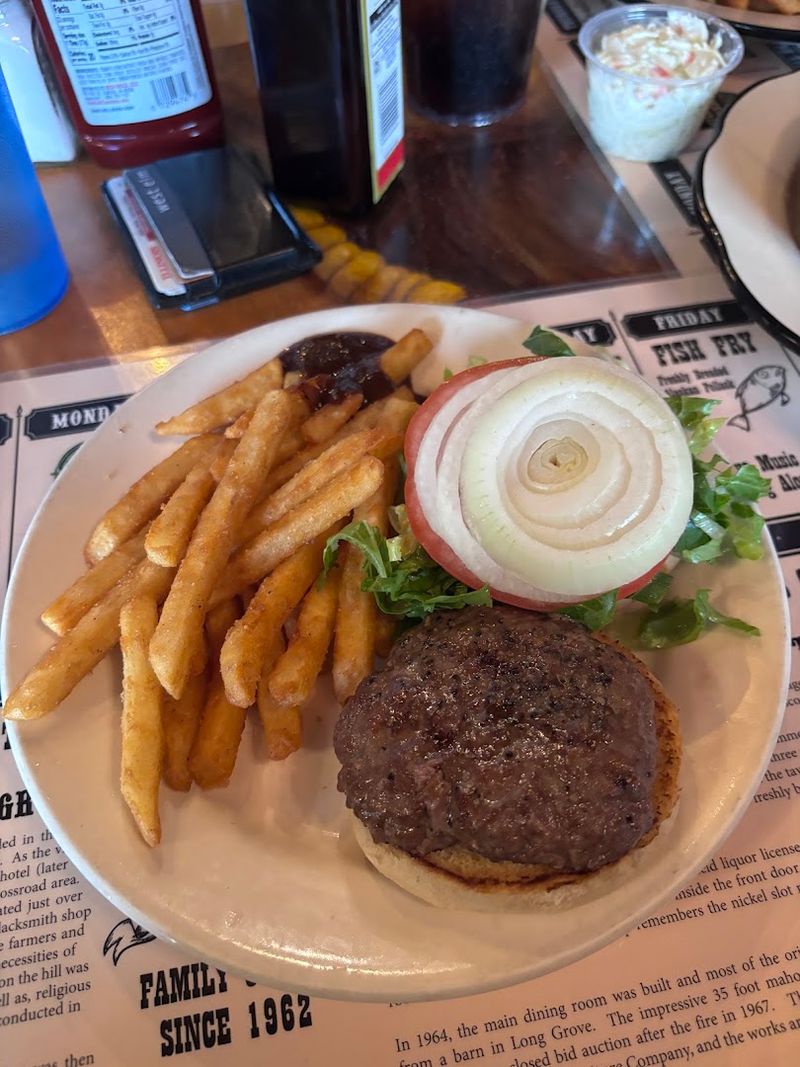
The menu at The Village Tavern does not box itself into one lane, which is part of the fun. You can approach it as a classic American tavern with burgers, sandwiches, onion rings, shrimp, and bar-friendly starters, or you can lean into dishes that reflect the area’s German heritage.
That split gives the restaurant more personality than a standard pub menu. It also means different kinds of diners can land on something that makes sense immediately.
The German side appears to be where the kitchen separates itself most clearly. Schnitzel, German ribs, sausages, spaetzle, sauerkraut, and potato salad give the lineup a regional identity that suits Long Grove’s historic setting.
Even when a menu like this includes casual staples, those heritage dishes keep the meal from blending into every other suburban grill. They also create a stronger reason to return, especially if you want to try a different corner of the menu next time.
There are also signs that specials matter here. Fish fry, prime rib nights, quesadillas, soups, and rotating comfort-food offerings seem to shape how regulars plan their visits, which gives the tavern a rhythm beyond the static printed menu.
That kind of structure works well in a historic bar. It makes the place feel active rather than preserved, with certain days carrying their own built-in draw.
Not every dish lands perfectly for every table, and that is worth acknowledging in a fair reading of the place. Still, the broader picture is not one of trend-chasing or menu bloat.
It is a tavern kitchen aiming for hearty, familiar, and occasionally distinctive. When the meal lines up with the room, the experience becomes less about chasing culinary novelty and more about enjoying food that belongs exactly where it is served.
The Bar Itself Is the Main Event
For a place known as a tavern, the bar has to carry more than decorative value, and here it does. The long counter gives the room a focal point that feels substantial, not tucked away as an afterthought beside a dining room.
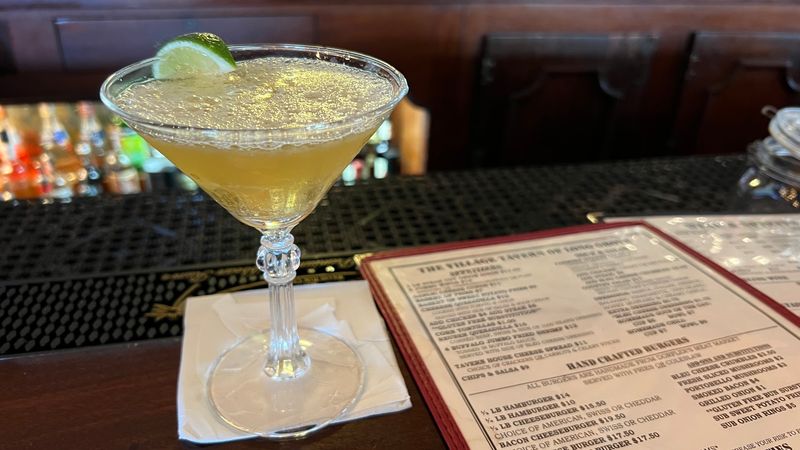
Even without ordering anything elaborate, sitting near that stretch of wood changes the visit. A simple beer or mixed drink reads differently when the setting has this much physical presence.
The drinking experience is helped by the fact that the bar looks designed for lingering conversation rather than fast turnover. High-backed seating, warm wood tones, and the visual density of an older room create a sense of enclosure that many newer bars try hard to imitate.
This is especially important in a suburb where chain polish can flatten everything into the same predictable mood. The Village Tavern avoids that by giving the bar real weight, visually and socially.
There is also a nice flexibility in how the space can be used. One table can be keeping dinner simple, another can be there for a stronger pour and a game on screen, and someone else can treat the tavern as a stop between shopping and the drive home.
The room can absorb all of that without losing its identity. That is harder to pull off than it sounds, especially in historic buildings where charm sometimes comes at the expense of function.
Strong drinks and a broad beverage selection are part of the appeal, but the larger draw is the sense that drinking here still means inhabiting a real tavern. The bar is not background scenery for social media photos.
It is the core piece of architecture that organizes the entire experience. If you want the clearest reason this place has staying power, start with the counter and work outward.
Old Illinois Details You Can Actually Notice
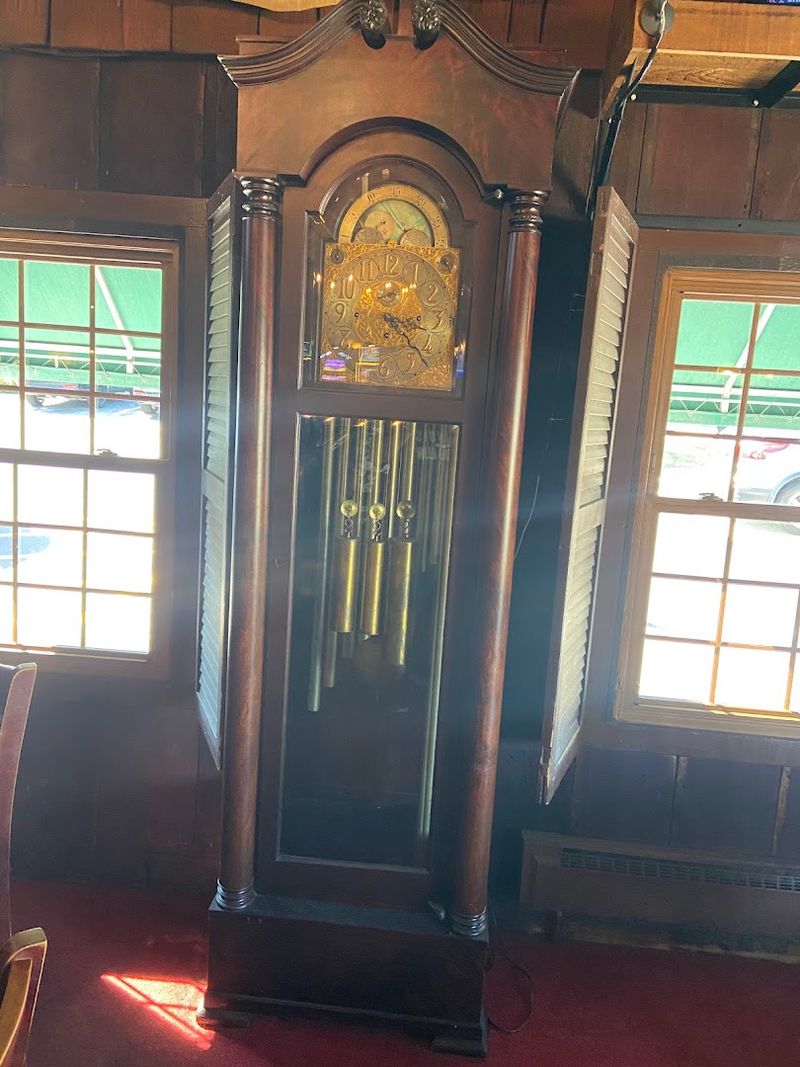
The Village Tavern benefits from details that are easy to miss if you treat it as just a lunch stop. One of the most talked-about visual anchors is the antique grandfather clock, the kind of object that instantly slows the eye in a room full of wood and conversation.
It is a perfect example of how the tavern handles age. Nothing seems arranged to scream heritage. The older pieces simply belong there.
That distinction matters because many historic restaurants overplay their past with wall text, novelty signage, or carefully engineered nostalgia. Here, the most convincing details are structural and atmospheric.
The building looks worn in spots, the trim has presence, and the furnishings support the sense that this place has been inhabited for a very long time.
Rather than undermining the experience, a little visible age strengthens it. Cleaned-up perfection would probably flatten the charm.
There is also value in how those details interact with the room’s actual use. The clock is not sitting inside a hushed exhibit.
The woodwork does not exist behind velvet ropes. People are eating fish fry, ordering another round, meeting family, or catching music while all of that history remains embedded in the surroundings.
That overlap between daily use and old material is what gives the tavern its strongest identity. History is not being presented. It is being lived around.
If you are the kind of traveler who notices architecture, furniture lines, and the way old rooms hold sound, this place gives you more to work with than a typical suburban restaurant.
If you are not, the details still affect you indirectly by shaping the pace and tone of the visit. Either way, the tavern’s physical age is not abstract trivia. It is visible, practical, and built right into the meal.
Why This Long Grove, Illinois Address Works So Well
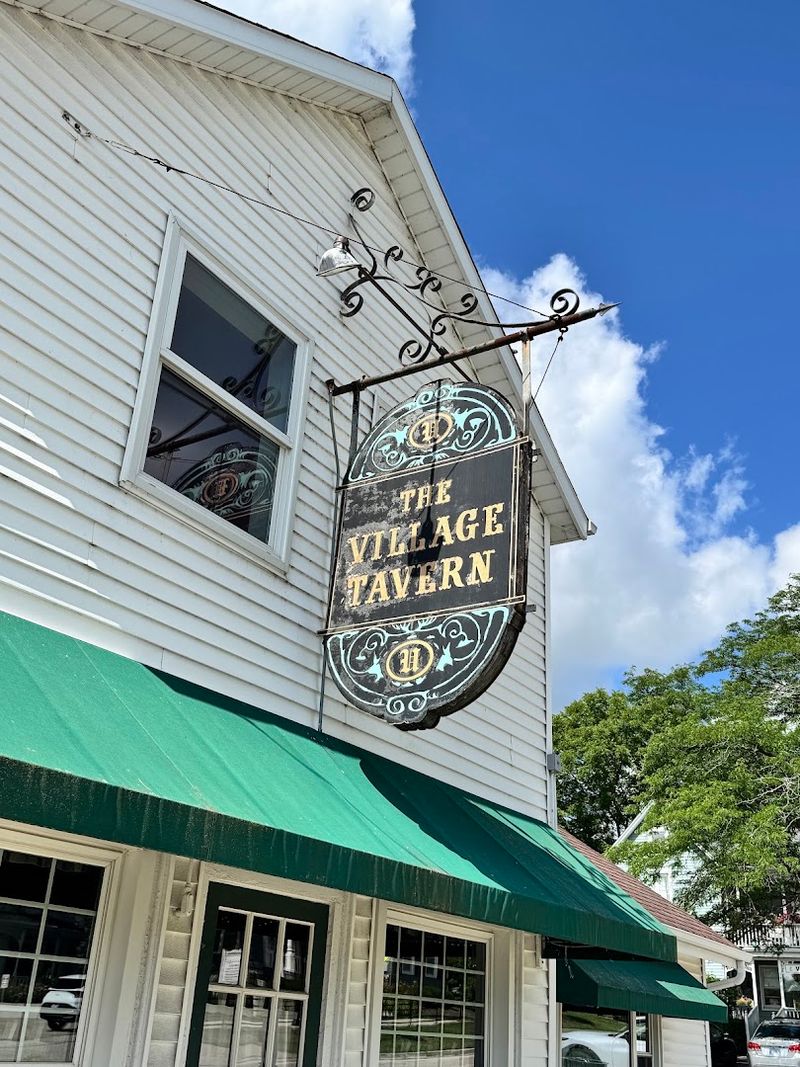
Location does a lot of heavy lifting for The Village Tavern, and not in the usual highway-exit sense. The restaurant sits inside downtown Long Grove, where the setting encourages a slower, more local style of visit.
That means the tavern is rarely just a place to fill up and move on. It works best as part of a broader outing built around walking, browsing, seasonal events, and an appetite that arrives naturally rather than on a strict schedule.
This matters because the building and the village reinforce each other. A historic tavern in an anonymous strip mall would lose half its voltage, but here the context supports the story.
You can move through the district, notice the older architecture, drift past shops, then step into a bar that actually matches the surroundings. The experience has continuity.
Nothing about it feels imported or artificially themed to fit a marketing idea. The tavern also seems especially well positioned for festival days, casual day trips, and family meetups that need a central anchor.
Outdoor seating, dog-friendly options, and the easy possibility of pairing lunch with nearby shopping widen the range of how people can use the place. In practical terms, that makes it adaptable. In editorial terms, it makes the restaurant more than a single-purpose stop.
Long Grove has enough built-in charm that a weak restaurant could coast on the setting alone, but The Village Tavern contributes real weight back to the district. It gives the area a place with old bones, recognizable bar presence, and enough menu range to serve different moods.
If you are deciding whether to drive out for it, the smartest answer is to treat the tavern and the village as one combined destination.
How to Time Your Visit for the Best Version of the Place
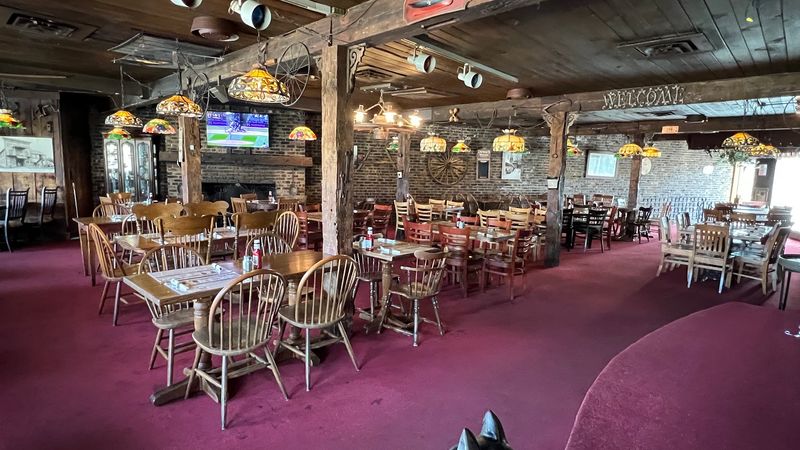
Timing changes the personality of The Village Tavern more than you might expect. Because it functions as both a restaurant and a bar in a historic shopping district, the place can shift from relaxed midday stop to busier evening hangout depending on when you arrive.
That is useful to know before heading out. The same room can offer a quiet conversation or a more animated tavern pace, and your best choice depends on what kind of visit you want.
Lunch makes sense if your goal is to absorb the building and pair the meal with time in Long Grove. The village is easier to enjoy when you are not threading through a dinner rush, and the tavern’s interior details become more noticeable when the room is calmer.
Early dinner can also be a smart move, especially if you want a full meal without pushing into the busiest stretch of service. That is often when historic places show their practical strengths most clearly.
If you are drawn by Friday fish fry, prime rib, weekend energy, or live music, the evening version may be exactly the point. Just go in expecting more motion.
A packed tavern has a different rhythm, and this is the sort of older building where popularity can produce a little chaos around the edges. That does not cancel the appeal.
It simply means the experience becomes livelier, louder, and more social than contemplative. Practical details help narrow the plan. The tavern is closed on Tuesdays, opens at 11:30 AM on operating days, runs later on Fridays and Saturdays, and wraps earlier on Sundays.
Those hours make it especially suitable for lunch, dinner, and end-of-week outings rather than very late-night wandering. Choose the version that matches your mood, and the place is easier to appreciate on its own terms.
The Basement, the Gatherings, and the Local Staying Power
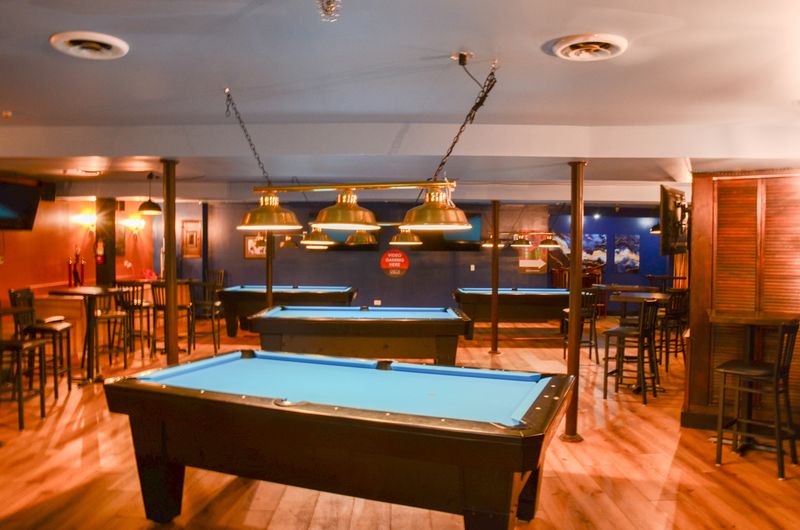
The Village Tavern is more than a handsome old bar with a long run behind it. One of the clearest signs of staying power is how the property supports group use, especially in its lower-level event space.
A basement pool hall with big-screen entertainment and room for private gatherings gives the tavern another layer of utility. That matters because places that last tend to be woven into local routines, not just admired from a distance.
It is easy to imagine why this setup works for birthdays, family parties, reunions, and community-style celebrations. A private bar, room to spread out, and a menu that can lean hearty and familiar all fit the social DNA of a tavern like this.
The experience becomes less about formal hosting and more about giving people a comfortable base. That is a different strength than excellent architecture or a memorable schnitzel, but it may be just as important to the business’s long life.
The tavern also appears to balance multiple audiences at once. Families can use the dining areas, bar-goers can settle near the drinks, and larger groups can claim more dedicated space when needed.
That kind of flexibility helps explain why an older establishment remains relevant instead of turning into a one-note nostalgia stop. The building is historic, but its social role is current. It can still absorb ordinary local life, which is the real test.
In the end, The Village Tavern stands out because its age is supported by use, not protected from it. The drinks, dining rooms, event spaces, and village location all reinforce one another rather than competing for attention.
Plenty of places can tell you they are historic. Far fewer show how history keeps working in real time. This Long Grove address does, one meal, one gathering, and one barstool at a time.