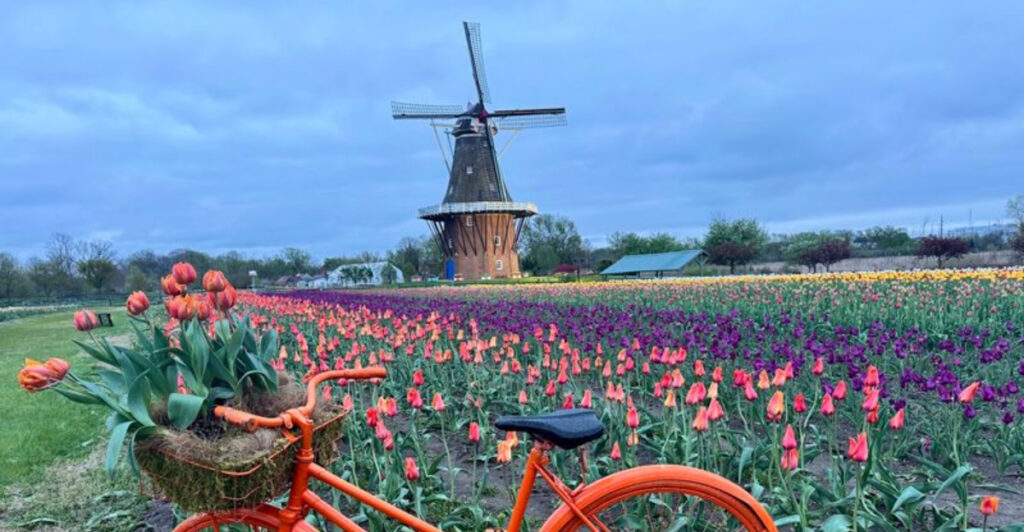
A working windmill from the 1700s is not something most people expect to find rising over a Michigan park. Along the Macatawa River in Holland, Windmill Island Gardens surrounds De Zwaan with tulip fields, walking paths, gardens, and a setting that can feel almost too picturesque to be real.
Built in the 1760s, De Zwaan is the only authentic working Dutch windmill in the United States, making it far more than a pretty photo stop. Whether the tulips are in full spring color or the grounds are quiet on a crisp winter morning, this Holland landmark brings a little piece of the Netherlands to Michigan in a way that still stops visitors in their tracks.
A 260-Year-Old Windmill That Actually Works
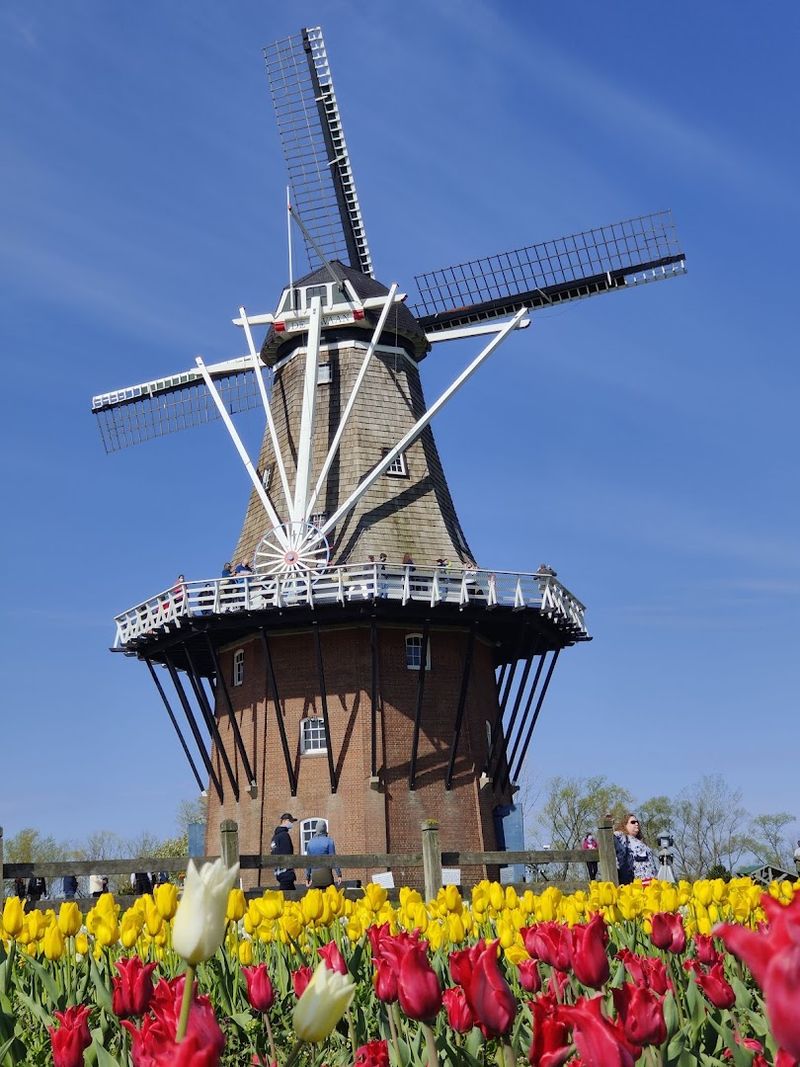
Most windmills you see are decorations. De Zwaan is the real thing.
Built in the Netherlands sometime in the 1760s, this massive structure spent generations grinding grain before being carefully disassembled, shipped across the Atlantic Ocean, and reconstructed in Holland, Michigan in 1964. The brick base was built on-site to support the original wooden mill body, and the whole project took serious international coordination to pull off.
What makes the windmill so compelling is that it still operates. When the wind picks up, the blades turn, the internal gears engage, and the millstones grind grain just as they did centuries ago.
Standing at the base and watching those enormous arms rotate overhead gives you an immediate sense of scale that photographs simply cannot capture.
Inside, the mechanical system is exposed and fully visible during tours. You can see the wooden shafts, iron gears, and stone grinding wheels that convert wind into usable force.
Knowledgeable staff members walk visitors through how the system works, how repairs are made, and what daily life looked like for the millers who once lived inside structures like this one.
Climbing the interior stairs brings you closer to the machinery with each level. The movement and low hum of the working parts create an atmosphere unlike any museum exhibit.
This is not a recreation or a replica built for tourism. Every beam, gear, and stone has genuine age behind it, and that distinction shapes the entire experience of being inside.
The windmill operates primarily during warmer months when wind conditions support it. Visiting on a breezy day dramatically changes the experience, so checking conditions before arriving can make a real difference in what you get to witness firsthand.
Tulip Fields That Turn the Grounds Into a Color Explosion
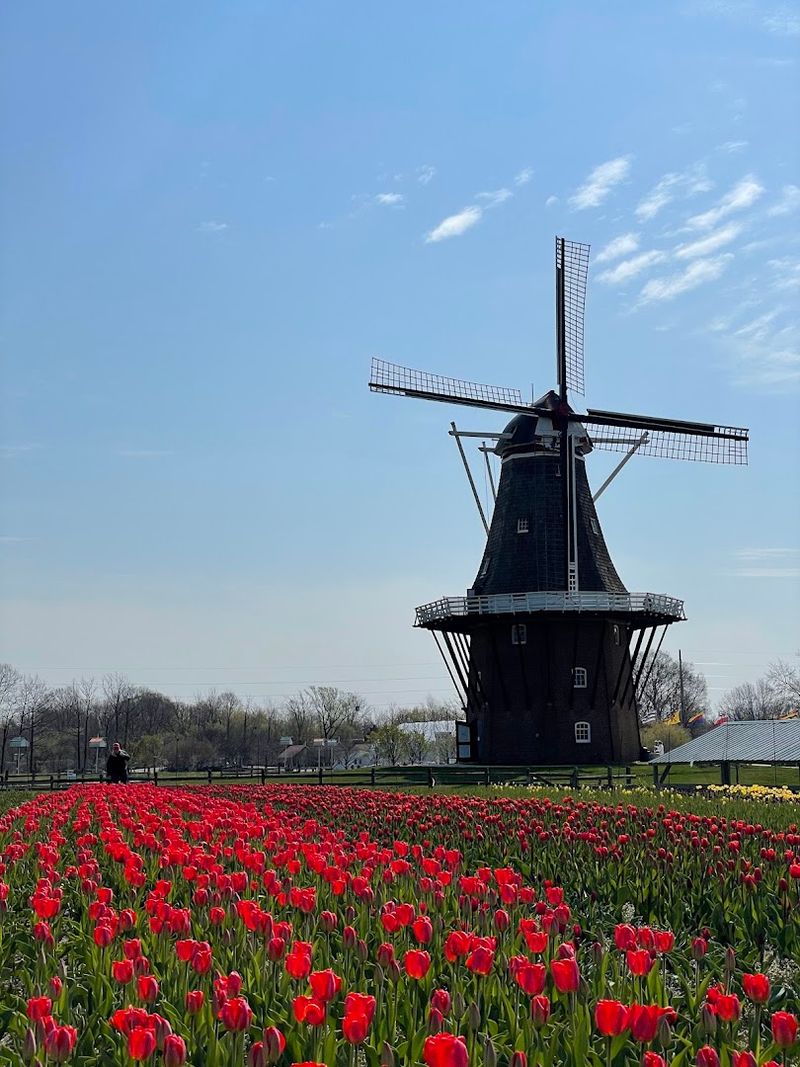
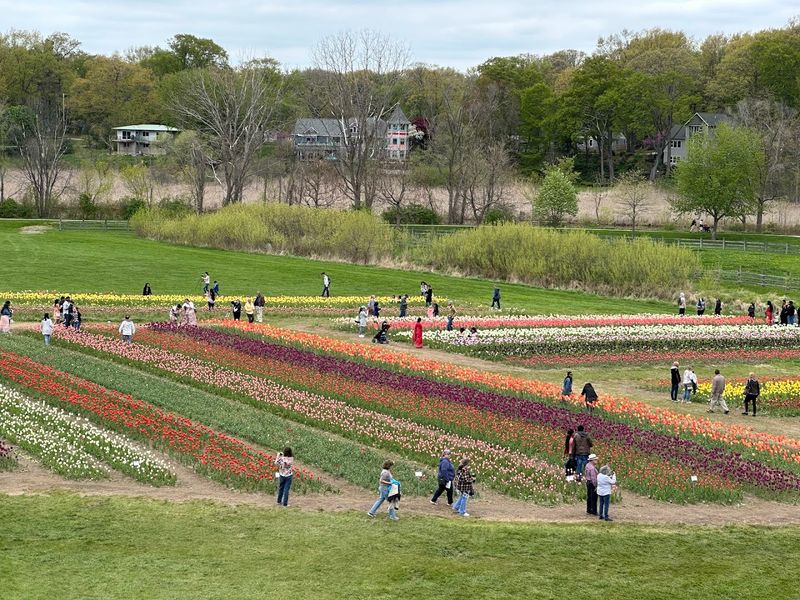
Late April through early May transforms Windmill Island Gardens into something that barely looks real. Thousands of tulips bloom in carefully planted sections across the grounds, arranged by color and variety in a way that creates distinct visual blocks of red, yellow, purple, white, and pink.
The windmill rises above it all, framing the scene in a way that photographers chase from every angle.
The tulip display is intentional and structured rather than wild or scattered. Varieties are grouped to bloom in sequence, which means the gardens stay colorful across several weeks rather than peaking all at once and fading quickly.
That planning gives visitors a longer window to catch the flowers at their best, though mid-spring typically offers the fullest display.
Walking the paths through the tulip sections puts you directly alongside the flowers at eye level. The fragrance is subtle but noticeable, especially on calm mornings when the air is still.
Bees move steadily through the blooms, and the combination of color, movement, and soft light in the early hours makes for a sensory experience that holds your attention far longer than expected.
During the annual Tulip Time Festival, the gardens draw serious crowds and traffic in the surrounding area backs up significantly. Arriving before the festival opens each day, or visiting on a weekday rather than a weekend, reduces the congestion considerably.
Parking fills fast near the entrance, and the city runs shuttle options during peak festival days to ease the flow.
Off-season visits have their own appeal. The grounds stay accessible outside of tulip season, and the windmill and walking paths remain worth exploring even when the flower beds are bare.
Winter visits after snowfall create an entirely different kind of photograph.
Guided Tours That Go Beyond the Surface
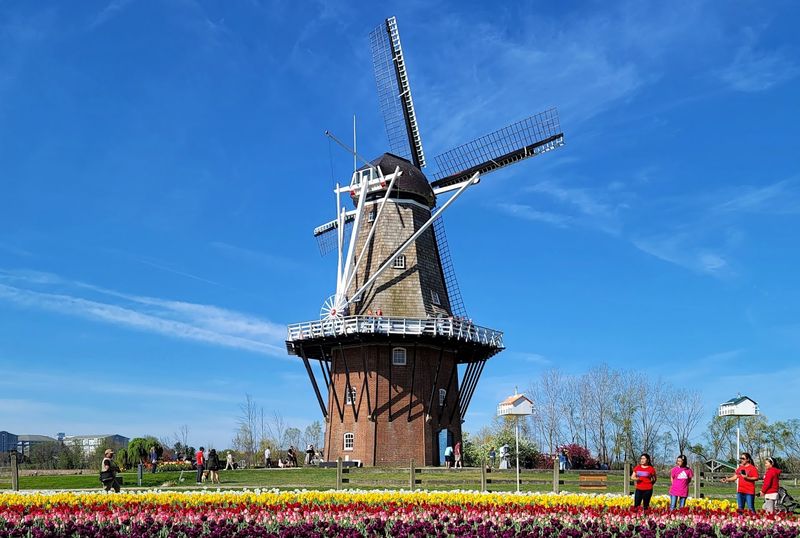
Touring De Zwaan with a guide changes the experience completely. Staff members stationed inside the windmill are genuinely knowledgeable, and many of them bring personal enthusiasm to the history they share.
The tours cover how the windmill was transported from the Netherlands, what it took to reassemble it on Michigan soil, and how the mechanical system continues to function today.
Each floor of the windmill offers a different perspective on the machinery. Ground level shows the millstones and grain collection.
Moving up the steep interior stairs, you get closer to the wooden drive shaft and the gearing that connects wind power to the grinding stones below. The guides explain each component in plain language without making it feel like a lecture, which keeps the tour engaging for all ages.
One detail that consistently surprises visitors is learning how precise the windmill operation actually is. The miller must adjust the blade angle and the gap between the millstones based on wind speed and the type of grain being processed.
It is not a mechanical process you simply switch on. Skill and experience are genuinely required, and the staff conveys that complexity without overwhelming anyone.
Costumed interpreters occasionally appear during special events and festival periods, adding a visual layer to the educational experience. Even outside of festival season, the guides on duty are prepared to answer detailed questions and share stories about the windmill’s history in both the Netherlands and Michigan.
Children respond well to the tours because the guides make the mechanics tangible and relatable. Watching gears actually move while someone explains what each part does is far more memorable than reading a placard.
The windmill essentially teaches itself through its own operation, and the guides know how to let that happen naturally.
The Macatawa River Island Setting That Frames Everything
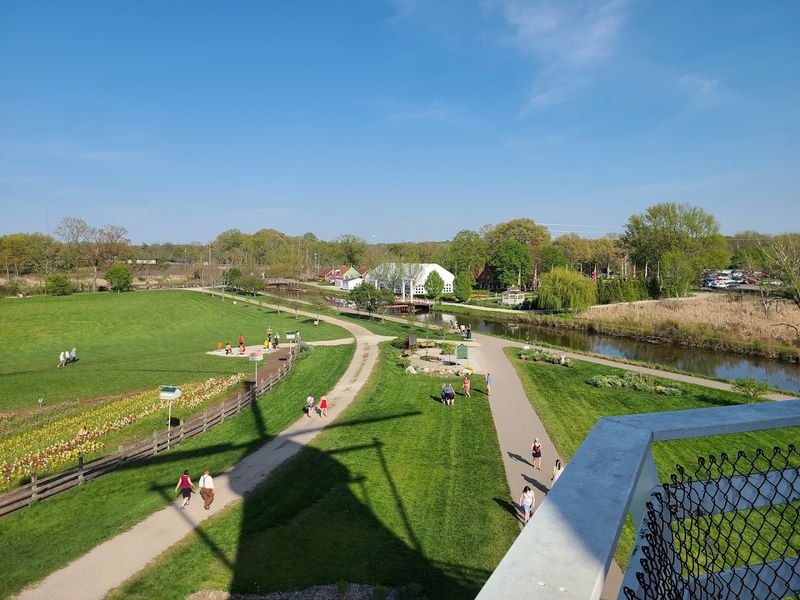
Windmill Island Gardens sits on an island in the Macatawa River, which gives the entire property a natural border that separates it from the surrounding city. That geographic detail is easy to overlook when you are focused on the windmill and flowers, but it shapes the atmosphere of the place in ways that matter.
The water on either side creates a visual boundary that makes the gardens feel like a self-contained world rather than just another public park.
The river setting also influences the light throughout the day. Morning reflections on the water catch the early sun and cast a soft glow across the grounds.
In the late afternoon, the low angle of the light hits the windmill blades and the tulip beds from the west, creating long shadows and warm tones that photographers specifically plan their visits around.
Walking paths follow the perimeter of the island and connect the main garden areas, the windmill, and the historic buildings clustered near the entrance. The route is flat and easy to navigate, making it accessible for families with strollers and visitors who prefer a relaxed pace.
The paths are wide enough to accommodate crowds during festival season without feeling cramped.
The stream that borders sections of the garden adds a quiet, background sound that cuts through the noise of busy days. On slower weekday mornings outside of festival season, the combination of moving water, bird activity near the riverbanks, and the occasional turning of the windmill blades creates an unexpectedly peaceful setting for a well-known tourist destination.
The island layout also means there is a clear entrance and exit, which keeps the flow of visitors organized. The main building near the entrance houses restrooms and ticketing, and the food stand nearby serves a range of options without long waits on most days.
Michigan’s Dutch Heritage on Full Display in Holland
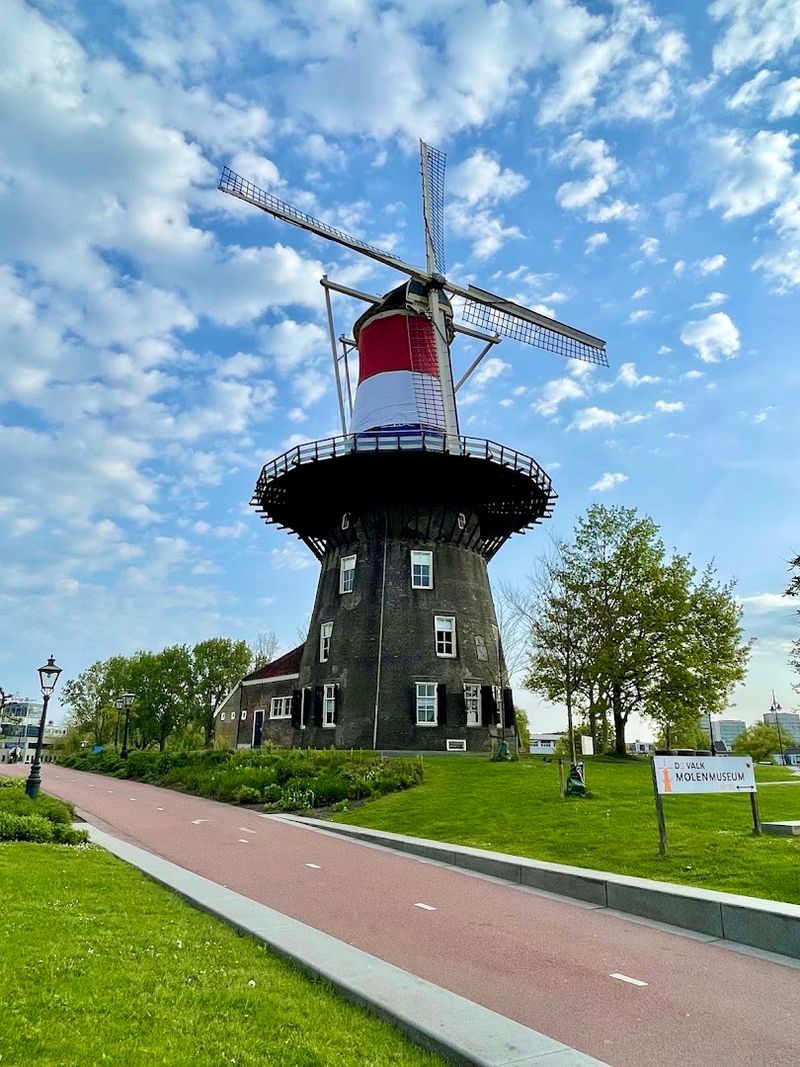
Holland, Michigan has a documented Dutch heritage that stretches back to the 1840s when Dutch settlers founded the city. Windmill Island Gardens leans into that history in a way that feels grounded rather than performative.
The imported windmill is the centerpiece, but the surrounding grounds include historic Dutch-style buildings, a carousel, and an antique Dutch street organ that plays during open hours.
The street organ is a genuine antique, not a recorded track played through speakers. Its mechanical music drifts across the grounds and adds an auditory layer to the visit that catches most people off guard.
The sound is cheerful and slightly old-fashioned, which fits the setting perfectly and tends to pull visitors toward it instinctively.
Small storefronts near the entrance area carry Dutch-themed goods, souvenirs, and locally made products. These shops are modest in size but curated well enough to make browsing worthwhile.
Wooden shoes, delftware, and Dutch food items appear regularly, and the selection changes with the season.
The historic buildings on the grounds were brought from the Netherlands and reconstructed here, similar to the windmill itself. They are not replicas designed for aesthetics.
Each structure has genuine age and provenance, which gives the property a density of authentic artifacts that most heritage sites cannot match.
Downtown Holland, just a short drive from the gardens, extends the Dutch-inspired experience further. The streets there are lined with shops, cafes, and architecture that reinforce the city’s identity.
Visiting both locations in the same trip gives a fuller picture of how deeply Dutch culture has shaped this corner of Michigan and why the community continues to celebrate it so actively each spring during the Tulip Time Festival.
Magic at the Mill and Year-Round Reasons to Return

Spring gets most of the attention at Windmill Island Gardens, but the property runs a winter event called Magic at the Mill that draws repeat visitors specifically for the light displays. The windmill and surrounding grounds are decorated with thousands of lights, and the contrast between the illuminated structure and the dark winter sky creates a visual effect that reads completely differently from the tulip-season experience.
Photographers with experience shooting in low light find Magic at the Mill particularly rewarding. The reflections of colored lights on snow-covered ground, combined with the lit windmill silhouette, produce images that look nothing like typical holiday light displays.
The setting is distinctive enough that the photos are immediately recognizable as coming from this specific location.
One consistent piece of feedback from repeat visitors is that the event does not change dramatically from year to year. The light arrangements and programming stay fairly consistent, which means first-time attendees get the full experience while returning visitors may find the novelty reduced.
That said, the setting itself remains compelling regardless of how familiar the decorations become.
Outside of the tulip season and the winter event, the grounds are open during regular operating hours for general admission. The windmill tours continue through the warmer months, and the walking paths and gardens are worth visiting even without a specific event as the backdrop.
The property holds its appeal across seasons because the windmill itself is the constant anchor.
Operating hours run from 9:30 AM to 6 PM daily, which gives visitors a solid window to explore at a comfortable pace. Arriving closer to opening time on busy days makes a noticeable difference in crowd levels, especially during festival season when afternoons become significantly more congested throughout the Holland area.
How to Plan a Visit That Actually Works
Getting the most out of a trip to Windmill Island Gardens comes down to timing and a few practical decisions made before you arrive. The gardens open at 9:30 AM every day of the week, and showing up within the first hour of opening consistently offers the best combination of light, manageable crowds, and full access to the windmill tours before lines form.
During the Tulip Time Festival, parking near the entrance fills up fast and road closures in Holland can complicate navigation. The city operates shuttle buses during the festival to move visitors from remote lots to the gardens, and using those shuttles removes most of the stress from the arrival process.
Building extra time into the schedule on festival days is genuinely necessary rather than just a precaution.
Admission covers access to the grounds, the windmill tour, and the other attractions on the island. The carousel near the main building is a popular stop for families with younger children, and the antique street organ runs on a schedule that is easy to catch if you pay attention to timing when you arrive.
The food stand on the property offers a reasonable range of options without requiring a trip off-site mid-visit.
Dogs are not permitted inside the windmill, though the outdoor grounds are more flexible depending on conditions and staff discretion. Checking the current pet policy before arriving avoids surprises, particularly for visitors traveling with animals.
Comfortable walking shoes make a real difference because the property covers enough ground that you will be on your feet for most of the visit. The paths are paved and level, but a full tour of the windmill involves steep interior stairs that require some mobility. Most of the outdoor areas are fully accessible without needing to climb.