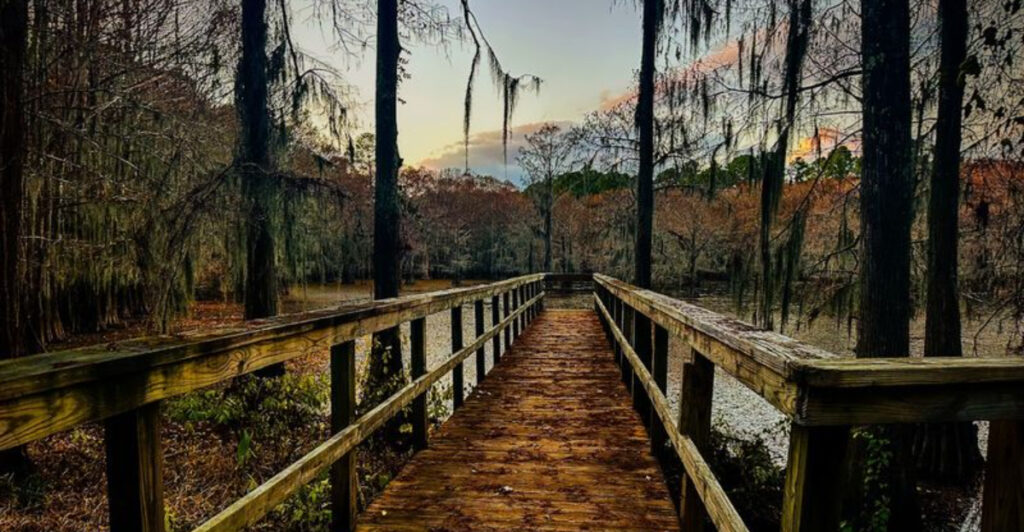
When the weight of daily life feels heavy on your shoulders, Texas offers hidden sanctuaries where you can press pause and breathe deeply. From mystical cypress swamps to dramatic canyon vistas, the Lone Star State holds countless corners designed by nature to restore your peace of mind. Whether you need a day trip from the city or a weekend immersed in wilderness, these eight destinations provide the perfect antidote to modern stress and endless to-do lists.
1. Caddo Lake State Park (Karnack)
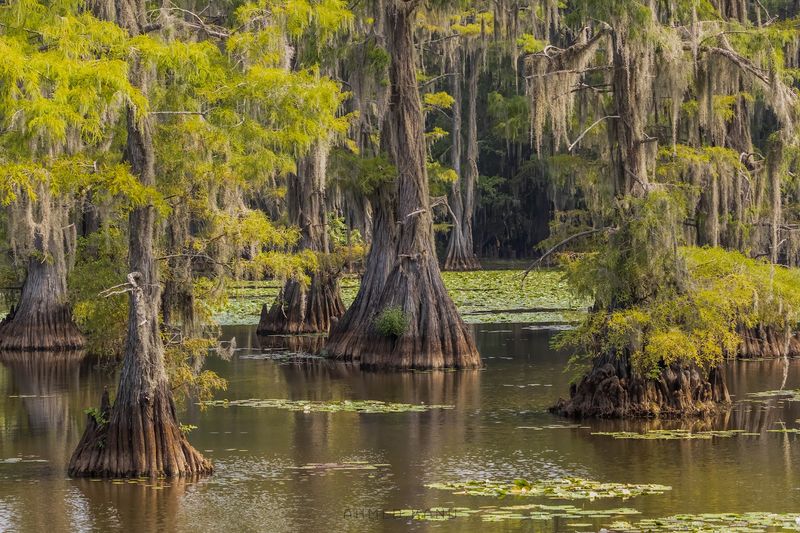
Spanish moss hangs like curtains from ancient cypress trees, creating an otherworldly scene that feels more Louisiana bayou than Texas prairie. This 26,810-acre maze of waterways near the Louisiana border wraps you in silence broken only by bird calls and gentle paddle strokes. The dark, tannin-stained water reflects towering trees, making every turn feel like entering a different century.
Renting a canoe or kayak gives you the freedom to explore narrow channels where sunlight filters through the canopy in golden streams. You’ll glide past cypress knees poking up from the water and might spot alligators sunning themselves on logs. The slower you move, the more wildlife reveals itself—herons standing perfectly still, turtles sliding off branches, and fish creating ripples in the glassy surface.
Fishing enthusiasts find their happy place here, casting lines for bass, catfish, and crappie in one of Texas’s few natural lakes. The park offers cabins and campsites if you want to extend your escape beyond a single day. Early mornings bring fog that transforms the landscape into something from a dream, while sunsets paint the water in shades of amber and rose.
Hiking trails wind through pine and hardwood forests, offering a different perspective from the water-based adventures. The Saw Mill Pond Trail takes you through bottomland hardwoods where the air smells rich and earthy. Birdwatchers bring binoculars to spot over 200 species that call this wetland ecosystem home.
Cell service gets spotty out here, which becomes a blessing when you’re trying to disconnect. The park stays relatively uncrowded even on weekends, giving you space to find your own quiet corner. Pack a lunch, find a shaded spot along the shore, and let the timeless beauty of this unique ecosystem wash your worries away.
2. Spa Castle Texas (Carrollton)

Forget rustic retreats for a moment—sometimes stress relief comes with heated floors, multiple saunas, and pools that feel like warm hugs. This Korean-style spa facility in the Dallas suburbs brings an entire day of wellness under one roof. You’ll trade your street clothes for comfortable spa attire and wander through different temperature rooms like you’re sampling flavors at an ice cream shop.
The facility sprawls across multiple floors with nine uniquely themed saunas ranging from clay and salt rooms to jade and charcoal spaces. Each room targets different wellness goals, whether you need to detoxify, improve circulation, or simply sweat out tension. The temperatures vary dramatically, so you can build your own heat tolerance journey throughout the day.
Between sauna sessions, cooling off in one of the various pools becomes essential. The cold plunge might make you gasp initially, but your body thanks you afterward with a rush of endorphins. Outdoor pools offer fresh air and sunshine, while indoor options provide year-round comfort regardless of Texas weather tantrums.
Food courts serve Korean cuisine and American favorites, because relaxation makes you hungry. You can spend an entire day here without repeating the same experience twice. Families come together, friends catch up in quiet lounging areas, and solo visitors find their own meditation spots.
The jimjilbang experience encourages you to slow down in ways modern life rarely permits. No rushing between appointments, no checking the clock constantly—just moving from one soothing space to another as your body requests. Massage services and body scrubs add another layer of pampering if you want professional attention.
Entry fees cover all-day access, making this an affordable luxury compared to traditional day spas. Weekdays tend to be quieter than weekends, giving you more space to spread out. Leave your phone in a locker and give yourself permission to exist without notifications for a few hours.
3. Gorman Falls (Bend)
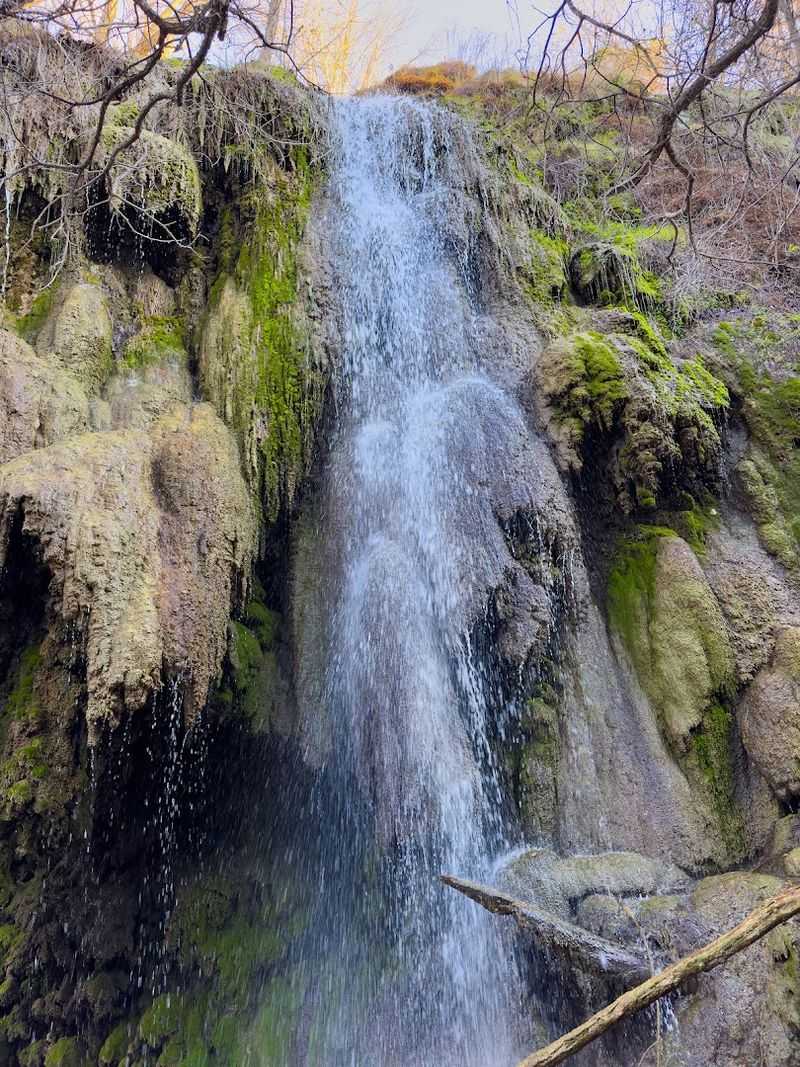
A 70-foot curtain of water spills over a limestone cliff covered in emerald vegetation, creating one of Texas’s most photogenic natural wonders. Getting here requires effort—a moderately challenging 3-mile roundtrip hike through Colorado Bend State Park—but that journey becomes part of the therapy. Your mind starts unwinding with each step away from the parking area.
The trail descends into Gorman Creek canyon through juniper and oak trees that provide occasional shade. Rocky sections demand attention, keeping you present in the moment rather than replaying yesterday’s problems. As you get closer, the sound of falling water grows louder, building anticipation like a natural soundtrack.
When the falls finally come into view, the scene stops you in your tracks. Travertine formations and thick moss create a hanging garden effect that seems impossibly green against the Texas limestone. Water tumbles into a clear pool where you can wade and cool off after the hike.
The constant mist keeps the surrounding vegetation lush year-round.
Visiting during spring or after good rains guarantees the most impressive water flow. Summer visits mean sharing the trail with more people but also enjoying refreshing dips in the pool. The falls flow year-round thanks to underground springs, though volume varies with rainfall.
Photographers find endless angles here, from wide shots capturing the entire cascade to close-ups of water-sculpted rock and delicate ferns. The surrounding canyon walls create natural frames that make every snapshot look professional. Morning light filters through the trees beautifully, while afternoon sun illuminates the falling water from different angles.
The hike back up feels harder on tired legs, but your mind feels lighter. Something about witnessing raw natural beauty in a hidden canyon puts daily stressors in perspective. Pack plenty of water, wear sturdy shoes, and maybe bring a lunch to extend your time in this magical spot.
4. Fort Worth Water Gardens (Fort Worth)
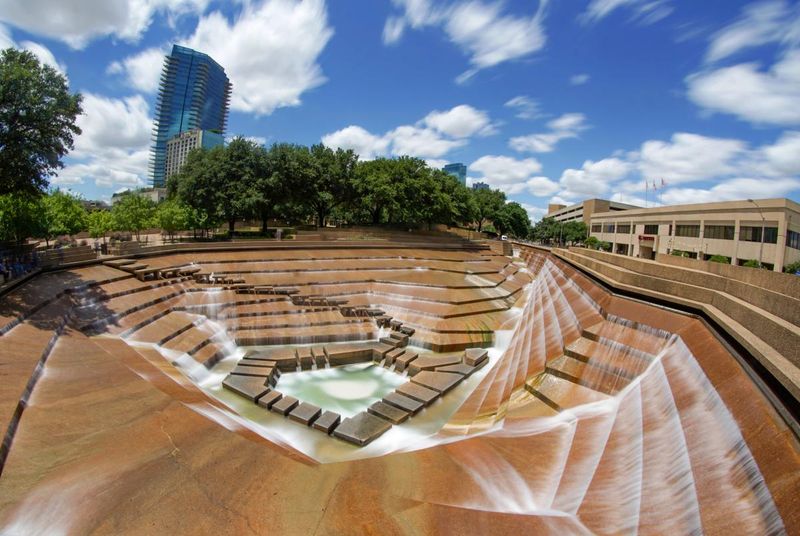
Concrete and water combine into an unexpected oasis right in downtown Fort Worth, proving that tranquility doesn’t require driving hours into wilderness. Designed by Philip Johnson and opened in 1974, this 4.3-acre urban park transforms city noise into white noise through clever architectural design. Water becomes the main character here, moving through three distinct pools that each offer different moods.
The Active Pool features water cascading down terraced steps on all four sides, creating a natural amphitheater of sound. Walking down the central staircase into this space feels like descending into a cool, watery sanctuary. The constant rush of falling water drowns out traffic and conversation, giving you a private mental space even when other visitors surround you.
Cypress trees and other vegetation soften the brutalist concrete architecture, adding organic curves to angular lines. The Quiet Pool lives up to its name with still water reflecting sky and surrounding buildings like a mirror. Sitting on the edge here, you can watch koi fish swim lazy circles while office workers grab quick lunch breaks nearby.
The Aerating Pool shoots water upward in fountains that catch sunlight and create rainbows on sunny days. Each pool connects through channels and walkways that encourage wandering without purpose. You’ll find yourself naturally slowing down, matching the contemplative pace the space invites.
Visiting during weekday mornings or late afternoons means fewer crowds and better opportunities for meditation or quiet reflection. The gardens stay open until 10 PM, making evening visits particularly magical when surrounding buildings light up. Bring a book, pack a coffee, or simply sit and watch water do its endless, mesmerizing dance.
Free admission makes this accessible to everyone seeking a quick reset without planning or expense. Located near the Fort Worth Convention Center, it’s easy to incorporate into other downtown activities. The gardens prove that sometimes the best escape hides in plain sight, waiting between skyscrapers.
5. Palo Duro Canyon State Park (Canyon)
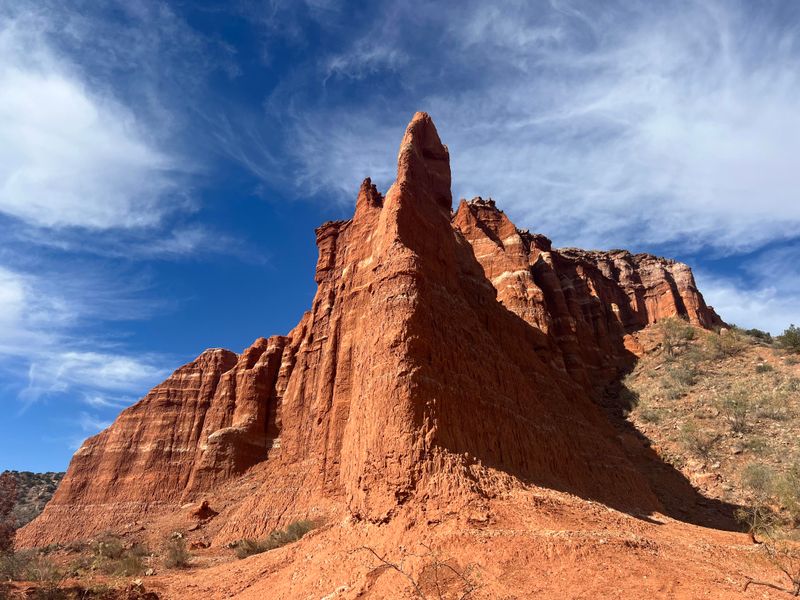
Red rock walls tower 800 feet above the canyon floor, striped with layers of orange, pink, and rust that tell stories spanning 250 million years. The second-largest canyon in America sits just south of Amarillo, yet many Texans don’t realize this dramatic landscape exists in their own backyard. Driving down into the canyon on the entrance road gives you the first taste of the scale—the world opens up in ways that make you feel wonderfully small.
Over 30 miles of trails crisscross the canyon floor and climb along ridges, offering options from easy strolls to challenging scrambles. The Lighthouse Trail leads 6 miles roundtrip to the park’s iconic rock formation that resembles its namesake. Watching sunrise or sunset paint the canyon walls in shifting colors becomes a meditation that requires no instruction manual.
Mountain biking trails attract riders who want their stress relief with a side of adrenaline. The relatively flat canyon floor makes cycling accessible to various skill levels. Horseback riding offers another way to explore, letting you cover more ground while connecting with the cowboy heritage of the Panhandle.
Camping here puts you under some of the darkest skies in Texas, perfect for stargazing without light pollution. The Milky Way stretches overhead like a river of light, and shooting stars streak past with surprising frequency. Listening to coyotes howl in the distance while sitting by a campfire taps into something primal and grounding.
Summer brings intense heat, making spring and fall the prime seasons for comfortable hiking. Winter visits offer solitude and sometimes snow dusting the red rocks in surreal contrast. The park hosts the outdoor musical drama “Texas” during summer months, though quiet seekers might prefer off-season visits.
Wildlife includes roadrunners, mule deer, and wild turkeys that seem unbothered by human presence. The Prairie Dog Town Fork of the Red River winds through sections of the canyon, though it’s often more sand than water. Pack plenty of water, wear layers, and give yourself time to simply sit and absorb the ancient stillness.
6. Balcones Canyonlands National Wildlife Refuge (Marble Falls)
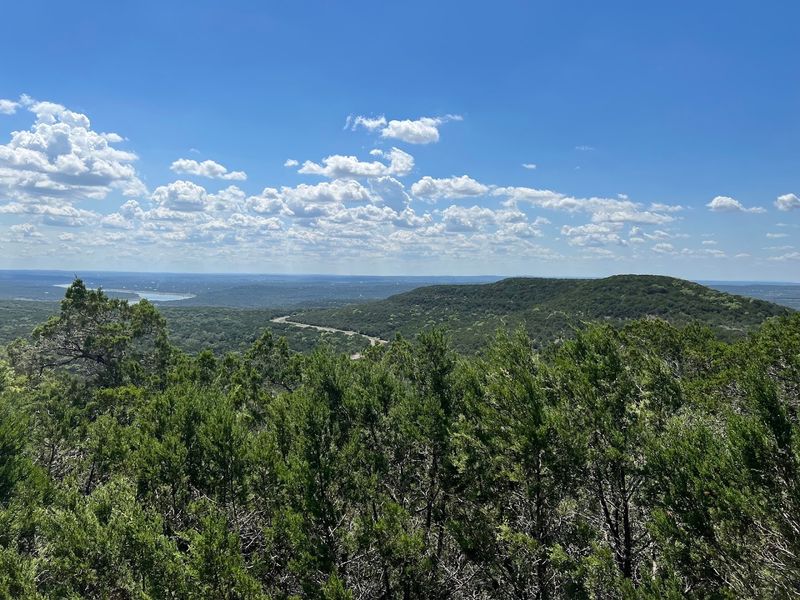
Hidden across 27,000 acres northwest of Austin, this refuge protects endangered species while offering humans a place to decompress among limestone canyons and juniper-covered hills. The land rolls in waves of green and gray, cut by creeks that flow stronger after rains. Unlike crowded state parks, this refuge maintains a quieter profile, attracting serious hikers and nature lovers who appreciate solitude.
Two main tracts—Doeskin Ranch and Warbler Vista—provide public access with trails that range from easy to moderately difficult. The terrain challenges your legs with rocky climbs rewarded by ridge-top views stretching toward the horizon. Canyon wrens sing their descending scales while golden-cheeked warblers—one of the species the refuge protects—flit through oak branches.
Spring wildflower season transforms the landscape into a painter’s palette with bluebonnets, paintbrush, and dozens of other species carpeting meadows. Butterflies float between blooms while bees hum industriously. The air smells like cedar and limestone dust, distinctly Hill Country in character.
Birdwatchers come specifically to spot the endangered golden-cheeked warbler during breeding season, but over 230 bird species have been recorded here. Black-capped vireos, another threatened species, also nest in the refuge’s protected habitat. Even non-birders find themselves pausing to identify calls and watch aerial displays.
The refuge operates on limited hours with some areas requiring advance reservations, so planning ahead becomes essential. This controlled access helps preserve the wild character that makes the place special. Weekday visits almost guarantee you’ll have trails to yourself.
Deer browse in open areas during dawn and dusk, occasionally raising their heads to assess whether you’re a threat before returning to their meals. Armadillos rustle through leaf litter, and if you’re lucky, you might spot a roadrunner dashing across the path. The refuge reminds you that conservation and recreation can coexist when managed thoughtfully.
Bring topographic maps or download trail information beforehand, as cell service proves unreliable. Water sources are scarce, so carry more than you think you’ll need. The rough terrain and genuine wilderness feel provide the perfect environment for resetting your nervous system.
7. Big Bend National Park (West Texas)
Remote doesn’t begin to describe this 801,163-acre wilderness where Texas meets Mexico along the Rio Grande’s big bend. Getting here requires commitment—it’s hours from any major city—but that distance becomes the point. When you’re this far from everything, stress has nowhere to hide and eventually surrenders to the overwhelming presence of desert, river, and mountains.
The Chisos Mountains rise from the desert floor like an island, offering cooler temperatures and pine forests that seem impossible in this arid landscape. Hiking to the Window, where a V-shaped opening in the mountains frames desert views, becomes a pilgrimage for first-time visitors. The trail descends through oak creek, ending at a pour-off where water occasionally tumbles 200 feet during wet periods.
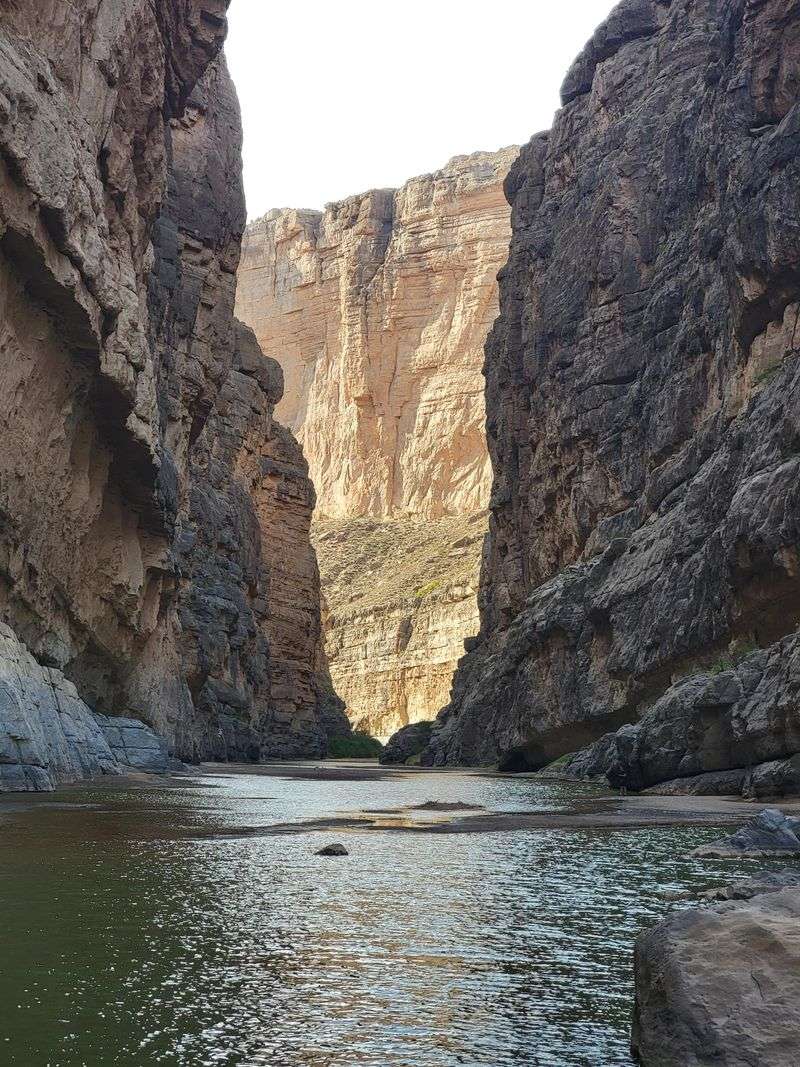
Santa Elena Canyon showcases the Rio Grande cutting through 1,500-foot limestone cliffs, creating a corridor so narrow that sunlight only reaches the bottom for short periods. Paddling through this section by canoe or kayak puts you at water level with walls towering overhead. The silence inside the canyon feels physical, like you could reach out and touch it.
Hot springs near the Rio Grande offer natural soaking pools where you can ease tired muscles while watching the river flow past. Night skies here rank among the darkest in the continental United States, earning the park International Dark Sky Park status. The Milky Way appears so bright and detailed that it looks fake, like someone hung a special effect overhead.
Desert wildlife includes roadrunners, javelinas, and over 450 bird species that attract serious birders from around the world. Spring and fall bring comfortable temperatures, while summer heat can be dangerous without proper preparation. Winter sometimes dusts the Chisos peaks with snow, creating postcard-worthy contrasts.
The park offers everything from primitive backcountry camping to the Chisos Mountain Lodge for those wanting beds and walls. Either way, you’ll fall asleep to silence so complete it rings in your ears. Days pass without seeing crowds, giving you space to remember what your thoughts sound like without constant interruption.
8. Lost Maples State Natural Area (Vanderpool)
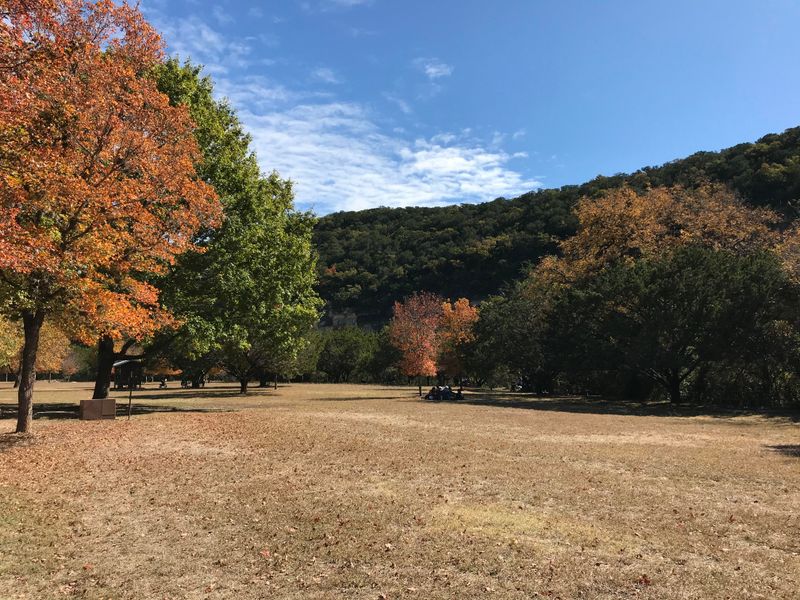
Bigtooth maples grow in isolated pockets of this Hill Country preserve, creating fall color displays that rival New England when conditions align perfectly. The 2,906-acre natural area protects these rare trees along with limestone cliffs, clear creeks, and diverse plant communities. Visiting during peak fall color—usually late October through early November—means competing with crowds, but the off-season offers equally compelling reasons to explore.
The East Trail follows the Sabinal River through a canyon where water flows over limestone shelves, creating small pools perfect for cooling hot feet. Sycamores and bald cypress provide shade while cardinals and painted buntings add splashes of color year-round. The trail climbs gradually, rewarding effort with views across the surrounding hills.
Spring brings different magic with wildflowers blanketing meadows and trees leafing out in fresh green. The maples that draw autumn crowds become just another part of the forest canopy, letting you appreciate the ecosystem’s full diversity. Water flows stronger after winter rains, making creek crossings more adventurous.
Primitive camping sites scatter throughout the park, offering a more immersive experience than day-tripping allows. Falling asleep to creek sounds and waking with birds provides natural rhythm that modern life usually disrupts. The park limits daily visitors during peak season, so reservations become essential if you’re targeting specific dates.
Photography enthusiasts find endless subjects here—macro shots of lichens on limestone, wide landscapes of rolling hills, intimate portraits of maple leaves backlit by sun. The interplay of light and shadow in the canyons changes throughout the day, making familiar scenes look completely different at various hours.
The area’s relatively high elevation and spring-fed streams create cooler microclimates that support species typically found farther north. This biological quirk makes Lost Maples a living laboratory where ice age remnants persist in protected pockets. Even without fall color, the park’s geological features and clear water make it worth the winding drive through the Hill Country.
Cell service is nonexistent, which becomes liberating once you accept it. Bring field guides to identify plants and birds, or simply wander without needing to name everything you encounter.