Texas is known for big cities and fast highways, but tucked between the hustle are small towns where time seems to move at a gentler pace. These communities have mastered the art of slowing down, offering residents and visitors a chance to breathe deeply and enjoy life’s simple pleasures. From historic main streets to scenic hill country views, these ten towns prove that sometimes the best way to live is to take it easy.
1. Wimberley
Nestled in the Texas Hill Country between Austin and San Antonio, this artsy community has built its reputation on refusing to rush. The town square feels like stepping back decades, where locally owned shops invite you to browse without pressure and nobody checks their watch obsessively.
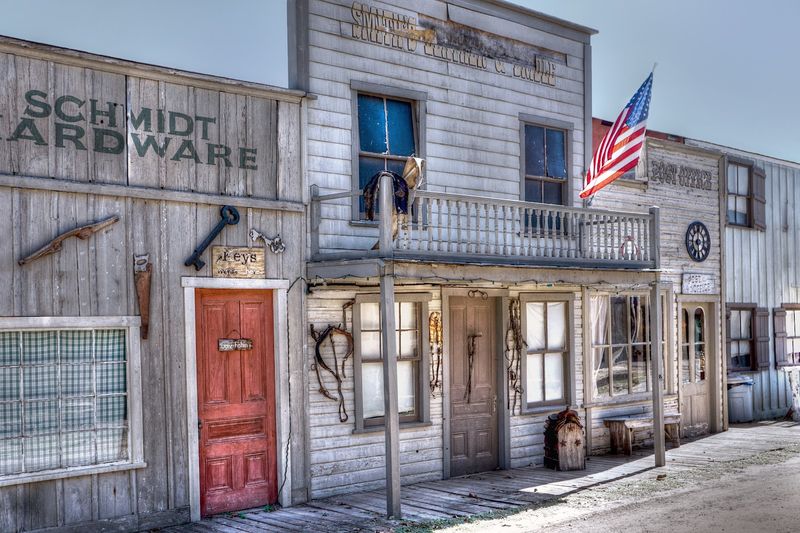
Cypress Creek runs through the heart of everything here, and locals treat it like their backyard swimming hole. On summer weekends, families float lazily downstream or picnic on the banks while kids splash in the clear water. The pace is so relaxed that even the ducks seem to waddle more slowly.
Blue Hole Regional Park serves as the town’s gathering spot, where swimming, hiking, and doing absolutely nothing are all equally acceptable activities. People spread blankets under old oak trees and spend entire afternoons reading or napping. There’s no judgment for wasting time because nobody considers it wasted.
The local market on the first Saturday of each month draws craftspeople and farmers who actually know their customers by name. Conversations happen naturally, and purchases feel more like exchanges between friends than transactions. You might plan to stay an hour and find yourself still chatting three hours later.
Downtown galleries showcase work by artists who chose this town specifically for its unhurried atmosphere. Many moved here to escape deadline-driven city life and found inspiration in the slower rhythm. Their art reflects the peaceful surroundings, and buying a piece means taking home a bit of that tranquility.
Restaurants here don’t rush your meal or hover with the check. Dinner stretches into evening as diners linger over dessert and conversation. The servers understand that good food deserves time, and good company deserves even more.
This approach to dining mirrors the town’s entire philosophy about living well.
2. Jefferson
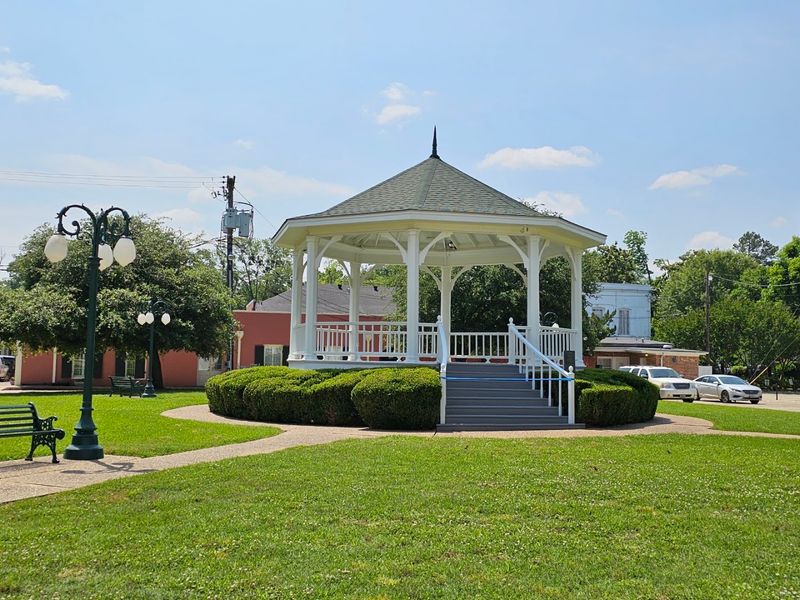
Frozen in the 1800s by choice, this East Texas gem has turned its historic preservation into a lifestyle. Walking these brick streets feels like time travel, except the locals actually live here year-round and wouldn’t dream of modernizing. Chain stores don’t exist, and the closest thing to fast food is ordering your pie with a smile at the local diner.
Victorian homes line residential streets in pristine condition because homeowners take pride in maintaining authenticity. Porch swings get daily use, and neighbors still wave from their gardens. Evenings bring the sound of crickets rather than traffic, and streetlights cast a warm glow that feels deliberately old-fashioned.
Big Cypress Bayou winds through town, offering boat tours that move at a pace matching the 19th-century steamboat era. Guides share stories without rushing, and passengers often spot wildlife along the banks. The water reflects towering cypress trees draped in Spanish moss, creating scenes that haven’t changed in generations.
Antique shopping here isn’t just tourism; it’s how locals furnish their homes and businesses. Store owners know the history of individual pieces and share stories freely. Browsing takes hours because every item has a tale, and sellers genuinely enjoy conversation more than sales.
The town hosts festivals throughout the year, but even these celebrations maintain a relaxed vibe. There’s no pushing through crowds or racing to see everything. Attendees stroll at their own pace, stopping to chat with vendors or rest on benches.
Events feel like community gatherings rather than commercial productions.
Bed and breakfasts outnumber hotels, and staying overnight means experiencing true Southern hospitality. Innkeepers serve homemade breakfasts and recommend local spots based on genuine knowledge. Checkout times feel flexible because nobody’s in a hurry to turn rooms.
Guests leave feeling like they’ve visited friends rather than paid for lodging.
3. Port Aransas
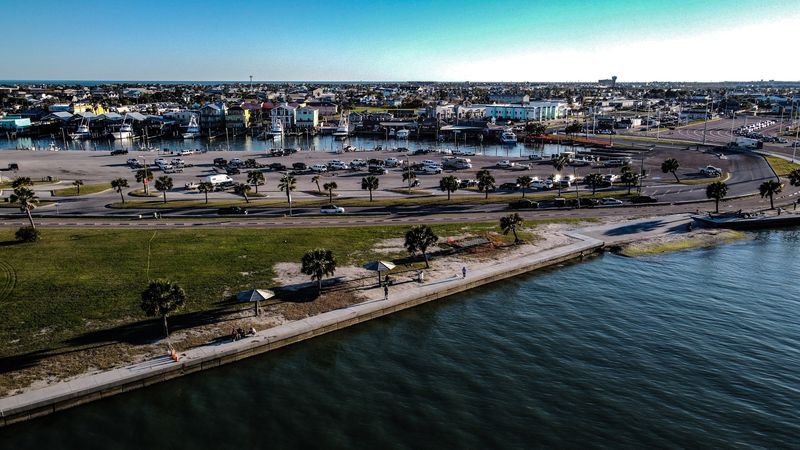
Island time isn’t just a saying here—it’s the actual operating speed of this Gulf Coast fishing village. Golf carts outnumber cars because nobody needs to go fast when everything worth visiting sits within a few miles. Residents measure distance in minutes of leisurely driving, and traffic jams mean waiting for three cars at a stop sign.
The beach stretches for miles with enough space that you’ll never feel crowded, even during peak season. Locals stake their favorite spots early morning and stay all day, moving only to cool off in the waves. Sandcastles grow elaborate because builders have all afternoon, and nobody’s rushing to the next activity.
Fishing piers extend into the Gulf where anglers cast lines and swap stories for hours. Catching something is nice, but the real point is standing in the salt breeze with nowhere else to be. Pelicans perch on railings waiting for handouts, and dolphins surface regularly enough that spotting them feels routine.
Downtown consists of a handful of blocks where shops sell beach necessities and restaurants serve fresh seafood. Store hours feel flexible, and closing early on slow days is perfectly acceptable. Owners prioritize quality of life over maximizing profits, which means they’re often as relaxed as their customers.
The local ferry connects the island to the mainland, and waiting in line becomes part of the experience rather than an inconvenience. Drivers turn off engines and watch seabirds dive for fish. The crossing takes only minutes, but it serves as a mental transition from mainland hustle to island ease.
Nature preserves on the island offer boardwalk trails through coastal marshes where the only sounds are birds and wind through sea grass. Interpretive signs encourage lingering to observe wildlife, and benches provide spots for extended watching. Visitors often report losing track of time completely, which locals consider the highest compliment to their town’s atmosphere.
4. Salado
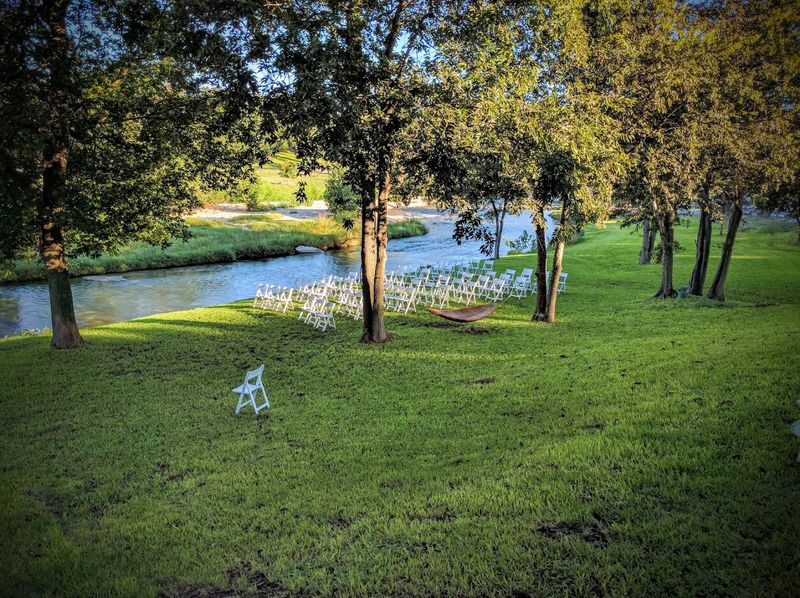
Straddling a spring-fed creek that gave the town its name, this village has perfected the art of unhurried charm. Artists and craftspeople chose this spot specifically because the peaceful atmosphere fuels creativity. Studios welcome visitors to watch work in progress, and nobody minds if you spend an hour asking questions about techniques.
Salado Creek provides the soundtrack to daily life, its constant burble audible from most downtown locations. Locals take breaks to sit creekside, dangling feet in cool water or simply watching the current flow over limestone rocks. The creek’s steady pace seems to set the tempo for everything else in town.
Historic buildings house galleries, boutiques, and restaurants that operate on their own relaxed schedules. Lunch service might extend well into afternoon because diners aren’t finished visiting. Shop owners flip signs to “back in 15 minutes” and nobody complains about the wait.
That quarter-hour often stretches longer, and customers understand.
The Stagecoach Inn, dating to 1861, still welcomes guests seeking an authentic taste of Texas history. Rooms feature period furnishings, and the dining room serves meals that honor traditional recipes. Staying overnight means unplugging from modern rush and embracing a slower era’s rhythms.
Walking trails connect various parts of town, encouraging exploration on foot rather than by car. Massive live oaks provide shade, and benches appear frequently for those who want to pause. Distance markers seem almost unnecessary because the journey matters more than reaching any destination quickly.
Local festivals celebrate everything from art to history, but even these events maintain the town’s easygoing character. Vendors chat as much as they sell, and performances happen on a schedule that allows for delays. Attendees wander freely without feeling pressured to see everything, trusting that whatever they experience will be worthwhile.
Bed and breakfasts throughout town offer peaceful retreats where morning coffee on the porch constitutes the day’s first activity. Hosts share recommendations but never push itineraries. Many guests end up spending more time at their lodging than originally planned, seduced by rocking chairs and good conversation.
5. Alpine
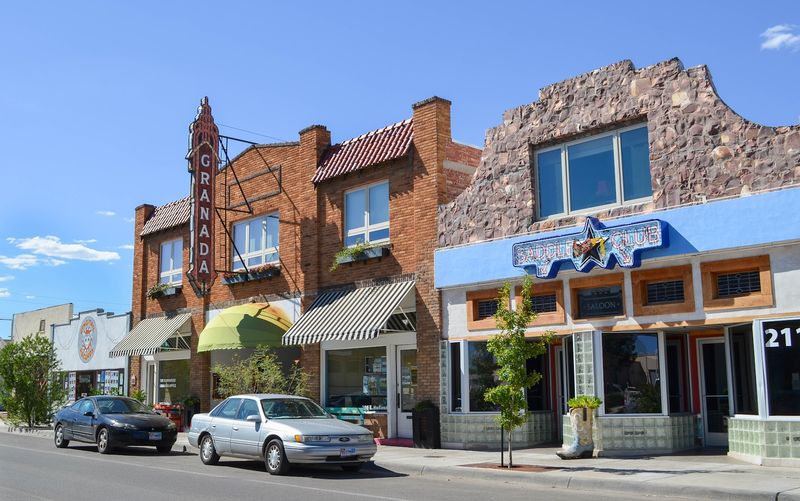
High desert mountains surround this West Texas outpost where wide-open spaces encourage a different perspective on time. The nearest major city sits hours away, and that isolation has created a community comfortable with its own pace. Residents joke that rush hour means two pickup trucks at the four-way stop.
Sul Ross State University brings students seeking education without the frenzy of larger campuses. Professors know students personally, and classes sometimes move outdoors when weather permits. The academic calendar follows traditional semesters, but the daily rhythm feels more relaxed than typical college towns.
Downtown stretches along a few blocks where businesses cater to locals first and tourists second. Coffee shops provide gathering spots where conversations last hours and nobody monitors how long you occupy a table. Bookstores encourage browsing, and staff recommendations come from genuine reading rather than corporate directives.
The surrounding landscape invites exploration at whatever speed suits your mood. Hiking trails range from easy walks to challenging climbs, but none require rushing. Many visitors find themselves stopping frequently just to absorb the vast views and profound quiet.
Cell service drops away on many routes, forcing a disconnection that feels liberating rather than frustrating.
Big Bend National Park lies close enough for day trips, and Alpine serves as base camp for adventurers who want comfortable lodging between wilderness excursions. After days in the backcountry, the town’s slow pace feels perfectly balanced—active enough to be interesting but calm enough to restore energy.
Local restaurants serve generous portions of Tex-Mex and barbecue without pretension or hurry. Meals arrive when they’re properly cooked, and servers don’t rush your table. Many establishments close one or two days weekly, prioritizing owner sanity over maximum revenue.
This approach creates a culture where business success includes personal well-being.
Art galleries showcase work inspired by the dramatic landscape, and many artists maintain studios in town. Open studio events let visitors watch creation happen in real time. Purchasing art often leads to long conversations about inspiration and technique, with sales feeling almost secondary to connection.
6. Gruene
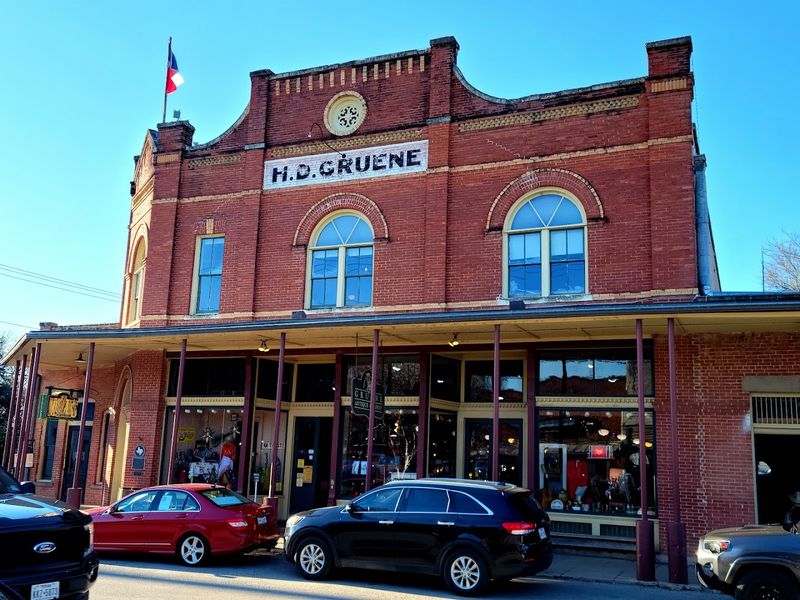
Technically a district within New Braunfels, this historic settlement maintains its own identity through deliberate preservation of a slower era. The entire downtown area is listed on the National Register, which means modern chain development can’t intrude. What remains is a handful of blocks where the 1800s feel present and time seems negotiable.
Gruene Hall, Texas’s oldest continually operating dance hall, anchors the community and sets the tone. Live music fills the space multiple nights weekly, but even rowdy crowds maintain a laid-back vibe. Dancers move across worn wooden floors that have supported generations, and the building’s age reminds everyone that good things take time.
The Guadalupe River flows right through town, providing natural entertainment and cooling relief. Outfitters rent tubes for floating trips that can last hours, depending on how often you stop to swim or picnic on sandbars. Nobody tracks time precisely because the river sets the schedule, carrying floaters downstream at nature’s pace.
Original structures house shops selling antiques, handmade goods, and local specialties. Owners often sit outside their stores, greeting passersby and chatting with neighbors. Shopping here means browsing without pressure and learning stories behind merchandise.
Purchases feel personal because you’ve connected with the seller.
The Gristmill Restaurant occupies ruins of a 19th-century cotton gin, with terraced seating overlooking the river. Meals stretch long as diners watch water flow past and enjoy the breeze. Service is attentive but never rushed, and the setting encourages lingering over dessert and drinks.
Weekends bring visitors from nearby cities, but even crowds don’t speed up the atmosphere. Live music on outdoor stages provides entertainment without overwhelming the senses. People spread blankets on the lawn and settle in for entire afternoons, letting musicians set the tempo for the day.
Lodging options include historic inns and riverside bed and breakfasts where porches and patios invite relaxation. Rocking chairs get constant use, and many guests report spending unexpected hours simply sitting and watching the world move slowly past. Morning coffee stretches into brunch, and nobody minds.
7. Fredericksburg
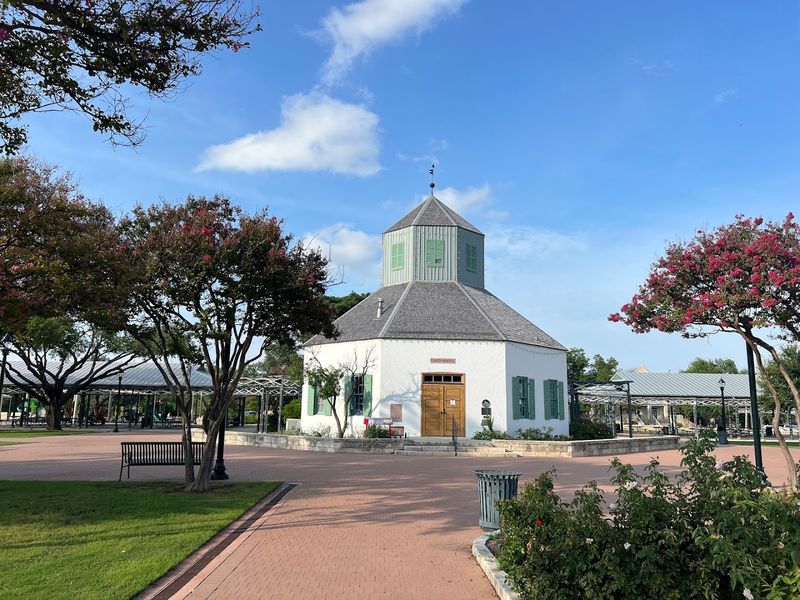
German heritage runs deep in this Hill Country town where old-world values include taking time to do things right. Main Street stretches for blocks, lined with shops and restaurants that balance tourism with authentic local character. Despite attracting visitors year-round, the town maintains a pace that prioritizes quality over speed.
Wineries dot the surrounding countryside, offering tastings that encourage savoring rather than rushing through flights. Vineyard owners often pour wines themselves and share details about growing conditions and winemaking choices. Visitors find themselves lingering on patios, enjoying views while discussing flavor notes without anyone checking watches.
The town’s German roots show in its approach to food and hospitality. Bakeries open early with fresh pastries that sell out by mid-morning, not because of artificial scarcity but because bakers make what they can do well. Restaurants serve hearty portions of schnitzel and sausage, and meals unfold at a European pace with multiple courses.
Peach season transforms the area each summer, and locals treat harvest time as a celebration rather than a rush. Farm stands sell fruit by the basket, and families spend weekends making preserves or baking pies. The abundance is shared generously, with neighbors exchanging recipes and surplus fruit.
Historic sites throughout town tell stories of early settlers, and interpreters share information without hurrying groups along. Museums encourage exploration at individual paces, with detailed exhibits that reward close reading. History here feels alive because the community maintains connections to its past.
Bed and breakfasts occupy historic homes where hosts serve elaborate breakfasts and share local knowledge. Morning meals become social events where guests mingle and exchange travel stories. Checkout times feel flexible because hosts prioritize hospitality over turnover.
Weekend visitors from Austin and San Antonio come to escape city speed, and the town accommodates that need perfectly. Shops stay open later on Saturdays, but even busy days maintain a civilized pace. Sidewalks are wide enough for strolling, and benches appear frequently for those who need to rest or simply watch people pass by slowly.
8. Marfa
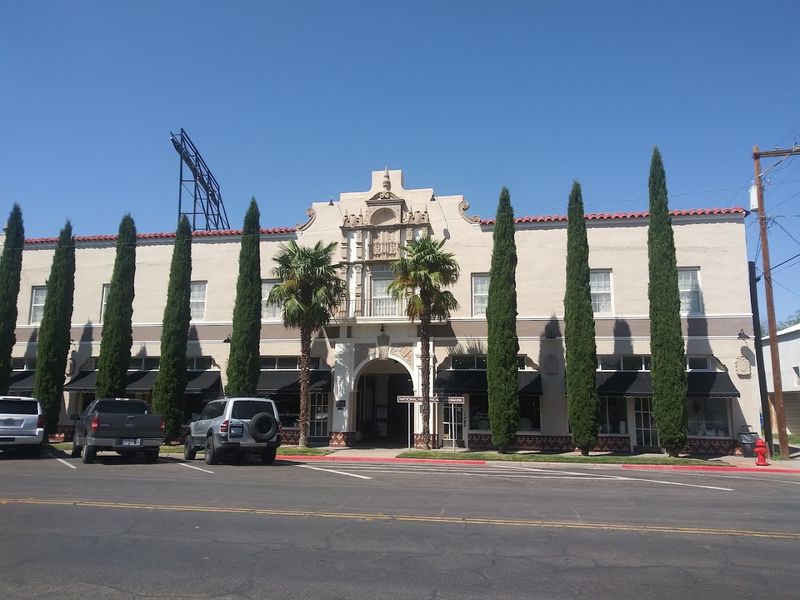
Art and isolation combine in this remote desert town where minimalism extends beyond gallery walls into daily life. The surrounding landscape is so vast and empty that hurrying seems absurd—there’s nowhere urgent to go. Residents and visitors alike adjust to a pace determined by long views and big skies.
Donald Judd’s art installations draw visitors from around the world, and viewing them properly requires patience. The works interact with light and landscape in ways that change throughout the day. Rushing through defeats their purpose, so people learn to sit and observe, letting time pass without anxiety.
Downtown consists of a few blocks where galleries, boutiques, and restaurants operate on schedules that feel almost whimsical. Shops might close mid-afternoon if owners feel like it, and nobody complains. This freedom from rigid schedules creates an atmosphere where spontaneity and rest both have value.
The famous Marfa lights phenomenon brings people to a viewing area miles outside town, where they wait for mysterious glowing orbs that may or may not appear. The waiting itself becomes the experience, with visitors sharing snacks and stories under brilliant stars. Whether lights show up or not, the time spent watching darkness feels worthwhile.
Food options range from upscale to food trucks, but all share an unhurried approach. Even casual spots serve meals made to order without apology for wait times. Diners learn that good food takes time, and the desert setting encourages patience while you wait.
Hotel Saint George and other lodgings embrace minimalist design that promotes rest and contemplation. Rooms lack televisions intentionally, and strong Wi-Fi is not guaranteed. The message is clear: you came here to slow down and disconnect, so embrace it fully.
The surrounding landscape invites exploration by car or bike, with roads stretching straight toward distant mountains. Drive times are measured in hours, but the scenery makes every mile worth experiencing slowly. Pulling over to absorb the view happens frequently, and nobody’s honking for you to move along.
Artists who’ve relocated here cite the slow pace as essential to their work. Without distractions and demands, creativity flows more naturally. The community supports this lifestyle, understanding that great art emerges from having time to think deeply.
9. Granbury
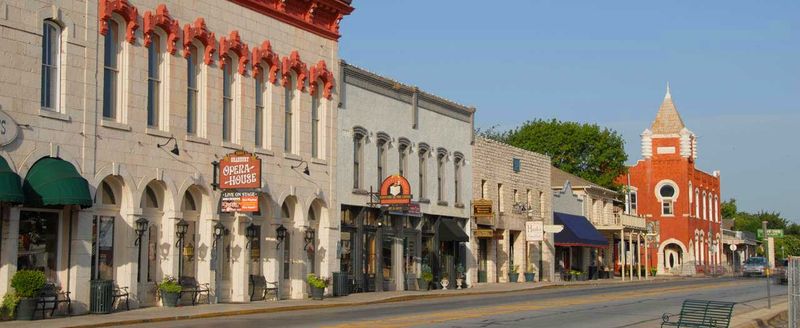
A Victorian courthouse anchors the town square where locals still gather like they have for over a century. The building’s clock tower marks time, but nobody seems enslaved to its ticking. Shops surrounding the square open when owners arrive and close when the day feels complete, operating on human rhythms rather than corporate schedules.
Lake Granbury wraps around town, providing waterfront living without resort-town frenzy. Residents keep boats docked at private piers and spend summer evenings cruising slowly or fishing from anchored spots. The lake’s calm surface mirrors the town’s temperament—peaceful unless disturbed, but quick to settle back down.
The historic Granbury Opera House presents plays and musicals in an intimate setting where performances feel like community events rather than commercial productions. Theatergoers arrive early to socialize in the lobby, and intermission conversations often continue well after the show ends. Nobody rushes out to beat traffic because there isn’t any.
Antique stores pack the square with treasures that require hours to explore properly. Owners know their inventory intimately and share provenance stories freely. Haggling happens in friendly tones, and purchases often include invitations to return for coffee and conversation next time you’re in town.
Brazos River flows nearby, offering additional recreation for those seeking moving water instead of lake calm. Parks along the banks provide picnic spots and walking trails where the only deadline is sunset. Families spread entire afternoons here, letting kids play while adults relax on blankets.
Local restaurants serve comfort food in generous portions, and servers treat regulars like family. Meals arrive hot and fresh because cooks prepare orders individually rather than assembly-line style. The pace in kitchens matches the dining room—steady but never frantic, ensuring quality over speed.
Bed and breakfasts in restored Victorian homes offer elegant accommodations where breakfast is an event. Hosts prepare multi-course morning meals served on china, and guests gather around large tables for conversation. The meal can stretch past noon if everyone’s enjoying themselves, and nobody minds lingering.
Events throughout the year celebrate everything from wine to Christmas lights, but even festivals maintain the town’s relaxed character. Vendors chat with customers, and entertainment follows a loose schedule that allows for spontaneity.
10. Bandera
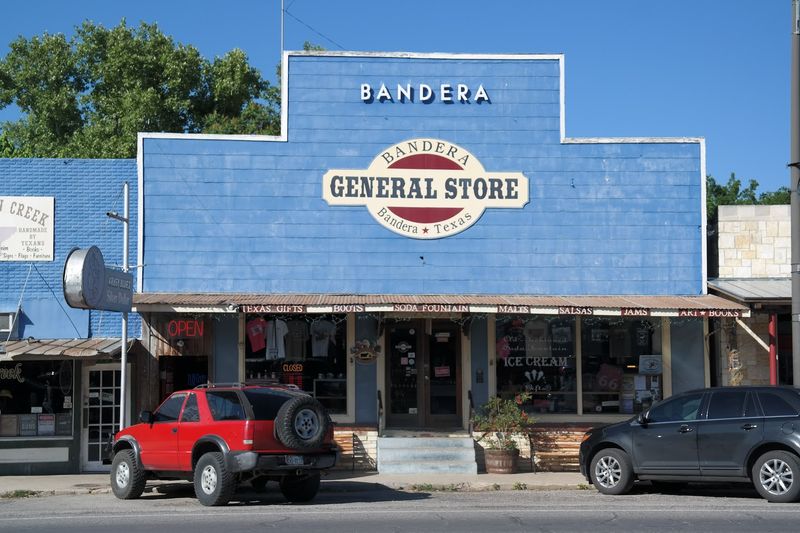
Calling itself the Cowboy Capital of the World, this Hill Country town lives up to the title with authentic ranch culture that moves at cattle speed. Real working ranches surround the small downtown, and residents wear boots because they actually need them, not for fashion. The pace here follows livestock rhythms—early mornings, long days, but never hurried.
Dude ranches offer visitors a taste of cowboy life, but these aren’t theme park experiences. Guests participate in genuine ranch work, learning that moving cattle and mending fences can’t be rushed. The work teaches patience and respect for animals and land, lessons that extend beyond the ranch gates.
The Medina River flows through town, providing a cooling escape from summer heat. Locals know the best swimming holes and share them generously with visitors who show respect for the water and surrounding nature. Floating the river takes hours, and that’s exactly how long it should take—no shortcuts available.
Downtown honky-tonks host live country music where two-stepping happens nightly. Dancers range from teenagers to grandparents, all moving together to fiddles and steel guitar. The music sets a tempo that’s lively but not frantic, perfect for enjoying cold beer and good company without shouting over noise.
Main Street shops sell Western wear and tack for people who actually use them. Store owners can discuss the merits of different saddles or boot styles from personal experience. Buying gear here means getting expert advice and products built to last, which takes time but ensures satisfaction.
Rodeos happen regularly, showcasing skills that cowboys use in daily work. Events run on a schedule that allows for delays because livestock doesn’t follow clocks. Spectators understand that waiting is part of the experience, and nobody complains when broncs or bulls aren’t cooperating with the timeline.
Hill Country State Natural Area offers thousands of acres for hiking, biking, and horseback riding without crowds or amenities. The primitive camping and minimal development force visitors to slow down and engage with nature directly. Cell phones don’t work here, which most people discover is a relief rather than a problem.
Local diners serve massive breakfasts to fuel ranch work, and morning coffee service lasts until lunch because people trickle in after chores. Nobody’s rushing you out, and refills come automatically.