
Texas isn’t just cowboys and barbecue—it’s a playground for anyone who craves heart-pounding excitement. From underground cave systems to rushing rivers and world-class racing tracks, the Lone Star State offers adventures that’ll get your pulse racing and leave you with stories worth telling. Whether you’re a seasoned thrill-seeker or just ready to push your comfort zone, these eight experiences will show you a side of Texas that’s wild, unforgettable, and totally worth the adrenaline rush.
1. Explore the Adventure Tour at Natural Bridge Caverns (San Antonio)
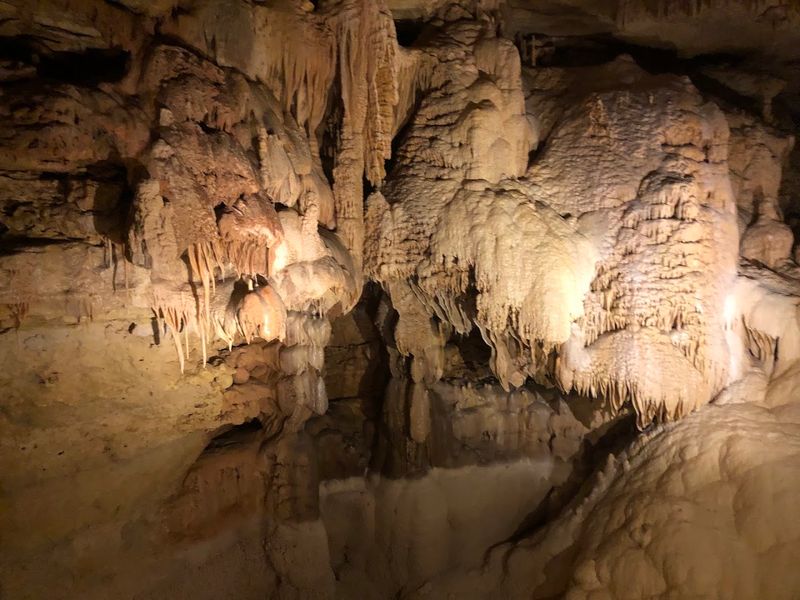
Crawling through narrow passages 180 feet below ground might sound terrifying, but that’s exactly what makes the Adventure Tour so exhilarating. Natural Bridge Caverns already wows visitors with its standard tours, but the adventure version takes things to another level entirely. You’ll squeeze through tight spaces, climb over boulders, and navigate sections of the cave that most people never see.
This isn’t your typical tourist walk-through with handrails and paved paths. The Adventure Tour requires helmets, headlamps, and a willingness to get dirty as you explore undeveloped sections of the cavern system. Your guide leads you through areas where formations are still actively growing, and you’ll witness geological wonders that have been forming for millions of years.
The temperature stays around 70 degrees year-round, which feels refreshing after working up a sweat maneuvering through the underground maze.
What really sets this experience apart is the complete darkness when everyone turns off their lights simultaneously. Standing in absolute blackness deep underground creates a moment of profound silence and awareness that’s hard to describe. It’s both peaceful and slightly unnerving, reminding you just how far you are from the surface world.
The tour lasts about three hours and covers terrain that challenges your balance, flexibility, and nerve. Some passages require you to crawl on your belly or twist sideways to fit through openings that look impossibly small. But the payoff is worth every awkward shuffle—you’ll see pristine cave formations, underground streams, and hidden chambers that feel like discovering a secret world.
Booking ahead is essential since group sizes stay small for safety and preservation reasons. Wear clothes you don’t mind ruining and bring a sense of adventure. This underground expedition proves that some of Texas’s most incredible landscapes exist where sunlight never reaches, and exploring them requires courage, curiosity, and a healthy appreciation for tight spaces.
2. Surf at South Padre Island (South Padre Island)

Who says you need California or Hawaii to catch decent waves? South Padre Island serves up surprisingly good surf along the Texas Gulf Coast, especially when weather systems push swells toward shore. The island’s 34 miles of sandy beaches offer plenty of room to spread out, and the warm Gulf waters make this a year-round destination for anyone willing to paddle out.
Fall and winter typically bring the best wave conditions when cold fronts stir up the Gulf and create swells that reach waist-to-chest high. Spring break crowds might dominate the island’s reputation, but serious surfers know the off-season delivers the goods. Local surf shops provide rentals and lessons for beginners, while experienced riders can explore different breaks along the beach to find their perfect spot.
The water temperature rarely drops below 60 degrees even in winter, meaning you can often surf in just board shorts or a spring suit. Summer sessions feel like bathwater, though the waves tend to mellow out unless a tropical system brings energy. Dawn patrol sessions offer the calmest conditions before afternoon sea breezes chop up the surface, and watching the sunrise over the Gulf while waiting for sets creates magical moments.
South Padre’s laid-back surf culture welcomes newcomers without the territorial attitude found at more famous breaks. You’ll share lineups with dolphins that cruise past looking for breakfast, and pelicans dive-bombing nearby add entertainment between waves. The sandy bottom provides a forgiving learning environment compared to reef breaks, though the occasional stingray shuffle remains important.
After your session, the island offers tacos, cold drinks, and beach bars where you can rehash your best rides. The combination of accessible waves, warm water, and Texas hospitality makes South Padre a genuine surf destination that surprises people who assume the Gulf Coast can’t deliver. Pack your board, check the forecast, and discover that riding waves in Texas hits different—in the best possible way.
3. Rock Climb at Reimers Ranch (Dripping Springs)
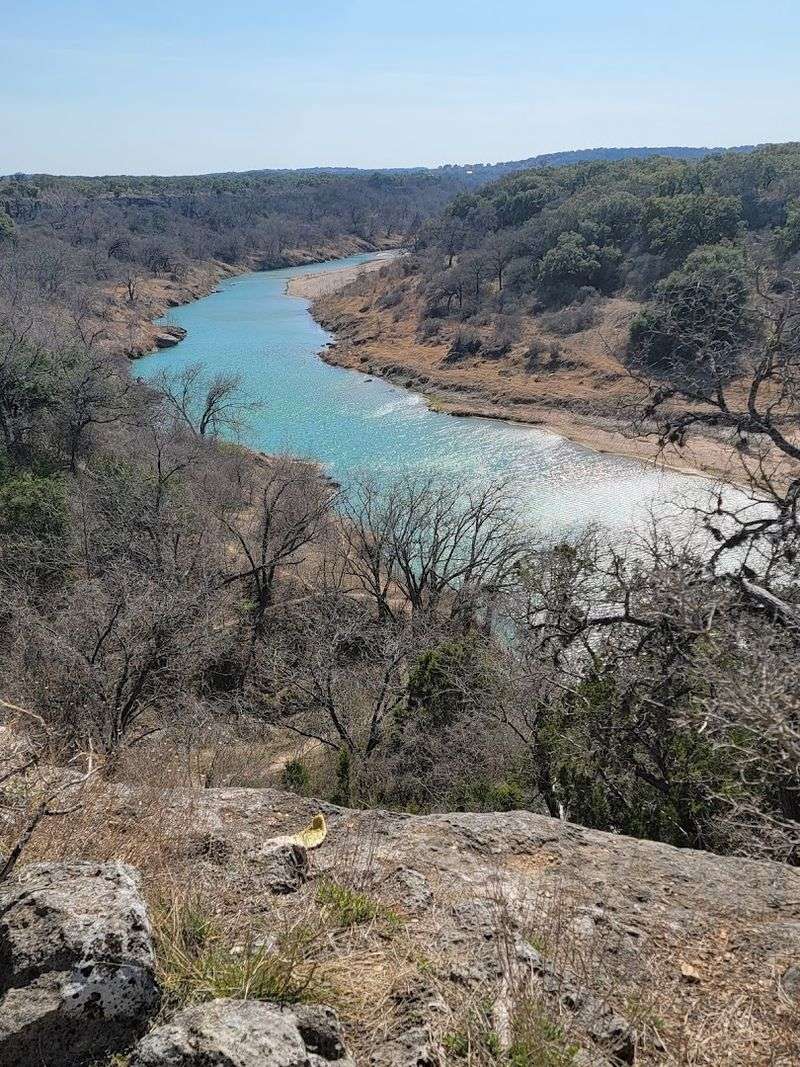
Limestone cliffs towering above the Pedernales River create a rock climbing paradise just 30 minutes from Austin. Reimers Ranch Park protects over 2,000 acres of Hill Country terrain, and the climbing area features more than 200 routes ranging from beginner-friendly slabs to overhanging challenges that’ll test experienced climbers. The rock quality here rivals anything in Texas, with solid limestone offering reliable holds and varied features.
Most routes concentrate along the north shore cliffs, where you’ll find everything from easy 5.6 climbs perfect for learning to burly 5.13 projects that demand serious skill. The setting feels remote despite the proximity to civilization—you’re surrounded by cedar trees, spring-fed streams, and wildlife while clipping bolts or setting top-ropes. Weekend mornings bring a friendly crowd of climbers who share beta, encourage attempts, and create the supportive atmosphere that makes this spot special.
Summer climbing requires an early start before Texas heat becomes oppressive, though the river below offers perfect relief between burns. You can literally rappel down, swim across the Pedernales, and cool off before tackling your next route. Fall through spring delivers ideal conditions with moderate temperatures and lower water levels that expose more climbing terrain.
The park requires a day-use permit, and climbers need to sign a waiver at the entrance. Bringing your own gear is essential since no rentals exist on-site, though several Austin climbing gyms offer equipment if you’re visiting from out of town. The approach hikes stay relatively short, but the rocky terrain demands sturdy shoes even before you start climbing.
What makes Reimers Ranch truly special is the combination of quality routes, beautiful scenery, and the sense of adventure that comes from climbing above a flowing river. You might spot a great blue heron fishing below or watch vultures soar at eye level while you’re clinging to the rock face. This isn’t a climbing gym with air conditioning—it’s raw, real outdoor climbing that reminds you why people love this sport.
4. Kayak Devil’s River (Del Rio)
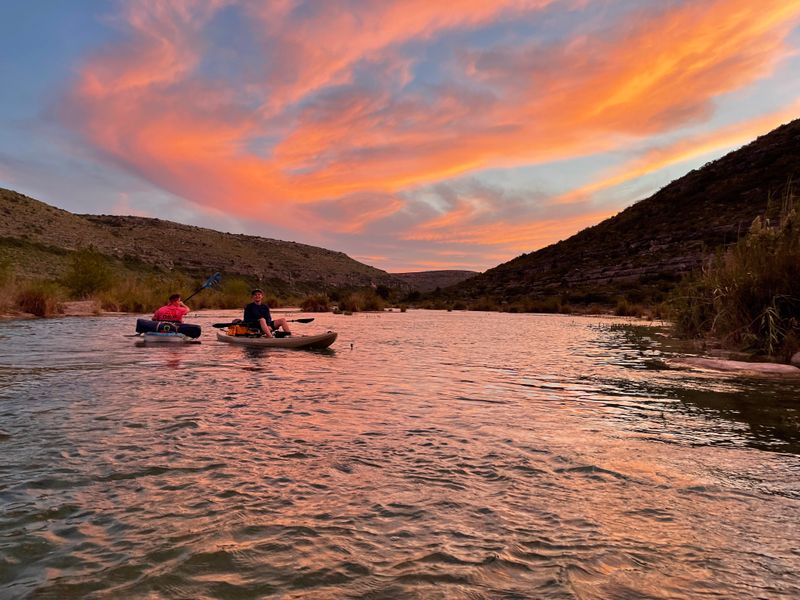
Crystal-clear water so transparent you can count rocks 15 feet down flows through one of Texas’s most pristine and remote waterways. Devil’s River cuts through rugged canyon country near the Mexican border, creating a paddling experience that feels like discovering a secret world. This isn’t your typical lazy river float—it’s a genuine wilderness adventure that requires planning, permits, and a healthy respect for the isolated terrain.
The river’s extraordinary clarity comes from multiple spring-fed sources and minimal development in the watershed. You’ll paddle past limestone bluffs rising hundreds of feet, ancient rock art left by indigenous peoples thousands of years ago, and swimming holes that glow emerald in the sunlight. Wildlife sightings include everything from river otters and beavers to the occasional black bear, though you’re more likely to spot hawks circling overhead.
Most paddlers tackle the section from Baker’s Crossing to Lake Amistad, a roughly 40-mile journey that typically takes three to four days. The river features Class I and II rapids that keep things interesting without requiring expert whitewater skills, though low water levels during drought years can mean more dragging than paddling. Camping happens on gravel bars under star-filled skies so dark you’ll see the Milky Way stretch across the horizon.
Access requires permission from private landowners or using designated state natural area entry points, and permits stay limited to preserve the river’s wild character. This means you won’t encounter crowds—in fact, you might not see another person for days. Cell service is nonexistent, and the nearest town sits hours away, so self-sufficiency is mandatory.
Bring everything you need because there’s no running to the store if you forget something.
The isolation and beauty create an experience that feels increasingly rare in our connected world. Paddling through water so clear it seems like your kayak is floating in air, camping beside a river that still runs wild and free, and spending days completely unplugged from modern life—Devil’s River offers the kind of adventure that stays with you long after you return to civilization.
5. Indoor Skydive at iFLY (Multiple Texas Locations)

Floating on a column of air rushing upward at 175 miles per hour delivers the sensation of freefall without jumping from an airplane. iFLY’s vertical wind tunnels use powerful fans to create sustained flight conditions, letting you experience what skydivers feel during those exhilarating moments before the parachute opens. Texas has multiple locations including Austin, Dallas, Houston, and San Antonio, making this accessible no matter which part of the state you call home.
First-time fliers start with a brief training session covering body position, hand signals, and what to expect once you enter the tunnel. Then you suit up in a flight suit, helmet, and goggles before stepping into the transparent chamber where the magic happens. Your instructor stays with you throughout the flight, providing real-time adjustments to help you maintain stability and control.
The sensation is incredibly intense and surprisingly physical. Maintaining proper body position requires core strength and concentration as the wind buffets you from below. Small adjustments to your arms or legs create dramatic changes in your flight path, and learning to control your movements feels like discovering a new superpower.
Most packages include multiple flights, giving you time to progress from wobbling beginner to someone who can actually steer and perform basic maneuvers.
What makes indoor skydiving so appealing is the controlled environment that removes many risks associated with jumping from planes. You’re never more than a few feet off a padded floor, and your instructor can grab you instantly if needed. This allows you to focus purely on the flying experience without worrying about equipment failure, weather conditions, or landing in the wrong pasture.
Advanced fliers can purchase additional time to work on tricks, spins, and even formations with other fliers. The wind tunnel accommodates everyone from kids as young as three to seniors in their eighties, though certain health conditions may restrict participation. After your flights, you’ll receive a certificate and likely a new appreciation for what skydivers experience.
The adrenaline rush is real, the experience is unforgettable, and you’ll walk away with proof that humans can fly—we just need a little help from some really powerful fans.
6. Mountain Bike the IMBA Epic Trail at Reveille Peak Ranch (Burnet)
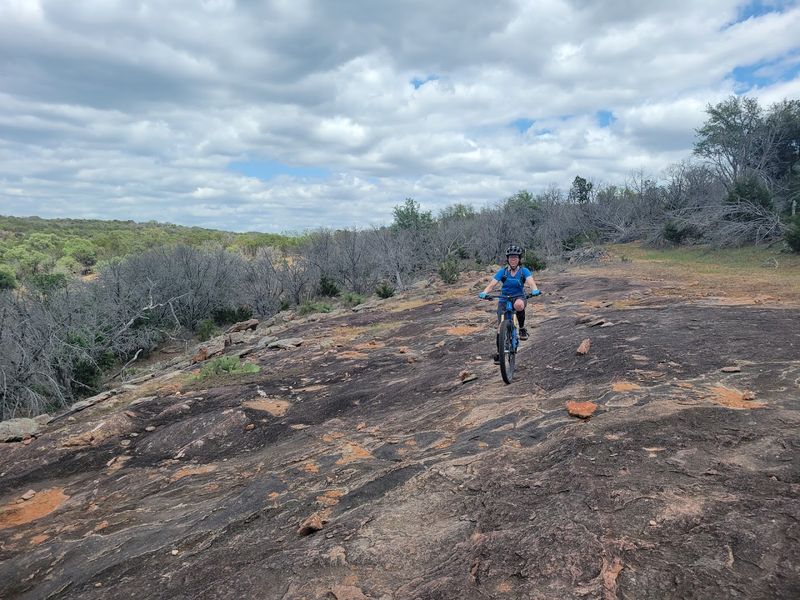
Earning the International Mountain Bicycling Association’s Epic designation means a trail delivers world-class riding through spectacular terrain, and Reveille Peak Ranch absolutely deserves the recognition. This 1,200-acre ranch in the Hill Country features over 20 miles of purpose-built singletrack that flows through rocky outcrops, cedar forests, and open meadows with panoramic views. The main loop stretches about 16 miles and packs enough technical challenges and elevation changes to leave even strong riders breathing hard.
The trail was designed by expert builders who understood how to work with the natural terrain rather than fighting it. You’ll encounter rock gardens that test your line choice, fast descents that reward confidence, and punchy climbs that make you question your gear selection. The route constantly changes character—one minute you’re weaving through trees on smooth dirt, the next you’re picking your way across limestone shelves that require precise wheel placement.
What sets Reveille Peak apart from other Texas trails is the sheer variety packed into a single ride. You get technical rock features, flowy berms, scenic overlooks, and enough distance to feel like a proper adventure. The ranch maintains the trails immaculately, and the routing takes advantage of the property’s natural beauty.
Spring wildflowers blanket the meadows, fall colors paint the hardwoods, and even summer rides stay manageable if you start early.
The ranch operates as a private facility requiring membership or day passes, which keeps crowds manageable and ensures trail conditions stay excellent. Amenities include restrooms, water refill stations, and a barn area where you can work on your bike if needed. The atmosphere feels welcoming whether you’re a seasoned rider tackling the full loop or a newer mountain biker sampling shorter sections.
Riding Reveille Peak reminds you why mountain biking became popular in the first place—it combines physical challenge, technical skill, natural beauty, and pure fun into a few hours that leave you grinning despite tired legs. The Epic designation isn’t just marketing hype; this trail genuinely ranks among the best mountain bike experiences in Texas and holds its own against destination trails nationwide.
7. Take a Racing Experience at Circuit of the Americas (Austin)
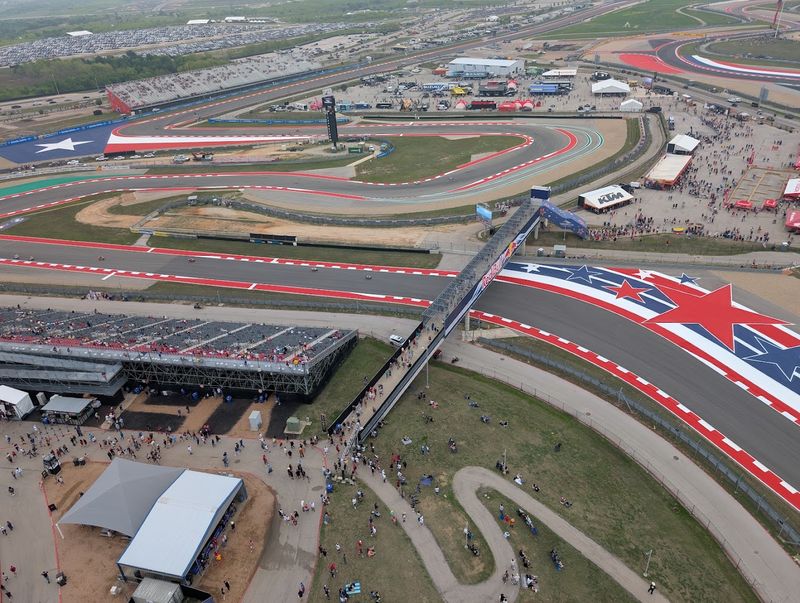
Formula 1 drivers reach speeds over 200 mph on this track, but you don’t need to be Lewis Hamilton to experience the thrill of racing at America’s premier motorsports facility. Circuit of the Americas offers various driving experiences that let regular people get behind the wheel of high-performance vehicles and push them around the same 3.4-mile course that hosts world championship racing. The track features 20 turns, elevation changes up to 133 feet, and straightaways where you’ll discover just how fast these cars can accelerate.
Different packages cater to various skill levels and budgets. The entry-level option might put you in a performance car with an instructor providing guidance, while premium experiences let you pilot actual race cars with sequential gearboxes and racing slicks. You’ll start with classroom instruction covering racing lines, braking points, and track safety before heading out for timed sessions that grow progressively faster as you build confidence.
The sensation of attacking corners at speeds that would mean instant disaster on public roads creates an adrenaline rush that’s hard to match. Your instructor coaches through a headset, encouraging you to brake later, carry more speed through turns, and push beyond what feels comfortable. The cars are incredibly capable, and the track provides runoff areas that allow you to explore limits without the consequences you’d face on highways.
COTA’s world-class facilities include climate-controlled paddock areas, professional timing systems, and viewing areas where friends can watch you circulate. The track surface itself is billiard-table smooth, and the safety standards meet international racing requirements. Between sessions, you can walk the facility, check out the tower, and imagine what race day feels like when 100,000 fans pack the grandstands.
Most participants leave amazed by how physically demanding racing actually is—your heart rate stays elevated, your arms tire from steering inputs, and the concentration required is intense. But they also leave with a huge smile and video footage of their laps showing speeds they never imagined reaching. Whether you’re a gearhead who’s dreamed of racing or just someone seeking a unique adrenaline fix, driving COTA delivers an experience that’s pure automotive theater.
8. Backcountry Hike the Outer Mountain Loop (Big Bend National Park)
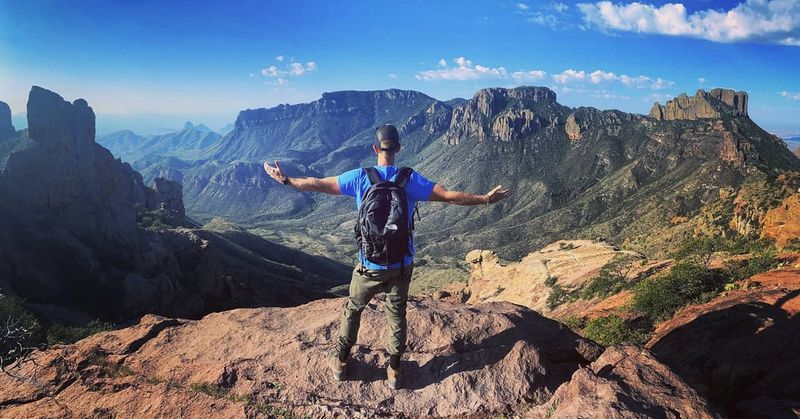
Thirty miles of remote desert and mountain terrain with no water sources, extreme temperature swings, and navigation challenges that test your wilderness skills—the Outer Mountain Loop represents serious backcountry hiking. This multi-day trek through Big Bend National Park’s Chisos Mountains takes you far from paved roads and casual tourists into landscapes that feel utterly wild and unforgiving. You’ll cross high ridges with views stretching into Mexico, descend into isolated canyons, and camp under skies so dark that stars cast shadows.
Most hikers complete the loop in three to four days, though strong backpackers can push through in two. The route climbs over Emory Peak, the park’s highest point at 7,832 feet, then drops into Blue Creek Canyon before traversing desert flats and climbing back toward the basin. Every ounce in your pack matters because you’ll carry all your water between scarce sources, and the desert sun shows no mercy to those who underestimate hydration needs.
The solitude out here is profound and slightly intimidating. You might not see another person for days, and the landscape feels primordial—ancient rocks, hardy desert plants, and wildlife that includes black bears, mountain lions, and javelinas. Night brings temperatures that can drop 40 degrees from daytime highs, and the silence is so complete you’ll hear your heartbeat.
This isn’t a hike where you can bail easily if things go wrong; you’re committed once you start.
Navigation requires map and compass skills since trails can be faint in places, and GPS units should be considered backup rather than primary navigation. Weather can change dramatically with thunderstorms materializing quickly, and flash floods remain a real danger in canyon bottoms. Park rangers require backcountry permits and will quiz you about your preparedness because they’ve rescued too many people who underestimated this hike.
But for those with proper experience and equipment, the Outer Mountain Loop delivers the kind of authentic wilderness adventure that’s increasingly rare. You’ll push your limits, carry everything you need on your back, and experience Big Bend’s raw beauty far from civilization. Finishing this hike earns serious bragging rights and creates memories of landscapes and challenges that stay with you forever.