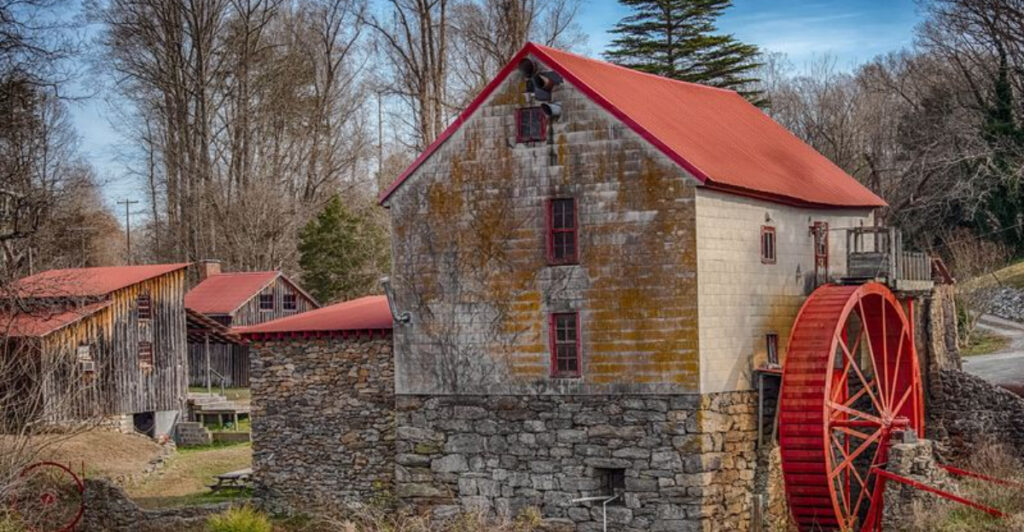
North Carolina hides an older rhythm beneath its mountain roads, Piedmont rivers, and quiet backcountry lanes, and you can still feel it where water once powered the state’s earliest industries. Follow these mill stops and you move through more than preserved buildings – you step into stories of grain, cotton, labor, trade, and the small communities that grew beside creeks strong enough to turn a wheel.
Some places feel lovingly restored, others carry a haunting stillness, but each one reveals how deeply industrial life shaped the state long before highways and tech corridors arrived. If you want a road trip through North Carolina that feels local, layered, and unexpectedly moving, these historic mill sites offer one of the most fascinating ways to trace the state’s forgotten working landscape.
1. The Historic Old Mill Of Guilford
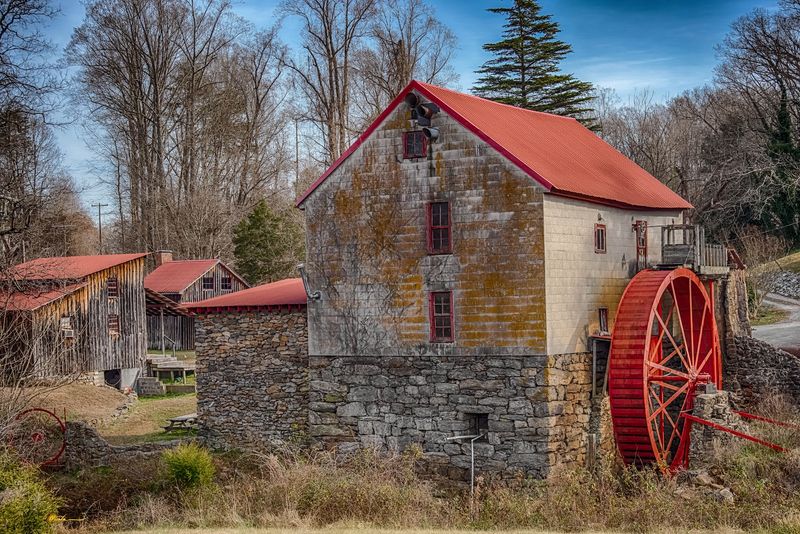
Tucked into a peaceful corner of the Piedmont, this stop feels like the kind of place that immediately slows your pace and sharpens your attention.
The Historic Old Mill of Guilford is one of those rare North Carolina landmarks where history does not sit behind glass, because the machinery, creek, and building still explain themselves the moment you arrive.
You are not just looking at an old mill here – you are standing inside a living reminder of how waterpower shaped local farming, trade, and daily survival.
Built in the eighteenth century and associated with the wider history of Guilford County, the mill reflects a time when communities depended on nearby grinding services for flour and meal.
Its sturdy timber frame, weathered surfaces, and working character make it easy to picture wagons arriving with grain from surrounding farms.
What makes this place especially rewarding is that it connects industrial history to ordinary life, showing how a mill was not simply a machine, but a gathering point woven into the economy of North Carolina.
The setting adds a lot to the experience.
The creek, low stonework, and mature trees create a landscape that feels surprisingly intimate, even though the site carries centuries of significance.
If you visit with patience, you can notice the way sound works here too: running water, creaking wood, and the soft hush of the grounds create a mood that feels more reflective than theatrical.
For anyone tracing historic mills across North Carolina, this is an essential stop because it balances preservation with atmosphere.
It does not overwhelm you with size, but it stays with you because it feels authentic, practical, and rooted in place.
By the time you leave, you have a clearer sense of how deeply industrial creeks shaped the state, and why small sites like this often tell the biggest stories.
2. Historic Yates Mill County Park
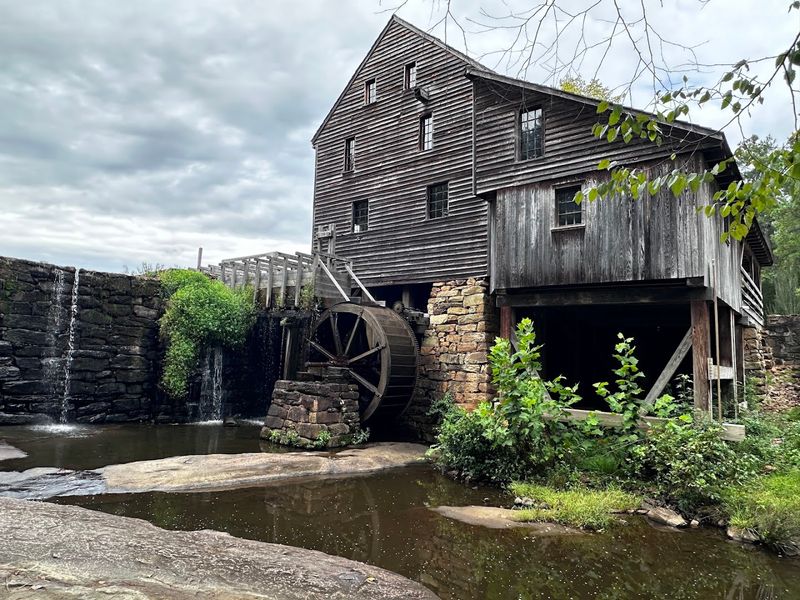
Just outside the faster rhythm of modern Raleigh, this beautifully preserved site offers one of the clearest windows into North Carolina’s agricultural and industrial past.
Historic Yates Mill County Park centers on a restored nineteenth-century gristmill, but the wider landscape matters just as much as the building itself.
When you walk the grounds, you begin to understand how water, land, and labor worked together to support local communities long before suburban growth reached this part of the state.
The mill stands beside a broad millpond that gives the whole property a calm, reflective presence.
That peaceful surface can make you forget that this was once a hardworking engine of daily life, drawing farmers who needed grain processed and relied on nearby routes to reach it.
In North Carolina, mills like this were practical anchors of rural economies, and Yates Mill does an excellent job of showing how a single site could support both commerce and community.
One of the strongest reasons to stop here is the way the park combines interpretation with atmosphere.
You can appreciate the mechanics of the water-powered operation, then step outside and follow trails that reveal wetlands, woodland edges, and changing light across the pond.
That blend makes the site feel larger than a structure on display, because it presents the mill as part of a living environment rather than an isolated artifact.
If you are building a historic mill road trip through North Carolina, this stop brings welcome balance.
It is accessible, visually memorable, and rich in context without losing the quiet charm that makes old industrial places so appealing.
You leave with more than photographs – you carry away a better sense of how everyday work once depended on creek flow, seasonal conditions, and the dependable turning of a wooden wheel.
3. Murray’s Mill Historic District
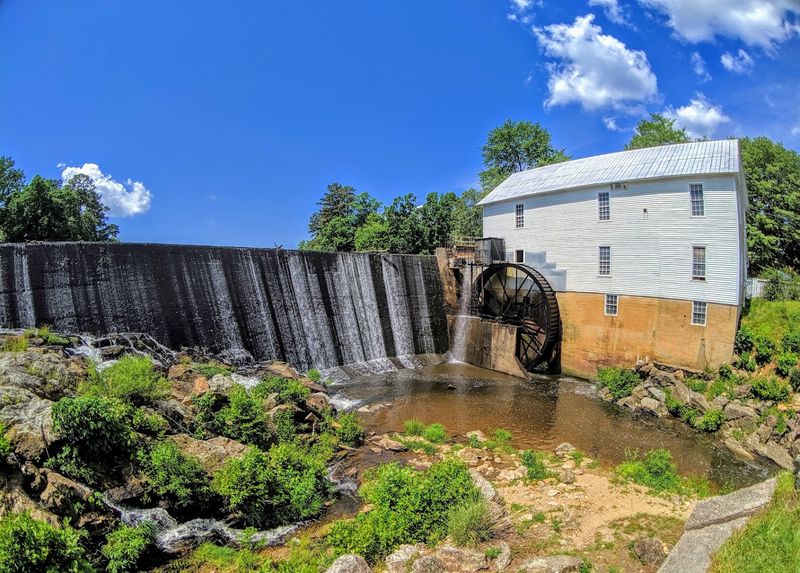
Set in Catawba County, this historic district gives you more than a single preserved building – it offers a fuller glimpse into how a North Carolina mill community once functioned.
Murray’s Mill Historic District includes the mill itself along with supporting structures that help the site feel connected, practical, and lived in rather than frozen in time.
That broader view matters because industrial history becomes much more vivid when you can imagine where goods were processed, traded, stored, and discussed.
The centerpiece is the old gristmill, which reflects the kind of water-powered industry that supported rural life across the state during the nineteenth century.
Instead of presenting milling as a narrow technical story, the district reveals how one operation could shape transportation, local exchange, and neighborhood identity.
In North Carolina, places like this often became informal social centers too, since people gathering for business also brought news, opinions, and local connections with them.
The setting feels especially appealing because the pond, weathered buildings, and open grounds create a strong sense of continuity.
You can picture wagons on approach, sacks of grain being unloaded, and routine work unfolding with a steadiness that now feels almost meditative.
There is a quiet honesty to the place that makes it memorable, and the surviving cluster of structures helps you read the landscape as a working system rather than a scenic backdrop.
For travelers interested in forgotten industrial creeks, this is one of North Carolina’s most satisfying stops because it preserves context as well as architecture.
You are not only seeing where grain was ground – you are sensing how a small rural economy organized itself around waterpower and trust.
That combination of beauty, function, and community memory makes Murray’s Mill Historic District easy to recommend and hard to forget after the drive home.
4. Textile Heritage Museum At Glencoe Mill Village
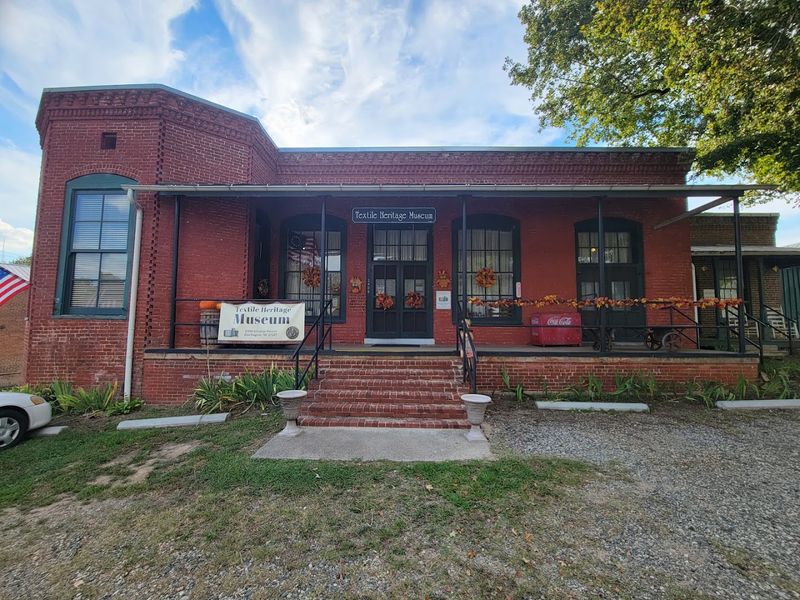
In Alamance County, this stop shifts the story from small grist operations to the larger textile world that transformed much of North Carolina.
The Textile Heritage Museum at Glencoe Mill Village brings together mill architecture, worker housing, and community history in a way that feels both personal and expansive.
Instead of focusing only on machines, it invites you to think about the people who lived beside the river and built daily routines around factory time, wages, and neighborhood ties.
The preserved village setting is one of the biggest strengths here.
Mill houses and industrial buildings help you see how textile production shaped entire communities, not just a single workplace.
Across North Carolina, cotton mills changed the rhythm of family life, labor expectations, and regional growth, and Glencoe makes that transformation easier to understand because the social landscape still surrounds you.
There is also a strong visual contrast that makes the site compelling.
Brick structures, river views, and rows of houses create a scene that feels more urban and organized than many older creekside mills, yet the water connection remains central to the story.
You can sense how industrial power in North Carolina evolved from earlier milling traditions into larger systems that relied on rivers, transportation networks, and disciplined labor on a much wider scale.
If you want one stop on this list that broadens the conversation, this is the place to choose.
It helps you connect forgotten industrial creeks to the rise of mill villages, textile wealth, and the harder realities of working life that came with industrial expansion.
By the end of a visit, the museum leaves you with a deeper, more human understanding of how North Carolina’s waterways supported not only production but entire generations of community experience.
5. Bost Grist Mill
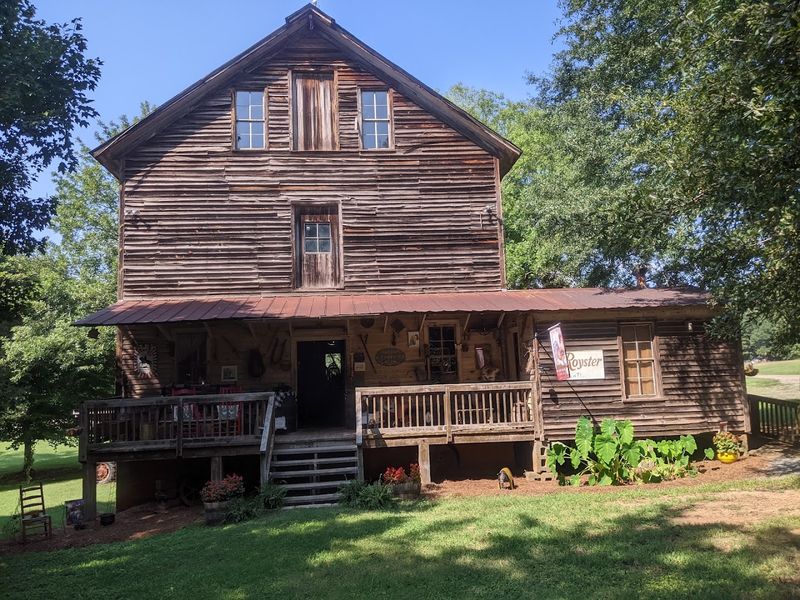
West of Charlotte, this mill offers a quieter, more intimate kind of historic stop that feels deeply connected to everyday rural North Carolina.
Bost Grist Mill may not have the scale of a textile complex, but that is exactly why it works so well on a route devoted to forgotten industrial creeks.
You come here to understand how local waterpower once served nearby farms directly, turning grain into the staples that households depended on with almost no room for delay or waste.
The mill’s appeal lies in its plainspoken authenticity.
Its structure and setting suggest usefulness first, beauty second, yet the result is still undeniably picturesque because old working landscapes often carry their own natural grace.
In North Carolina, gristmills like this formed a practical network of service points, linking isolated farms to a dependable process that was essential for food preparation and small-scale commerce.
As you explore, it becomes easier to imagine the routine behind the preservation.
Families would have arrived with corn or wheat, waited their turn, exchanged local news, and returned home with a meal or flour that tied directly into the next week’s meals.
That rhythm gives the place emotional weight, because it reminds you that industrial history is not only about innovation or profit – it is also about repetition, necessity, and the quiet systems that kept communities functioning.
For travelers moving across North Carolina in search of meaningful mill sites, Bost Grist Mill rewards attention precisely because it feels grounded and unpretentious.
It tells a smaller story, but not a lesser one, and it helps balance a list that might otherwise lean too heavily toward larger industrial centers.
When you leave, you carry a sharper appreciation for the modest creeks and hardworking buildings that once made rural life more stable across the state.
6. Rocky Mount Mills
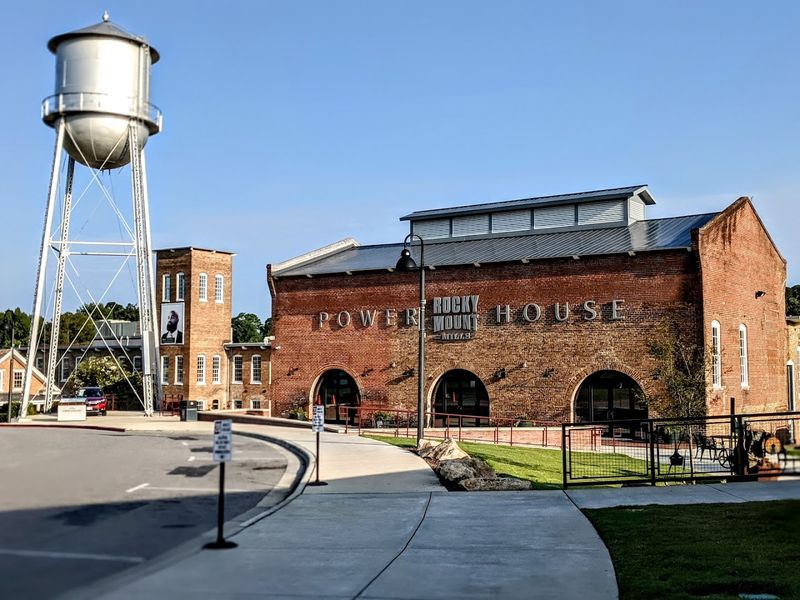
Along the Tar River, this site shows how North Carolina’s industrial history can be preserved without losing its energy or scale.
Rocky Mount Mills began as a nineteenth-century cotton mill, and today the surviving complex still communicates the ambition that once defined river-powered manufacturing in the eastern part of the state.
Even with modern reuse layered into the property, the historic bones remain clear enough to help you imagine the sound, motion, and labor that once filled the campus.
This is an especially useful stop if you want to understand how water shaped textile development beyond the Piedmont.
The river here was not just a scenic background – it was an industrial resource tied to power, investment, and the expansion of regional production.
In North Carolina, mill sites like Rocky Mount connected raw materials, transportation, and workers in ways that pushed local communities into larger economic networks.
What makes the visit memorable is the tension between old and new.
You can appreciate brick facades, industrial scale, and river proximity while also noticing how adaptive reuse has kept the place active rather than abandoned.
That does not erase the harder history of mill labor, but it does make the site feel accessible, helping you experience North Carolina’s industrial past as something still visible in the present landscape instead of buried in archives.
If your road trip is focused on forgotten industrial creeks and river corridors, Rocky Mount Mills deserves time because it expands the story beyond small rural mills.
It reveals what happened when waterpower met capital, cotton, and a growing market economy, and it does so in a setting that still feels rooted to the river that made it possible.
Few stops on this list illustrate industrial evolution in North Carolina as clearly or as dramatically.
7. Saxapahaw Rivermill
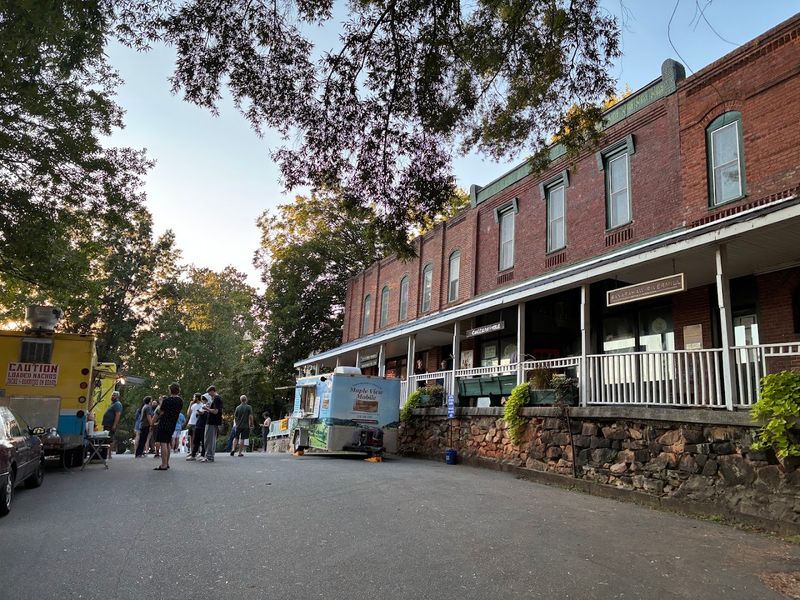
Beside the Haw River, this mill stop blends industrial memory with a striking sense of place that feels distinctly North Carolina.
Saxapahaw Rivermill grew from the textile era, and its surviving presence still anchors the village around it in a way that is easy to feel the moment you arrive.
The river, the brick mill, and the compact settlement pattern all work together to show how industry once organized both work and community life in the region.
What stands out here is the relationship between landscape and architecture.
The Haw River gives the site movement and texture, while the mill structure carries the weight of a manufacturing past that reshaped this part of the state for generations.
In North Carolina, many former mill communities have lost either their buildings or their local identity, but Saxapahaw still offers enough of both to make the historic connection vivid.
You do not need much imagination to picture the earlier rhythms of production, labor shifts, and daily dependence on the river corridor.
At the same time, the site now feels layered rather than trapped in one era, which can make a visit more rewarding because you notice how history continues to influence present-day character.
That continuity is one of the most compelling aspects of mill travel in North Carolina – the old industrial framework often still shapes where people gather, what gets preserved, and how a town understands itself.
As part of a route focused on forgotten industrial creeks and waterways, Saxapahaw Rivermill earns its place by connecting beauty, labor history, and village identity.
It offers more than a building to photograph, giving you a fuller sense of how the textile industry and river power intertwined across the state.
If you are looking for a stop that feels scenic and thoughtful at once, this one leaves a lasting impression.
8. Henry River Mill Village
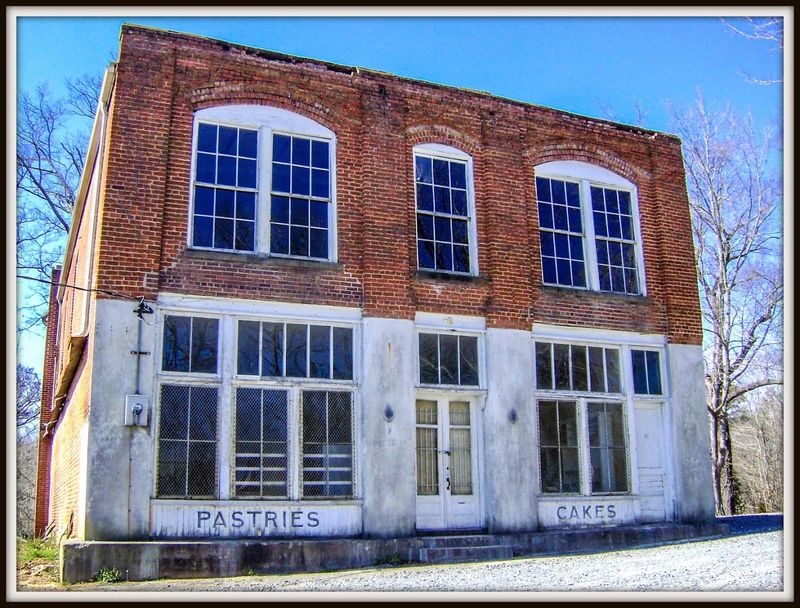
Hidden in the foothills, this stop feels different from almost everything else on the list because abandonment is part of its power.
Henry River Mill Village preserves the remains of a once-active textile community, and the quiet here can feel almost cinematic as old structures sit against the landscape with stories still clinging to them.
In North Carolina, few mill sites capture the rise and decline of industrial villages as starkly as this one.
The village was built around mill work, which meant employment, housing, routine, and community were tightly linked in ways that shaped daily life for generations.
When you walk through the area, you can sense how complete that world once was, with the mill as the economic center and nearby homes reflecting the dependence of workers on a single industrial system.
That arrangement was common in North Carolina’s textile regions, but Henry River makes the pattern unusually visible because so much of the setting remains legible.
There is a haunting quality to the place that can make it one of the most memorable stops on a statewide route.
Weathered buildings, empty spaces, and the surrounding terrain combine to show what happens after industry fades and communities contract.
Rather than softening the story, the site encourages you to think about labor, decline, migration, and the fragile bond between local prosperity and a single mill’s success.
For travelers interested in North Carolina beyond postcard scenery, Henry River Mill Village offers a sobering and fascinating perspective.
It is not simply a picturesque ruin – it is a powerful record of how industrial life once organized hope, work, and belonging, then left visible marks when that system unraveled.
If you want one stop that turns mill history into something emotional as well as informative, this place delivers with unusual force.
9. Edenton Cotton Mill Museum Of History
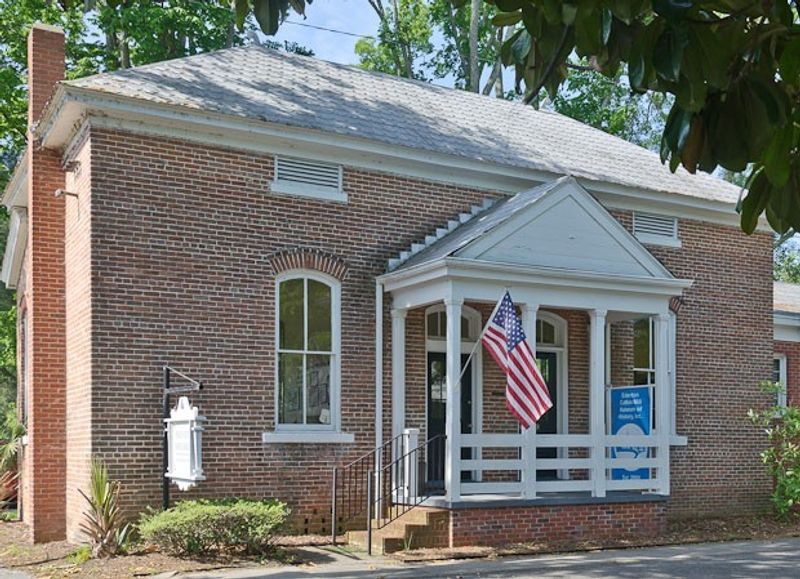
On the coastal plain, this museum adds an important dimension to any mill-focused journey through North Carolina.
The Edenton Cotton Mill Museum of History tells the story of textile production in a part of the state that many travelers know more for colonial heritage than industrial development.
That contrast makes the stop especially valuable, because it reminds you that mill history reached well beyond the mountain valleys and Piedmont river towns most people expect.
Inside the story of this site, you find labor, machinery, community identity, and economic change woven together in ways that feel distinctly local.
Cotton mills in North Carolina were never only about production figures – they influenced where people lived, how families planned their futures, and what opportunities or hardships shaped a town over time.
A museum setting helps make those connections easier to absorb, especially if you want context rather than just architecture.
What I find most compelling about a stop like this is how it broadens the map of industrial memory.
Edenton’s cotton mill history shows that waterways, transportation access, and regional markets created industrial possibilities in places that do not always dominate the conversation.
By focusing on North Carolina alone, you start to see how varied the state’s mill landscape really was, from inland grist operations to larger manufacturing centers that influenced entire communities.
If your route is meant to reveal forgotten industrial creeks and the lives shaped around them, this museum deserves a place because it deepens the story beyond surviving structures alone.
It offers interpretation, perspective, and a reminder that textile history belongs to many corners of North Carolina, not just the most famous mill towns.
After a visit, the state’s industrial map feels wider, richer, and more connected than it did before.
10. Revolution Mill
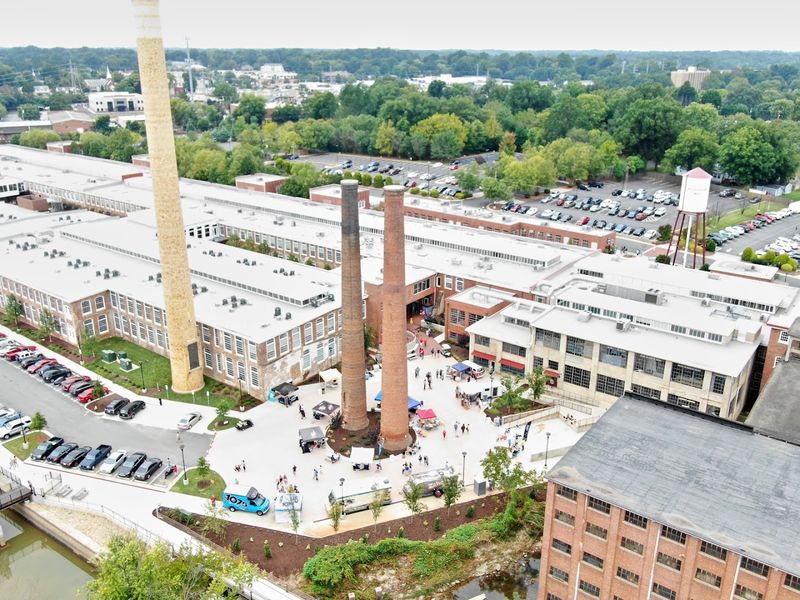
In Greensboro, this final stop brings the journey full circle by showing how the large-scale textile industry became deeply embedded in North Carolina’s urban growth.
Revolution Mill began as one of the state’s major textile operations, and its surviving architecture still projects the confidence and permanence that mill owners wanted such complexes to convey.
Even before you learn specific details, the scale alone tells you that industrial waterways and powered production once shaped whole city districts, not just rural crossroads.
What makes this site compelling is the way it captures a later, more expansive phase of the mill story.
Earlier gristmills served local farm economies, but textile complexes like this signaled a broader transformation involving wage labor, factory discipline, and regional manufacturing power.
In North Carolina, that shift changed landscapes and lives alike, drawing workers into mill-centered neighborhoods and tying local fortunes to national demand.
The building’s brick massing, long window lines, and industrial presence create a very different mood from the smaller creekside mills on this list, yet the connection remains clear.
Water, energy, transportation, and labor still sit at the center of the story, only magnified through urban scale and corporate ambition.
That contrast makes Revolution Mill a smart final stop, because it helps you see the full arc of industrial development across North Carolina rather than treating every mill as essentially the same.
If you have spent days tracing forgotten industrial creeks, village ruins, and working gristmills, ending here feels fitting.
Revolution Mill shows where many of those earlier patterns were headed: toward bigger facilities, denser communities, and a textile economy that would define huge portions of the state for generations.
It is a strong reminder that North Carolina’s mill heritage is not marginal history – it is one of the clearest ways to understand the state’s development.