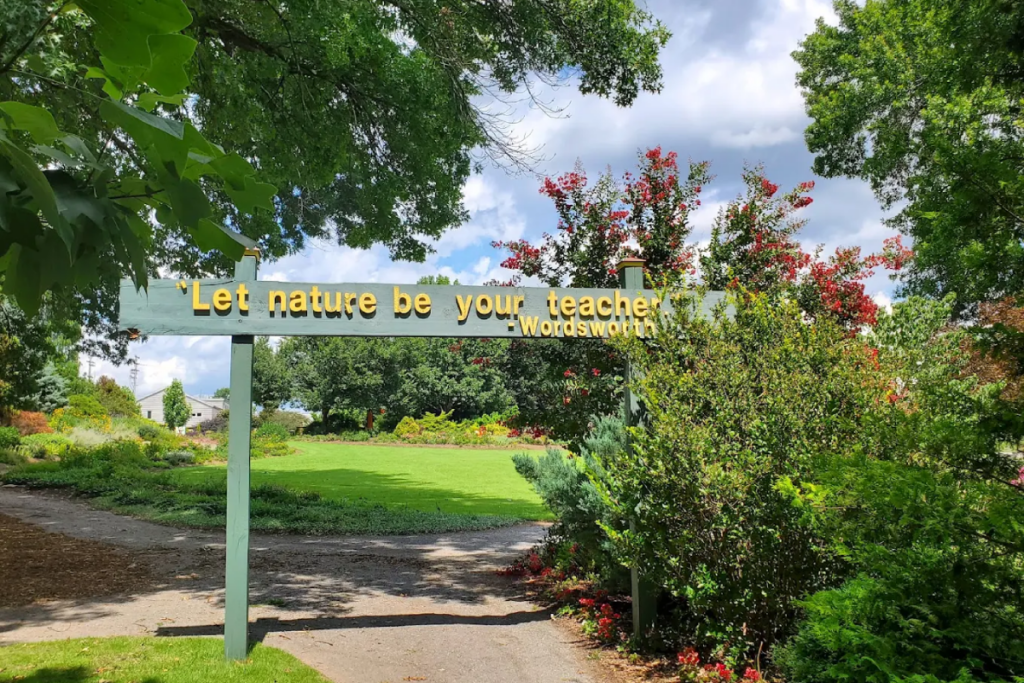
Right in the heart of Knoxville, tucked between campus buildings and busy streets, sits a hidden treasure that feels worlds away from city noise. UT Gardens Knoxville offers acres of colorful blooms, shaded walking paths, and quiet corners where you can actually hear birds singing instead of traffic humming.
Whether you need a quick lunch break escape or a full afternoon of wandering, this free garden delivers peace without charging admission or demanding reservations.
A Peaceful Garden Escape Hiding In The Middle Of The City
Finding a truly calm spot in any city can feel impossible, but UT Gardens manages to pull off this magic trick without breaking a sweat. Located right on the University of Tennessee campus at 2518 Jacob Drive, this garden somehow muffles the sounds of nearby traffic and transforms into a peaceful retreat the moment you step through its entrance. You’ll forget you’re surrounded by academic buildings and busy roads.
The gardens open early at 5 AM and stay accessible until 8 PM every single day, giving early risers and evening strollers plenty of flexibility. With a 4.8-star rating from over 1,400 visitors, people clearly appreciate what this place offers. Families spread blankets for picnics, photographers chase golden hour light, and solo visitors find benches tucked into quiet corners perfect for reading or just breathing.
Parking can be tricky during weekdays since campus spots require student permits, but eight free visitor spaces sit designated specifically for garden guests. Weekends open up the whole lot without worry of tickets.
What makes this garden special isn’t just the plants or the layout. It’s the feeling you get when city stress melts away within minutes of arrival. Covered areas provide shade for hot Tennessee afternoons, and the sound of water features drowns out whatever noise tries sneaking in from nearby roads.
Even during off-peak seasons when fewer flowers bloom, the garden maintains its charm through interesting sculptures, diverse tree collections, and thoughtful landscaping. Visitors in January still raved about their experience despite the lack of colorful blooms. The space itself creates tranquility regardless of what’s flowering at any given moment.
Wander Through Colorful Blooms And Beautifully Designed Spaces
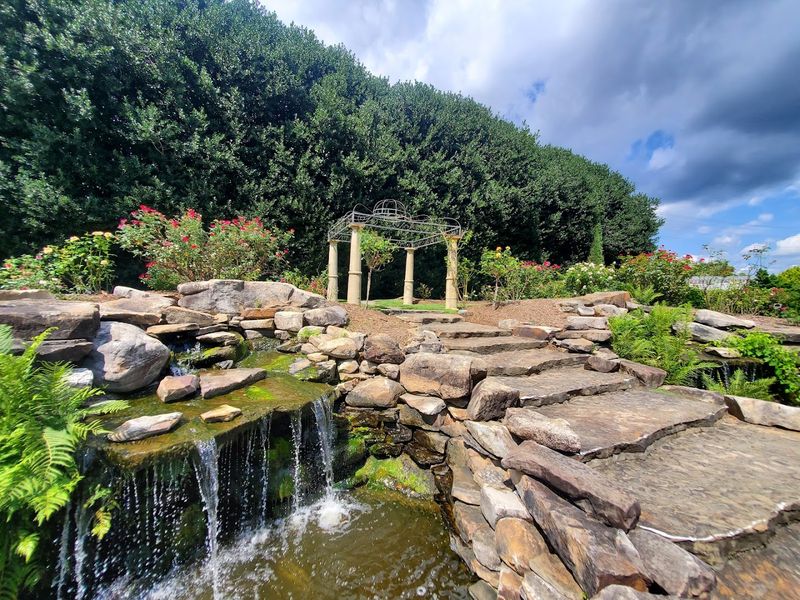
Walking through UT Gardens feels like flipping through a living magazine where every turn reveals another stunning plant arrangement. The design team clearly put serious thought into creating visual interest throughout the entire property. Rose gardens cascade near waterfalls, perennial beds burst with seasonal color, and specialty areas showcase everything from succulents to native Tennessee plants.
Spring and summer bring the most dramatic displays when flowering plants hit their peak performance. Mid-April visitors report being amazed by the volume of blooms despite arriving earlier than expected peak season. The gardens plan for extended blooming periods, meaning something interesting catches your eye from early spring through late fall.
Different garden areas carry distinct themes and purposes. You’ll discover vegetable gardens tended by UT students who maintain both organic sections and areas comparing pesticide use. A succulent collection features unusual cacti and drought-tolerant plants that thrive even in Tennessee’s humid climate.
Water lily displays sit conveniently in raised tubs rather than distant pond surfaces, making them easier to photograph and appreciate up close.
The layout encourages exploration without exhausting visitors. Paths connect smoothly between sections, and the terrain stays mostly flat and accessible for people with mobility concerns. Families with strollers navigate easily, and older adults find plenty of benches strategically placed for rest stops.
Educational labels identify many plant species, turning casual walks into learning opportunities for curious minds. Artwork scattered throughout adds unexpected visual breaks between botanical displays.
Even the vegetable gardens earn praise for their impressive variety and careful maintenance. Seeing okra growing, tomatoes ripening, and other edible plants thriving adds practical inspiration for home gardeners looking to improve their own plots.
Each Garden Area Offers Something New To Discover

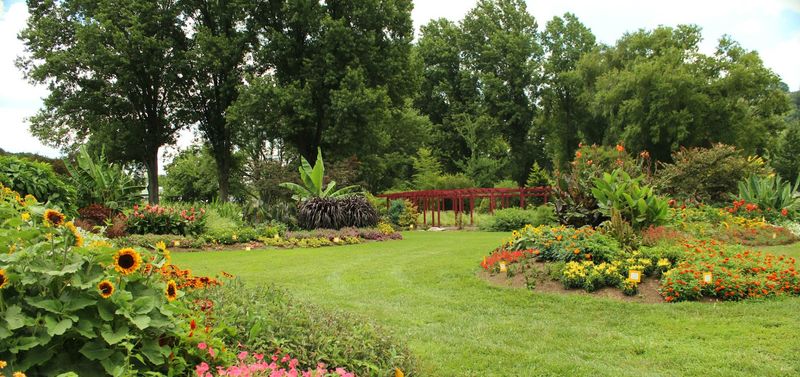
UT Gardens doesn’t settle for being just one type of garden. Instead, it splits into multiple themed sections that keep surprising visitors around every corner. Walk from roses to vegetables to native plants to children’s areas without ever feeling like you’re seeing the same thing twice.
This variety means different family members can each find something matching their interests.
The children’s garden stands out as a favorite among families. Whimsical bunny sculptures with educational plaques tell stories that kids enjoy reading while parents appreciate the gentle lessons woven in. Tunnels, hobbit mounds, and playful accessories encourage little ones to explore and get slightly dirty in the best possible way.
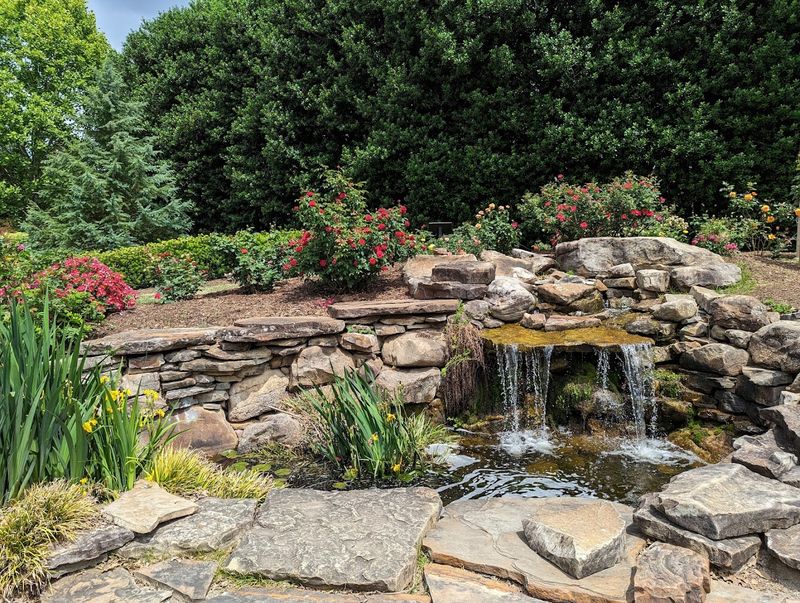
Water features appear in multiple locations, including a waterfall surrounded by rose paths where koi fish glide through clear pools. The peaceful sound of moving water adds another sensory layer to the experience. Visitors specifically mention sitting near these areas to eat lunch while fans gently blow and fish provide natural entertainment.
A native mound area incorporates cultural and ethnic symbolism alongside Tennessee’s indigenous plants, creating educational opportunities beyond basic botanical information. This thoughtful inclusion helps visitors understand regional plant history and cultural connections to the land. Even in winter when nothing blooms, people appreciate examining the diverse tree collection, palms, and cacti that provide year-round interest.
The vegetable garden section lets visitors see practical growing techniques in action. Students maintain these plots carefully, demonstrating both organic methods and conventional approaches. Watching real food production happen adds relatability that purely ornamental gardens sometimes miss.
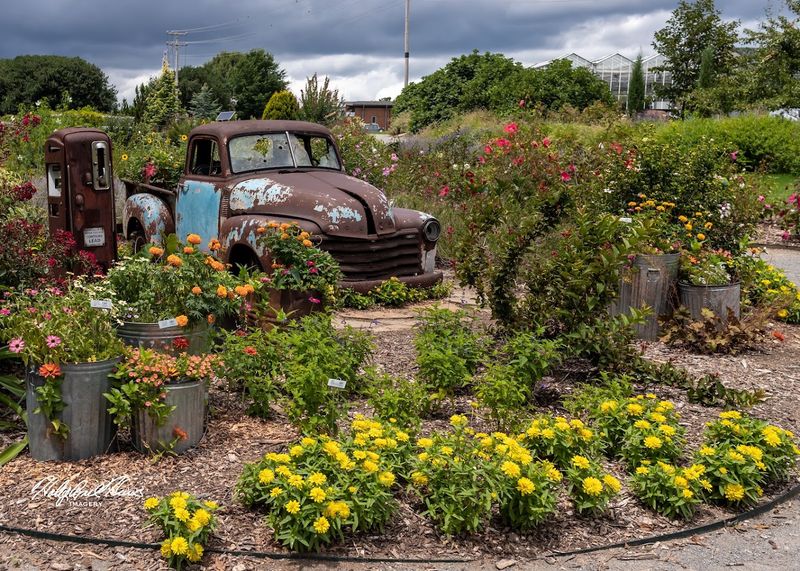
An old blue truck positioned for photo opportunities provides a fun prop that photographers and social media enthusiasts appreciate.
Shaded Paths Make It Easy To Slow Down And Explore
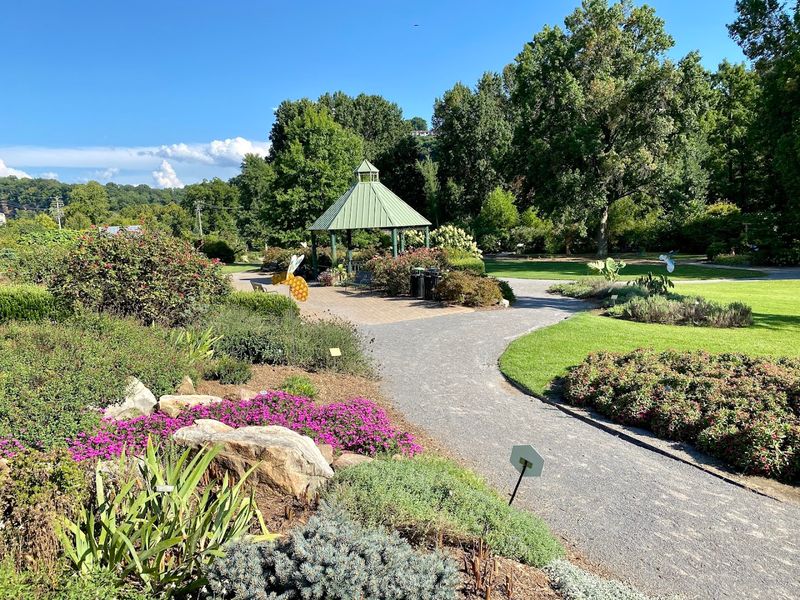
Tennessee summers can be brutal, but UT Gardens planned for heat by creating plenty of shaded walking paths that keep exploration comfortable even during peak afternoon temperatures. Mature trees provide natural canopy coverage along many trails, and covered seating areas offer relief when you need a break. This thoughtful design extends visiting hours beyond just cool mornings and evenings.
The paths themselves stay accessible for all ability levels. Smooth, flat surfaces accommodate wheelchairs, strollers, and anyone with mobility challenges without creating obstacles or dead ends. Multiple visitors specifically praised how easy the trails are to traverse, noting that someone with walking difficulties could still enjoy the full experience without missing major sections.
Benches appear frequently along routes, tucked into garden nooks and positioned near particularly beautiful views. These aren’t afterthought additions but intentional rest spots that encourage people to pause, sit, and actually absorb their surroundings instead of rushing through. Friends meeting after long separations mention finding perfect private spots within the gardens for catching up while surrounded by beauty.
The pacing at UT Gardens naturally slows down once you enter. Unlike hiking trails where you’re pushing toward a destination, these paths invite meandering without purpose beyond enjoyment. You might walk the same loop twice just to make sure you caught everything, and that repetition feels pleasant rather than boring.
Traffic noise from nearby roads does filter through in some sections, but the garden’s design minimizes this distraction in most areas. Visitors occasionally mention road sounds but rarely complain about them ruining the experience. The combination of water features, bird sounds, and rustling leaves usually provides enough natural audio to create that peaceful atmosphere people seek.
During less crowded times, you might have entire sections to yourself. Weekday visits outside of university event schedules offer the most solitude, though weekends provide easier parking access.
Seasonal Flowers Keep The Scenery Changing Throughout The Year
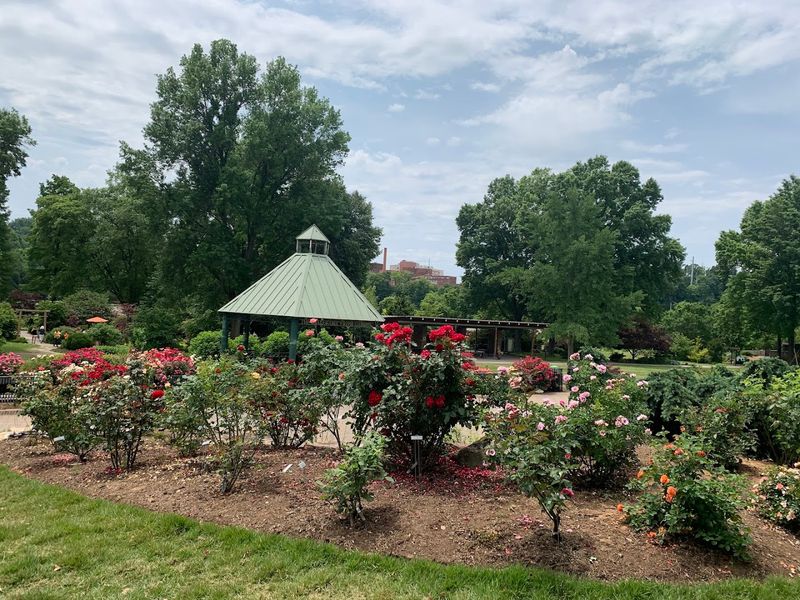
One visit to UT Gardens never tells the complete story because the scenery transforms dramatically as seasons shift. Spring explodes with early bloomers and bulbs, summer brings heat-loving perennials to their peak, fall offers changing foliage and late-season flowers, and even winter maintains interest through evergreens and structural plants. Return visitors discover entirely different gardens depending on when they arrive.
The planning behind these seasonal displays shows real expertise. Instead of creating one spectacular bloom period followed by months of green boredom, the garden staff selected plants that stagger their peak performances throughout the growing season. This approach means something interesting always catches your eye no matter when you visit between March and October.
Spring draws particularly enthusiastic reviews from visitors who arrive in April expecting sparse displays but instead find abundant blooms already showing off. Tulips, daffodils, and early perennials create colorful carpets that signal winter’s end. The energy during spring visits feels optimistic and fresh as plants wake up from dormancy.
Summer heat intensifies colors and brings different varieties into focus. Roses reach their glory, water lilies float in display tubs, and heat-tolerant plants demonstrate their resilience. This season also tests visitor comfort, making those shaded paths especially valuable when temperatures climb into the 90s.
Fall doesn’t disappoint either, though fewer reviews specifically mention autumn visits. Late-blooming perennials and changing tree colors provide visual interest as the growing season winds down. Even visitors who arrived during late fall reported enjoying what remained in the vegetable gardens and appreciating the overall landscape design.
Winter visits require adjusting expectations since most flowers disappear, but the garden’s bones remain attractive. Evergreen collections, interesting bark textures, and sculptural elements carry visual weight when blooms vanish. Several reviewers mentioned visiting during January and still thoroughly enjoying their experience despite obvious seasonal limitations.
Families, Photographers, And Nature Lovers Can All Enjoy The Visit
UT Gardens succeeds because it appeals to wildly different visitor types without forcing anyone to compromise their experience. Families with energetic kids find play areas and open spaces perfect for burning energy. Photographers discover endless subjects from macro flower shots to landscape compositions.
Nature enthusiasts study plant labels and observe seasonal changes. Everyone coexists happily in the same space.
The children’s garden specifically caters to younger visitors with interactive elements that keep them engaged beyond just looking at flowers. Tunnels to crawl through, whimsical sculptures to discover, and spaces designed for gentle exploration mean kids don’t feel dragged along on a boring adult activity. Parents appreciate having destination options that genuinely work for the whole family without requiring separate activities or constant negotiation.
Photographers love this location so much that the gardens charge fees for professional photo shoots while allowing hobbyists to snap away freely. Wedding photos, maternity sessions, prom pictures, and family portraits all happen regularly throughout the year. The variety of backdrops, good lighting in different areas, and maintained landscapes provide professional-quality settings without traveling to multiple locations.
One particularly popular photo spot features the heart statue mentioned by multiple reviewers. The blue truck positioned for pictures offers another fun prop. Water features with koi fish create movement and reflection opportunities.
Rose-lined paths provide romantic settings. Basically, photographers could spend hours here without exhausting interesting compositions.
Nature lovers appreciate the educational component woven throughout the property. Plant identification labels help visitors learn species names and characteristics. The vegetable garden demonstrates practical growing techniques.
Native plant areas teach regional ecology. Even casual observers leave knowing more than when they arrived.
The pet-friendly policy mentioned by visitors adds another layer of accessibility. Bringing dogs along means the whole household can participate in outings without leaving anyone home alone. Just expect mosquitoes during warmer months, as one horticulturist visitor noted they were bad enough to cut a visit short.
The Best Part Is That This Tennessee Garden Is Completely Free
In a world where quality attractions usually come with hefty price tags, UT Gardens stands out by charging absolutely nothing for admission. Zero dollars. Free.
This accessibility removes financial barriers that prevent many families from enjoying cultural and natural attractions. You can visit once or return weekly without calculating costs or budgeting for entertainment expenses.
The free admission policy feels especially generous considering the quality and maintenance level throughout the property. These gardens could easily justify charging entry fees based on the plant collections, landscape design, and ongoing care required. Instead, the university chooses to share this resource with the entire community regardless of ability to pay.
While admission stays free, the gardens accept donations for those who want to support ongoing maintenance and improvements. Contributing feels voluntary rather than obligatory, removing any guilt or pressure from visitors who can’t afford extra expenses. Those with resources can give back, while those without can still enjoy equal access.
The free model also encourages repeat visits that might not happen with paid admission. You can stop by for 20 minutes during a lunch break without feeling like you need to maximize value from an entrance fee. Quick visits for specific purposes like photographing one area or checking if certain plants bloomed become practical options.
This accessibility particularly benefits local residents who can treat the gardens as an extension of their own yards. Regular visitors develop relationships with the space, noticing subtle changes and seasonal progressions that tourists miss.