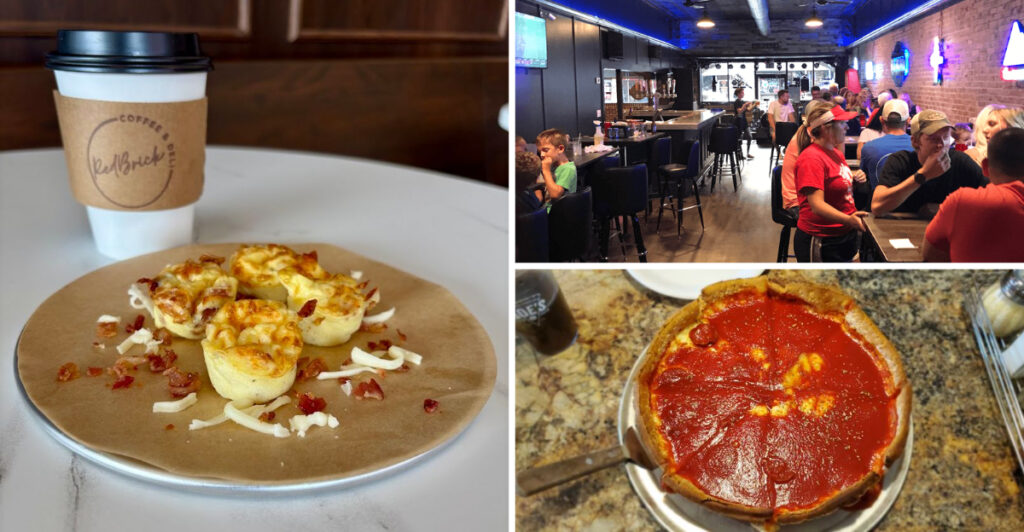
With a population of around 7,000, Salem might not seem like an obvious destination for food lovers—but that’s exactly what makes it such a pleasant surprise. This southern Illinois town is home to an impressive mix of family-owned restaurants, classic diners, neighborhood cafés, bakeries, barbecue joints, and longtime local favorites that have earned loyal followings well beyond city limits.
Visitors can start the day with a hearty breakfast, enjoy a leisurely lunch, and still have plenty of tempting dinner options to choose from. Salem proves that some of Illinois’ most rewarding food scenes are hiding in its smallest communities.
A Small Downtown With Big Appetite Energy
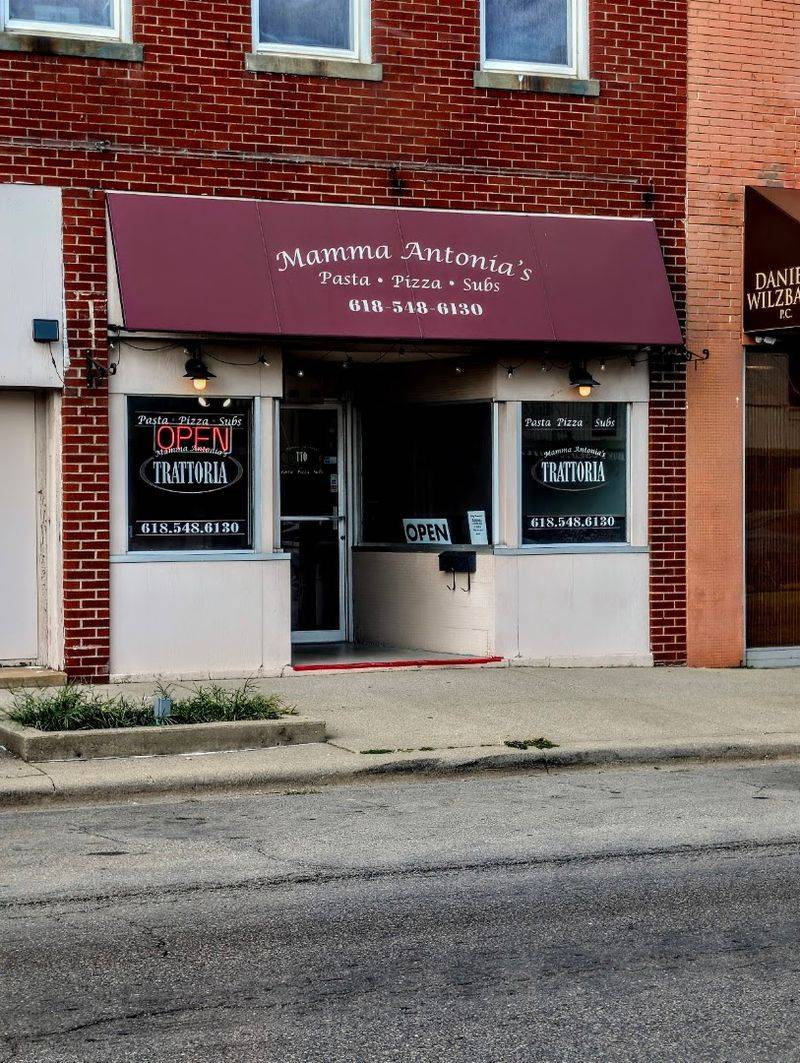
At first glance, Salem reads as tidy and practical, with brick storefronts, broad streets, and the easy pace of a county seat. Then the food clues start showing up.
A cafe sign here, a pizza spot there, a bakery case glowing behind the glass, and suddenly the town looks less like a quick stop and more like a place that organizes its day around meals.
That shift matters because Salem is not trying to sell itself with flashy culinary branding. The appeal comes from density and rhythm.
For a city of roughly 7,000 residents, there is an unusually active mix of places where breakfast, lunch, dessert, and dinner each have their own lane instead of collapsing into one all-purpose option.
The layout helps. Salem’s commercial streets are easy to navigate, parking rarely turns into a project, and the downtown core makes casual hopping realistic.
You can grab coffee, circle back later for a sandwich, and still have another stop in mind by late afternoon without ever feeling like you are spending the day in the car.
That convenience changes how the food scene functions. Instead of one headline restaurant carrying the town’s reputation, Salem works more like a collection of dependable habits.
Regulars can build a full eating day here, and travelers get the same benefit: choices that feel woven into daily life rather than staged for passing traffic.
By the time you notice how many people are coming and going with to-go boxes, pastry bags, or fountain drinks, the town’s scale starts to look a little deceptive. Salem may be compact, but the number of ways to eat well within a short radius gives it a much larger presence than the population suggests.
Breakfast Here Is a Real Event, Not a Filler Meal

Morning is one of the clearest ways to understand Salem’s food culture. In plenty of small towns, breakfast exists as a convenience.
Here, it behaves more like a daily institution, with the kind of steady early traffic that tells you locals are not only grabbing coffee but settling in for plates that justify staying a while.
The format is familiar in the best possible way: griddles working nonstop, toast arriving fast, coffee moving in constant refills, and tables turning over without the room ever feeling rushed. This is where Salem’s size becomes an advantage.
The meal can stay straightforward and generous, while the room still carries enough energy to feel social instead of sleepy.
Classic Midwestern breakfast food thrives in places like this because the town supports repetition. A menu does not need reinvention when the basics are handled well.
Biscuits and gravy, omelets, hash browns with crisp edges, pancakes wider than the plate, and breakfast sandwiches built for commuters all fit naturally into Salem’s daily rhythm.
There is also a practical side to the scene. Salem sits in a part of southern Illinois where road travel matters, and early-opening restaurants capture everyone from local workers to weekend pass-through traffic.
That mix keeps breakfast spots lively on ordinary weekdays, not just on holiday weekends or festival mornings. For you, that means breakfast in Salem can anchor the whole visit. Start early, take in the pace of the room, and let the town reveal itself through orders called across the floor and cars filling nearby lots.
Before lunch even enters the picture, Salem has already made a strong argument that food is central to how this place moves.
Salem, Illinois Knows the Power of Bakery Cases and Sweet Stops
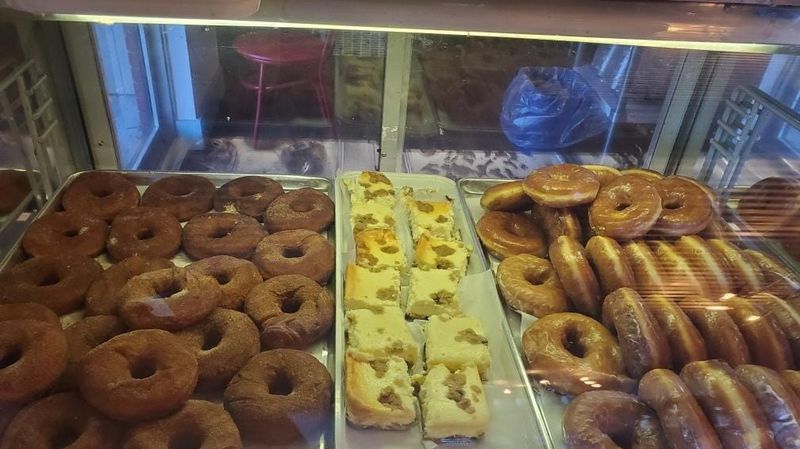
Every strong food town needs a sugar track, and Salem delivers one without overcomplicating it. This is the land of bakery cases, donut boxes, frosted cookies, pie slices, and seasonal treats that disappear early.
Sweet stops here are not background businesses. They are part of the town’s everyday circulation, especially in the morning and again in that late-afternoon window when people want a pickup before heading home.
What makes these places effective is their directness. Nothing needs a lecture or a backstory the length of a menu.
The visual language does the work: glazed surfaces catching the light, rows of pastries lined up with precision, and counters built for quick decisions that somehow still take several minutes because too many choices look right.
In a town this size, dessert also creates overlap between routines. A bakery can serve office workers at sunrise, grandparents buying a box for later, and families needing a last-minute cake or dozen cookies by evening.
That broad utility gives Salem’s sweet scene staying power. These businesses are not novelty detours. They solve actual cravings and actual occasions throughout the week.
There is a larger point hidden inside all that frosting. When a small community can support dedicated pastry and dessert traffic, it says something about local food expectations.
Salem is not operating on bare-minimum dining infrastructure. Residents have enough options, and enough interest, to keep specialized food categories alive.
So if you are mapping your day, leave room for sugar. A town can tell you a lot through its pie cases and bakery boxes, and Salem tells a confident story.
The sweet side of the food scene is not oversized in a gimmicky way. It is oversized in the best sense: active, visible, and woven into the town’s normal pulse.
Dinner Gets Broader Than You Expect
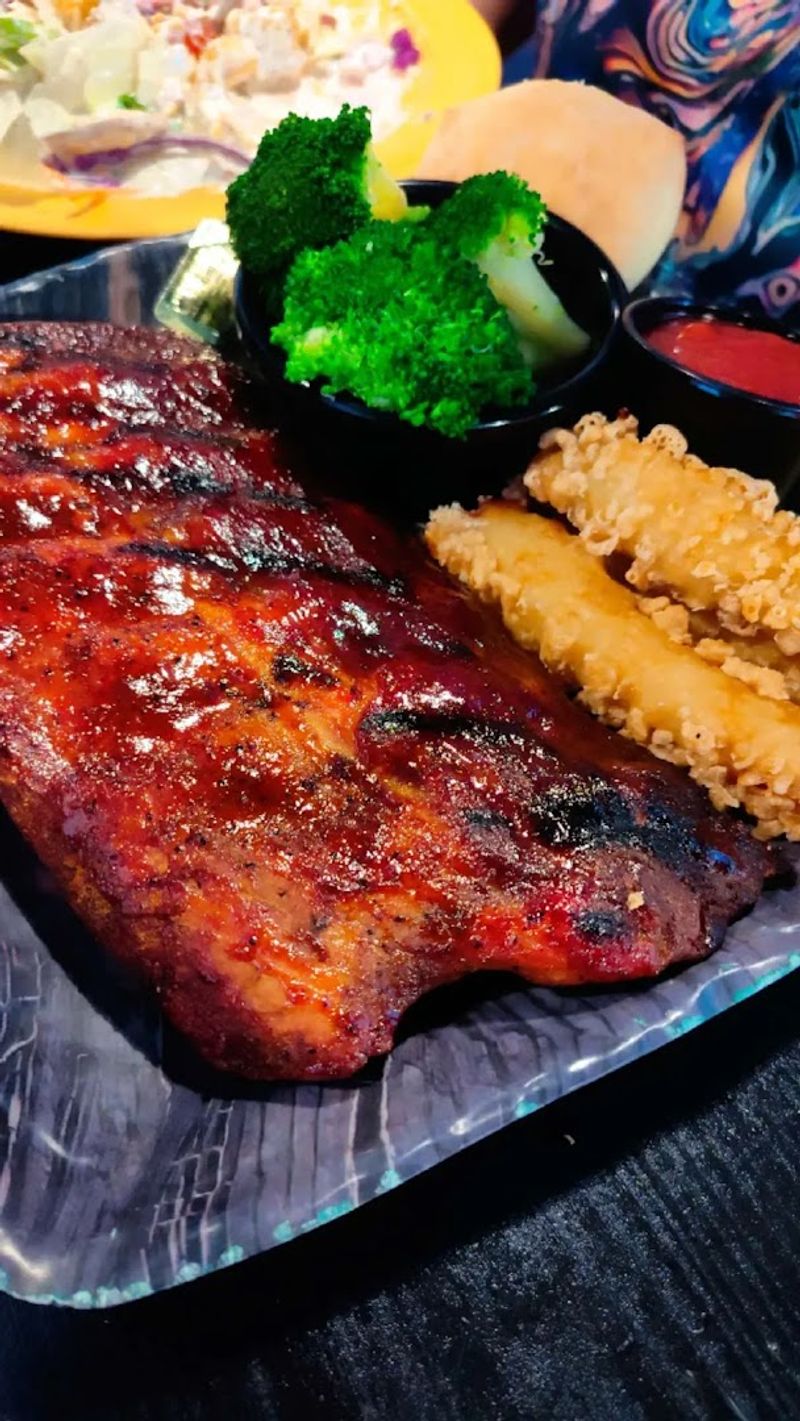
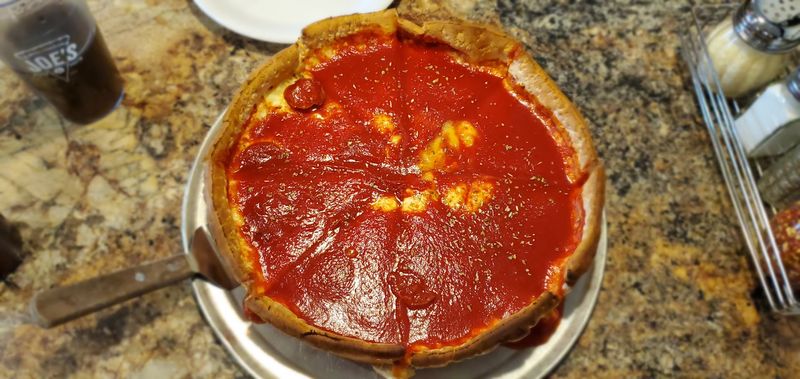
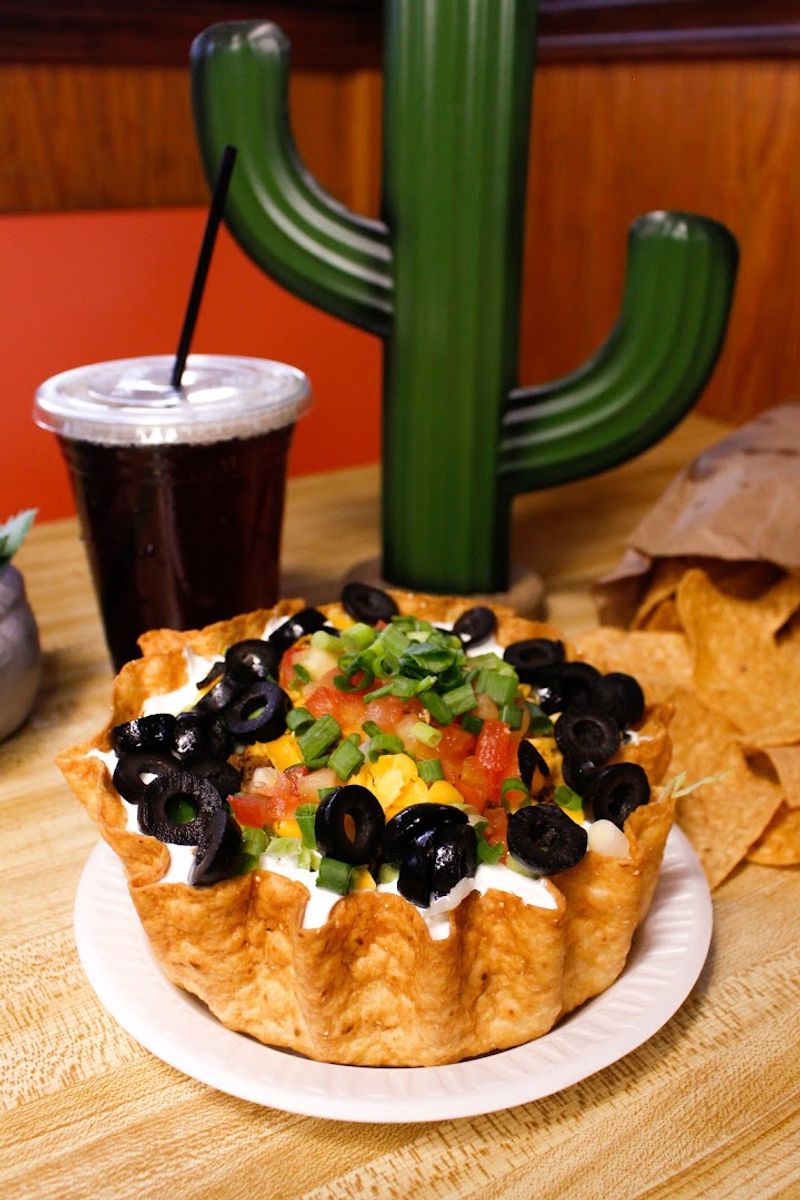
By dinner, Salem stops looking like a one-note roadside town and starts showing real range. You can spot the difference in the mix of options that typically anchor evenings in a place this size: pizza for groups, grill fare for comfort seekers, Mexican food for big plates and bright flavors, and casual sit-down spots where dinner can stretch without anyone checking the clock.
This breadth matters because variety changes the whole feel of a town after dark. When dinner choices are broad enough to support different moods, Salem becomes more than convenient.
It becomes useful. A family wanting a low-pressure meal, a couple aiming for a relaxed night out, and a traveler chasing something fast but solid can all operate in the same compact area.
The food scene also benefits from the town’s traffic patterns. Salem serves local residents first, but its position in southern Illinois gives restaurants a wider stream of diners than the census count alone would suggest.
That can support menus with confidence. Places do not have to shrink everything down to one safe formula when there is enough movement through town to sustain multiple styles.
Even visually, dinner in Salem has a different texture than breakfast. Neon signs pop harder, dining rooms fill in layers, carryout bags stack near counters, and parking lots develop little clusters of activity.
It is less about one signature meal and more about choice becoming visible all at once. If you only stop once, dinner may be the moment when Salem’s food reputation clicks fastest. The town’s population sets one expectation.
The number of realistic, satisfying ways to spend the evening sets another. That gap between size and selection is where Salem becomes genuinely interesting as a food destination, not just a handy exit for a quick bite.
Why the Roadside Location Works in Salem’s Favor
Salem’s food scene makes more sense when you look at the map. This is a place shaped not only by local routines but also by movement, with road access helping feed a steady stream of hungry arrivals.
Towns near major routes often end up with more dining infrastructure than their population alone would predict, and Salem turns that advantage into something more grounded than a typical highway strip.
The key difference is integration. In some roadside communities, traveler services feel detached from local life, as if the restaurants belong to an exit ramp rather than the town itself.
Salem blends those worlds better. You can find practical stop-and-go meals, but you can also move a few minutes and see where daily residents are eating, lingering, and folding food into regular errands.
That overlap creates a healthier dining ecosystem. Travelers bring volume. Locals bring consistency. Together, they support a wider spread of opening hours, cuisine styles, and price points than a purely residential base might sustain.
It is one reason Salem can hold onto breakfast spots, lunch counters, sweet shops, and dinner options without the whole scene feeling thin.
For you, the benefit is simple. Salem works whether you are planning the town as a destination or discovering it because hunger hit at the right exit.
The infrastructure is approachable, the distances are short, and the number of choices is strong enough that you do not have to settle for the nearest sign you see from the road.
There is a nice confidence in that setup. Salem does not need to pretend it sits apart from travel patterns. Instead, it uses them well, then backs that convenience with places that carry local habits and repeat business.
The result is a food town that functions for passersby without becoming generic, which is harder to pull off than it looks.
The Best Strategy Is to Eat Salem in Layers
The smartest way to experience Salem is not to chase one perfect reservation or one legendary plate. This town reveals itself better in stages.
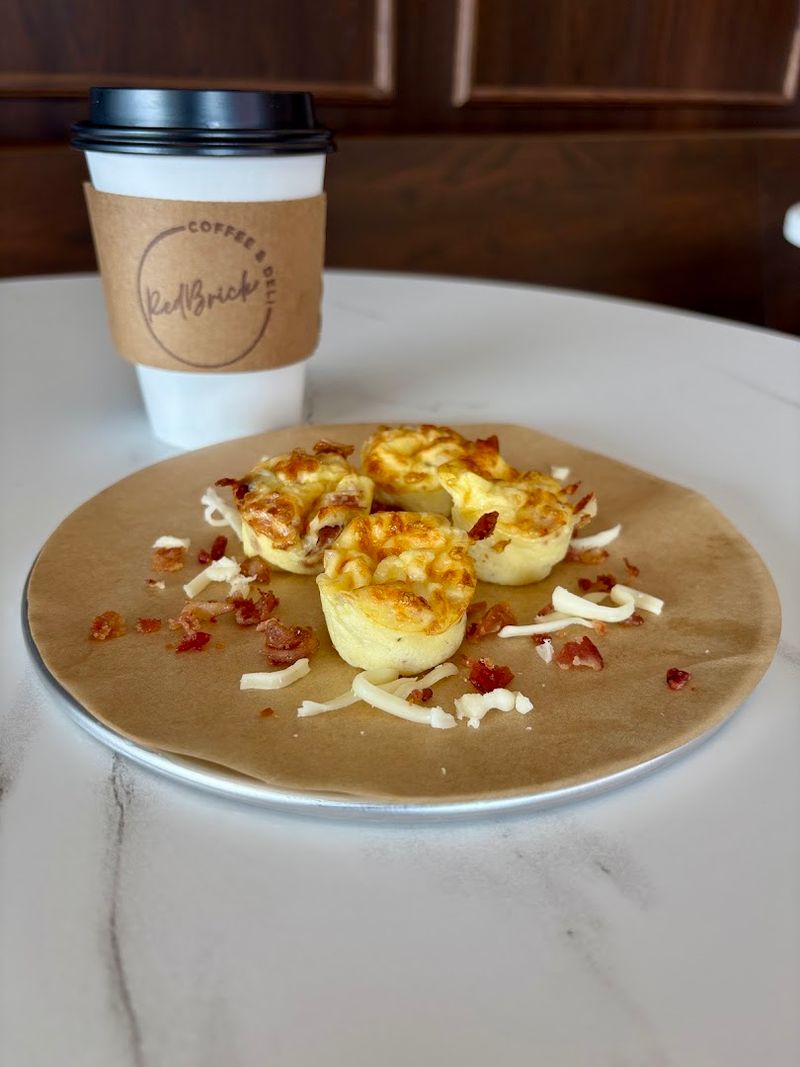
Think coffee first, then a bakery stop, then lunch somewhere casual, then a pause, then dinner in a completely different style. Because distances are manageable, that kind of food crawl feels easy rather than overplanned.
Start with something simple in the morning when the town is waking up and breakfast traffic is building. That gives you a read on local tempo.
Midday is ideal for checking out another corner of the commercial area, where lunch service tends to show how Salem balances convenience with comfort. You may notice that the town never seems frantic, yet meals still move with purpose.
Afternoon is where Salem quietly scores extra points. Instead of a dead zone between lunch and dinner, there is room for snacks, sweets, or a second coffee.
That middle stretch can be the difference between a town with restaurants and a town with a food scene. Salem offers enough overlap to keep eating interesting throughout the day, not just during the obvious meal windows.
By evening, choose contrast. If breakfast was traditional, go broader at dinner. If lunch leaned quick and practical, sit down somewhere that encourages you to stay longer.
The town is compact enough that changing gears takes almost no effort, which lets each stop feel distinct instead of repetitive. This layered approach also protects you from making Salem smaller than it is. One meal can undersell the place.
Several stops, spread across the day, show how many different food roles the town handles well. That is when Salem’s scale becomes part of the charm rather than the limit, and the food scene reads with much more depth.
When to Go, What to Expect, and How to Time It Right
Salem rewards a little timing. Show up too early in the afternoon expecting every category of restaurant to be in full swing, and the town can seem quieter than it really is. Hit the right windows, though, and the food scene shows its range with very little effort on your part.
Breakfast is strongest when you lean into it. Morning is when Salem’s everyday dining habits are most visible, and it is also when bakery inventory tends to look best.
Lunch works well for travelers because the town is easy to enter, park, and navigate without losing much time. You can eat well here without turning the stop into a logistics puzzle.
Late afternoon is best treated as a bridge period, not dead space. Use it for sweets, coffee, or a reset before dinner.
Then let the evening carry the broader restaurant mix. Dinner is when Salem’s selection feels most surprising, especially if you arrived expecting only a few basic roadside options.
There are practical benefits to the town’s scale too. Distances stay short, parking is generally easier than in larger dining hubs, and a flexible plan works in your favor.
You do not need a rigid itinerary to enjoy Salem. In fact, the town improves when you leave room to notice a busy dining room, a bakery case, or a sign that catches your eye at the last minute.
That is the trick to planning Salem well: treat it as a place for momentum, not pressure. Come hungry, stay adaptable, and give the day more than one meal if you can.
The town’s food scene is not built around spectacle or hard-to-get exclusivity. It is built around accessibility, timing, and the pleasant surprise of realizing you still have another good option waiting nearby.
Why Salem’s Food Scene Is Bigger Than Its Population
Plenty of small towns have a place to eat. Salem has a scene. That distinction becomes obvious once you notice how many different food jobs the town handles at once: early coffee runs, full breakfasts, practical lunches, bakery pickups, family dinners, and road-trip meals that do not feel phoned in.
For a city with about 7,000 residents, that is a lot of culinary bandwidth. The impressive part is not luxury or trendiness. Salem stands out because the food network appears broad, functional, and embedded in normal life.
You are not looking at one destination restaurant doing all the reputation work. You are looking at a town where multiple categories stay active enough to give the whole place momentum.
That momentum changes your expectations as you move through it. A bakery makes you curious about lunch. Lunch makes dinner look more promising. Dinner makes you wish you had started earlier.
In bigger cities, food-hopping can feel like a project. In Salem, it feels intuitive, partly because the scale is manageable and partly because the choices keep opening outward.
There is also something refreshing about a town that lets food remain approachable. No elaborate strategy is required.
No insider script is needed. Salem simply offers more edible possibility than most travelers would guess from the population sign. That surprise is the article’s real headline, more than any single dish could be.
If you are drawn to places where daily life and dining still intersect closely, Salem deserves a stop that lasts longer than one quick meal. The town may look modest from the road, but the food scene says otherwise in a hundred small ways.
Add them up, and Salem starts reading less like a tiny town with restaurants and more like a real eating destination.