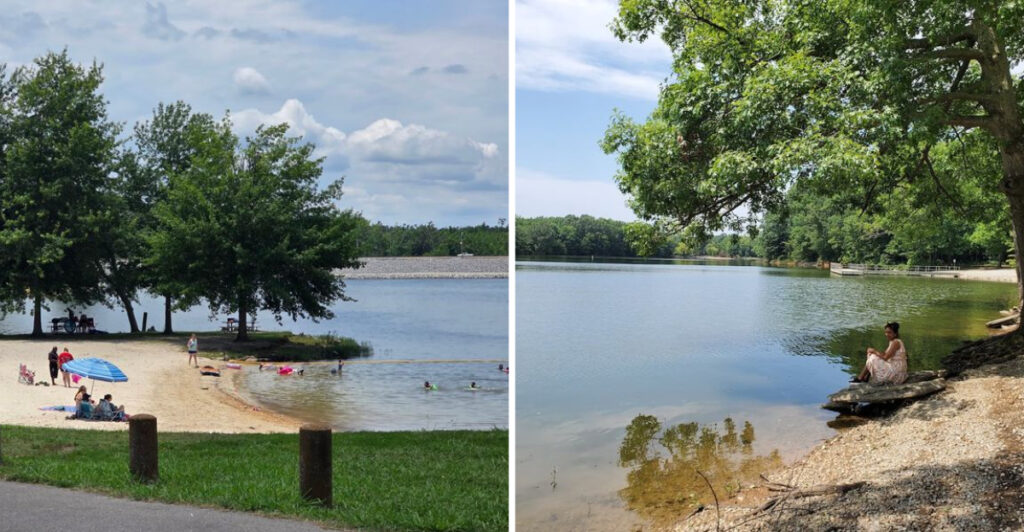
Summer crowds at ocean beaches can drain the fun right out of vacation. Long lines for parking, shoulder-to-shoulder towels on the sand, and noisy chaos make it hard to actually relax.
Tennessee offers something better: peaceful lake beaches tucked into state parks where you can swim, play, and unwind without fighting for space. These hidden gems give you all the water fun minus the stress, and they’re closer than you think.
1. Norris Dam State Park Beach – Norris Lake
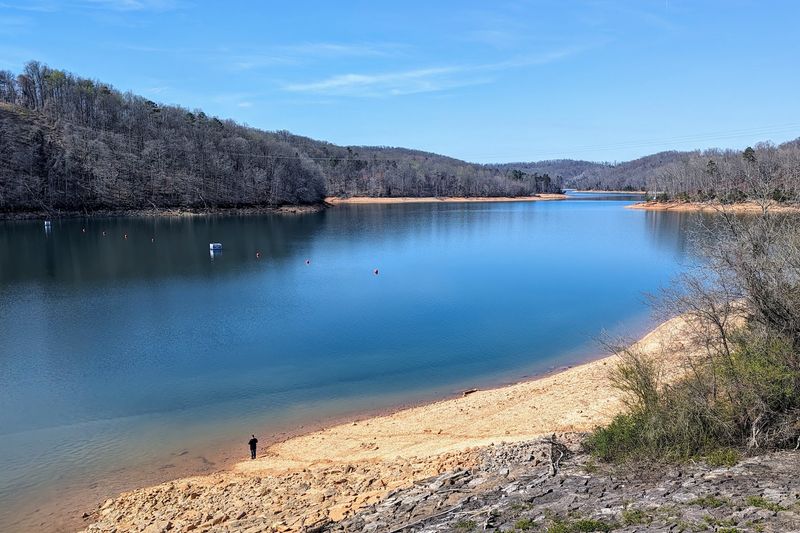
Norris Lake stretches across 34,000 acres of pure Appalachian beauty, and the beach at Norris Dam State Park gives you front-row access to some of the cleanest water in the state. Built back in the 1930s as part of the Tennessee Valley Authority project, this spot carries serious history alongside its natural charm.
The sandy shoreline slopes gently into cool, refreshing water that stays comfortable even during peak summer heat.
Families love this beach because little ones can wade safely while older kids swim out farther. The park maintains the area well, with bathhouses and picnic shelters nearby for convenience.
Shade trees line portions of the beach, offering relief when the sun gets intense.
Beyond swimming, you can rent kayaks or paddleboards to explore hidden coves along the shoreline. Fishing enthusiasts often drop lines from the nearby banks, hoping to snag bass or crappie.
The surrounding trails offer quick hikes with lake views if you need a break from the water.
What sets this beach apart is the peaceful vibe—even on busy weekends, it never feels overcrowded. The combination of mountain scenery and clear water creates a setting that feels worlds away from typical tourist traps.
2. Panther Creek State Park Beach – Cherokee Lake
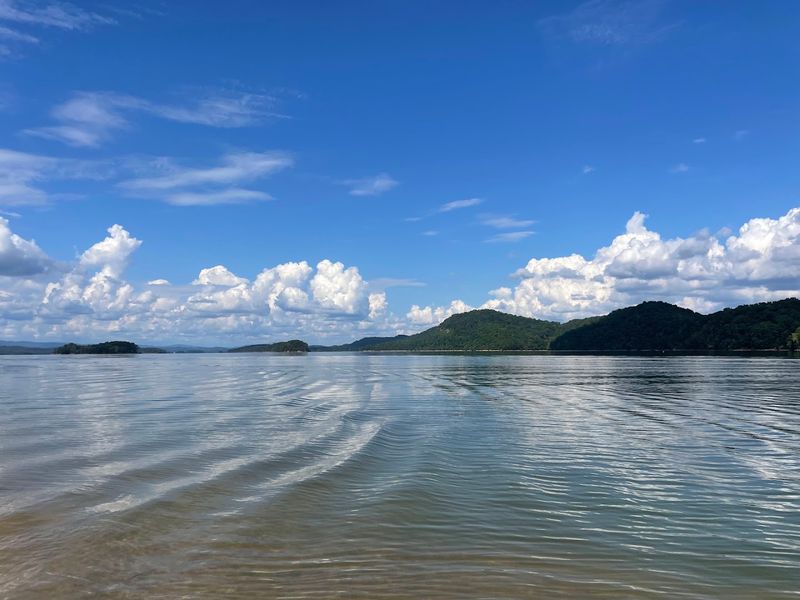
Cherokee Lake winds through East Tennessee like a liquid highway, and Panther Creek State Park claims one of its prettiest stretches. The beach here sits on a peninsula that juts into the lake, giving swimmers views in multiple directions.
Water clarity varies with the season, but summer typically brings the best conditions for splashing around.
The sandy area is surprisingly spacious, allowing groups to spread out without bumping elbows. A designated swimming zone keeps boaters at a safe distance, so you can float without worrying about jet skis buzzing past.
Lifeguards aren’t on duty, so parents need to watch their kids closely.
The park’s 30 miles of shoreline mean you can explore beyond the main beach if you’re feeling adventurous. Canoe or kayak rentals make it easy to paddle around the peninsula and discover quiet spots where turtles sun themselves on logs.
Fishing from the shore or nearby piers can yield catfish, bass, and walleye.
Facilities include changing rooms, restrooms, and grills for cookouts. The beach connects to several hiking trails that wind through hardwood forests, perfect for working up an appetite before lunch.
Late afternoon brings spectacular light as the sun dips behind the ridges.
3. Pickwick Landing State Park Beach – Pickwick Lake
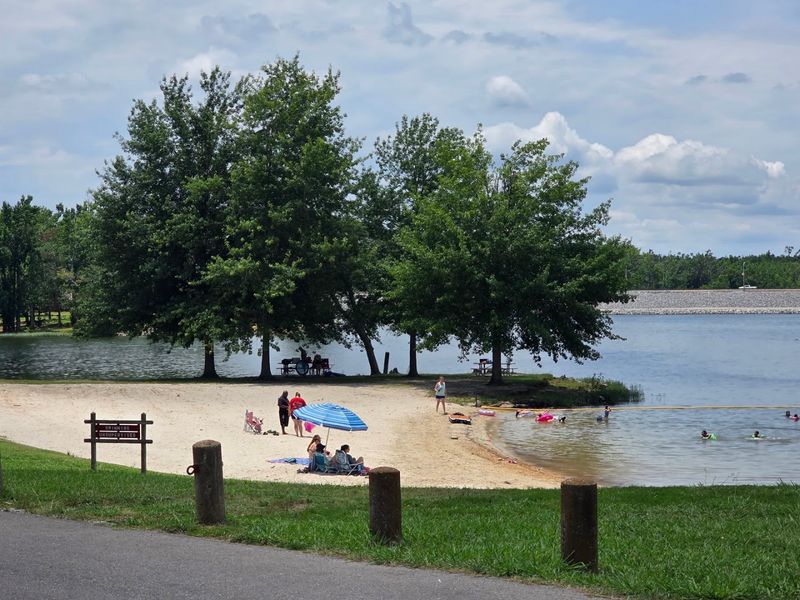
Down in the southwestern corner of Tennessee, Pickwick Lake offers some of the warmest swimming water you’ll find in the state. The beach at Pickwick Landing State Park takes full advantage of this, providing a genuine resort-style experience without the resort prices.
Soft sand imported years ago still holds up well, creating a comfortable spot to plant your umbrella and settle in.
The swimming area extends quite far from shore, with a gradual depth increase that suits swimmers of all abilities. Buoys mark the safe zone clearly, and the park staff maintains the area religiously.
Nearby, a full-service marina rents pontoon boats if you want to cruise the lake’s 47,000 acres.
What makes Pickwick special is the variety of activities within walking distance of the beach. A championship golf course, nature trails, and a restaurant overlooking the water give you options when you need a break from swimming.
The park also hosts regular events during summer, from fishing tournaments to outdoor concerts.
Sunset here is worth staying for—the western exposure paints the sky in oranges and pinks that reflect off the calm water. Camping facilities nearby mean you can make a weekend of it without packing up each evening.
This beach handles crowds better than most, thanks to its generous size.
4. Paris Landing State Park Beach – Kentucky Lake
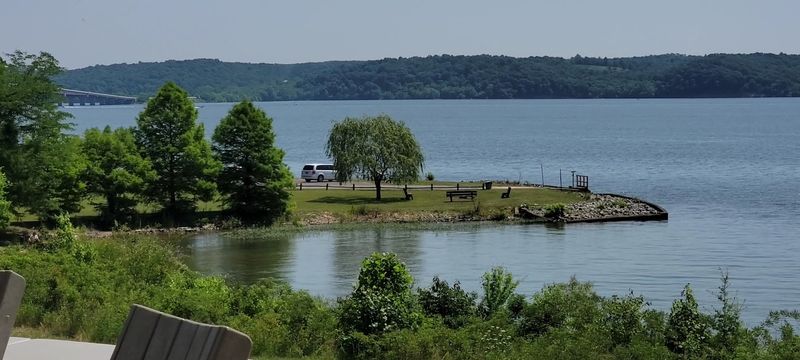
Kentucky Lake ranks as one of the largest man-made lakes in the eastern United States, and Paris Landing State Park guards a prime section of shoreline. The beach here benefits from the lake’s massive size—waves stay small, currents remain gentle, and water temperatures climb comfortably warm by June.
Sandy bottom conditions make barefoot walking easy, though water shoes never hurt.
The park invested in quality facilities that rival private resorts. Clean bathhouses with hot showers, covered picnic areas with grills, and a well-stocked concession stand keep visitors happy all day.
The swimming zone is clearly marked and spacious enough that even holiday weekends don’t feel cramped.
Boat traffic on Kentucky Lake can get heavy, but the designated swimming area stays protected. If you bring your own watercraft, launching is simple at the nearby ramp.
Fishing opportunities abound—bass, catfish, and crappie all call these waters home.
The real bonus is the inn and restaurant perched on the bluff above the beach. You can grab a meal with lake views or book a room for an extended stay.
Nature trails loop through the surrounding woods, offering chances to spot deer, wild turkeys, and various bird species. As evening approaches, the beach takes on a golden glow that photographers love.
5. Chickasaw State Park Lake Beach – Henderson
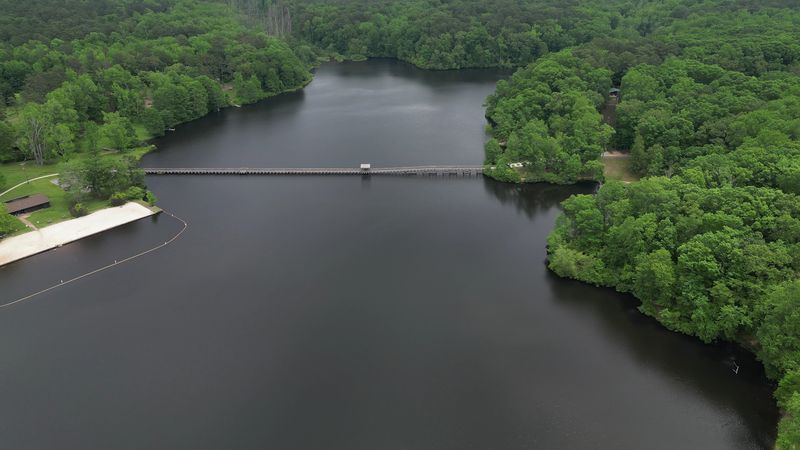
West Tennessee doesn’t get enough credit for its natural beauty, but Chickasaw State Park makes a strong case for exploration. The lake here is smaller than the massive TVA reservoirs, which actually works in its favor—the intimate scale creates a cozy, neighborhood-pool vibe that bigger lakes can’t match.
The beach wraps around a gentle cove where the water stays calm even when breezes pick up.
Families with young children particularly appreciate this spot because the swimming area is contained and easy to monitor. The sandy bottom stays relatively shallow for a good distance out, letting kids splash safely.
Shade from surrounding hardwoods provides natural relief from midday heat.
The park’s forest setting means you’re swimming beneath a canopy of green rather than under open sky. This creates cooler air temperatures and a sense of seclusion that feels almost private.
Picnic tables scattered near the beach make lunch easy, and the park’s main facilities are just a short walk away.
Fishing from the banks or small boats is popular here, with bass and bream being common catches. Several hiking trails branch out from near the beach, including paths that circle the entire lake.
The smaller crowds compared to bigger state parks mean you can actually hear birds singing and leaves rustling—a rare treat these days.
6. Warriors’ Path State Park Lake Beach – Kingsport
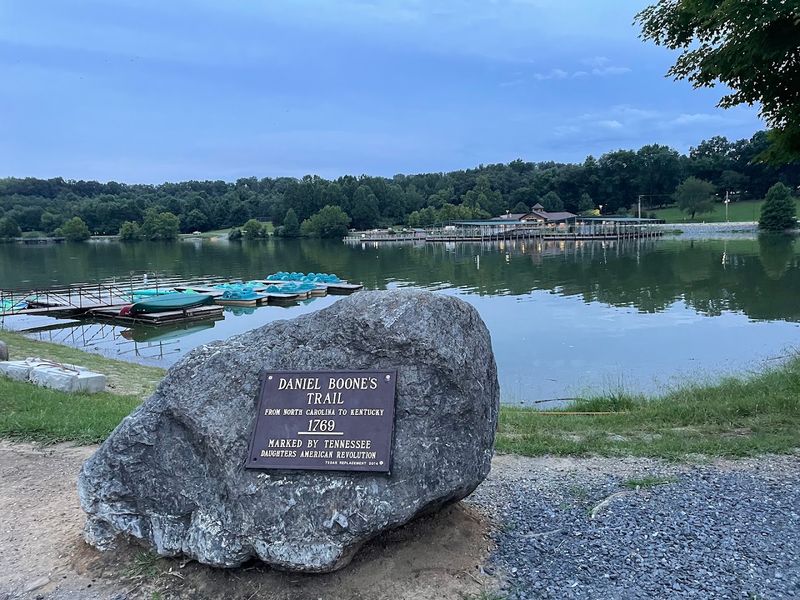
Up in the northeast corner of Tennessee, Warriors’ Path State Park sits in the heart of the Tri-Cities region. The lake beach here serves a metro area hungry for water recreation, yet the park manages crowds well enough that it rarely feels overwhelming.
The beach itself is well-maintained, with imported sand creating a genuine shoreline experience despite the landlocked location.
Mountain views frame the lake on multiple sides, giving swimmers a scenic backdrop that ocean beaches can’t provide. The water stays refreshingly cool thanks to springs feeding the lake, making it perfect for hot July and August afternoons.
A roped-off swimming area keeps everyone safe and organized.
What distinguishes this beach is the variety of activities nearby. A BMX track, disc golf course, and extensive trail system mean non-swimmers in your group won’t get bored.
The park also features a marina where you can rent paddleboats or canoes to explore beyond the swimming zone.
Picnic shelters with grills line the area behind the beach, many offering shade and lake views. The park hosts regular events during summer, from nature programs to outdoor movie nights.
Camping facilities range from primitive sites to full-hookup RV spots, making overnight stays easy. As the sun sets behind the mountains, the temperature drops quickly, signaling time to wrap up in towels and head for dinner.
7. Long Hunter State Park – Couchville Lake Beach – Hermitage
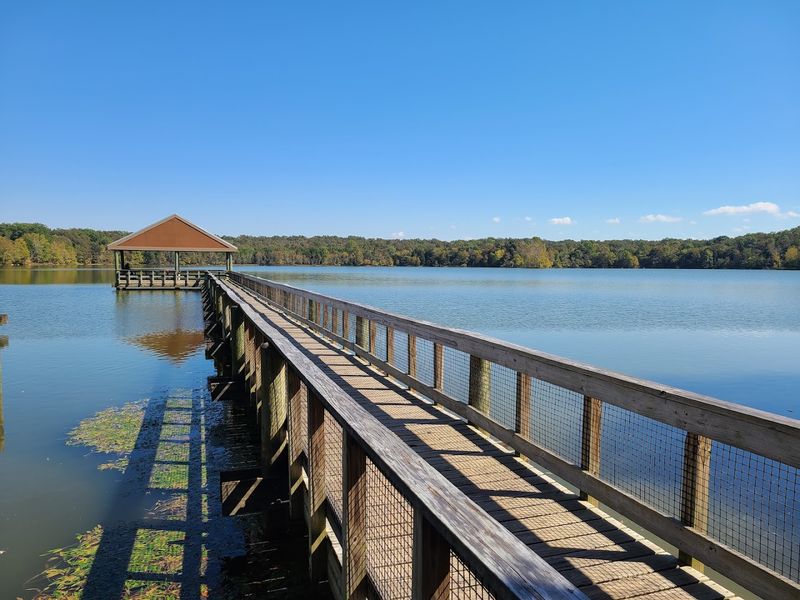
Just minutes from Nashville’s eastern suburbs, Long Hunter State Park offers a quick escape that feels much farther from civilization than it actually is. Couchville Lake forms the centerpiece, and the beach area provides a sandy oasis for swimmers seeking relief from urban heat.
The proximity to Nashville means this spot sees steady traffic, but weekday visits often reveal a quieter side.
The beach sits in a protected cove where the water stays relatively calm. Percy Priest Lake lies nearby, but Couchville’s smaller scale makes it feel more manageable for families with young swimmers.
The sandy area is generous enough for groups to spread out, and shade trees at the edges offer respite when needed.
Long Hunter’s trail system is one of the best in Middle Tennessee, with paths winding through forests and along the shoreline. You can easily combine a morning hike with an afternoon swim.
Birdwatchers bring binoculars to spot herons, egrets, and various waterfowl that frequent the area.
Facilities include picnic areas, restrooms, and a boat ramp for those wanting to explore the lake more extensively. Fishing from the shore can yield bass, catfish, and crappie.
The beach doesn’t have lifeguards, so supervision is essential. Late spring and early fall bring pleasant temperatures with fewer crowds, making those shoulder seasons ideal for visits.
8. Edgar Evins State Park Swimming Area – Center Hill Lake
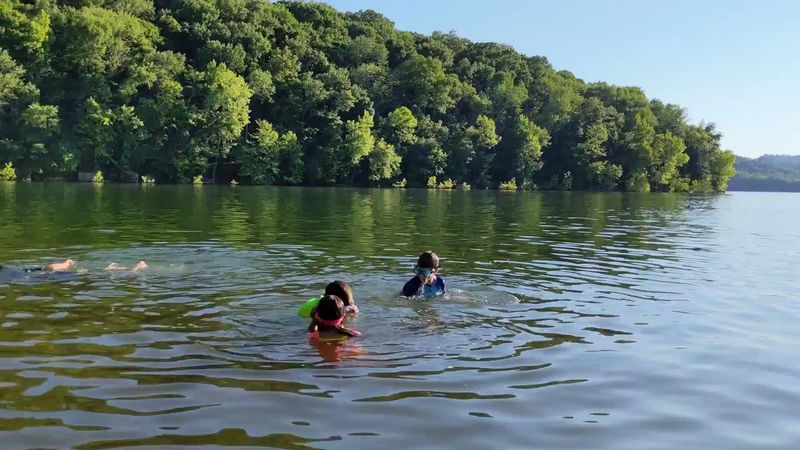
Center Hill Lake’s reputation for crystal-clear water draws visitors from across the state, and Edgar Evins State Park provides excellent access to this aquatic gem. The swimming area here benefits from the lake’s exceptional clarity—you can often see your toes even in chest-deep water.
Rocky bluffs surrounding the lake create a dramatic backdrop that feels more like the Ozarks than typical Tennessee scenery.
The beach itself mixes sand with natural shoreline, giving it a wilder feel than more manicured state park beaches. Some folks prefer this authentic character, enjoying the connection to the landscape’s natural state.
The swimming zone is well-marked and protected from boat traffic, which can get busy on summer weekends.
Water temperatures in Center Hill stay cool year-round due to its depth and the dam’s release schedule. This makes it incredibly refreshing on scorching days, though it might feel brisk early in the season.
The clarity comes from the lake’s limestone bottom and limited agricultural runoff in the watershed.
Beyond swimming, Edgar Evins offers excellent hiking trails that showcase the Highland Rim’s unique geology. The park’s campground is popular with boaters and anglers targeting the lake’s famous smallmouth bass population.
Picnic facilities near the swimming area make day trips convenient, and the park’s marina rents boats for exploring the lake’s many arms and coves.
9. Mousetail Landing State Park Beach – Tennessee River
With a name like Mousetail Landing, you know there’s a story behind this place. Legend says settlers once sold so many muskrat pelts here that only the tails remained—hence the quirky name.
Today, the beach along the Tennessee River offers a different kind of treasure: peaceful swimming in a park that sees fewer visitors than its more famous neighbors.
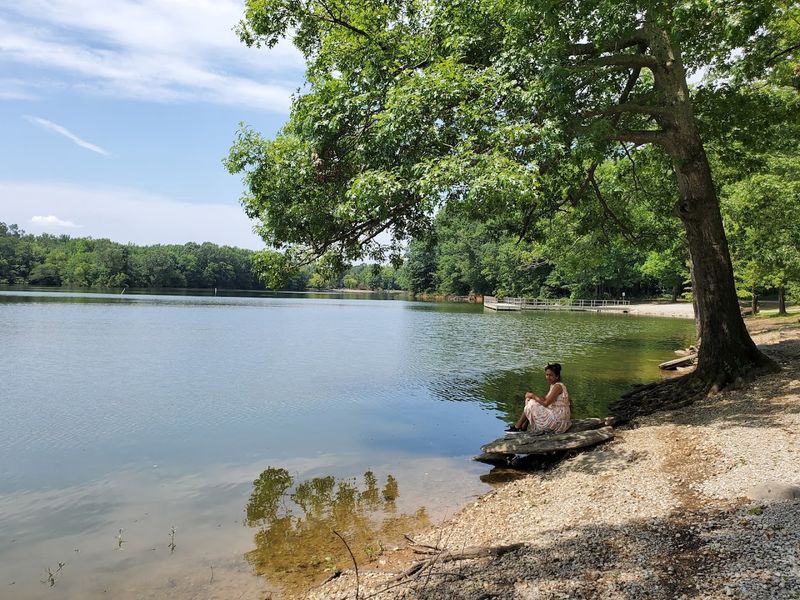
The Tennessee River’s width at this point creates almost lake-like conditions, with minimal current in the swimming area. The beach is modest in size but well-maintained, with soft sand and a gradual entry into the water.
Trees provide natural shade along the edges, and picnic tables invite leisurely lunches.
What makes Mousetail special is its off-the-beaten-path location in West Tennessee. The lack of major cities nearby means lighter crowds and a more relaxed atmosphere.
Locals treasure this spot for its quiet character and reliable swimming conditions.
The park’s trail system explores bottomland hardwood forests that flood seasonally, creating unique ecosystems. Spring brings wildflowers and migrating songbirds, while summer focuses energy on the water.
Fishing from the banks or nearby boat ramp can yield catfish, bass, and crappie. Camping facilities are basic but functional, perfect for families wanting a simple outdoor experience.
The sunsets over the river are genuinely spectacular, painting the water in shades of amber and rose.
10. Rock Island State Park Beach – Great Falls Lake
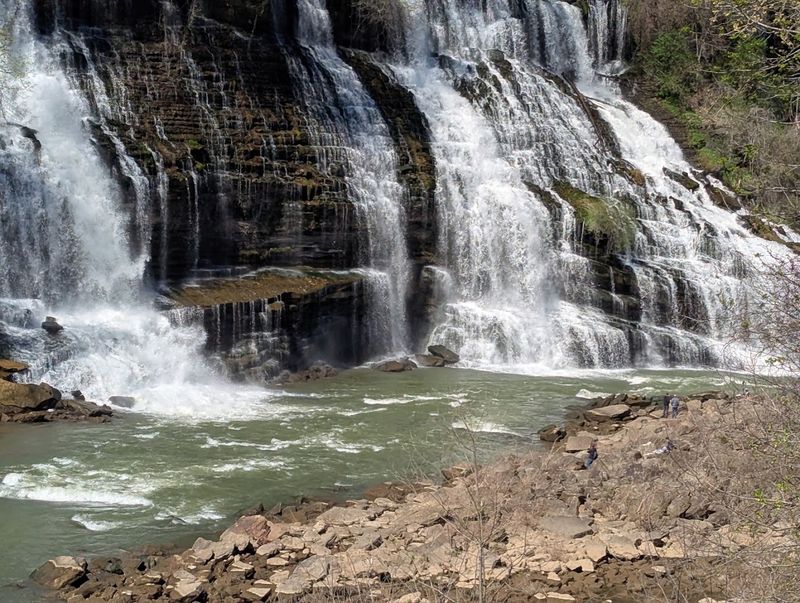
Rock Island State Park earns its name honestly—massive rock formations dominate the landscape where the Caney Fork River creates dramatic waterfalls and gorges. Great Falls Lake forms behind the old textile mill dam, creating a swimming area that ranks among Tennessee’s most scenic.
The beach sits within sight and sound of cascading water, adding natural ambiance you won’t find at typical lake beaches.
The swimming area here is smaller and more rustic than developed state park beaches, but that’s part of its charm. Natural rock shelves create interesting entry points into the water, and the depth varies more than at sandy beaches.
Confident swimmers love this spot, though families with very young children might prefer gentler options.
Water clarity is excellent, fed by the river’s mountain origins. Temperatures stay cool even in summer, providing refreshing relief on the hottest days.
The surrounding gorge creates shade during morning and late afternoon, extending comfortable swimming hours.
Beyond the beach, Rock Island offers some of Tennessee’s best waterfall viewing. Short hikes lead to multiple cascades, including the impressive Twin Falls.
The park’s history as a textile mill site adds cultural interest, with interpretive signs explaining the area’s industrial past. Fishing below the dam attracts anglers targeting trout and bass.
The combination of swimming, hiking, and waterfall viewing makes this a destination worth the drive.
11. Big Ridge State Park Beach – Big Ridge Lake
Big Ridge State Park holds a special place in Tennessee history as one of the original parks developed during the Great Depression. The Civilian Conservation Corps built much of the infrastructure that still serves visitors today, including the lake and beach area.
This historic foundation gives the park a timeless quality that modern developments can’t replicate.
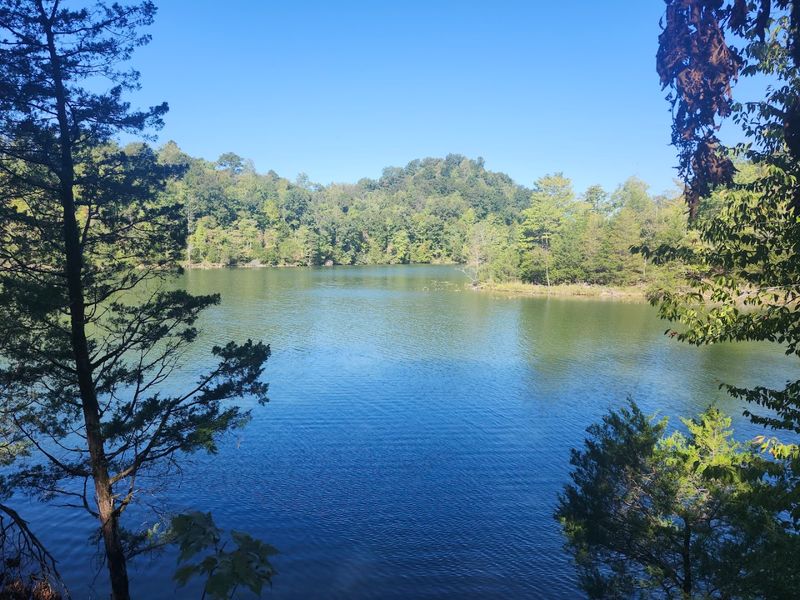
The lake itself is modest in size, creating an intimate swimming environment that families particularly enjoy. The beach features imported sand and a gradual slope into water that warms nicely by mid-summer.
Surrounding ridges covered in oak and hickory forest provide a scenic backdrop and natural windbreak.
What sets Big Ridge apart is the genuine sense of escape it provides despite being relatively close to Knoxville. The park’s remote feel and limited development create an atmosphere of peaceful retreat.
Weekdays often find the beach nearly empty, perfect for those seeking solitude.
The lake supports populations of bass, bluegill, and catfish, making it popular with anglers. Several hiking trails explore the surrounding ridges, offering elevated views of the lake and valleys beyond.
Picnic areas near the beach include grills and tables, and the park’s campground provides options from primitive tent sites to RV hookups. As one of Tennessee’s original state parks, Big Ridge carries a legacy of conservation and public access that continues to serve new generations of visitors.