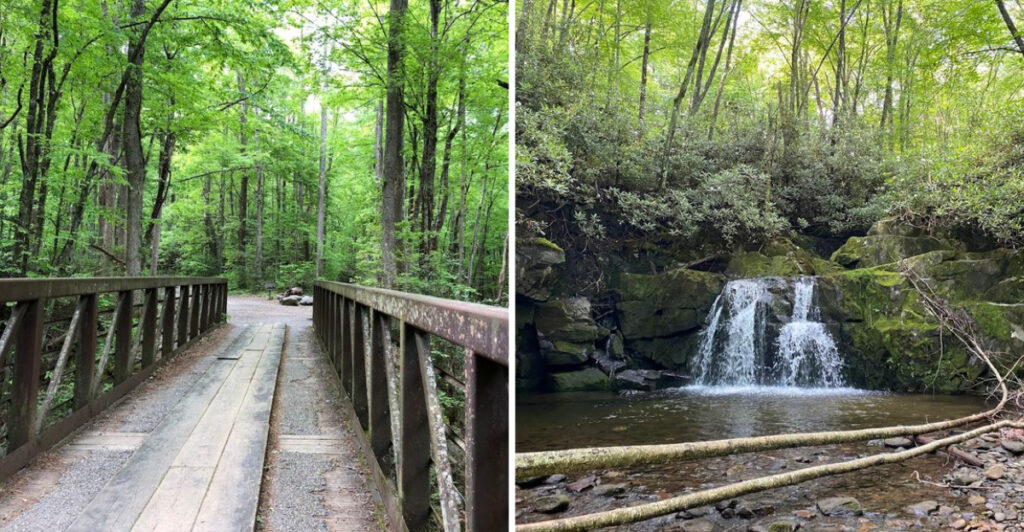
Middle Prong Trail Trailhead leads to one of the most scenic hikes in Tennessee’s Great Smoky Mountains National Park, following the rushing waters of Lynn Camp Prong for much of the journey. As you make your way along the trail, you’ll pass a series of picturesque cascades, small waterfalls, and crystal-clear streams that create a peaceful soundtrack from start to finish.
The combination of flowing water, towering trees, and remnants of the area’s logging history makes every mile feel rewarding. Beyond its natural beauty, the trail offers a quieter alternative to some of the Smokies’ more crowded routes.
Gentle stretches mixed with moderate climbs make it an enjoyable adventure for hikers looking to immerse themselves in nature without straying too far from the river. If you’re searching for a hike where the scenery is as memorable as the destination, Middle Prong Trail delivers one breathtaking cascade after another.
A Waterfall Lover’s Dream Trail
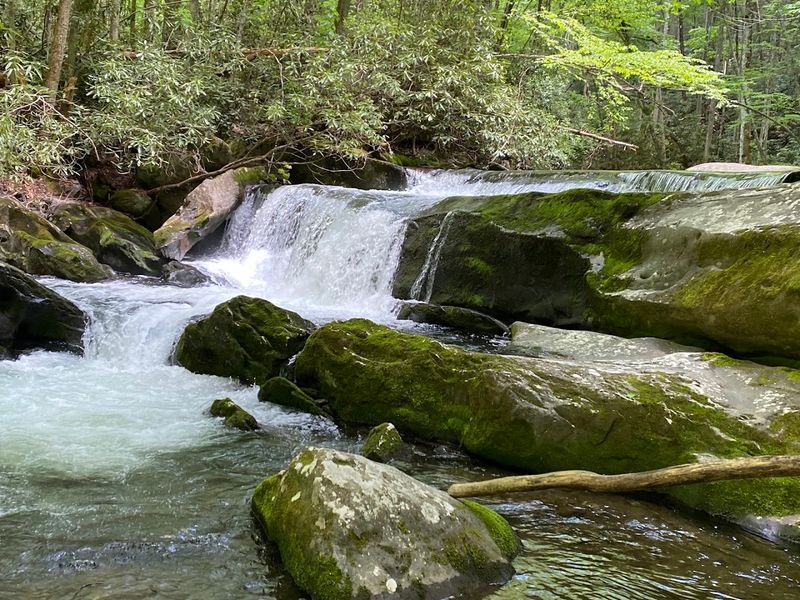
Most trails offer a waterfall at the end as your reward. Middle Prong Trail flips that script entirely and gives you cascades, small falls, and rushing water views almost continuously from the moment you start walking.
The trail hugs the Middle Prong of the Little River so closely that the sound of tumbling water becomes your hiking companion for miles.
Hikers rave about how the scenery never gets boring. Every bend reveals another picturesque cascade spilling over moss-covered rocks or water churning through narrow channels.
You don’t have to trek eight miles to see something spectacular—even if you only walk a mile in, you’ll catch multiple waterfall views worth stopping for.
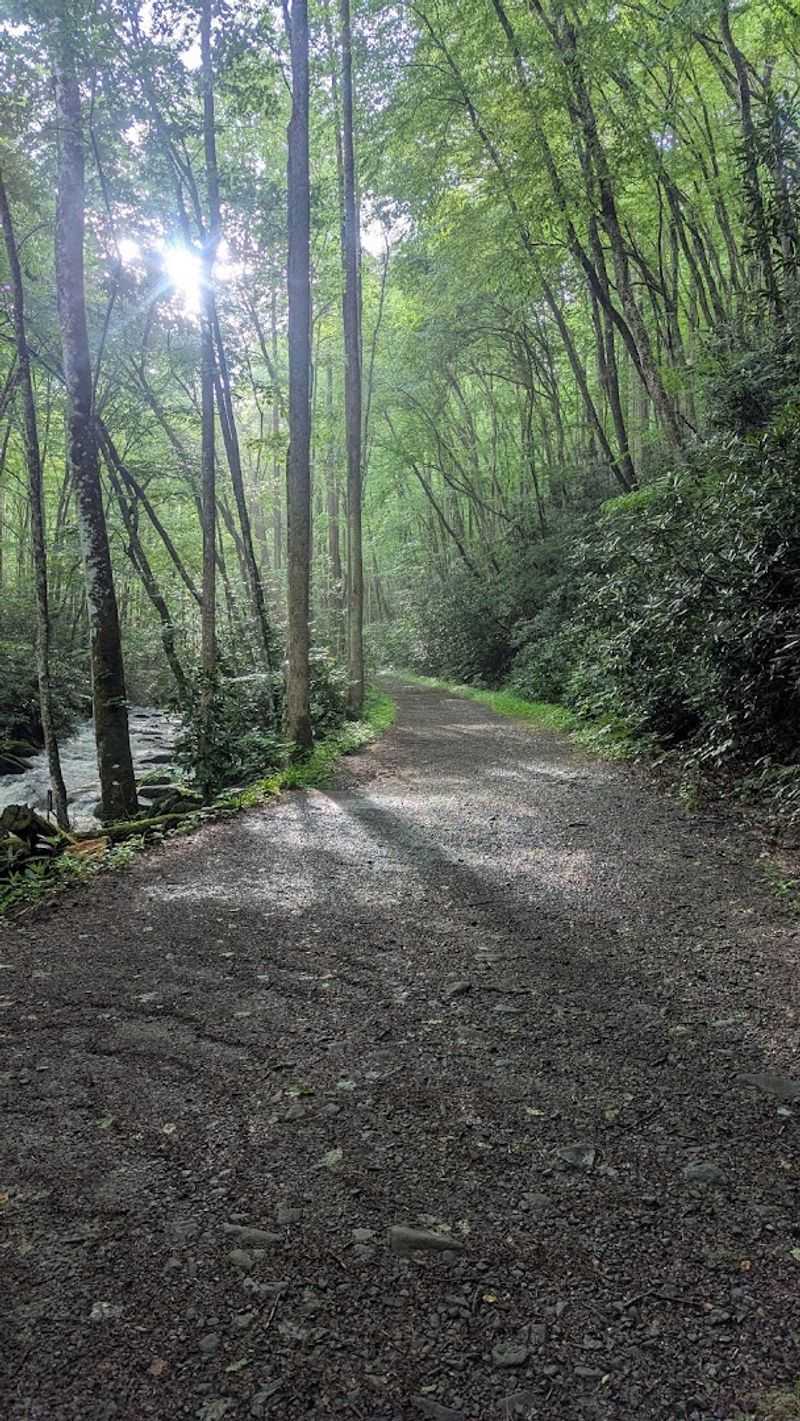
The trail follows an old logging road, which means it’s wide and relatively smooth in the beginning, though it does get rockier as you climb. That gradual elevation gain—about 1,200 feet spread over four miles—keeps things manageable even when you’re going uphill the whole way.
Families with older kids do great here, and photographers find endless angles to capture the water’s movement.
If you venture further, around the 4-mile mark, there’s a side trail leading to Indian Flat Falls, a hidden gem that requires a short detour off the main path. Many hikers consider this waterfall the highlight, tucked away at a switchback and worth every extra step.
The combination of constant water views and this spectacular finale makes Middle Prong Trail a bucket-list hike for anyone who thinks one waterfall per trail just isn’t enough.
Easy Access From Townsend’s Quiet Side
Getting to Middle Prong Trail means driving through Townsend, the peaceful gateway to the Smokies that locals affectionately call the “quiet side.” Unlike Gatlinburg’s traffic jams and tourist crowds, Townsend offers a laid-back mountain town vibe where you can actually find parking and breathe easy. The trailhead sits past the Tremont Institute, down Tremont Road, which transitions from pavement to well-maintained gravel.
That gravel stretch runs about 3.5 miles and can feel narrow when trucks pass from the opposite direction, but it’s totally manageable in a regular car. Early morning arrivals snag the best parking spots—the lot isn’t huge, and by late morning on weekends, spaces fill up fast.
Arriving around 7:30 or 8:00 gives you both parking and trail solitude.
One quirk to know: during winter months, typically January through March, the last three miles of Tremont Road close to vehicles. That means you’ll need to walk those extra miles on the gravel road before even starting the actual trail.
Some hikers don’t mind the bonus mileage, while others prefer visiting during warmer months when the road stays open all the way to the trailhead parking area.
The bridge at the parking lot marks where the road ends and your hike begins. It’s a clear, easy-to-find starting point with enough space for about 15-20 vehicles.
Despite the somewhat remote location, the trail sees steady traffic from those in the know, especially folks who’ve discovered it beats fighting crowds at more famous Smokies destinations.
Historic Remnants Hidden Along The Path
Here’s something you won’t expect on a waterfall hike: stumbling across a rusty old Cadillac slowly being reclaimed by the forest. This vintage vehicle sits just off the main trail, a surreal sight that makes you wonder how it even got there decades ago.
It’s become something of a landmark for Middle Prong hikers, who stop to snap photos of this unexpected piece of mountain history.
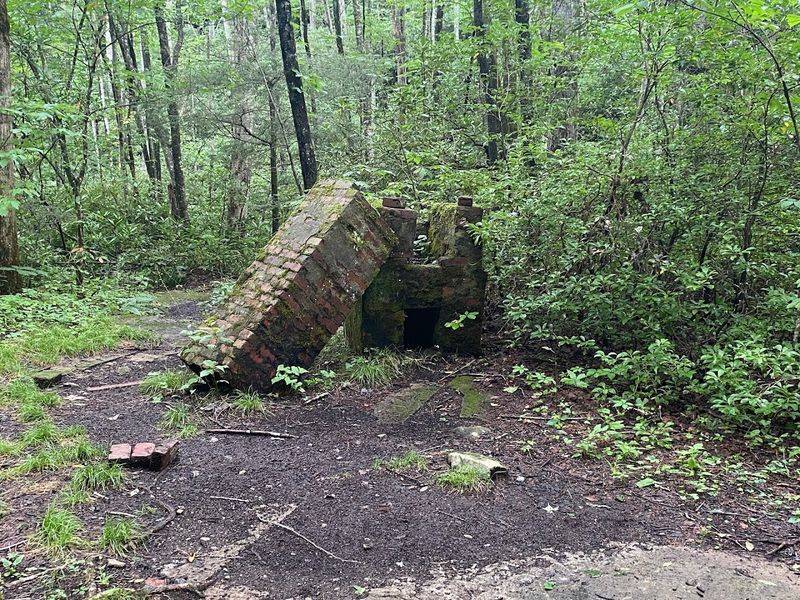
The car isn’t the only relic. As you hike, you’ll notice stone foundations, old chimneys, and scattered artifacts from homesteads that once dotted these mountains.
Families lived and worked in these hollows before the national park was established, and their remnants tell stories of a hardscrabble mountain life that’s hard to imagine today.
You’ll also find traces of the Civilian Conservation Corps camps that operated here in the 1930s. The CCC built trails, bridges, and infrastructure throughout the Smokies during the Great Depression, and Middle Prong was one of their work sites.
Some hikers report seeing old dishes on logs, wash basins, and rusted barrels—small everyday objects that outlasted the people who used them.
These historical touches add unexpected depth to what could be just another pretty trail. Kids especially get a kick out of the treasure-hunt aspect, searching for old stone walls or trying to imagine what life was like when these mountains were home to logging operations and hardscrabble farms.
It’s living history you can touch, not just read about on an interpretive sign.
Perfect For Hikers Of All Commitment Levels
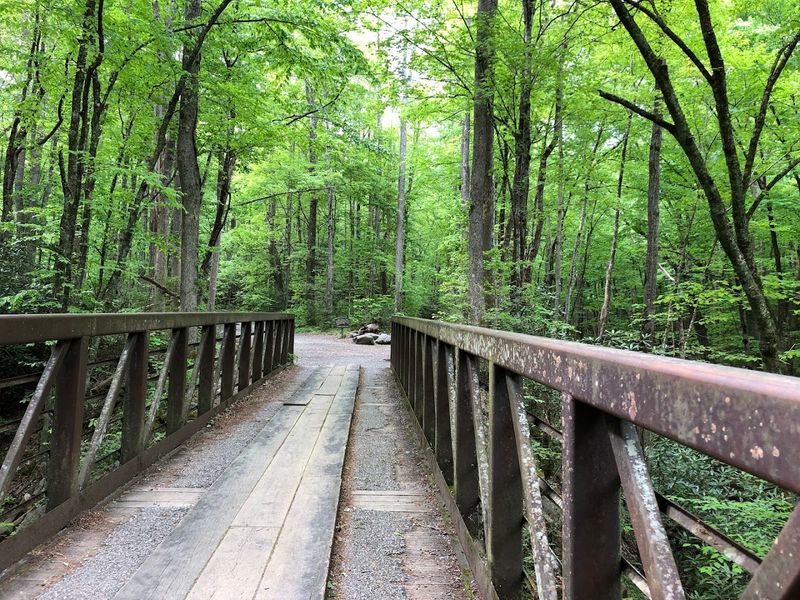
Not everyone wants to commit to an eight-mile round trip hike, and that’s what makes Middle Prong Trail so accommodating. You can turn around whenever you want and still feel like you got your money’s worth.
Even a one-mile walk rewards you with gorgeous cascades and peaceful forest scenery that justifies the drive.
The first big waterfall appears fairly early, and many casual hikers make that their turnaround point. Others push to the 2-mile mark at Panther Creek, where the trail offers stone benches perfect for a snack break.
The elevation gain stays gradual enough that families with tweens and teens handle it without too much complaining.
For those wanting more challenge, the full trek to Indian Flat Falls clocks in around 8.1 miles round trip when you include the side trail. That’s a solid half-day adventure with about 1,200 feet of elevation gain spread out enough that it never feels brutally steep.
Experienced hikers can even continue past Indian Flat Falls to connect with Lynn Camp Prong Trail and the Appalachian Trail for a much longer loop.
The wide trail bed, thanks to its old logging road origins, means you’re not navigating narrow ledges or scrambling over obstacles. Watch your footing on the rocky sections, especially after rain, but overall the terrain stays friendly.
Hikers with toddlers in carriers do just fine, though strollers won’t work here. That flexibility—choose your own adventure distance—makes Middle Prong Trail ideal for mixed-ability groups where not everyone shares the same fitness level.
Summer Shade And Year-Round Beauty
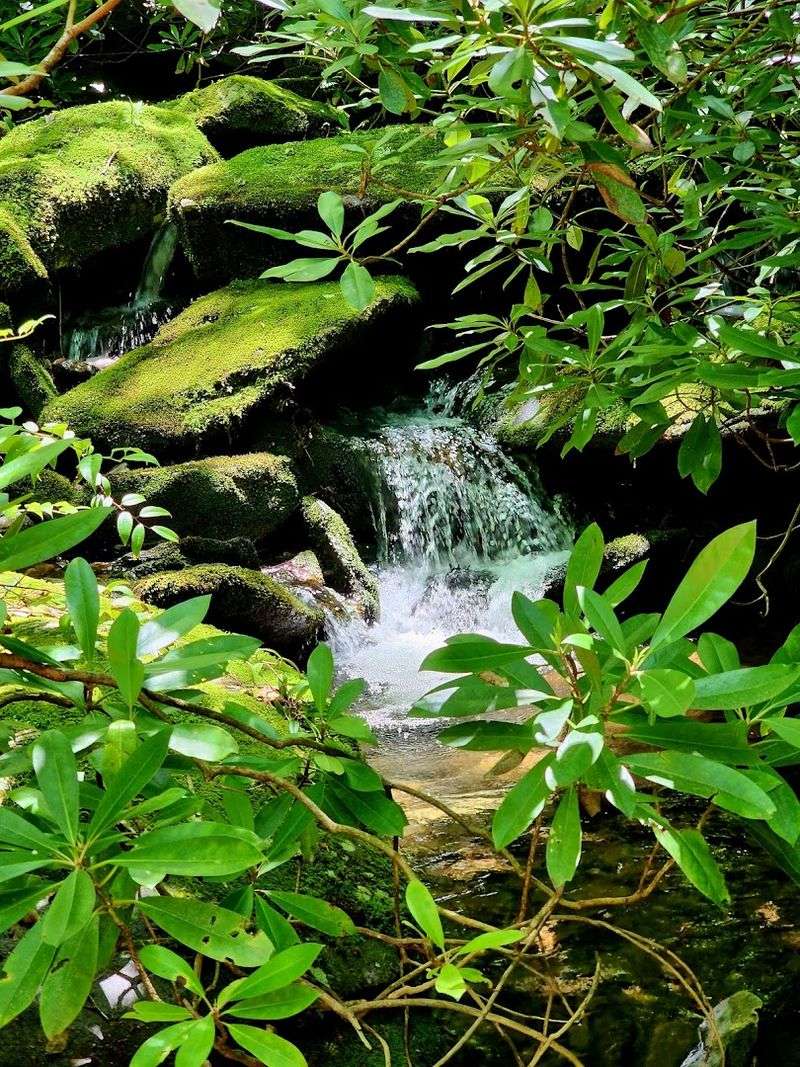
Summer heat can make Smokies hiking miserable, but Middle Prong Trail offers something precious: nearly continuous shade from a thick forest canopy overhead. Even on scorching July afternoons, the temperature under those trees stays remarkably comfortable.
The constant presence of the creek adds cooling moisture to the air that makes everything feel fresher.
That creek becomes your best friend on hot days. Plenty of access points let you scramble down to the water’s edge for a quick foot soak or to splash cold mountain water on your face.
Kids love the rock-hopping opportunities, though parents need to stay alert since the trail runs high above the rushing water in some sections.
Visit in early July and you might catch the rhododendron blooms painting the understory pink and white. Fall brings spectacular color as hardwoods transform the mountainsides into a patchwork of reds, oranges, and golds.
Winter offers its own stark beauty—frozen waterfalls and ice formations create a completely different landscape, though you’ll need to plan for that road closure and extra walking distance.
Spring runoff makes the waterfalls absolutely roar with power, turning modest cascades into impressive displays. The trade-off?
You might encounter muddy sections and higher water levels that make creek crossings trickier. Many repeat visitors insist the trail rewards hiking in every season, each offering its own personality.
The shade and water features that make summer comfortable also ensure this trail never feels barren or exposed regardless of when you visit.
Less Crowded Than Famous Smokies Trails
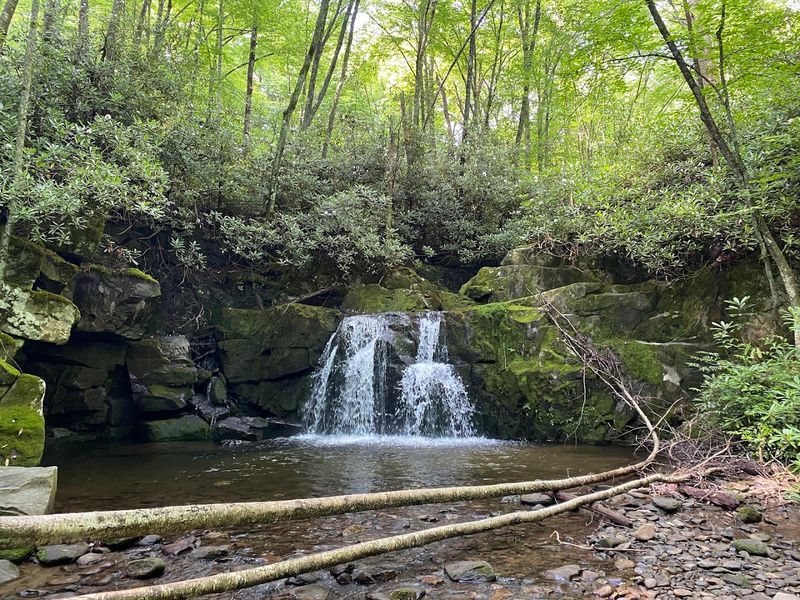
Ask anyone who’s hiked both Laurel Falls and Middle Prong Trail about the difference, and they’ll tell you: it’s like visiting two different parks. While the famous Gatlinburg-area trails turn into conga lines of humanity on summer weekends, Middle Prong maintains a peaceful atmosphere where you might go minutes between encountering other hikers.
That solitude feels increasingly rare in the Smokies.
The somewhat remote location helps keep crowds manageable. You won’t stumble onto this trail by accident—it requires intentional navigation down that gravel road past Tremont.
Casual tourists looking for quick waterfall selfies typically stick to more accessible spots, which means the folks you meet on Middle Prong tend to be more serious hikers who appreciate the quieter experience.
Columbus Day weekend, one of the busiest times in the Smokies, still found Middle Prong relatively peaceful compared to trails near Gatlinburg. That’s not to say you’ll have it completely to yourself—the trail’s 4.9-star rating and growing reputation mean more people are discovering it.
But even on busy days, the traffic stays light enough that you can find spots to enjoy the waterfalls without photobombing someone else’s picture.
The limited parking naturally caps how crowded the trail can get. Once those 15-20 spaces fill, latecomers have to wait for someone to finish their hike.
That built-in limit prevents the trail from ever reaching the sardine-packed conditions you’ll find at more accessible locations. For hikers who value peace and natural soundscapes over convenience, that extra drive time pays dividends in serenity.
Wildlife And Trout Fishing Opportunities
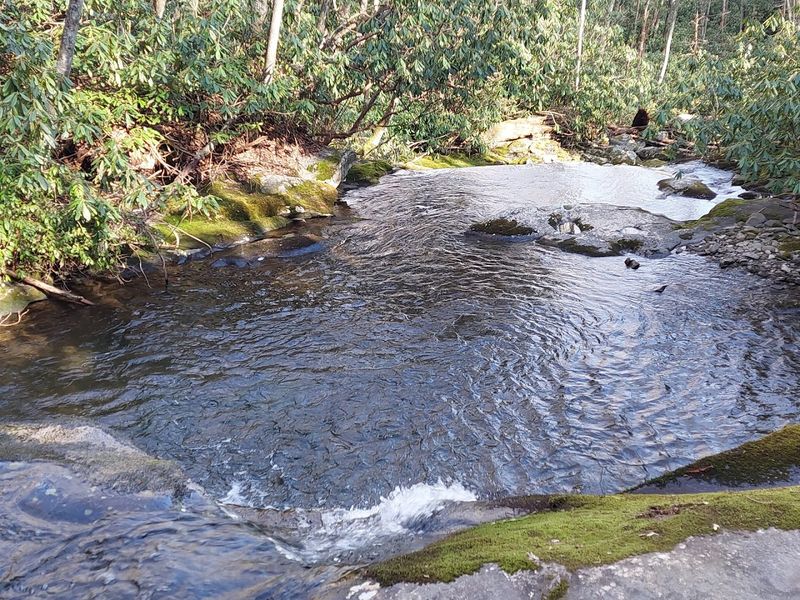
The Middle Prong of the Little River isn’t just pretty to look at—it’s also home to wild trout that make fly fishermen giddy with excitement. You’ll often see anglers working the pools and runs, especially in the lower sections where the water stays accessible.
The park allows fishing with proper Tennessee or North Carolina licenses, and the combination of hiking and fishing makes this trail a double-threat destination.
Trout thrive in these cold, oxygen-rich mountain streams, and the Middle Prong provides ideal habitat. Rainbow and brown trout navigate the currents, though they’re spooky and require stealth to catch.
Watching an experienced angler work a fly rod along these cascades adds entertainment value even if you’re not fishing yourself.
Beyond fish, the forest surrounding the trail supports typical Smokies wildlife. White-tailed deer browse the understory, black bears occasionally make appearances (though encounters remain relatively rare), and salamanders—the Smokies are the salamander capital of the world—hide under rocks near the water.
Birdsong fills the canopy, with species like Carolina wrens, tufted titmice, and various warblers providing the soundtrack.
The wide trail and constant human traffic means most wildlife stays hidden during daylight hours, but early morning hikers increase their chances of spotting critters before the crowds arrive. Even if you don’t see large animals, the smaller details reward attention—millipedes crossing the path, colorful fungi on fallen logs, and the occasional box turtle plodding through the leaf litter.
The ecosystem here feels alive and thriving, not trampled by overuse like some more popular destinations.