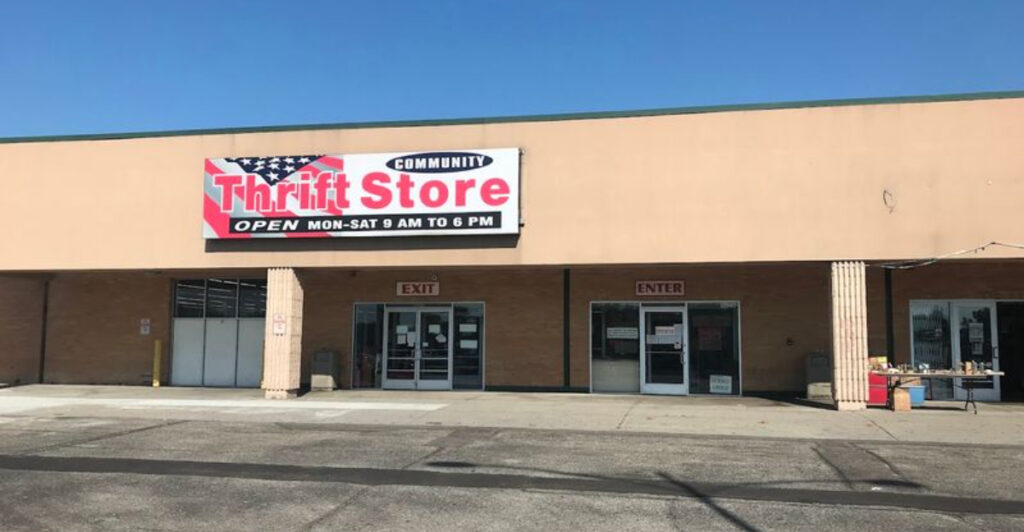
The best treasure hunts do not always happen in antique towns or weekend flea markets. Sometimes they are hiding inside a massive secondhand store where every aisle feels like it could turn up something completely different.
Along Southbound Gratiot Avenue in Clinton Township, Michigan, Red White & Blue Thrift Store gives shoppers that full-scale thrill, with donated goods packed high across a space that can overwhelm first-timers in the best possible way. Vintage collectibles, everyday furniture, clothing, housewares, oddball finds, and practical pieces all compete for attention, turning a casual stop into a full afternoon of digging.
Whether you are searching for something specific or just hoping the right bargain finds you, this Macomb County favorite gives thrift lovers plenty of reasons to keep coming back.
The Sheer Scale of the Store Floor
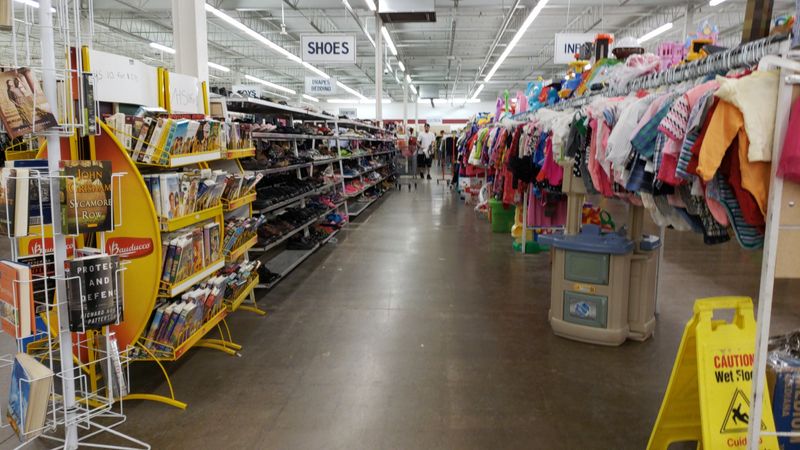
Walking through the front entrance of Red White & Blue on Gratiot Avenue, the first thing that registers is the size. This is not a cramped neighborhood donation shop with three racks of shirts and a folding table of knickknacks.
The floor space sprawls in every direction, with clothing sections that seem to stretch a full city block and shelving units stacked with everything from ceramic dishware to power tools.
The sheer volume of merchandise on display at any given time is genuinely hard to overstate. Furniture lines the outer aisles, electronics fill designated sections, and the clothing area is divided by gender and category.
On busier days, navigating with a cart requires patience, especially near the furniture zone where oversized pieces can block aisle access and slow foot traffic to a crawl.
Regular shoppers know to map out a loose route before committing to the full loop. Starting from the back and working toward the registers is one strategy that helps avoid backtracking through the densest sections.
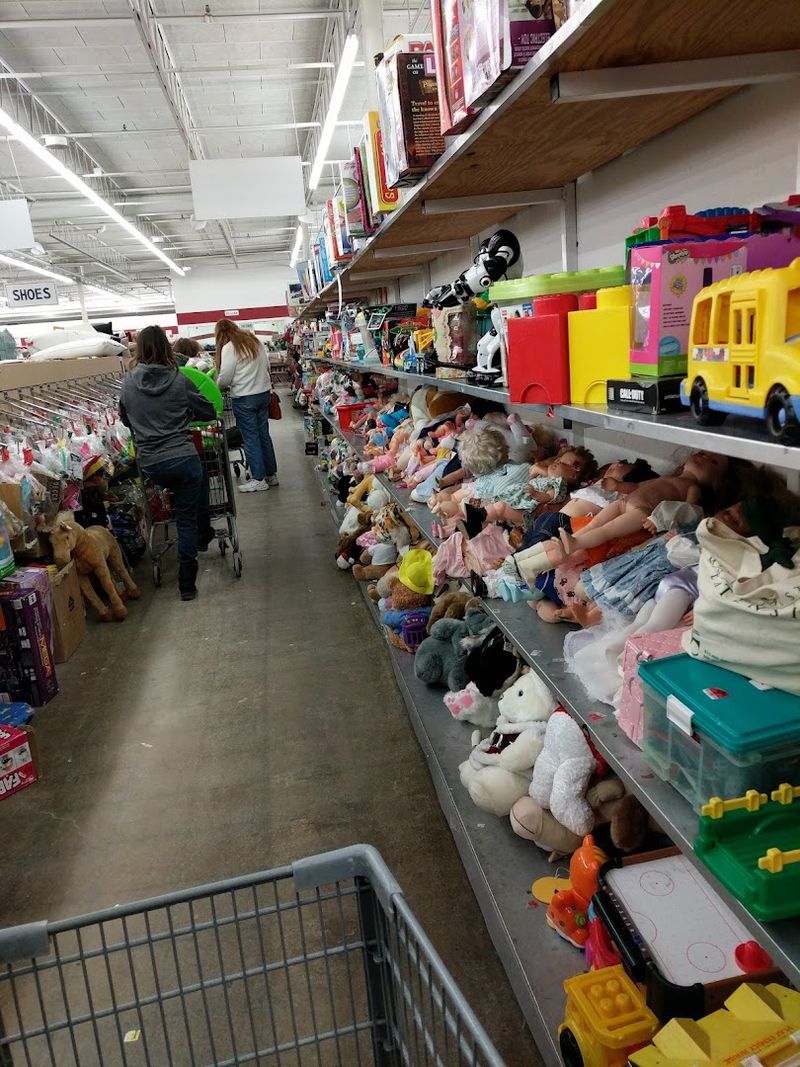
The toy and housewares area tends to see the heaviest rotation of new stock, so those shelves reward repeat visits more than any other corner of the store.
Even on a slow Tuesday morning, the floor hums with activity. Carts roll past, hangers scrape the racks, and somewhere near the back someone is holding up a lamp to check for damage.
The store operates Monday through Saturday from 9 AM to 9 PM and closes Sundays at 7 PM, giving shoppers plenty of windows to explore without feeling rushed.
Michigan’s Color-Tag Discount System Explained
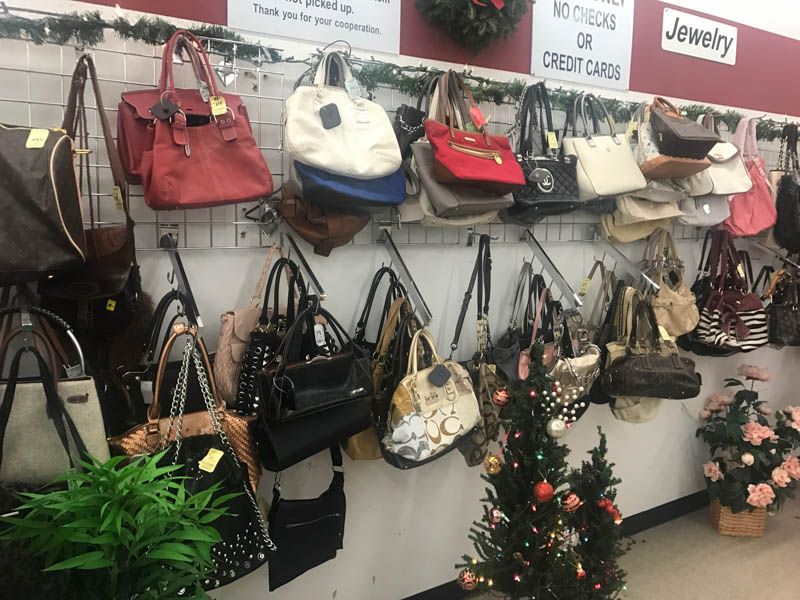
One of the most talked-about features at Red White & Blue Clinton Township is the rotating color-tag discount system. Every week, specific tag colors are marked down anywhere from 50 to 75 percent off the listed price.
For shoppers who pay attention to the weekly discount schedule, this system can turn an already affordable haul into a genuinely impressive deal.
The mechanics are straightforward in theory. Each item in the store carries a colored tag, and the store rotates which colors are discounted on a given day or week.
A peach tag might be 75 percent off one week and full price the next. Savvy shoppers check the current sale color before grabbing a cart, then hunt specifically for items wearing that tag.
Where it gets complicated is accuracy. Some shoppers have encountered mismatched tags where the physical color of the tag does not match the color printed on the label itself.
This creates confusion at the register and, occasionally, incorrect pricing. Paying attention to both the visual color and the printed label text helps catch these discrepancies before checkout rather than during it.
The discount system is genuinely one of the strongest reasons to shop here regularly rather than just once. A $20 purse sitting on the shelf at full price one week could ring up at $5 the following week if the tag color aligns with the current sale.
That kind of variability rewards patience and repeat visits far more than a standard fixed-price thrift model ever could. Checking the store’s posted signage near the entrance each visit is the fastest way to confirm which colors are currently running a discount before diving into the floor.
Unexpected Finds That Stop You Cold
There is a particular kind of retail thrill that only thrift stores can deliver, and Red White & Blue on Gratiot Avenue has produced some genuinely head-turning discoveries over the years. Shoppers have pulled items like an X-Files Barbie and Ken set still in packaging, a Brachiosaurus figurine sold exclusively through the British Museum of Natural History gift shop, and various vintage collectibles that would not look out of place in an online auction listing.
These are not the kinds of items you can plan to find. The entire appeal rests on unpredictability.
One visit might yield nothing but standard donated clothing and chipped mugs. The next could surface a boxed board game from the 1980s, a working vintage camera, or a piece of furniture that fits perfectly into a living room you have been trying to furnish on a budget.
That randomness is exactly what keeps the regulars coming back.
Electronics and media tend to attract the most competitive attention on the floor. Blu-ray players, televisions, and audio equipment cycle through regularly, though condition varies widely.
Inspecting electronics carefully before purchasing is strongly recommended, since the store operates a no-return policy on most items. The in-store plug-in station helps verify that a device powers on, but it does not guarantee full functionality once the item is home.
The toy and collectibles area is particularly worth slow, deliberate browsing. Items get rotated and restocked frequently, and staff occasionally pull back-counter items like larger electronics for customers who ask directly.
A 65-inch television was once discovered behind the register, priced at $125 with an additional 50 percent off discount applied. That kind of find does not happen everywhere.
How Pricing Works and When It Actually Makes Sense
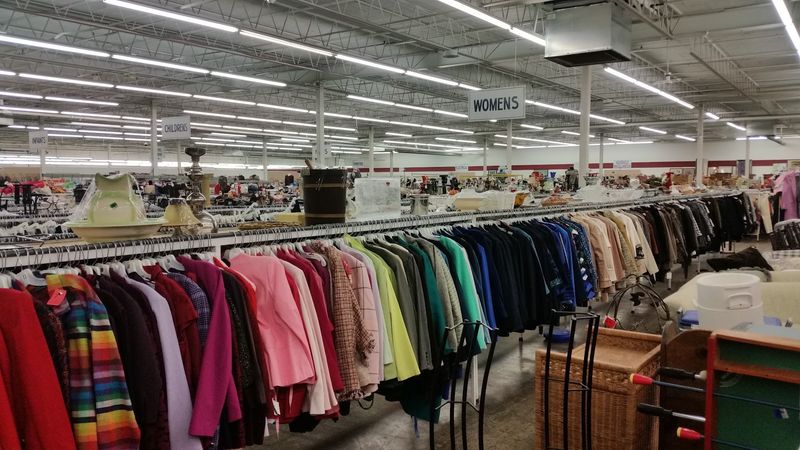
Pricing at Red White & Blue is a topic that generates strong opinions from the store’s regular shoppers. Full-price tags on certain items lean toward the higher end of what most secondhand stores charge.
A used sweater at $20, a secondhand purse near $18, or a dehumidifier priced at $40 can feel steep when compared to competing thrift shops in the surrounding Macomb County area.
That said, the full-price tag is rarely the final price for prepared shoppers. The weekly color-tag discount system regularly slashes prices by 50 to 75 percent, which completely changes the math on otherwise pricey items.
A $20 garment becomes $5 under a 75 percent discount. A $125 television with a 50 percent tag becomes $62.50.
The store’s pricing model essentially rewards shoppers who time their visits to align with current discounts rather than paying sticker price.
Where pricing decisions occasionally cross into frustrating territory is with items that have been separated from their paired counterparts. A mop sold without its bucket, or a bucket priced independently from the mop, can push the combined cost close to what a brand-new version would run at a big-box retailer.
Keeping that comparison in mind before committing to a purchase helps avoid buyer’s remorse.
For furniture, accent decor, and larger household items, the value proposition tends to be stronger. Long-time shoppers have furnished entire apartments through this location, picking up pieces that would cost multiples of the thrift price at retail.
The key is visiting consistently, knowing what the discount colors are each week, and being willing to walk away from full-price items that do not justify the spend. Patience is the most useful tool in this building.
Cash Only Policy and What to Know Before You Go
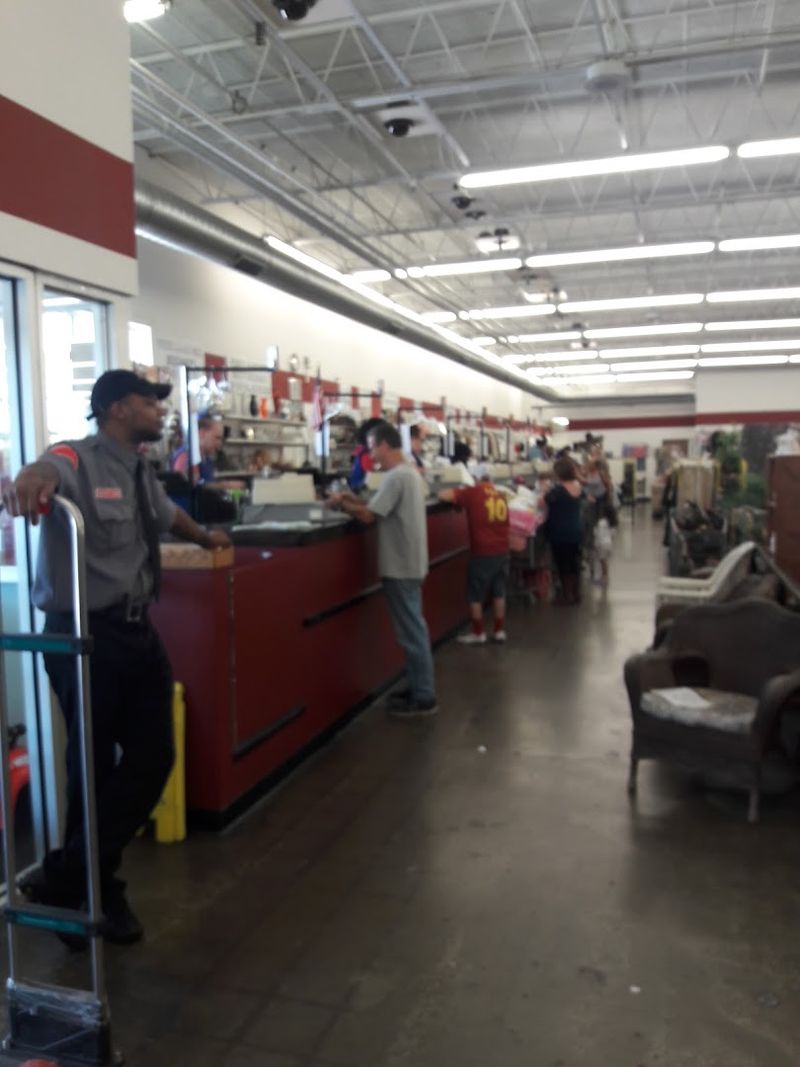
Red White & Blue Clinton Township operates on a cash-only payment policy, which catches a surprising number of first-time visitors off guard. Credit and debit cards are not accepted at the registers, and that policy has been consistent enough that regular shoppers have built a stop at the ATM into their pre-trip routine.
The store does maintain an ATM on the premises, positioned near the entrance, so access to cash is available even if you arrive unprepared.
The ATM convenience comes at a cost, though. The in-store machine charges a fee of approximately $3.75 per transaction, which is higher than a standard bank ATM fee.
For someone spending $15 on a few items, that surcharge represents a noticeable percentage of the total purchase. Stopping at a bank branch or fee-free ATM before arriving saves money and avoids a minor but avoidable frustration at the end of a long shopping session.
Checkout lines can grow significantly during peak hours, particularly on weekends and midday weekday visits. The combination of a large and loyal customer base, limited open registers, and the slower pace of cash transactions means wait times can stretch well beyond what most shoppers expect from a thrift store run.
Arriving early in the morning or later in the evening, closer to the 9 PM closing time on weekdays, tends to mean shorter lines and a calmer overall experience.
Parking is another logistical detail worth planning around. The lot fills quickly during busy periods, and finding a spot close to the entrance can require circling.
Arriving before 10 AM on weekdays almost always guarantees both easier parking and a faster checkout. Sunday hours end at 7 PM, so evening visits on that day require slightly earlier timing than the rest of the week.
The Store’s Layout and How to Actually Navigate It
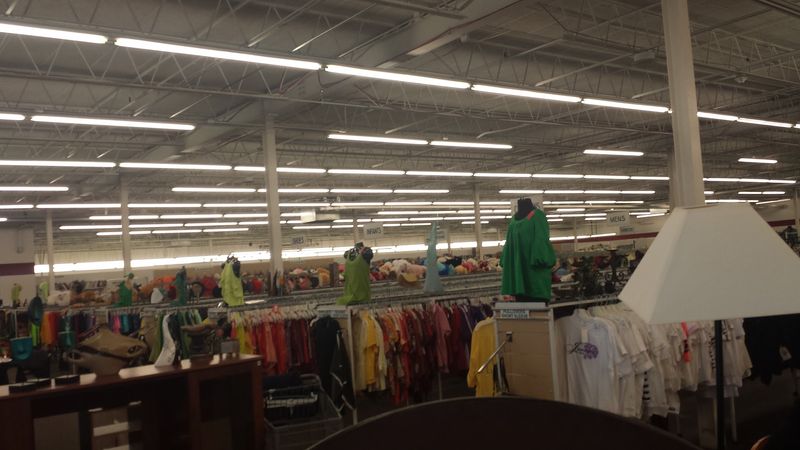
Getting the most out of a visit to Red White & Blue requires a bit of spatial strategy. The store is organized into broad categories, with clothing taking up the central bulk of the floor, furniture running along the perimeter, and housewares and electronics filling designated shelf sections.
Signs mark general zones, but within those zones the level of organization can vary depending on how recently the area has been restocked or tidied.
Clothing racks are the most densely packed area of the store. On high-traffic days, hangers crowd together tightly enough that flipping through a section takes real effort.
Items occasionally fall from hangers and end up on the floor, particularly in the more heavily browsed women’s sections. The plus-size clothing section has shifted in recent years, shrinking in floor space while furniture displays have expanded nearby, which limits cart access to that part of the store.
Housewares and the miscellaneous shelf sections reward slow, methodical browsing more than any other part of the store. Cups, frames, small appliances, decorative items, and random collectibles all share space on open shelving units.
Artwork and picture frames are worth checking carefully before purchasing, since pieces stored in open bins tend to get handled repeatedly and surface scratches or bent corners are common.
The back-counter area near the registers holds larger or higher-value items that staff keep separate from the general floor. Asking an employee about back-counter availability occasionally surfaces items that never made it to the main shelves.
The store restocks continuously, which means the floor looks meaningfully different from one visit to the next. Shoppers who treat each visit as a fresh sweep rather than a repeat of the last one consistently find more than those who assume the inventory stays static.
Why Regular Visitors Keep Returning to This Clinton Township Location
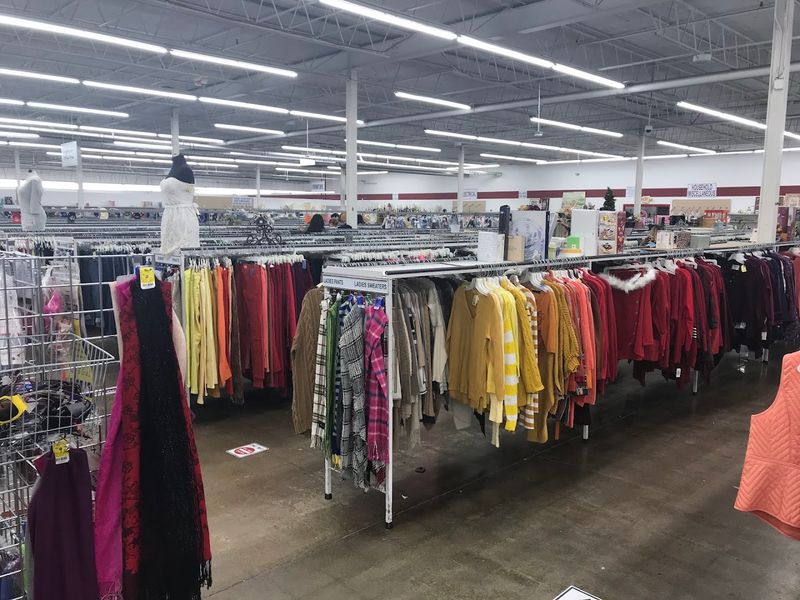
Loyalty to a thrift store is earned differently than loyalty to a restaurant or boutique. It builds through accumulated wins, the $6 jacket that turned out to be barely worn, the piece of furniture that anchored a room, the odd collectible that nobody else noticed sitting on the shelf.
Red White & Blue on Gratiot Avenue has generated enough of those moments to keep a dedicated base of shoppers returning week after week, some nearly every day.
Part of that pull comes from the volume of incoming donations. The store receives a steady flow of merchandise, which means the floor inventory genuinely rotates.
Items that were not there last Thursday may appear by Saturday. That unpredictability functions as its own reward system, keeping the browsing experience from ever feeling entirely repetitive.
Regulars who visit multiple times per week treat the store almost like a subscription service for surprise inventory.
Staff interactions also factor into the experience more than most shoppers expect from a large-format thrift store. Specific employees have become recognized fixtures among the regulars, known for their helpfulness and positive energy during what can be chaotic peak hours.
Those small human moments inside a busy, sometimes cluttered retail environment create a sense of familiarity that keeps the store from feeling purely transactional.
For families furnishing a first apartment, collectors hunting for discontinued items, or bargain shoppers who have mastered the color-tag discount system, this location delivers a specific kind of value that a standard retail store simply cannot replicate.
The experience is uneven at times, the prices can surprise, and the lines test patience. But the ceiling on what you might find on any given visit is genuinely high, and that possibility alone is enough to bring people back through the door.