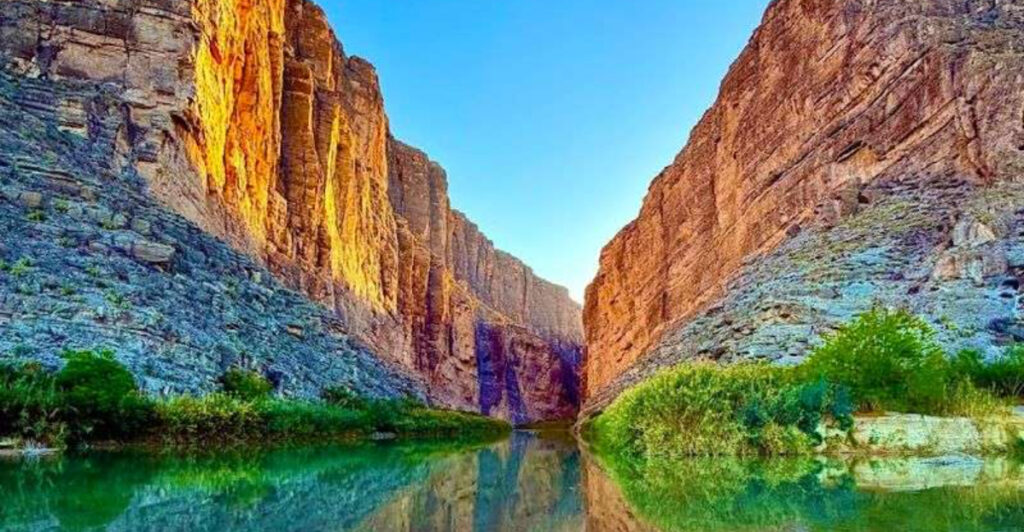
Texas stretches across landscapes so diverse and stunning that hours can vanish before you realize you’ve been wandering, exploring, or simply staring in wonder. From underground caverns that glow with ancient formations to canyons painted in sunset colors, the Lone Star State holds secrets that make clocks irrelevant. Whether you’re drawn to history frozen in time, nature’s most dramatic displays, or small towns where the pace slows to a pleasant crawl, these destinations will pull you in and refuse to let go until the sun sets and you wonder where the day went.
1. Natural Bridge Caverns (San Antonio)
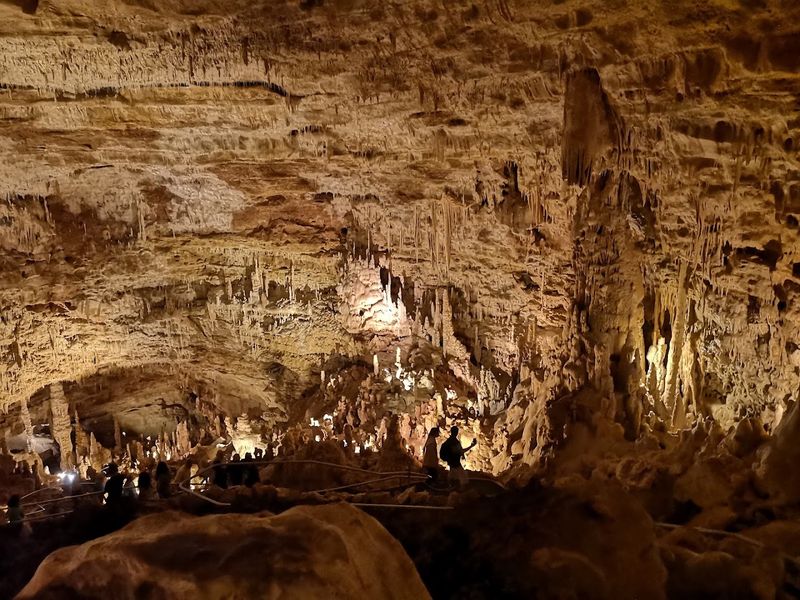
Descending into these caverns feels like stepping onto another planet where time operates by geological rules instead of human ones. The moment you enter the cool darkness and see the first massive formations glowing under carefully placed lights, your phone gets shoved into your pocket and forgotten. Mineral deposits have been working their magic here for millions of years, creating columns that stretch from floor to ceiling and delicate soda straws that defy gravity.
The formations change with every angle as you wind through chambers with names that hint at their character. Some spaces open into cathedral-sized rooms where your voice echoes back differently depending on where you stand. Others narrow into passages where the ceiling drips with formations that look like frozen waterfalls made of stone.
Tours move at a pace that lets you actually absorb what you’re seeing rather than rushing past in a blur. Guides point out features you’d miss on your own, like the tiny helictites that grow sideways against all logic or the flowstone that resembles bacon strips in shades of orange and cream. The temperature stays constant year-round, making it a perfect escape when Texas heat becomes unbearable above ground.
Beyond the main cavern tour, adventure options let you crawl through undeveloped passages with only a headlamp for company. The zip lines and ropes course above ground provide a complete contrast to the underground world. But honestly, most visitors find themselves lingering longest in the caverns themselves, where the silence feels thick and the darkness beyond the lights seems infinite.
You emerge blinking into sunlight with no real sense of how long you’ve been underground, which is exactly the point.
2. La Grange (La Grange)
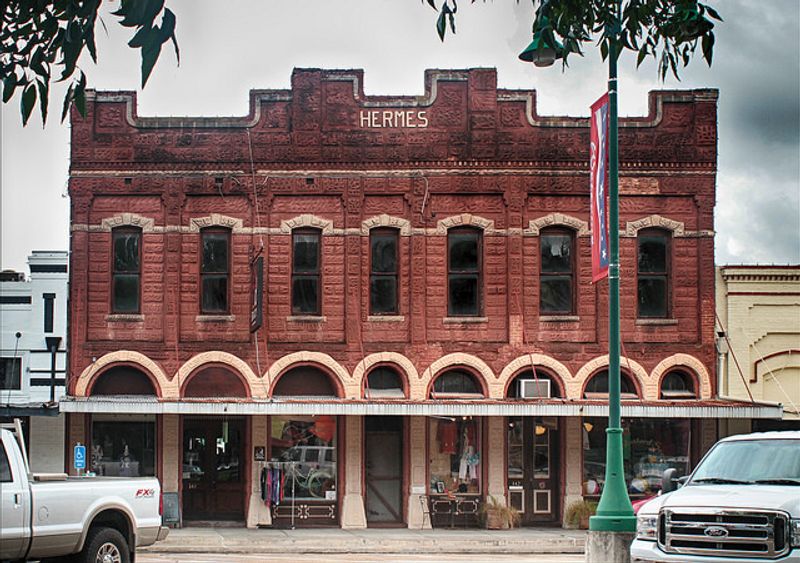
This town moves at a speed that makes modern life feel like a fever dream you’ve finally woken up from. Courthouse Square anchors everything, with its historic architecture creating a backdrop for shops where owners actually remember your name after one visit. Antique stores line the streets, packed with treasures that require serious browsing time because you never know what’s hiding in the back corner or under a pile of vintage linens.
The Czech and German heritage shows up everywhere, from the food to the festivals to the way buildings are maintained with obvious pride. Bakeries sell kolaches that disappear warm from the bag before you make it back to your car. Small museums tell stories about the area’s colorful past, including tales that inspired certain famous musicals, though locals tend to roll their eyes at that particular claim to fame.
Wandering through La Grange requires zero planning and maximum curiosity. One antique mall might consume two hours as you sift through Depression glass, vintage tools, and furniture that makes you reconsider your entire decorating scheme. The next stop could be a local cafe where the lunch crowd knows each other and the waitress brings sweet tea without asking because she just knows.
The Colorado River curves nearby, offering spots to sit and watch water move at its own unhurried pace. Parks provide shade under old trees that have witnessed generations of the same families growing up in this town. Evening brings a golden light that makes everything photogenic, though you’ll be too busy actually experiencing the place to worry much about capturing it.
Days here stretch and bend until you’ve somehow spent an entire afternoon doing what felt like nothing and everything simultaneously.
3. Space Center Houston (Houston)

Walking into this place triggers something primal in humans who’ve ever looked up at stars and wondered what’s out there. Real spacecraft that have left Earth’s atmosphere sit within touching distance, their heat shields still showing scorch marks from reentry. Tram tours take you onto the actual NASA Johnson Space Center grounds where astronauts train and mission control operates, making everything suddenly feel less like history and more like ongoing adventure.
The artifacts tell stories that textbooks can’t quite capture. You can see the tiny capsules that carried humans to the moon and wonder how anyone survived being crammed inside for days. Spacesuits reveal the ingenuity required to keep people alive in an environment designed to kill them.
Moon rocks sit in displays, looking deceptively ordinary until you remember they’re literally from another world.
Interactive exhibits let you try your hand at docking spacecraft or landing shuttles, which quickly proves harder than astronauts make it look. Kids and adults alike crowd around simulators, taking turns and offering advice that ranges from helpful to hilariously wrong. The Independence shuttle replica mounted on the original shuttle carrier aircraft creates a photo opportunity that requires climbing to the top and exploring both vehicles from the inside.
Mission Control’s historic room sits preserved exactly as it looked during Apollo missions, with coffee cups and ashtrays still on consoles as if flight controllers just stepped out for a break. Standing behind the glass, you can almost hear the tension and triumph that filled this space during humanity’s most ambitious moments. Hours evaporate as you move from exhibit to exhibit, each one opening new questions about what humans can accomplish when we decide to try the impossible.
4. Lost Maples State Natural Area (Vanderpool)
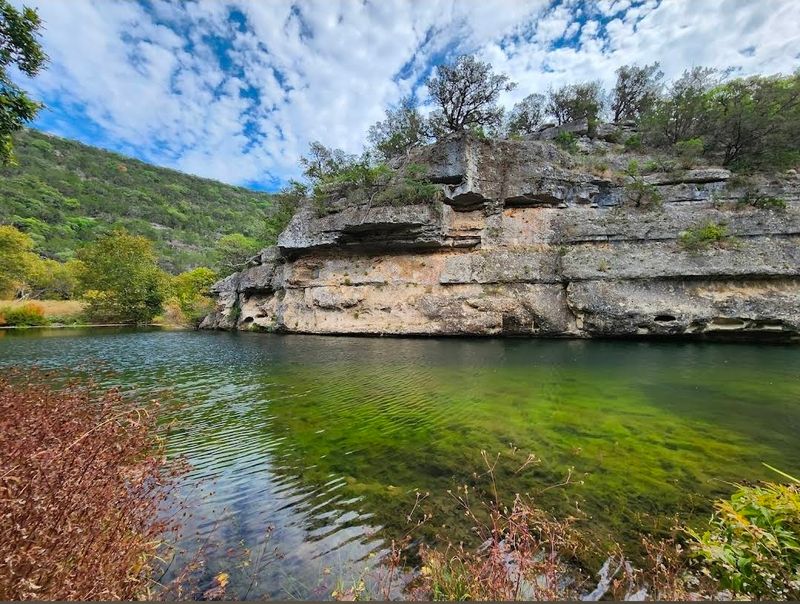
Most of Texas doesn’t bother with dramatic fall color, but this pocket of Hill Country missed that memo entirely. Bigtooth maples cluster in protected canyons where microclimates let them thrive far from their usual range, creating autumn displays that rival anything New England claims to offer. Timing your visit requires some luck since peak color shifts with weather patterns, but even off-peak visits reveal landscapes worth losing entire days to explore.
Trails wind through terrain that changes character around every bend. One moment you’re walking through typical Texas scrubland with prickly pear and juniper, the next you’ve dropped into a shaded canyon where maples form a canopy overhead and a spring-fed creek babbles over limestone. The contrast makes you double-check that you haven’t somehow crossed state lines without noticing.
Serious hikers tackle the longer loops that climb ridges for panoramic views across miles of undeveloped country. Casual walkers stick to easier paths that still deliver plenty of scenery without requiring mountaineering skills. Either way, you’ll find yourself stopping constantly to look at light filtering through leaves, water pooling in clear basins, or the way colors shift from gold to crimson to purple depending on the tree and the angle.
Wildlife appears if you’re patient and quiet enough. Birds flit through branches in impressive variety, and deer browse the underbrush with casual indifference to human observers. The park stays relatively uncrowded except during peak fall weekends, meaning you can often find sections of trail where the only sounds are wind, water, and your own footsteps.
Cell service fades to nothing, which turns out to be a feature rather than a bug when you’re trying to disconnect from the constant digital noise of regular life.
5. San Elizario Presidio Chapel (San Elizario)

This chapel has witnessed more history than most buildings could survive, standing since the 1700s as a testament to Spanish colonial presence along the Rio Grande. Its thick adobe walls and simple bell tower create a silhouette that’s been photographed countless times, yet somehow each visit reveals new details that previous observers missed. The building served military, religious, and community functions over centuries, accumulating stories in its walls like layers of paint.
Inside, the space feels both intimate and expansive, with light falling through windows in ways that change throughout the day. Original woodwork shows the marks of craftsmen who worked with hand tools and infinite patience. Religious art decorates the walls, mixing Spanish colonial traditions with local interpretations that reflect the blended culture of the border region.
The surrounding plaza invites lingering, with benches positioned for people-watching or simply sitting in the shade while afternoon heat radiates off ancient walls. San Elizario itself moves at a pace that feels imported from another century, with residents who still gather in the plaza for festivals and celebrations that honor traditions passed down through generations. Local artists maintain studios in historic buildings, creating work that draws inspiration from the area’s deep cultural roots.
Visiting during one of the community celebrations transforms the experience entirely, with music, food, and decorations filling spaces that usually sit quiet. But even on ordinary days, the chapel and its surroundings offer a window into a Texas that predates the cowboy mythology and oil booms that dominate popular imagination. You can spend hours just absorbing the atmosphere, reading plaques that explain the area’s complex history, and appreciating architecture that has endured through centuries of change while maintaining its essential character and purpose.
6. Grover Nelson Park (Abilene)
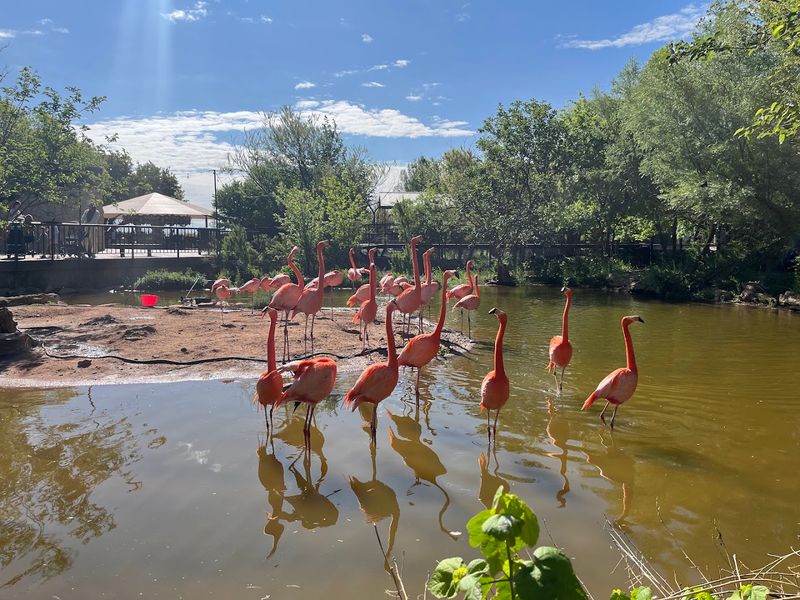
Abilene doesn’t always top lists of Texas destinations, which makes this park feel like a secret that locals have been keeping to themselves. Massive oak trees create shade canopies that drop temperatures noticeably compared to the surrounding prairie landscape. The park sprawls across enough space to offer different experiences depending on which section you explore and what you’re hoping to find.
Families claim picnic areas under trees that have been providing shade for generations, spreading blankets and unpacking coolers while kids race between play structures that cater to various age groups. The playground equipment goes beyond the basic swings and slides, incorporating creative designs that actually hold children’s attention for impressive stretches of time. Parents settle onto benches with books or conversations, glancing up occasionally to confirm their offspring haven’t launched themselves into low orbit.
Walking trails loop through the property, offering routes for serious exercise or casual strolls depending on your ambition level. The paths stay well-maintained without feeling overly manicured, preserving a sense that you’re in a park rather than a landscaped showpiece. Benches appear at intervals perfect for resting or simply sitting to watch birds and squirrels go about their business with single-minded focus.
The park hosts community events throughout the year, transforming into a gathering place where Abilene residents come together for concerts, festivals, and celebrations. But even on quiet weekdays, the space feels alive with activity as joggers pass dog walkers, kids practice soccer, and retired folks take their daily constitutional around familiar paths. Time operates differently here, measured in laps walked, chapters read, or how long it takes a child to finally wear themselves out enough to agree it’s time to head home for dinner.
7. Big Bend National Park (Big Bend National Park)
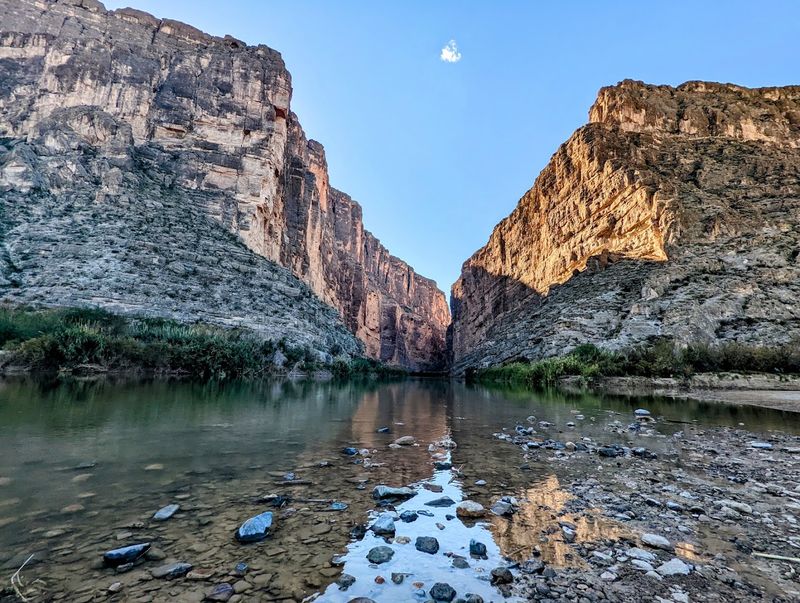
The scale of this place defies easy description, covering over 800,000 acres where the Chisos Mountains rise from the Chihuahuan Desert and the Rio Grande carves canyons through ancient rock. Visiting requires commitment since it’s genuinely remote, hours from major cities and even farther from the kind of infrastructure most Americans take for granted. That isolation becomes the entire point once you arrive and realize how rare it is to find landscapes this wild and undeveloped.
Hiking options range from easy nature walks to multi-day backcountry treks that test your endurance and navigation skills. The Window Trail leads to a natural opening in the mountains where views stretch for miles, best experienced at sunset when light paints the desert in impossible colors. Santa Elena Canyon forces you to crane your neck to see the top of sheer rock walls that dwarf the river flowing between them.
Wildlife appears in forms adapted to harsh conditions, from roadrunners that actually live up to their cartoon reputation to black bears that roam the higher elevations. Bird watchers travel from across the country to spot species that rarely venture north of Mexico. The night sky delivers on every promise you’ve heard about dark sky locations, with the Milky Way visible as a glowing river of stars rather than a faint smudge.
The park’s size means you can spend days exploring and still leave sections unvisited. Hot springs bubble up along the river, offering natural soaking spots that feel like rewards for the hike required to reach them. Ghost towns and old mining sites provide glimpses into the hardscrabble lives of people who tried to make a living in this unforgiving environment.
Cell service and wifi disappear completely, forcing a digital detox whether you planned for one or not.
8. Washington-on-the-Brazos State Historic Site (Washington)
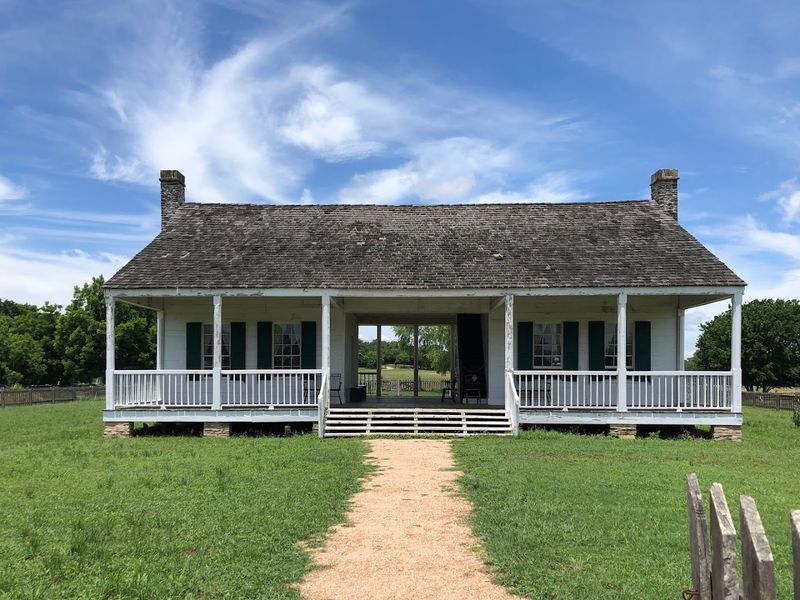
Texas declared its independence from Mexico right here in 1836, making this unassuming spot along the Brazos River one of the most significant locations in state history. The site preserves and interprets that moment when a group of delegates gathered in an unfinished building during cold March weather to sign a document that changed everything. Walking the grounds requires imagination to populate the empty spaces with the people who made history here.
Independence Hall stands reconstructed on its original foundation, a simple wooden structure that looks almost too modest for the momentous events it hosted. Inside, exhibits explain the political tensions and military conflicts that led to the Texas Revolution. The document signing gets explored from multiple angles, acknowledging both the idealism of the delegates and the complex realities of the time period.
Barrington Living History Farm recreates life on a mid-1800s Texas cotton plantation, complete with heritage breed animals and heirloom crops grown using period-appropriate methods. Interpreters in period dress demonstrate skills that modern people have mostly forgotten, from spinning wool to blacksmithing to cooking over open fires. The work required to maintain a household without modern conveniences becomes viscerally clear as you watch someone spend an hour accomplishing tasks that now take minutes.
The Star of the Republic Museum provides broader context about Texas as an independent nation, that brief decade before statehood when the Lone Star flew alone. Artifacts, documents, and interactive displays fill in details that most people never learned in school. Trails wind through the property along the river, offering quiet spots to sit and contemplate how different choices made in this place might have altered the course of history.
You can easily spend a full day here absorbing information, exploring buildings, and trying to wrap your mind around how much has changed since delegates gathered in an unheated hall to gamble everything on independence.
9. Caverns of Sonora (Sonora)
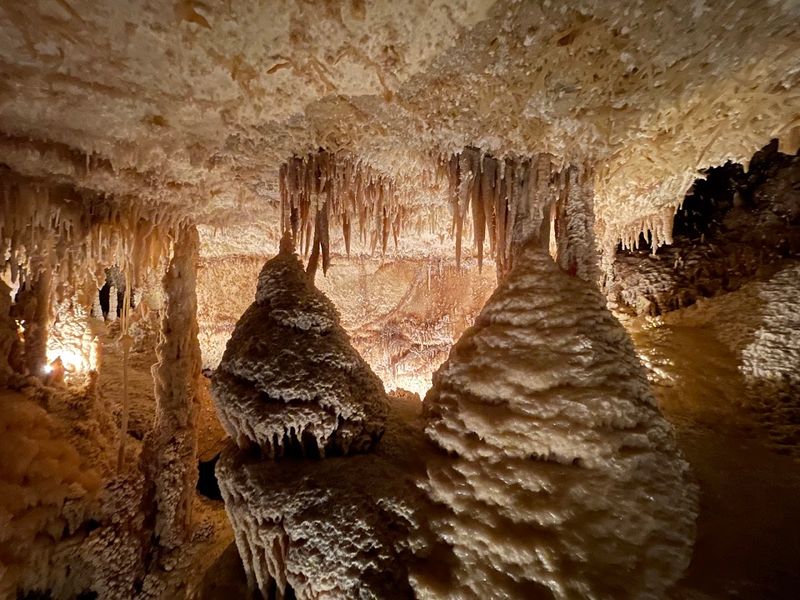
Cavers and geologists consider these caverns among the most beautiful in the world, which seems like hyperbole until you actually descend into the chambers and see what they’re talking about. The formations here grew in ways that defy the usual stalactite and stalagmite patterns, creating delicate structures that look more like underwater coral or alien plants than anything made of rock. Helictites twist in directions that seem to ignore gravity, and butterfly formations spread translucent wings of calcite that glow when backlit.
The caverns were discovered relatively recently in modern terms, found in 1900 by a dog chasing a raccoon into a small opening. Commercial tours started in the 1960s after careful development designed to preserve the fragile formations while allowing public access. Guides emphasize the importance of staying on designated paths since even the oils from human skin can alter the delicate chemical processes that create these structures over thousands of years.
Tours move slowly through chambers with evocative names that hint at their character. The formations cluster so densely in some areas that the walls and ceilings seem to drip with crystalline decorations. Colors range from pure white to cream to subtle pinks and golds, created by mineral variations in the water that seeps through limestone above.
The lighting system was designed to enhance rather than overwhelm, letting the formations’ natural beauty take center stage.
Photography proves challenging since the spaces are tight and lighting is carefully controlled, but most visitors find themselves too absorbed in actually looking to worry much about capturing images. The temperature stays cool and constant, providing relief from West Texas heat. Sound behaves strangely in the enclosed spaces, with some chambers amplifying whispers and others seeming to swallow noise entirely.
You emerge feeling like you’ve visited a world that operates by entirely different rules than the surface, where time is measured in the growth rate of crystals rather than the ticking of clocks.
10. Gruene Historic District (Gruene)
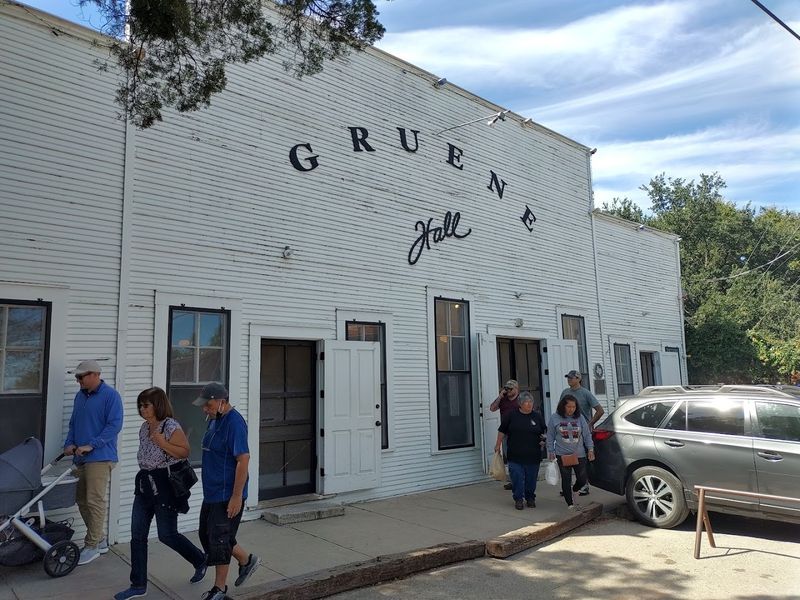
Pronounce it like “Green” and you’ll fit right into this perfectly preserved slice of 1800s Texas that somehow avoided the wrecking ball and strip mall development that claimed so many similar places. The entire district sits on the National Register of Historic Places, protecting buildings that once served a thriving cotton community along the Guadalupe River. Now those same structures house shops, restaurants, and Texas’s oldest continually operating dance hall.
Gruene Hall deserves its legendary status among music venues, with a stage that’s hosted everyone from local unknowns to major touring acts since 1878. The building keeps its original character with a tin roof, screened windows, and worn wooden floors that have absorbed decades of boot scuffs and spilled beer. Catching a show here feels like time travel, especially when the music is pure Texas country and the crowd knows all the words.
Shops line the streets selling everything from antiques to handmade jewelry to vintage clothing that might be genuinely old or carefully curated to look that way. The browsing moves at whatever pace suits you, with owners who seem more interested in conversation than hard selling. Several buildings maintain period-appropriate exteriors while housing thoroughly modern businesses, creating a pleasant cognitive dissonance between then and now.
The Guadalupe River flows past the district, offering tubing, kayaking, and swimming opportunities when Texas heat demands water-based relief. Outfitters rent equipment and provide shuttle services, though many visitors prefer to simply find a spot along the bank to sit and watch the endless parade of floaters drift past. Restaurants serve food that ranges from Texas BBQ to German-influenced dishes reflecting the area’s heritage.
You can arrive planning to spend an hour and suddenly realize the sun is setting and you’ve been wandering these streets all day, which is exactly what the place is designed to make you do.
11. Palo Duro Canyon State Park (Canyon)
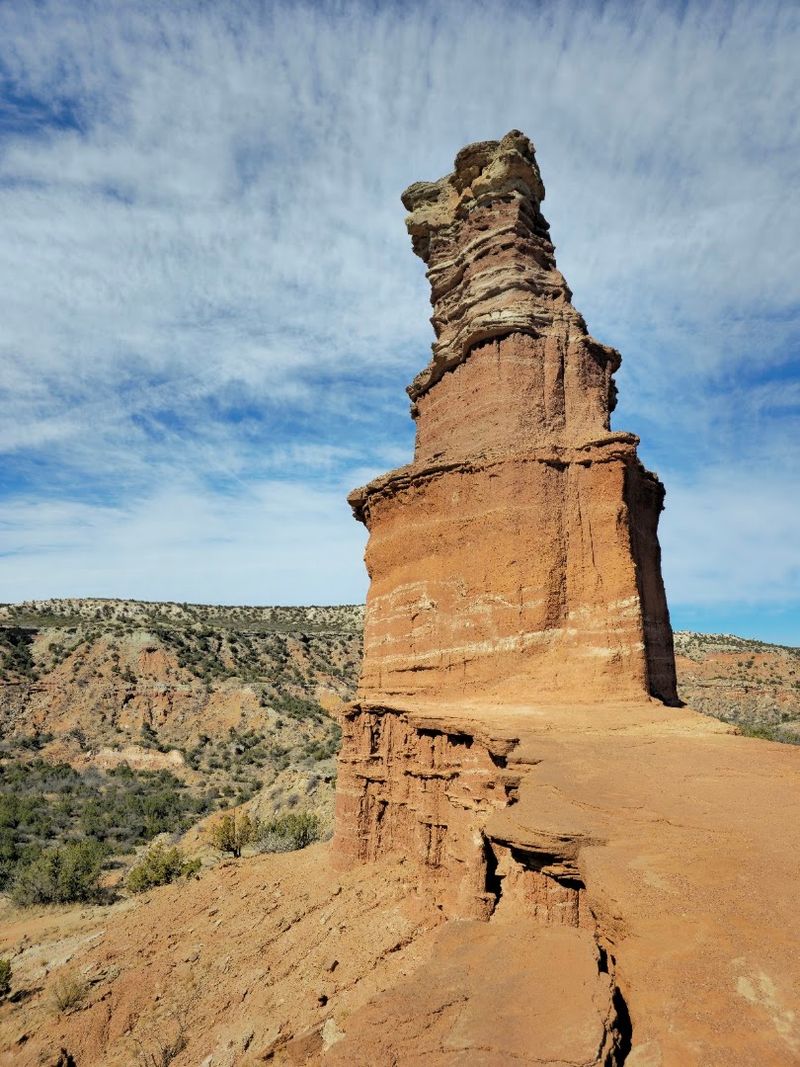
The second-largest canyon in the United States sits in the Texas Panhandle where most people assume there’s nothing but flat prairie stretching to infinity. Then you reach the canyon rim and the earth just drops away into a gash 120 miles long and up to 20 miles wide, with walls striped in reds, oranges, and purples that shift with the changing light. The surprise of it never quite wears off even after you’ve driven down into the canyon floor and started exploring.
Hiking trails range from easy walks to challenging climbs that take you up to rim level for views that stretch across the entire canyon system. The Lighthouse Trail leads to the park’s most famous formation, a rock pillar that stands alone like a sentinel. Mountain biking trails let you cover more ground, though the elevation changes will test your leg strength and lung capacity.
The canyon walls tell a geological story spanning millions of years, with each colored layer representing a different period when this area looked completely different than it does now. Ancient seas, river deltas, and desert environments all left their marks in the rock. Fossils occasionally emerge from the walls, though collecting them is strictly prohibited since they belong to everyone and future generations of visitors.
Camping options let you spend the night surrounded by canyon walls that glow in alpenglow during sunset and sunrise. The outdoor musical drama “TEXAS” runs during summer months, telling the state’s story through song and dance in a natural amphitheater carved into the canyon. Wildlife includes bison, roadrunners, and mule deer adapted to this environment.
The best strategy involves arriving early, picking a trail or two, and then simply surrendering to whatever catches your attention whether that’s rock formations, wildlife, or the way shadows move across canyon walls as the day progresses. Hours disappear into the landscape, measured only by how sore your legs get and how many photos you’ve accumulated on your phone.