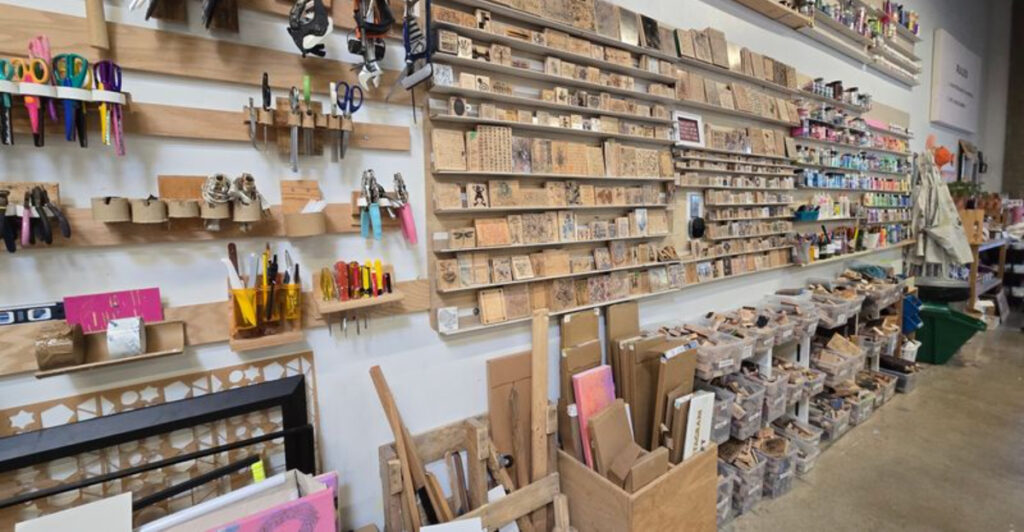
Finding a new hobby can feel overwhelming when you’re staring at a blank weekend or scrolling endlessly through your phone. Texas is home to some incredible specialty shops that don’t just sell supplies—they spark creativity and help you discover passions you didn’t know you had. Whether you’re drawn to music, art, leather crafting, or beadwork, these local businesses offer the tools, classes, and community to turn curiosity into a lifelong interest.
1. Sea of Beads (Austin)
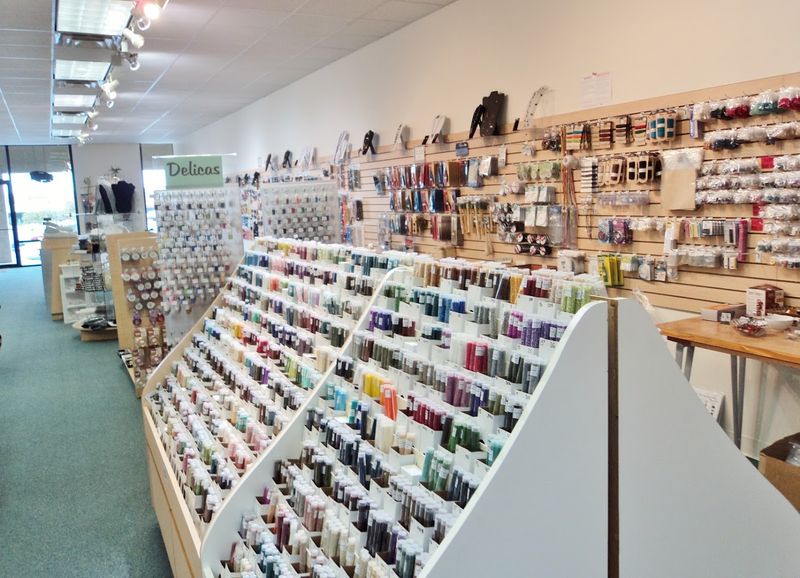
Walking into this Austin gem feels like stepping into a treasure chest where every drawer holds a different surprise. Shelves stretch from floor to ceiling, packed with beads in every color, shape, and material you can imagine. Glass beads catch the light like tiny jewels, while natural stone options bring earthy textures to any project.
The staff here knows their stuff and won’t overwhelm you with jargon. They’ll walk you through the basics of stringing, wire wrapping, or creating multi-strand designs without making you feel like a beginner. Many customers come in with a vague idea and leave with a finished piece they’re proud to wear.
Jewelry making offers a unique blend of artistic expression and technical skill. You’re working with your hands, solving spatial puzzles, and creating something wearable that reflects your personal style. The meditative quality of threading beads can quiet a busy mind, while the finished product gives you a tangible sense of accomplishment.
Classes are available for those who want structured guidance, covering everything from basic stringing to more advanced metalworking techniques. The community aspect shouldn’t be underestimated—you’ll meet other crafters who share tips, troubleshoot problems, and celebrate each other’s creations. Some people start making pieces for themselves and end up launching small businesses selling at local markets.
The investment to start is surprisingly modest. A basic toolkit, some wire, and a selection of beads can get you creating for under fifty dollars. As your skills grow, you can expand into more specialized tools and premium materials.
The store carries everything from budget-friendly options to high-end gemstones, so your hobby can grow with your abilities.
What makes beadwork particularly accessible is the low barrier to entry combined with endless room for growth. You can complete a simple bracelet in an afternoon or spend months planning an intricate necklace. The portable nature of the craft means you can work anywhere, making it perfect for people with busy schedules who want to squeeze creativity into small pockets of time.
2. Texas Music Emporium (Houston)

Guitars line the walls like works of art in this Houston institution that’s been helping people discover their musical voice for decades. The smell of wood and the soft sound of someone testing an acoustic in the corner create an atmosphere that makes you want to pick up an instrument immediately. From vintage finds to modern electrics, the selection spans genres and skill levels.
Learning an instrument rewires your brain in fascinating ways. Studies show it improves memory, coordination, and even mathematical skills. But beyond the cognitive benefits, music offers an emotional outlet that’s hard to match.
Whether you’re strumming away stress after a long day or jamming with friends on a weekend, the experience connects you to something larger than yourself.
The staff here doesn’t push expensive gear on beginners. They understand that starting with a reliable, affordable instrument matters more than owning the fanciest model. They’ll match you with something that fits your budget, musical interests, and physical comfort.
Many first-time buyers are surprised to learn that a quality beginner guitar doesn’t require a massive investment.
Houston’s music scene thrives partly because of shops like this that serve as community hubs. Open mic nights, workshops, and informal jam sessions create opportunities to connect with other musicians. You might walk in alone and leave with a practice buddy or even a band.
The social aspect of music-making adds accountability and fun to the learning process.
Maintenance services keep your instrument in top condition as you progress. Regular setups, string changes, and repairs become part of the rhythm of being a musician. The technical knowledge you gain about your instrument deepens your appreciation for how it works and how to coax the best sound from it.
Starting music later in life comes with unique advantages. Adults often have more patience for practice and clearer goals about what they want to achieve. You’re not trying to become a rock star—you’re exploring sound, expressing yourself, and maybe finally learning those songs you’ve loved for years.
That freedom makes the journey incredibly rewarding.
3. The Painted Raven (Elgin)
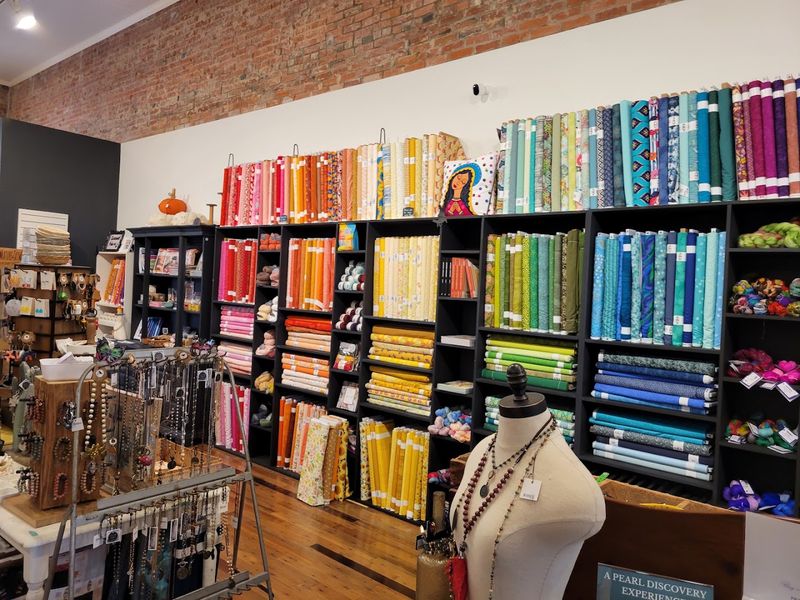
Elgin might surprise you with its creative energy, and this spot sits right at the heart of it. The building itself catches your eye with hand-painted details that hint at the artistic magic happening inside. Large windows showcase finished pieces that rotate regularly, giving you a preview of what you might create with the right guidance and materials.
Pottery and painting classes run throughout the week, accommodating different schedules and skill levels. The hands-on approach means you’re working on actual projects from day one, not just watching demonstrations. Clay work particularly appeals to people who think with their hands—there’s something primal and satisfying about shaping earth into functional or decorative objects.
The instructors bring professional experience without the intimidating attitude. They celebrate happy accidents and teach you to see mistakes as opportunities for creative problem-solving. This mindset shift often carries over into other areas of life, making you more adaptable and less afraid of imperfection.
Art becomes a practice in letting go of rigid expectations.
Open studio times let you work on personal projects with access to equipment that would be impractical to own at home. Kilns, pottery wheels, and quality paints become available without the upfront investment of setting up your own studio. You pay for what you use, making it affordable to explore different mediums before committing to one.
The small-town setting adds to the experience. Elgin offers a slower pace than Austin or Houston, and that energy infuses your creative time. You’re not rushing to a class in traffic-choked streets—you’re arriving relaxed and ready to focus.
The surrounding area provides inspiration too, with rural landscapes and historic architecture that might influence your artistic choices.
Finished pieces often become meaningful gifts or home decor that carries personal significance. A bowl you threw yourself or a canvas you painted holds different emotional weight than something mass-produced. Friends and family notice the difference, and you’ll find yourself explaining techniques or sharing stories about the creative process.
Your hobby becomes a conversation starter and a source of pride.
4. Jerry’s Artarama (Austin)
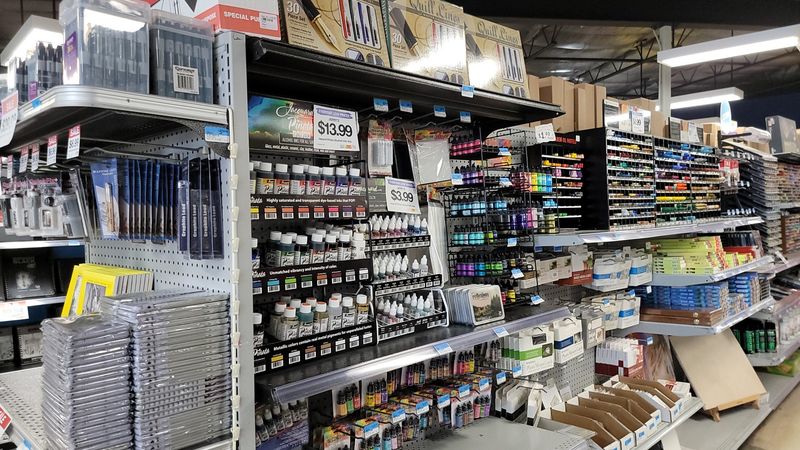
Art supply shopping becomes an experience rather than an errand when you have this much selection under one roof. Rows of paint tubes organized by color create a rainbow effect that’s almost hypnotic. Canvas sizes range from tiny squares perfect for experimental work to massive panels that demand ambitious vision.
The sheer variety pushes you to consider mediums you hadn’t thought about trying.
Beginners often feel paralyzed by choice, but the layout here makes sense once you understand basic categories. Acrylics, oils, watercolors—each section clearly marked with beginner-friendly options alongside professional-grade materials. Staff members roam the aisles ready to answer questions without hovering.
They understand that sometimes you need to browse and touch things to figure out what calls to you.
Painting offers unique therapeutic benefits that researchers continue to study. The focus required to mix colors and apply brushstrokes quiets mental chatter in ways that passive relaxation can’t match. You’re actively creating rather than consuming, which satisfies a deep human need to make things.
The visual nature of the work provides immediate feedback—you can literally see your progress with each session.
Budget considerations matter less than you might think when starting out. Student-grade supplies work perfectly well for learning fundamentals, and sales happen frequently. Many accomplished artists still use affordable materials for experimental work, saving premium supplies for pieces they plan to sell or exhibit.
The key is consistency—painting regularly with basic materials beats owning expensive supplies that sit unused.
Classes and workshops introduce techniques while letting you sample different approaches. Maybe you discover a love for abstract expressionism or find that detailed botanical illustrations suit your personality better. The exploratory phase should be playful rather than pressured.
You’re not committing to becoming a master—you’re discovering what brings you joy.
The Austin art community provides plenty of opportunities to share your work when you’re ready. Coffee shops, community centers, and local markets welcome emerging artists. Even if you never sell a piece, the act of creating regularly enriches your daily life.
You start noticing light, color, and composition everywhere. Ordinary scenes become potential subjects, transforming how you see the world around you.
5. You’re So Crafty (Seguin)
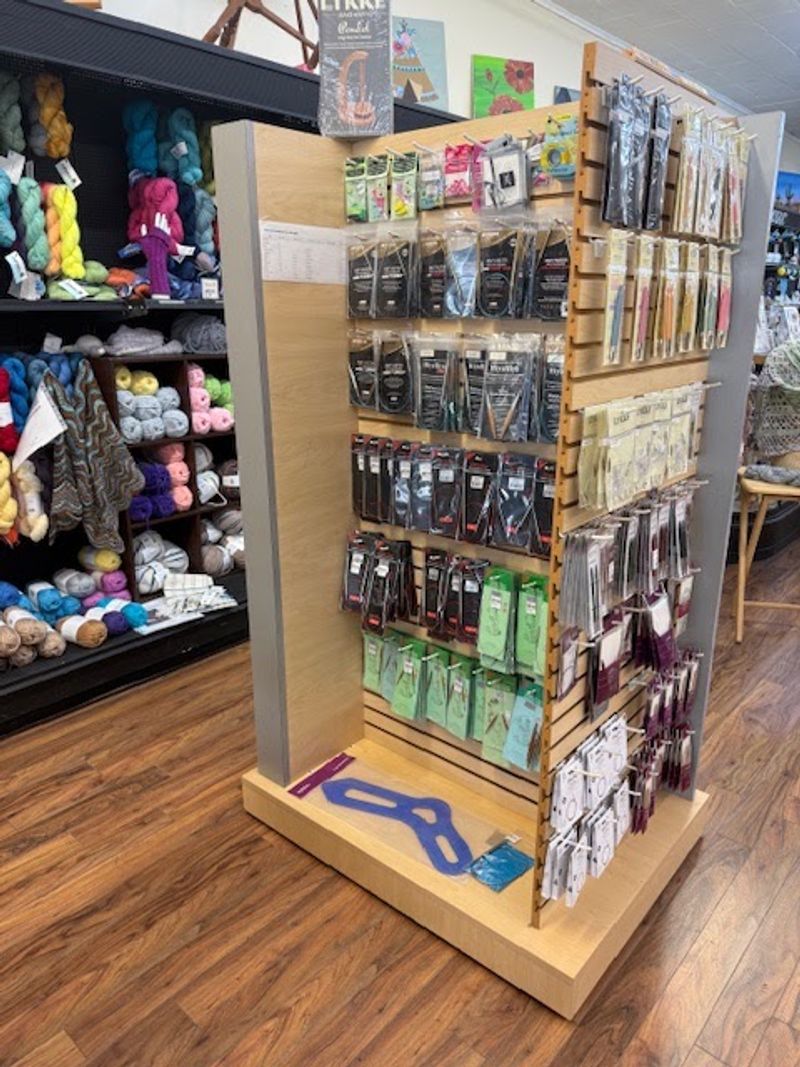
Scrapbooking has evolved far beyond the dated stereotype some people hold. Modern memory-keeping blends photography, journaling, and artistic design in ways that feel fresh and personal. This Seguin shop stocks contemporary papers, embellishments, and tools that help you document life’s moments with style.
The aesthetic leans toward clean designs rather than cluttered pages, appealing to minimalists and maximalists alike.
Digital photos live on phones and hard drives, rarely seen after the initial posting. Physical albums create tangible records that families actually flip through together. There’s something powerful about holding a book that chronicles a vacation, a child’s first year, or a beloved pet’s life.
The act of selecting photos, arranging them thoughtfully, and adding context through words creates a narrative that digital galleries can’t replicate.
The creative process itself provides the main reward. You’re making design decisions about layout, color coordination, and visual flow. Should this photo be large and centered or small and tucked into a corner?
Which patterned paper complements without overwhelming? These choices exercise your aesthetic judgment in low-stakes ways that build confidence over time.
Crop nights and group workshops turn solitary crafting into social events. Bring your photos and supplies, share ideas with other crafters, and leave with completed pages. The communal energy motivates productivity while the shared space prevents perfectionism from stalling your progress.
You see how others interpret similar themes differently, which expands your creative vocabulary.
Seguin’s small-town charm makes this shop feel like a neighborhood gathering spot rather than an impersonal retail environment. Regulars know each other by name, and newcomers receive warm welcomes. The owner understands that crafting communities thrive on encouragement and inspiration rather than competition.
You’re celebrating each other’s projects, not comparing skills.
The hobby scales beautifully to your available time. Spend fifteen minutes adding journaling to a single page or dedicate an afternoon to completing an entire album. Supplies store compactly, so you don’t need a dedicated craft room.
A portable organizer keeps essentials accessible for working at the kitchen table or taking to a friend’s house. The flexibility means your hobby adapts to life’s changing demands rather than becoming another source of guilt when schedules get hectic.
6. Tandy Leather (El Paso)
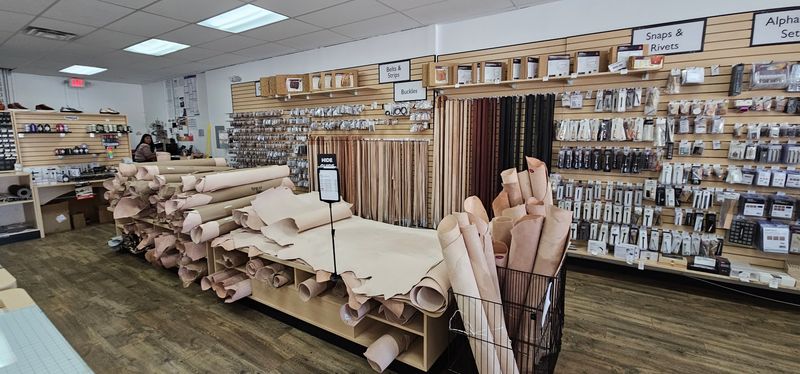
Leather crafting connects you to an ancient tradition while producing thoroughly modern goods. The smell of quality leather and the feel of working with your hands on durable material appeals to people tired of disposable consumer culture. Creating a belt, wallet, or bag from scratch teaches patience and precision while resulting in items that actually improve with age and use.
El Paso’s proximity to ranching culture and Western heritage makes it a natural home for this craft. The store carries everything from vegetable-tanned leather that develops rich patinas to chrome-tanned options better suited for specific projects. Hardware selections let you customize pieces with your preferred aesthetic—minimal and sleek or bold and decorative.
The learning curve is steeper than some crafts, but that challenge attracts a certain personality. You’re not just gluing things together—you’re cutting patterns, beveling edges, tooling designs, and hand-stitching with specialized techniques. Each skill builds on the previous one, creating a clear progression path.
Beginners start with simple projects like keychains or cardholders before advancing to more complex items.
Classes provide hands-on instruction that’s difficult to replicate through online videos alone. Instructors correct your technique in real-time, preventing bad habits from forming. They also share tips about tool maintenance, leather selection, and finishing methods that come from years of experience.
The investment in a few classes saves frustration and wasted materials down the road.
Quality tools matter more in leatherwork than many other crafts. A good knife, proper stamps, and sturdy needles make the process smoother and more enjoyable. The store helps you build a toolkit gradually, prioritizing essential items before specialty tools.
Many leather workers use the same basic equipment for decades, making the initial investment worthwhile.
Functional items you use daily carry extra satisfaction when you made them yourself. That wallet in your pocket or bag on your shoulder represents hours of focused work. Friends notice and often request custom pieces, which can evolve into a side business if you’re interested.
Even if you never sell anything, the skills let you repair and modify leather goods, extending their lifespan and saving money. You become less dependent on mass-produced options and more confident in your ability to create what you need.
7. CRAFT (Austin)
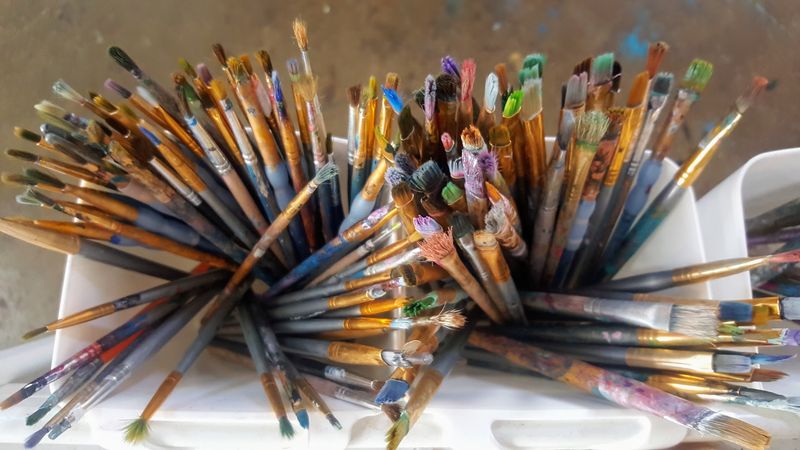
Who says crafting can’t include cocktails? This Austin concept combines creative workshops with a bar atmosphere, making craft nights feel more like social outings than homework. The rotating schedule features different projects each week—macrame plant hangers, embroidered patches, candle making, or block printing.
You sign up for what interests you, show up ready to learn, and leave with a finished project and new skills.
The social aspect removes barriers that keep some people from trying new hobbies. You’re not committing to a six-week class or investing in supplies before knowing if you’ll enjoy the activity. Each workshop is self-contained, letting you sample various crafts without pressure.
The casual vibe attracts people who might feel intimidated by traditional craft stores or formal classes.
Instructors bring professional expertise in their specific craft while maintaining a laid-back teaching style. They demonstrate techniques clearly, circulate to help with individual questions, and encourage creative interpretation rather than demanding perfect replication. The goal is enjoyment and experimentation, not producing museum-quality work on your first try.
Austin’s creative community thrives on spaces that blur traditional boundaries. Why shouldn’t learning a new skill be fun and social rather than solitary and serious? The bar element adds adult sophistication to activities sometimes dismissed as childish.
You’re not doing elementary school crafts—you’re exploring design principles, color theory, and material properties while enjoying thoughtfully crafted drinks.
Many participants come alone and leave with new friends who share creative interests. The shared experience of learning something new creates natural conversation topics and bonding opportunities. You might discover a craft buddy who wants to continue exploring the medium together, or simply enjoy an evening of focused creativity without the isolation of working alone at home.
The low-commitment format suits people testing the waters before diving deeper. Maybe that macrame workshop reveals a passion you want to pursue seriously, leading you to seek out additional classes and supplies. Or perhaps you enjoy the variety of trying something different each month without specializing.
Both approaches are valid, and the flexible structure accommodates different goals. You’re expanding your creative repertoire one enjoyable evening at a time, without the pressure of long-term commitment or significant financial investment.
8. Music & Arts (Cedar Park)
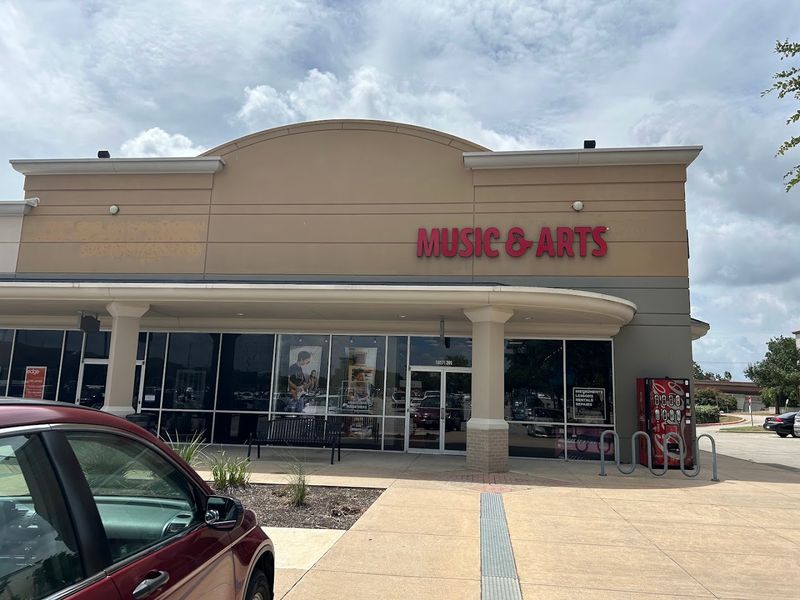
Band parents know this place well, but it serves anyone wanting to start or restart a musical journey. The rental program makes trying an instrument financially feasible, especially important when you’re not sure if the initial enthusiasm will last. Monthly payments keep costs manageable while giving you access to properly maintained instruments that won’t frustrate beginners with poor quality.
Cedar Park’s family-friendly atmosphere extends to the store’s approach. Staff members patiently explain options to parents navigating school music programs while also serving adult learners pursuing personal goals. The non-judgmental environment means you won’t feel silly asking basic questions about instruments or music theory.
Everyone starts somewhere, and the employees remember their own learning curves.
Lessons happen right in the store, connecting you immediately with qualified instructors. The convenience of one-stop shopping for instrument, supplies, and instruction removes common obstacles. You’re not coordinating multiple locations or trying to find a teacher through random internet searches.
The vetted instructors follow proven methods while adapting to individual learning styles and goals.
Woodwinds, brass, strings, percussion—the variety lets you explore sounds that speak to you personally. Maybe you’ve always loved the rich tone of a saxophone or felt drawn to the violin’s expressive range. Trying different instruments during the decision phase helps you find the right match.
Physical comfort, musical preferences, and practical considerations like volume all factor into choosing wisely.
Group classes and ensemble opportunities add the social dimension that keeps many people engaged long-term. Playing with others develops listening skills, timing, and the joy of creating harmony. The accountability of showing up for rehearsal motivates practice more effectively than solitary goals.
You’re contributing to something larger while improving your individual skills.
Music education benefits extend beyond the technical ability to play an instrument. Discipline, goal-setting, and delayed gratification all develop through consistent practice. You learn that progress comes from regular effort rather than occasional bursts of enthusiasm.
These lessons transfer to other areas of life, making music study valuable even if you never perform publicly. The personal satisfaction of mastering a challenging piece or improvising confidently provides rewards that last long after the final note fades.
9. Texas Art Supply (Houston)

Professional artists and serious hobbyists find their materials here, where the selection goes deeper than typical craft stores. Obscure pigments, specialty brushes, and archival-quality papers line the shelves for those who know exactly what they need. But the knowledgeable staff also helps newcomers navigate options without overwhelming them, understanding that today’s beginner might become tomorrow’s dedicated artist.
Houston’s art scene benefits from having a supplier that takes the craft seriously. The store hosts demonstrations by visiting artists, product launches for new materials, and informal gatherings where the community shares techniques and inspiration. These events transform shopping trips into educational experiences that deepen your understanding of materials and methods.
Drawing often gets overlooked in favor of more colorful mediums, but it forms the foundation of visual art. Pencils, charcoal, pastels, and ink each offer unique expressive possibilities. The store’s drawing section rivals what you’d find in major art capitals, giving you access to tools used by masters throughout history.
Starting with drawing builds observational skills and hand-eye coordination that benefit all other artistic pursuits.
Printmaking supplies occupy significant space, reflecting Houston’s strong printmaking tradition. Linoleum blocks, brayers, specialty papers, and inks let you explore this satisfying medium. The repetitive nature of printing editions appeals to people who enjoy process-oriented work.
Each print varies slightly despite using the same block, creating collectible series rather than single pieces.
Framing services help you present finished work professionally. Proper framing protects your art while enhancing its visual impact. Learning about matting, glass options, and frame styles adds another dimension to your artistic knowledge.
You start seeing framing as part of the creative process rather than an afterthought.
The warehouse atmosphere keeps overhead low, which translates to competitive pricing on quality materials. Bulk buying options let you stock up on frequently used supplies at better rates. For people committed to regular art practice, these savings add up significantly over time.
You’re investing in your creative development without unnecessary markup.
Exploring different mediums keeps your artistic practice fresh and challenging. Maybe you’ve painted for years but never tried soft pastels or water-soluble graphite. Having access to diverse materials in one location encourages experimentation.
You might discover a new favorite medium or develop hybrid techniques that become your signature style.
10. Beehive Craft Studio (Austin)
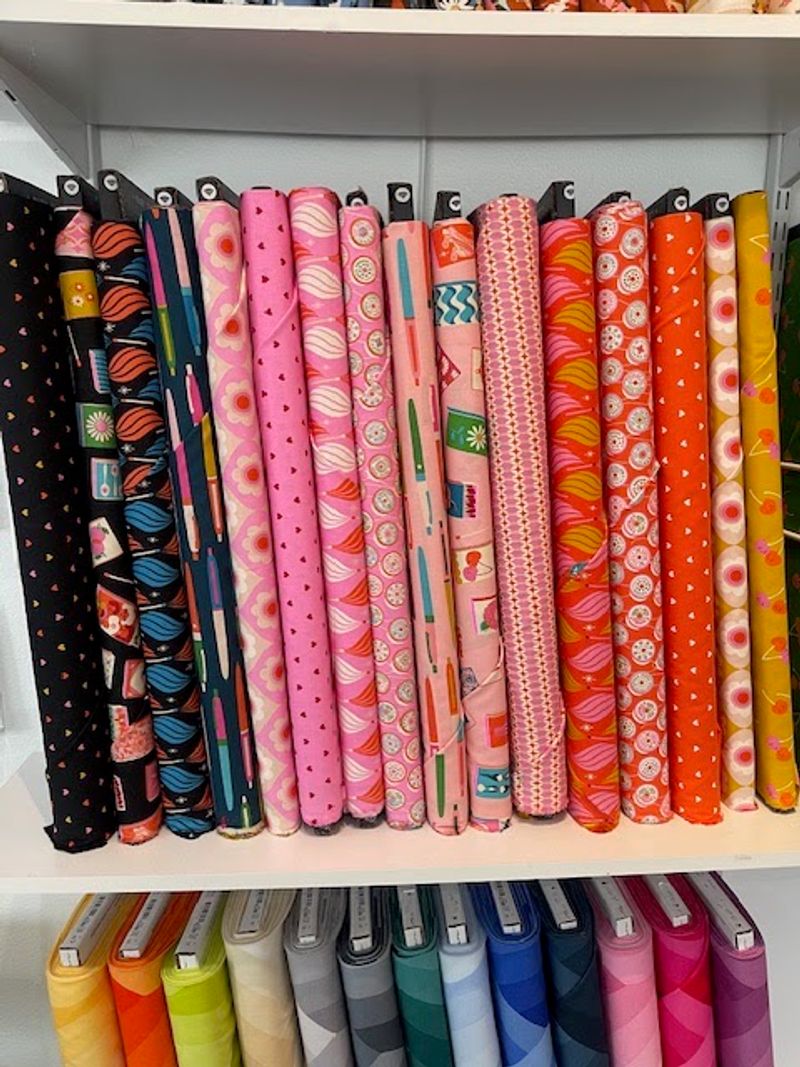
Community craft spaces solve the problem of needing equipment and inspiration without committing to a home studio. This Austin spot offers open crafting times where you bring your projects and work alongside other makers. The shared tables, good lighting, and access to tools you might not own create an ideal environment for productivity.
Plus, you’re surrounded by people who get excited about your progress rather than wondering why you’re spending Saturday afternoon gluing things.
The studio model provides flexibility that traditional classes sometimes lack. Come when your schedule allows, work on whatever project interests you, and stay as long as you want. Monthly memberships or day passes accommodate different usage patterns.
You’re not locked into specific times or projects, giving you freedom to follow your creative impulses.
Supplies available for purchase mean you don’t have to haul everything from home. Forgot your scissors? Need more glue?
Want to try a material you don’t own? The convenience removes friction that sometimes derails creative sessions. You can be more spontaneous, deciding on a whim to add elements you hadn’t originally planned.
Workshops and skill-shares happen regularly, taught by community members with expertise in specific techniques. The peer-to-peer learning model feels less formal than instructor-led classes. Someone who’s mastered embroidery teaches an afternoon session, while another member shares bookbinding basics next week.
The rotating topics expose you to techniques you might never have considered trying.
Austin’s creative energy concentrates in spaces like this where makers support each other. You’ll see everything from quilting to jewelry making to paper crafts happening simultaneously. The cross-pollination of ideas sparks innovation—a quilter might incorporate techniques observed from someone doing mixed media collage.
The diversity of crafts represented broadens your creative vocabulary even if you stick to one primary medium.
Accountability increases when you’ve paid for studio time or planned to meet craft friends there. You’re more likely to actually work on projects rather than letting supplies gather dust at home. The designated creative space helps your brain shift into making mode, leaving daily stresses at the door.
You’re giving yourself permission to focus solely on the pleasure of creating without guilt about other tasks waiting.
Finding your creative community matters as much as developing skills. These connections provide encouragement during frustrating phases, celebrate your successes, and introduce you to opportunities you wouldn’t discover alone. Your hobby becomes woven into your social life in ways that enrich both.