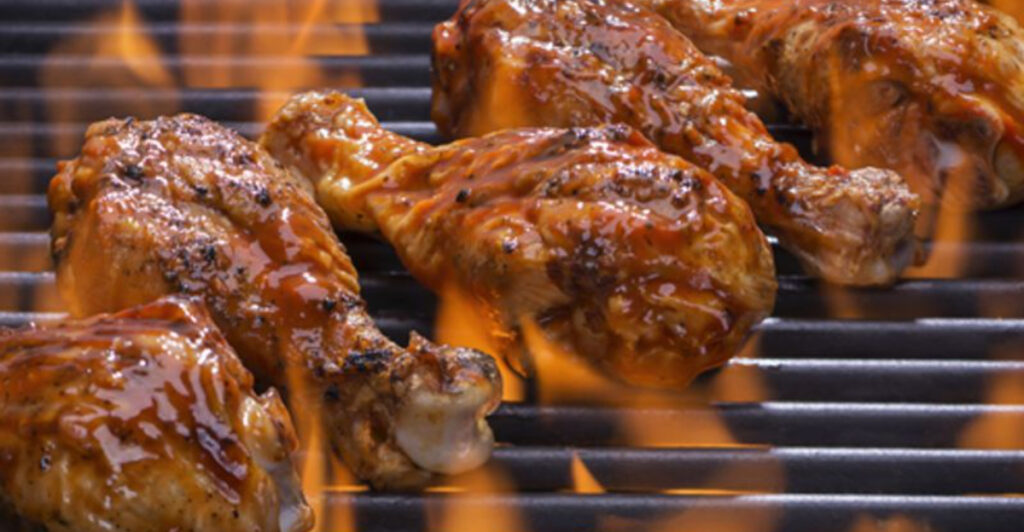
There’s something deeply comforting about walking into a restaurant where the recipes haven’t changed in decades and the kitchen still smells like your grandmother’s house on Sunday morning. These twelve Texas restaurants have refused to modernize their cooking methods, sticking instead to time-tested techniques that produce flavors you simply can’t replicate with shortcuts. From hand-rolled tortillas to mesquite-smoked brisket that takes all night to perfect, these spots prove that the old ways are often the best ways.
1. Perini Ranch Steakhouse (Buffalo Gap)
Out in the middle of West Texas ranch country sits a steakhouse that’s been grilling over mesquite wood since 1983. The smoke from those fires has seasoned the walls, the tables, and probably the ground itself by now. Every steak gets the same treatment it did on opening day—seasoned simply, cooked over real wood fire, and served when it’s ready.
The kitchen doesn’t have fancy equipment or sous vide machines. What it does have is a massive mesquite grill and cooks who know exactly how long each cut needs over those flames. The beef comes from nearby ranches, and the preparation stays true to ranch cooking traditions that go back generations.
You won’t find molecular gastronomy or deconstructed anything here.
Tom Perini started this place as a way to feed hunters and ranchers, not tourists looking for Instagram moments. The menu reflects that practical approach—steaks, beans, bread, and not much else. Everything gets made from scratch daily, including the bread that comes out warm before your meal.
The beans simmer for hours in cast iron pots, developing that deep, complex flavor that only comes from patience.
Dinner happens family-style at long tables where strangers become friends over shared platters. This setup isn’t a gimmick—it’s how ranch meals have always worked. The portions are generous because ranch work burns calories, and nobody leaves hungry.
The atmosphere feels authentic because it is authentic, not designed by a consultant to feel rustic.
Located about fifteen miles from Abilene, the drive to Buffalo Gap takes you through genuine ranch land where cattle outnumber people. The restaurant itself looks like it belongs there, with its weathered wood exterior and wide porches. Inside, the decor consists mostly of ranch equipment and family photos, nothing purchased from a Western-themed catalog.
This place earned its reputation one properly cooked steak at a time, without shortcuts or compromises to modern trends.
2. Avalon Diner (Houston)
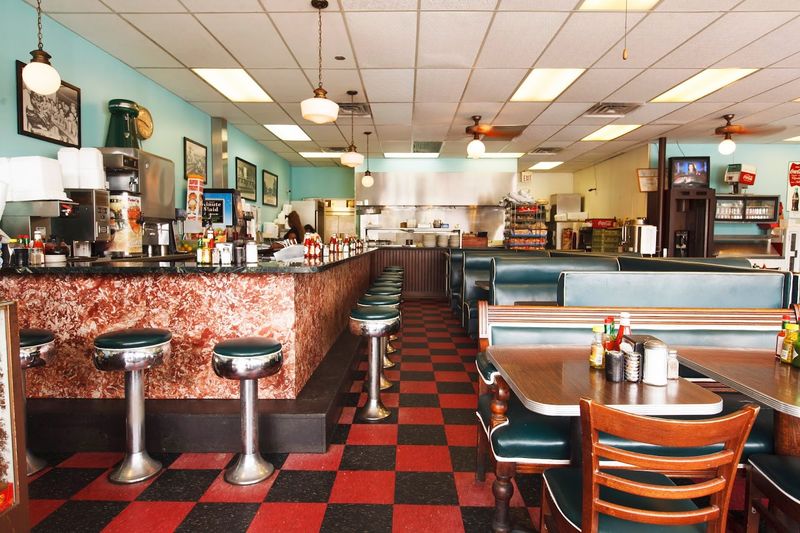
Since 1938, this Houston diner has been serving breakfast and lunch the way diners used to do it—everything made to order, nothing pre-packaged, and the griddle never stops. The building itself dates back to the 1930s, and walking through the door feels like stepping into a different era. The counter wraps around the open kitchen where you can watch every egg crack and every burger flip.
The menu hasn’t been redesigned by food consultants or updated for modern tastes. Pancakes come thick and fluffy because they’re made from scratch batter mixed fresh each morning. The hash browns get shredded from actual potatoes, not pulled from a freezer bag.
Every sandwich gets assembled by hand with ingredients sliced that day. This approach takes more time and costs more money, but it’s the only way these folks know how to cook.
Regulars have been coming here for decades, some since childhood, now bringing their own grandchildren. The waitstaff knows most customers by name and remembers their usual orders. This isn’t corporate hospitality training—it’s genuine relationships built over years of morning coffee and conversation.
The atmosphere buzzes with the comfortable energy of a place where people belong.
The kitchen uses the same basic equipment diners have always used—flat griddles, deep fryers, and elbow grease. No convection ovens, no high-tech timers, just experienced cooks who know when something’s done by look and feel. The coffee pot stays full all day, and refills come without asking.
Portions run generous because that’s how diner food works.
Located in a neighborhood that’s changed dramatically over the years, Avalon remains a constant. The red vinyl booths have been reupholstered but not replaced. The counter stools still spin.
The black and white checkered floor still gleams. This place survives because it never tried to become something it wasn’t, sticking instead to the formula that worked in 1938 and still works today.
3. Koffee Kup Family Restaurant (Hico)
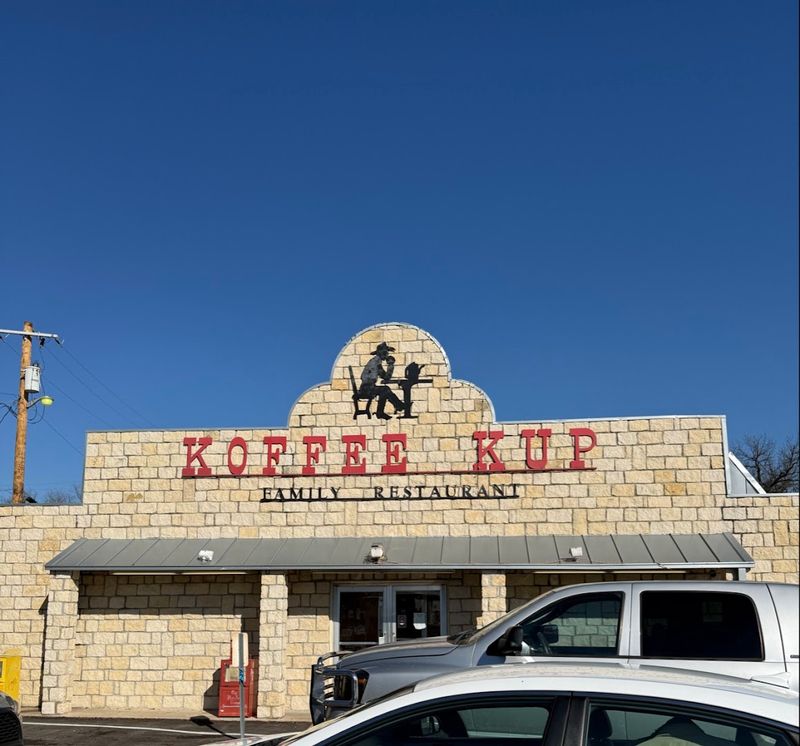
In a town with fewer than 1,400 residents, this restaurant has been the social center since 1967. The pies sit in a glass case by the register, each one baked that morning using recipes that haven’t changed in over fifty years. Meringue towers three inches high on the chocolate pie because that’s the proper way to do it.
The crust flakes when you press your fork through it because real butter and lard make better pastry than shortening ever could.
Breakfast starts early when ranchers and farmers need fuel before heading to work. The kitchen cracks dozens of eggs every morning, fries pounds of bacon, and makes gravy from the drippings in cast iron skillets. The biscuits come out of the oven in waves throughout the morning, each batch as good as the last.
Nothing comes pre-made or frozen, which means everything takes longer but tastes infinitely better.
Lunch brings chicken fried steak that gets hand-battered and fried to order. The mashed potatoes are actually mashed, complete with a few lumps that prove they started as real potatoes. Green beans simmer with bacon and onions until they’re tender but not mushy.
This is Texas comfort food executed the way grandmothers did it—with time, attention, and quality ingredients.
The dining room fills with locals who’ve been coming here for decades alongside visitors who heard about the pies. Conversations flow between tables because small town restaurants work that way. The staff treats everyone like family, whether you’re a regular or visiting for the first time.
Service moves at a pace that allows for conversation, not rushed to turn tables quickly.
Hico itself feels frozen in time, with its historic downtown and quiet streets. The restaurant fits perfectly into this setting, preserving not just recipes but an entire way of dining that’s disappeared from most places. The building has character that can’t be faked—worn wooden floors, vintage fixtures, and walls covered with local history.
Every element reinforces the message that good food doesn’t need to change with trends.
4. Joe Allen’s Pit Bar-B-Que (Abilene)
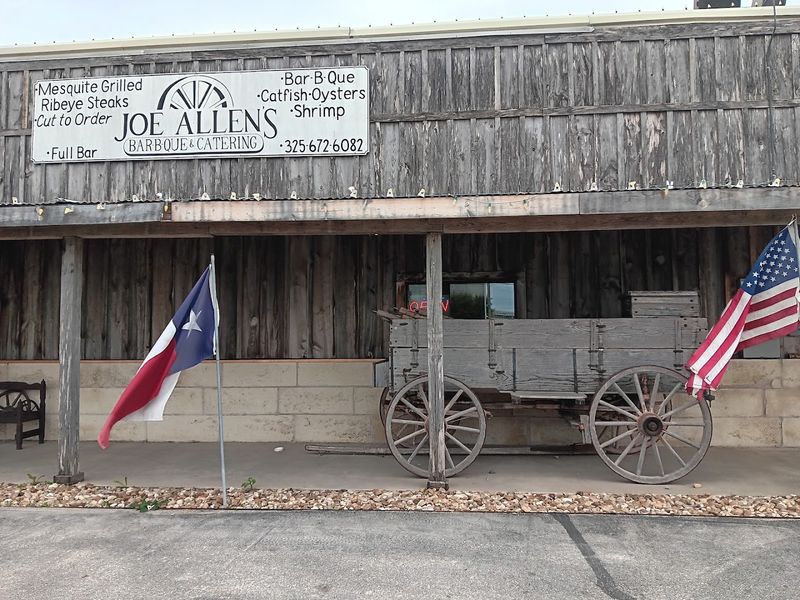
Real barbecue takes time, and nobody at this Abilene institution has ever tried to rush the process. The briskets go into the smoker late at night and don’t come out until they’re ready, which might be twelve hours later or might be fourteen. The pitmasters check by feel and experience, not by thermometer and timer.
This method produces barbecue with a smoke ring that goes deep and bark that crunches before giving way to tender meat.
The smoker burns oak and mesquite, nothing else. No gas assist, no electric elements, just wood fire and smoke doing what they’ve done for centuries. The smell hits you in the parking lot and follows you home on your clothes.
Inside, the menu stays simple—brisket, ribs, sausage, and a few sides. This isn’t a barbecue fusion restaurant or a place experimenting with unusual flavor combinations. It’s straightforward Texas barbecue done right.
Sides get made from scratch in quantities large enough to feed the crowds that show up daily. Potato salad gets mixed by hand with proper proportions of potatoes, eggs, pickles, and mayo. Beans simmer with brisket trimmings until they’re rich and smoky.
Coleslaw provides the necessary crunch and acid to balance the rich meat. None of these sides come from institutional food service containers.
The dining room operates cafeteria-style, with customers ordering at the counter and carrying their own trays. This no-frills approach keeps prices reasonable and service quick without sacrificing quality. Picnic tables provide seating, and paper towels serve as napkins because barbecue is messy business.
The walls display photos of satisfied customers and local sports teams, creating a gallery of community history.
Joe Allen opened this place in 1986 with the goal of serving authentic pit barbecue, and that mission hasn’t changed. The techniques stay traditional because they produce superior results. The recipes remain consistent because they work.
This restaurant has watched countless barbecue trends come and go while maintaining its commitment to the fundamentals—good meat, proper smoke, and enough time to do it right. That dedication shows in every bite.
5. Tortilleria Terrell (Terrell)
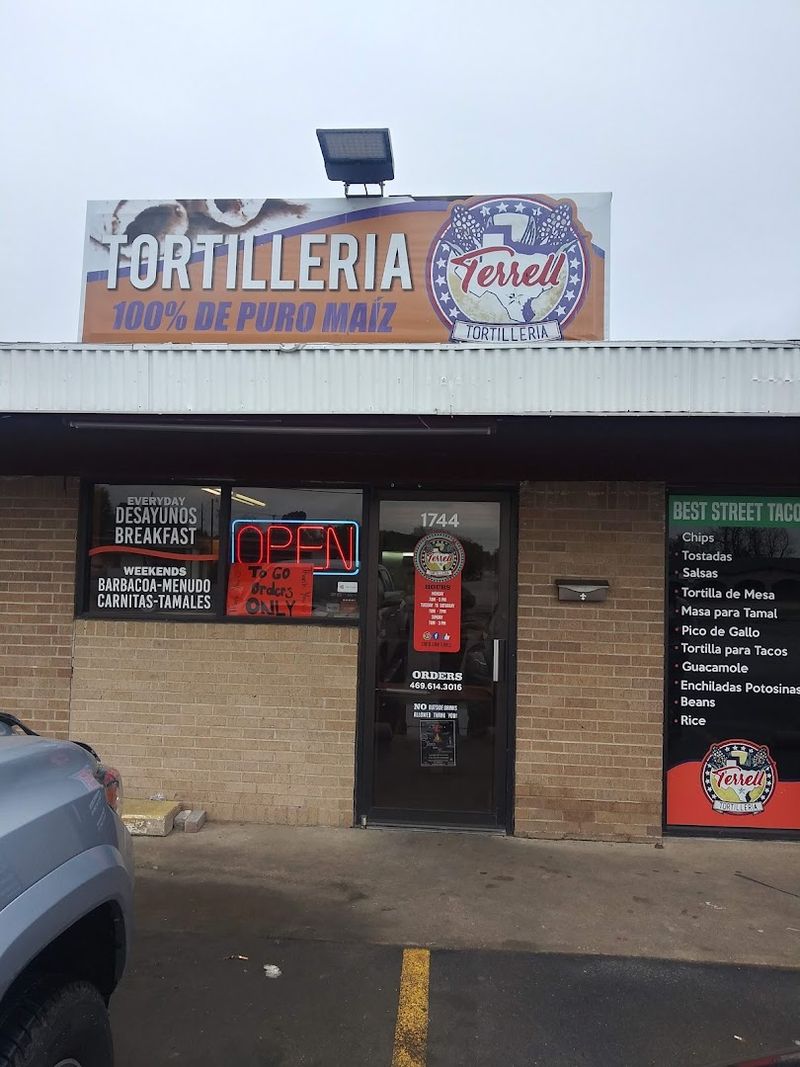
Walk into this place and you’ll immediately smell fresh masa, that distinctive corn aroma that only comes from tortillas being made the proper way. The machines that press and cook these tortillas have been running since the 1970s, and the process hasn’t changed since then. Corn gets soaked in lime water overnight, ground into masa the next morning, and formed into tortillas throughout the day.
This traditional nixtamalization process isn’t just about following tradition—it makes the corn more nutritious and gives the tortillas superior flavor and texture.
The tortillas come off the line warm and pliable, perfect for immediate use. Restaurants throughout the area depend on these tortillas because they know the quality stays consistent. Home cooks stop by to pick up a few dozen for weekend meals.
The difference between these and mass-produced tortillas becomes obvious with the first bite—these have corn flavor, proper texture, and flexibility that doesn’t come from added chemicals or preservatives.
Beyond tortillas, the shop makes tamales using family recipes that go back generations. The masa gets mixed to the right consistency by feel, not measurement. The fillings simmer for hours until the flavors develop properly.
Each tamale gets wrapped by hand in corn husks, a time-consuming process that machines can’t replicate with the same care. The result justifies the effort—tamales that taste like someone’s grandmother made them, because essentially someone’s grandmother did develop these recipes.
The shop also sells fresh masa by the pound for customers who want to make their own tortillas or tamales at home. This service has become rare as fewer people cook from scratch, but Tortilleria Terrell maintains it because some customers still want to do things the old way. The staff provides advice on technique and proportions, passing along knowledge that might otherwise disappear.
Located in a modest building that prioritizes function over appearance, this tortilleria represents a direct connection to Mexican culinary traditions. The equipment might look dated, but it produces results that modern machinery can’t match. The commitment to traditional methods preserves not just recipes but an entire approach to food that values quality, authenticity, and cultural heritage over convenience and profit margins.
6. Blue Bonnet Cafe (Marble Falls)
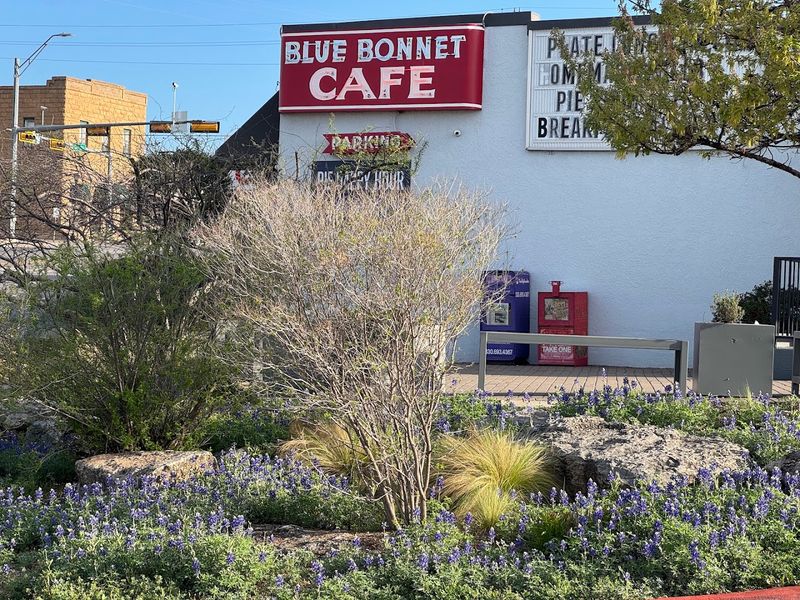
Since 1929, this cafe has been serving Hill Country travelers and locals the kind of food that makes you want to loosen your belt and order another slice of pie. The building sits right on Highway 281, positioned to catch hungry folks passing through Marble Falls. The blue exterior and vintage sign haven’t changed much over the decades, and neither has the commitment to cooking everything from scratch.
Breakfast brings crowds that sometimes stretch out the door, all waiting for biscuits made by hand every morning. The gravy gets stirred in cast iron skillets, developing that deep flavor that only comes from proper technique and real drippings. Eggs come cooked to order, not held under heat lamps.
Hash browns get hand-shredded from potatoes that arrived whole, then fried until crispy on the outside and tender inside.
The lunch and dinner menus feature Texas classics executed with care. Chicken fried steak gets pounded thin, dipped in seasoned batter, and fried until golden. The cream gravy that covers it starts with a proper roux and gets seasoned until it tastes like comfort itself.
Meatloaf comes mixed and formed by hand, then baked until it develops a caramelized crust. These dishes might seem simple, but they require skill and attention to execute properly.
Then there’s the pie situation. The display case holds more varieties than seems possible in a kitchen that size—coconut cream, chocolate meringue, pecan, buttermilk, and whatever fruit is in season. Each pie gets made fresh daily using techniques that require actual baking knowledge, not just following instructions on a box.
The meringue gets whipped to stiff peaks and browned with a torch. The crusts flake because they contain proper proportions of fat and flour, mixed just enough and no more.
The dining room maintains its vintage character with worn wooden booths and old photographs covering the walls. Regulars occupy the same seats they’ve claimed for years, reading newspapers and chatting with staff who remember their names. This restaurant has survived nearly a century by refusing to cut corners or modernize in ways that would compromise quality.
That steadfast approach has created something increasingly rare—a genuine roadside cafe that still does everything right.
7. Tel-Wink Grill (Houston)
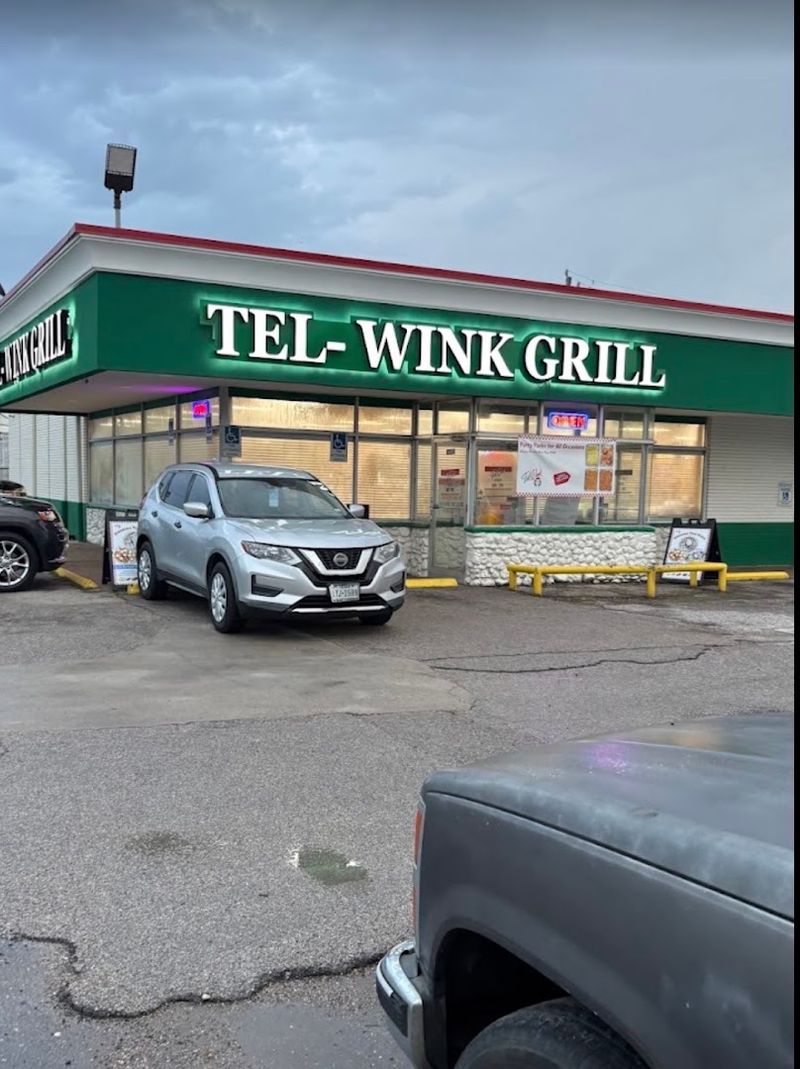
Operating since 1947, this Houston institution has perfected the art of the greasy spoon breakfast. The griddle has been seasoned by decades of bacon grease and burger fat, creating a surface that cooks with unmatched flavor. The counter seats about fifteen people, all facing the kitchen where they can watch their food being prepared.
This open arrangement creates accountability—you see exactly how your meal gets made.
The menu reads like a time capsule of mid-century diner food. Eggs come with hash browns, toast, and your choice of bacon or sausage. Pancakes arrive thick and substantial, the kind that actually fill you up.
The burgers get formed from fresh ground beef, seasoned simply, and cooked on that legendary griddle until they develop a crust that adds texture and flavor. These aren’t gourmet burgers with fancy toppings—they’re classic diner burgers done exactly right.
The name Tel-Wink comes from the telephone company workers who used to stop here, and the restaurant still serves shift workers who need food at odd hours. The atmosphere reflects this working-class heritage—functional, unpretentious, and focused on feeding people efficiently. The staff moves with practiced efficiency, managing multiple orders simultaneously while maintaining quality and accuracy.
Coffee flows constantly from pots that never seem to empty. The brew is strong and hot, served in heavy ceramic mugs that retain heat. Refills come automatically because that’s how diners work.
The toast gets buttered while still hot so it melts into the bread. The hash browns get pressed flat on the griddle and cooked until crispy edges form around a tender center.
The building itself looks like it belongs in a different era, with its simple storefront and minimal signage. Inside, the decor consists mostly of necessary equipment and a few old photographs. Nothing cutesy or manufactured, just the accumulated character of a place that’s been feeding people honestly for over seventy years.
The survival of Tel-Wink in a city that’s changed dramatically around it proves that quality and consistency still matter. When you do simple food exceptionally well, people keep coming back regardless of trends or competition.
8. Paris Coffee Shop (Fort Worth)
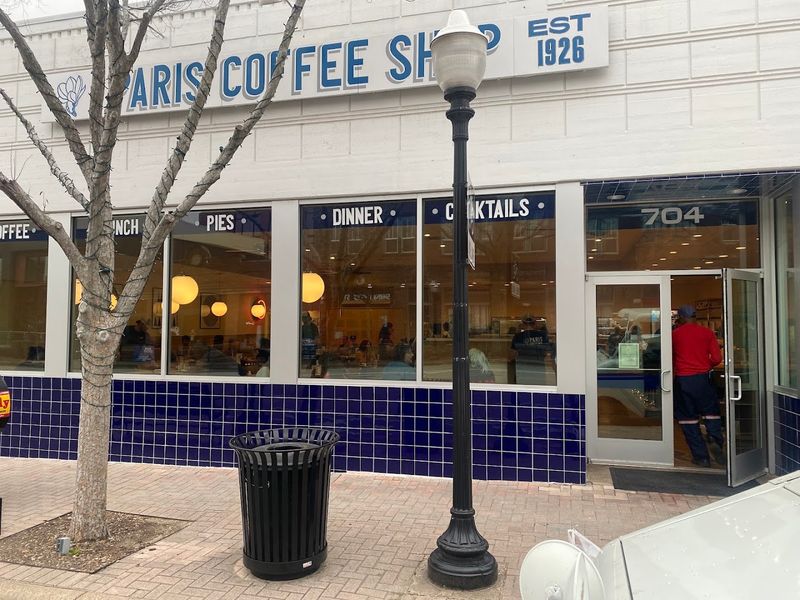
Despite the name suggesting French sophistication, this Fort Worth landmark serves straightforward Texas diner food and has since 1926. The coffee shop occupies a building that’s seen Fort Worth transform from cattle town to modern city, but the menu and methods inside have remained remarkably consistent. The counter dominates the small space, with a few booths along the wall for those who prefer table seating.
Breakfast is the main event here, with regulars claiming their usual spots before the sun fully rises. The kitchen turns out eggs, bacon, and toast with assembly-line efficiency, yet each order gets individual attention. The hash browns arrive crispy because they’re cooked properly on a flat griddle with enough oil and patience to develop that golden crust.
The toast comes buttered and warm, cut diagonally because that’s the civilized way to serve toast.
The biscuits deserve special mention—they’re made from scratch daily using a recipe that produces the right combination of flakiness and tenderness. Served with gravy made from sausage drippings and flour, they represent Texas breakfast food at its finest. The gravy gets seasoned properly with black pepper and salt, creating that addictive savory flavor that makes you want to soak up every drop with your biscuit.
Lunch brings a rotation of daily specials that reflect home cooking traditions—meatloaf on Mondays, chicken fried steak on Wednesdays, that sort of reliable schedule. The portions run generous because the customers include working folks who need fuel to make it through the day. Vegetables get cooked until tender, not left crunchy in some misguided attempt at health food.
Everything gets seasoned properly, which seems basic but has become surprisingly rare.
The atmosphere feels authentically worn-in, with fixtures and furniture that have earned their patina through years of use. The staff includes servers who’ve worked here for decades, building relationships with customers that span generations. This continuity creates a sense of stability and tradition that’s increasingly valuable in a rapidly changing world.
Paris Coffee Shop endures because it never pretended to be anything other than what it is—a honest diner serving good food to people who appreciate consistency and quality.
9. Lankford Grocery & Market (Houston)
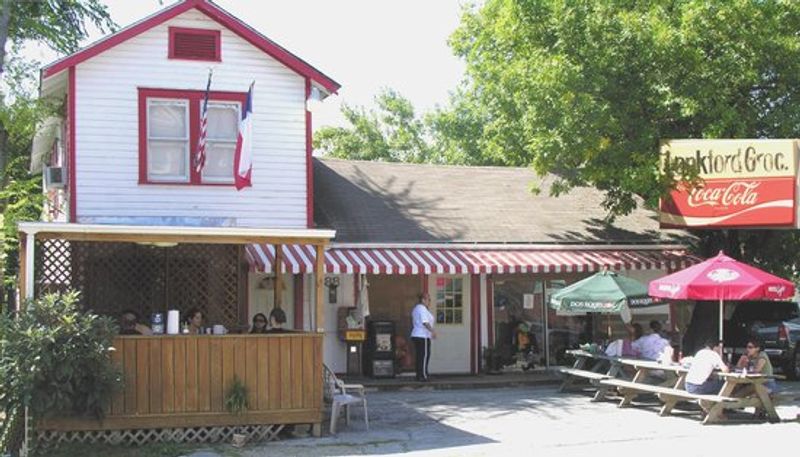
This former grocery store has been grinding its own beef and making burgers since 1977, long before “artisanal” and “craft” became marketing buzzwords. The building still looks like the neighborhood grocery it once was, complete with the original facade and layout. Inside, the transformation to burger joint left most of the grocery store character intact, creating an atmosphere that’s genuinely quirky rather than deliberately designed to seem quirky.
The burgers get made from beef ground in-house, formed into patties, and cooked to order on a flat top griddle. The buns come from a local bakery and get toasted until golden. The toppings include standard options plus some creative choices, but the foundation remains a properly cooked beef patty with good texture and flavor.
This approach sounds simple until you realize how many burger places fail at these basics.
Beyond burgers, the menu includes other sandwiches and plate lunches that change based on what’s available and what the kitchen feels like making. This flexibility allows for creativity while maintaining quality standards. The chicken salad gets made fresh using real chicken, not canned.
The daily specials might include meatloaf, pot roast, or other home-style dishes that require time and technique to execute properly.
The dining room consists of mismatched tables and chairs that look like they came from various sources over the years. The walls display an eclectic collection of signs, photos, and memorabilia that accumulated organically rather than being curated for effect. This authentic clutter creates character that designed restaurants spend fortunes trying to replicate.
The atmosphere feels relaxed and welcoming, with none of the pretension that sometimes accompanies food that’s actually this good.
Service comes friendly but straightforward—you order at the counter, take a number, and wait for your food to arrive. The staff knows the regulars and treats newcomers with the same warmth. Lines often form during peak hours, but people wait patiently because they know the food will be worth it.
Lankford represents a dying breed of neighborhood spots that prioritize quality and community over expansion and profit maximization. The commitment to grinding beef fresh and cooking everything to order hasn’t wavered in nearly fifty years.
10. West Side Cafe (Fort Worth)
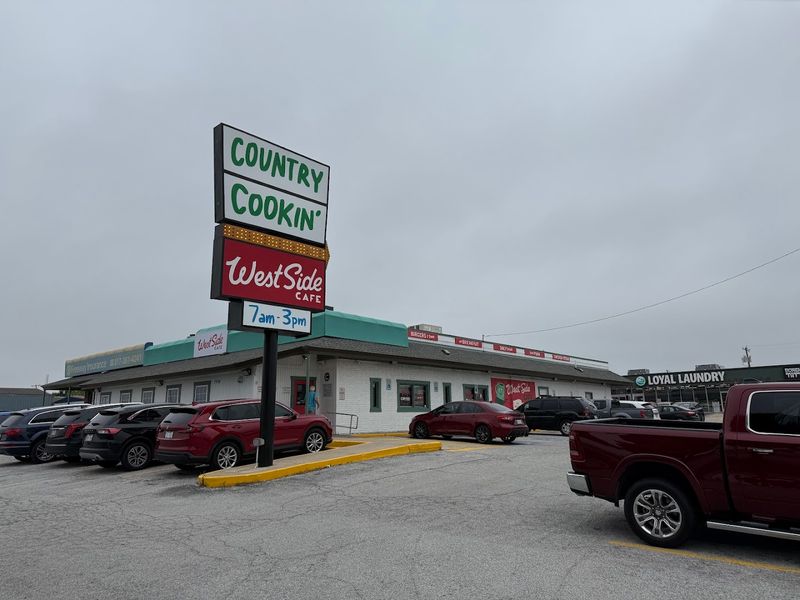
Tucked into a Fort Worth neighborhood, this cafe has been serving breakfast and lunch since the late 1980s with zero pretension and maximum flavor. The building looks modest from the outside, giving no hint of the quality food being prepared inside. The dining room holds maybe a dozen tables, creating an intimate atmosphere where conversations between strangers happen naturally and staff remembers faces after just a couple visits.
Breakfast dominates the morning, with a menu that covers all the classics plus a few house specialties. The migas come loaded with eggs, tortilla chips, cheese, and your choice of additions, all scrambled together into that perfect Tex-Mex breakfast combination. The pancakes arrive fluffy and substantial, made from batter mixed fresh each morning.
The bacon gets cooked until crispy but not burned, which requires attention and timing that many places don’t bother with anymore.
The lunch menu rotates through home-style favorites—enchiladas, tacos, chicken fried steak, and daily specials that might include pot roast or meatloaf. Everything gets made in-house using techniques that take more time but produce superior results. The enchiladas come with homemade sauce that’s been simmered until the flavors develop complexity.
The refried beans taste like beans, not like paste from a can. The rice gets cooked properly so each grain remains distinct.
The kitchen operates in full view, with just a low divider separating it from the dining area. This openness means customers can see the care and cleanliness that goes into every dish. The cooks work efficiently but never rush, understanding that good food requires proper timing.
The ingredients look fresh because they are fresh—vegetables get chopped daily, meat gets trimmed and prepared on-site, and nothing arrives pre-made.
Prices remain remarkably reasonable considering the quality and portion sizes. This isn’t a place trying to maximize profit per square foot or turn tables quickly. It’s a neighborhood cafe focused on feeding people well at fair prices.
The regulars include families who’ve been coming for years, workers from nearby businesses, and locals who appreciate having a spot where the food tastes like someone’s grandmother made it. West Side Cafe survives in a competitive restaurant market by doing one thing exceptionally well—honest, home-style cooking made the right way every single time.
11. Dot Coffee Shop (Houston)
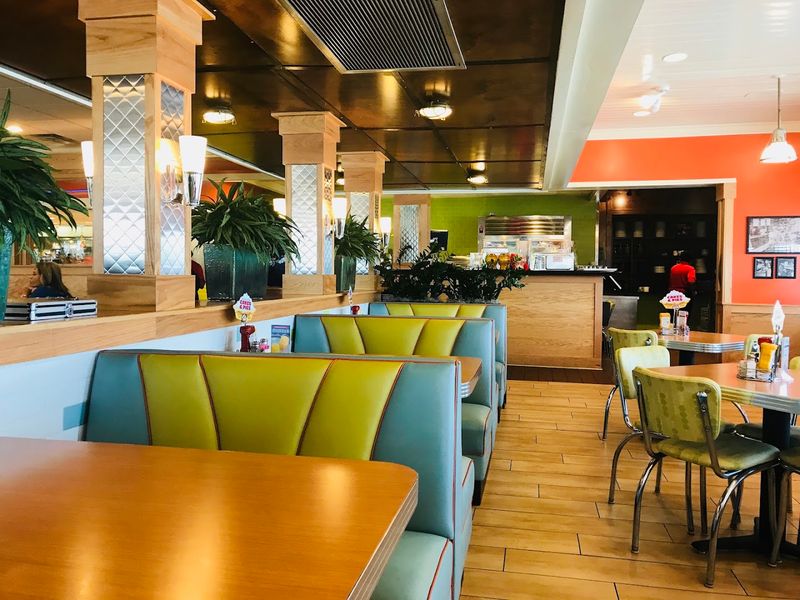
Since 1965, this Houston spot has been pouring coffee and flipping eggs without changing much of anything. The counter stretches along one wall with stools that spin, facing the kitchen where you can watch your breakfast being prepared. The booths along the opposite wall show their age, with vinyl that’s been patched and re-patched over the decades.
This worn-in quality feels comfortable rather than shabby, like a favorite pair of jeans.
The breakfast menu covers all the standards with the kind of execution that comes from cooking the same dishes thousands of times. The eggs come out exactly as ordered—over easy means runny yolks, scrambled means fluffy curds, and fried means crispy edges with tender centers. The hash browns get spread thin on the griddle and cooked until they develop that golden-brown crust that provides textural contrast to the softer eggs.
The bacon arrives crispy without being burned, which sounds simple but requires attention.
The pancakes deserve recognition as some of Houston’s best—thick, fluffy, and substantial enough to actually satisfy your hunger. They come from scratch batter that gets mixed fresh each morning, producing cakes with better texture and flavor than anything from a box. The butter melts into the hot cakes, and the syrup soaks in without making them soggy.
This is fundamental breakfast food executed at a high level through nothing more than proper technique and quality ingredients.
Coffee flows constantly from pots that stay fresh because they move through so much volume. The brew is strong and hot, served in heavy ceramic mugs that retain heat. Refills come automatically without needing to ask.
This attentive service extends to everything—water glasses stay filled, plates get cleared promptly, and the check arrives when you’re ready, not before.
The clientele includes regulars who’ve been coming for decades alongside younger folks who discovered the place through word of mouth. The atmosphere buzzes with conversation and the sounds of a busy kitchen—the sizzle of the griddle, the clatter of dishes, the ding of the order bell. This soundtrack has remained consistent for nearly sixty years.
Dot Coffee Shop represents a direct connection to Houston’s past, maintaining traditions and techniques that have largely disappeared elsewhere. The refusal to modernize or cut corners has created something valuable—a genuine diner experience that can’t be replicated or manufactured.
12. Mary’s Cafe (Strawn)
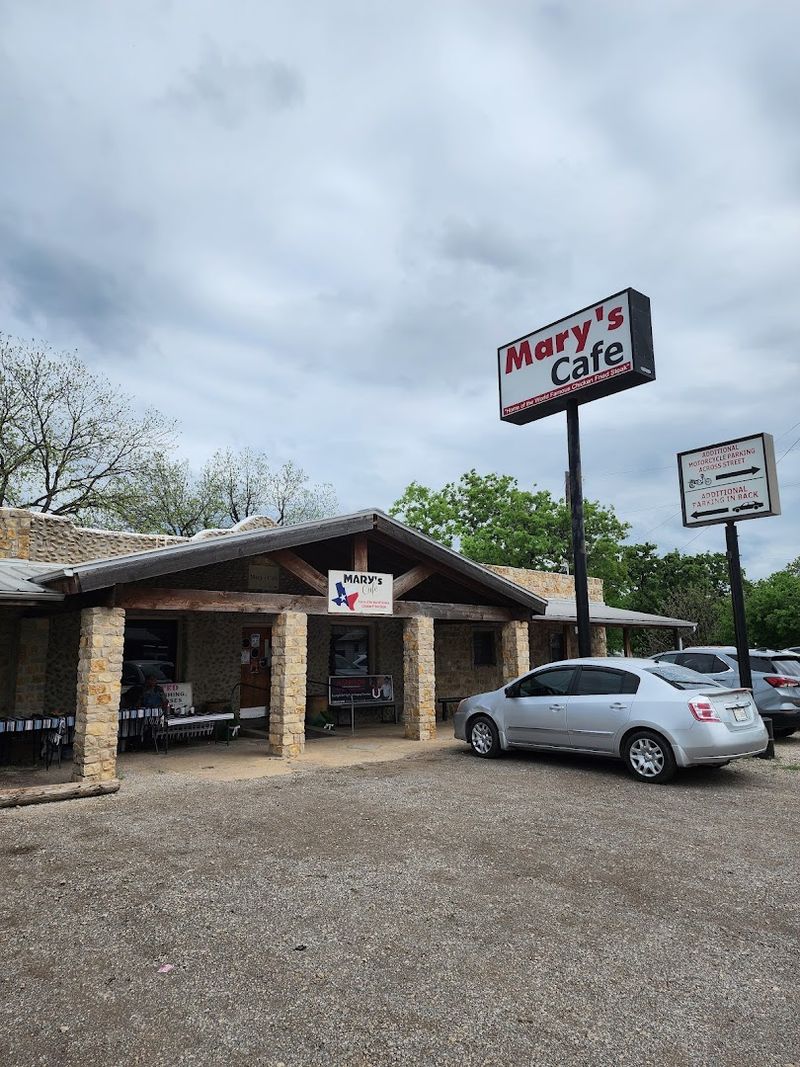
In a town with fewer than 700 residents, this cafe has achieved something remarkable—people drive hours specifically to eat here. The draw is chicken fried steak that’s been prepared the same way since 1945, using a recipe and technique that produces what many consider the definitive version of this Texas staple. The steak gets hand-pounded until tender, dipped in seasoned batter, and fried in a cast iron skillet until the coating achieves the perfect combination of crispy and golden.
The cream gravy that covers the steak starts with a proper roux made from the drippings in the pan. This foundation gets seasoned with black pepper and salt, then thinned with milk until it reaches the right consistency—thick enough to coat but thin enough to pour. The result is gravy that tastes like the essence of comfort food, rich and savory and absolutely addictive.
The mashed potatoes that accompany the steak are actually mashed from real potatoes, complete with a few lumps that prove their origin.
Beyond the famous chicken fried steak, the menu includes other home-style dishes that receive the same careful attention. The rolls come out warm from the oven, yeasty and slightly sweet. The vegetables get cooked until tender, seasoned properly, and served in generous portions.
The pies rotate based on what’s in season, each one made from scratch using techniques that require actual baking skill. The meringue towers high and gets torched until golden, the crust flakes properly, and the fillings taste like the fruits they contain.
The dining room fills daily with locals who eat here regularly and visitors who’ve planned their road trips to include a stop in Strawn. The walls display photos and memorabilia that document decades of history. The staff treats everyone with the same friendly efficiency, whether you’re a regular or visiting for the first time.
Service moves at a pace that allows for conversation and enjoyment rather than rushing to turn tables.
Mary’s Cafe has become an institution precisely because it never tried to become anything other than a small-town cafe serving good food. The recipes haven’t changed because they don’t need to change. The techniques remain traditional because traditional methods produce superior results.
This steadfast commitment to quality and consistency has created a destination that draws people from across Texas and beyond, all seeking an authentic taste of how things used to be done.