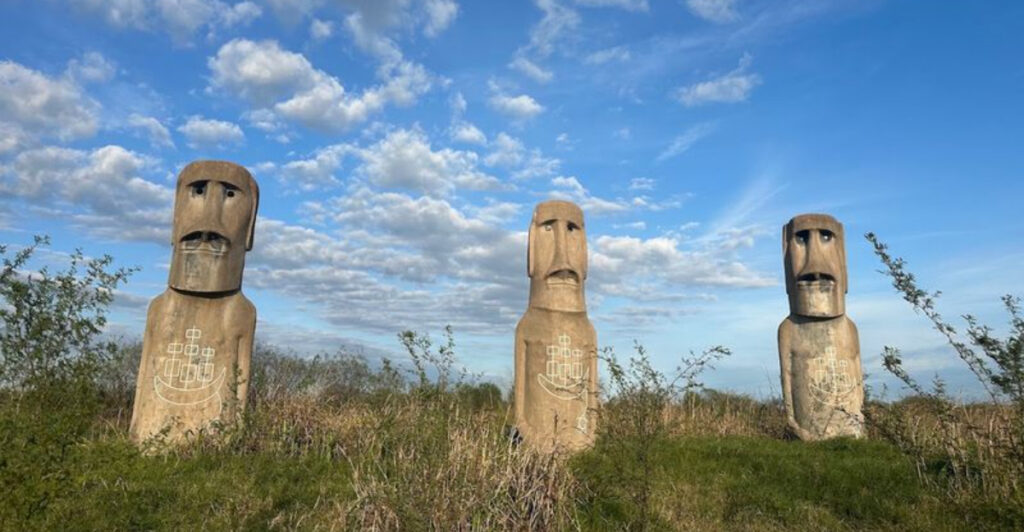
Picture this: you’re cruising down a frontage road in Victoria, Texas, and suddenly three massive stone faces appear in a field, staring at you like they’ve been transported straight from a Polynesian island thousands of miles away. The Easter Island Heads along Texas 463 are exactly that kind of wild Texas quirk that makes you do a double-take and wonder if someone spiked your morning coffee. Created by an eccentric local with a passion for ancient mysteries, these concrete replicas have become one of the most photographed roadside oddities in the Lone Star State, proving once again that Texas doesn’t do anything halfway.
1. The Origin Story Behind Victoria’s Moai Mystery
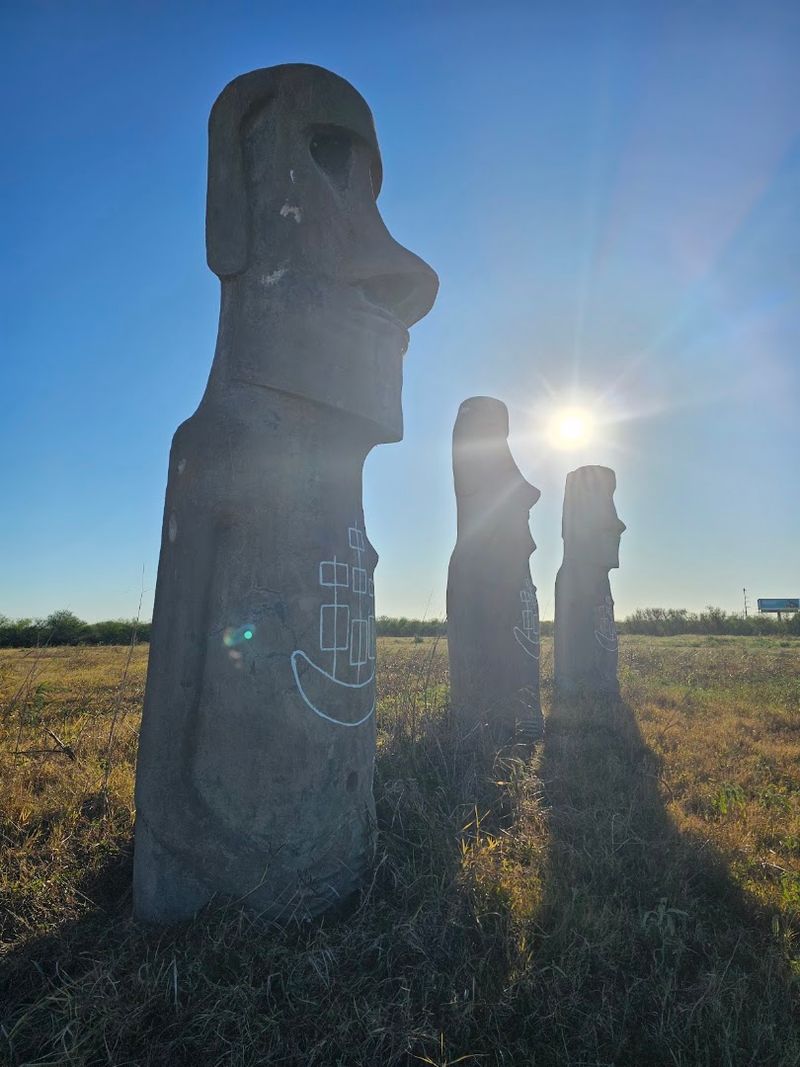
An eccentric Victoria resident with a serious fascination for Easter Island decided to bring a piece of Polynesian culture to the Texas coastal plains. Armed with concrete, determination, and probably a healthy dose of creative madness, this individual crafted three full-sized moai replicas that would make any roadside attraction jealous. The statues weren’t commissioned by the city or part of some grand tourism plan.
They simply appeared one day, much to the confusion and delight of locals driving past. How these massive concrete sculptures actually made it to their current location remains shrouded in mystery, with locals either genuinely unsure or playfully tight-lipped about the details. Some say they were built on-site, while others swear they were transported under cover of darkness.
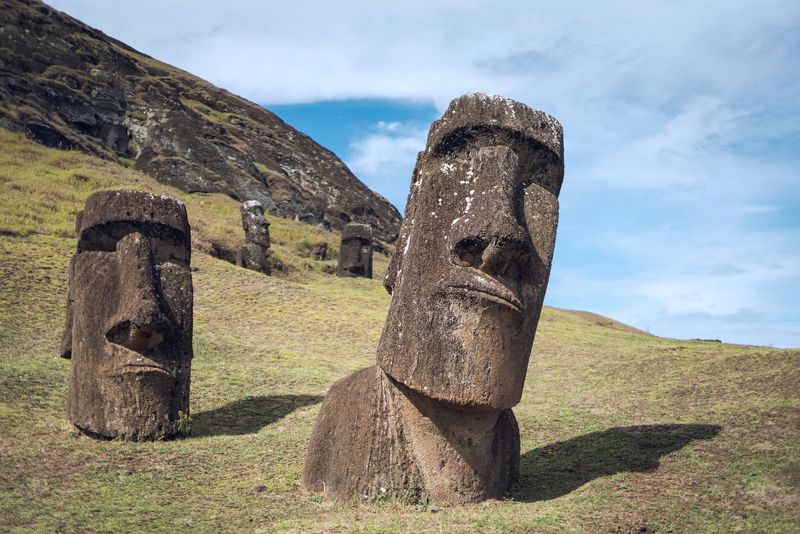
The creator’s obsession with the original Easter Island monuments drove this entire project. Those ancient Polynesian statues, called moai, were carved by the Rapa Nui people between 1400 and 1650 AD, standing as guardians over their island home. The Victoria versions capture that same imposing presence, complete with the distinctive elongated faces and prominent brows.
What makes this story even better is the complete lack of official signage or explanation. There’s no visitor center, no historical marker, no gift shop selling miniature replicas. Just three concrete faces watching traffic roll by on the frontage road, embodying that perfect Texas spirit of doing something completely unexpected simply because you can.
The mystery adds to the charm, making every visit feel like you’ve discovered something secret.
2. What You’ll Actually Find There Today
Here’s the current situation, and it’s a bit of a bummer: recent visitors report that only one of the original three statues remains standing in the field. Where the other two went is anybody’s guess—removed by the property owner, claimed by collectors, or perhaps they simply walked away in the night like their legendary Easter Island cousins. The lone survivor still holds court in the grass, visible from the road if you’re paying attention.
The site isn’t exactly what you’d call maintained. Expect tall grass, no established walking paths, and definitely no manicured lawns or paved walkways. This is raw Texas roadside weirdness in its most authentic form.
The vegetation can grow waist-high depending on the season, making it challenging to approach the statue without wading through the coastal plains flora.
There’s a small pullout area where you can safely park your car off the frontage road. Maybe three vehicles can fit comfortably, so don’t plan a bus tour. The statue sits about 50 to 60 feet from the road, close enough to photograph from your car window if you’ve got a decent zoom lens.
Accessibility varies wildly depending on when you visit and how adventurous you’re feeling. During wetter months or after the grass has been growing unchecked, getting close requires commitment. You’ll be walking through unmowed field grass, which means watching for fire ants, mosquitoes that apparently have a particular taste for statue-hunters, and the occasional snake.
Come prepared or stay roadside—both options work.
3. Best Time to Visit and What to Bring
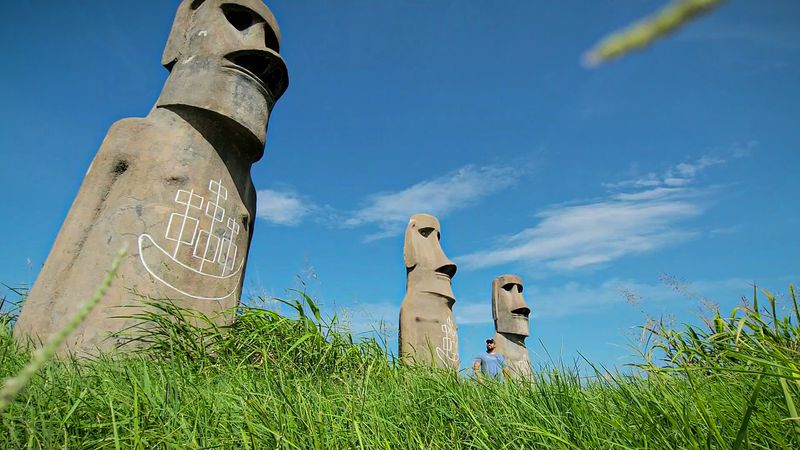
The statues are technically accessible 24 hours a day since they’re just sitting in a field along a public road. That said, visiting during daylight hours makes infinitely more sense unless you enjoy stumbling through tall grass in the dark while mosquitoes feast on your ankles. Early morning or late afternoon offers the best lighting for photography, with that golden Texas sun casting dramatic shadows across the concrete faces.
Summer visits require serious bug spray—and we’re not talking about the wimpy stuff. Multiple reviewers specifically mention aggressive mosquitoes that will chase you down like you owe them money. Bring the heavy-duty DEET or picaridin-based repellent, and apply liberally before venturing into the grass.
Long pants also help, even when it’s hot.
Closed-toe shoes are non-negotiable if you plan to walk closer. Sneakers or hiking boots work best for navigating the uneven terrain and protecting your feet from whatever’s hiding in that grass. Flip-flops are a terrible idea unless you’re content with roadside photos only.
During rainy seasons, the ground can get muddy and slippery.
Pack water, especially in summer when temperatures soar. There are no facilities, no shade, and definitely no convenience stores within immediate walking distance. A wide-brimmed hat helps too.
Your phone camera works fine here, but a real camera with a zoom lens lets you capture details without fighting through vegetation. Bring a sense of humor about the whole situation—this isn’t a polished tourist destination, and that’s exactly what makes it special.
4. The Photography Challenge and Opportunities
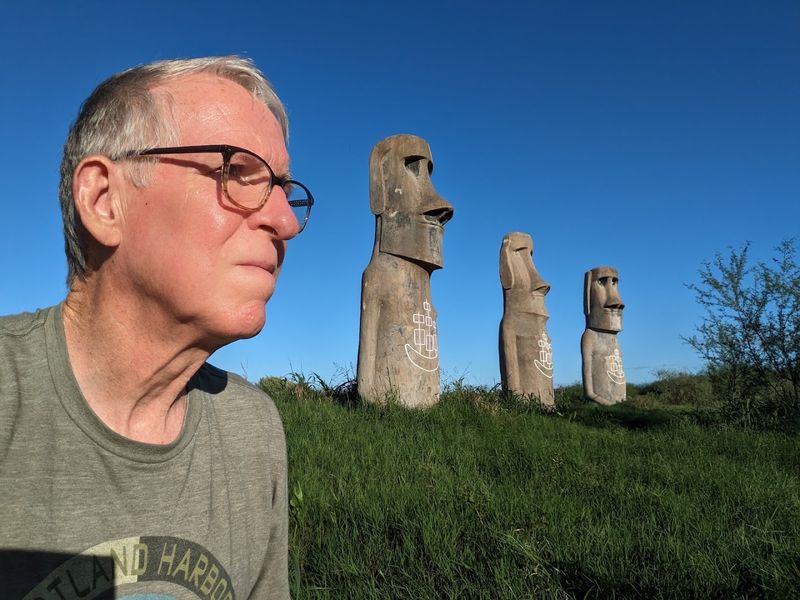
Getting that perfect Instagram shot requires balancing safety, trespassing concerns, and your willingness to battle nature. From the roadside pullout, you can capture decent photos that show the statue in its environment, complete with the quintessential Texas backdrop of endless sky and coastal grassland. These shots actually tell the story better than close-ups sometimes—the isolation and randomness really shine through.
If you venture closer, the tall grass creates both obstacles and opportunities. On one hand, it might partially obscure your subject, especially the base of the statue. On the other hand, that wild, unkempt setting adds authenticity and a sense of discovery to your images.
Frame your shots to either work with the grass or position yourself to shoot over it.
The concrete texture of the moai catches light beautifully, especially during golden hour. The shadows and highlights bring out details in the carved features that flat midday light completely washes out. Experiment with different angles—shooting from below makes the statue feel more imposing and monumental, while eye-level shots create a more intimate, confrontational feel.
Black and white photography works surprisingly well here. The contrast between the pale concrete and dark eye sockets creates dramatic images that emphasize the statue’s mysterious vibe. Color shots should play with the blue Texas sky, golden grass, and gray stone for maximum impact.
Whatever you shoot, embrace the imperfection—the overgrown setting, the single remaining head, the slightly weathered concrete all contribute to the weird charm that makes this spot worth visiting in the first place.
5. Safety Considerations and Wildlife Warnings
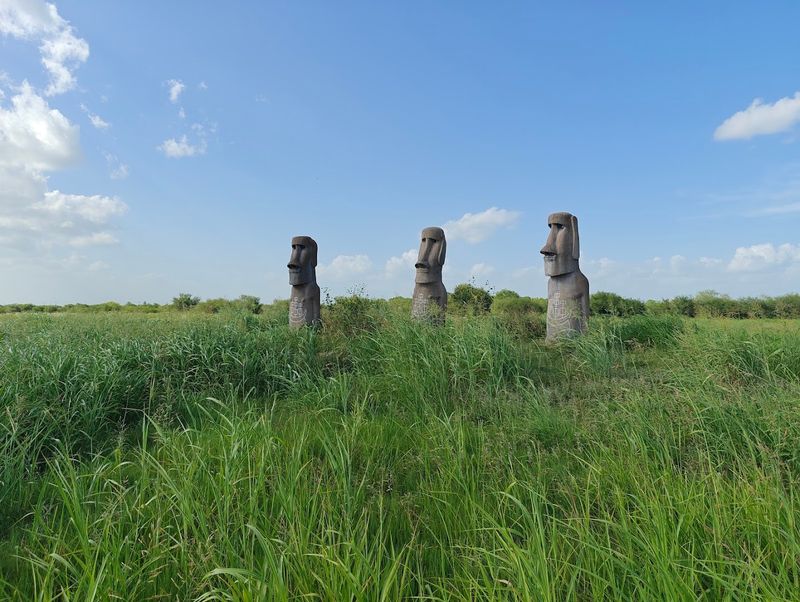
Walking through unmaintained Texas grassland comes with legitimate risks that deserve respect. Snakes, particularly during warmer months, find tall grass perfect for hunting and hiding. Rattlesnakes, copperheads, and water moccasins all inhabit this region, though encounters remain relatively rare if you’re making noise and watching where you step.
Stomping a bit as you walk helps alert any snakes to your presence.
Fire ants build mounds throughout Texas, and stepping on one means instant regret. These aggressive little jerks swarm fast and their bites burn like crazy. Watch the ground carefully and avoid any raised dirt mounds.
If you do get swarmed, brush them off quickly and move away from the mound before they really dig in.
Those mosquitoes mentioned in reviews aren’t exaggerating. Coastal Texas mosquitoes can be relentless, especially near vegetation and during dawn or dusk. They carry diseases like West Nile virus, so protection isn’t just about comfort.
Spray exposed skin thoroughly and consider treating your clothes with permethrin for extra protection. Reapply as directed on your repellent bottle.
Chiggers, tiny mites that cause intensely itchy bites, thrive in tall grass and brush. They’re nearly invisible but leave welts that itch for days. Tucking pants into socks looks dorky but helps prevent them from reaching your skin.
Shower soon after your visit and wash your clothes immediately. Traffic presents another concern—you’re along an active frontage road, so watch for vehicles when parking or crossing. Stay visible and don’t assume drivers see you.
6. The Broader Context of Texas Roadside Oddities
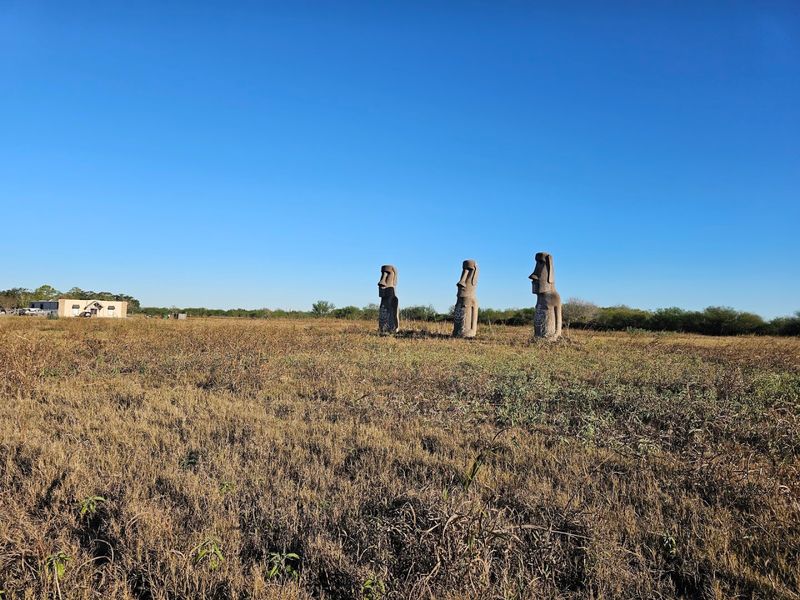
Texas has a long, proud tradition of roadside weirdness that makes other states look downright boring. From Cadillac Ranch in Amarillo to the World’s Largest Pecan in Seguin, Texans embrace the bizarre with open arms and zero apologies. The Easter Island Heads fit perfectly into this tradition of eccentric landmarks that exist simply because someone decided they should.
No committee approval needed.
What makes these installations special is their grassroots nature. Unlike corporate tourist traps or government-funded public art, most Texas roadside attractions spring from individual vision and stubbornness. Someone has an idea, access to materials, and enough determination to see it through regardless of what neighbors think.
The results range from charming to confusing, but they’re always authentic.
The Easter Island Heads represent a specific subcategory: the mysterious installation with unclear origins. Similar examples include the Stonehenge replica in Ingram or various dinosaur statues scattered across the state. These pieces spark curiosity precisely because they lack official explanations or commercial polish.
You stumble across them, wonder about their story, snap some photos, and drive away with a tale to tell.
This DIY approach to roadside art creates a living landscape that changes over time. Installations appear, evolve, sometimes disappear—just like the Victoria moai. That impermanence adds poignancy to each visit.
You’re witnessing something that might not last forever, making your photos and memories more valuable. It’s folk art meets outsider art meets pure Texas stubbornness, and the state is infinitely more interesting because of it.
7. Making the Most of Your Visit to Victoria
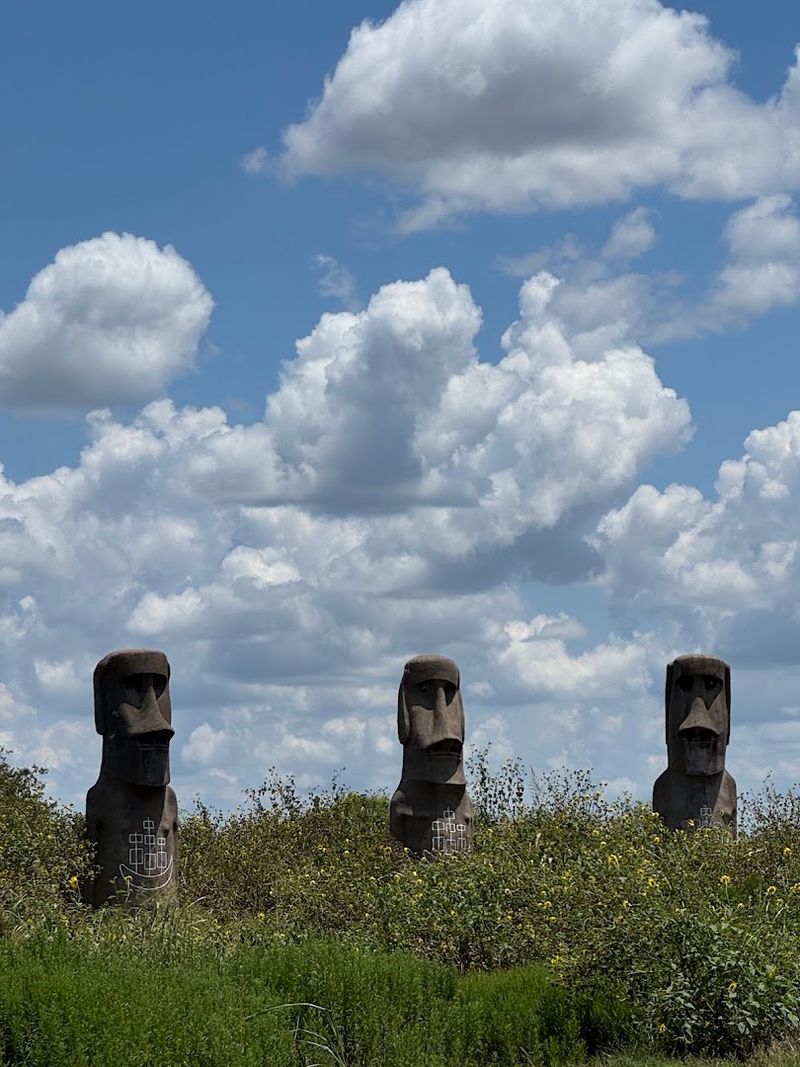
Victoria itself deserves more than just a drive-by for the statues. This small city of roughly 65,000 people sits at the crossroads of several major Texas highways, making it a natural stopping point for road trippers. The downtown area features historic architecture, local restaurants serving proper Texas barbecue and Tex-Mex, and enough small-town charm to justify stretching your legs for an hour or two.
The Nave Museum showcases regional history and art, offering air-conditioned respite if you’re visiting during brutal summer heat. Riverside Park along the Guadalupe River provides picnic areas and walking trails where you can decompress after your statue adventure. Several local eateries serve food that puts chain restaurants to shame—ask locals for current recommendations since the best spots change.
If you’re traveling with kids, the Texas Zoo houses over 200 native Texas animals in naturalistic habitats. It’s small enough to tour in an afternoon without exhausting everyone. The Coleto Creek Reservoir nearby offers fishing and boating for outdoor enthusiasts.
Victoria sits about 30 miles inland from the Gulf Coast, making it a reasonable base for exploring both inland and coastal attractions.
Plan your Easter Island Heads visit as part of a broader Victoria exploration rather than a standalone destination. The statues take maybe 15 minutes to photograph and appreciate, which isn’t enough to justify a special trip by itself. Combined with lunch, museum visits, or a park stroll, you’ve got a pleasant day trip that showcases a different side of Texas beyond the major cities and standard tourist routes.
8. Why This Matters for Texas Culture
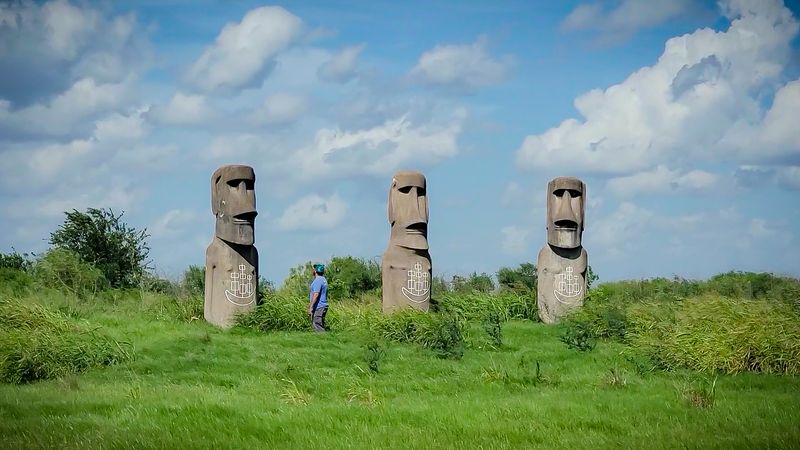
These concrete heads represent something deeper than just weird yard art—they’re physical manifestations of the independent spirit that defines Texas culture. The willingness to pursue a vision without permission, explanation, or commercial motive reflects values Texans claim as core identity traits. Someone wanted Easter Island statues in Victoria, so they made it happen.
Simple as that.
Roadside oddities serve as cultural touchstones that give character to otherwise similar highway corridors. They transform mundane drives into treasure hunts where you never know what might appear around the next bend. This unpredictability makes Texas travel more engaging and memorable than states where everything feels planned, permitted, and sanitized into blandness.
The rough edges matter.
There’s also something democratic about attractions like this. You don’t need tickets, reservations, or admission fees. Anyone driving past can stop, look, photograph, and experience the same weird joy regardless of income or status.
This accessibility creates shared cultural references that unite Texans across different backgrounds. Everyone knows someone who’s seen something strange along a Texas highway.
The gradual disappearance of the statues adds a layer of melancholy that makes preservation conversations relevant. Should someone maintain these installations? Do they deserve protection as folk art?
Or is their temporary nature part of their meaning? These questions matter as Texas modernizes and informal roadside attractions face pressure from development, liability concerns, and changing property ownership. What we choose to preserve reveals what we value as a culture, and these conversations shape Texas identity going forward.