A hammer rings against an anvil beyond the trees, a pottery wheel hums inside a converted village building, and two miles up the road, somebody is turning a plain block of wood into a bowl.
That is a normal day at Peters Valley School of Craft, an unexpected pocket of creative energy inside the Delaware Water Gap National Recreation Area in Layton.
This is not a quiet gallery where visitors stand back and admire the finished product. It is a working campus where clay gets under fingernails, hot metal throws sparks, and beginners are encouraged to make the slightly lopsided first attempt that every skilled maker once made.
Workshops range from quick introductions to immersive five-day sessions, while galleries show what American craftspeople can do with glass, fiber, wood, metal, and mud.
Add historic farmhouses, communal meals, and forested Sussex County surroundings, and the place feels less like a class and more like permission to try something new.
The Historic Delaware Water Gap Village That Became a Creative Campus
Before there were kilns, looms, and jewelry benches here, this corner of Sussex County was the small farming village of Bevans.
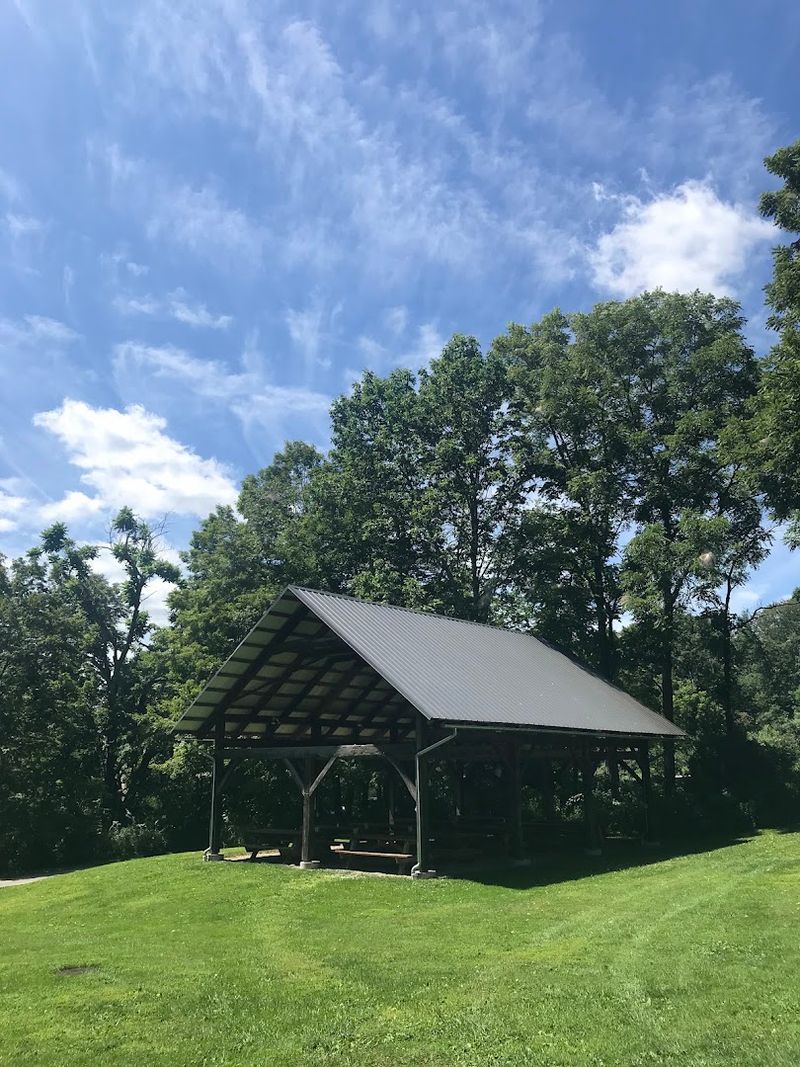
Its houses and work buildings now form the heart of Peters Valley School of Craft, with old structures adapted into studios, dorms, offices, a dining hall, and exhibition spaces rather than cleared away for a modern complex.
That reuse gives the campus its wonderfully mismatched character. You move between practical studios and former village buildings while fields, streams, and thick woods keep reminding you that the entire place sits within the Delaware Water Gap National Recreation Area.
Peters Valley was incorporated as a nonprofit in 1970, and in the decades since, it has welcomed thousands of emerging and professional artists to teach, study, and work. The campus is divided into two main areas.
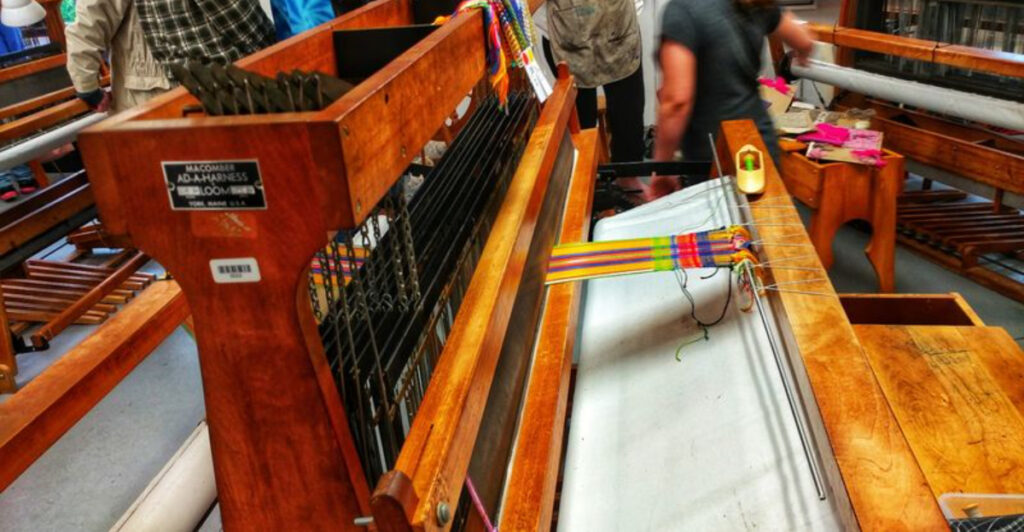
Valley Central holds the gallery, dining hall, lodging, administrative office, and the blacksmithing, ceramics, printmaking, and mixed-media studios. Thunder Mountain, about two miles away, contains the fibers and textiles, fine metals, glass, and woodworking facilities.
That spread makes the place feel like a genuine rural arts village rather than one big school building with numbered classrooms. Visitors who are not enrolled can still get a look around.
Summer self-guided studio tours are offered on weekend afternoons, and Peters Valley also schedules live demonstrations that let guests watch processes such as weaving, ceramics, fine metals, and woodworking in action.
The address, 19 Kuhn Road in Layton, feels unassuming on a map, but the moment workshop signs and studio buildings begin appearing among the trees, it becomes clear that Bevans found a very good second life.
Hands-On Workshops Welcome Beginners and Experienced Makers Alike
The fastest way to lose your fear of trying a craft is to stand beside several other adults who are also figuring out where to put their hands. Peters Valley builds much of its workshop program around that friendly reality.
Many classes are marked Beginner and Beyond, meaning first-timers can start with the basics while returning makers push the same project further. A typical workshop day runs from 9 a.m. to 5 p.m., long enough to move beyond a quick demonstration and actually understand the rhythm of a process.
Instructors are working artists, and classes often focus on a specific object or technique instead of a vague promise to explore creativity.
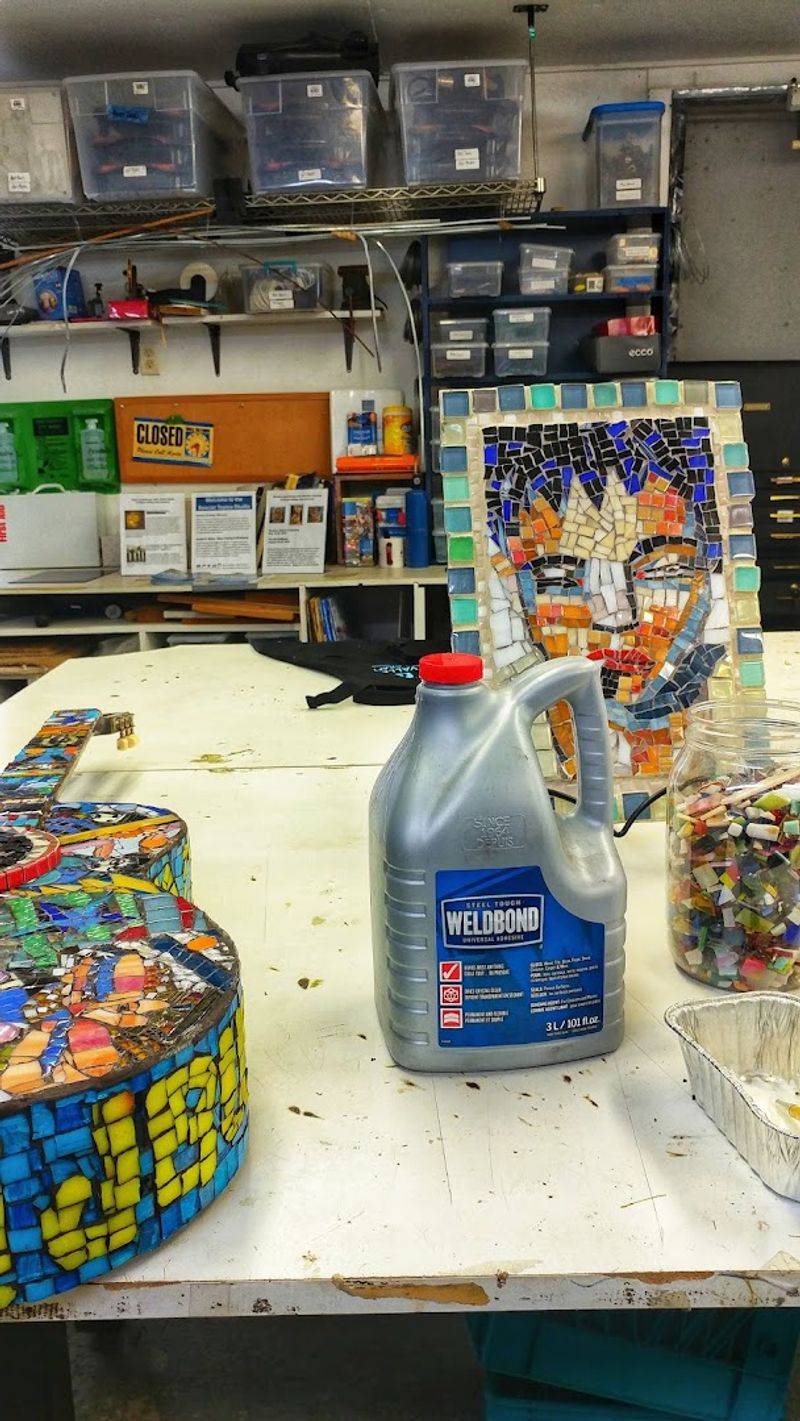
The 2026 schedule, for example, includes workshops on woven lampshades, willow chairmaking, stained-glass panels, hand-built pottery, block printing, wool spinning, woodturning, soldered jewelry, and forging a utility knife.
The time commitment varies too. There are one-day introductions, weekend sessions, three-day workshops, and deeper five-day programs.
Prices reflect the length and equipment involved. A two-day Wooden Trays class was listed at $490, while a five-day Beginning Blacksmithing session was priced at $915 in the 2026 program.
Materials and experience requirements can vary, so the individual class description matters just as much as the title. More important, the school does not treat experience as an all-or-nothing gate.
Some offerings require intermediate skills, but plenty begin with tool safety, basic motions, and patient repetition. That makes Peters Valley especially appealing for people who have spent years saying they would love to try pottery, weaving, or metalwork someday.
Here, someday has a date, an instructor, and a workbench waiting.
Blacksmithing Ceramics Woodworking and More Fill the Studios
Follow the sound across campus and you can usually tell which studio is awake. Blacksmithing announces itself with hammer blows and the glow of a forge.
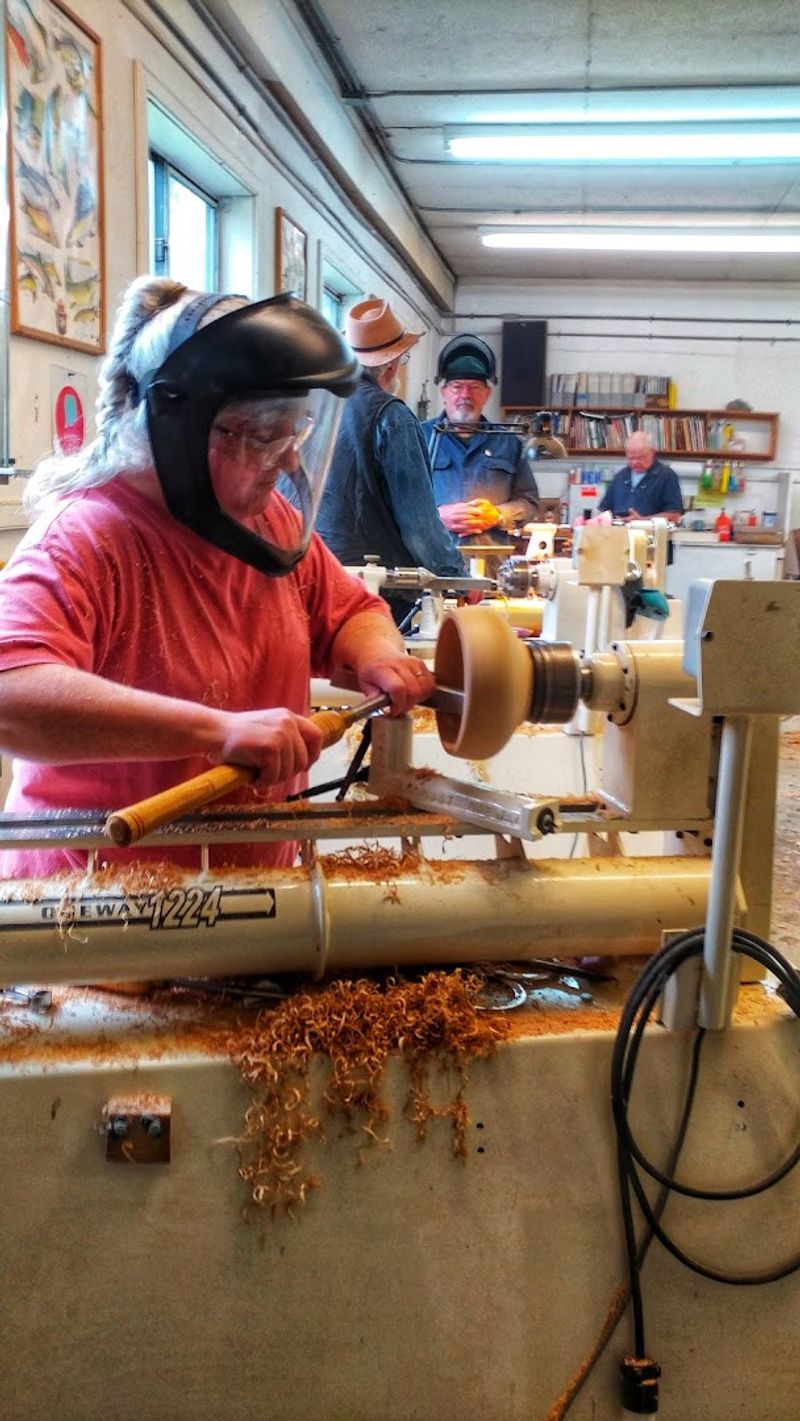
Ceramics has the quieter churn of wheels, the scrape of trimming tools, and rows of work waiting for the kiln. Woodworking brings saws, shavings, sturdy benches, and the deeply satisfying moment when a rough surface finally turns smooth.
Those three disciplines could fill an entire school, but Peters Valley keeps going. The Thunder Mountain studios support glass, fine metals, fibers and textiles, and woodworking, while Valley Central adds printmaking, two-dimensional work, blacksmithing, and ceramics.
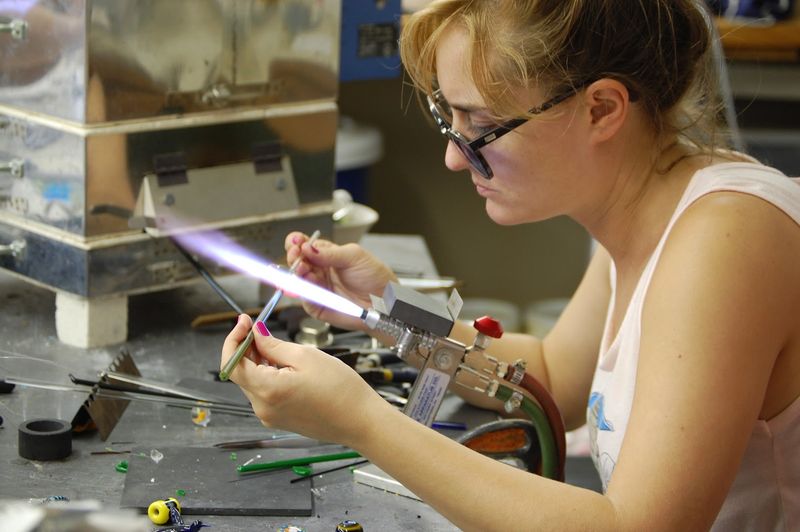
Depending on the season, students might be casting glass, weaving tapestry, building a cabinet, forming copper, sewing soft sculpture, pulling a print from a press, or soldering a small silver box. The project titles are refreshingly concrete.
Forging Spoons and Forks tells you exactly what will be on the bench. Bowls for Days is a woodturning deep dive.
Crash Course in Glass Casting and Intro to MIG Welding sound less like art-school theory and more like the beginning of a very interesting weekend. Ceramics comes with an extra piece of Peters Valley history.
In 1980, artist Katsuyuki Sakazume designed and built an anagama kiln on campus, described by the school as the first anagama kiln in the United States built for public use. The long, wood-fired kiln remains an important draw for ceramic artists, particularly those interested in the unpredictable surfaces created by flame, ash, and extended firing.
That mix of specialized equipment and approachable teaching is the point. You do not have to own a forge, loom, press, or kiln to learn what one can do.
Peters Valley supplies the serious tools, then gives students enough time to stop feeling like visitors in the studio.
The Galleries Put Contemporary American Craft in the Spotlight
Even if you would rather admire a perfect pot than wrestle one into existence, the gallery makes Peters Valley worth the drive.
The first floor functions as a shop for contemporary American craft, with handmade pottery, jewelry, glass, woodwork, wearable fiber pieces, photography, toys, books, and other functional or decorative objects.
More than 200 makers are represented, so the selection goes well beyond souvenirs stamped with the school logo. One shelf might hold mugs intended for everyday coffee; another could feature sculptural work that makes you pause and wonder how it was constructed.
Purchases support both independent artists and Peters Valley’s educational programming, giving the shop a direct link to the working studios nearby. Upstairs, the Sally D.
Francisco Gallery presents rotating curated exhibitions. The annual Making Matters show, running from June 13 through July 31 in 2026, highlights work by visiting instructors and summer artistic staff, making it a useful preview of the techniques being taught across campus.
Later in the season, a 25-year retrospective by photographer John Kiersten brings together 27 black-and-white images of the Delaware Water Gap National Recreation Area. Exhibitions change, but the focus stays on craft as a living contemporary practice rather than a nostalgic display of old methods.
That distinction matters. A hand-thrown bowl or woven wall piece may come from a centuries-old process, yet the forms, subjects, and materials can feel completely current.
As of 2026, the gallery is generally open Tuesday through Sunday from 11 a.m. to 6 p.m. and closed Monday, with visitors encouraged to call during severe weather. It is the easiest part of Peters Valley to visit casually, but it can also be the dangerous part for anyone who arrives convinced they are just looking.
Staying on Campus Turns a Workshop Into a True Artistic Retreat
At five o’clock, the tools may go down, but the workshop experience does not necessarily end. Students can commute, yet staying on campus changes the rhythm completely.
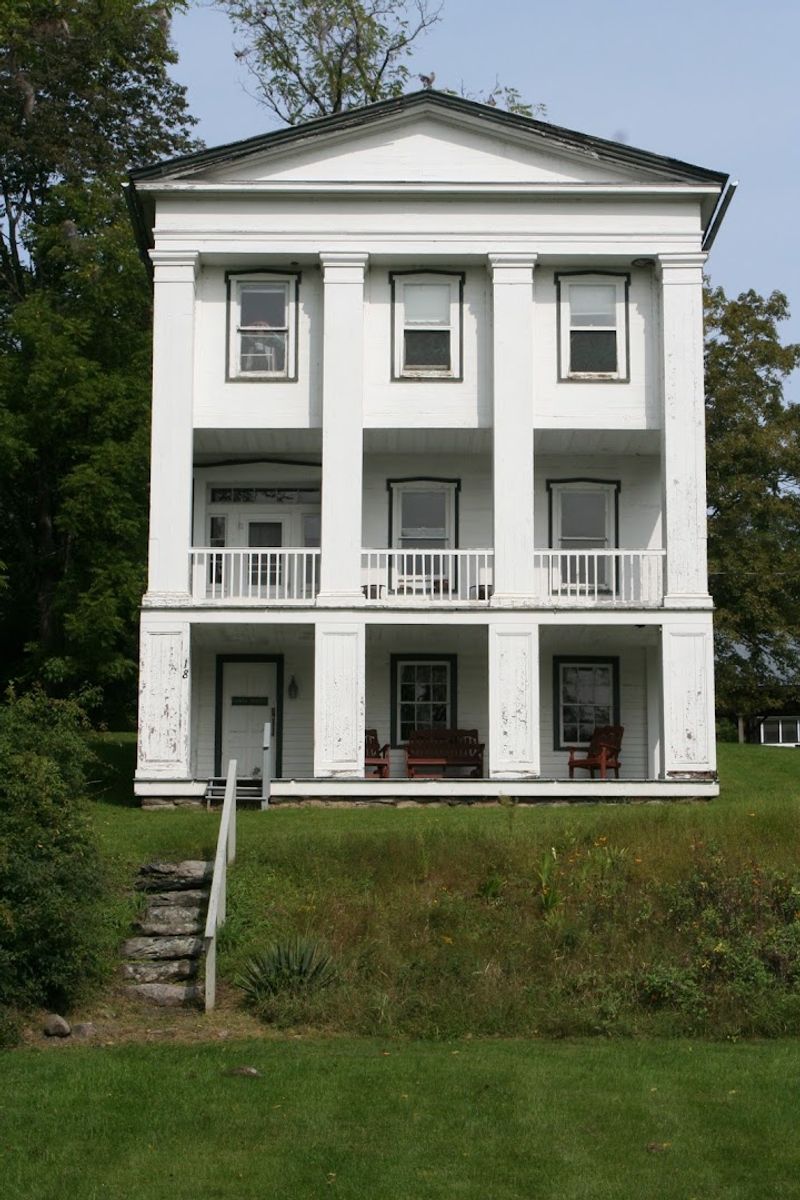
Peters Valley offers a limited number of room-and-board packages in its historic farmhouses for people enrolled in workshops, turning a day of instruction into several days built around making. The lodging is openly described as basic and no-frills, which is useful honesty.
This is not a boutique inn disguised as an arts school. Shared rooms generally have two twin beds, single rooms are also available, bathrooms and common spaces are shared, and air conditioning, sheets, blankets, pillows, and towels are included.
Housing assignments are made shortly before workshops begin, and specific houses or rooms cannot always be guaranteed. Everyone staying on campus purchases the full room-and-board package rather than lodging alone.
Meals are served in the Dining Hall during workshop sessions, and lunch is included for all workshop participants, including commuters. That communal setup is part of what makes the place feel like a retreat instead of a class you leave behind at the end of the day.
Conversations continue over dinner, people compare the afternoon’s small victories, and an instructor’s offhand comment can lead to a useful idea for the next morning. It also removes the usual weekend-workshop scramble of finding a hotel, driving back and forth, and hunting for meals after spending eight hours at a bench.
The setting remains rustic, and that is precisely the appeal. You are sleeping in the same former village landscape where the studios operate, with fields and woods outside rather than traffic and storefronts.
For 2026, five-day workshops run Wednesday through Sunday, and the Dining Hall is scheduled to remain open through the end of October, extending that immersive setup well beyond the peak of summer.
Why Peters Valley Feels Like a Reset for the Imagination
The real trick Peters Valley pulls off is making concentration feel like a break. Workshop days are full, tools demand attention, and a stubborn piece of wood or clay can be humbling, yet the usual digital clutter of daily life has much less room to compete when both hands are occupied.
The campus helps. Valley Central is compact enough to walk between lodging, meals, galleries, and several studios, while the two-mile trip to Thunder Mountain creates a clean change of scene for students working in glass, fibers, fine metals, or wood.
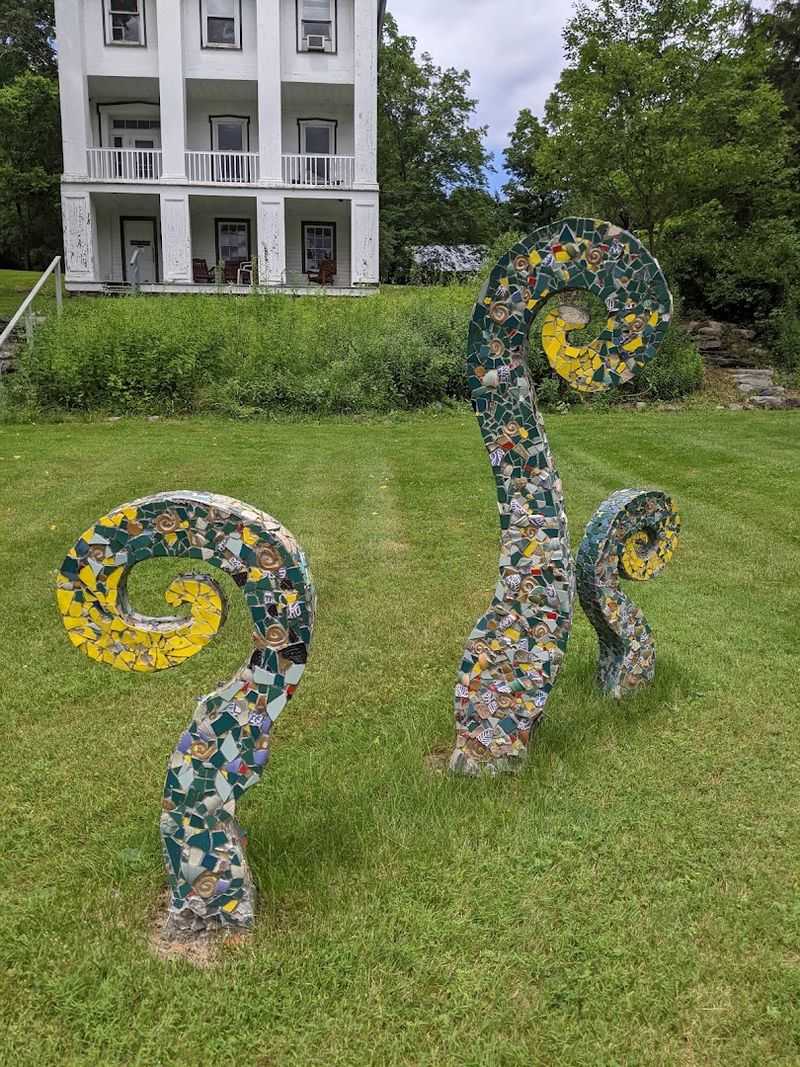
Forest, fields, old houses, and workspaces sit together without the polished sameness of a purpose-built resort. Nothing is trying too hard to be picturesque; it simply inherited the bones of a village and gave them a creative job.
The community matters just as much. A class may include a complete beginner, a teacher gathering new ideas, a hobbyist finally using better equipment, and an experienced maker testing an unfamiliar technique.
Everyone has something to learn, which takes some of the pressure out of making a flawless object. Even the galleries reinforce that lesson.
Finished work upstairs is inspiring, but the studios reveal the experiments, mistakes, revisions, and muscle memory behind it. Peters Valley does not promise that one weekend will turn anyone into a master blacksmith or ceramicist.
What it offers is more useful: focused time, proper tools, knowledgeable instruction, and a setting where curiosity is treated as reason enough to begin. You may leave with a bowl, print, basket, knife, or slightly crooked first project.
The better souvenir is realizing that being new at something can feel energizing rather than embarrassing.