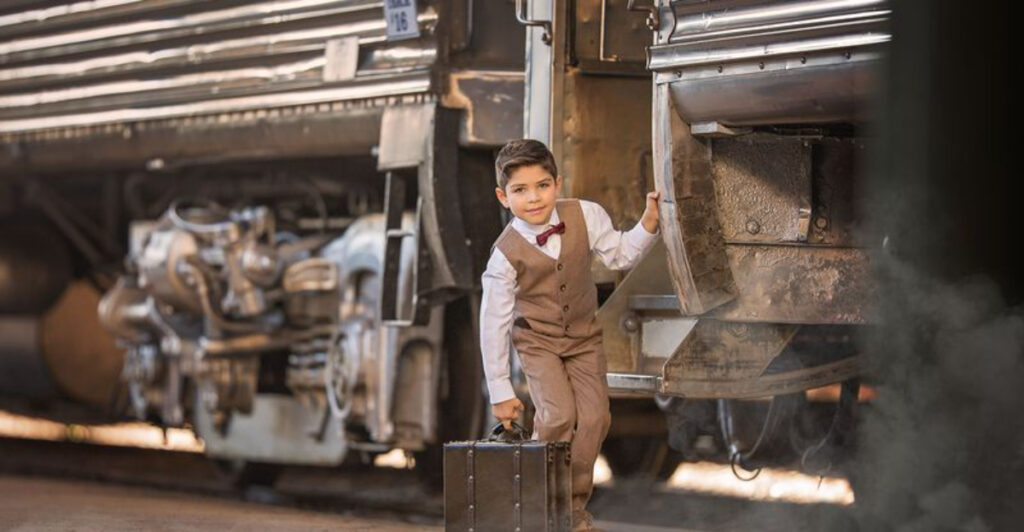
On Santa Fe Place in Galveston, a historic railroad museum lets visitors climb aboard vintage locomotives and even ride the rails. The Galveston Railroad Museum isn’t just another collection of dusty exhibits behind velvet ropes—it’s a hands-on journey through the golden age of rail travel where kids and adults alike can explore restored train cars, walk through authentic Pullman sleepers, and even take a ride on the Harborside Express. Whether you’re a die-hard train enthusiast or just looking for something different to do on the island, this place delivers an experience that’s equal parts educational and downright fun.
1. Step Into the Gorgeous Art Deco Depot
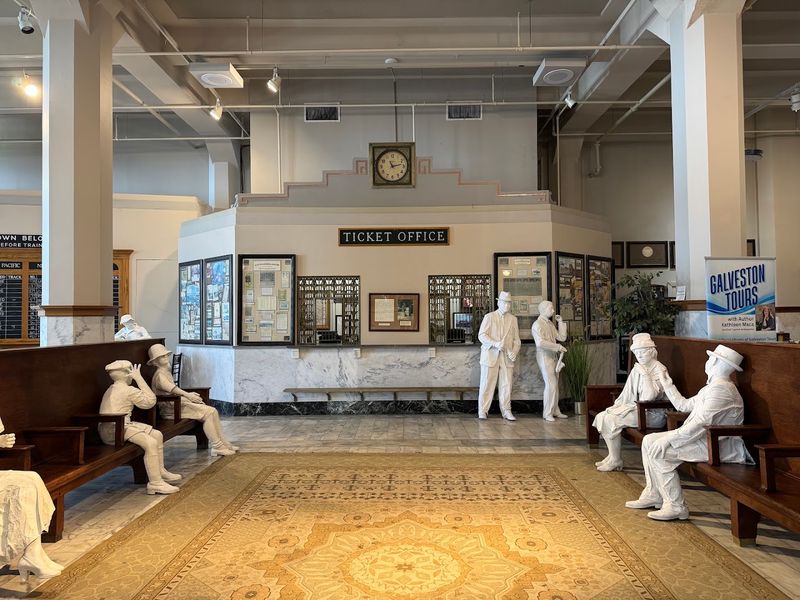
Walking into the main depot feels like stepping onto a movie set from the 1930s. The building itself is a masterpiece of art deco design, complete with original architectural flourishes that transport you straight back to when train travel was the height of sophistication. Inside the waiting hall, you’ll find lifesize statues positioned on old wooden pews, creating an eerie yet fascinating snapshot of passengers frozen in time.
The postal center display adds another layer of authenticity to the experience. Everything from the ticket windows to the vintage signage has been preserved or carefully restored to reflect what travelers would have encountered during the golden age of railroading. One visitor described the waiting hall atmosphere as something special, and they weren’t exaggerating—the attention to historical detail is remarkable.
Don’t rush through this part of your visit. The depot houses important exhibits about railroad history, porter culture, and the evolution of train travel in Texas. Reading through these displays gives context to everything else you’ll see outside among the train cars.
Plan to spend at least thirty minutes exploring the indoor spaces before heading out to the rail yard. The air conditioning provides a welcome break, especially during Galveston’s steamy summer months when those outdoor train cars can turn into ovens. Grab a seat on one of those historic benches and imagine what it was like when hundreds of passengers passed through these doors daily, heading to destinations across the country.
2. Climb Through Authentic Vintage Train Cars
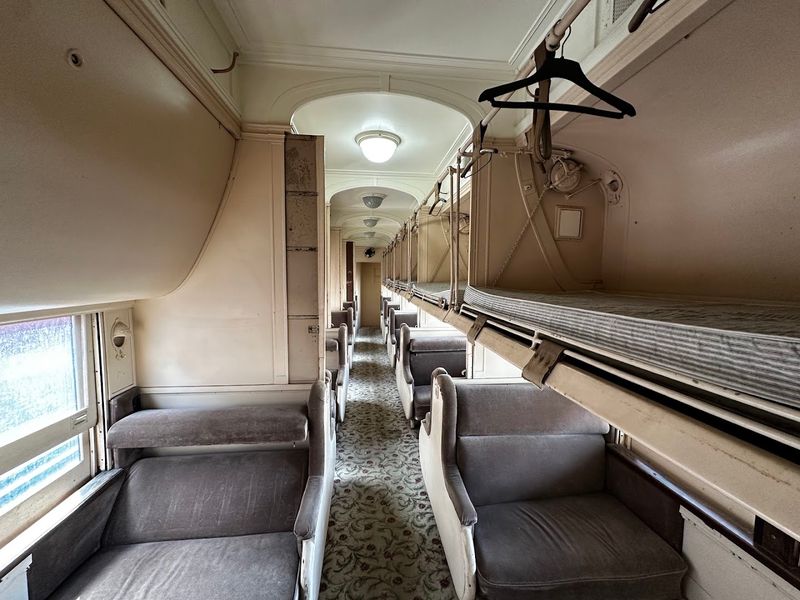
Here’s where the museum really shines—you’re not just looking at old trains through windows, you’re actually walking through them. The collection includes multiple passenger cars, Pullman sleepers, and dining cars that you can board and explore at your own pace. Squeezing through the narrow corridors and peeking into tiny sleeping compartments gives you real appreciation for how people traveled long distances back in the day.
Some cars remain unrestored, which actually adds to the experience. You’ll see original upholstery, wood paneling, and fixtures exactly as they were left, creating an authentic time capsule effect. Other cars have been carefully maintained to show what they looked like during their heyday, complete with period furnishings and decor.
Fair warning—these aren’t modern, accessible spaces. The passageways are tight, the stairs can be steep, and only one car is labeled as handicap accessible. If you’re carrying extra weight or have mobility concerns, navigating through some cars might prove challenging.
But for those who can manage, it’s absolutely worth the effort.
Kids especially love this hands-on approach. Instead of being told to stay back and not touch anything, they can actually sit in the seats, imagine themselves as passengers, and get a genuine feel for railroad travel. One parent mentioned their train-obsessed son was ecstatic climbing on everything, and honestly, what kid wouldn’t be?
The self-guided format means you can take your time in cars that interest you and skip quickly through others. Budget at least two hours if you want to thoroughly explore everything without feeling rushed.
3. Ride the Harborside Express Along Active Rail Yards
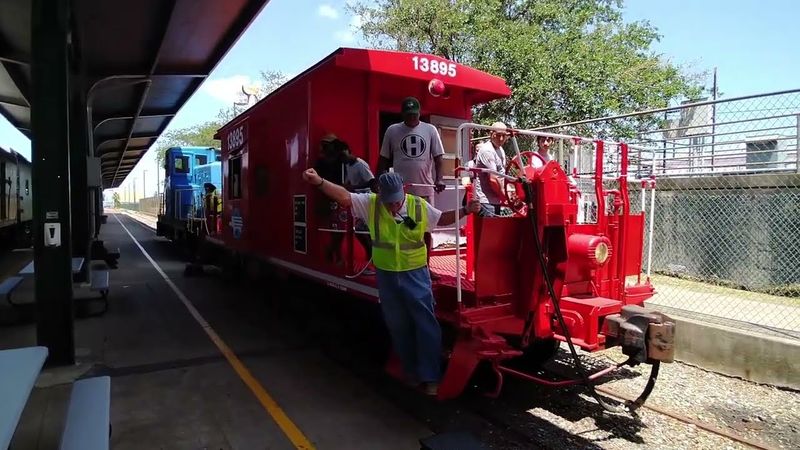
Saturday brings the museum’s star attraction—an actual train ride aboard the Harborside Express. This isn’t some tiny loop around a parking lot; you’re riding in vintage equipment along a legitimate stretch of track that runs past Galveston’s cruise terminals and an active BNSF rail yard. The experience of rolling along real rails while watching modern freight trains in operation creates a fascinating contrast between railroad’s past and present.
Most rides use an open caboose, which means you’re getting fresh Gulf breeze and unobstructed views of everything around you. One visitor described their son getting to see working locomotives up close, which made his entire day. There’s something genuinely thrilling about being on moving railroad equipment, even at modest speeds, that photos and static displays simply can’t replicate.
The ride is powered by the museum’s working Santa Fe F7 locomotives—and yes, having not just one but two functional F7s is actually a big deal in railroad preservation circles. These diesel-electric engines represent an important era in American railroading, and the fact that they’re still operational rather than sitting as static displays makes them even more special.
Check the schedule before planning your visit, as train rides typically operate on Saturdays and during special events. The museum website lists current operating times. Tickets are reasonably priced and included with some admission packages.
The ride lasts long enough to feel substantial without dragging on for restless younger visitors. Even if you’re not a hardcore train buff, there’s something undeniably fun about riding vintage railroad equipment along working tracks with ships and modern trains as your backdrop.
4. Explore the Impressive Steam Locomotive Collection
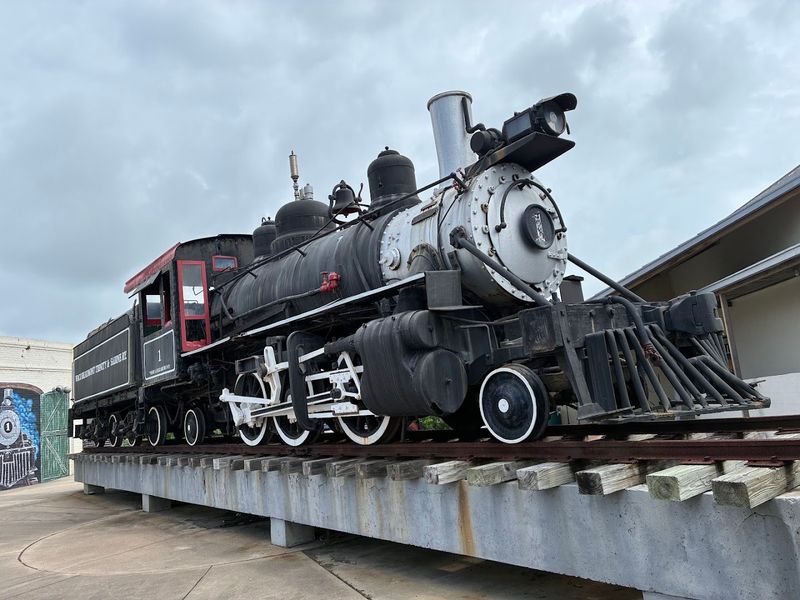
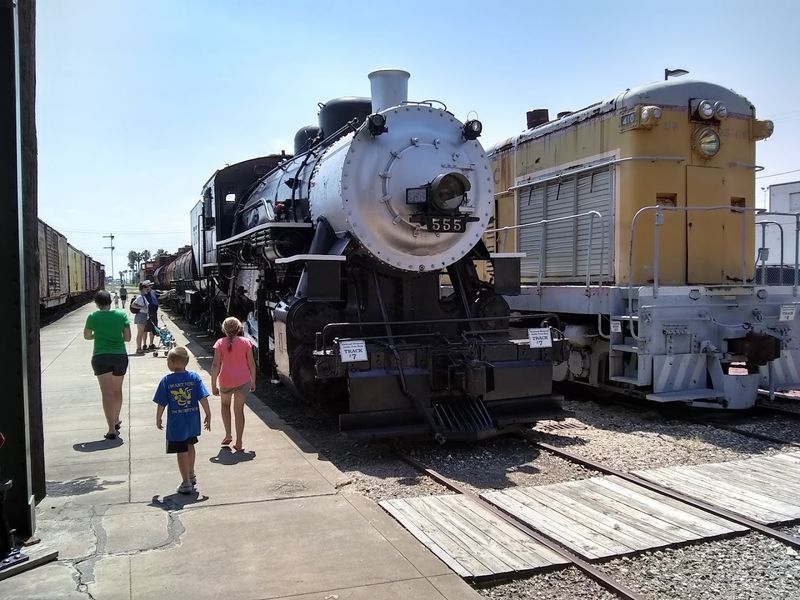
Standing next to a massive steam locomotive is an experience that pictures don’t quite capture. The sheer size and mechanical complexity of these iron giants commands respect and wonder. The museum’s collection includes two significant Santa Fe steam engines—numbers 314 and 555—that represent the power and engineering prowess of the steam era.
Currently these locomotives sit awaiting restoration, showing their age and the effects of Texas weather. One passionate reviewer argued that the State of Texas should fund their restoration, calling them incredible pieces of history that shouldn’t be lost. While they’re not in operating condition, you can still get close enough to appreciate their scale and examine the mechanical details that made them work.
Beyond the steam engines, the yard contains various other locomotives and rolling stock representing different eras of railroading. The variety spans from early steam power through diesel-electric engines, creating a visual timeline of technological evolution. Each piece tells part of the larger story about how railroads shaped Texas and American commerce.
Railroad enthusiasts will appreciate the focus on Santa Fe Railway equipment, though other major lines like Union Pacific, Canadian National, and BNSF are represented as well. The collection isn’t just random trains—there’s a curatorial vision connecting these machines to the broader narrative of American railroad history. Walking among these giants, you start understanding why trains captured the public imagination for generations.
They represented speed, power, progress, and connection in ways that seemed almost magical before air travel became commonplace. Take time to walk around each locomotive and really look at the details—the driving wheels, the boiler construction, the cab controls—to appreciate the engineering achievement they represent.
5. Discover the Pullman Porter Heritage Exhibit
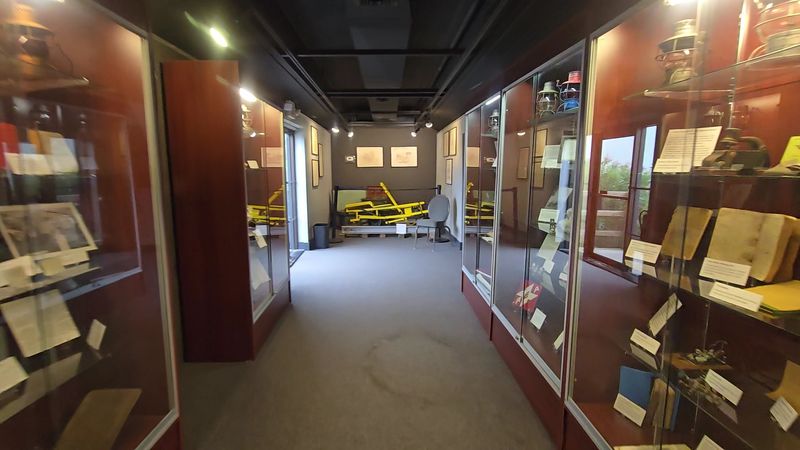
Not every museum tackles the complex social history woven into America’s railroad story, but the Galveston Railroad Museum doesn’t shy away from it. The Pullman Porter exhibit examines the experiences of African American men who worked as porters on sleeping cars, providing impeccable service while facing discrimination and challenging working conditions. This wasn’t just any job—it became one of the most important employment opportunities for Black men in the early twentieth century.
Pullman porters were instrumental in building the Black middle class and played significant roles in the civil rights movement. The Brotherhood of Sleeping Car Porters became the first African American labor union to sign a collective bargaining agreement with a major corporation. That’s huge historical significance that often gets overlooked in railroad history focused solely on locomotives and engineering.
One visitor specifically mentioned coming for Juneteenth to see this exhibit and really enjoying the history presented. The displays include photographs, artifacts, and detailed information about porter life, working conditions, and their broader impact on American society. It’s educational content presented respectfully and thoroughly.
This exhibit adds important depth to your museum visit. Trains didn’t just move freight and passengers—they moved culture, ideas, and social change across the country. The people who worked on them, often in roles that were undervalued and overlooked, deserve recognition for their contributions.
Even if you came primarily to see locomotives and take a train ride, spend time with this exhibit. Understanding the human stories behind the machinery makes the entire experience richer and more meaningful. It’s the kind of thoughtful curation that elevates a good museum into something genuinely important.
6. Check Out the Unique Overnight Stay Experience
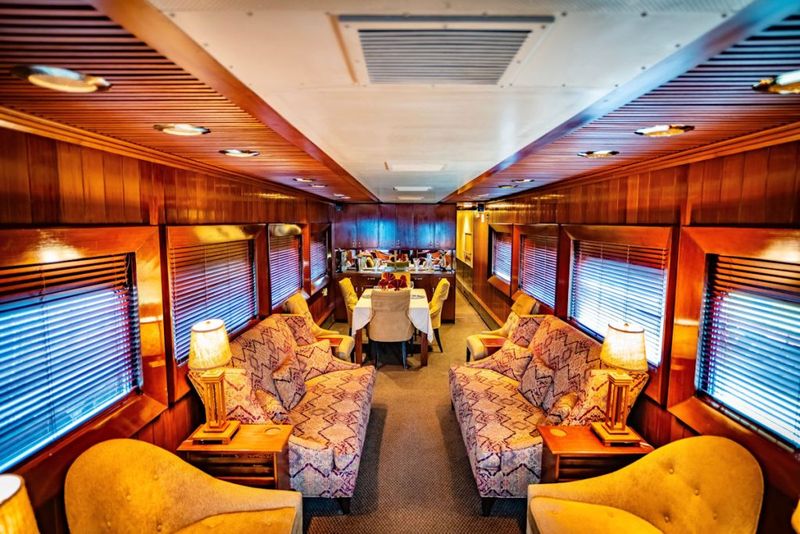
Want to take your railroad enthusiasm to the next level? You can actually spend the night in a vintage train car through the museum’s bed and breakfast program listed on VRBO. Sleeping in an authentic railroad car parked in the museum yard takes immersion to a whole new level.
One guest raved about having free run of the museum grounds after hours with special lighting setups creating fantastic views and atmosphere.
The experience goes beyond just unusual lodging. After the museum closes and day visitors leave, you have the entire rail yard essentially to yourself. Walking among the trains at dusk or after dark, with strategic lighting highlighting these historic machines, creates an almost magical ambiance that day visitors never see.
It’s like having a private museum for the evening.
The location proves convenient for exploring downtown Galveston’s Strand district, with its restaurants, galleries, and historic architecture all within easy reach. You get the unique train experience while still being positioned to enjoy everything else Galveston offers. Several reviewers mentioned this combination worked perfectly for their visits.
Obviously this isn’t standard hotel accommodation—you’re sleeping in a converted railroad car, which comes with its own quirks and character. But that’s entirely the point. If you’re looking for cookie-cutter predictability, stick with chain hotels.
If you want something genuinely memorable and different, this delivers in ways few other lodging options can match. The novelty factor alone makes it worth considering, especially for families with train-loving kids or couples looking for an unusual weekend getaway. Check availability and booking details through the museum’s website or VRBO listing, and prepare for a night you’ll actually remember years later instead of another forgettable hotel stay.
7. Browse the Well-Stocked Gift Shop and Concession Stand
Every good museum visit needs a proper souvenir, and the gift shop here doesn’t disappoint. Designed to echo the old train station aesthetic, it offers everything from model trains and railroad books to clothing and unique collectibles you won’t find in typical tourist shops. The selection caters to serious train collectors and casual visitors alike.
Shelves display numerous model trains, though they’re primarily for purchase rather than being part of elaborate working layouts like some museums feature. Still, the variety impresses, covering different scales, eras, and railroad lines. Kids can find affordable toy trains while serious hobbyists can score more detailed collector pieces.
Beyond train-specific merchandise, you’ll find Texas-themed items, books about railroad history, vintage-style signs, and other memorabilia that make meaningful keepsakes. The shop staff reportedly shares the museum’s passion for railroad heritage, offering knowledgeable recommendations if you’re searching for something specific or trying to find the perfect gift for a train enthusiast back home.
The concession stand serves up reasonably priced snacks and light meals—nothing fancy, but visitors consistently describe it as cheap, cheerful, and delicious. Having food available on-site means you don’t need to leave the museum grounds when hunger strikes, which is especially convenient when you’re in the middle of exploring and don’t want to interrupt the experience. One reviewer specifically praised the friendly staff and decent prices.
Budget a few minutes at the end of your visit to browse properly. After spending hours among the trains, you’ll probably want something to remember the experience, whether that’s a model locomotive, a railroad history book, or just a t-shirt. Supporting the gift shop also supports the museum’s ongoing preservation efforts, which matters when you’re talking about maintaining dozens of historic train cars.
8. Plan Your Visit for Maximum Enjoyment
Getting the timing right makes a significant difference in your museum experience. The museum operates daily from 10 AM to 5 PM, but Saturday visits offer the bonus of Harborside Express train rides. If that’s a priority, plan accordingly.
Arriving when doors open gives you cooler temperatures for exploring outdoor exhibits before Texas heat becomes oppressive.
Summer visitors should definitely come early. Multiple reviewers emphasized that train cars without air conditioning turn into saunas by afternoon. Morning visits let you comfortably explore everything before the metal cars become unbearably hot.
If you’re visiting during cooler months, timing becomes less critical, though weekdays tend to be less crowded than weekends.
Admission prices are reasonable, and free parking eliminates that annoying extra expense many attractions tack on. The museum is self-guided, meaning you explore at your own pace without being herded through on a scheduled tour. Most visitors report spending two to three hours seeing everything thoroughly, though hardcore train buffs could easily stretch that longer.
The museum sits near Galveston’s historic streetcar line and within reasonable distance of the Strand district, making it easy to combine with other island attractions. You could do the museum in the morning, grab lunch downtown, then spend the afternoon at the beach or exploring historic buildings. That combination creates a well-rounded Galveston day.
Check the museum’s website before visiting for any special events, updated train ride schedules, or temporary closures. They occasionally host themed events like the Polar Express experience during holidays. Call ahead at 409-765-5700 if you have specific questions about accessibility, current exhibits, or group visits.
With a 4.5-star rating from over 2,600 reviews, this place clearly delivers what visitors want—just plan smartly to get the most from your time there.