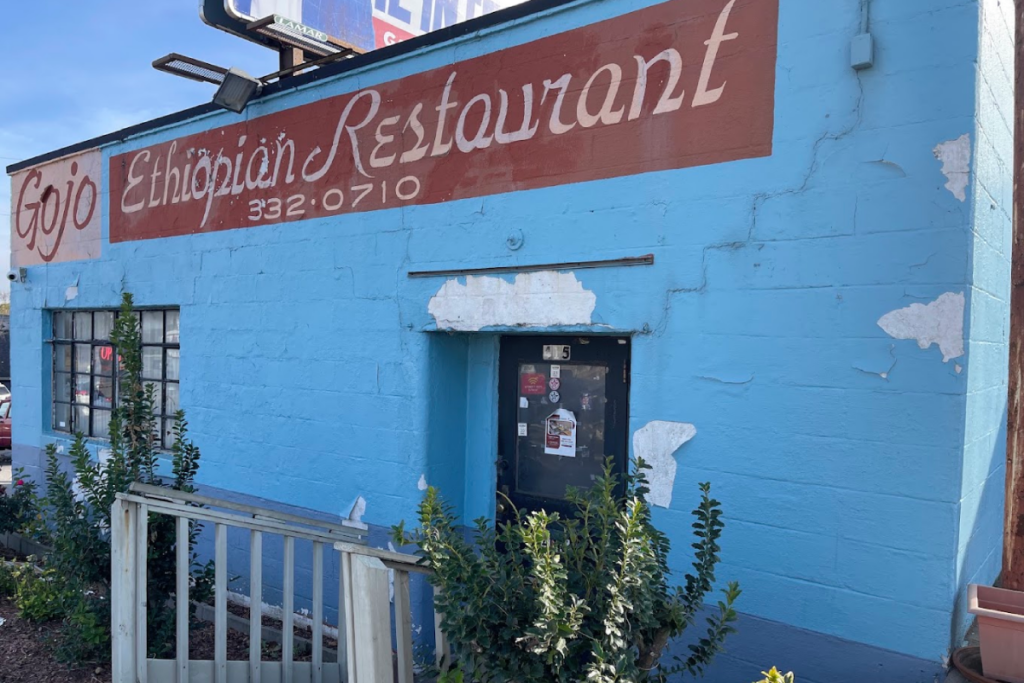
Looking for something different than the same old Nashville dinner routine? Gojo Ethiopian Cafe and Restaurant on Thompson Lane offers flavors and traditions you won’t find at typical Tennessee spots.
This family-owned restaurant serves authentic Ethiopian dishes in a cozy setting that feels more like a friend’s home than a trendy hotspot. Whether you’re an adventurous eater or just tired of the usual chain restaurants, this place delivers an experience worth talking about.
A Cozy Nashville Spot That Feels Like a True Hidden Gem

Tucked away on West Thompson Lane, Gojo doesn’t scream for attention from the street. The building itself looks modest, almost understated, which means plenty of people drive right past without realizing what they’re missing.
But step inside and you’ll find something Nashville doesn’t have much of anymore: an unpretentious, family-run spot where the focus stays on the food, not the Instagram-worthy decor.
The dining room wraps you in warmth the moment you walk through the door. Traditional Ethiopian decorations line the walls, creating an atmosphere that feels both cultural and comfortable.
It’s not trying to be trendy or polished in that overdone way so many new restaurants aim for. Instead, it offers something better: authenticity.
Many first-timers admit they felt hesitant when they first arrived, especially if the restaurant happened to be quiet that day. But those who stay quickly realize the peaceful vibe is part of the charm.
This isn’t a place where servers rush you through courses or background music drowns out conversation.
The intimate setting makes it perfect for date nights or small groups who want to actually hear each other talk. You won’t battle crowds or wait an hour for a table on most nights.
The staff takes time to explain dishes and answer questions without making you feel rushed or uninformed.
Locals who’ve been coming for years call it one of Nashville’s best-kept secrets. It’s the kind of place that rewards curiosity over hype. The exterior might not win design awards, but what happens inside matters more.
Real food, real hospitality, and a genuine taste of Ethiopian culture right here in Tennessee.
Traditional Ethiopian Flavors Take Center Stage Here
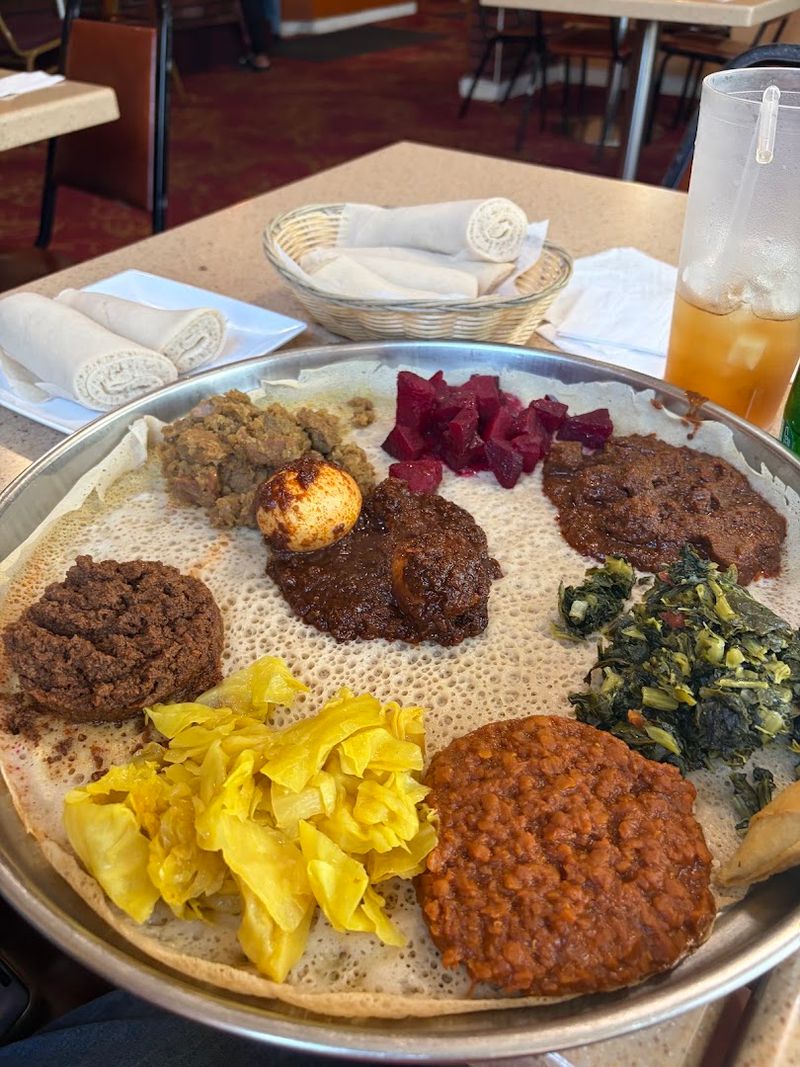
Ethiopian cuisine doesn’t mess around with bland, boring food. The flavors hit bold and complex, built on spice blends that have been perfected over generations.
At Gojo, those traditional recipes take the spotlight, prepared the way they’ve been made in Ethiopian homes for centuries. You won’t find watered-down versions created for cautious American palates here.
The kitchen uses berbere, a signature Ethiopian spice mix that brings warmth without overwhelming heat. It shows up in the red-sauced dishes, adding layers of flavor that make each bite interesting.
Turmeric, garlic, ginger, and other aromatics build depth in the yellow curries and milder options.
Every dish gets cooked slowly, allowing ingredients to break down and flavors to marry together properly. The meats become fall-apart tender, soaking up the spices and developing that rich, savory quality that keeps people coming back.
Vegetables get similar treatment, transforming simple ingredients like collard greens, potatoes, and beets into something memorable.
First-timers often worry about spice levels, but the menu offers plenty of range. The “alicha” dishes use turmeric and mild seasonings, while “wat” or “wot” preparations bring more heat and complexity.
The staff happily guides you based on your preferences, making sure you order something you’ll actually enjoy.
What makes the food here special isn’t just the spices themselves but how they’re balanced. Nothing tastes one-note or overpowering. The flavors work together, creating dishes that taste both exotic and somehow comforting. It’s home cooking at its finest, just from a different home than most Tennesseans grew up in.
The authenticity shows in every bite, making it clear why customers drive across Nashville specifically for this food.
The Shareable Platters Make Every Meal More Memorable
Forget the idea of everyone ordering their own plate and eating separately. Ethiopian dining tradition centers on sharing, and Gojo embraces this approach fully.
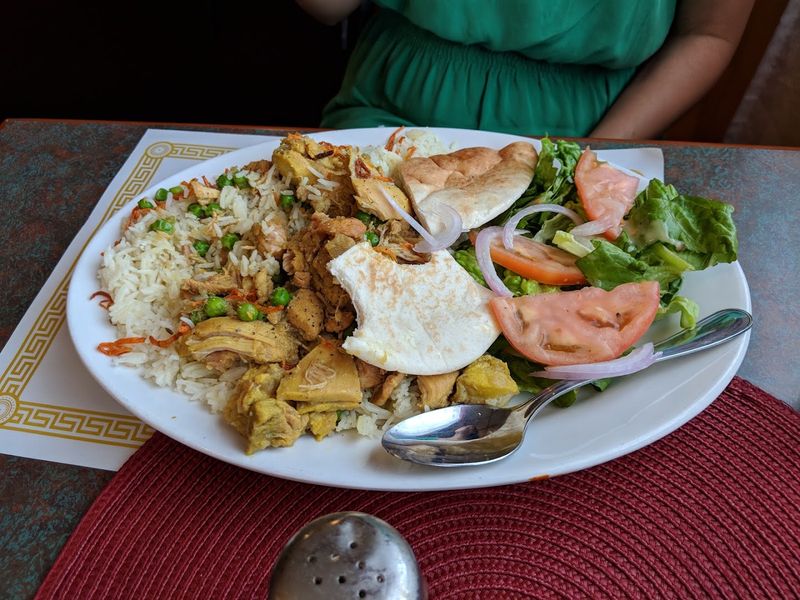
The combination platters arrive loaded with multiple dishes arranged on a large round of injera, creating a colorful spread that invites everyone to dig in together.
These combos let you sample several items in one meal without committing to a single flavor. A typical meat and vegetable combo might include spiced beef, tender chicken, yellow split peas, collard greens, potatoes with beets, and more. Everything sits on that spongy injera bread, which serves as both plate and utensil.
Groups of friends or families find these platters perfect for their gatherings. You can order one or two combos and have plenty of food for multiple people.
The sharing aspect does more than save money or offer variety. It creates a communal experience that makes the meal feel special. Everyone reaches toward the center, trying different combinations, discussing favorites, and experiencing the food together rather than in isolation.
Even couples on date nights enjoy ordering a single combo to split. It gives you both a chance to taste multiple dishes and discover what you like without the commitment of a full entree.
Plus, it naturally creates conversation as you compare notes on different items.
The portions might look modest at first glance, but the injera fills you up more than expected. That spongy bread is substantial, and you’ll use plenty of it to scoop up all those flavorful stews and vegetables.
Most people leave feeling perfectly satisfied, not stuffed but definitely full, after sharing one of these thoughtfully portioned platters.
Injera Turns Dinner Into a Hands-On Experience
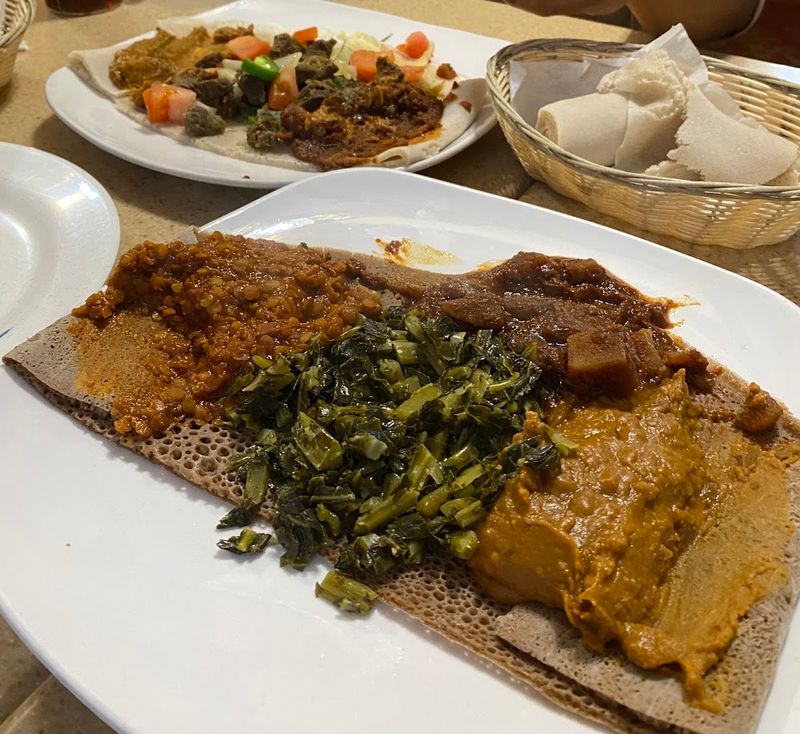
No forks, no knives, no spoons. At Gojo, your utensil is the food itself.
Injera, a spongy sourdough flatbread made from teff flour, serves as both the base for your meal and the tool you use to eat it. This traditional approach transforms dinner into something more interactive and fun than your typical restaurant experience.
The bread has a unique texture unlike anything else in American cuisine. Slightly sour, soft, and full of tiny holes like a pancake-meets-crêpe, it’s perfect for tearing and scooping.
You rip off a piece, use it to grab some stew or vegetables, and pop the whole thing in your mouth. Simple, effective, and surprisingly satisfying.
First-timers sometimes feel awkward about eating with their hands, but that hesitation disappears quickly. There’s something primal and enjoyable about it once you get past any self-consciousness.
Kids especially love this part, since they get permission to ditch the silverware and dive in.
Gojo even offers gluten-free injera for customers who need it, which is a rare and appreciated option. The gluten-free version maintains that essential spongy quality while accommodating dietary restrictions.
Not many Ethiopian restaurants go to this trouble, making it a standout feature.
The injera underneath your food soaks up all those rich sauces and juices throughout the meal. By the time you’ve worked through the toppings, that bottom layer has absorbed incredible flavor.
Many diners consider it the best part, having marinated in spices and gravies for the entire meal.
If you absolutely prefer silverware, the restaurant will provide it upon request. But you’d be missing out on the authentic experience and half the fun. Eating with injera connects you to Ethiopian food culture in a way that using a fork just can’t match.
Meat Lovers and Vegetarians Both Have Plenty to Try
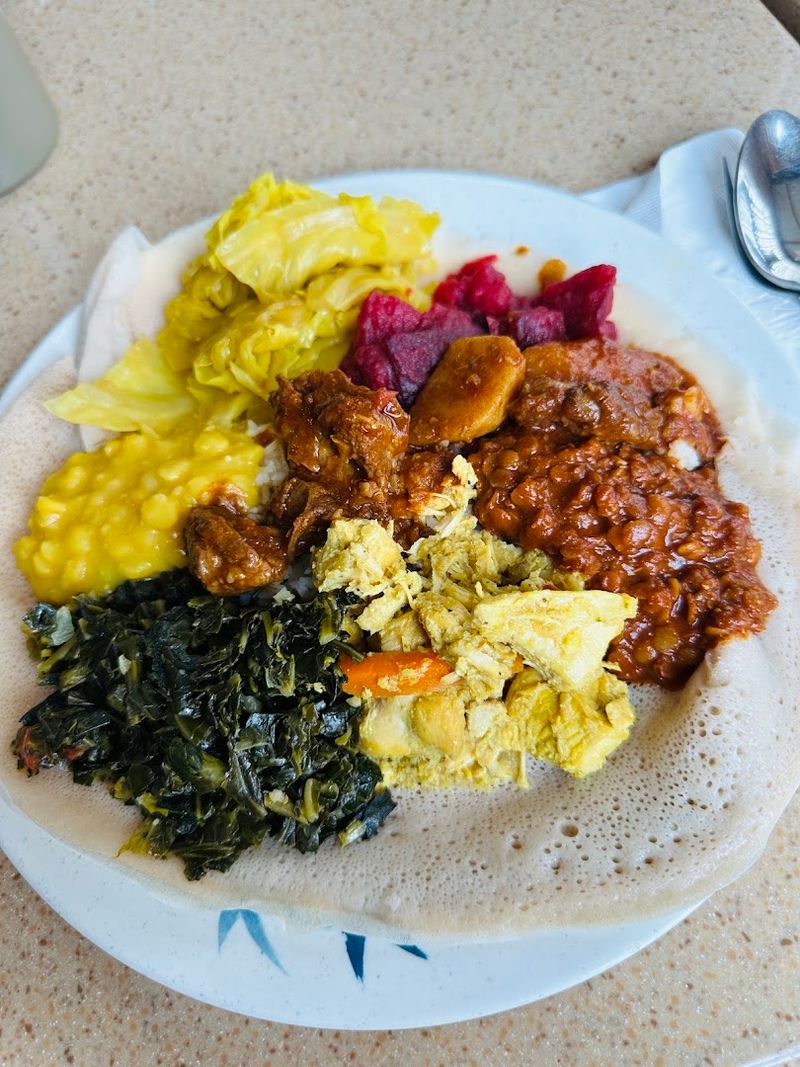
Ethiopian cuisine naturally accommodates different dietary preferences without forcing anyone to settle for boring salads or sides. Gojo’s menu reflects this balance beautifully, offering substantial options whether you eat meat or skip it entirely.
Both camps walk away happy and well-fed, which isn’t something every restaurant manages.
The meat dishes showcase serious cooking skills. Doro wat, a chicken stew with hard-boiled eggs, ranks as a national dish of Ethiopia and delivers rich, complex flavors.
Beef tibs come tender and well-seasoned, while lamb options like yebeg alicha offer milder, aromatic preparations. The slow-cooking methods ensure meats practically fall apart, soaking up spices without becoming dry or tough.
Vegetarian selections go far beyond token offerings. Yellow split peas, red lentils, collard greens, mushrooms, potatoes with beets, and chickpea dishes all get the same attention and seasoning as the meat options.
They’re not afterthoughts or sad substitutes but legitimate stars in their own right.
Many meat-eaters actually prefer some of the vegetarian dishes after trying them. The mushrooms prepared in Ethiopian spices consistently get mentioned in reviews as a standout.
The collard greens taste nothing like the Southern version most Tennesseans know, offering completely different flavors and preparations.
The combination platters make it easy to mix and match. You can order meat and vegetable combos that include both categories, letting everyone at your table sample across the menu.
Vegans can also find options here, though it’s worth asking about preparation methods to be certain. The variety of plant-based dishes means you won’t feel limited or like you’re making do with whatever scraps the kitchen could throw together.
Ethiopian food culture has a long tradition of vegetarian eating, and that heritage shows clearly on Gojo’s menu.
Warm Spices and Slow-Cooked Dishes Keep Locals Coming Back
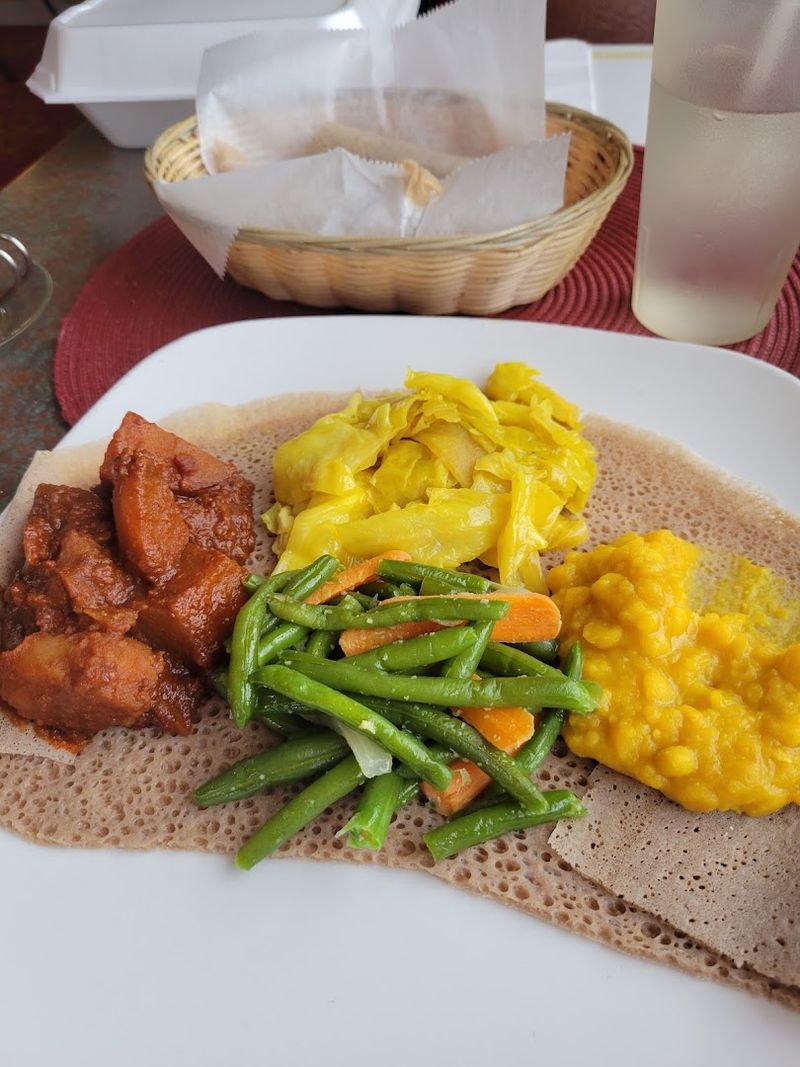
Some restaurants hook you with novelty, but Gojo builds loyalty through consistently excellent food. The same customers return month after month, year after year, because those slow-cooked dishes and carefully balanced spices deliver every single time.
This isn’t the kind of place you try once for the experience and then forget about.
The cooking methods here require patience and attention. Stews simmer for hours, allowing tough cuts of meat to become tender while spices infuse every bite.
Vegetables cook down until they’re soft and flavorful, not crunchy or raw. Everything gets the time it needs to develop properly.
Those warm spices create flavors that comfort without boring you. The dishes taste rich and satisfying in a way that makes you crave them days later.
It’s the kind of food that sticks in your memory, making you think about it randomly and start planning your next visit.
Regular customers often have their favorite combinations memorized. They know exactly what to order, which dishes pair well together, and how much food to get for their group size. But they also branch out occasionally, trying new items because the kitchen hasn’t let them down yet.
The authenticity and quality match what they’ve had elsewhere, sometimes exceeding it.
Nashville has plenty of trendy restaurants that generate buzz for a season then fade away. Gojo takes the opposite approach, building a devoted following through reliable excellence rather than hype.
The food speaks for itself, and word spreads naturally among people who appreciate genuine flavors. That’s how a modest spot on Thompson Lane becomes a destination that food-industry professionals recommend to visitors and locals alike.
Why Gojo Belongs on Your Tennessee Dining List

Tennessee’s food scene gets plenty of attention for barbecue, hot chicken, and meat-and-threes. Those traditions matter and deserve their reputation.
But limiting yourself to only the expected options means missing out on places like Gojo that expand what Tennessee dining can offer. This restaurant earns its spot on any serious food lover’s list.
The value here stands out in a city where restaurant prices keep climbing. Combination platters feed multiple people without breaking the budget.
The quality of ingredients and preparation justifies every dollar spent, unlike trendy spots where you’re mostly paying for atmosphere and Instagram potential.
Gojo also fills a genuine gap in Nashville’s culinary landscape. Ethiopian restaurants remain relatively rare in Tennessee, making this an opportunity to experience a cuisine you can’t easily find elsewhere.
It’s not just different for the sake of being different; it’s legitimately excellent food from a rich culinary tradition.
The family-owned aspect matters more than you might think. The people running Gojo care about the food and the experience in ways corporate restaurants simply can’t match. They’re serving dishes from their own heritage, not following a manual from corporate headquarters. That personal investment shows in the results.
Visitors to Nashville often hit the same tourist-trap restaurants downtown, eating overpriced food in overcrowded spaces. Locals know better, and they’ve quietly been enjoying Gojo for years.
Adding it to your rotation means eating like someone who actually lives here, not like someone following a generic travel guide.
The restaurant offers more than just a meal. It provides a window into Ethiopian culture, from the communal eating style to the traditional coffee ceremony some customers order. You leave having learned something and experienced genuine hospitality.
In a city full of dining options competing for attention, Gojo succeeds by staying true to its roots and doing one thing exceptionally well.