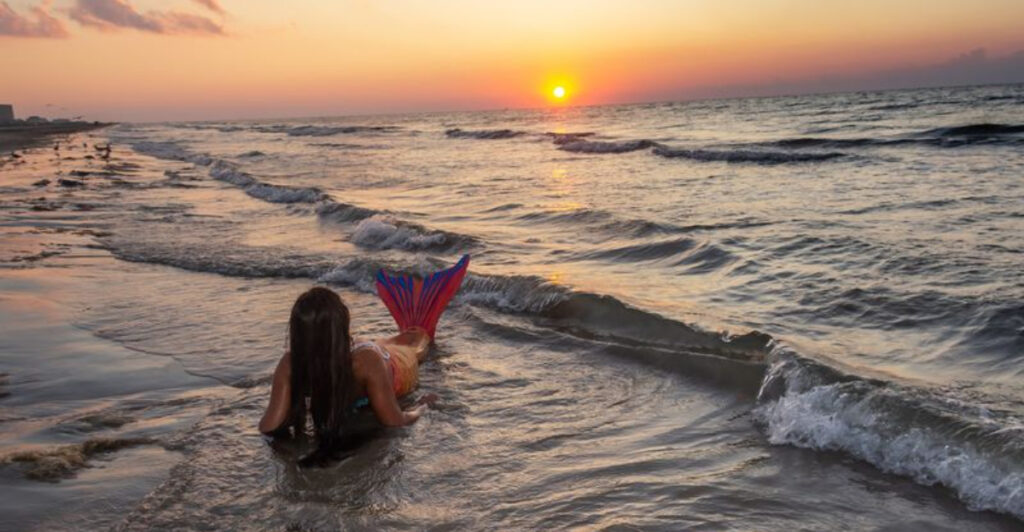
Texas is packed with places where kids can do what they do best: make a glorious mess. From splashing in natural springs to digging for dinosaur tracks, the Lone Star State offers adventures that let children get dirty, wet, and wonderfully exhausted. These spots celebrate the kind of unstructured, hands-on play that creates the best childhood memories and gives parents a chance to relax while their kids burn off energy in the great outdoors.
1. Krause Springs (Spicewood)
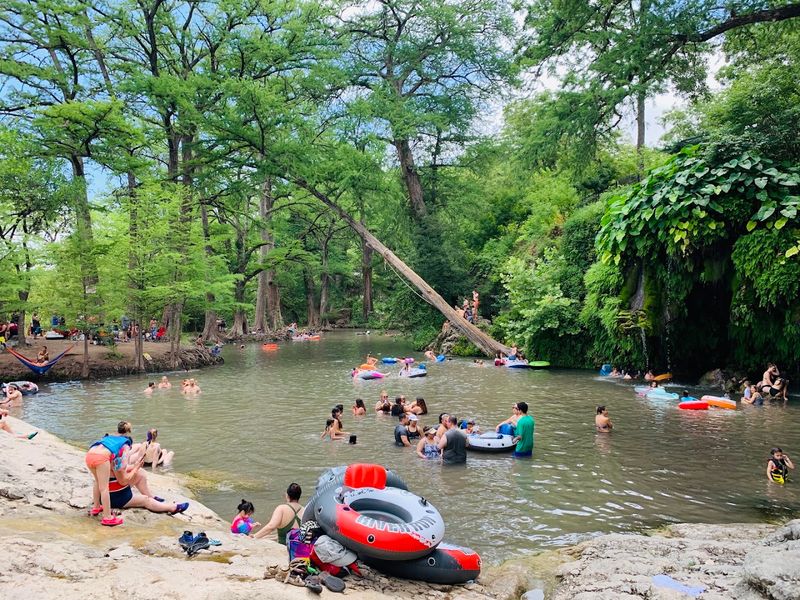
Tucked into the Hill Country west of Austin, this privately owned oasis features more than 30 natural springs that feed multiple swimming pools and a butterfly garden that’ll distract kids for hours. The main pool sits beneath towering cypress trees, creating natural shade that keeps the water refreshingly cool even during brutal Texas summers. Smaller pools cascade down the hillside, giving younger children gentler spots to splash without the deep-water worry.
The camping area overlooks the pools, so families can set up base camp and let kids roam between swimming sessions. A rope swing dangling over one of the deeper pools attracts the brave ones, while the shallow creek areas let toddlers hunt for minnows and smooth river rocks. The grounds encourage barefoot wandering, and muddy feet are practically a badge of honor here.
Pack a cooler because you’ll want to spend the whole day. The property charges a small admission fee that helps maintain the natural beauty and keeps the crowds manageable. Weekdays offer the most elbow room, though weekends bring a lively community vibe with families staking out picnic tables under the trees.
The water stays a constant 68-70 degrees year-round, fed by those reliable underground springs. That means chilly plunges in summer and surprisingly swimmable conditions during mild winter days. No glass containers allowed, and the owners ask visitors to pack out what they pack in.
Changing rooms are basic but functional, and the whole place has that delightfully low-key Texas charm where nobody cares if your kid is covered head-to-toe in creek mud. Just hose them off before the car ride home.
2. Froberg’s Farm (Alvin)
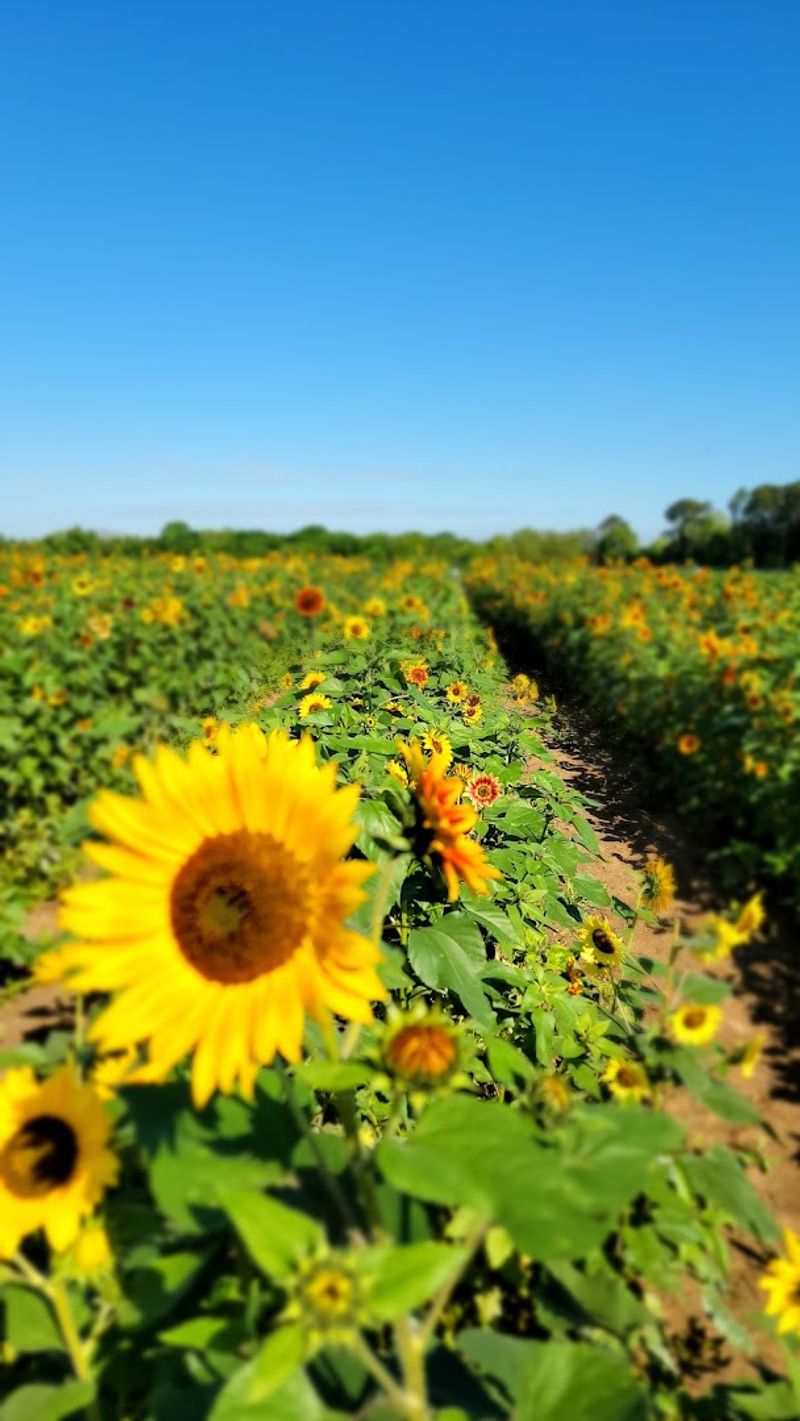
About 30 miles south of Houston, this working farm transforms into kid paradise during strawberry season, when little hands can pick their own berries straight from the dirt. The you-pick fields open in spring, and there’s something magic about watching children discover that food actually grows in the ground. They’ll eat half of what they pick, and their faces will prove it with telltale red juice stains.
Beyond the berry patches, the petting zoo houses goats that aren’t shy about demanding attention and snacks. Chickens roam freely, and kids can collect eggs from the henhouse if they visit at the right time. The farm hosts seasonal events throughout the year, including fall pumpkin patches and Christmas tree sales, each bringing its own brand of organized chaos.
The barnyard play area features hay bales for climbing, tire swings, and enough open space for kids to run themselves ragged. On weekends, tractor rides tour the property, giving families a behind-the-scenes look at farm operations. The farm store sells fresh produce, homemade jams, and ice cream that tastes even better when you’ve been sweating in the Texas sun.
Wear clothes you don’t mind ruining because strawberry stains are permanent, and the farm’s sandy soil gets everywhere. Bring a wagon or basket for berry hauling, though the farm provides containers if you forget. Sunscreen is non-negotiable since shade is limited in the fields.
The farm operates on a seasonal schedule, so check ahead before making the drive. Peak strawberry season runs roughly January through April, depending on weather. Admission includes access to all the farm activities, with berry picking charged by the pound.
3. Dinosaur Valley State Park (Glen Rose)
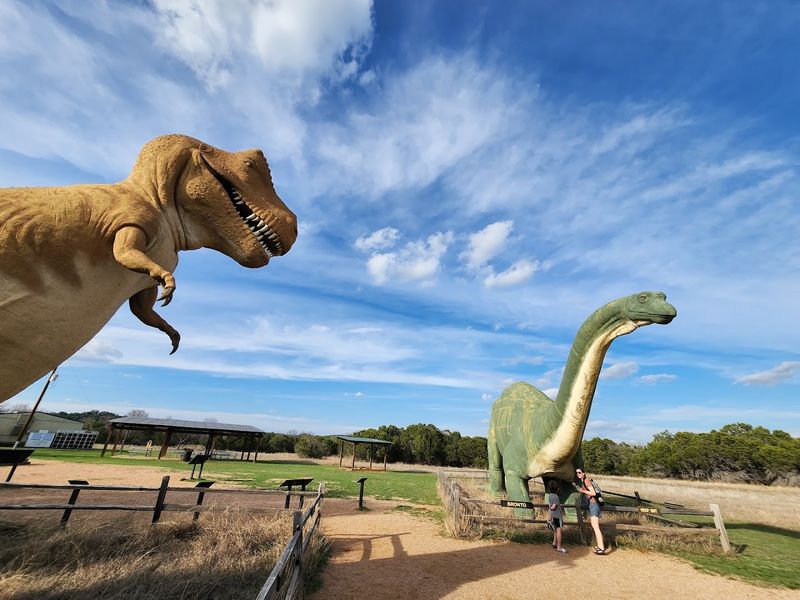
Real dinosaur tracks are pressed into the limestone riverbed here, left behind 113 million years ago when this part of Texas was covered by an ancient sea. Kids can wade right into the Paluxy River and stand in the same spots where massive sauropods once walked. The tracks are most visible during dry summer months when water levels drop, revealing dozens of three-toed prints that make even skeptical teenagers go wide-eyed.
The park offers more than just prehistoric footprints. Hiking trails wind through juniper-covered hills, and the river provides endless opportunities for splashing, rock-hopping, and amateur paleontology. Some families bring plaster to make casts of the tracks, though park rules require leaving the originals undisturbed.
Bring water shoes because the riverbed rocks are slippery and sharp in places.
Life-sized dinosaur models near the park entrance set the stage, towering over visitors and making excellent photo ops. The park’s primitive camping areas attract families who want to extend the adventure overnight. Screened shelters provide a middle ground between tent camping and staying home, offering protection from mosquitoes without sacrificing the outdoor experience.
Summer heat can be intense, so morning visits work best for extensive exploration. The river provides natural cooling, and most kids spend hours building rock dams and hunting for fossils in the shallow water. The visitor center offers educational displays about the area’s prehistoric past, though most children prefer the hands-on learning that happens in the river.
Park admission requires a small fee, and the tracks are accessible year-round, though river conditions vary seasonally. Spring rains can make the river too high for safe track viewing, so call ahead if you’re visiting after wet weather.
4. Discovery Green (Houston)
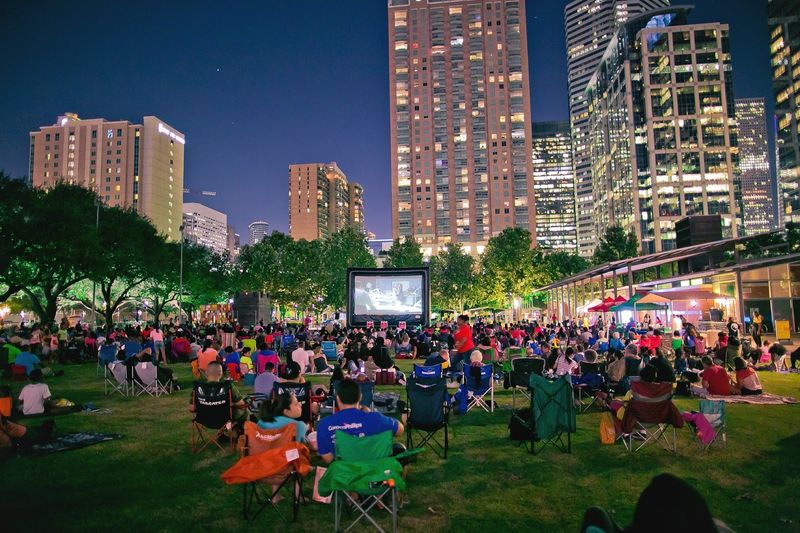
Right in the heart of downtown Houston, this 12-acre park proves that city kids can get just as muddy as their country cousins. The Kinder Lake attracts remote-control boat enthusiasts and ducks that beg shamelessly for snacks. During summer, the Gateway Fountain becomes ground zero for water play, with jets shooting up from the pavement in patterns that keep kids guessing and squealing.
The park’s two playgrounds cater to different age groups, with climbing structures, swings, and slides that stay busy from dawn until the lights come on. A sand play area gives toddlers their own dedicated digging zone, complete with shovels and buckets that somehow always multiply when you’re not looking. The expansive lawn hosts everything from yoga classes to concerts, but kids mostly use it for cartwheels and impromptu soccer games.
Food trucks rotate through regularly, parking along the pathways and offering everything from tacos to ice cream. The park’s location makes it easy to combine with other downtown attractions, though many families find they never leave once they arrive. Free WiFi means parents can technically work while kids play, though good luck concentrating with all the activity.
Seasonal events pack the calendar, including outdoor movies, fitness classes, and holiday celebrations. The park stays open year-round, with the fountains running during warm months and the lawn serving as picnic central when weather cooperates. Parking in downtown Houston can be tricky, so arrive early or use the nearby light rail station.
Bring a change of clothes because kids will get soaked at the fountains, no matter how many times you say they won’t. The park provides some seating, but a blanket makes lawn lounging more comfortable during extended visits.
5. Mustang Island State Park (Port Aransas)
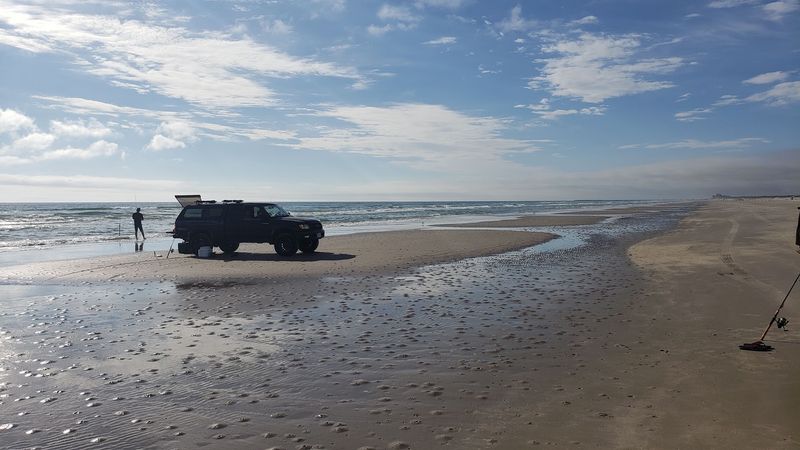
Five miles of Gulf Coast beach stretch along this barrier island, offering the kind of wide-open sand that invites serious castle construction and wave jumping. The beach slopes gently into the water, creating extended shallow areas where younger kids can splash without parents hovering nervously. Seashell hunting becomes an obsession here, with sand dollars, whelks, and tiny coquinas washing up with each tide.
The park’s paddling trail winds through calm bay waters on the island’s protected side, perfect for kayaking families who want a break from the surf. Fishing from the beach requires no special permit beyond park admission, and kids love the possibility of catching dinner even if they mostly catch seaweed. The campground sits steps from the beach, so you can literally roll out of your tent and onto the sand.
Beach showers help rinse off the worst of the sand and salt before heading home, though you’ll still find grains in your car weeks later. The park stays relatively uncrowded compared to the more developed beaches nearby, giving families room to spread out. Dunes stabilized by sea oats provide natural windbreaks and photo opportunities.
Bring a wagon for hauling beach gear because the walk from parking to prime beach real estate can be lengthy. The island’s famous blue crabs scuttle along the shoreline at night, and brave kids can try catching them with nets and flashlights. Portuguese man-of-war occasionally wash up, so teach children to look but never touch unfamiliar jellies.
The park charges a per-person admission fee, and camping requires advance reservations during peak summer and spring break weeks. Gulf water temperatures stay swimmable from April through October, with summer bringing bathwater-warm conditions.
6. Yanaguana Garden at Hemisfair (San Antonio)
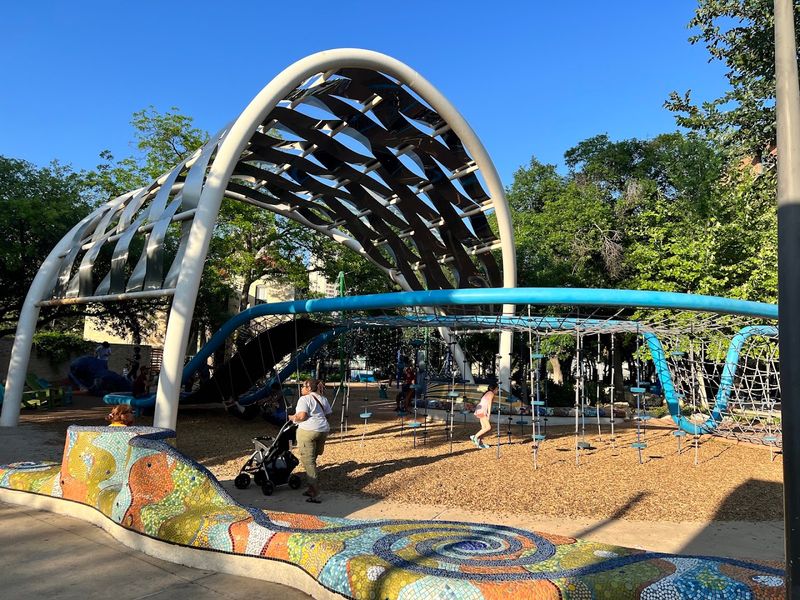
This San Antonio playground takes the concept of a simple park and cranks it up to eleven with interactive water features, climbing structures that challenge even athletic kids, and enough sensory play elements to keep everyone engaged for hours. The splash pad operates seasonally, with jets, sprayers, and ground fountains creating a water playground that requires zero swimming skills. Kids run through the spray in their clothes because everyone knows they’re getting soaked anyway.
The playground zones separate by age and ability, so toddlers aren’t dodging big kids on the slides. A sand play area equipped with diggers and conveyor belts turns into an engineering lab where children build elaborate waterways and dams. The whole garden sits in the shadow of the Tower of the Americas, giving the space a distinctly San Antonio flavor.
Shade structures provide relief from the intense South Texas sun, and misters cool the air on the hottest days. The garden hosts regular events, from story times to fitness classes, all free and open to the public. Food vendors set up nearby, though many families pack picnics to enjoy at the scattered tables.
Parking can be challenging during peak times, but the nearby lots offer reasonable rates, and some street parking exists if you’re willing to walk a few blocks. The garden connects to wider Hemisfair pathways, so active families can extend their visit with a walking tour of the area. Clean restrooms and water fountains are plentiful, a detail parents appreciate during long play sessions.
The splash pad typically runs from March through October, weather permitting. Weekday mornings offer the least crowded experience, while weekend afternoons bring a festival atmosphere with families from across the city. Bring towels and a change of clothes, plus sunscreen that you’ll need to reapply constantly.
7. Splashway Waterpark (Sheridan)
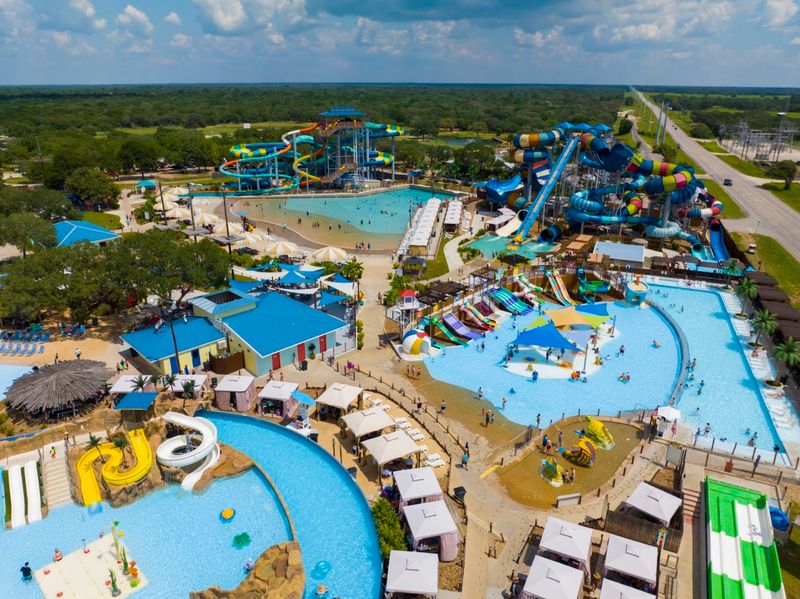
Located about an hour southwest of Houston, this family-owned waterpark delivers big-park thrills without the overwhelming crowds or wallet-crushing admission prices of the corporate mega-parks. The wave pool generates three-foot swells that delight kids who’ve been practicing their boogie board skills. A lazy river winds around the property, offering the closest thing to relaxation parents will experience while supervising water-crazed children.
The slides range from mild to wild, with options for cautious first-timers and adrenaline-seeking tweens. Pint-sized visitors get their own dedicated play area with scaled-down slides, dumping buckets, and shallow splash zones. Cabana rentals provide a home base for families who want guaranteed seating and shade, though plenty of free lounge chairs dot the deck areas.
The park’s attached campground and RV resort let families turn a day trip into a weekend adventure. Campsites include waterpark admission, making it one of the better deals in Texas family entertainment. The park’s smaller footprint means less walking between attractions, a blessing when you’re hauling floaties, coolers, and exhausted toddlers.
Outside food is generally prohibited, but the park’s concession prices stay reasonable, and the menu goes beyond standard theme park fare. Life jackets are provided free for younger swimmers, and lifeguards stationed throughout maintain a visible presence. The park enforces height restrictions on slides strictly, preventing the inevitable tears when a too-small child tries to sneak onto a big-kid attraction.
Season passes often pay for themselves in two visits, making them worthwhile for families within driving distance. The park operates seasonally, typically opening weekends in May and daily during summer months. Arrive at opening time to claim the best spots, or wait until late afternoon when day-trippers start leaving.
8. Barton Springs Pool (Austin)
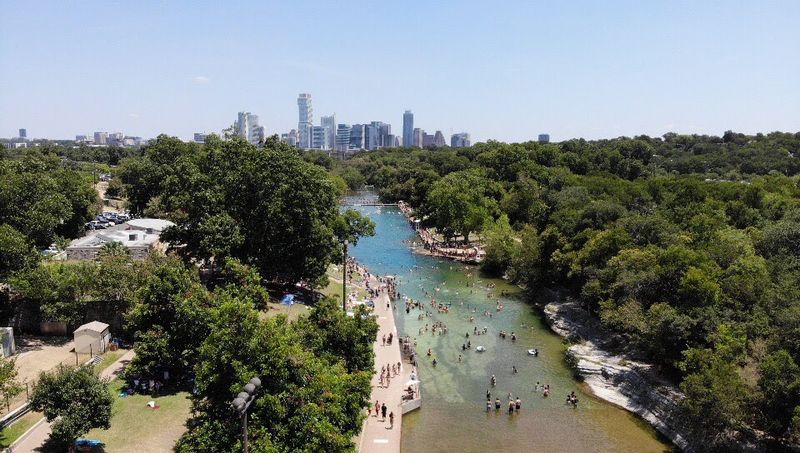
Fed by underground springs that pump 35 million gallons of water daily, this three-acre pool maintains a constant 68-72 degrees year-round, making it swimmable even when Austin swelters at 105. The pool stretches longer than three football fields, with depths ranging from zero-entry shallows to a 18-foot diving area. Native grasses and trees shade the surrounding lawn, where families spread blankets and set up camp for marathon swimming sessions.
The cold water shocks first-time visitors, but kids adapt quickly, spending hours diving for coins and racing from one end to the other. The pool’s natural bottom and walls harbor tiny shrimp and the endangered Barton Springs salamander, adding an educational element to the recreational experience. Lifeguards patrol the deck, and swimming lessons run throughout summer months.
Located within Zilker Park, the pool serves as an anchor for day-long Austin adventures. Families often combine swimming with playground time, disc golf, or simply lounging under the massive pecan trees. The bathhouse provides changing rooms and showers, though the vintage facilities show their age.
A small admission fee keeps the pool maintained and limits overcrowding, though Austin residents get discounted rates.
Early morning swimmers brave the cold for a peaceful experience before crowds arrive. By noon on summer weekends, the lawn fills with coolers, towels, and sunbathers, creating a vibrant community scene. The pool closes periodically for cleaning, and heavy rains can trigger closures due to bacteria concerns, so check the status before making the trip.
No flotation devices allowed except Coast Guard-approved life jackets, a rule that initially frustrates parents but ultimately creates a safer swimming environment. The pool stays open year-round with limited winter hours, attracting hardy locals who swear by cold-water swimming’s health benefits.
9. Stewart Beach (Galveston)
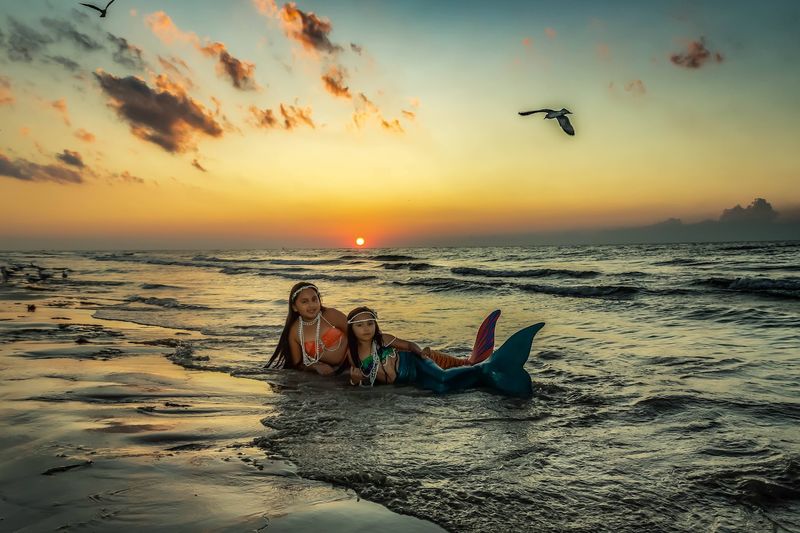
This family-friendly stretch of Galveston sand comes equipped with amenities that make beach days less chaotic: chair and umbrella rentals, clean restrooms, and lifeguards who actually pay attention. The gentle surf and gradual slope into the water create ideal conditions for beginning swimmers and sandcastle architects. Volleyball nets set up along the beach attract impromptu games, and kids quickly make friends while diving for errant serves.
The beach patrol enforces rules that keep the atmosphere family-appropriate, meaning fewer rowdy spring breakers and more parents building elaborate sand structures with their children. Concession stands sell the usual beach fare, from snow cones to hot dogs, at prices that won’t require a second mortgage. Pavilions provide shaded gathering spots for extended family groups and birthday parties.
Galveston’s water lacks the crystal clarity of tropical destinations, but kids don’t care when they’re jumping waves and hunting for shells. The beach stays busy but rarely feels overcrowded, with enough space for everyone to claim their piece of sand. Showers and changing facilities help rinse off the worst of the beach grime before the drive home.
Parking lots adjacent to the beach charge reasonable daily fees, and arriving before 10 a.m. guarantees a spot during peak season. The beach closes to vehicles, creating a safer environment for children who wander. Seaweed washes up periodically, and jellyfish make occasional appearances, so keep vinegar handy for stings.
The beach operates year-round, though swimming season realistically runs March through October. Winter beachcombing attracts families looking for shells and solitude without the summer heat. Alcohol is prohibited, a policy that keeps the family vibe intact and reduces the likelihood of broken glass in the sand.
10. The Dallas Arboretum and Botanical Garden (Dallas)
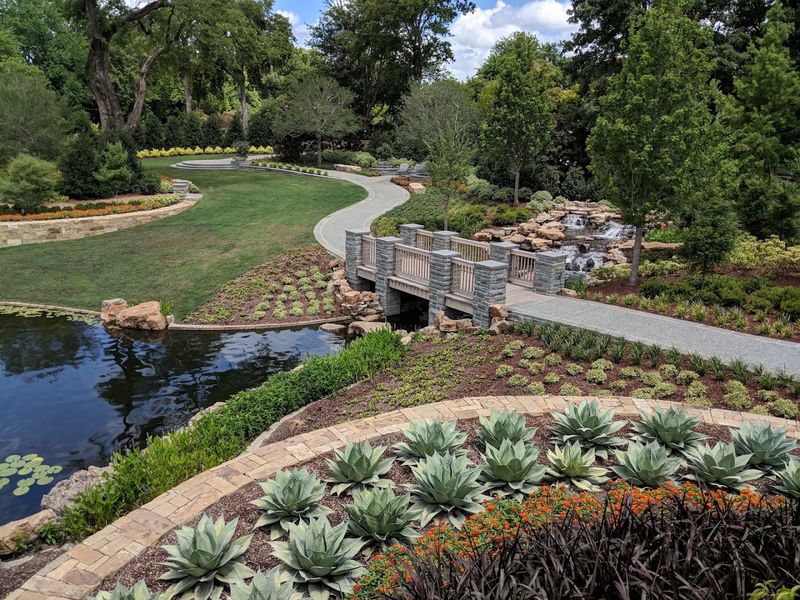
Sixty-six acres of meticulously maintained gardens might not scream “get messy,” but the Rory Meyers Children’s Adventure Garden changes that equation with 17 interactive learning stations where kids can dig, spray, climb, and explore. The garden’s design encourages hands-on discovery, with exhibits covering everything from photosynthesis to water conservation through activities that feel more like play than education. A 32-foot climbing structure shaped like an acorn challenges kids to scale the outside or navigate the interior maze.
Water play areas let children experiment with dams, channels, and water wheels, creating miniature engineering projects that inevitably lead to soaked shirts and muddy knees. Vegetable gardens demonstrate where food comes from, and seasonal programs let kids harvest produce or plant seeds to take home. The garden stays engaging year-round, with spring bringing explosion of tulips and fall offering pumpkin displays.
Beyond the children’s area, the broader arboretum provides stunning seasonal displays that make even reluctant young visitors stop and stare. White Rock Lake serves as a backdrop, and the garden’s elevation offers surprising views of the Dallas skyline. Families often pack picnics to enjoy in designated areas, though the on-site café serves lunch if you’d rather skip the meal prep.
The garden hosts special events throughout the year, from summer concerts to holiday light displays. Stroller-friendly pathways make navigation easy, though the children’s garden’s terrain includes stairs and slopes that challenge wagons. Admission prices run higher than typical park fees, but annual memberships pay for themselves quickly for local families.
Plan at least three hours to explore the children’s garden thoroughly, longer if you want to wander the main grounds. Weekday mornings offer the quietest experience, while weekends bring crowds but also additional programming and activities. Wear clothes that can get dirty because the garden’s whole philosophy encourages tactile learning.
11. Prince Solms Park (New Braunfels)
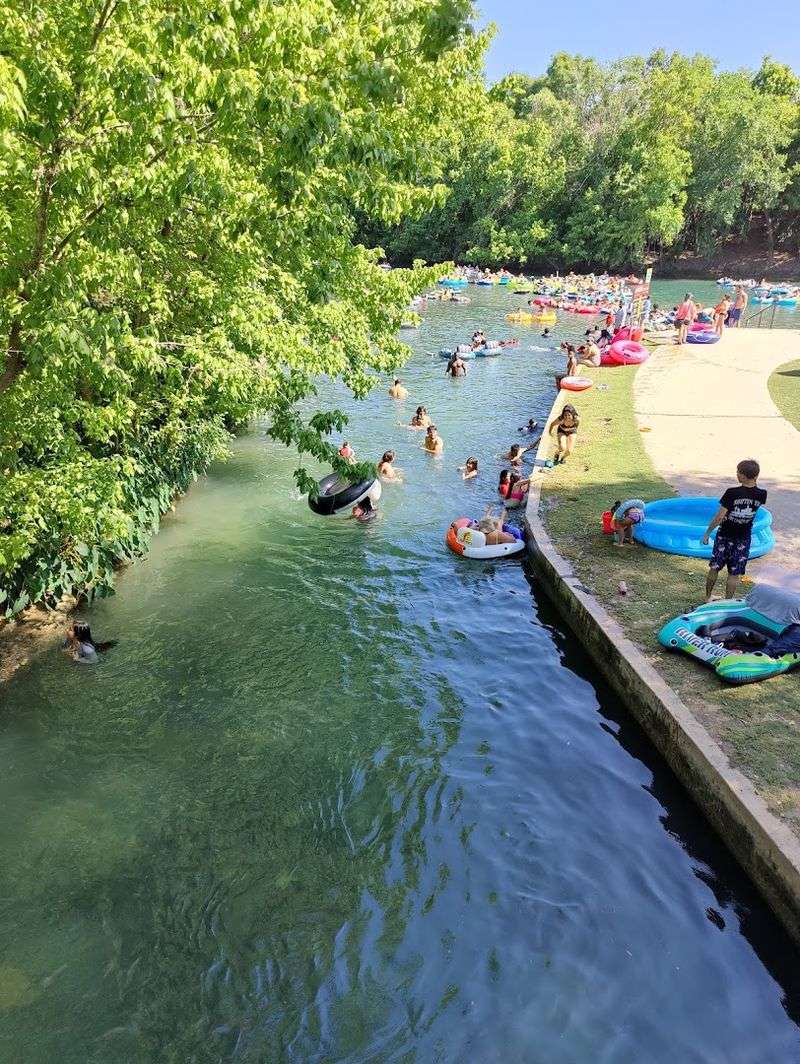
Straddling the Comal River in downtown New Braunfels, this park offers free access to one of Texas’s most popular tubing destinations without the commercial tube rental chaos found elsewhere. The river’s spring-fed waters stay a refreshing 72 degrees, and the gentle current carries floaters downstream at a pace that won’t terrify nervous parents. Kids can tube, swim, or simply wade in the shallows hunting for river rocks and watching fish dart between their feet.
The park’s massive shade trees create natural cooling zones where families set up base camp for the day. Picnic tables scatter throughout, though they fill quickly on summer weekends. A playground gives kids a break from water activities, and the wide lawn invites frisbee games and cartwheels.
The park’s location in the heart of town means easy access to food and supplies.
Unlike some river parks that charge steep admission and tube rental fees, Prince Solms lets visitors bring their own floats and enjoy the water for free. The swimming area features a roped-off section with lifeguards during peak season, providing a safer zone for younger children. The park can get crowded during summer, especially on weekends when tubers pack the river.
The Comal’s clear water lets you see straight to the bottom, a rarity among Texas rivers. The current moves steadily but not dangerously, making it suitable for elementary-age kids with basic swimming skills. Life jackets are strongly recommended for weak swimmers, and the park doesn’t provide them, so bring your own.
Parking fills up by mid-morning on summer weekends, so arrive early or be prepared to circle. The park operates year-round, though winter swimming appeals only to the brave. Spring and fall offer ideal conditions with fewer crowds and comfortable temperatures for both swimming and lounging on the grass.