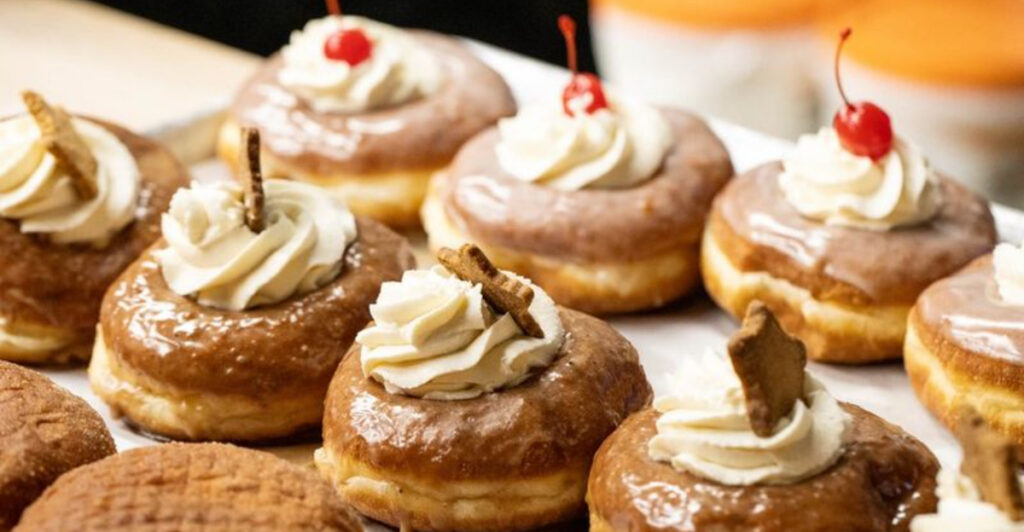
Three dozen brioche doughnuts went into the fryer on an unusually quiet Sunday morning in Montclair. The bakers ate roughly half of them themselves.
Customers snapped up the rest almost immediately. That was not the day’s business plan, but it may have been one of the most profitable breakfast breaks in New Jersey bakery history.
Montclair Bread Company had been built around crusty sourdough, baguettes, challah, and other serious loaves—the sort of bread that requires patience, fermentation, and a baker willing to wake up when everyone else is still asleep. Doughnuts were simply an experiment intended to liven up a sluggish shift.
Instead, those buttery fried rings began drawing lines, inspiring increasingly playful flavors, and disappearing from the display case before late risers could reach them.
The bread never stopped mattering, but the doughnuts gave this neighborhood bakery a completely different identity and turned a quiet side street into a morning destination.
The Montclair Bakery That Began With a Passion for Artisan Bread
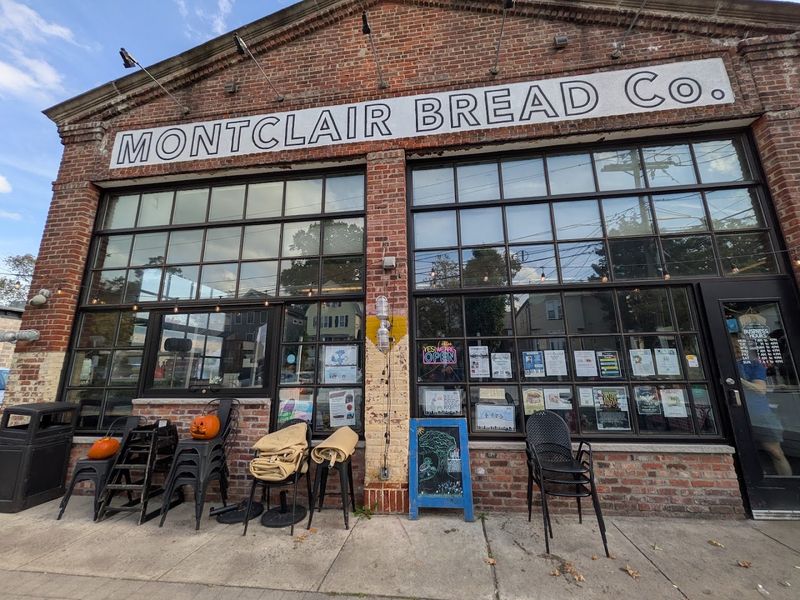
Long before anyone was planning a breakfast around a tres leches doughnut, Rachel Wyman was focused on fermentation, crust, crumb, and the quiet satisfaction of producing a properly made loaf.
The modern chapter of Montclair Bread Company began in May 2012, when Wyman—then known as Rachel Crampsey—took over the longtime bakery at 113 Walnut Street from Sally and Will Reinhardt.
She did not arrive as someone casually trying out the food business. Wyman had studied baking and pastry arts at the Culinary Institute of America and worked with respected bread operations including Bread Alone, Amy’s Bread in New York City, and Tribeca Oven in New Jersey.
Her first Montclair menu reflected that background. Customers found baguettes, croissants, sourdough loaves, challah rolls, focaccia, sandwiches, and specialty breads such as Currant Seeduction, a whole-grain loaf packed with currants, flax, sesame, sunflower seeds, and pumpkin seeds.
That particular bread had already earned Wyman the grand prize in the 2011 America’s Best Raisin Bread Contest. She would win additional honors in the competition in 2012 and 2013, making it clear that the word “Bread” in the shop’s name was not decorative.
Wyman was a bread baker first, interested in natural ingredients and the slower methods that give artisan loaves their character. Montclair seemed like a natural place for that approach: a walkable Essex County town with farmers markets, independent restaurants, and plenty of residents willing to seek out something handmade.
The bakery even operated seasonal stands at markets in Montclair, Hoboken, Red Bank, and West Orange. Yet technically excellent bread did not always produce a bustling Sunday morning.
The loaves had loyal customers, but the bakery still needed something that could create excitement the moment people saw it sitting behind the glass.
One Slow Sunday and a Batch of Fried Brioche Changed Everything
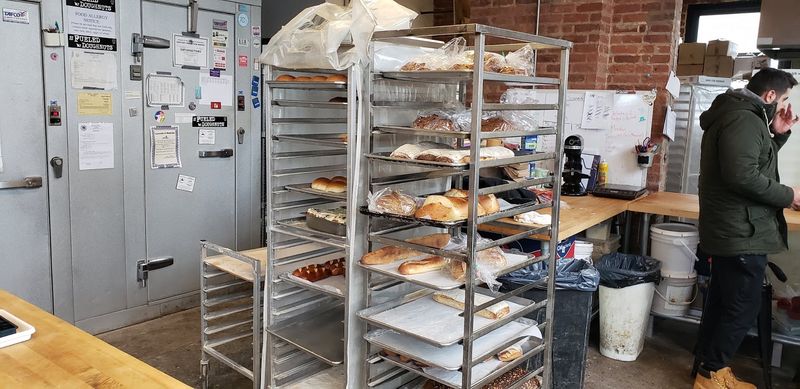
Picture the shop nearly empty, the bread work finished, and two bakers looking for something more interesting to eat than another sensible breakfast. Wyman has described those early Sundays as painfully quiet, with the bakery sometimes seeing only about 30 customers during the day.
On one of those mornings, a colleague asked her to make doughnuts. There was no grand launch strategy, elaborate flavor calendar, or weeks-long promotional campaign.
They made three dozen, ate about half, and placed the remaining doughnuts up for sale. Those disappeared in what Wyman later remembered as a split second.
The happy accident worked because the bakery already had the right raw material. Brioche is an enriched yeast dough made with plenty of butter and eggs, which gives it a tender crumb and a richer flavor than a standard doughnut base.
It had enough structure to survive the fryer while remaining soft, light, and almost feathery inside. More importantly, it tasted like it had been made by bread bakers rather than assembled from a commercial mix.
That first batch also revealed something about how people shop in the morning. A loaf of sourdough is practical; it might become sandwiches or toast over several days.
A fresh doughnut is immediate. It creates an excuse to stop, order coffee, bring home a box, or text someone that they had better get there before the good flavors vanish.
The response was so fast that Wyman and her team kept experimenting. Doughnuts went from a way to entertain themselves during a dead shift to a growing part of the bakery’s identity.
Montclair Bread Company eventually described itself as a bread bakery with a doughnut addiction, a line that neatly captured the transformation. Bread supplied the technique, but fried brioche supplied the spark.
Buttery Brioche Doughnuts Started Selling Out Within Minutes
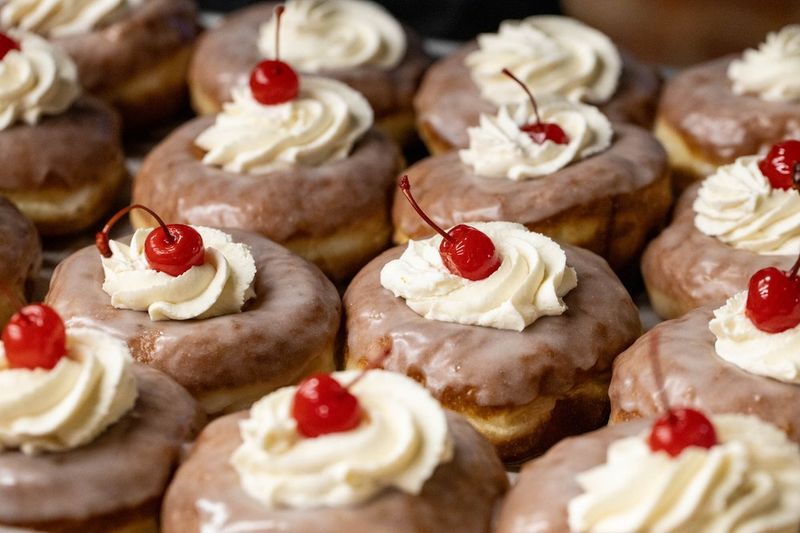
By the time word moved beyond Walnut Street, arriving late could mean confronting a display case that had already been thoroughly picked over. Customers began showing up earlier, particularly when special flavors were announced, and the scarcity became part of the ritual.
These were substantial doughnuts, but they were not heavy in the way an overly oily pastry can be. The brioche base produced a soft, springy interior with enough buttery richness to stand up to glazes, custards, jams, cereal coatings, bacon, and other toppings.
Even the straightforward glazed ring felt more bakery-driven than convenience-store sweet. The popularity helped push the business into a larger home at 16 Label Street in 2015, just a few blocks from the original Walnut Street location but with more room for production and the growing crowds.
The move placed the bakery in a converted, industrial-feeling space that suited its slightly scrappy personality. People could come for a box, stay with a coffee, and watch a neighborhood bakery behave more like a test kitchen.
The current menu still begins with the classic brioche ring, priced at $3.75 and finished with a thin glaze shell. A vanilla-sprinkle version costs $4, while the Boston cream is $4.75 and comes filled with house-made custard beneath a chocolate coating.
Those prices make it tempting to build a mixed box, although ordering one of everything becomes a surprisingly serious financial and logistical decision once the flavors start piling up. The sellout reputation did more than generate urgency.
It gave each visit a small element of uncertainty. You might arrive planning to buy a maple bacon doughnut and leave with apple cider, tri-jam, or something covered in Fruity Pebbles because that was what survived the morning rush.
At Montclair Bread Company, the backup choice rarely feels like a consolation prize.
Tres Leches and Other Creative Flavors Built a Statewide Following
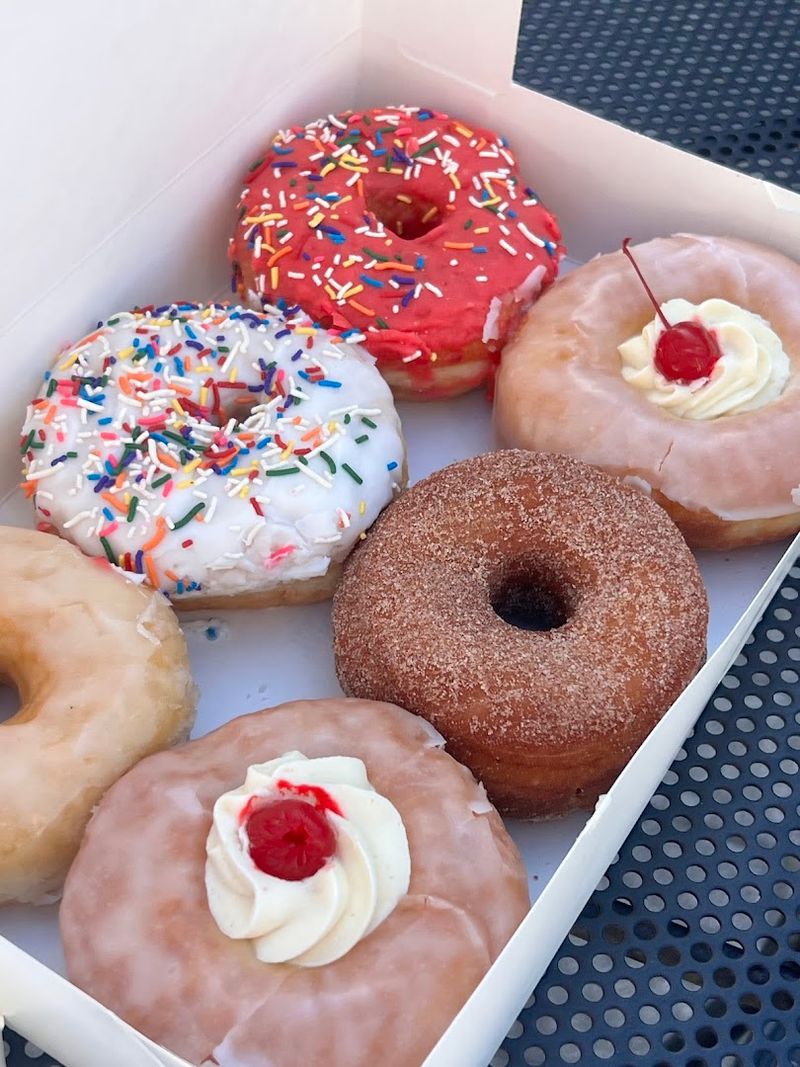
A glance at the case explains why the bakery outgrew the label of neighborhood doughnut shop. The flavors move freely between classic pastry, nostalgic snack food, cocktails, breakfast, and full-scale plated desserts.
The tres leches doughnut is the headliner: a brioche ring dipped in vanilla bean glaze, soaked with a three-milk cream, and finished with whipped cream and a cherry. The current price is $4.75, and it eats less like a standard glazed doughnut than a portable milk cake that happens to have come out of a fryer.
The tri-jam is filled with triple-berry preserves and rolled in berry powder and sugar, while the maple bacon combines bourbon-spiked maple glaze with hardwood-smoked bacon.
Fruity Pebbles bring crunch and Saturday-morning nostalgia; cookies and cream adds crushed chocolate sandwich cookies and fudge drizzle; champagne glaze and edible rose petals push the case in a more celebratory direction.
Bread technique still sneaks into some of the bakery’s cleverest offerings. The maple bourbon, chocolate-frosted, coffee, and horchata “sourdoughnuts” use a tangier base that keeps the toppings from tasting relentlessly sweet.
Several are also made without animal products, although the menu describes their vegan status as almost accidental rather than a compromise. Wyman’s flavor-development process has typically started with cravings, holidays, and ingredients at their seasonal peak.
The team then works out how to distribute each component so every bite contains the intended combination—not merely a mountain of toppings balanced on one side of the ring. That practical detail separates a photogenic doughnut from a genuinely well-designed one.
Apple cider returns to familiar New Jersey territory with cinnamon layered through the dough, while lemon-raspberry jam, horchata, maple bourbon, and champagne rose petals make the menu feel open to almost any idea that can survive frying.
The flavors draw attention, but the well-developed brioche and sourdough bases are what keep the experiments from becoming gimmicks.
A Donut Showdown Victory Put the Bakery in the National Spotlight
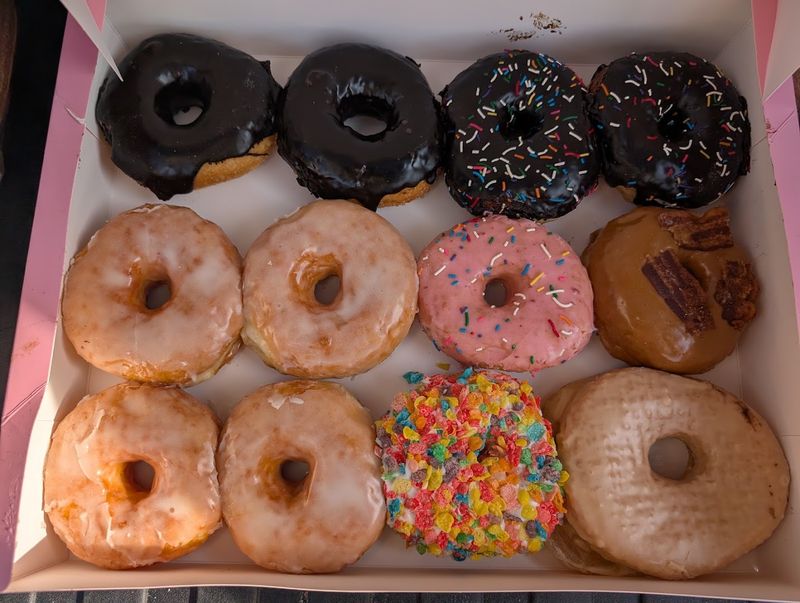
Two years after Wyman took over the Montclair bakery, the doughnuts earned a much larger audience. In 2014, she competed on “Donut Showdown,” a televised competition that challenged professional bakers to create imaginative doughnuts under pressure for a $10,000 prize.
Wyman emerged as the grand champion, with her tres leches creation becoming the bakery’s signature victory. Winning mattered because it confirmed that the strange little Sunday experiment had grown into something respected far beyond North Jersey.
The prize-winning doughnut was not simply a brioche ring with milk poured over it. It required balancing a fried pastry with the moisture and richness of tres leches cake without allowing the structure to collapse into a soggy mess.
The version sold in Montclair carries vanilla bean glaze, triple-milk cream, whipped cream, and a cherry, giving it the cheerful appearance of an ice cream sundae while preserving the airy pull of the brioche underneath.
It remains identified on the menu as the doughnut that won $10,000, an entirely reasonable bit of bragging considering how many years it has remained popular.
The television win joined a growing list of professional recognition for Wyman. She was later named among the country’s influential bakers, reached the finalist level for Team USA in the Coupe du Monde de la Boulangerie, and earned repeated Best Boutique Bakery honors in Essex County.
Yet the most important result could be seen in Montclair itself. People who had never considered making a special trip for a doughnut now had a nationally recognized reason to find Label Street.
Regulars could point to the television victory with the mildly possessive pride New Jersey residents reserve for a local place that becomes famous without losing its original personality.
The award brought national attention, but the doughnut still had to survive the judgment that mattered every morning: whether customers would order it again once the cameras were gone.
How Montclair Bread Company Became a Doughnut Destination
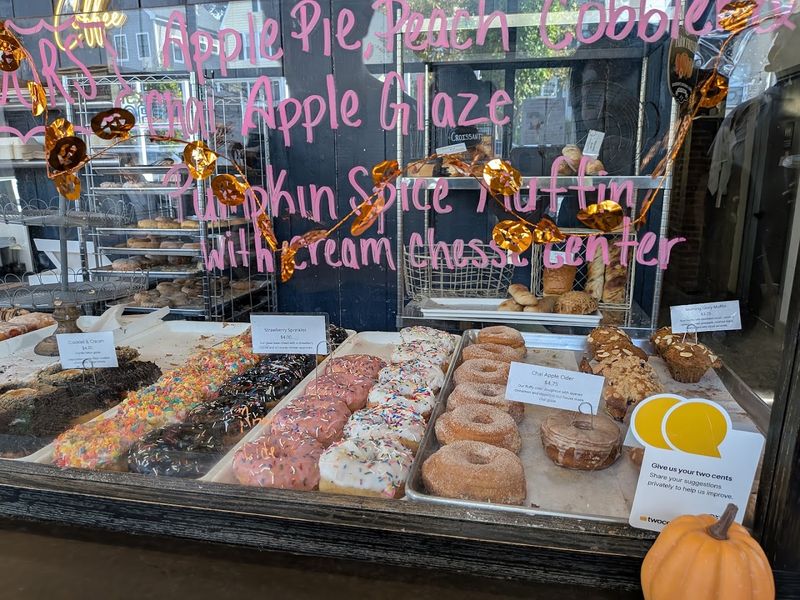
Montclair has no shortage of places to grab coffee or something sweet, so lasting more than a decade requires more than a single viral flavor. Montclair Bread Company endured because it kept combining serious baking knowledge with the willingness to make food that is simply fun.
The bakery experimented with names and a doughnut-focused identity over the years, but its current storefront once again carries the Montclair Bread Company name at 16 Label Street. The menu also shows that bread has returned to a visible role alongside the doughnuts.
Customers can pick up a $3 baguette, an $8 sourdough loaf, a $9 rosemary sourdough, or a $9 challah offered on Fridays and Saturdays.
Those loaves appear in sandwiches such as a three-cheese sourdough grilled cheese, a French country ham sandwich with cornichons and Swiss on a buttered demi-baguette, and a pear, Brie, and arugula combination.
Naturally, the bakery also offers an $11 breakfast sandwich built on a doughnut, because restraint was never going to win every argument in this kitchen.
The current hours run from 7 a.m. to 4 p.m. Monday through Thursday and 7 a.m. to 10 p.m. Friday through Sunday, giving the shop a life beyond the frantic early-morning doughnut window.
There are tiered doughnut cakes for celebrations, doughnut sundaes, coffee drinks, and enough seating to turn a pickup into a longer pause. Still, the best explanation for the bakery’s reputation remains that first tiny batch.
Wyman brought years of bread training into a fryer and discovered that technique does not have to look serious to produce serious results. The crusty loaves established Montclair Bread Company as a real bakery.
The brioche doughnuts made people set alarms, form lines, and learn exactly where Label Street is.