Tucked inside Hermann Park in Houston, the Cockrell Butterfly Center offers an escape into a living rainforest where thousands of butterflies from around the world flutter freely around you. This three-story glass conservatory isn’t just beautiful—it’s one of the largest butterfly habitats in the entire country, complete with a 50-foot waterfall and tropical plants that transport you far from the Texas heat. Whether you’re a nature lover, a curious kid, or just looking for something different to do in Houston, this hidden gem delivers an unforgettable experience that feels worlds away from the city outside.
1. A Three-Story Rainforest Right in the Heart of Houston
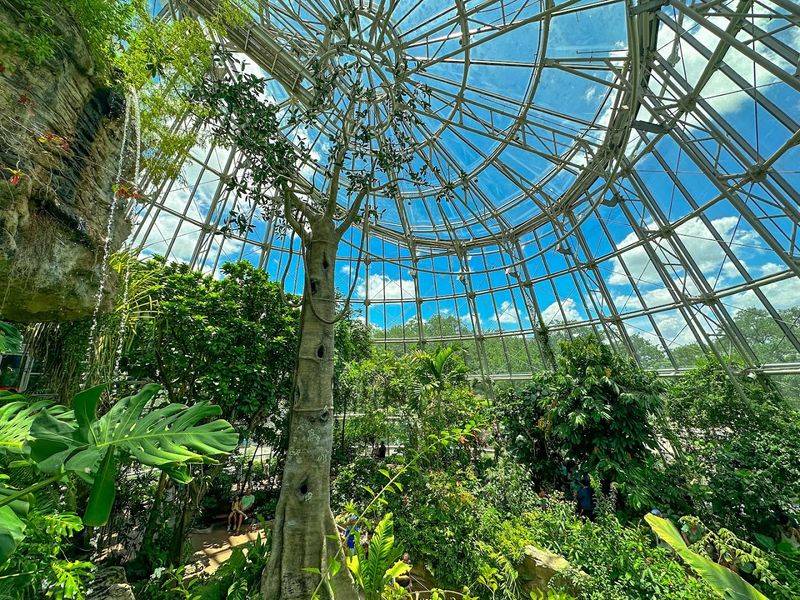
Walking into the Cockrell Butterfly Center feels like stepping through a portal into another climate entirely. The moment those double doors close behind you, the humidity hits, the temperature rises, and suddenly you’re surrounded by lush greenery that looks nothing like the Texas landscape outside. This isn’t some small room with a few plants—it’s a massive three-story glass cone designed to replicate an actual tropical rainforest environment.
The conservatory stands about 50 feet tall and houses winding pathways that spiral upward through different levels of the habitat. Each floor offers a new perspective, whether you’re looking up at butterflies dancing near the glass ceiling or peering down at the waterfall below. The design makes it easy to explore at your own pace without feeling rushed or crowded, even on busier days.
What makes this place truly special is how authentic the atmosphere feels. The plants aren’t just decorations—they’re carefully selected species that butterflies actually need for food and reproduction. The temperature stays warm and humid year-round, mimicking the conditions these insects would experience in their natural habitats across Central America, Asia, and beyond.
It’s not just visually impressive; it’s scientifically accurate, which adds a whole educational layer to the experience without making it feel like a classroom.
For anyone looking to escape Houston’s urban sprawl for an hour or two, this rainforest refuge delivers exactly that.
2. Thousands of Butterflies Flying Freely Around You
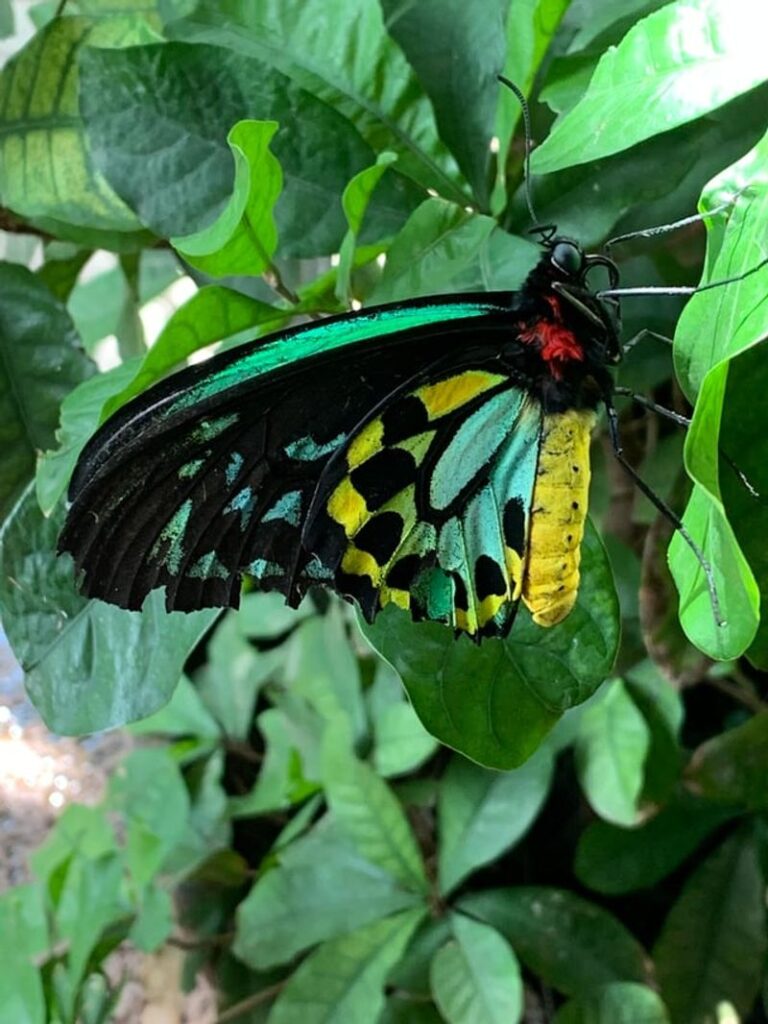
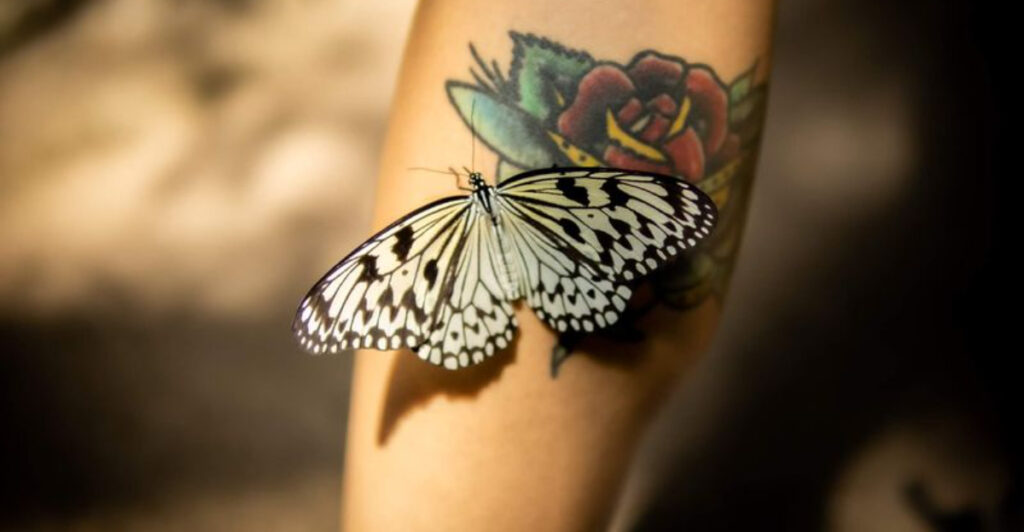
Forget looking at butterflies through glass displays or netting. At the Cockrell Butterfly Center, you’re walking right through their home, and they’re flying everywhere—past your face, over your shoulder, sometimes even landing on your arm or head if you stand still long enough. There are literally thousands of them representing dozens of species from tropical regions around the globe, and seeing them up close like this hits differently than any nature documentary ever could.
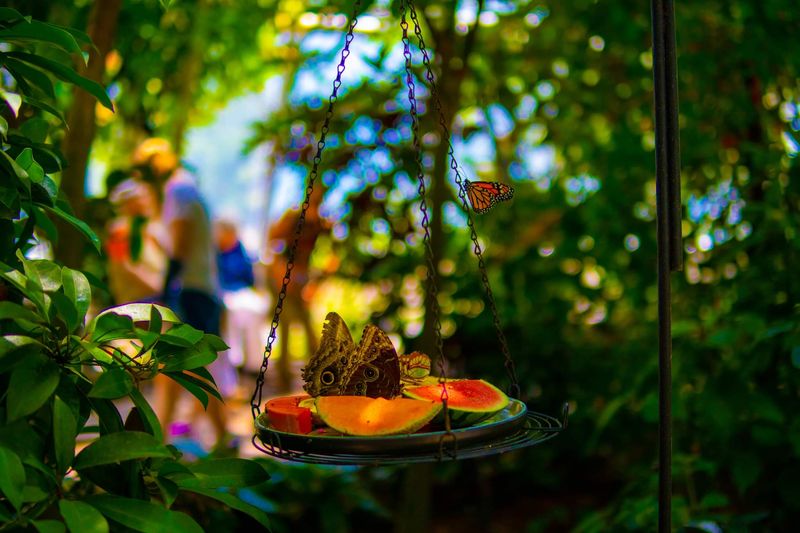
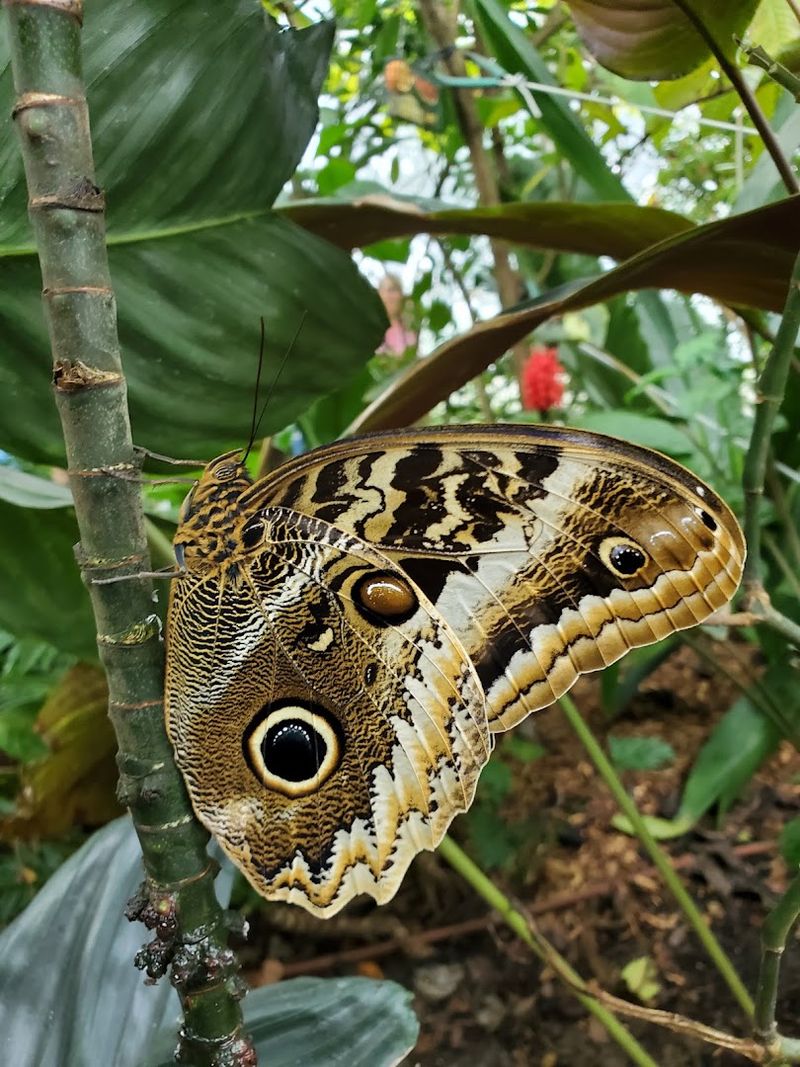
The variety is genuinely impressive. You’ll spot bright blue morphos with wings that shimmer like metallic paint, delicate glasswings that look almost invisible except for their thin outlines, and giant owl butterflies with eye-like patterns that seem to stare right back at you. Each species has its own behaviors and flight patterns, so spending even just 20 minutes watching them reveals all kinds of interesting details you’d never notice otherwise.
What visitors love most is how interactive the experience becomes without anyone trying to force it. Butterflies land where they want, and if you’re lucky enough to become a temporary perch, it’s genuinely magical. Staff members are usually around to share fun facts about specific species or point out butterflies that might be harder to spot, which adds another layer of engagement.
Whether you’re a serious butterfly enthusiast or just someone who thinks they’re pretty, being surrounded by this many living, flying creatures creates a memorable experience that photos honestly don’t capture.
3. The Stunning 50-Foot Waterfall That Anchors Everything
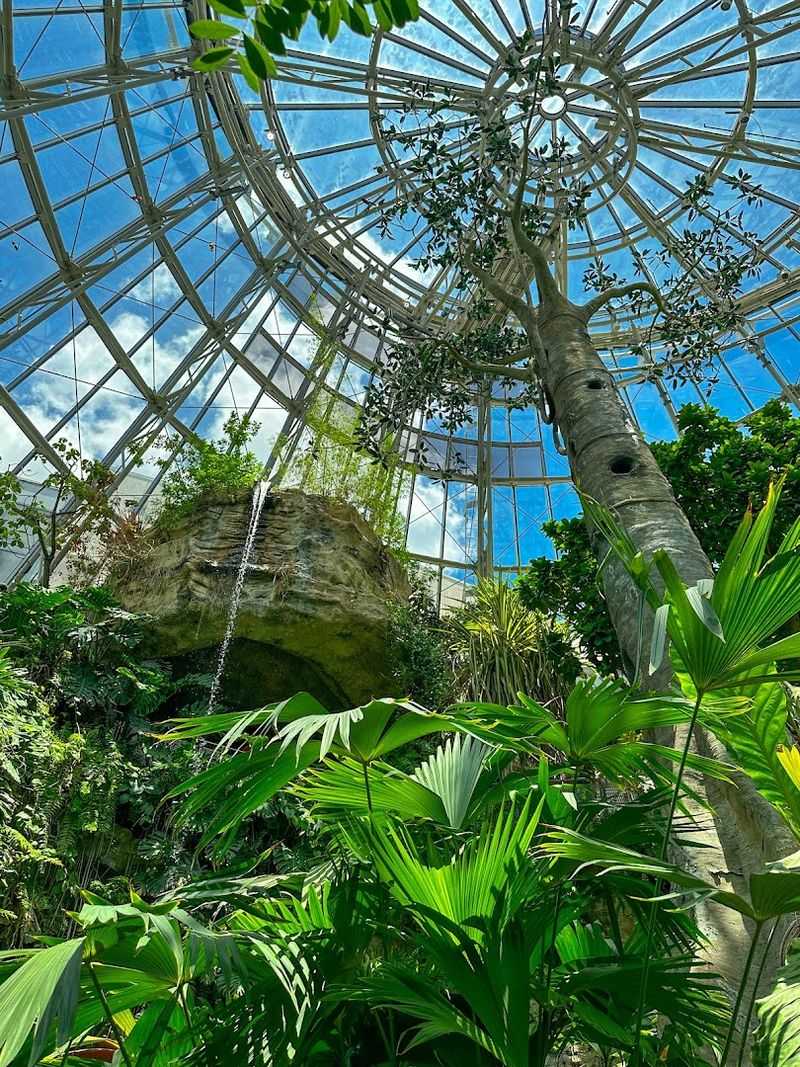
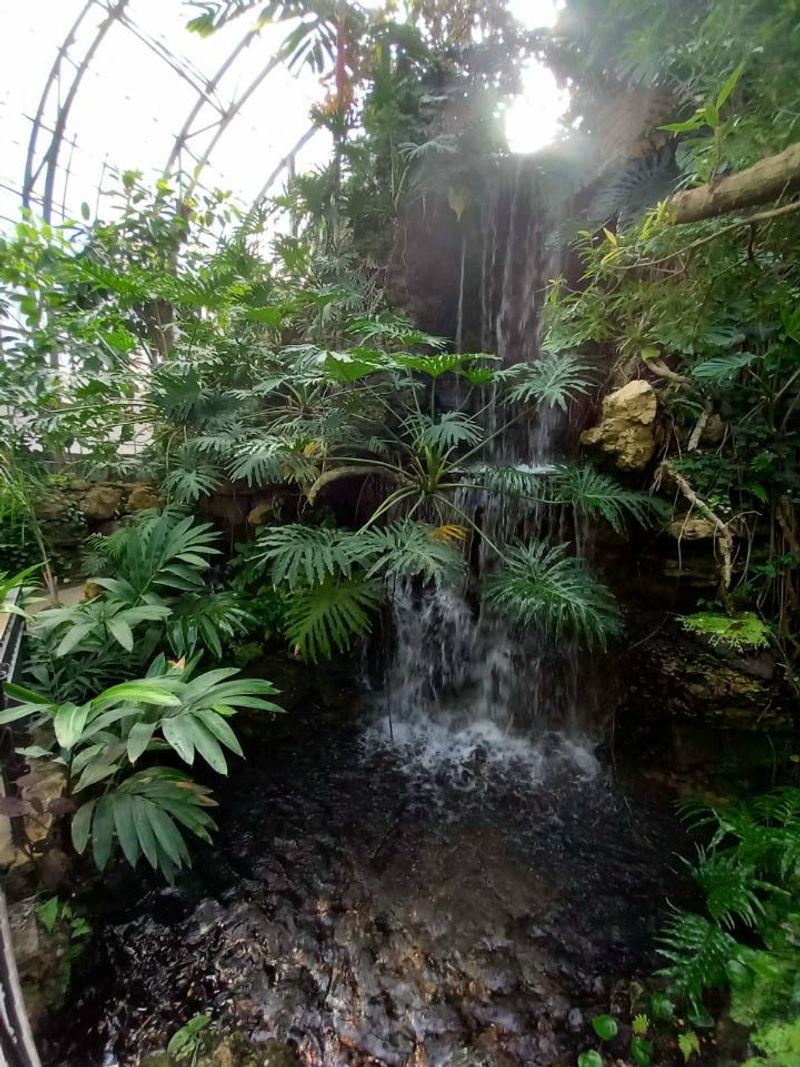
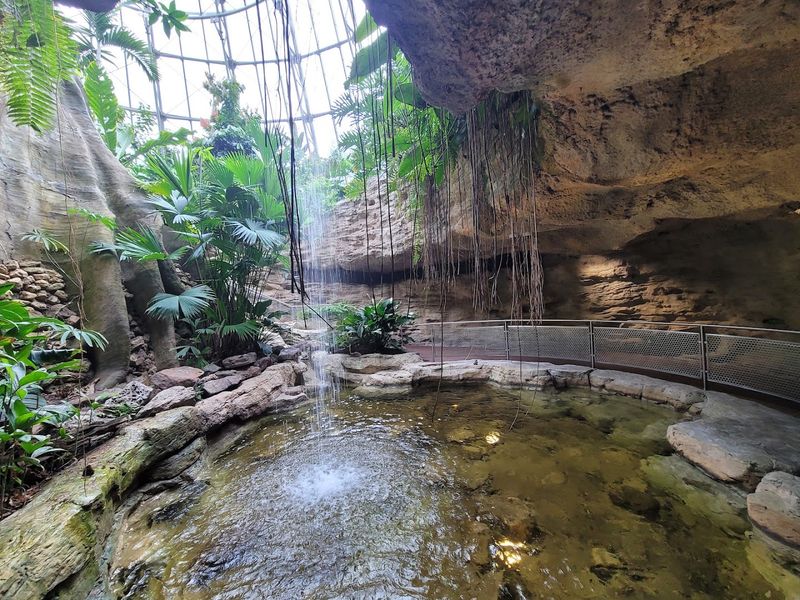
Right in the center of the conservatory, a 50-foot waterfall cascades down through all three levels, creating this constant, soothing background sound that makes the whole rainforest vibe feel complete. It’s not just a visual centerpiece—though it absolutely is stunning—but it also serves a practical purpose by maintaining the humidity levels butterflies need to thrive. The mist from the falls keeps the air moist and the plants healthy, which in turn supports the entire ecosystem inside the glass walls.
The waterfall creates natural photo opportunities from every angle. You can snap shots from the ground level looking up, from the second floor looking across, or from the top level peering down into the pool below. Each perspective offers something different, and the lighting changes throughout the day as sunlight filters through the glass dome above.
Many visitors find themselves circling back to the waterfall multiple times during their visit just to take it in from new vantage points.
Beyond aesthetics, the waterfall area tends to attract more butterfly activity because of the moisture and the flowering plants clustered around it. You’ll often see butterflies drinking from wet leaves or resting on rocks near the water, which makes it one of the best spots to observe them up close. The combination of rushing water, tropical greenery, and colorful wings fluttering past creates an almost meditative atmosphere that’s hard to find anywhere else in Houston.
4. Educational Insect Exhibits That Actually Hold Your Attention
Before or after your walk through the butterfly habitat, don’t skip Brown Hall of Entomology—the insect exhibit that’s way more fascinating than it sounds. This isn’t your standard collection of pinned bugs behind dusty glass. Instead, you’ll find live displays featuring everything from giant walking sticks and Madagascar hissing cockroaches to tarantulas and scorpions that’ll make you rethink everything you thought you knew about creepy crawlies.
The exhibits do an excellent job explaining why insects matter beyond just being cool to look at. You’ll learn about their roles in ecosystems, how they’ve adapted to survive in extreme environments, and why many species are actually beneficial rather than pests. Interactive elements let kids (and adults) get hands-on with certain specimens under staff supervision, which turns abstract science concepts into tangible experiences that stick with you.
One of the highlights is the observation area where you can watch butterflies emerge from their chrysalises in real time. Seeing the transformation happen right in front of you—watching a wet, crumpled butterfly slowly pump fluid into its wings until they’re fully extended and ready for flight—is genuinely moving in a way that’s hard to predict until you witness it yourself. The whole exhibit balances education with entertainment perfectly, making it engaging for everyone from bug-obsessed kids to adults who never thought they’d care about arthropods.
It’s a solid complement to the main butterfly conservatory and worth allocating extra time to explore properly.
5. Perfect Timing and Crowd Control Make All the Difference
One thing the Cockrell Butterfly Center gets right is managing visitor flow so the experience never feels overcrowded or rushed. They control how many people enter at once, which means you’re not constantly bumping into strangers or fighting for space along the pathways. This might mean a short wait during peak times, but it’s absolutely worth it because once you’re inside, you can actually move at your own pace and enjoy the space without feeling herded through.
Timing your visit strategically makes a difference too. Weekday mornings tend to be quieter, while weekends and school holidays bring bigger crowds—though the crowd control system keeps things manageable either way. The center opens at 10 AM most days, and arriving right when doors open gives you the best chance at having the conservatory nearly to yourself for the first hour or so.
Late afternoons before closing also work well if you prefer fewer people around.
Plan to spend at least an hour inside if you want to fully appreciate everything. Some visitors breeze through in 30 minutes, but that barely scratches the surface. Taking your time lets you notice details you’d otherwise miss—like butterflies sipping nectar from specific flowers, the different microclimates on each level, or the turtles and birds that also call the conservatory home.
The self-paced nature means families with young kids can linger as long as needed, while solo visitors can meditate among the butterflies without anyone rushing them along.
It’s a rare Houston attraction that respects your time while encouraging you to slow down and actually absorb the experience.
6. Butterfly Release Experience Adds Personal Connection
For an extra fee, you can participate in a butterfly release—a hands-on experience that takes the visit from observational to deeply personal. You receive a small container holding a butterfly that’s ready to fly, and after entering the conservatory, you open it and watch as your butterfly takes its first flight into its new home. It sounds simple, but there’s something genuinely moving about being part of that moment, especially for kids who light up watching a creature they’re holding suddenly spread its wings and disappear into the canopy above.
The release program serves a practical purpose beyond the emotional impact. The center continuously introduces new butterflies to maintain population levels and genetic diversity within the habitat. By participating, visitors directly contribute to sustaining the living exhibit while getting an unforgettable memory in return.
Staff members explain the process beforehand and answer questions, turning what could be a quick transaction into an educational moment about butterfly lifecycles and conservation.
Some visitors question the cost—it runs around $15-20 per butterfly depending on current pricing—but most who’ve done it say it’s worth every penny. The experience creates a connection to these insects that passive observation alone can’t quite match. Watching your specific butterfly join thousands of others, knowing you played a small role in its journey, adds meaning that resonates long after you leave.
It’s particularly popular for special occasions like birthdays or memorial tributes, giving the release emotional weight beyond just a fun activity.
7. Accessible Location Makes It Easy to Pair with Other Houston Activities
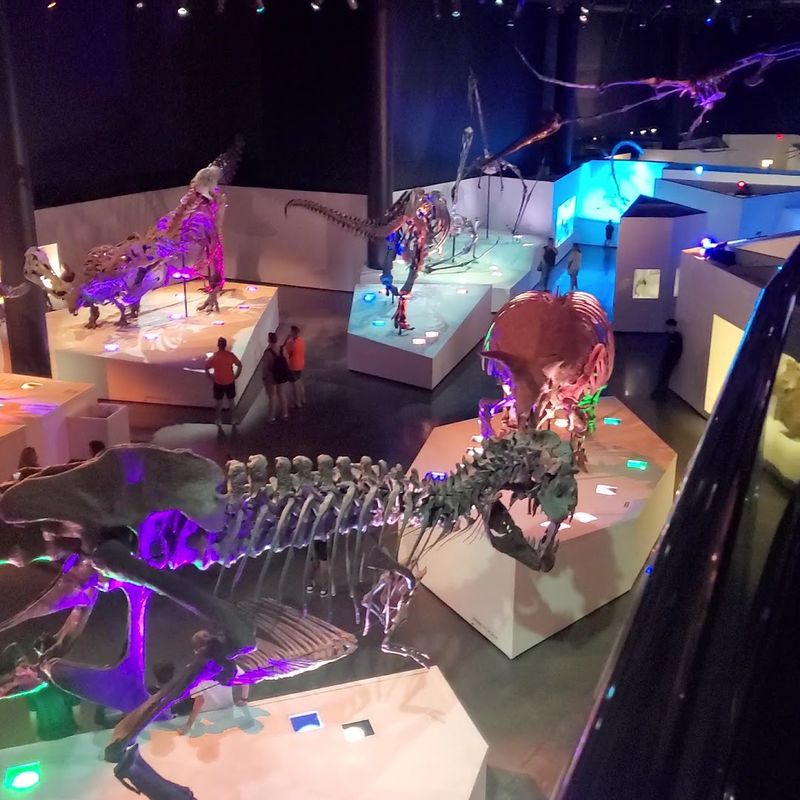
The Cockrell Butterfly Center sits right inside Hermann Park, one of Houston’s most popular green spaces, which means you’re already in a prime location for making a full day out of your visit. The conservatory is part of the Houston Museum of Natural Science complex, so if butterflies alone don’t fill your afternoon, you’ve got dinosaur exhibits, planetarium shows, and gem collections all within the same building. Combination tickets make it affordable to explore multiple attractions without breaking the bank.
Hermann Park itself offers plenty to do before or after your butterfly experience. The park features walking trails, paddle boats on McGovern Lake, the Houston Zoo just down the road, and wide open spaces perfect for picnics or letting kids burn off energy. Parking can be tricky on busy days—the garage charges around $30, which feels steep—but street parking around the park is usually available if you’re willing to walk a few extra minutes.
The location also puts you right in Houston’s Museum District, meaning you’ve got even more options nearby if you’re planning a culture-heavy day. The Museum of Fine Arts, Contemporary Arts Museum, and Children’s Museum are all within easy driving or even walking distance depending on your energy level. For out-of-town visitors or locals looking to maximize a free afternoon, the Cockrell Butterfly Center’s central location makes it an ideal anchor point for exploring this whole section of Houston without needing to drive across the entire city.
8. Affordable Admission for What You Actually Get
At $12-20 per person depending on age and military or first responder status, the Cockrell Butterfly Center delivers solid value for what you’re getting. That’s not Disney-level pricing, and for a unique, well-maintained attraction in a major city, it feels reasonable. Kids under a certain age get discounted rates, and combination tickets with the main museum offer even better deals if you’re planning to explore beyond just the butterflies.
What makes the price feel justified is the quality of the experience. This isn’t some roadside attraction with a few butterflies in a greenhouse—it’s a professionally managed conservatory with thousands of specimens, educational programming, knowledgeable staff, and facilities that clearly receive regular maintenance and investment. The butterflies are healthy, the plants are thriving, and the whole operation runs smoothly, which doesn’t happen without proper funding and care.
Buying tickets online through the official website streamlines the entry process and sometimes offers slight discounts compared to purchasing at the door. During peak times, having tickets in advance means you can skip the main ticketing line and head straight to the timed entry for the butterfly center. Some visitors mention that the experience itself lasts only 30-60 minutes depending on your pace, which might feel short for the price, but the quality of that hour—the immersion, the beauty, the educational value—makes it worthwhile.
It’s one of those Houston experiences that consistently exceeds expectations, especially for first-time visitors who weren’t sure what to expect from a butterfly conservatory in Texas.