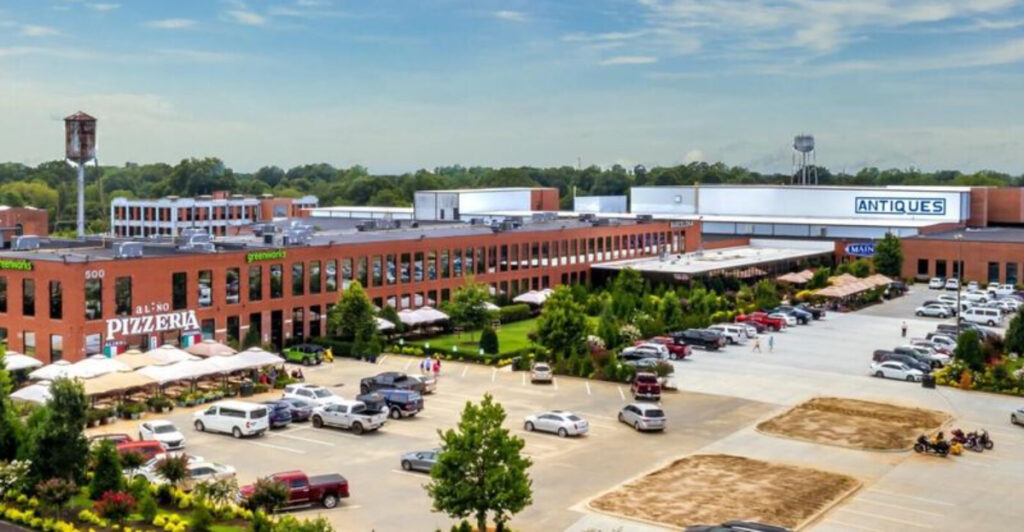
North Carolina’s Piedmont is full of mill villages that once ran on looms, rail lines, and long shifts, but these days some of their most interesting energy gathers around bakery counters, brewery patios, smokehouses, and food halls tucked inside brick industrial landmarks.
If you only think of these places as old textile towns with weathered smokestacks and quiet main streets, you are missing a delicious second act, because communities that were built for manufacturing are now attracting chefs, coffee roasters, farmers, and local makers who know exactly how to turn history into a memorable meal.
What makes the story especially fun is that the food does not erase the past – it often sits right inside it, with repurposed mill buildings, revived downtown storefronts, and riverfront settings that give every bite a little more texture, character, and North Carolina pride.
From tiny Haw River outposts to larger stops like Kannapolis, Concord, Belmont, and Mooresville, these ten destinations prove you do not need a major city skyline to eat well in the Piedmont – you just need old brick, a little imagination, and an appetite for places where heritage and flavor now share the same table.
1. Kannapolis: From Cannon Mills To Food Hall
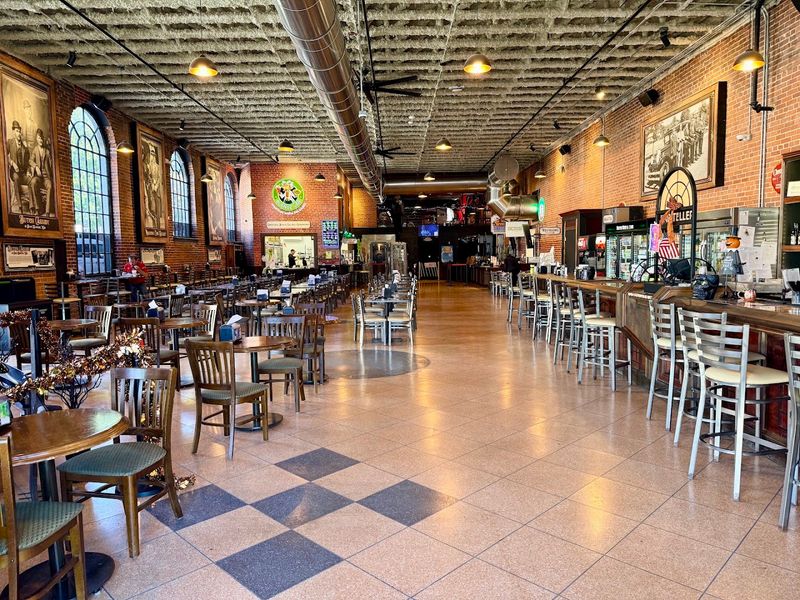
You can feel the scale of the textile past before you ever sit down to eat, because this former Cannon Mills powerhouse still carries the confidence of a town built around work, motion, and enormous brick structures.
What makes the experience so satisfying now is the way Kannapolis has turned that legacy into a fresh invitation rather than a museum piece.
Instead of asking you to admire history from a distance, the city lets you taste your way through its reinvention.
The star of that shift is the growing food hall culture, where different counters and concepts pull locals, families, and day trippers into one shared room.
That setup fits the town unusually well, since mill villages were always about community, routine, and gathering in common spaces.
Today, those habits show up in a more delicious form, with coffee in the morning, casual lunches, sweet stops, and easy dinners that make downtown feel lived in again.
As you walk around, it is easy to notice how the architecture does part of the storytelling for the restaurants.
High ceilings, old masonry, sturdy windows, and industrial details give even a simple meal a sense of place that new construction rarely matches.
In Kannapolis, food is not just arriving beside history – it is being framed by it, which gives the whole dining scene more personality than you might expect from a town once known mostly for manufacturing.
There is also a practical charm here that makes the destination feel welcoming rather than precious.
You can build an afternoon around browsing, grabbing a local beer, sharing snacks, and lingering long enough to understand why residents are proud of what the town has become.
That pride matters, because the best food towns are not created by trend alone – they work when everyday people actually want to keep returning.
If you are curious about North Carolina places that have genuinely evolved, Kannapolis deserves your attention.
It still honors Cannon Mills, but it no longer depends on that single identity to define it.
What you get instead is a town where reuse feels purposeful, meals come with atmosphere, and the old mill story continues in a form that is warmer, more social, and a lot more fun to consume.
2. Saxapahaw: The Haw River Food Revival
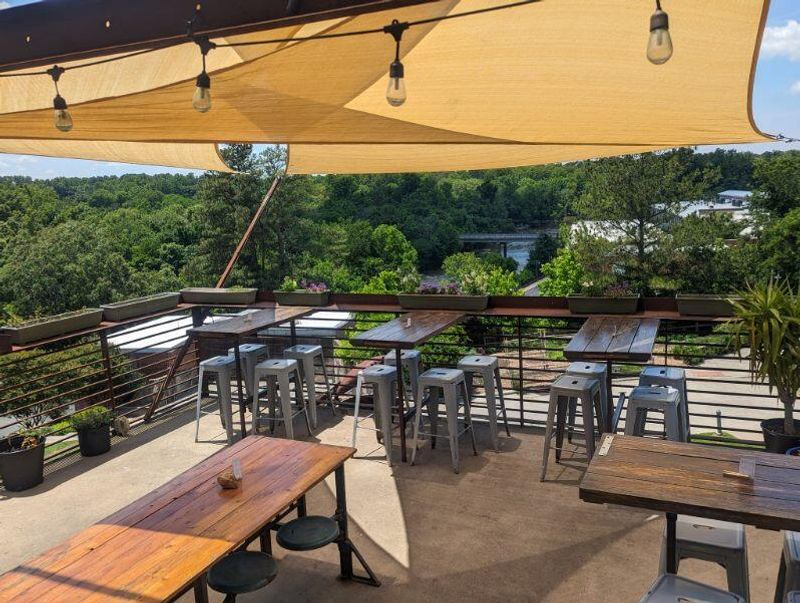
Set along the Haw River, this tiny mill village manages to feel both deeply rooted and unexpectedly current, which is a big reason the food scene leaves such a strong impression.
You arrive expecting a quiet historic stop and quickly realize that Saxapahaw has built one of the Piedmont’s most distinctive culinary identities.
The setting does half the work, with water, mill buildings, and a small scale that makes every good meal feel personal.
What really stands out is how naturally the food revival fits the place.
Restaurants, markets, and gathering spots here often lean into local sourcing, seasonal ingredients, and the relaxed confidence that comes from knowing exactly who you are.
Nothing feels forced, and that lack of pretense is part of the appeal, because you are not being sold a concept as much as invited into a community rhythm.
The old cotton mill presence gives Saxapahaw a dramatic backdrop without overwhelming the present.
Brick walls and industrial bones create texture, but the village does not get stuck in nostalgia.
Instead, it uses history as a frame for something active and communal, whether you are drinking coffee, catching live music, browsing a small market, or settling in for a meal that reflects the farms and food traditions of central North Carolina.
Another reason this place works so well is that it rewards slowing down.
You are not rushing from one famous reservation to another or trying to conquer a long list of hotspots.
The pleasure comes from the atmosphere as much as the menu, from sitting near the river, seeing neighbors greet each other, and realizing that a village once built around labor now draws people through hospitality.
For travelers who want substance rather than flash, Saxapahaw is one of the Piedmont’s most memorable food detours.
The Haw River gives it beauty, the mill history gives it character, and the local dining scene gives it a modern purpose.
Put together, those elements create a place that feels intimate, genuine, and surprisingly important in North Carolina’s broader conversation about where great food can happen.
3. McAdenville: More Than Christmas Lights
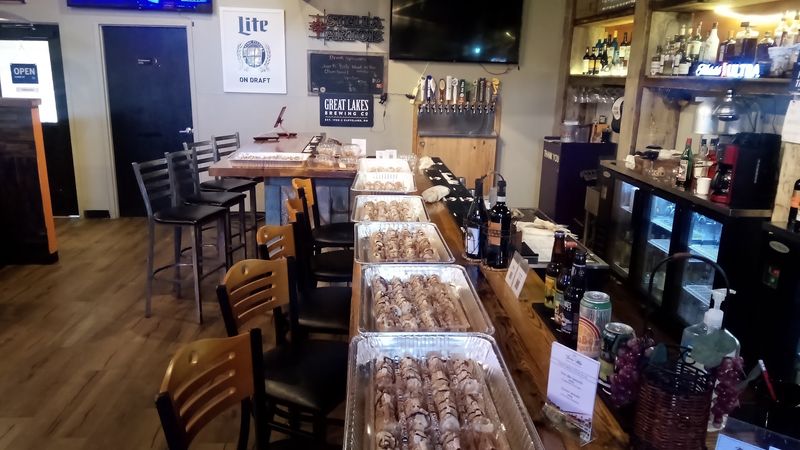
Most people know this small Gaston County town for its holiday fame, but that seasonal reputation can hide the fact that McAdenville has broader appeal for anyone who likes history with a side of good eating.
The village was shaped by textile industry planning, and you can still sense that orderly mill town character in the streetscape and architecture.
What surprises visitors now is how that calm, polished setting creates such an appealing backdrop for a casual food stop.
Because the town is compact, the dining experience feels intimate from the start.
You are not dealing with a sprawling entertainment district or a place trying to overwhelm you with options.
Instead, McAdenville works through atmosphere, nearby local businesses, and the simple pleasure of finding a meal in a place where historic homes, brick features, and community identity are still easy to read.
That balance between preservation and everyday usability is what gives the food destination angle real credibility.
A lot of towns have history, but not all of them make it feel comfortable and accessible in the present.
Here, the appeal lies in being able to wander a little, admire the village plan, and then settle into a restaurant, cafe, or nearby gathering spot that benefits from the town’s unusually cohesive look and pace.
There is also something refreshing about a place that does not need to shout.
McAdenville’s dining scene is less about trend chasing and more about complementing a destination people already love for other reasons.
That means your visit can feel layered in the best way, with food becoming part of a fuller experience that includes architecture, local story, and the sense that a historic mill village can still function as a lived-in community rather than a themed attraction.
If you only associate McAdenville with winter lights, you are seeing one chapter instead of the whole book.
The town’s textile heritage still matters, but its food appeal now adds another reason to stop and linger.
In North Carolina’s Piedmont, that makes it a quietly convincing example of how mill village history can support a warm, welcoming dining identity long after the looms are gone.
4. Cramerton: Quiet Mill Town, Growing Table
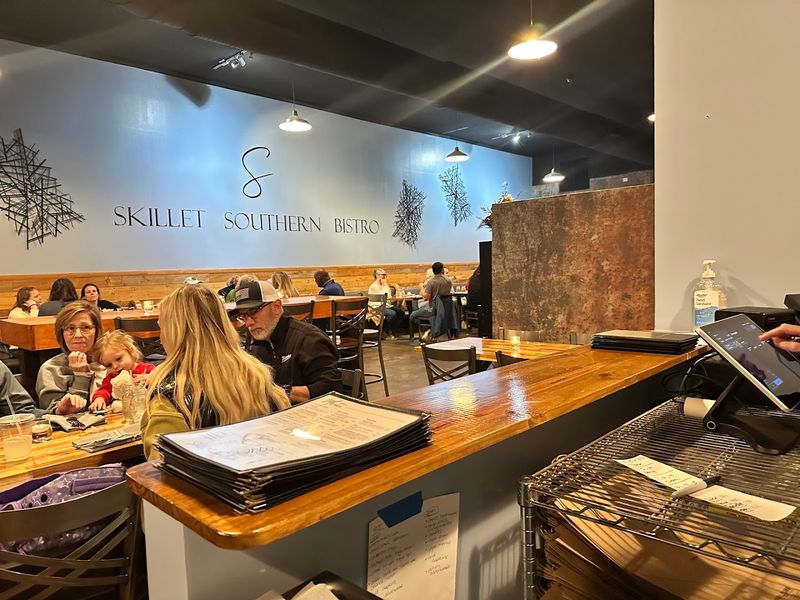
There is a low-key confidence to this former mill town that makes its emerging food scene especially satisfying to discover.
Cramerton does not arrive with the hype of a major culinary district, and that is exactly why it feels like such a rewarding find.
The old industrial story remains visible in the town’s structure and identity, but what you notice now is how gracefully that background supports a growing table of local dining options.
The appeal begins with scale.
You can move through town easily, notice the historic character, and settle into places that feel connected to the neighborhood rather than designed only for visitors.
That immediacy gives meals more personality, because the restaurants are part of a community fabric shaped by mill housing, walkable pockets, and the kind of compact planning that still encourages people to gather close to home.
Cramerton benefits from the broader Piedmont pattern of adaptive reuse and downtown revival, yet it keeps a tone that feels relaxed and unfussy.
Instead of relying on spectacle, it leans into comfort, local loyalty, and the pleasure of seeing an older town discover new purpose through food and drink.
Whether you are stopping for coffee, a weeknight dinner, or a patio meal after exploring the area, the town makes the experience feel approachable.
Another thing that works in Cramerton’s favor is its sense of continuity.
The past is not sealed off from the present, and the dining scene reflects that by occupying spaces and streets still shaped by the town’s textile era.
You can feel the continuity in the brick, the layout, and the rhythms of local life, which gives even simple meals a story behind them without turning everything into a heritage lesson.
If you like places where the excitement is real but still unfolding, Cramerton is easy to appreciate.
It is quieter than some Piedmont destinations, yet that restraint is part of its charm.
The town proves that a historic North Carolina mill community does not need a huge roster of headline restaurants to become a food destination – it just needs authenticity, momentum, and enough good tables to make you want to come back.
5. Eden: Three Mill Towns, One Hungry City
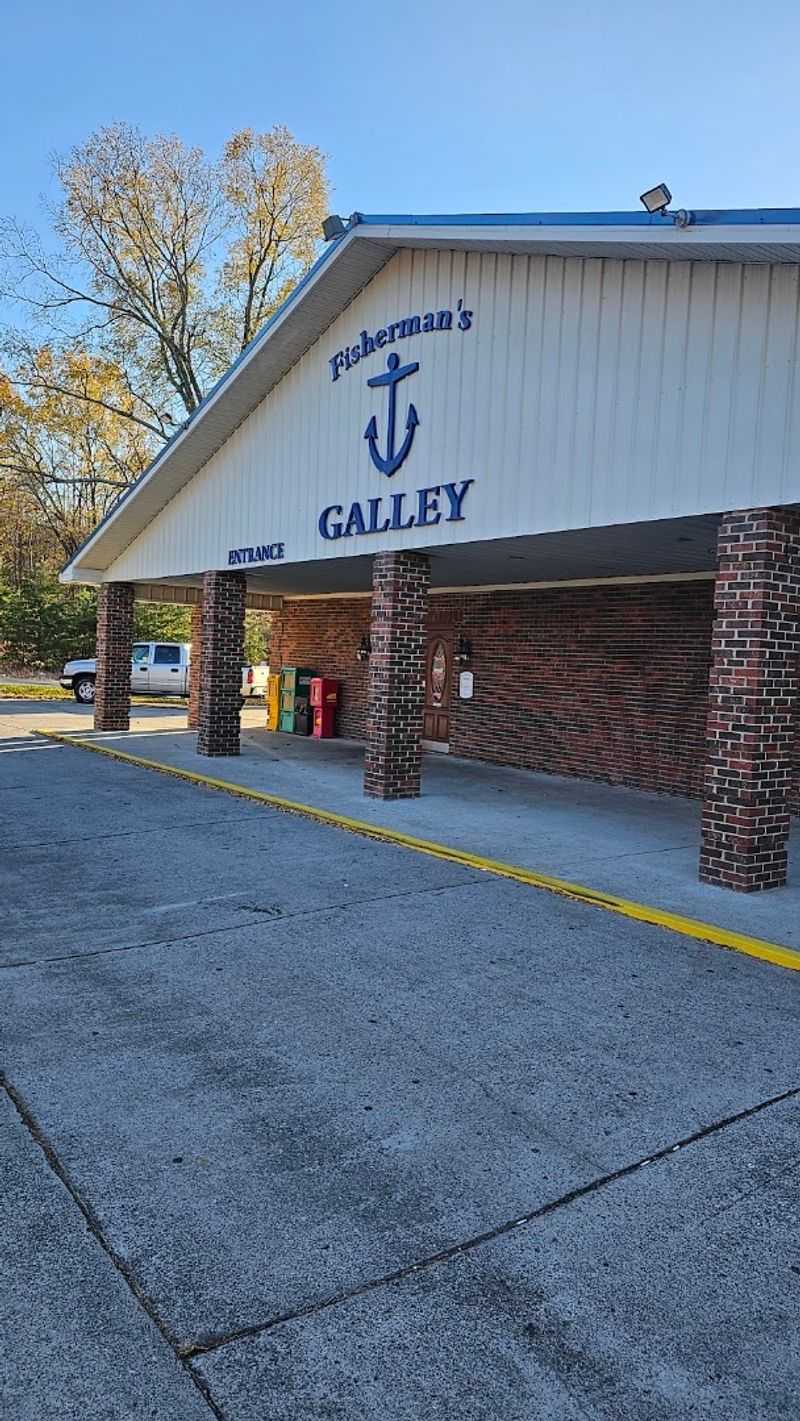
Because Eden was formed from the merger of three separate mill towns, its food identity feels broader and more layered than you might expect at first glance.
Draper, Leaksville, and Spray each contributed pieces of the city’s industrial and cultural character, and that combination still shapes how the place is experienced today.
For a hungry visitor, that means you are not exploring one neat little village so much as a city stitched together by textile history and local appetite.
What makes Eden interesting as a food destination is that the industrial past left behind more than architecture.
It also created neighborhoods, commercial corridors, and longstanding habits of gathering that continue to support restaurants, cafes, bakeries, and familiar local favorites.
The result is a dining scene that can feel practical, generous, and rooted, with the kind of places people return to because they are woven into everyday life rather than built for temporary buzz.
You can still sense the old mill framework in the city’s layout and built environment, especially where brick buildings, historic districts, and river-adjacent settings remain visible.
That heritage gives meals context, whether you are seeking barbecue, Southern comfort, sweets, or simple regional fare.
In a state where authenticity matters, Eden earns points for feeling lived in and honest rather than curated for effect.
There is also a nice contrast here between scale and intimacy.
Eden covers more ground than a tiny revived village, but it still offers the satisfaction of local discovery, where one stop can lead naturally to another and the community story becomes clearer as you explore.
Food works as the connecting thread, helping you understand how three historic towns evolved into one city that still carries traces of each original identity.
If you are drawn to North Carolina places with strong local character, Eden deserves a place on your list.
Its appeal is not based on one flashy redevelopment or a single famous block.
Instead, the city wins you over through accumulated texture – mill roots, neighborhood pride, and a collection of dining experiences that show how a once-industrial landscape can remain welcoming, flavorful, and surprisingly rich in stories.
6. Belmont: Mill Heritage Meets Main Street Dining
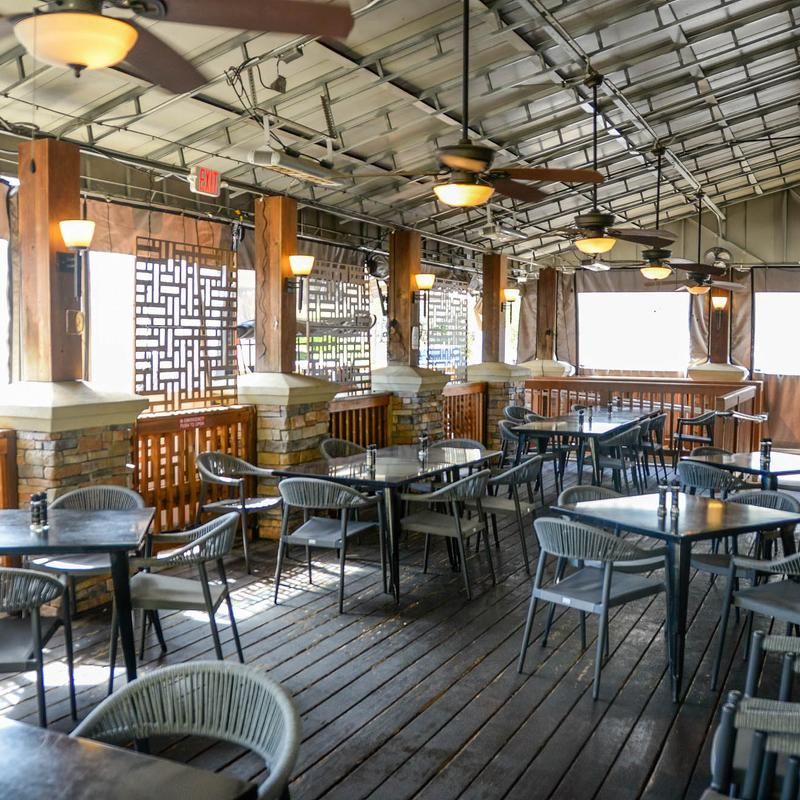
Some towns make their case immediately, and this one does it through a combination of polished main street energy and a history you can still feel under your feet.
Belmont has long been linked to textile production, yet its current dining personality is what grabs you first.
The town manages to look refined without losing the warmth that makes a meal memorable, which is why it has become such an appealing Piedmont food stop.
The strongest impression comes from how well the historic setting and the restaurant scene reinforce each other.
Walkable blocks, older commercial buildings, and a steady local buzz create the kind of environment where you want to keep extending your visit.
Breakfast can become shopping, lunch can turn into coffee, and dinner can easily follow, because the town center invites you to move slowly and stay engaged.
Belmont’s mill heritage matters because it explains the bones of the place.
Textile prosperity helped shape the community, and the surviving architecture gives today’s food scene visual depth that newer destinations often lack.
You are not just dining near attractive storefronts – you are enjoying a town where industry, commerce, and neighborhood life spent generations building a framework that restaurants now use beautifully.
What I like most about Belmont as a food destination is its balance.
It feels lively enough to be exciting, but not so overdone that the experience becomes generic.
There is room here for casual cafes, date-night dinners, sweet treats, and patio conversations, all held together by a downtown that knows how to present itself while still feeling unmistakably North Carolina rather than interchangeable.
For anyone exploring historic mill communities, Belmont shows how successful the transition from production to hospitality can be when the town center remains strong.
The result is not a complete break from the past but a smart extension of it.
Mill heritage still anchors the identity, yet main street dining now gives people a fresh reason to return, making Belmont one of the Piedmont’s most accessible and enjoyable culinary surprises.
7. Gibson Mill In Concord: A Food Hall With History
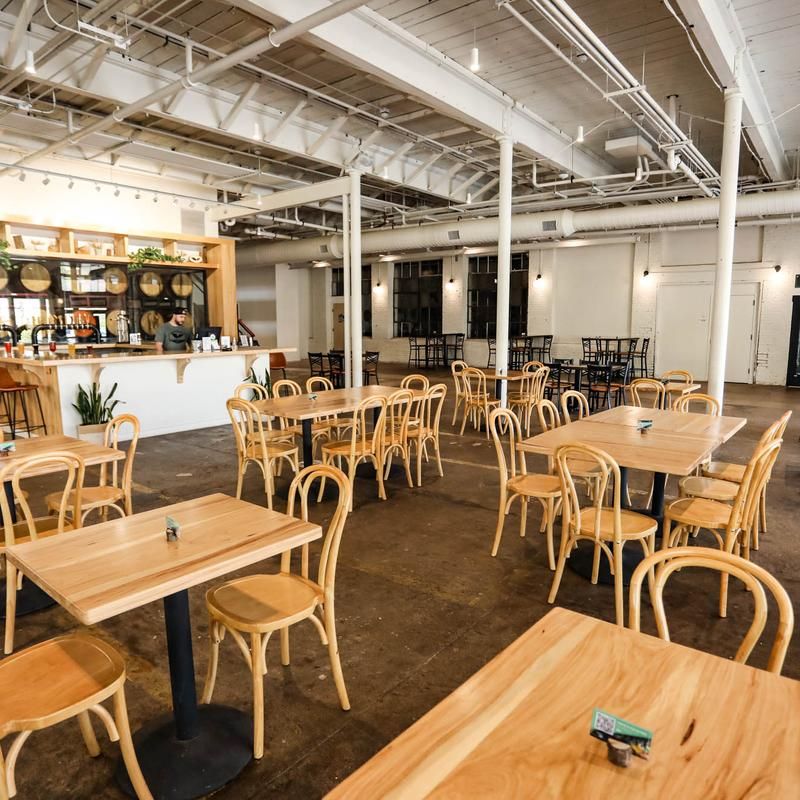
Few places in the Piedmont make adaptive reuse feel as direct and satisfying as this one, where a massive historic mill has been given a second life through shopping, gathering, and food.
The experience starts with the building itself, because its size and industrial character set expectations before you even order anything.
Once you step inside Gibson Mill, the old manufacturing shell and the modern food hall energy create a pairing that feels both logical and genuinely fun.
What works so well here is variety.
Food halls are at their best when they invite different cravings, different schedules, and different groups of people to share the same destination, and that model fits a mill building beautifully.
Instead of asking one restaurant to carry the whole story, the space allows multiple vendors and cuisines to animate the structure, turning history into something social, flexible, and easy to revisit.
The industrial details matter because they prevent the experience from feeling generic.
Exposed brick, wide interiors, sturdy beams, and the sense of former production all give your meal context.
In a newer complex, a quick lunch might be forgettable, but inside Gibson Mill even a casual stop feels grounded in Concord’s larger story of work, growth, and reinvention.
There is also a practical appeal that makes this destination especially approachable.
You do not need to plan an elaborate outing to enjoy it, and that accessibility is part of why the place has real staying power.
Families, groups of friends, and curious travelers can all find something that suits them, while the building itself provides enough visual interest to make the visit memorable beyond the plate.
If you want a clear example of how North Carolina mill heritage can support contemporary food culture, Gibson Mill delivers it in an easy-to-love format.
The history is visible, the dining choices are varied, and the overall atmosphere feels active rather than reverent.
Concord gets more than a repurposed landmark out of the arrangement – it gets a destination where the past still does useful work by helping people gather, eat, and enjoy the space together.
8. Mooresville’s Merino Mill: Adaptive Reuse Done Right
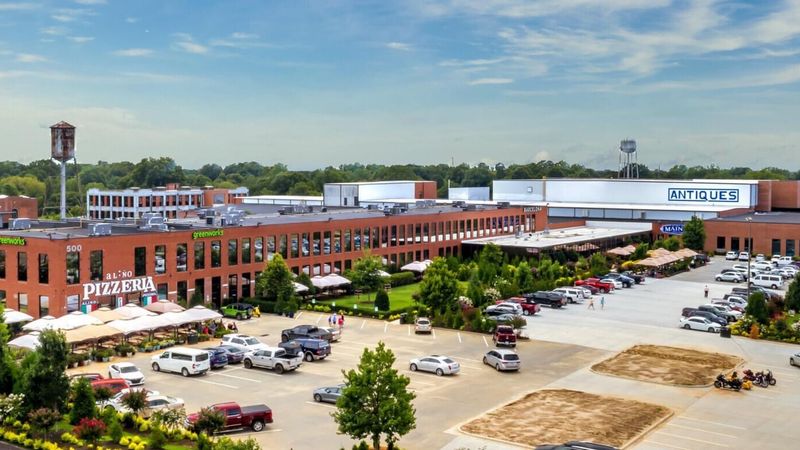
You do not have to guess what makes this place special, because the building tells the story as soon as you arrive.
Once a textile mill and now a revived mixed-use destination, Merino Mill shows how a large industrial structure can become relevant again through food, design, and everyday public life.
In Mooresville, that transformation feels especially convincing because the reuse is ambitious without forgetting the dignity of the original architecture.
The dining appeal comes from more than one standout meal.
What makes the destination memorable is the way restaurants, coffee spots, and gathering areas animate the old mill from morning into evening.
That rhythm matters, because it turns the property into a place you can actually live around for a while, not just a one-time attraction where you snap a photo, eat quickly, and leave.
As with the best mill redevelopments, the physical details do important work.
Brick walls, large windows, industrial proportions, and preserved structural elements create a setting that feels substantial and grounded.
You get the comfort of modern hospitality, but you also get visual reminders that this place once contributed to North Carolina’s manufacturing identity, which adds weight and texture to the whole experience.
Mooresville benefits from having a destination that can connect different kinds of visitors.
Some people come for the architecture, some for the food and drinks, and others for the broader sense of community the site encourages.
That overlap is part of why Merino Mill feels successful instead of decorative, because the reuse generates real activity and gives residents another reason to gather in a place with local meaning.
If you are interested in adaptive reuse done with confidence, this stop is easy to recommend.
Merino Mill proves that honoring textile history does not require freezing a building in time.
By letting food and community occupy the structure in a practical, welcoming way, Mooresville has created a destination that feels modern, regionally grounded, and true to the North Carolina Piedmont tradition of turning hardworking places into something useful all over again.
9. Haw River: Small Town, Steady Flavor
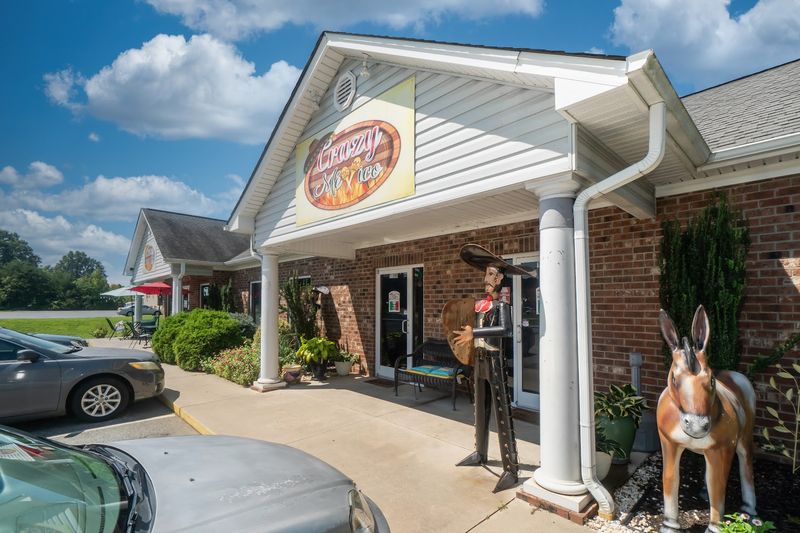
It is easy to underestimate a place this small, especially if you are chasing the louder names in North Carolina’s dining conversation.
Yet Haw River has the kind of steady, grounded food appeal that often ends up being more satisfying than trendier destinations.
The town’s mill roots and compact scale create a setting where local flavor feels earned, not manufactured for visitors.
Part of the draw is the sense that you are stepping into a community rather than a performance.
Historic industrial elements, modest streets, and the town’s long connection to production still shape the atmosphere, but the current food scene softens that toughness with hospitality.
Meals here can feel pleasantly straightforward, which is not faint praise at all when authenticity is exactly what you are hoping to find.
Haw River also benefits from geography and identity.
Sitting within a broader region known for both mill history and farm influence, the town can tap into Piedmont traditions while keeping its own quieter personality.
That means you are likely to notice a dining culture built on reliability, local habits, and the kind of small-scale pride that turns restaurants into anchors for daily life instead of just weekend destinations.
What makes the place memorable is not spectacle but consistency.
You can imagine workers once moving through the same basic landscape, and now those inherited spaces support cafes, restaurants, and gathering points that keep the town socially active in a new way.
The story is subtle, yet it matters, because it shows how a historic mill community can remain relevant by feeding people well and giving them reasons to stay connected.
If your favorite food discoveries are the ones that feel honest from the first minute, Haw River belongs on the list.
It may not advertise itself with big-city swagger, but it does not need to.
In the North Carolina Piedmont, steady flavor, strong local identity, and a visible industrial past are more than enough to turn a small town into a worthwhile culinary stop that rewards curiosity and leaves a lasting impression.
10. Mount Holly: A Cotton Town Finds Its Flavor
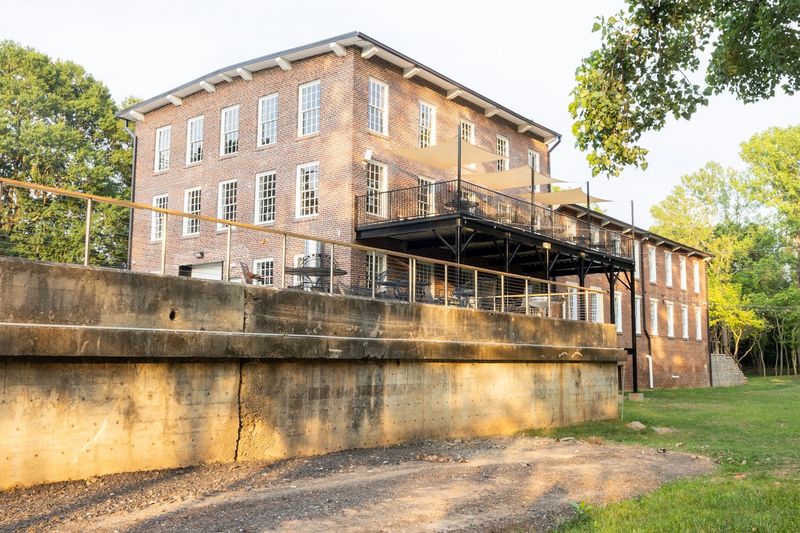
The old cotton town story is still readable here, but what makes the place compelling now is how confidently it has expanded beyond that origin.
Mount Holly carries the industrial legacy in its buildings, street patterns, and civic memory, yet the modern visitor is just as likely to remember a good meal as a history lesson.
That combination gives the town a welcome depth, especially if you like destinations where food and place are tightly linked.
The dining scene feels approachable in the best sense of the word.
You can spend time downtown, notice the older architecture, and move easily between restaurants, cafes, and small local stops without feeling like the area has been packaged for tourists.
That everyday quality matters, because it suggests a food culture supported by residents as much as by outside attention, and those are often the places that hold up best.
Mount Holly’s cotton heritage provides more than a backdrop.
It shaped the physical environment that now makes the town attractive to diners, walkers, and business owners looking for character.
Brick textures, historic buildings, and a compact center give restaurants an immediate sense of belonging, which helps transform a simple lunch or dinner into an experience that feels specific to this corner of the Piedmont.
There is also a broader regional appeal at work.
The town sits within a part of North Carolina where mill history, river landscapes, and revived downtowns often overlap, but Mount Holly keeps its own personality by staying grounded and useful.
You are not visiting a place that abandoned its past in search of trendiness.
Instead, you are seeing a community let new flavors grow naturally out of an older framework.
For travelers interested in North Carolina’s mill village evolution, Mount Holly offers a strong final reminder that food can become a meaningful part of preservation.
The cotton era may have built the town, but today’s restaurants help keep it active, social, and appealing.
That is what turns a former industrial stop into an unexpected food destination – not novelty alone, but the ability to serve history, community, and a satisfying meal at the same table.