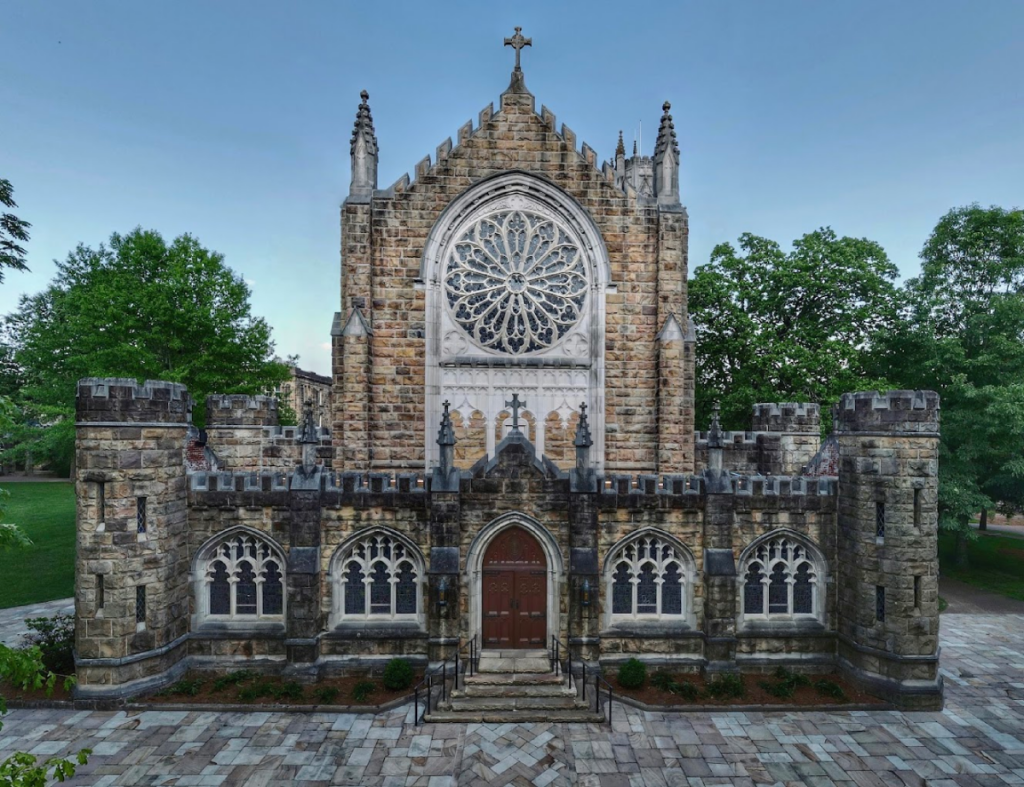
Tennessee is home to some of the most unexpected and jaw-dropping architecture in the South. From towering Gothic chapels to hand-built stone castles tucked away in the countryside, the state’s historic buildings tell stories of ambition, artistry, and a whole lot of imagination.
Whether you’re drawn to stained glass and soaring arches or fascinated by the idea of medieval towers rising from Tennessee hillsides, these ten landmarks offer a journey through centuries of design and craftsmanship that will leave you inspired.
1. Basilica of Saints Peter and Paul — Chattanooga
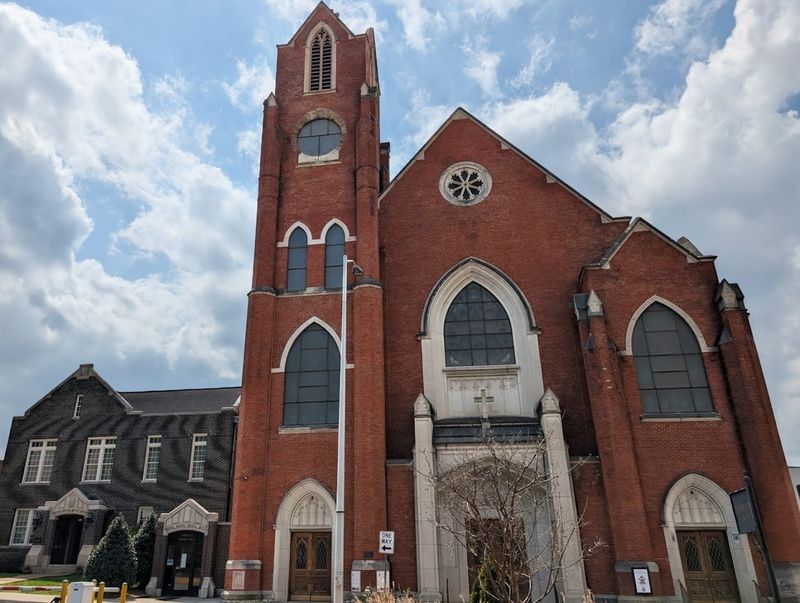
Standing proudly in Chattanooga’s historic district, this basilica commands attention with its twin towers that reach skyward like something out of a European city. The Romanesque design brings a sense of Old World grandeur to the Tennessee River Valley, and stepping inside feels like crossing an ocean without ever leaving the state.
Rich colors, intricate carvings, and a sense of reverence fill every corner of this sacred space.
The stained glass alone is worth the visit. Sunlight pours through panels depicting biblical scenes, casting jewel-toned patterns across the pews and floors.
Each window tells a story, and the craftsmanship involved in their creation is nothing short of breathtaking. You don’t have to be religious to appreciate the artistry and dedication that went into every detail of this building.
What makes this basilica especially remarkable is how it anchors the neighborhood around it. It’s not just a place of worship but a cornerstone of community identity and architectural pride.
The interior columns, painted ceilings, and altar area create a layered visual experience that rewards careful observation. Whether you’re an architecture enthusiast or simply curious about beautiful spaces, this is one building that delivers on every level.
Visiting during a quiet weekday offers a chance to absorb the atmosphere without crowds. The acoustics are incredible, and even a whisper seems to carry weight in the vast nave.
This isn’t just a church—it’s a masterpiece of design and devotion that reflects the ambition and artistry of the people who built it more than a century ago.
2. Greenback Castle — Maryville
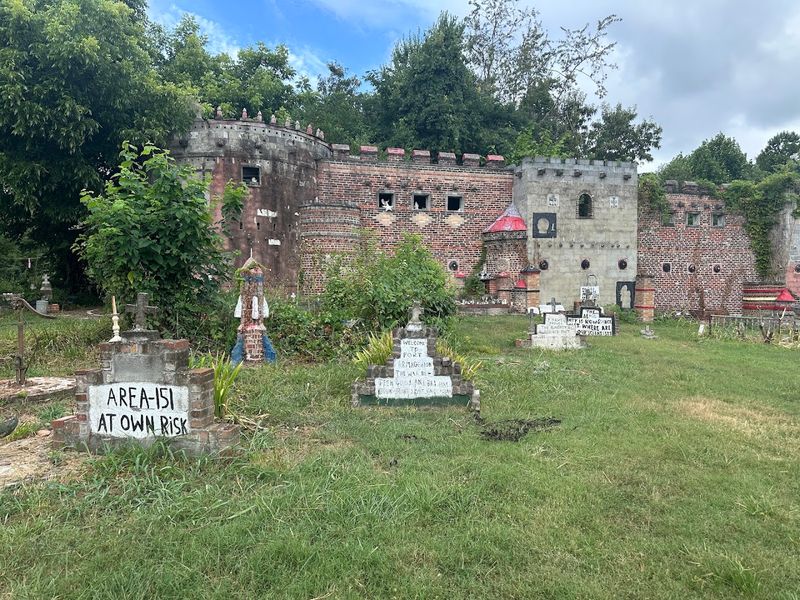
Tucked away in the foothills near Maryville, this castle is the kind of place that makes you do a double-take. Built entirely by hand over decades, it features stone towers, winding passageways, and unexpected architectural flourishes that seem to defy logic and convention.
The result is a structure that feels both ancient and utterly unique, like something plucked from a fairy tale and dropped into the Smoky Mountain region.
Walking through Greenback Castle is an adventure in itself. Every turn reveals another surprise—a hidden staircase, a carved face peering from the stonework, or a turret offering views of the surrounding hills.
The builder’s imagination ran wild here, and that creative spirit is evident in every arch and alcove. It’s not polished or perfect, and that’s exactly what makes it so captivating.
The castle’s history is as fascinating as its design. One person’s vision and relentless effort brought this dream to life, stone by stone, without the help of modern machinery or a professional crew.
That level of commitment and creativity is rare, and it shows in the castle’s personality. Each room has its own character, and the whole place feels alive with stories waiting to be discovered.
Photographers and curious explorers alike find endless inspiration here. The textures of hand-laid stone, the play of light through irregular windows, and the organic way the castle blends into its natural surroundings create a visual feast.
This isn’t your typical Tennessee landmark—it’s a testament to what one person with a vision and a pile of rocks can accomplish over a lifetime of dedication.
3. The Parthenon — Nashville
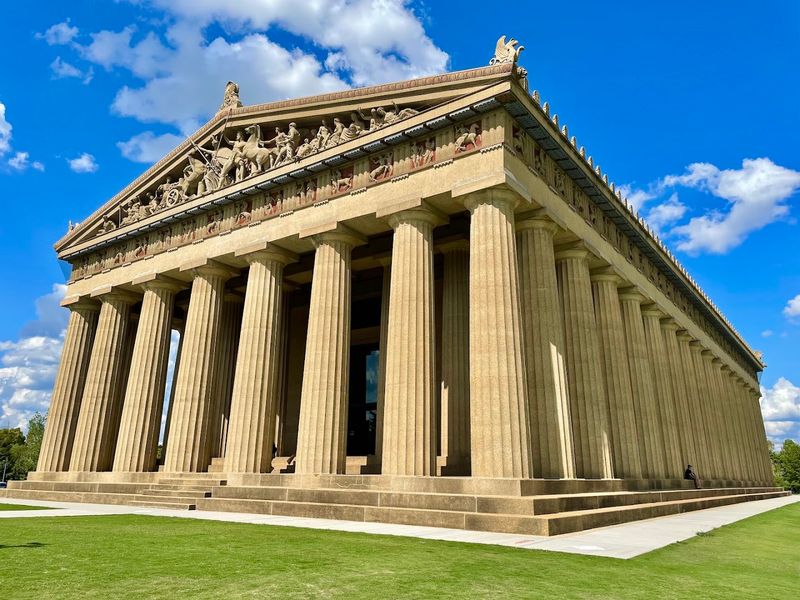
Nashville’s most iconic architectural surprise sits in the middle of Centennial Park, and yes, it’s exactly what it looks like—a full-scale replica of the ancient Greek Parthenon. Built for Tennessee’s 1897 Centennial Exposition, it was meant to be temporary, but the city loved it so much they made it permanent.
Today it stands as a monument to classical architecture and Nashville’s nickname as the “Athens of the South.”
The exterior is impressive enough, with its massive Doric columns and precise proportions mirroring the original in Athens. But step inside and you’ll find yourself face-to-face with Athena herself—a towering statue covered in gold leaf that dominates the interior space.
She’s one of the tallest indoor sculptures in the Western world, and her presence is absolutely commanding. The attention to historical accuracy throughout the building is remarkable, from the painted ceilings to the decorative details.
What makes the Parthenon especially interesting is how it functions as both an art museum and a historical recreation. The galleries host rotating exhibitions and a permanent collection of American paintings, while the main hall serves as a window into ancient Greek culture and design.
It’s an educational experience wrapped in architectural splendor, and it never feels stuffy or boring.
Visiting at different times of day offers completely different experiences. Morning light illuminates the columns with a soft glow, while sunset casts dramatic shadows across the facade.
The surrounding park provides the perfect setting for photos, picnics, or simply sitting and appreciating the audacity of building a Greek temple in Tennessee. This landmark proves that Nashville has always had a flair for the dramatic and unexpected.
4. All Saints’ Chapel — Sewanee
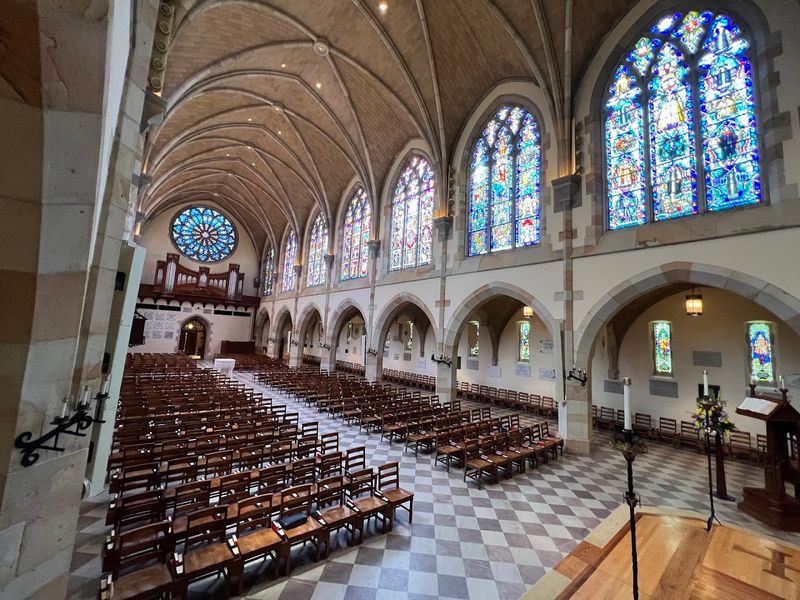
Perched on Tennessee’s Cumberland Plateau, this chapel rises from the University of the South campus like a vision from medieval Europe. The Gothic Revival architecture is so authentic and beautifully executed that you might forget you’re in the American South.
Stone arches soar overhead, stained glass filters colored light across the interior, and the whole space feels consecrated by centuries of tradition—even though it’s much younger than it appears.
The stained glass windows here deserve special attention. Each one was carefully designed to tell biblical stories through color and imagery, and the craftsmanship rivals anything you’d find in European cathedrals.
When sunlight streams through these windows, the entire chapel glows with an otherworldly quality that’s hard to capture in photographs but impossible to forget in person. The play of light throughout the day transforms the space continuously.
Acoustics in the chapel are phenomenal, making it a sought-after venue for concerts and choral performances. The vaulted ceilings and stone walls create a resonance that enhances every note, whether it’s a whispered prayer or a full choir in full voice.
Even if you’re not there for a service or performance, the silence itself feels profound and meaningful in this space.
The chapel sits at the heart of the university’s Domain, surrounded by forests and bluffs that add to the sense of being somewhere set apart from ordinary life. Walking through the heavy wooden doors feels like entering a sanctuary in the truest sense—a place where the outside world fades and something deeper takes its place.
For architecture lovers and seekers of beauty alike, this chapel represents Gothic design at its most inspiring and transporting.
5. Castle Gwynn — Arrington
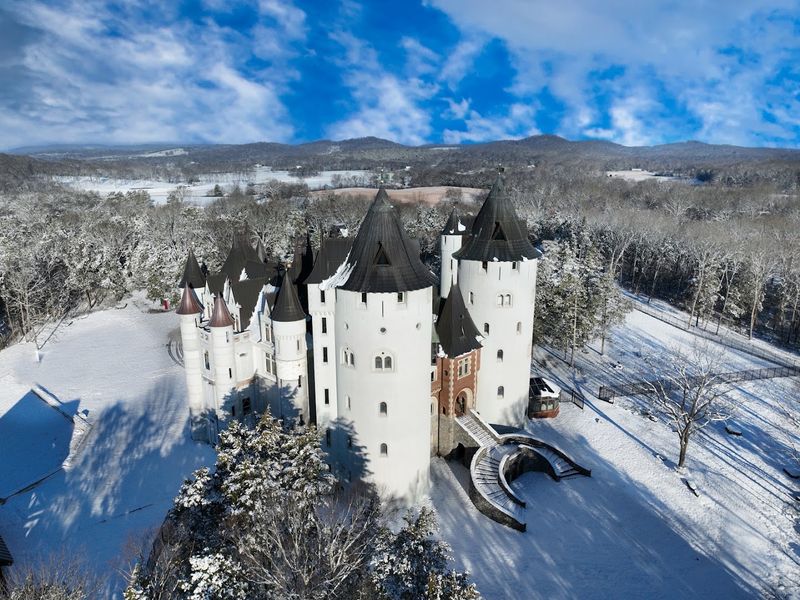
Rising from the rolling hills south of Nashville, Castle Gwynn looks like it was airlifted from the English countryside and deposited in Middle Tennessee. The medieval-inspired architecture features everything you’d expect from a proper castle—thick stone walls, defensive towers, great halls, and an imposing presence that commands respect.
It’s the kind of place that makes you want to don armor and storm the battlements, or at least take a whole lot of dramatic photos.
The interior spaces are just as impressive as the exterior. High ceilings with exposed beams, stone fireplaces large enough to walk into, and windows that frame the Tennessee landscape like living paintings create an atmosphere that’s both grand and surprisingly intimate.
The attention to medieval design principles is evident throughout, yet the castle manages to feel livable rather than like a museum piece frozen in time.
What’s particularly striking about Castle Gwynn is how it blends into its natural setting. The stone seems to grow from the hillside itself, and the surrounding forests provide a backdrop that enhances rather than competes with the architecture.
Seasonal changes bring new dimensions to the castle’s appearance—spring flowers soften the stern stonework, while winter snow transforms it into a scene from a fantasy novel.
The castle serves as a venue for events, and it’s not hard to see why couples choose it for weddings or why photographers seek it out for shoots. The combination of dramatic architecture and pastoral Tennessee scenery creates opportunities for images and experiences that feel transported from another time and place.
Standing in the great hall or on the tower ramparts, you’re reminded that architecture has the power to transport us, to make us feel part of something larger and more romantic than everyday life.
6. Downtown Presbyterian Church — Nashville
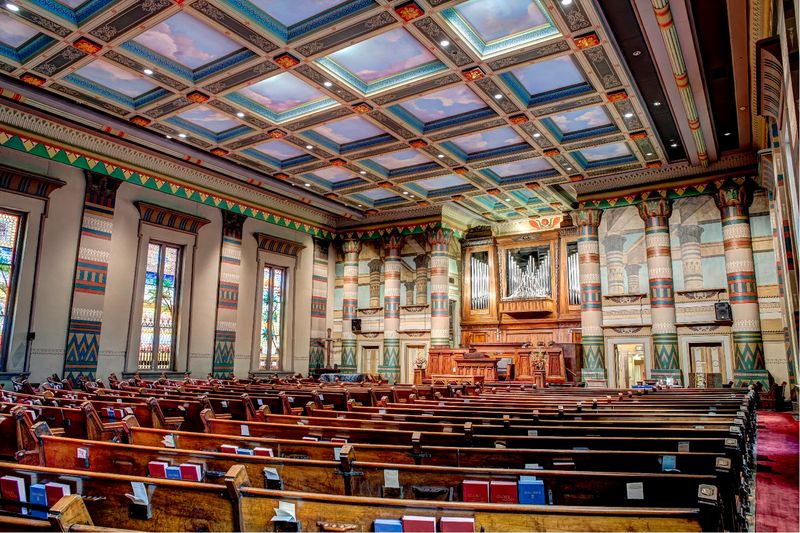
Nothing quite prepares you for the visual surprise of this church. Built in the 1850s, it represents one of the few surviving examples of Egyptian Revival architecture in America, and it’s unlike any other church you’ve ever seen.
Lotus-shaped columns support the structure, hieroglyphic-inspired patterns decorate the walls, and the overall effect is simultaneously sacred and exotic. It’s proof that Nashville’s architectural ambitions have always run toward the bold and unexpected.
The interior is where the Egyptian theme really comes alive. Painted decorations cover nearly every surface, featuring colors and patterns inspired by ancient temples along the Nile.
The ceiling treatment alone is worth the visit—geometric designs in rich golds, blues, and reds create a canopy that draws the eye upward and holds it there. It’s a masterclass in decorative painting and historical revival architecture.
What makes this church especially remarkable is its survival. Many Egyptian Revival buildings from this era have been lost to time, making this one a precious link to a brief but fascinating architectural movement.
The congregation has carefully maintained the building’s historic character while keeping it functional as a living place of worship. That balance between preservation and practical use is delicate and commendable.
Tours are available, and they’re highly recommended for anyone interested in architectural history or just curious about unusual buildings. The guides share stories about the church’s construction, its symbolic meanings, and the restoration work that keeps it looking vibrant.
Standing inside, surrounded by columns that evoke ancient Egypt while serving a Christian congregation in Tennessee, you’re reminded that architecture can bridge cultures, eras, and ideas in powerful and beautiful ways. This church doesn’t just serve its community—it astonishes and educates anyone who walks through its doors.
7. Customs House Museum and Cultural Center — Clarksville
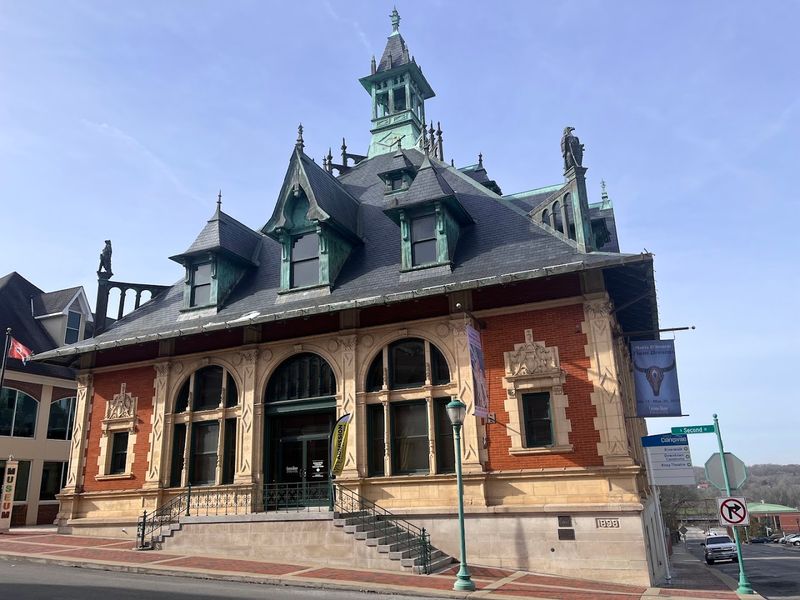
Clarksville’s former customs house is a Victorian-era showpiece that combines Romanesque, Queen Anne, and Gothic elements into one gloriously ornate building. Completed in 1898, it represents the confident architectural ambition of that era, when public buildings were designed to inspire civic pride and awe.
The exterior features decorative stonework, turrets, arched windows, and enough architectural details to keep your eyes busy for an hour.
The building’s history adds depth to its visual appeal. Originally serving federal government functions, it has been beautifully adapted into a museum and cultural center that serves the community in new ways.
Walking through rooms that once housed customs officials and postal workers, you can feel the weight of history while appreciating how adaptive reuse gives old buildings new life and purpose.
Inside, the architectural details continue to impress. Original woodwork, tile floors, and decorative plasterwork have been preserved, creating spaces that feel both historic and welcoming.
The museum’s exhibits benefit from being housed in such a characterful building—the architecture itself becomes part of the experience, adding context and atmosphere to whatever collection is on display.
The exterior is particularly photogenic, with its mix of red brick, stone trim, and complex roofline creating visual interest from every angle. Different times of day bring out different aspects of the design, with morning light emphasizing the texture of the stonework and afternoon sun creating dramatic shadows in the arched entryways.
It’s a building that rewards multiple visits and careful observation.
For anyone interested in Victorian architecture or the history of public buildings in America, this customs house is a gem. It represents a time when even utilitarian government structures were designed with beauty and permanence in mind, and it stands as a reminder that architecture can serve both practical needs and higher aesthetic aspirations simultaneously.
8. Rock Castle — Hendersonville
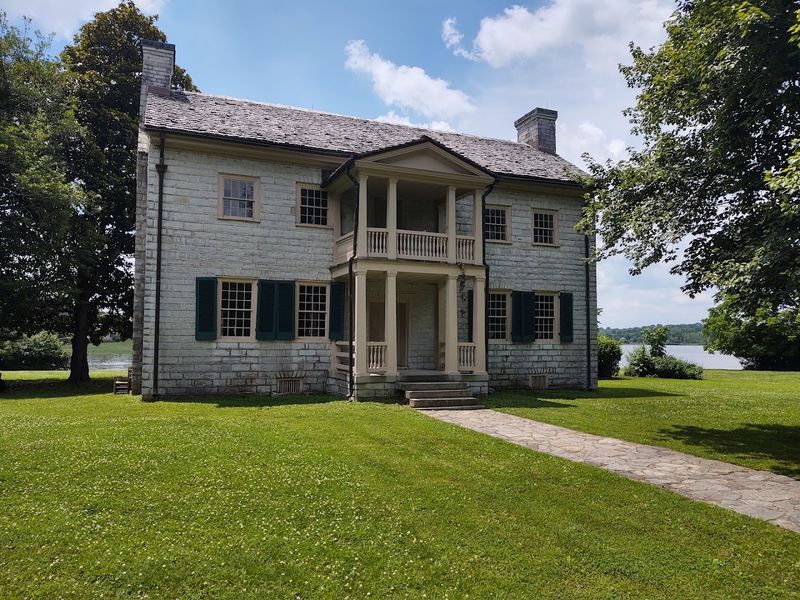
Overlooking Old Hickory Lake, this stately stone home stands as one of Tennessee’s finest examples of early Federal architecture. Built in the early 1800s, it represents the ambitions of Tennessee’s early settlers who wanted to establish permanence and prosperity in what was then still frontier territory.
The solid stone construction and classical proportions convey stability and refinement, qualities highly valued in that era of nation-building and westward expansion.
The Federal style is all about symmetry and proportion, and Rock Castle delivers on both counts. The balanced facade, regular window placement, and restrained decorative elements create a sense of order and elegance without excessive ornamentation.
It’s architecture that speaks quietly but confidently, reflecting the values of the early American republic—dignity, rationality, and democratic ideals expressed through design.
Inside, the rooms maintain their historic character while telling stories about daily life in early Tennessee. Original fireplaces, wide-plank floors, and period-appropriate furnishings help visitors understand how families lived in this era.
The thickness of the stone walls provides natural insulation and a tangible connection to the building methods of the time, when construction meant working with local materials and relying on skilled craftsmanship.
The setting enhances the home’s appeal considerably. Positioned to take advantage of views over what’s now Old Hickory Lake, Rock Castle feels both prominent and peaceful.
The grounds include gardens and outbuildings that complete the picture of a self-sufficient estate from Tennessee’s early statehood period. Walking the property, you get a sense of how location, architecture, and landscape worked together to create homes that were both practical and aspirational.
For students of American architecture and history, Rock Castle offers valuable insights into how building styles migrated westward and adapted to new regions. It’s a reminder that even in frontier Tennessee, people built with an eye toward beauty and lasting quality, not just immediate shelter.
9. The Tennessee State Capitol — Nashville
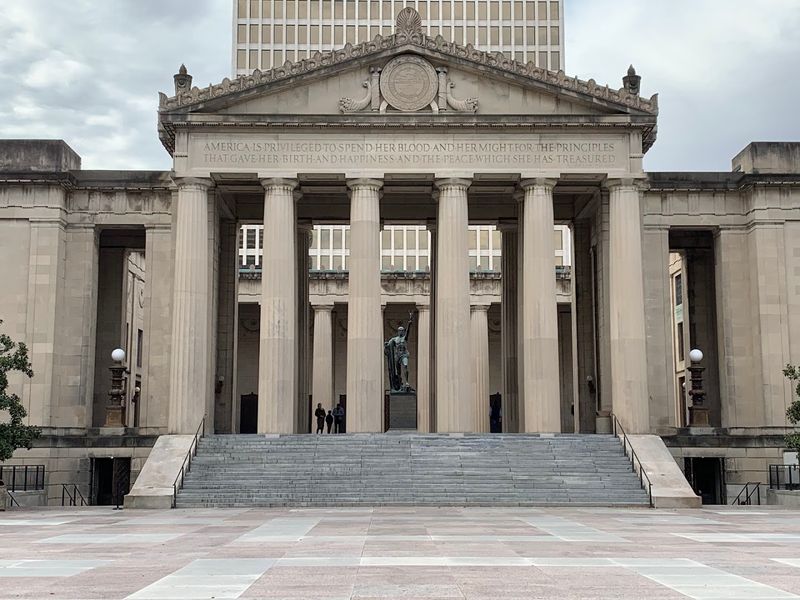
Crowning a hill in downtown Nashville, the State Capitol is impossible to miss and even more impossible to forget. Its Greek Revival design, completed in the 1850s, makes a bold statement about Tennessee’s self-image and aspirations.
Massive columns support a classical pediment, and the building’s elevated position gives it a commanding presence over the city below. This is architecture designed to inspire respect and convey the importance of democratic government.
The architect, William Strickland, is buried in the building he designed—a testament to his dedication to the project and the esteem in which he was held. That personal connection adds a layer of human interest to what might otherwise be just another government building.
The capitol’s construction required incredible effort and resources, and the result was a structure that has served Tennessee for more than 150 years while maintaining its architectural integrity and beauty.
Interior spaces are equally impressive, with a dramatic central staircase, legislative chambers that blend function with grandeur, and decorative details that reward close examination. The building houses significant artworks and historical artifacts, making it both a working government facility and a museum of Tennessee history.
Walking its halls, you’re literally moving through the story of the state.
The grounds surrounding the capitol add to its impact. Statues, monuments, and landscaped areas create a civic space that invites contemplation and public gathering.
The views from the hilltop location are spectacular, offering perspectives on Nashville’s growth from a frontier settlement to a major American city. The capitol has witnessed all of it, standing as a constant through changing times.
Whether you’re interested in architecture, history, or government, the capitol delivers on all fronts. It represents Greek Revival design at its most confident and accomplished, adapted to serve the practical needs of a state government while fulfilling the symbolic role of representing Tennessee’s identity and values in stone and classical proportion.
10. Museum of Science and History at the Pink Palace — Memphis
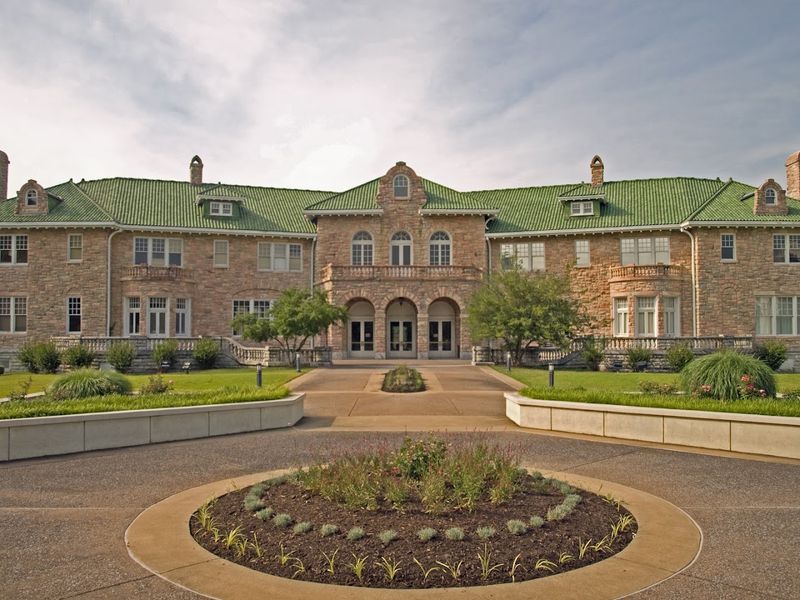
Memphis’s Pink Palace earns its name honestly—the entire structure is faced in pink Georgia marble, creating a visual effect that’s both luxurious and slightly surreal. Originally built as a private mansion in the 1920s, it was designed to resemble a Romanesque palace, complete with elaborate architectural details and a scale that announced the owner’s ambitions and wealth.
The fact that it now serves as a museum makes it accessible to everyone, turning private grandeur into public treasure.
The Romanesque influence shows in the rounded arches, heavy proportions, and decorative stonework that characterize the building’s exterior. But that pink marble sets it apart from typical Romanesque structures, giving it a distinctly American flair and a personality all its own.
It’s architecture that refuses to be ignored or forgotten, standing out in Memphis’s landscape like a jewel in an unexpected setting.
Inside, the building’s original residential spaces have been adapted for museum use, but you can still sense the mansion’s origins. High ceilings, grand staircases, and rooms sized for entertaining on a lavish scale provide a glimpse into the lifestyle of Memphis’s early 20th-century elite.
The exhibits benefit from being housed in such a characterful building—the architecture itself becomes part of the story being told.
The Pink Palace represents a particular moment in American architecture when wealthy individuals built homes that rivaled European palaces in ambition if not always in age or historical pedigree. It’s a testament to American confidence and the desire to create instant history through architectural grandeur.
That it has survived and found new purpose as a cultural institution shows how adaptive reuse can give buildings continued relevance.
Visiting the Pink Palace offers multiple layers of interest—the exhibits themselves, the architectural experience of moving through a mansion-turned-museum, and the story of Memphis’s growth and cultural development. The pink marble exterior makes it instantly recognizable and endlessly photogenic, a landmark that captures imagination and curiosity in equal measure.