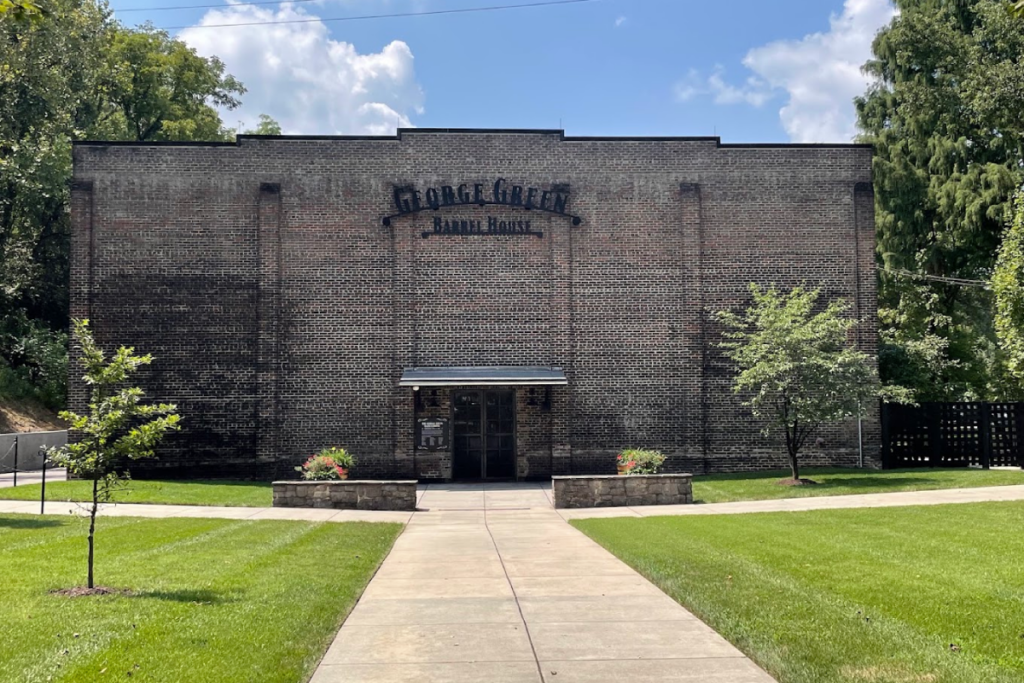
Tennessee stretches from the Mississippi River to the Great Smoky Mountains, packing incredible variety into one state. You could spend weeks exploring music landmarks, natural wonders, historic sites, and quirky attractions without running out of places that feel genuinely special.
Missing any of these twelve spots means leaving without experiencing what makes Tennessee so memorable, whether you’re drawn to outdoor adventures, cultural history, or just finding something you’ve never seen before.
1. Great Smoky Mountains National Park — Gatlinburg and Townsend
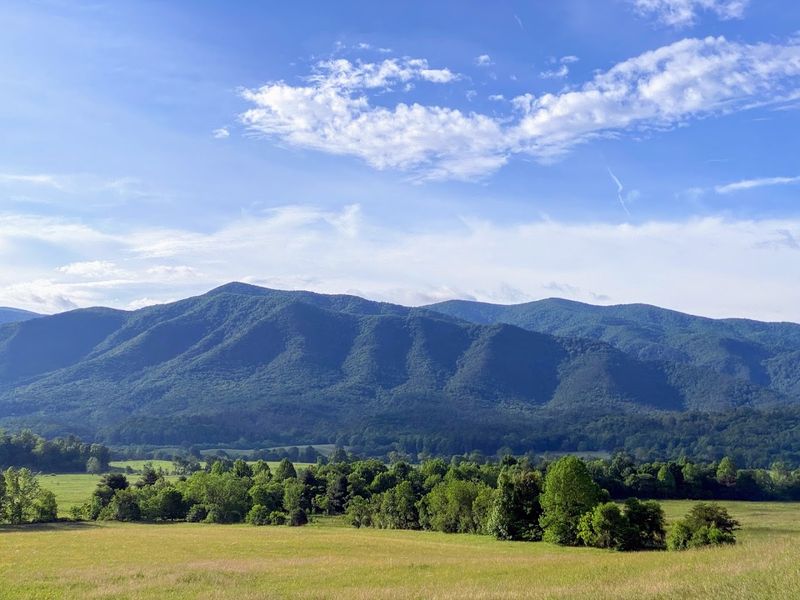
America’s most visited national park sits right on Tennessee’s eastern border, and once you see those layered blue ridges fading into the distance, you’ll understand why millions of people make the trip every year. The park protects over 800 square miles of forests, waterfalls, wildlife, and mountain trails that feel worlds away from everyday life.
Cades Cove offers an eleven-mile loop road through a historic valley where deer graze near preserved cabins and churches from the 1800s. Early morning visits often reward you with fog hovering over the fields and wildlife sightings before the crowds arrive.
The loop can take anywhere from two to four hours depending on how often you stop to explore.
Hiking options range from easy walks to challenging climbs, with trails leading to thundering waterfalls like Laurel Falls and Grotto Falls. Alum Cave Trail takes you past unique rock formations and stunning views, while Rainbow Falls rewards the effort with a spectacular 80-foot cascade.
Even short walks from parking areas reveal old-growth trees and mountain streams worth photographing.
Wildlife watching ranks among the park’s biggest draws, with black bears, elk, white-tailed deer, and wild turkeys commonly spotted throughout the year. Keep a safe distance and never feed the animals, no matter how cute they seem.
Spring brings wildflowers carpeting the forest floor, while fall transforms the mountains into a patchwork of red, orange, and gold. Winter offers solitude and snow-dusted peaks, though some roads close seasonally.
No matter when you visit, the Smokies deliver landscapes and experiences that define Tennessee’s natural beauty in ways nothing else can match.
2. Dollywood — Pigeon Forge
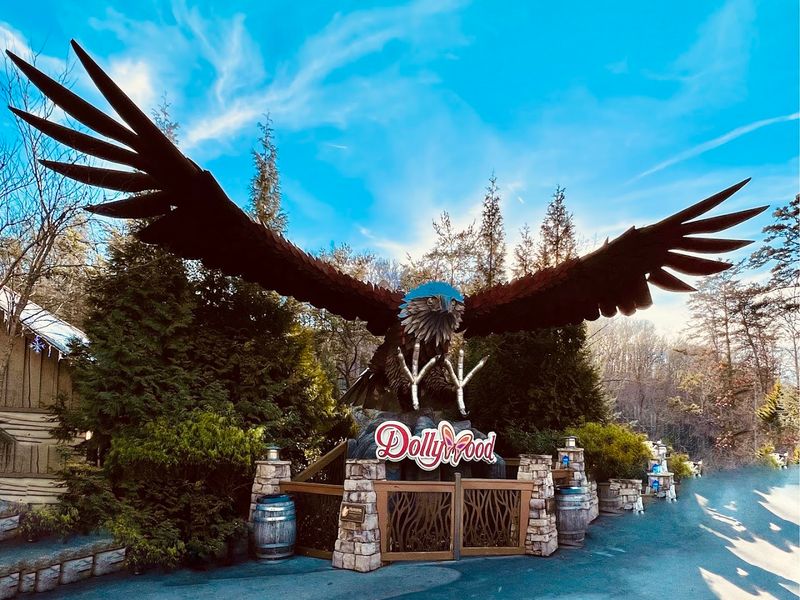
Dolly Parton’s theme park combines world-class roller coasters with authentic Appalachian culture in a way that feels uniquely Tennessee. Opened in 1986, Dollywood has grown into one of the country’s top-rated theme parks while keeping its focus on mountain heritage, live music, and Southern hospitality.
You won’t find generic corporate theming here—everything reflects the region’s crafts, food, and storytelling traditions.
Thrill rides include Lightning Rod, a launched wooden coaster that rockets you up a hill before plunging through twists and drops. Wild Eagle soars riders on a wing coaster with views of the Smokies, while Mystery Mine adds dark ride elements to its vertical drops.
Live entertainment happens throughout the park daily, from bluegrass musicians to gospel groups and seasonal productions. Craftsmen demonstrate blacksmithing, glassblowing, and woodcarving in working shops where you can watch (and purchase) handmade items.
These demonstrations connect visitors to skills passed down through generations of mountain communities.
Food goes beyond typical theme park fare, with cinnamon bread becoming legendary among regular visitors. Aunt Granny’s Restaurant serves fried chicken and country sides, while seasonal festivals add special menus celebrating everything from barbecue to harvest flavors.
Portions tend toward generous, so come hungry.
Seasonal events transform the park throughout the year—Flower & Food Festival in spring, Summer Celebration concerts, Harvest Festival with pumpkins and crafts, and Smoky Mountain Christmas with millions of lights. Each season offers different entertainment and atmosphere.
Plan a full day because there’s genuinely too much to see in just a few hours, especially if you want to catch shows and explore the craft areas.
3. Ruby Falls — Chattanooga
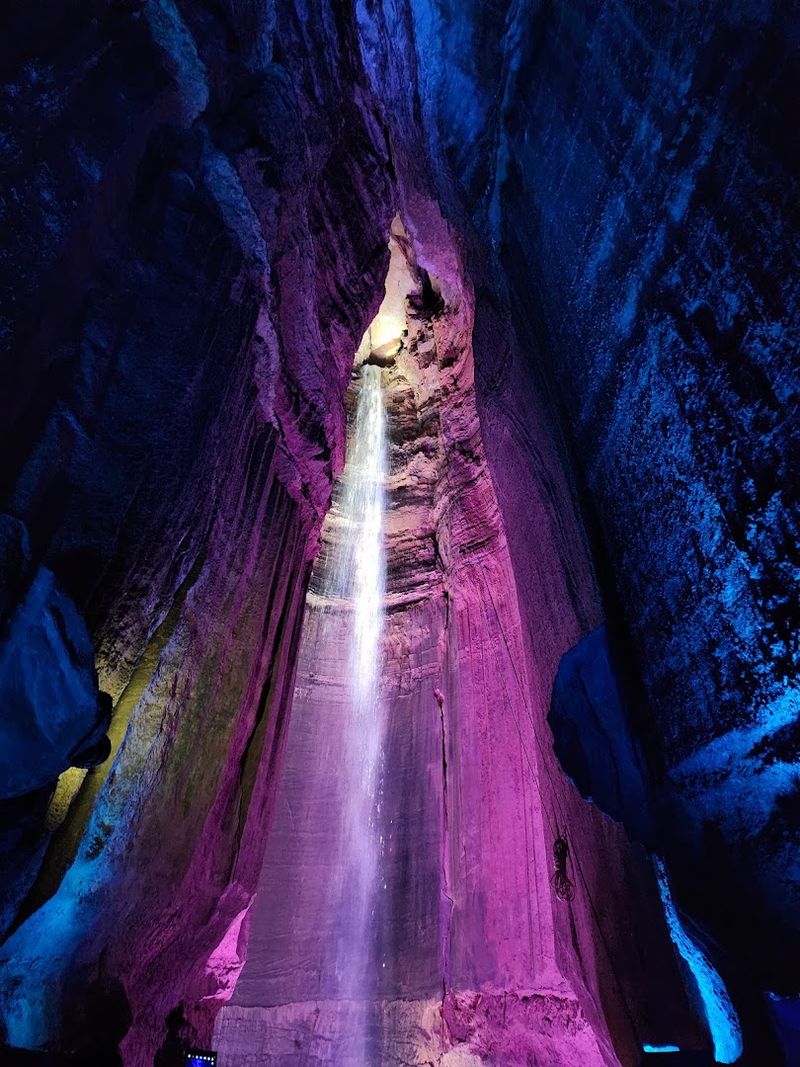
Descending 260 feet into Lookout Mountain to see a 145-foot underground waterfall ranks among Tennessee’s most unusual experiences. Ruby Falls was discovered in 1928 when cave explorer Leo Lambert drilled an elevator shaft and stumbled upon this hidden geological wonder.
Today, guided tours take you through narrow passages and towering rock formations before revealing the illuminated cascade in a massive cavern.
The journey begins with an elevator ride deep into the mountain, where guides lead groups through winding cave corridors filled with stalactites, stalagmites, and formations with names like Dragon’s Foot and Angel Wing. The path stays paved and lit, though some sections require ducking or squeezing through tighter spots.
Tours last about an hour, with guides sharing geology facts and the cave’s discovery story along the way.
When you finally reach the falls chamber, colored lights dramatically illuminate the water as it plunges from a crack in the ceiling into a pool below. The effect feels almost theatrical, though the waterfall itself is completely natural.
The sound of rushing water echoes through the cavern, creating an atmosphere that photographs can’t quite capture.
Above ground, the Lookout Mountain Tower observation deck offers panoramic views of Chattanooga and the Tennessee River valley. On clear days, you can see seven states from the top.
The Blue Heron zipline course also operates on the property for visitors wanting an adrenaline rush after their underground adventure.
Summer and holiday periods bring the biggest crowds, so booking tickets in advance helps avoid long waits. The cave maintains a constant 60-degree temperature year-round, making it a pleasant escape during hot Tennessee summers.
Wear comfortable walking shoes since the tour covers about a mile of uneven cave floors. Kids generally love the adventure-story feel of exploring deep underground to find a secret waterfall.
4. Fall Creek Falls State Park — Spencer
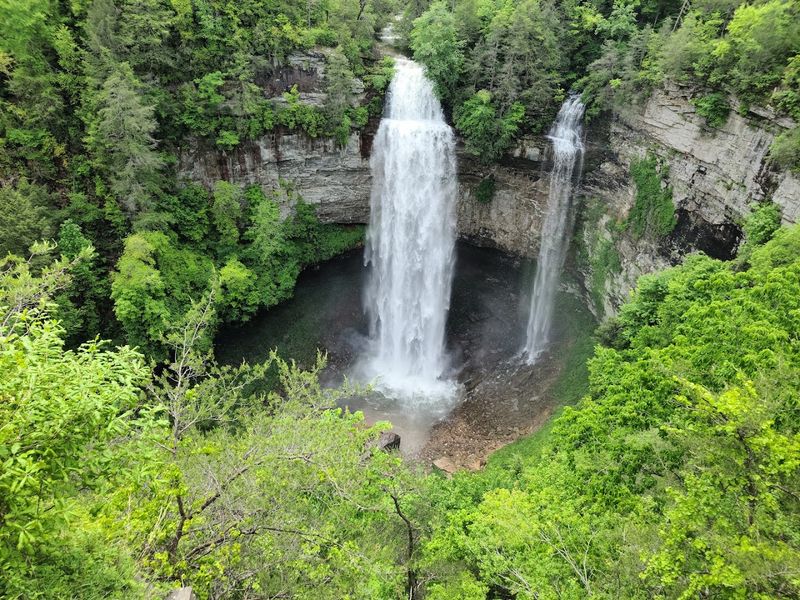
Tennessee’s largest state park protects some of the most spectacular waterfalls and gorges in the eastern United States. Fall Creek Falls plunges 256 feet into a boulder-strewn basin, creating a misty amphitheater of rock walls and cascading water that justifies the drive to this somewhat remote location.
Four other major waterfalls within the park add to the scenery, along with deep canyons, rock formations, and overlooks that rival anything in the Smokies.
Hiking trails range from easy walks to challenging scrambles, with the Woodland Trail offering a relatively flat route connecting several waterfalls. Cane Creek Falls, Cane Creek Cascades, and Piney Falls each have their own character and viewing areas.
The main Fall Creek Falls viewpoint requires only a short walk from the parking area, making it accessible for most visitors. For a more adventurous experience, trails lead down into the gorge to the base of the falls, though the climb back up tests your leg muscles.
The spray and roar of water crashing down from that height creates an almost primal atmosphere.
Beyond waterfalls, the park offers a nature center, swimming pool, golf course, and miles of mountain biking trails. Overnight options include cabins, a lodge, and campgrounds if you want to extend your visit.
Spring runoff makes the waterfalls most impressive, while fall colors frame the cascades in brilliant reds and yellows.
Wildlife includes deer, wild turkeys, and occasionally black bears, especially in more remote areas of the park. Photographers arrive at sunrise to catch golden light on the falls and mist rising from the gorges.
Pack a lunch because the park’s size means you’ll likely spend most of the day exploring, and the nearest restaurants sit several miles away in Spencer.
5. Ryman Auditorium — Nashville
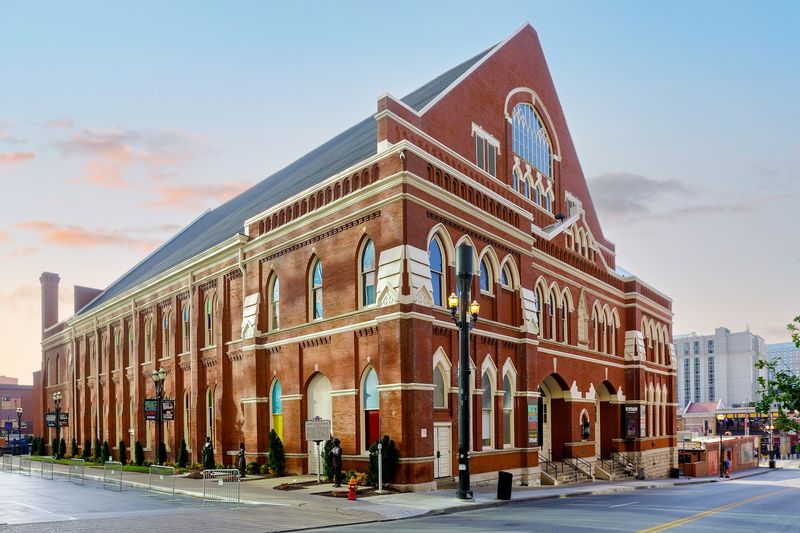
Walking into the Ryman Auditorium feels like stepping onto sacred ground for anyone who cares about American music history. Built in 1892 as a tabernacle, this red-brick building became home to the Grand Ole Opry from 1943 to 1974, hosting legends from Hank Williams to Patsy Cline.
The venue’s exceptional acoustics and intimate wooden interior earned it the nickname “Mother Church of Country Music,” though its stage has welcomed everyone from Elvis to Bruce Springsteen.
Self-guided daytime tours let you sit in the same pews where audiences watched history unfold and stand on the stage where countless careers launched. Exhibits display vintage photographs, costumes, instruments, and artifacts that trace the building’s evolution from revival hall to concert venue.
Audio guides share stories about memorable performances and the artists who shaped country music on this stage.
The wooden bench seating might seem uncomfortable by modern standards, but it connects you to the venue’s original purpose and character. Stained glass windows add unexpected beauty to the balcony level, reminding visitors of the building’s religious origins.
The stage itself looks deceptively simple—just wooden boards and a backdrop—but standing there, you can almost hear the echoes of performances past.
Evening concerts continue the Ryman’s musical legacy, with touring artists from multiple genres considering it a career highlight to perform here. The acoustics really do live up to their reputation, making even whispered vocals crystal clear in the back rows.
Located in downtown Nashville, the Ryman sits within walking distance of honky-tonks, restaurants, and other music attractions. Combined tours with the Grand Ole Opry House offer deeper dives into Nashville’s country music heritage.
Even visitors who don’t consider themselves country music fans often find the Ryman’s history and atmosphere compelling, making it one of Nashville’s most universally appealing stops.
6. The Country Music Hall of Fame and Museum — Nashville
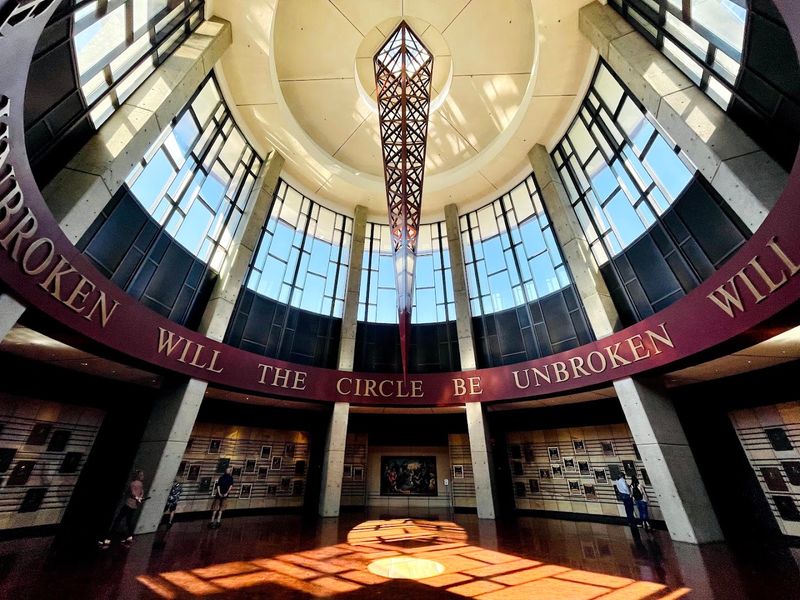
Country music’s definitive museum occupies a striking modern building in downtown Nashville, housing the genre’s most comprehensive collection of artifacts, recordings, and memorabilia. The building’s design incorporates symbolic elements—a bass clef shape when viewed from above, vertical windows suggesting piano keys, and a tower resembling a 1950s radio tower.
Inside, galleries trace country music’s evolution from Appalachian roots through honky-tonk, outlaw country, and contemporary Nashville sound.
Exhibits rotate regularly but always include jaw-dropping items like Elvis’s solid gold Cadillac, handwritten lyrics from country legends, and stage costumes that sparkle under museum lighting. Interactive displays let you mix tracks, watch rare performance footage, and hear how different instruments contribute to iconic recordings.
The depth of content means you could easily spend half a day exploring without seeing everything.
The Hall of Fame Rotunda honors inductees with bronze plaques celebrating their contributions to country music. Reading these tributes gives you perspective on how many influential artists shaped the genre over decades.
Some names you’ll recognize immediately, while others reveal how much history exists beyond the mainstream hits.
Special exhibits focus on specific artists, eras, or themes, diving deep into topics like women in country music, songwriting craft, or the Nashville recording industry. These changing displays give repeat visitors reasons to return.
Guided tours add context and stories that self-guided visitors might miss, though both options work well depending on your time and interest level. The museum store sells everything from vintage concert posters to carefully curated books about music history.
Combined tickets with the Ryman Auditorium or Studio B offer better value if you’re planning to visit multiple music sites. Even people who think they don’t like country music often leave with new appreciation for its cultural impact and artistic range.
7. Jack Daniel’s Distillery — Lynchburg
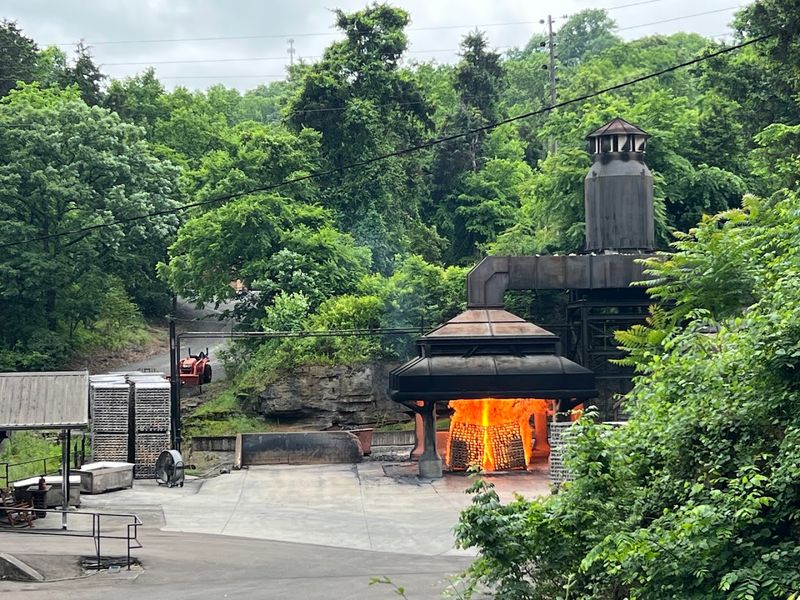
Lynchburg, Tennessee, population around 6,000, produces one of the world’s most recognizable whiskeys at a distillery that’s been operating since 1866. Jack Daniel’s offers tours through the property where limestone spring water, charcoal mellowing, and barrel aging combine to create their distinctive Tennessee whiskey.
The irony that this famous whiskey comes from a dry county adds to Lynchburg’s quirky charm.
Tours take you through the entire whiskey-making process, from the cave spring that provides iron-free water to the charcoal mellowing process that sets Tennessee whiskey apart from bourbon. Guides explain how sugar maple charcoal filters the whiskey drop by drop through ten feet of charcoal before barrel aging.
The barrel houses hold thousands of aging barrels stacked floor to ceiling, filling the air with rich whiskey aromas.
Jasper Newton “Jack” Daniel founded the distillery when he was barely a teenager, learning the craft from a preacher and an enslaved man named Nathan “Nearest” Green. Recent years have brought recognition to Green’s crucial role in developing Jack Daniel’s techniques, with the distillery now honoring his legacy through the Nearest Green Foundation.
This history adds depth to what could otherwise be just a factory tour.
The Lynchburg town square, just a short walk from the distillery, features the old Moore County courthouse, antique shops, and Miss Mary Bobo’s Boarding House Restaurant, where family-style Southern lunches have been served since 1908. Reservations for Miss Mary’s book up weeks in advance, especially during peak tourist seasons.
The square’s old-fashioned storefronts and slower pace make the whole town feel like a step back in time.
Tours run throughout the day, with different options including basic overviews and extended tastings (for those 21 and over). Since Lynchburg sits about 80 miles from both Nashville and Chattanooga, plan for a half-day or full-day trip.
The surrounding countryside offers pretty drives through rolling hills and farmland that showcase Middle Tennessee’s rural character.
8. Graceland — Memphis
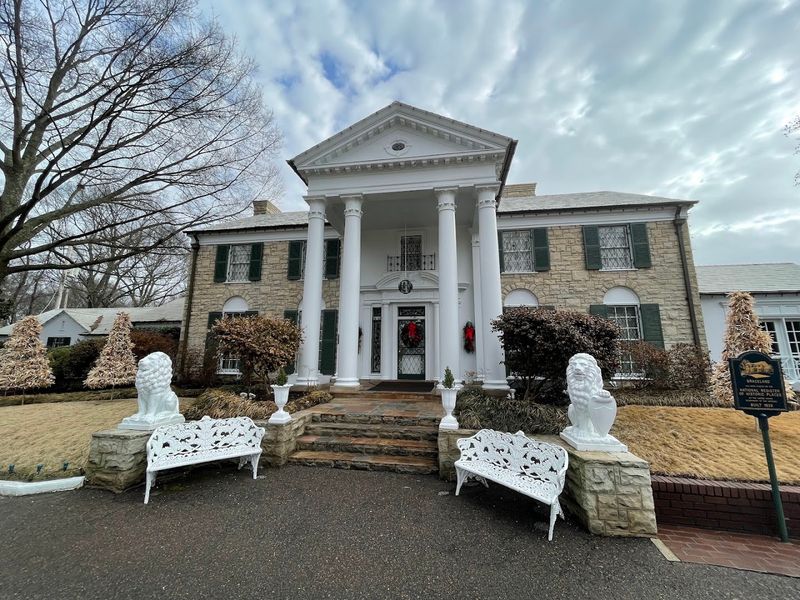
Elvis Presley’s former home remains one of America’s most visited house museums, drawing fans from around the world to see where the King of Rock and Roll lived from 1957 until his death in 1977. Graceland preserves Elvis’s personal spaces, from the famous Jungle Room with its green shag carpet and Polynesian decor to the Trophy Building displaying gold records, jumpsuits, and memorabilia from his career.
Walking through rooms where Elvis actually lived creates an intimate connection to the man behind the legend.
The mansion tour includes the living room, dining room, TV room, pool room, and Jungle Room, all decorated in styles that reflect Elvis’s tastes and the eras he lived through. The basement’s yellow and navy color scheme might seem wild by today’s standards, but it captures the bold design choices Elvis loved.
His parents’ bedroom and other private areas remain closed to preserve family privacy.
Beyond the mansion, separate buildings house exhibits covering Elvis’s movie career, his 1968 comeback special, his Las Vegas performances, and his collection of cars and motorcycles. Two custom jets, including the Lisa Marie with its gold-plated seatbelts and luxurious interior, sit on the property for touring.
The Meditation Garden, where Elvis and family members are buried, offers a quiet space where fans leave flowers and tributes.
Interactive exhibits let you explore Elvis’s musical influences, watch rare footage, and understand his impact on popular culture. The scale of his success becomes clear when you see room after room of awards, costumes, and artifacts from a career that changed music forever.
Even visitors too young to remember Elvis’s lifetime often find themselves drawn into his story.
Tours operate year-round with different ticket packages offering various levels of access. Elvis Week in August brings thousands of fans to Memphis for concerts, ceremonies, and celebrations.
The surrounding area includes restaurants, shops, and other Elvis-related attractions, making Graceland the anchor of a full day of Memphis tourism.
9. Beale Street — Memphis
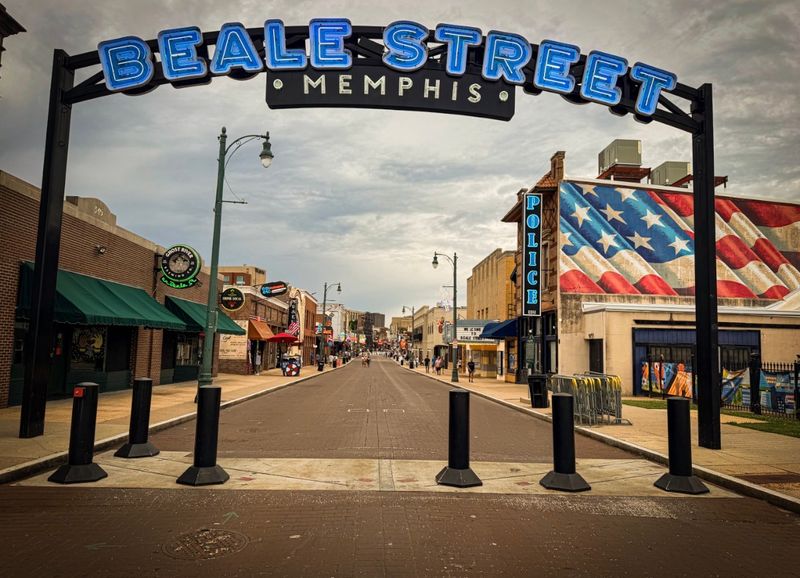
Memphis’s most famous street pulses with blues music, barbecue smoke, and neon lights from clubs that have hosted legends since the early 1900s. Beale Street earned its reputation as home of the blues when African American musicians like B.B. King, Muddy Waters, and Albert King played clubs that became proving grounds for new sounds. Today, live music pours from doorways every night, creating a soundtrack that defines Memphis nightlife.
Walking the three-block entertainment district, you’ll pass historic venues like B.B. King’s Blues Club, Rum Boogie Cafe, and the New Daisy Theatre.
Most clubs offer no cover charge, though some request drink minimums. Musicians range from established blues artists to up-and-coming performers, with multiple stages ensuring you can always find live music.
The energy peaks on weekend nights when crowds spill onto the street.
Beale Street’s history runs deeper than just music—it was a center of African American commerce and culture during segregation, with businesses, theaters, and community gathering places lining the blocks. A.Schwab’s dry goods store, operating since 1876, still sells everything from voodoo potions to overalls.
Historic markers and the Beale Street Museum tell stories about the street’s cultural significance and the people who shaped it.
Barbecue joints compete for attention with their smokers and sauce recipes, while Silky O’Sullivan’s famous dueling pianos and rooftop bar with live goats (yes, really) add quirky Memphis character. Street performers, artists, and vendors add to the carnival atmosphere during busy periods.
The scene leans adult-oriented after dark, but daytime visits work fine for families wanting to experience the street’s history without the nightclub energy.
Special events throughout the year include the Beale Street Music Festival (part of Memphis in May), holiday celebrations, and regular festivals celebrating everything from food to motorcycles. The street sits near other Memphis attractions like the National Civil Rights Museum and the riverfront, making it easy to combine into a downtown Memphis day.
Parking can be challenging on event nights, so using rideshares or walking from nearby hotels often works better.
10. National Civil Rights Museum — Memphis
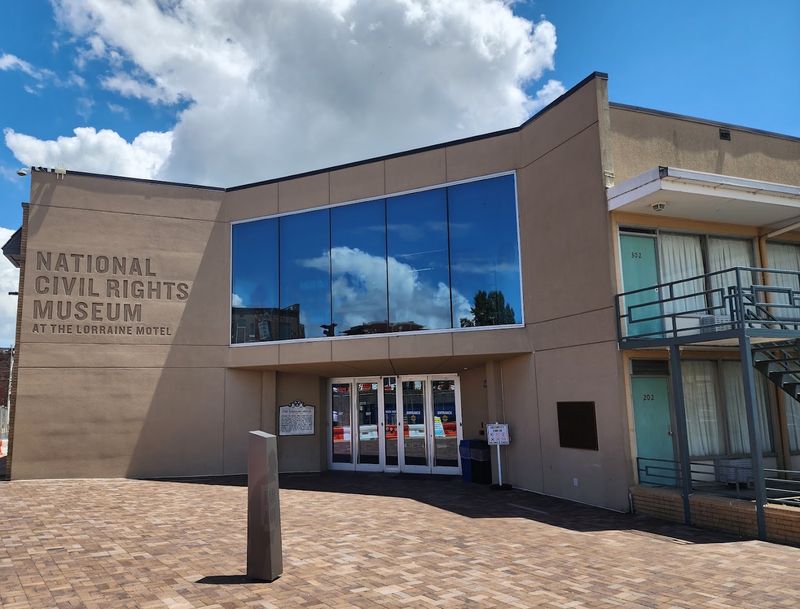
The Lorraine Motel, where Dr. Martin Luther King Jr. was assassinated on April 4, 1968, now houses one of America’s most powerful museums dedicated to the civil rights movement. Standing outside rooms 306 and 307, preserved exactly as they were that day, creates a moment of profound reflection that no photograph or documentary can replicate.
The museum extends far beyond this tragic moment, tracing the entire arc of the American civil rights struggle from slavery through present-day movements for justice.
Chronological exhibits begin with the transatlantic slave trade and move through Reconstruction, Jim Crow segregation, and the civil rights movement of the 1950s and 60s. Interactive displays put you inside pivotal moments—sitting at a lunch counter during a sit-in, boarding a Freedom Riders bus, listening to speeches that galvanized a movement.
The emotional impact builds as you progress through the galleries, with personal stories and artifacts making historical events feel immediate and real.
The Montgomery bus where Rosa Parks refused to give up her seat sits in the museum, along with the actual cell door from the Birmingham jail where Dr. King wrote his famous letter. Video footage, photographs, and audio recordings capture the courage of ordinary people facing violence and intimidation to demand their rights.
Exhibits don’t shy away from difficult truths about American history, making the museum both educational and challenging.
A separate building across the street explores the assassination investigation and conspiracy theories while examining the broader context of violence against civil rights leaders. This section includes the boarding house room where James Earl Ray allegedly fired the fatal shot.
Together, the buildings create a comprehensive experience that typically takes two to three hours to fully absorb.
The museum’s location in downtown Memphis makes it accessible, though the emotional weight of the content means it’s not a casual tourist stop. School groups, families, and international visitors all find value in the exhibits, which connect historical struggles to ongoing conversations about equality and justice.
Admission prices support the museum’s educational mission and preservation work.
11. Reelfoot Lake State Park — Tiptonville
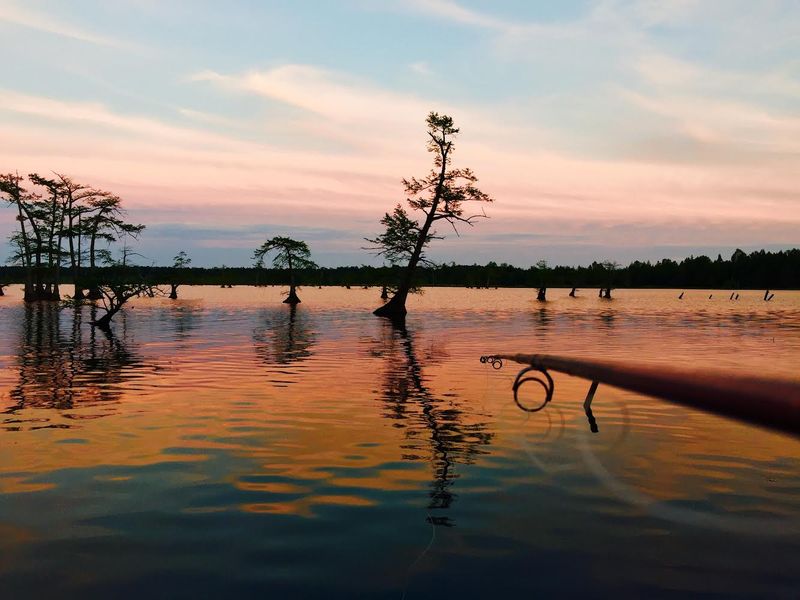
Earthquakes created Reelfoot Lake in 1811-1812 when the New Madrid fault shifted violently enough to make the Mississippi River briefly flow backward. The result is a shallow lake unlike anything else in Tennessee, with cypress trees rising from the water and creating an otherworldly landscape that feels more like Louisiana than West Tennessee.
Bald eagles winter here by the hundreds, making it one of the best eagle-watching destinations in the eastern United States.
The lake stays shallow—averaging just five feet deep—which allows sunlight to reach the bottom and support abundant aquatic vegetation. This creates perfect habitat for fish, which in turn attracts eagles, herons, egrets, and other water birds.
Cypress trees draped with Spanish moss rise from the water, their knobby knees breaking the surface and creating natural sculpture gardens. Morning fog often hovers over the lake, adding to the mysterious atmosphere.
Eagle tours run from December through March when bald eagles migrate to Reelfoot Lake to feed on the abundant fish. Seeing dozens of eagles perched in bare trees or soaring over the water ranks among Tennessee’s most spectacular wildlife experiences.
The park also offers boat tours during other seasons, paddling routes through the cypress forest, and hiking trails along the shoreline. Sunset views across the lake, with cypress silhouettes against colorful skies, reward photographers willing to stay until dark.
The visitor center provides exhibits about the lake’s formation, ecology, and wildlife, helping you understand what makes this ecosystem so special. Fishing attracts anglers pursuing crappie, bass, and catfish, with the lake producing trophy-sized catches.
The surrounding area maintains a rural, undeveloped character that adds to the sense of discovering something off the beaten path.
Reelfoot Lake sits in Tennessee’s northwestern corner, about two hours from Memphis and fairly remote from major tourist routes. This isolation means fewer crowds and a more authentic nature experience.
The park offers cabins, campgrounds, and a restaurant serving Southern comfort food including local catfish. Plan to spend at least a few hours exploring, though the peaceful setting might convince you to stay longer.
12. The Lost Sea Adventure — Sweetwater
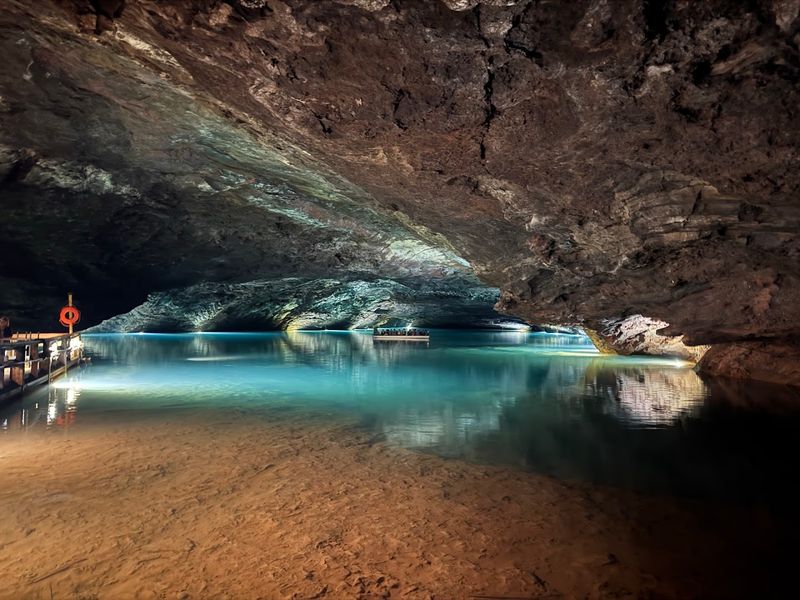
America’s largest underground lake hides beneath the mountains of East Tennessee, discovered by a small boy in 1905 who squeezed through a tiny opening and found a vast cavern with water stretching beyond his lantern’s reach. The Lost Sea covers over four acres of mapped area, though divers have explored additional passages that suggest the lake extends much farther.
Glass-bottom boat tours take you across the crystal-clear water while guides point out massive rock formations and rainbow trout swimming below.
The adventure begins with a descent into Craighead Cavern, walking through passages where Confederate soldiers mined saltpeter for gunpowder during the Civil War. You’ll see their signatures smoked onto the ceiling with candle flames, still visible after more than 150 years.
The cave maintains a constant 58-degree temperature, staying comfortably cool even during Tennessee’s hottest summers.
Rock formations along the route include flowstone cascades, stalactites, and rare anthodites that look like delicate flowers made of stone. Guides explain how these formations develop over thousands of years as mineral-rich water slowly deposits calcite.
When you reach the Lost Sea itself, the sight of water stretching into darkness takes your breath away. Boarding the glass-bottom boats, you glide across water so clear you can see 20 feet down to the rocky bottom.
The lake’s depth varies, reaching 140 feet in some explored areas. Rainbow trout were introduced in the 1960s and now thrive in the constant temperature and mineral-rich water, growing larger than their surface cousins.
Above ground, the property includes a nature trail, gemstone mining (popular with kids), and a small village of shops and food options. The tour lasts about an hour and involves walking about three-quarters of a mile through the cave on paved paths with handrails.
The experience works well for most ages and fitness levels, though the cave’s humidity can be challenging for some visitors. Located off Interstate 75 between Chattanooga and Knoxville, the Lost Sea makes an easy stop during road trips through East Tennessee.