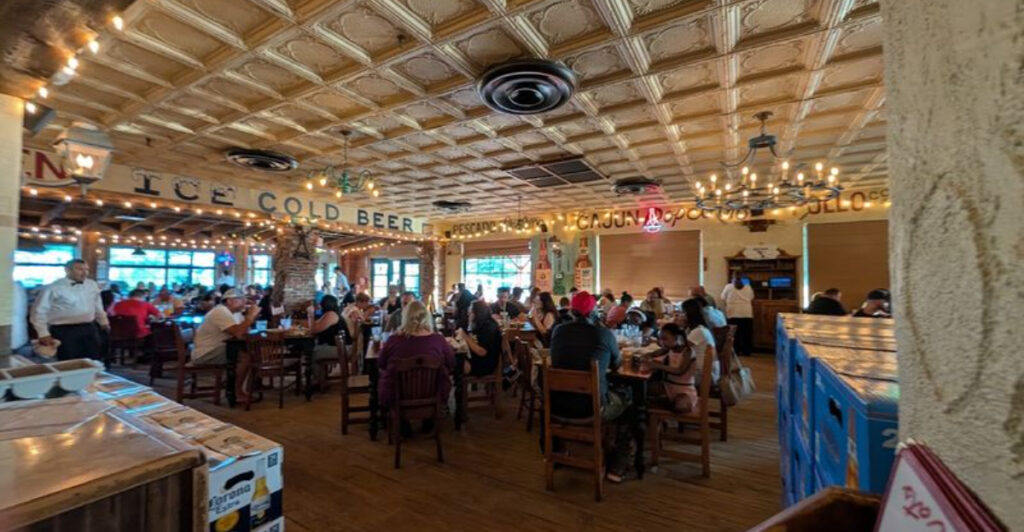
The first clue is usually the parking lot. Cars circle slowly, diners hover near the entrance, and anyone leaving the building is watched with the intensity normally reserved for a championship game.
Inside, sizzling platters cut through the chatter while margaritas travel from the crowded bar to tables buried beneath oversized plates. This is a normal meal at Jose Tejas in Iselin, where patience is practically an unofficial appetizer.
The restaurant is best known as a Tex-Mex institution, but one of its biggest attractions comes from farther south. Its jambalaya arrives steaming, generously seasoned, and piled high enough to make sharing seem sensible for about three seconds.
That unexpected Louisiana detour is a big reason people keep returning, even when the estimated wait sounds more like the length of a movie. Jose Tejas is loud, casual, slightly chaotic, and deeply familiar to generations of New Jersey diners, and the jambalaya explains much of the devotion.
The Iselin Tex-Mex Landmark Where a Long Wait Is Part of the Experience
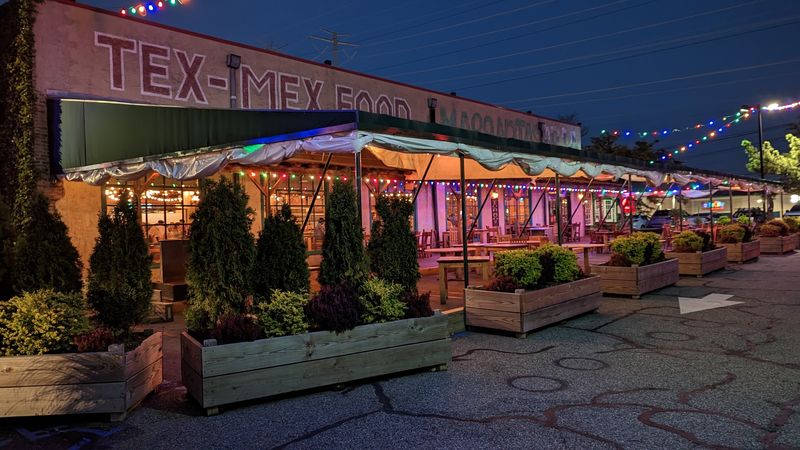
At 700 US-1 in Iselin, an empty parking space can feel like the first small victory of the evening. Jose Tejas is one of those rare restaurants where a crowd outside does not scare people away.
It reassures them that they have found the right place. On busy evenings, cars circle the lot while groups gather near the entrance, checking their place in line and watching the door for signs that another table has opened.
The restaurant does not rely on reservations to smooth out the rush. Diners arrive, add their names, and wait their turn.
That democratic system has produced plenty of local stories involving 60-minute waits, 90-minute waits, and occasional stretches that feel even longer. Yet the same people who complain about the delay often return a few weeks later.
They know what is waiting on the other side of the front door. Jose Tejas benefits from a location that is convenient to a huge swath of Central Jersey.
Iselin sits within Woodbridge Township in Middlesex County, close to major highways, busy commercial corridors, Metropark, and the Edison border. It is an easy meeting point for friends coming from different directions, which helps explain why the dining room can fill before many people have even decided what they want for dinner.
The wait also creates a strange kind of anticipation. Every time the doors open, diners catch the smell of grilled meat, peppers, onions, and Cajun spices.
Servers hurry past carrying sizzling skillets. Someone near the bar inevitably has a frozen margarita.
By the time a table becomes available, the group has usually studied the menu, changed its order twice, and developed an appetite large enough to justify the portions. At Jose Tejas, waiting is not the highlight, but it has become part of the ritual.
A Lively Southwestern Dining Room Built for Big Appetites and Good Times
The volume hits first. Conversations overlap, silverware clatters, ceiling fans turn overhead, and fajitas announce their arrival with a sharp hiss from somewhere across the room.
Jose Tejas has never been the place for a whispered anniversary dinner. It is where families celebrate birthdays, coworkers decompress after a long day, and groups of friends attempt to hear one another over a dining room that always seems to be operating at full speed.
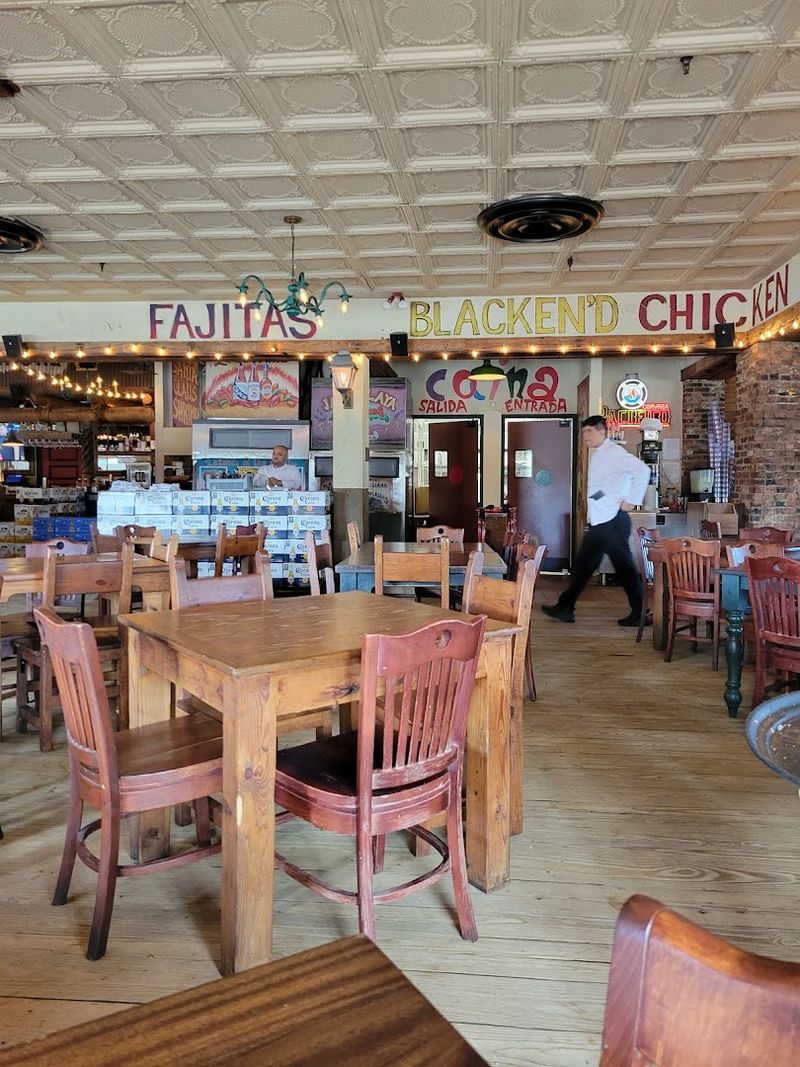
The Southwestern look fits the mood without becoming overly polished. Warm lighting, exposed brick, wooden tables, rustic details, and colorful touches give the restaurant the easygoing feel of a busy border-town cantina.
Nothing appears too delicate to handle a dripping fajita or a crowded table covered with appetizers, drinks, tortillas, rice, and extra napkins. The room is built for actual eating rather than posing beside an untouched plate.
That lack of formality is a major part of the appeal. Diners arrive in work clothes, jeans, team jerseys, and whatever they happened to wear while running errands.
Children are not expected to sit in museum silence, and nobody looks alarmed when a platter lands with enough smoke and noise to turn nearby heads. The restaurant feels energetic rather than refined, and it works because the food has the same personality.
Servers move through the crowd with the practiced rhythm required by a restaurant that rarely gets a quiet stretch. Drinks appear quickly, hot plates keep moving, and empty dishes disappear before the table becomes completely overwhelmed.
That efficiency matters when almost every seat is occupied and another wave of hungry diners is waiting near the door. The bar adds another layer of activity, particularly when people are passing the time before being seated.
On pleasant days, an outdoor patio offers a little breathing room, but the main dining room provides the full Jose Tejas experience. It is busy, colorful, occasionally chaotic, and entirely comfortable with being all three.
The Loaded Jambalaya That Brings Louisiana Flavor to Central Jersey
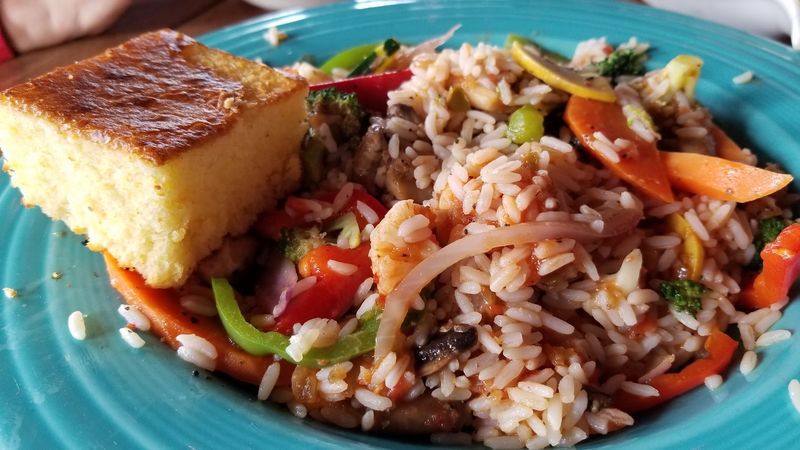
Jambalaya is not the dish most people expect to dominate the conversation at a New Jersey Tex-Mex restaurant. Then the plate arrives.
Steam rises from a substantial mound of seasoned rice packed with vegetables, spices, and plenty of protein, immediately making every smaller order on the table look a little underprepared. The appeal begins with the rice.
Instead of serving as a bland base beneath the interesting ingredients, it carries the flavor throughout the dish. Each forkful picks up the warm seasoning and savory juices, creating the kind of unified bite that separates good jambalaya from a random pile of rice and toppings.
The vegetables add texture and sweetness, while the proteins make it substantial enough to stand as a complete meal. Heat is present, but the kitchen does not treat spice like a punishment.
The jambalaya has enough warmth to get your attention without burying everything beneath an aggressive blast of pepper. That balance matters because the dish has more going on than heat alone.
The seasoning builds gradually, the rice stays flavorful, and individual ingredients remain easy to recognize. Then there is the portion.
Jose Tejas is not interested in sending out a decorative scoop with three carefully placed pieces of meat. The jambalaya arrives in the same generous spirit as the rest of the menu, making leftovers a realistic possibility unless the wait has left you especially determined.
It is filling, messy in the best way, and satisfying enough to justify ordering it even when everyone else at the table chooses fajitas. The dish also makes sense within the larger identity of Jose Tejas.
Tex-Mex and Louisiana cooking may come from different traditions, but both are comfortable with bold seasoning, rice, peppers, grilled proteins, and food meant to feed people properly. The jambalaya does not feel like a novelty squeezed onto the menu.
It feels like the restaurant’s Cajun side stepping forward and stealing the spotlight.
Sizzling Fajitas and Camptown Shrimp Give the Jambalaya Serious Competition
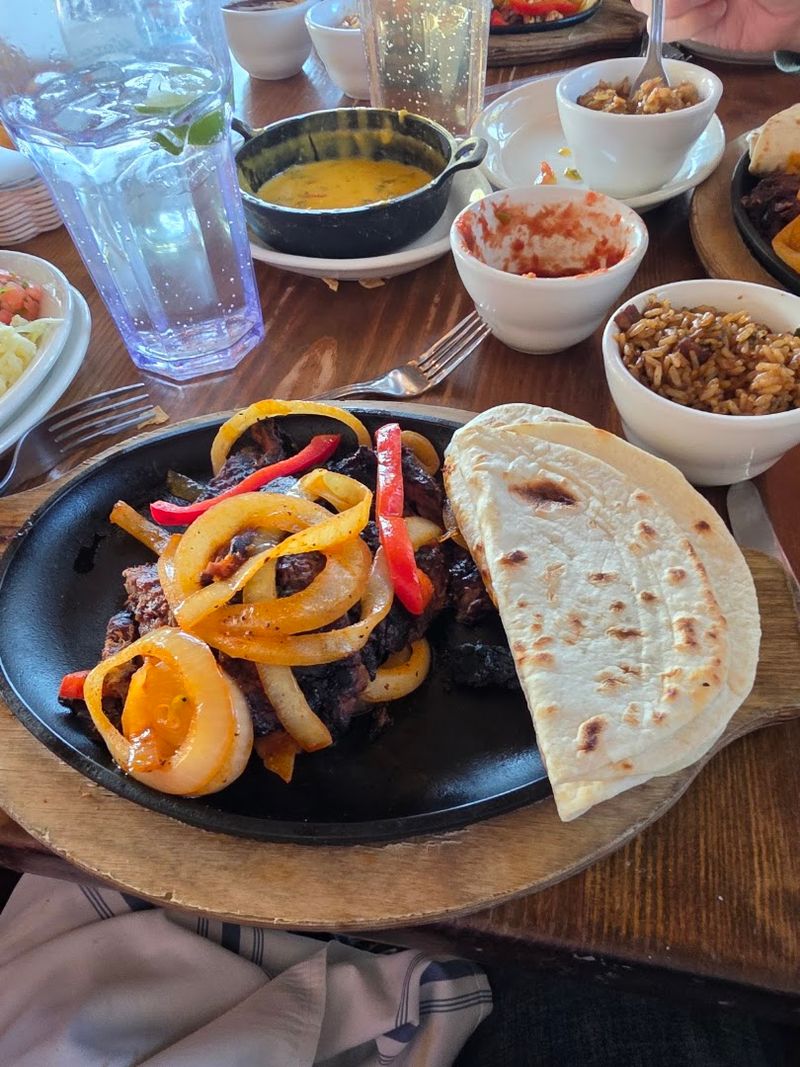
A server carrying fajitas through Jose Tejas can cause immediate regret at three or four nearby tables. The skillet arrives crackling beneath strips of grilled protein, peppers, and onions, sending a cloud of fragrant steam into the room.
Even diners who were completely satisfied with their choices suddenly start discussing what they will order next time. The fajitas are one of the restaurant’s defining meals because they turn dinner into a small construction project.
Warm tortillas and the usual accompaniments allow each person to build a bite differently, whether that means loading everything together or carefully rationing the peppers and onions. The charred edges provide the flavor that makes the skillet more than a dramatic serving vessel.
Those browned bits mix with the juices at the bottom, making the final tortilla as tempting as the first. Camptown Shrimp takes the menu in a more distinctly Cajun direction.
The boldly seasoned shrimp provide another example of how comfortably Jose Tejas moves between Southwestern and Louisiana flavors. They work as a shareable beginning, but sharing becomes less appealing once the plate reaches the table.
The shrimp bring enough spice and richness to compete with heavier entrées without making the meal feel repetitive. The menu offers plenty of other distractions.
Enchiladas arrive covered in sauce and cheese, while towering nachos test the structural limits of tortilla chips. Burgers are easy to overlook in a restaurant known for Tex-Mex, but options with Cajun or Mexican influences fit neatly beside the rest of the lineup.
Blackened dishes extend the restaurant’s affection for deeply seasoned food, and wings provide a familiar option for groups that want something easy to pass around. That range is useful when a table cannot agree on one cuisine.
Someone can order jambalaya, another person can take charge of a fajita skillet, and the committed traditionalist can stick with enchiladas. Somehow, the spread still looks as though it belongs together.
Strong Margaritas and Generous Portions Keep the Tables Packed
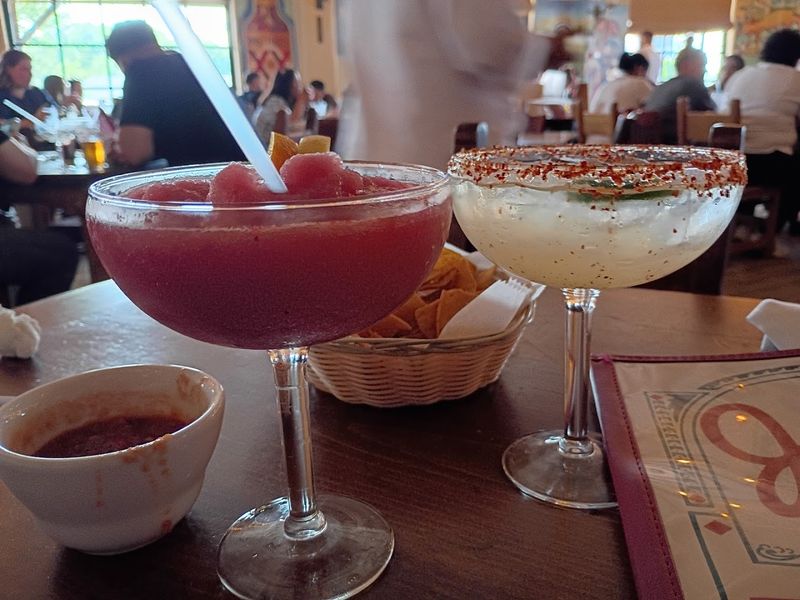
There is a particular expression people make after their first sip of a Jose Tejas margarita. It usually involves raised eyebrows, a short pause, and a more respectful look at the glass.
The restaurant’s margaritas have earned their reputation by being flavorful, cold, and noticeably less timid than the drinks served at many chain-style Tex-Mex spots. Frozen versions are especially popular in a room that runs hot with conversation and sizzling skillets, although ordering one on the rocks keeps things classic.
Salted rims add another sharp edge, while different flavors offer an excuse to experiment beyond the standard lime. The drinks are refreshing enough to pair with spicy food but strong enough that ordering a second should involve at least a brief consultation with the dinner table.
Nonalcoholic choices are not treated as an afterthought. Fresh lemonade brings a tart, sweet break between heavily seasoned bites, and brewed iced tea does the same job without adding more sugar.
Both are useful when the table is working through Cajun spice, charred peppers, melted cheese, and whatever remains at the bottom of a fajita skillet. Portion size is the other half of the restaurant’s value equation.
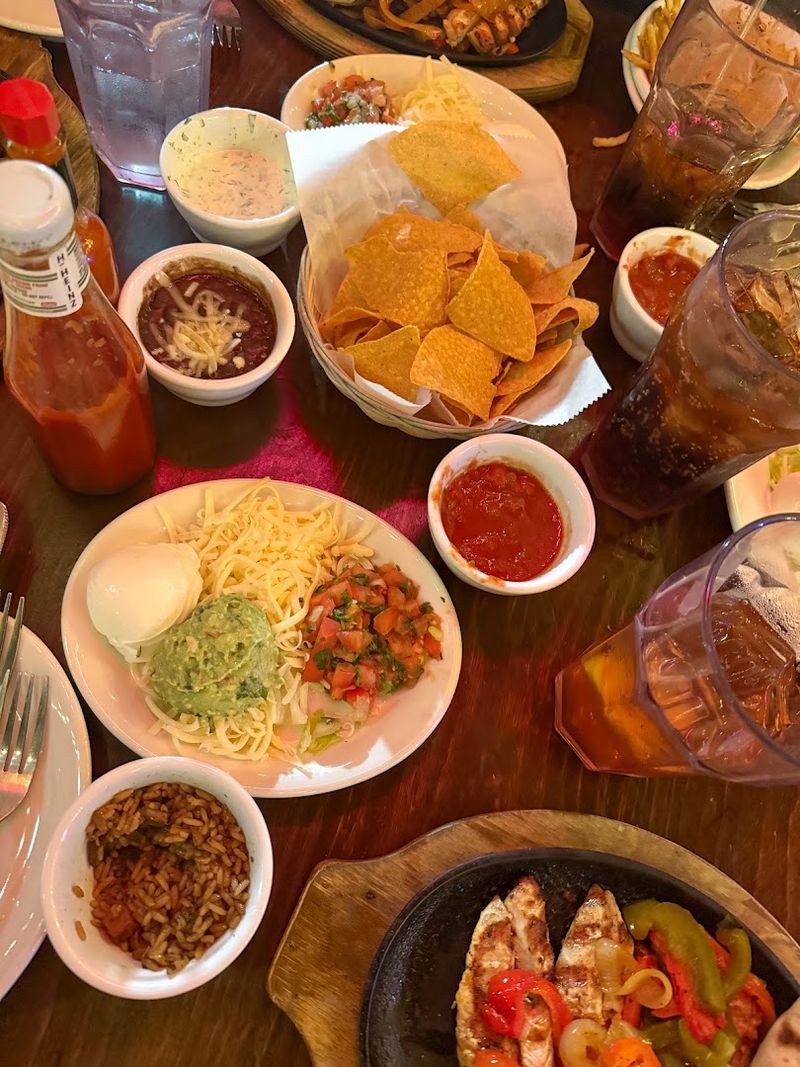
Plates look designed for people who have been waiting outside long enough to develop serious expectations. Nachos arrive stacked, entrées cover most of the available surface, and the jambalaya is substantial enough to make tomorrow’s lunch a realistic possibility.
Jose Tejas has built much of its following by serving food that feels generous without making the experience formal or overly expensive. That combination explains why the line persists.
Diners know they are likely to leave full, and many leave carrying containers. At a time when restaurant checks can rise while portions quietly shrink, Jose Tejas continues to operate with an older, simpler promise: wait your turn, claim your table, and prepare for considerably more food than you planned to eat.
Why Jose Tejas Remains One of New Jersey’s Most Beloved Restaurant Traditions
Long before social media made crowded restaurants easy to discover, New Jersey diners were already telling one another about Jose Tejas. The recommendation usually came with two warnings.
The first was to expect a wait. The second was to arrive hungry.
Neither warning discouraged many people, and over time the restaurant became more than a dependable dinner option. It became a shared local reference point.
Many regulars can connect the dining room to a specific memory: a birthday celebrated over fajitas, a first date that required shouting across the table, a family dinner that began with an hour near the entrance, or a friend’s introduction to the jambalaya.
Those individual stories have accumulated across decades, giving the restaurant a place in the personal history of people who grew up nearby and continued returning after moving elsewhere.
Consistency is what keeps that nostalgia from becoming the only reason to visit. Jose Tejas still delivers the qualities people remember—bold seasoning, noisy rooms, strong drinks, large portions, and prices that make bringing a group feel manageable.
The restaurant has not attempted to become a minimalist dining room with tiny plates and a carefully curated soundtrack. It remains comfortable with its identity.
That identity is distinctly New Jersey despite the Southwestern décor and Louisiana influence. The service is quick and direct, the crowd represents practically every type of local diner, and the experience requires a little patience in exchange for a lot of food.
Nothing about it is precious. Even the famous wait feels less irritating once a table opens and the first skillet starts sizzling.
The jambalaya captures the entire appeal in one plate. It is unexpected but familiar, heavily seasoned but approachable, and generous enough to make moderation difficult.
Jose Tejas stays packed because it understands exactly what its regulars came to find, and after all these years, it still gives them plenty of it.