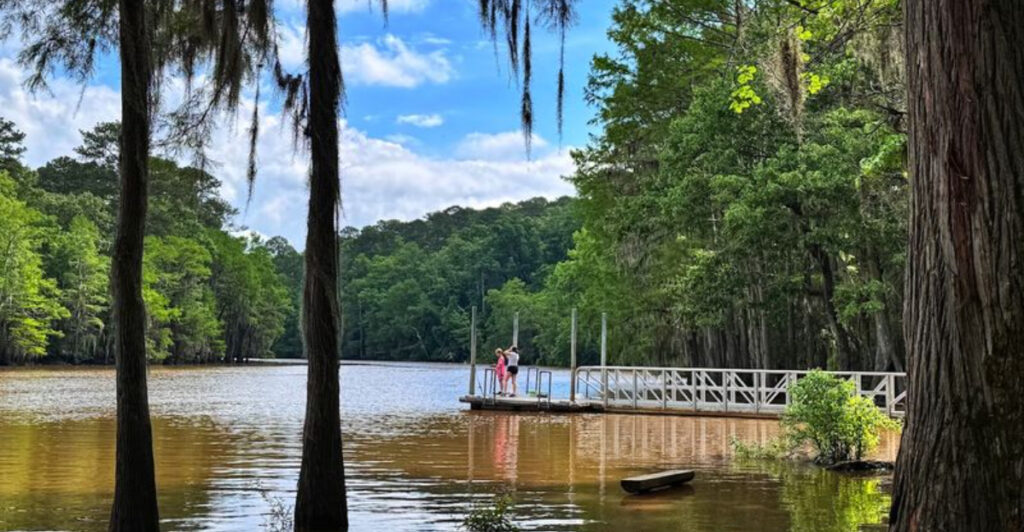
Texas is bigger than most countries, and driving across it reveals landscapes so different they seem impossible to find in one state. From cypress swamps that look like Louisiana to desert peaks that rival Arizona, this road trip takes you through terrain that feels borrowed from half a dozen states. Pack your sense of adventure and prepare to question whether you actually left Texas at all.
1. Caddo Lake State Park (Karnack)
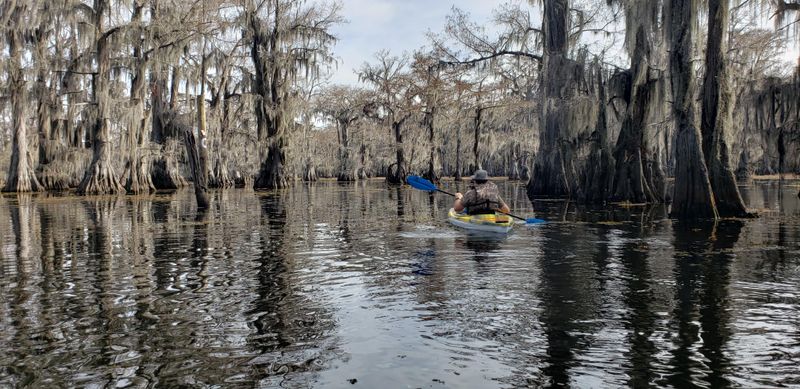
Spanish moss hangs from towering cypress trees like nature’s own curtain, and the water mirrors the sky in shades of amber and green. You’d swear someone dropped a piece of Louisiana right into East Texas. The maze of sloughs and bayous creates an otherworldly atmosphere that feels more Deep South than Lone Star State.
Paddling through the channels gives you front-row seats to alligators sunning themselves on logs and great blue herons stalking fish in the shallows. The stillness here is profound, broken only by the occasional plop of a turtle sliding into the water or the distant call of a prothonotary warbler. Early morning fog turns the whole place into something from a fairy tale.
Fishing enthusiasts find largemouth bass and crappie in abundance, while photographers chase the perfect shot of sunrise filtering through the cypress canopy. The boardwalks and trails let you explore without getting your feet wet, though renting a kayak or canoe is really the only way to experience the lake’s full magic. Wear water shoes because the lake bottom is mucky.
Camping options range from screened shelters to full hookup sites, and the park stays relatively quiet even during peak season. The nearby town of Uncertain (yes, that’s its real name) adds quirky charm to your visit. Bring bug spray in warm months because mosquitoes consider this paradise too.
The lake’s unique ecosystem supports the largest cypress forest in the world, making it a genuinely rare natural treasure that feels nothing like the Texas most people imagine.
2. Marfa (Marfa)
Out in the high desert of West Texas sits a tiny town that somehow became an international art destination. Marfa’s population barely breaks 2,000, but its cultural footprint rivals cities a hundred times larger. The contrast between rugged ranchland and cutting-edge contemporary art creates an atmosphere you’d expect in Santa Fe or Taos, not the middle of nowhere Texas.
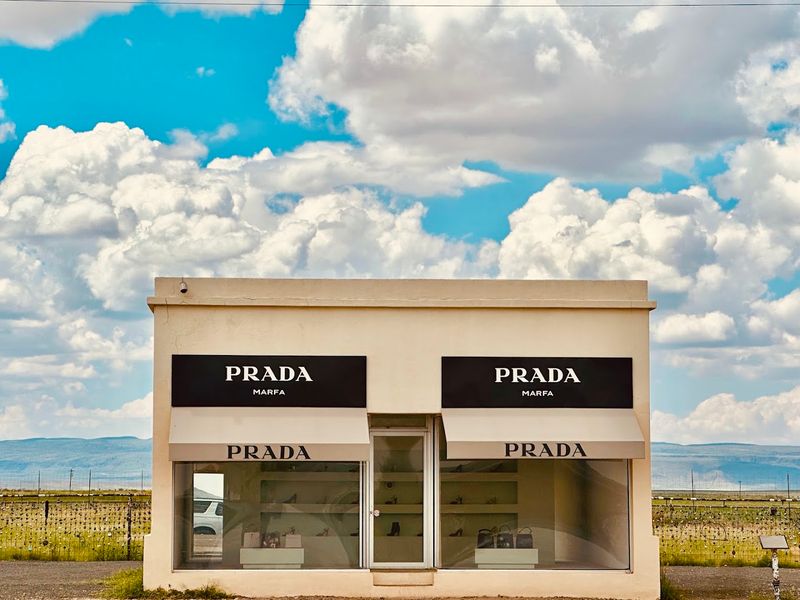
Donald Judd’s massive concrete sculptures dot the landscape at the Chinati Foundation, transforming former military buildings into exhibition spaces. The Prada Marfa installation sits alone on a remote highway, a fully stocked boutique that never opens, equal parts art piece and desert mirage. Gallery hopping here means walking past adobe buildings and vintage storefronts that could double as movie sets.
The famous Marfa Lights remain unexplained, mysterious glowing orbs that appear in the distance on clear nights. Locals and visitors gather at the official viewing area hoping to spot them, though theories range from atmospheric phenomena to car headlights to something stranger. Whether you see them or not, the star-filled sky alone justifies the trip.
Boutique hotels occupy restored buildings with minimalist design that attracts design enthusiasts from around the globe. Food options surprise with upscale fare you wouldn’t expect in ranch country, from wood-fired pizza to inventive Tex-Mex. The nearby Davis Mountains provide hiking and cooler temperatures when the desert heat becomes intense.
Marfa feels like West Texas collided with an art colony and somehow both survived, creating something entirely unique that resembles nowhere else in the state.
3. Palo Duro Canyon State Park (Canyon)
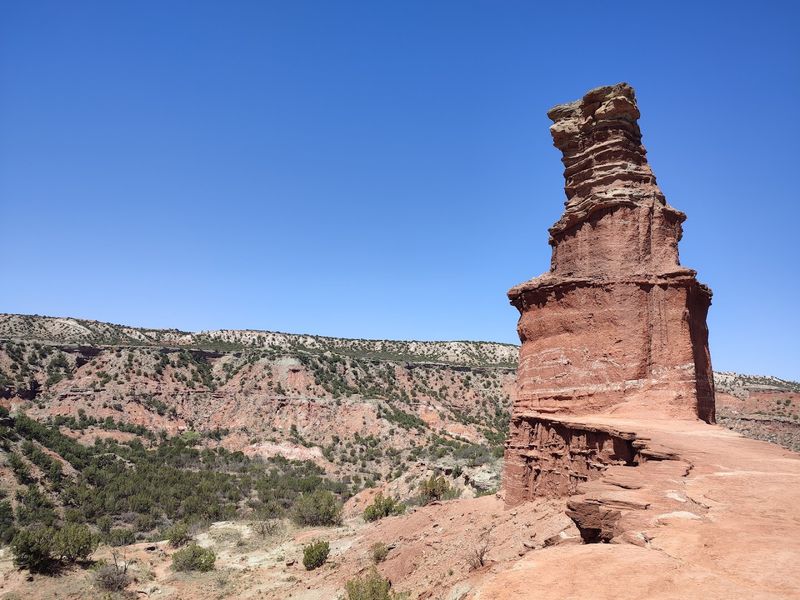
The second-largest canyon in the United States hides in the flat expanse of the Texas Panhandle, where most people expect nothing but endless prairie. Dropping 800 feet below the caprock, Palo Duro Canyon explodes with color—rust red, burnt orange, cream, and lavender layers that took millions of years to form. Driving down into it feels like entering a secret world that shouldn’t exist in this part of Texas.
Hiking trails wind past rock formations with names like Lighthouse Peak and Capitol Peak, each one sculpted by wind and water into dramatic shapes. Mountain bikers tackle the canyon floor on trails that range from easy cruises to technical challenges. Horseback riding lets you explore the backcountry the way ranchers and Native Americans did generations ago, though the stables require reservations during busy seasons.
Summer temperatures climb into the 90s, but the canyon’s depth provides some relief and spectacular sunrises that paint the rocks in shifting shades of gold and crimson. The outdoor musical drama TEXAS runs in the amphitheater during warmer months, telling the story of Panhandle settlers against the canyon backdrop. Wildlife sightings include roadrunners, mule deer, and the occasional wild turkey.
Camping puts you right in the heart of the canyon, with sites ranging from basic tent spots to cabins with air conditioning for those who prefer creature comforts. The park feels more like Arizona or New Mexico than anywhere else in Texas, with geological formations that rival anything in the Southwest. Pack plenty of water because the dry air and sun dehydrate you faster than you’d think.
4. South Padre Island (South Padre Island)
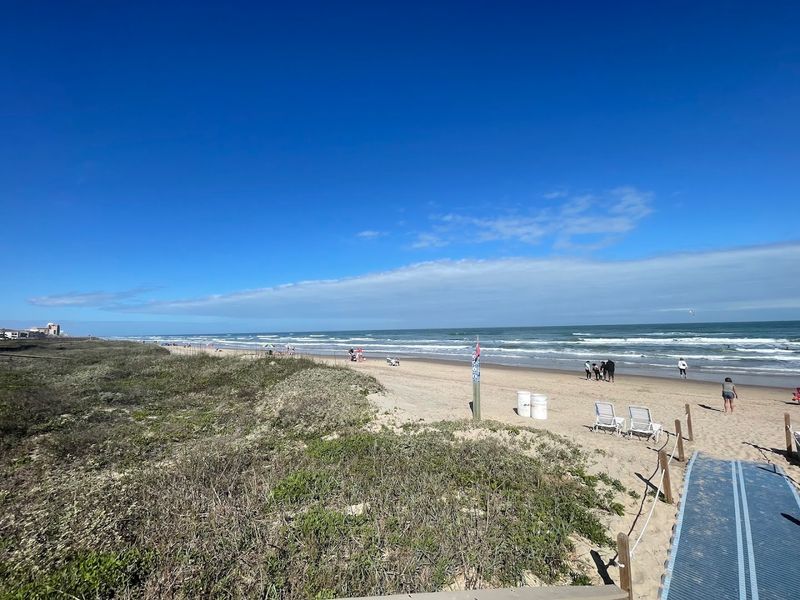
Turquoise water laps against white sand beaches that stretch for miles, and palm trees sway in the Gulf breeze. South Padre Island sits at the southern tip of Texas, but the tropical vibe makes it feel more Caribbean than Texan. The barrier island protects the mainland while offering some of the best beach experiences in the state, with water clear enough to see your feet in waist-deep surf.
Water sports dominate the scene here, from kiteboarding and parasailing to jet skiing and paddleboarding. The calm Laguna Madre bay side provides perfect conditions for beginners learning to windsurf or kayak, while the Gulf side delivers waves that satisfy surfers. Fishing charters head offshore for kingfish and red snapper, or you can cast from the shore for speckled trout and redfish.
Sea Turtle Inc. rehabilitates injured turtles and educates visitors about conservation efforts, offering a chance to see these ancient creatures up close. Dolphin watching tours almost guarantee sightings of bottlenose dolphins playing in the boat’s wake. During spring break, the island transforms into party central, but visit during off-season and you’ll find peaceful stretches of sand with hardly another soul in sight.
High-rise condos and beach houses provide accommodation options with Gulf views, while restaurants serve fresh seafood caught that morning. The Queen Isabella Causeway connecting the island to the mainland offers stunning views, especially at sunset when the water turns shades of pink and orange. Birding enthusiasts flock here during migration season when hundreds of species pass through.
The tropical atmosphere, combined with Texas hospitality and prices lower than Florida beaches, creates a unique coastal getaway.
5. Guadalupe Mountains National Park (Salt Flat)
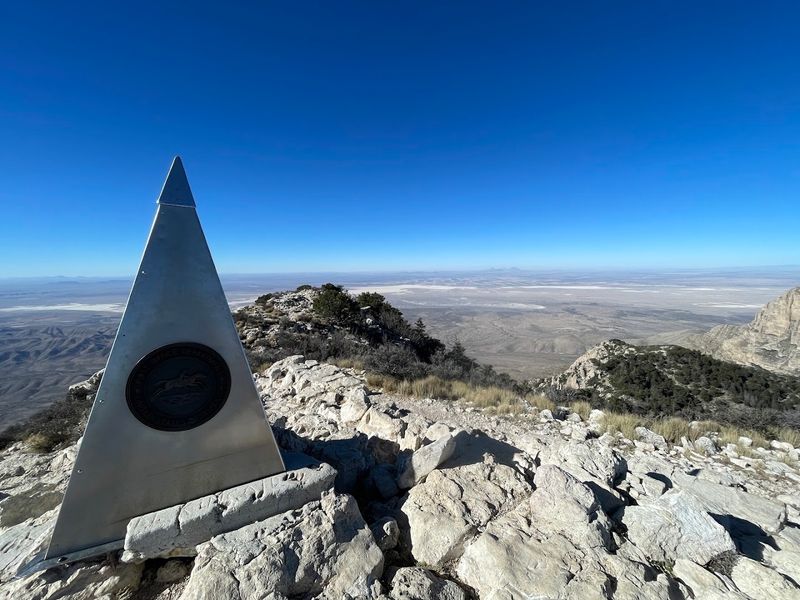
Guadalupe Peak rises 8,749 feet above sea level, claiming the title of highest point in Texas. Most Texans have never heard of this national park tucked against the New Mexico border, where desert mountains create landscapes that look lifted from the Rockies or the Southwest’s most dramatic ranges. The lack of crowds means you can hike for hours without seeing another person, a rarity in popular national parks.
El Capitan’s limestone cliff face towers over the desert floor, a landmark that guided travelers for centuries and still dominates the skyline. Fall brings spectacular color when the maples in McKittrick Canyon turn brilliant red and gold, creating a show that rivals New England’s autumn displays. The canyon hike follows a spring-fed stream through a desert oasis that feels impossible given the surrounding arid landscape.
Backpacking trails lead into wilderness areas where mule deer and elk roam freely, and if you’re lucky, you might spot a mountain lion’s tracks in the dust. The park preserves an ancient fossil reef from when this area lay beneath a vast sea, with marine fossils embedded in the rocks. No lodging or restaurants exist within the park boundaries, so come prepared with supplies and camping gear.
Summer heat can be brutal in the lowlands, but higher elevations offer cooler temperatures and pine forests that seem out of place in West Texas. The drive from El Paso takes about two hours through stark desert beauty that prepares you for the mountains ahead. Stargazing here ranks among the best in the state, with minimal light pollution and crystal-clear air.
This park feels more like New Mexico or Colorado than Texas, proving once again that the state contains multitudes.
6. Texas Hill Country (Fredericksburg)
Rolling hills covered in oak trees and limestone outcroppings create scenery that wouldn’t look out of place in the Mediterranean. The German heritage of towns like Fredericksburg adds European flavor with bakeries serving strudel and restaurants specializing in schnitzel. Vineyards dot the landscape, producing wines that have put Texas on the map as a serious wine region, and tasting rooms welcome visitors with samples and Hill Country views.
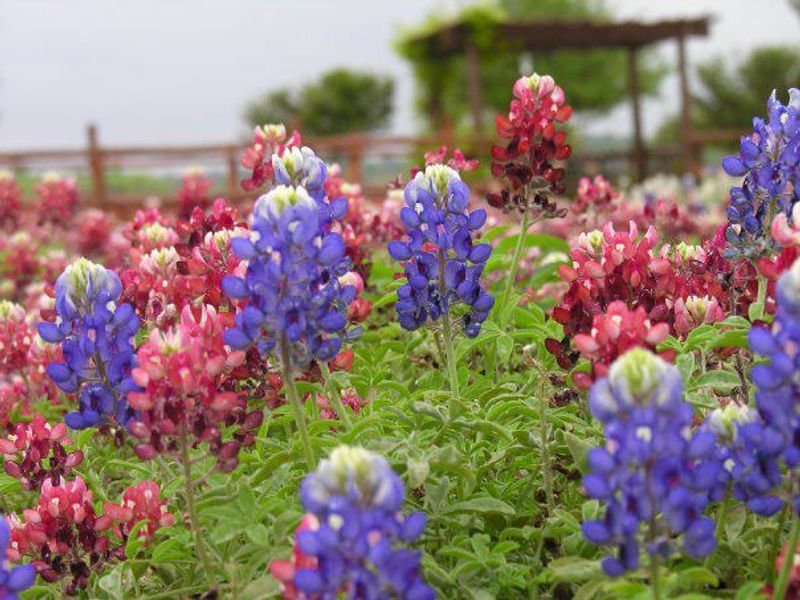
Wildflowers transform the roadsides each spring, with bluebonnets, Indian paintbrush, and wine cups creating carpets of color that draw photographers from across the state. The Enchanted Rock State Natural Area features a massive pink granite dome that rises 425 feet above ground, offering panoramic views after a moderately challenging climb. Caves and rock formations throughout the region reveal geological history spanning millions of years.
Fredericksburg’s Main Street preserves its 19th-century character while housing boutiques, galleries, and antique shops that make for excellent browsing. The National Museum of the Pacific War honors Admiral Nimitz, a local son, with extensive exhibits about World War II. Bed and breakfasts occupy historic homes and offer more charm than chain hotels, many with hot tubs and porches perfect for evening relaxation.
Live music venues showcase Texas country and folk artists, keeping the area’s musical traditions alive. Barbecue joints smoke brisket over oak, while food trucks experiment with fusion cuisine that blends German and Tex-Mex influences. The Pedernales River provides swimming holes and kayaking opportunities when temperatures climb.
This region feels more like Bavaria or Tuscany than typical Texas, with a laid-back sophistication that attracts weekend visitors from Austin and San Antonio seeking escape from city life without traveling far.
7. Big Bend National Park (Terlingua)
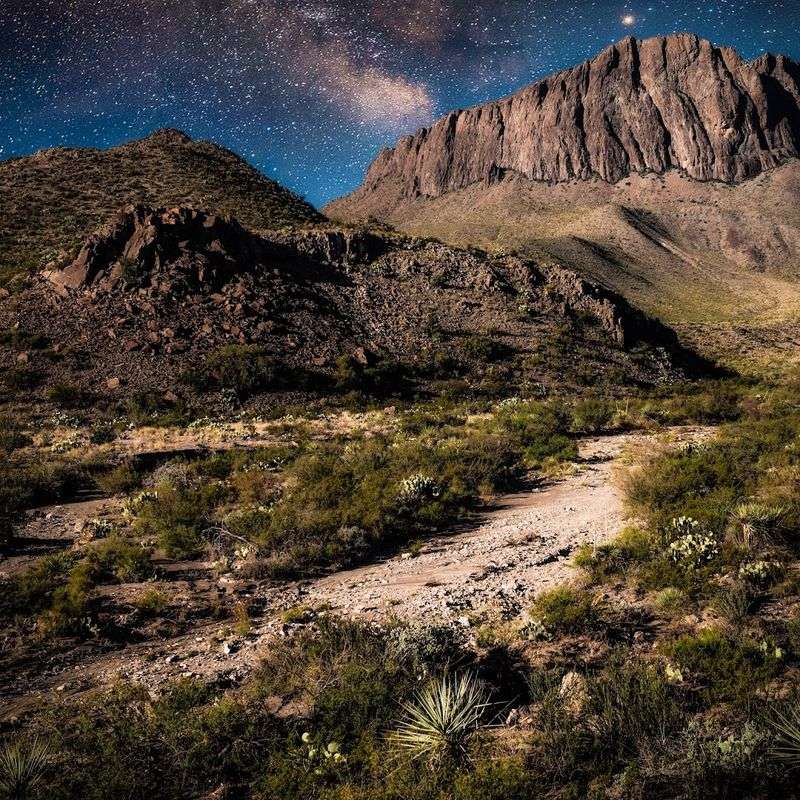
Where Texas meets Mexico, the Rio Grande carves through desert canyons so remote that cell service doesn’t exist and the nearest city sits hours away. Big Bend National Park encompasses 800,000 acres of Chihuahuan Desert, mountain ranges, and river corridors that feel more like Big Sky Country than the Lone Star State. The scale here overwhelms, with vistas stretching to horizons unmarred by development or signs of modern civilization.
The Chisos Mountains rise from the desert floor like an island, supporting pine and oak forests at higher elevations while cacti and ocotillo dominate the lowlands. Hiking trails range from easy nature walks to strenuous climbs up peaks that reward with views across three states and into Mexico. Santa Elena Canyon’s 1,500-foot limestone walls tower over the river, creating a narrow passage that kayakers and rafters navigate with awe.
Wildlife viewing includes javelinas, roadrunners, and over 450 bird species, making it a premier destination for birding enthusiasts. The Colima warbler nests nowhere else in the United States except these mountains. Hot springs near the river provide natural soaking pools, though the water temperature varies with the season and recent rainfall.
Terlingua, the gateway ghost town turned quirky community, offers lodging and supplies along with legendary chili cook-offs that draw competitors from around the world. Stargazing in Big Bend ranks among the darkest skies in the continental United States, with the Milky Way visible in stunning detail. The park’s isolation means planning ahead for food, water, and fuel because nothing exists for miles.
This landscape resembles Arizona, New Mexico, and even parts of Mexico far more than typical Texas terrain, proving that the state’s diversity extends to genuine wilderness.
8. Piney Woods of East Texas (Nacogdoches)
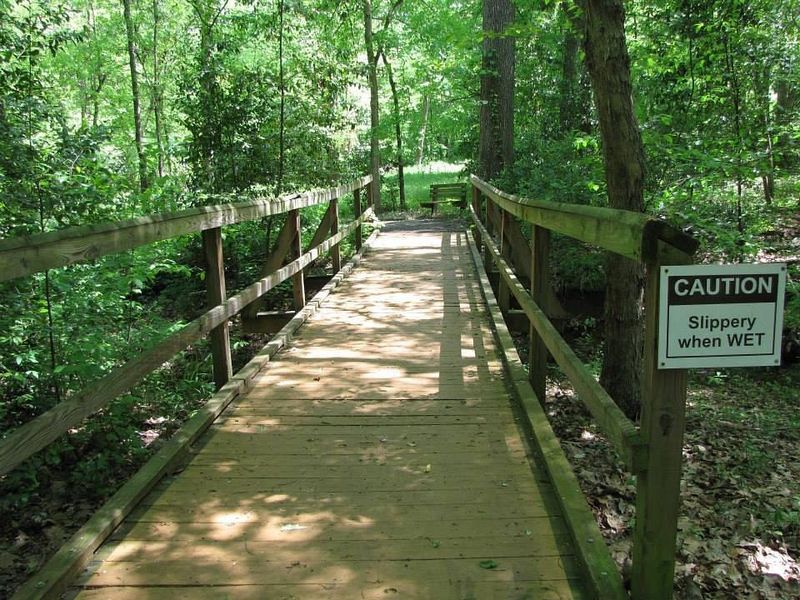
Towering loblolly and longleaf pines create dense forests that feel transplanted from the Deep South. East Texas shares more in common with Louisiana and Arkansas than with the rest of the state, with humidity that hangs in the air and vegetation so thick it blocks the horizon. Ferns carpet the forest floor, and creeks wind through valleys where cypress knees poke up from dark water.
Nacogdoches claims the title of Texas’s oldest town, with history stretching back to Spanish colonial times and streets lined with buildings that predate the Republic. The town square maintains its historic character while supporting local businesses, antique shops, and cafes where sweet tea flows freely. Stephen F.
Austin State University brings youthful energy and cultural events to this otherwise quiet community.
Hiking and mountain biking trails thread through the national forests surrounding town, with the Lone Star Hiking Trail offering over 120 miles of backcountry trekking. Fishing lakes and rivers provide excellent bass and catfish opportunities, while hunting leases attract sportsmen during deer and turkey seasons. The woods come alive each spring with dogwood blooms and azaleas that add splashes of pink and white to the green canopy.
Barbecue here leans toward East Texas style, with more sauce and different smoking techniques than Central Texas traditions. The nearby town of Crockett hosts the World’s Largest Rattlesnake Roundup, if you’re into that sort of thing. Fall brings cooler temperatures and changing leaves, though the transformation is subtler than in northern states.
These woods feel nothing like the stereotypical image of Texas as desert and cowboys, instead offering Southern hospitality and landscapes that could easily pass for Georgia or Mississippi if you didn’t know better.