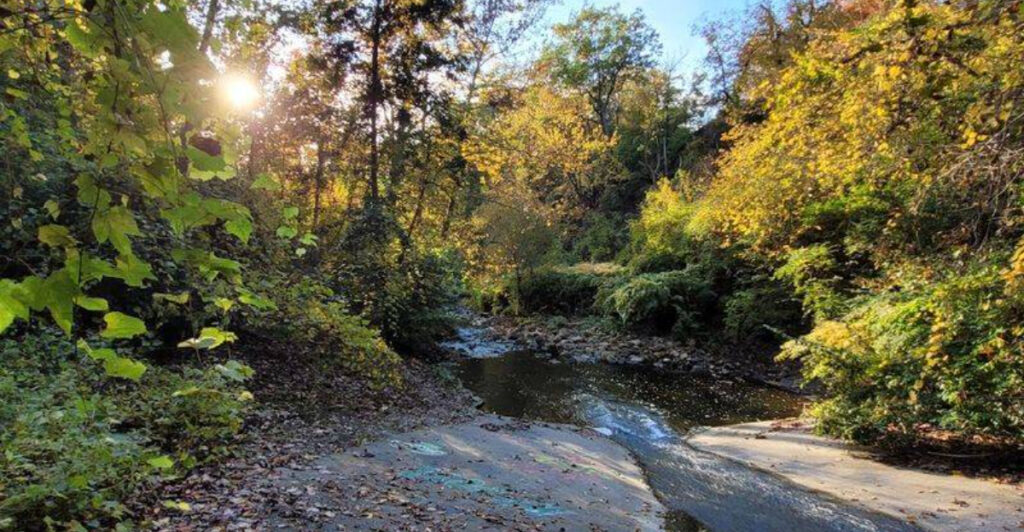
If you think Cleveland hides all its best surprises in museums and neighborhoods, Ambler Park will change your mind fast. This modest park in Cleveland, Ohio, leads you into a ravine where water, history, and weathered ruins create a hike that feels far more remote than the city map suggests.
Along the way, you will find traces of Depression-era infrastructure, rocky trails, and the kind of views that make you stop and stare. It is one of those rare places that feels both overlooked and unforgettable.
1. A hidden hike with a surprising payoff
Ambler Park does not look flashy from the outside, and that is exactly why it feels like such a rewarding find. You start with a simple park setting in Cleveland, then quickly slip into a wooded ravine where the city noise softens and the trail begins to feel adventurous.
If you love hikes that reveal something unexpected, this one delivers almost immediately.
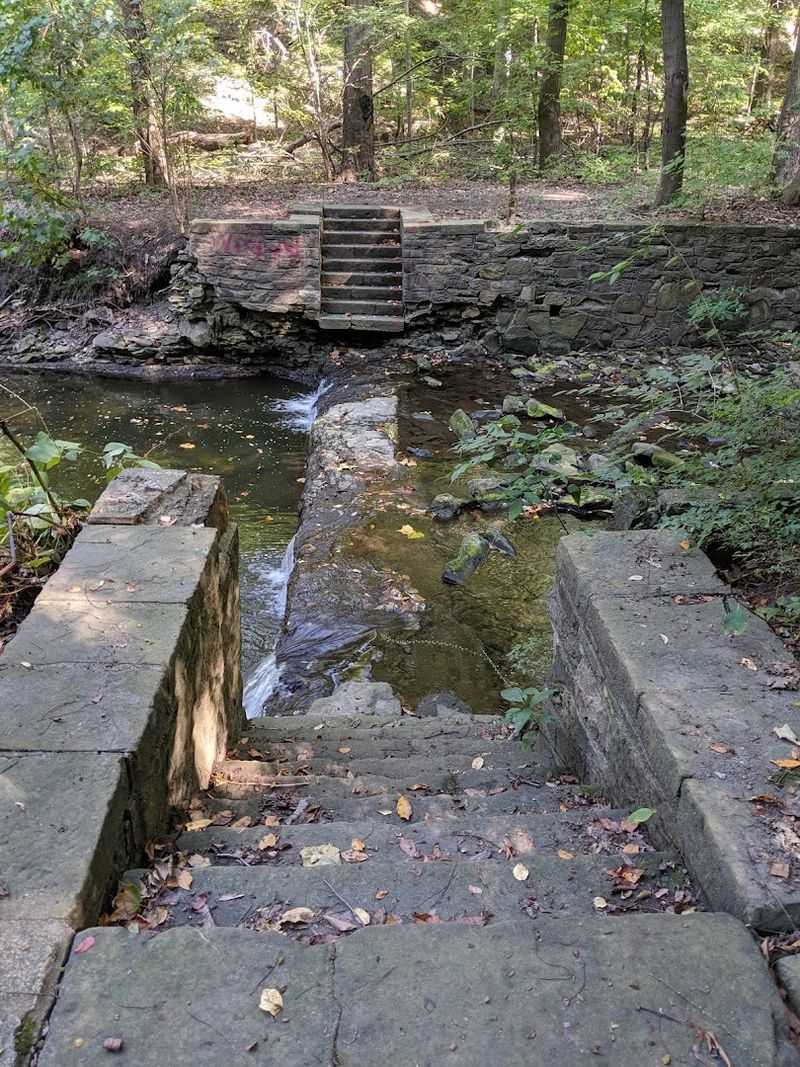
What makes the walk memorable is the contrast between nature and history. You are not just following a path through trees and creek views, you are heading toward fascinating remnants tied to Depression-era public works and the long story of Doan Brook.
That mix gives the park a moody, quietly dramatic personality.
It is also a manageable outing when you want scenery without committing to an all-day trek. For a short hike, Ambler Park packs in a lot of character, and you will probably leave wondering why more people do not talk about it.
2. The ravine trail feels wilder than you expect
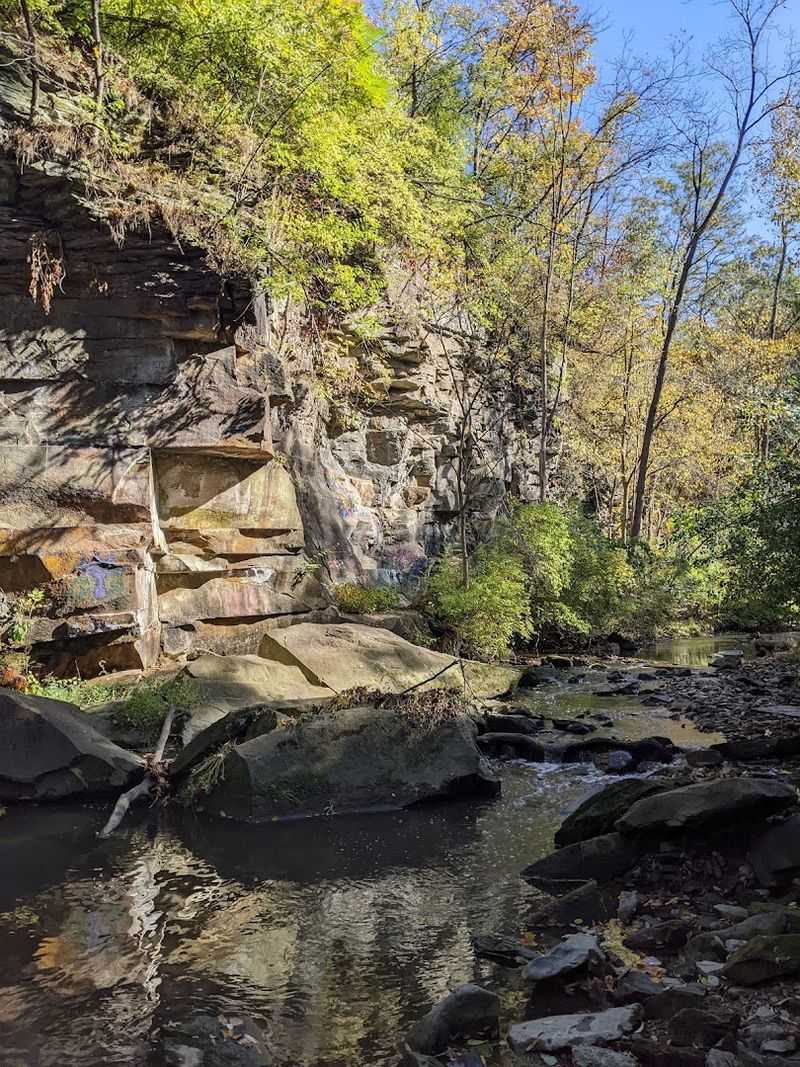
One of the best things about Ambler Park is how quickly it stops feeling like a typical city park. As you head down into the ravine, the terrain turns rockier, the trees close in, and the path starts to feel like a small wilderness escape tucked inside Cleveland.
That sense of being removed from everything is part of the park’s charm.
The trail is not overly long, but it asks you to pay attention to your footing. Reviews mention rocks, leaves, and occasional uneven spots, so you will want sturdy shoes and a little care on the descent.
Even so, the route stays approachable for many walkers looking for an easy to moderate outing.
Because the ravine is compact, every turn feels close to the next point of interest. You are never wandering aimlessly here.
Instead, the trail pulls you forward with creek sounds, changing elevation, and just enough mystery to keep the walk exciting.
3. Doan Brook is the heart of the experience
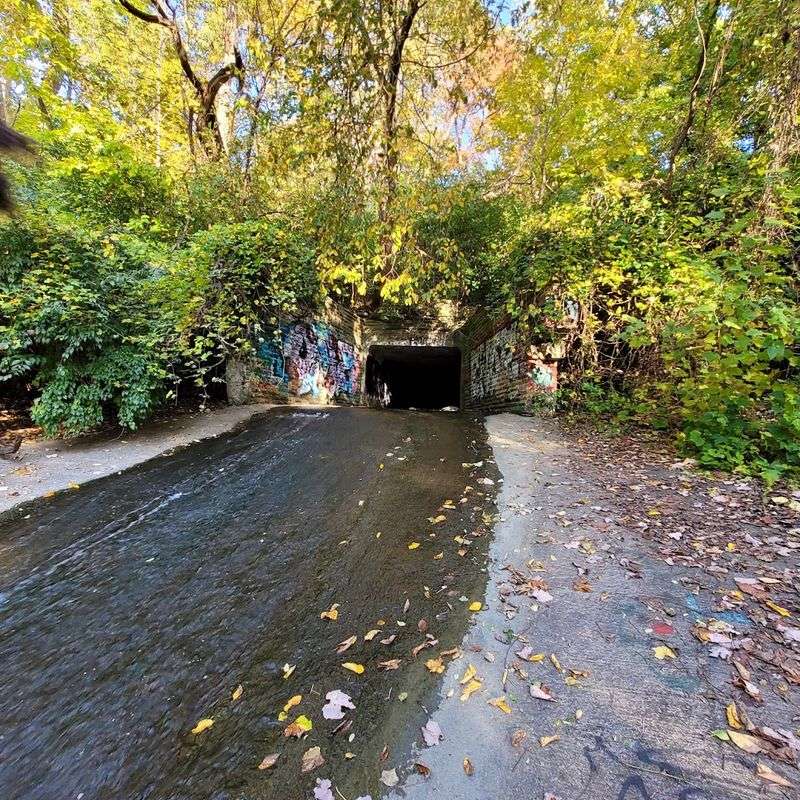
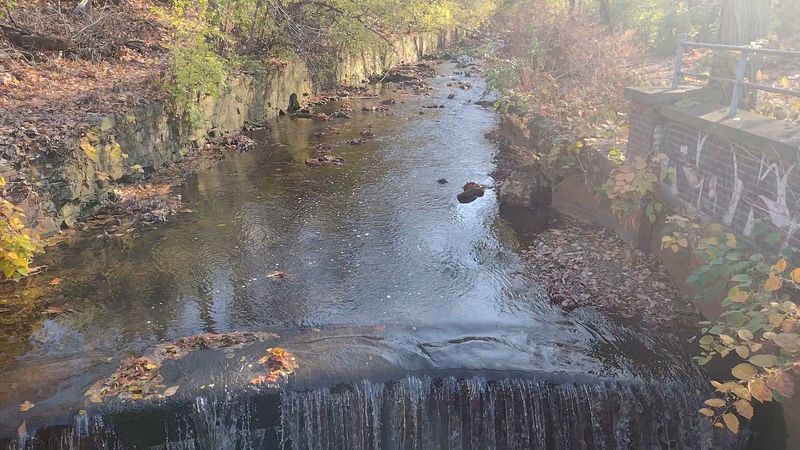
At the center of the Ambler Park experience is Doan Brook, the waterway that gives the whole hike its movement and atmosphere. You hear it before you fully see it, and once you do, the park suddenly feels more alive.
Flowing water, rock edges, and the shape of the ravine make even a short visit feel immersive.
Several visitors mention the brook as a highlight, especially the point where it disappears into culverted infrastructure near University Circle. That detail turns a simple walk into something more curious, because you are not just admiring scenery.
You are also following the visible edge of a larger hidden system beneath the city.
It is the kind of place where you naturally slow down. You pause at the water, study the banks, and listen a little longer than planned.
If you enjoy parks with a strong sense of place, Doan Brook gives Ambler Park its soul.
4. The ruins tell a Depression-era story
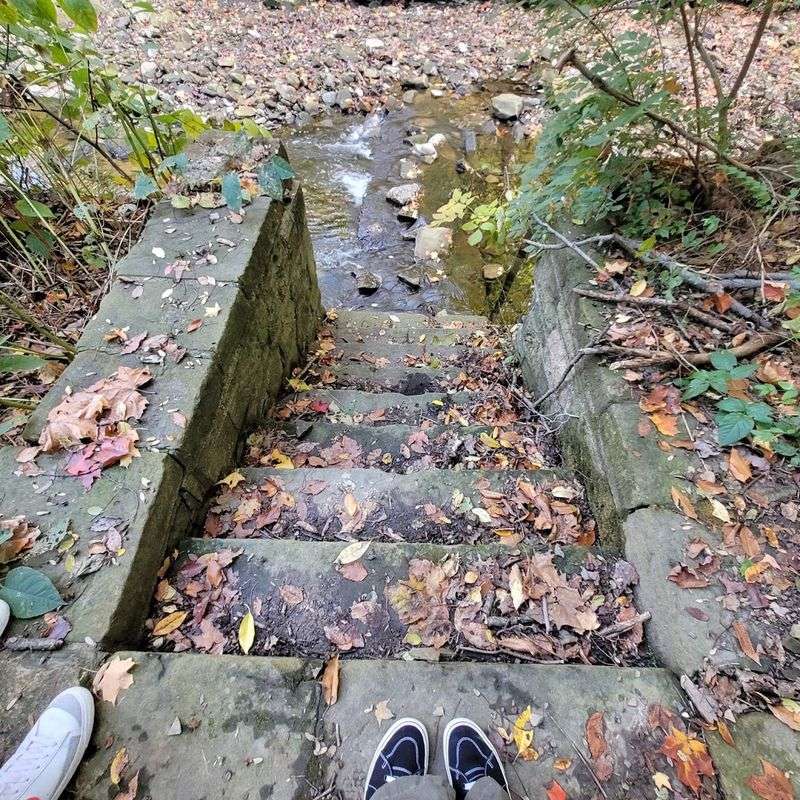
The most intriguing part of this hike is the chance to encounter ruins connected to the Great Depression era. In Ambler Park, those worn concrete and stone remnants do not sit behind signs or fences with dramatic fanfare.
Instead, they appear as part of the landscape, half absorbed by the ravine and framed by trees, water, and time.
That understated setting is what makes them so fascinating. You are seeing evidence of an earlier Cleveland, when public works shaped waterways, slopes, and drainage in ways that still affect the land today.
The structures feel practical rather than ornamental, yet their age gives them a haunting beauty.
There is something powerful about discovering history this way, on foot, in a place that many people pass without noticing. The ruins invite you to imagine labor, engineering, and survival during a difficult national era.
Few short hikes offer such a layered sense of the past.
5. A waterfall adds an unexpected highlight
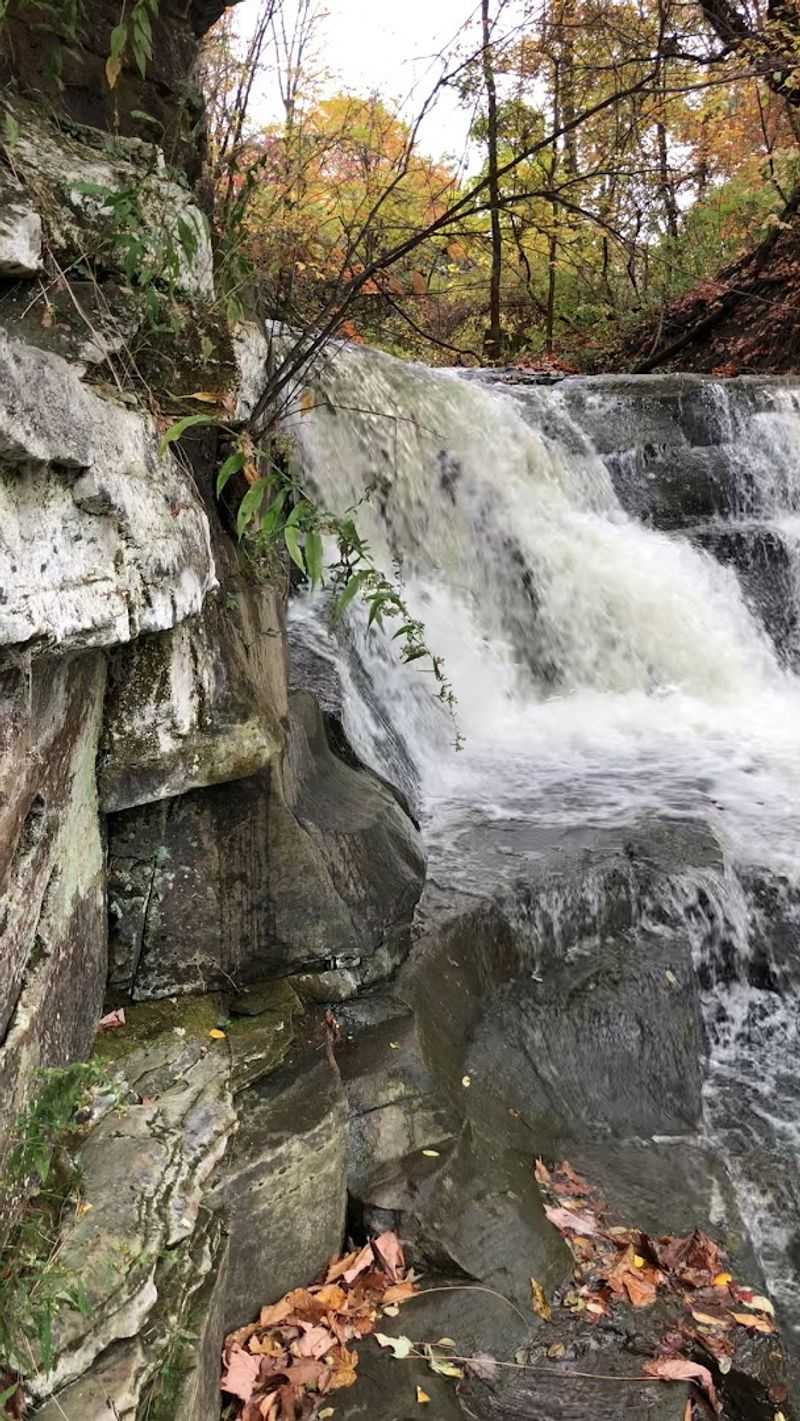
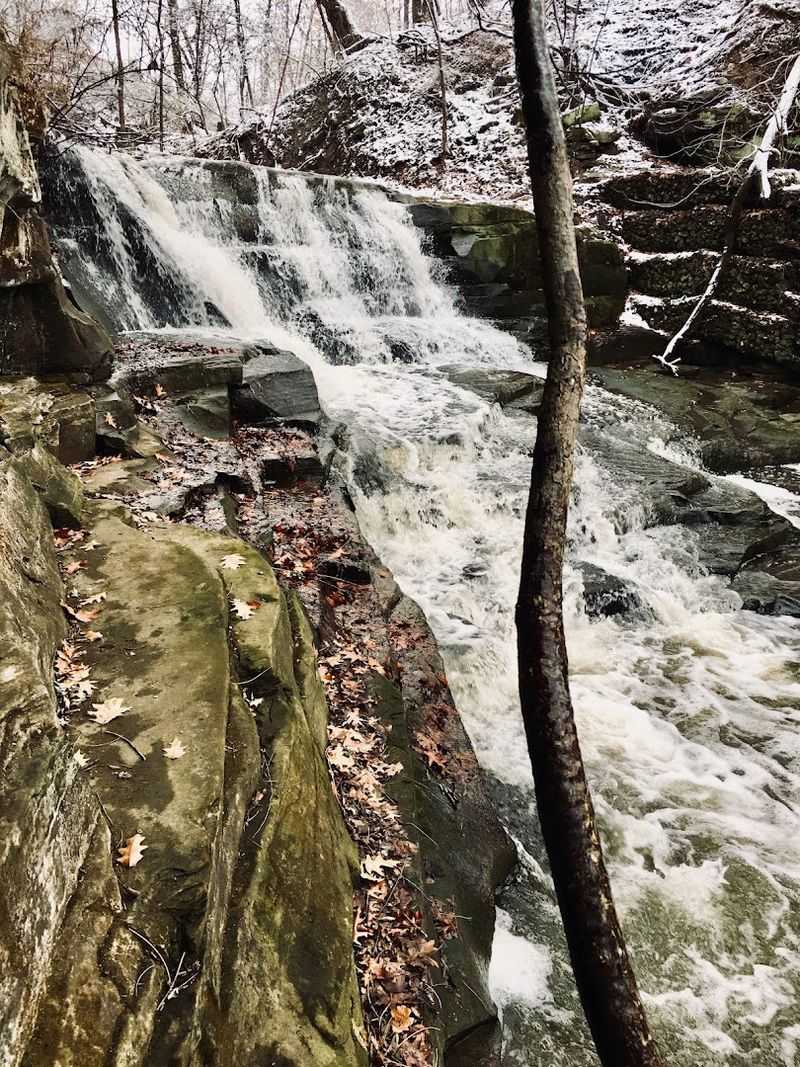
For a relatively small park, Ambler Park has a surprisingly photogenic feature that keeps showing up in visitor impressions: a waterfall. It is not a giant, thundering spectacle, but that is almost beside the point.
On this trail, a modest cascade feels like a secret reward, especially when paired with the ravine walls and the brook’s quieter stretches.
The waterfall also helps define the park’s atmosphere. Water moving over rock, damp earth underfoot, and dense greenery can make the area feel cooler and more secluded than nearby streets suggest.
That sensory contrast is what turns a quick walk into something memorable.
If you enjoy discovering small natural landmarks rather than checking off huge tourist attractions, this is your kind of place. The waterfall gives the hike a focal point, and it makes the route especially satisfying for photographers, casual walkers, and anyone who likes finding beauty in compact, overlooked spaces.
6. Wildlife and quiet make it feel like a secret
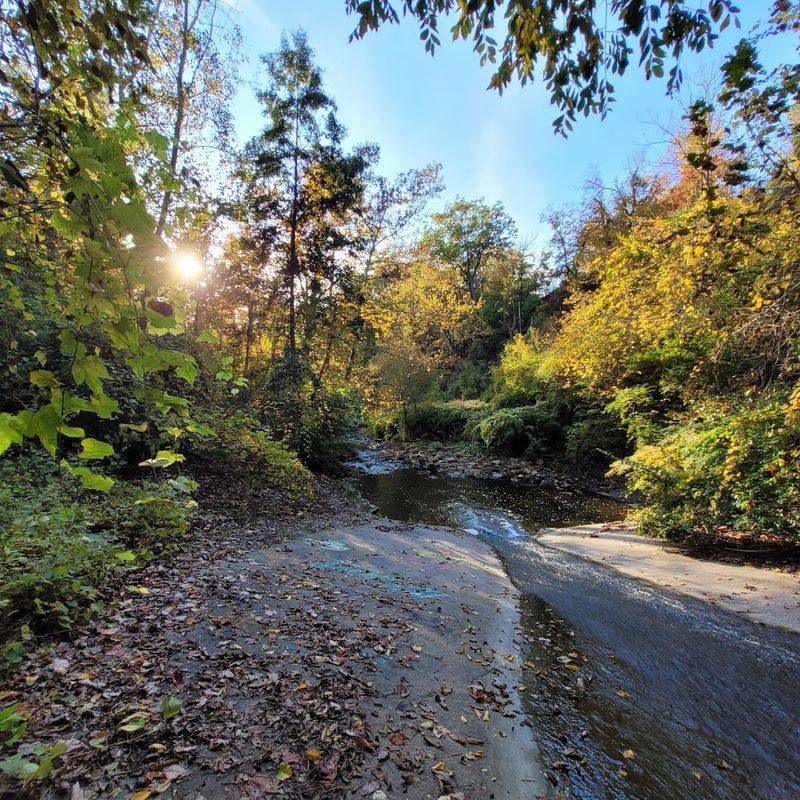
Despite being in Cleveland, Ambler Park often feels like a secret pocket of habitat where wildlife still moves through the ravine undisturbed. Reviewers have mentioned seeing deer, and one hiker even described spotting a majestic eight-point stag.
Encounters like that give the park a sense of wonder that goes beyond the trail itself.
The quiet helps, too. Several visitors describe the park as uncrowded, and that relative solitude changes the mood of the hike in the best way.
You are not constantly stepping aside for large groups or fighting traffic noise, so it becomes easier to notice birds, rustling leaves, and the sound of water below.
That combination of stillness and surprise is what makes Ambler Park memorable. It is not polished or heavily programmed, and that is part of the appeal.
When a place feels a little hidden, every natural detail seems more vivid, personal, and worth paying attention to.
7. Trail conditions are part of the adventure
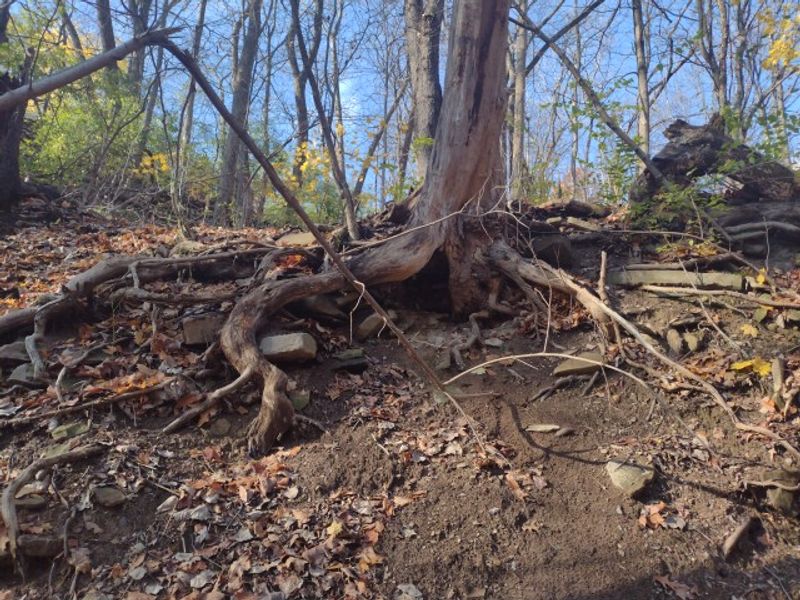
Ambler Park is rewarding, but it is not the kind of place where you should show up expecting a perfectly groomed promenade. Visitors regularly mention rocky footing, leaves that can hide uneven ground, and sections that require a bit of caution.
That rougher texture is part of what gives the hike its adventurous edge.
In dry weather, the trail is usually a straightforward short outing for most hikers comfortable with easy to moderate terrain. After rain or during heavy leaf cover, though, you will want to slow down and watch each step.
Good shoes make a real difference here, especially on the descent toward the brook.
I think that slight challenge actually improves the experience because it keeps the park from feeling generic. You stay engaged with the landscape instead of drifting through it.
Ambler Park asks for just enough attention to make the ruins, water, and ravine feel earned when you reach them.
8. It works well for a short, memorable outing
Not every great hike needs to be long, and Ambler Park proves that beautifully. This is the kind of place you can visit when you only have a small window of time but still want something scenic, distinctive, and a little adventurous.
The route is short enough for a casual outing, yet rich enough to stay in your memory afterward.
That balance makes the park especially appealing if you enjoy low-commitment exploration. You can fit it into a morning, pair it with other Cleveland plans, or simply stop by when you need a nature break.
Because there is history, water, and varied terrain packed into a compact area, the walk never feels repetitive.
It also suits people who like out-and-back hikes with a clear payoff. You are not wandering across broad open fields hoping to find interest eventually.
At Ambler Park, the trail leads you toward specific features, and that sense of purpose makes the experience surprisingly satisfying.
9. The park has a complicated recent history
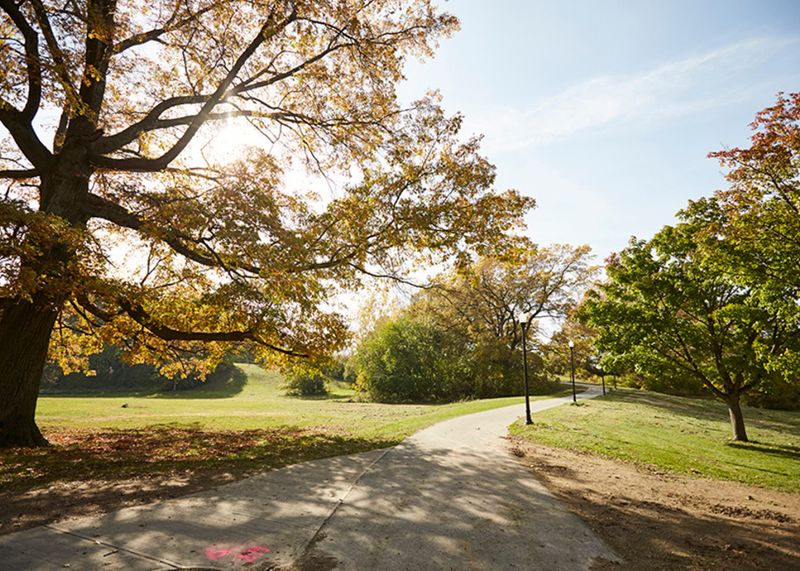
Ambler Park has not always been the same experience visitors find today, and that history adds another layer to its identity. Older reviews mention construction, sewer district work, and stretches that felt disrupted or less welcoming at certain times.
Reading those comments now helps explain why the park feels both rediscovered and still a little under the radar.
That evolving story matters because it shows Ambler Park as a living landscape rather than a frozen postcard. Infrastructure projects, restoration efforts, and public access have all shaped how people encounter the ravine and trail.
In a way, that makes the Depression-era ruins even more fitting, since the park’s character has always been tied to the intersection of nature and engineering.
Today, visitors still note uneven conditions in places, but many also describe the park as beautiful, relaxing, and worth returning to. Ambler Park feels like a place that has endured change without losing its deeper sense of mystery.
10. When to go and what to know before visiting
If you are planning a visit, Ambler Park is open daily from 6 AM to 9 PM, which gives you plenty of flexibility for a morning walk or an early evening hike. I would lean toward daytime hours when the trail details are easier to see, especially if leaves, rocks, or damp patches are present.
Good footwear and steady attention will make the outing much more enjoyable.
Because the park is known for quiet trails rather than major facilities, it helps to arrive with simple expectations. You are here for the ravine, the brook, the ruins, and the feeling of finding something unusual in the city.
That mindset makes the experience much more rewarding than expecting a heavily developed attraction.
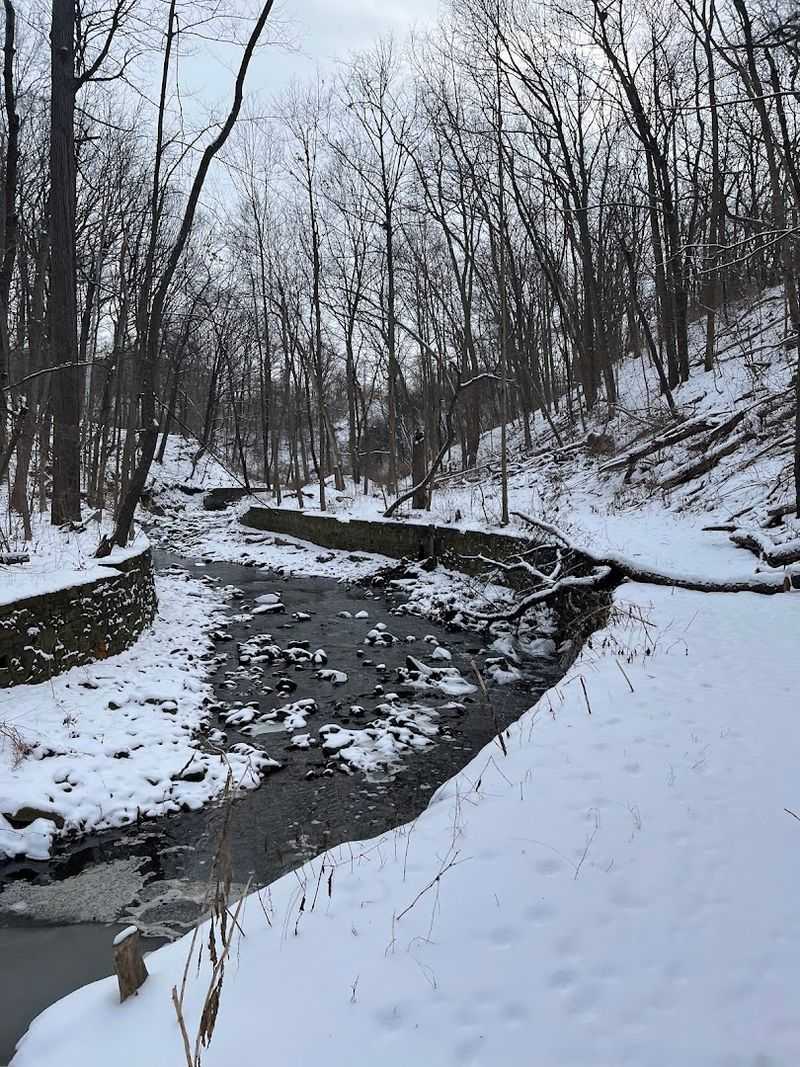
Season also matters. Winter conditions may make the trail less inviting, while spring, summer, and fall can highlight the greenery, water flow, and layered textures that give Ambler Park its best mood.
11. Why Ambler Park deserves more attention
Ambler Park deserves more attention because it offers something many urban parks do not: genuine intrigue. You get a hike, a ravine, water, wildlife potential, and the eerie appeal of Depression-era ruins, all in one compact Cleveland setting.
That combination feels unusual enough to stand out, yet approachable enough for a casual visit.
There is also a strong emotional pull to places like this. When a trail reveals pieces of forgotten infrastructure beside living woodland, the experience becomes more than exercise or sightseeing.
You start to feel the overlap between the city’s past and present, and that connection gives the walk a surprising depth.
If you are drawn to hidden gems, Ambler Park absolutely belongs on your list. It may not be the biggest or most polished destination in Ohio, but it offers the kind of atmosphere people remember.
Sometimes the most fascinating hikes are the ones quietly waiting in plain sight.