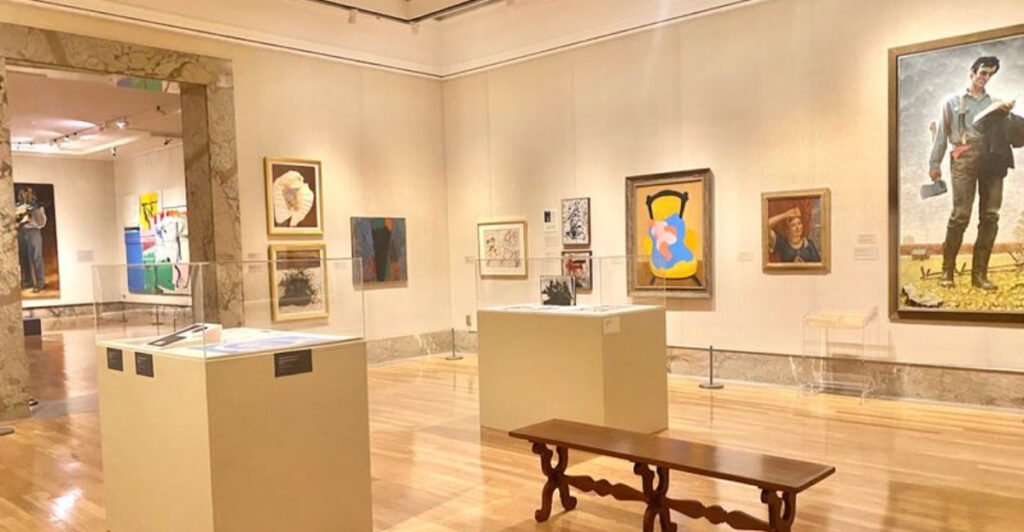
If you think small-city museums cannot deliver a world-class art experience, The Butler Institute of American Art in Youngstown is ready to prove you wrong. This remarkable museum gathers centuries of American creativity into one elegant, deeply welcoming space.
From historic masterpieces to contemporary media, every gallery gives you another reason to slow down and look closer. Best of all, the experience feels accessible, generous, and surprisingly personal from the moment you walk in.
1. A Landmark Dedicated Solely to American Art
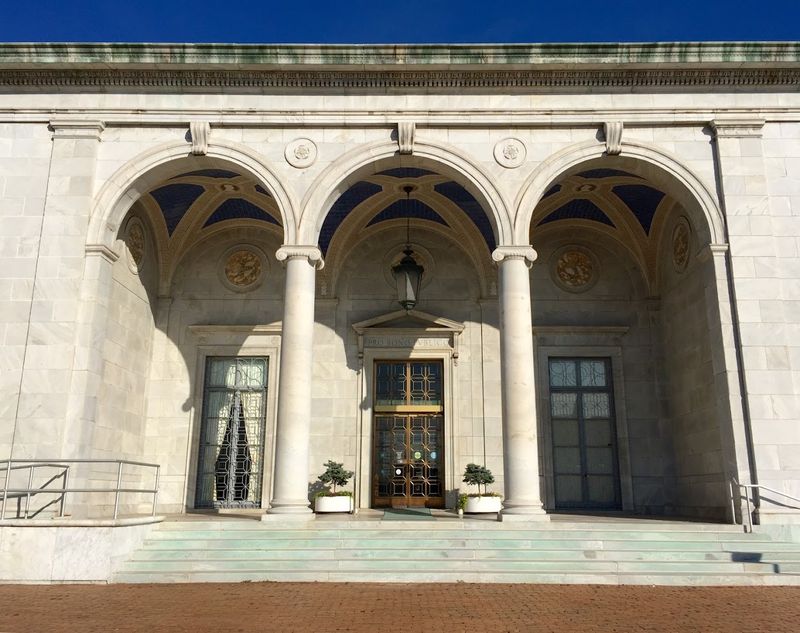
The Butler Institute of American Art stands out immediately because it was the first museum in the United States created exclusively for American art. That mission still shapes the experience today, giving you a focused look at how artists across centuries have interpreted the nation, its people, and its ideals.
Instead of jumping between continents, you get an immersive journey through distinctly American voices.
Founded in 1919 by Joseph G. Butler Jr., the museum carries a strong public-minded spirit that still feels meaningful.
Its motto, Pro Bono Publico, or For the Public Good, is reflected in the museum’s free admission policy. That generosity makes the collection feel open, inviting, and rooted in community.
When you arrive at 524 Wick Avenue, you are not just visiting another gallery. You are stepping into a place built to preserve American visual history and share it with everyone.
2. An Architecturally Impressive First Impression
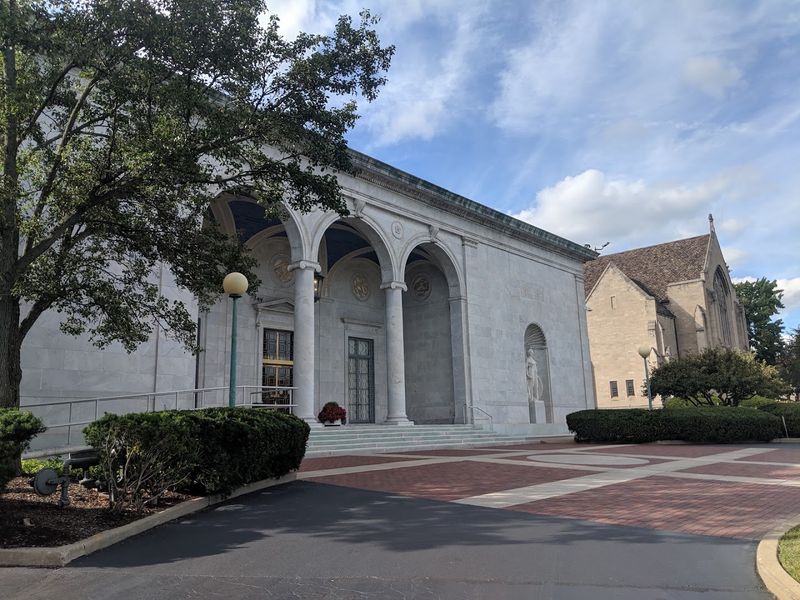
Before you even start looking at the art, the building itself makes a strong impression. The original museum structure was designed in the Italian Renaissance Revival style by McKim, Mead & White, and it carries the kind of quiet dignity that suits a major art institution.
Its presence feels formal without becoming intimidating, which sets the tone beautifully for the visit.
Inside, the galleries are laid out in a way that helps you move comfortably from one era to another. Visitors often mention how easy the museum is to navigate, and that matters when you want to spend your time enjoying art instead of searching for the next room.
The flow encourages curiosity rather than fatigue.
The historic character of the building adds depth to the entire experience. You are not only seeing American art under one roof, you are seeing it inside a space that feels worthy of the collection.
3. A Collection Spanning Four Centuries
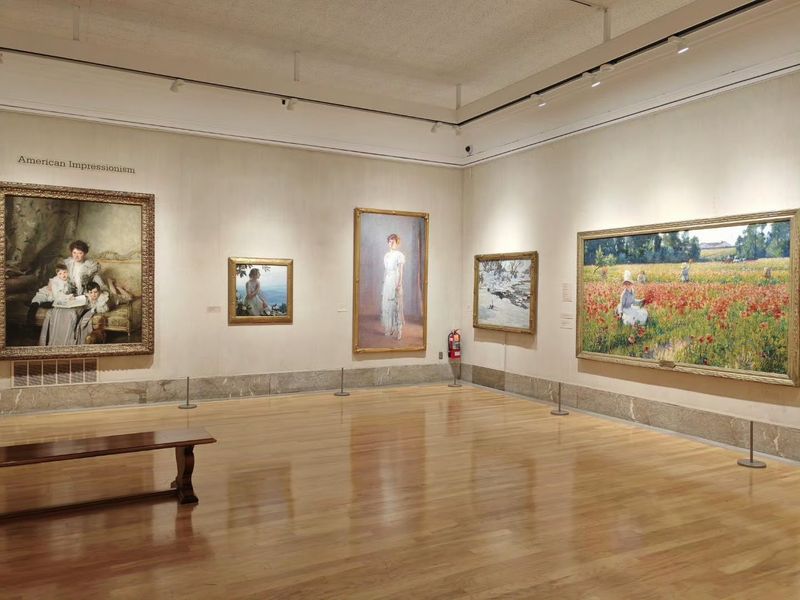
One of the most exciting things about The Butler Institute of American Art is the sheer sweep of its collection. The museum holds more than 22,000 works, covering roughly four centuries of American painting, sculpture, works on paper, and newer media.
That range means your visit can move from early American imagery to modern experimentation without losing a clear sense of continuity.
The collection allows you to trace changes in style, identity, and national storytelling over time. You can notice how artists responded to landscape, industry, family life, conflict, spirituality, and social change in very different ways across generations.
It feels like walking through an evolving visual conversation about America itself.
Because the museum focuses only on American art, the story remains impressively coherent. You never feel overwhelmed by randomness.
Instead, you get a fuller, richer understanding of how American artists have documented, questioned, and reimagined the world around them.
4. Masterpieces by Familiar American Names
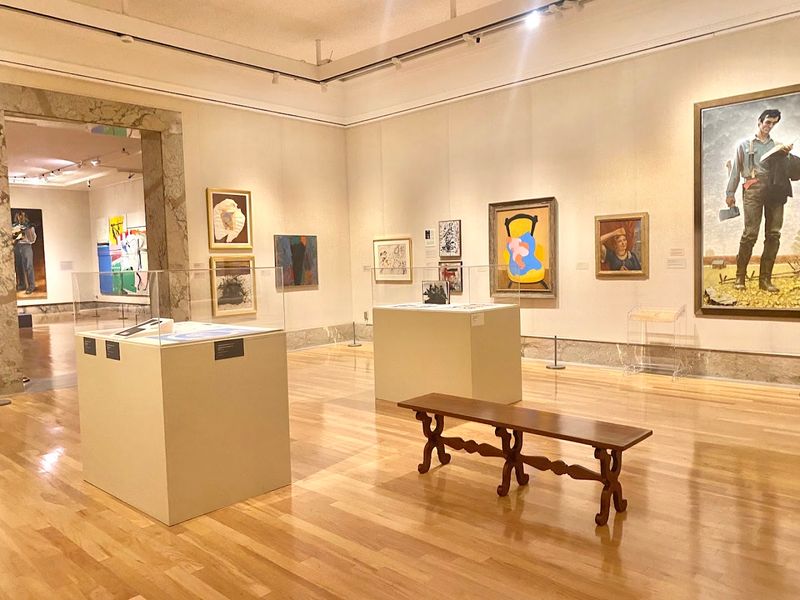
If you love seeing recognizable names in person, The Butler delivers that thrill. The collection includes works associated with artists such as Winslow Homer, Mary Cassatt, John Singer Sargent, Edward Hopper, Norman Rockwell, and Georgia O’Keeffe, giving the museum a level of prestige that surprises many first-time visitors.
It is the kind of place where famous names appear alongside rewarding discoveries.
That balance is part of the museum’s charm. You may arrive hoping to spot a major American classic, then leave talking just as much about an artist you had never heard of before.
Reviews often mention how satisfying that mix feels, especially in a museum that remains free to enter.
Seeing well-known artists here does not feel crowded or rushed. Instead, the setting invites you to pause, compare styles, and appreciate how different painters captured the American experience in personal, memorable ways that still resonate strongly today.
5. Contemporary Vision in the Beecher Center
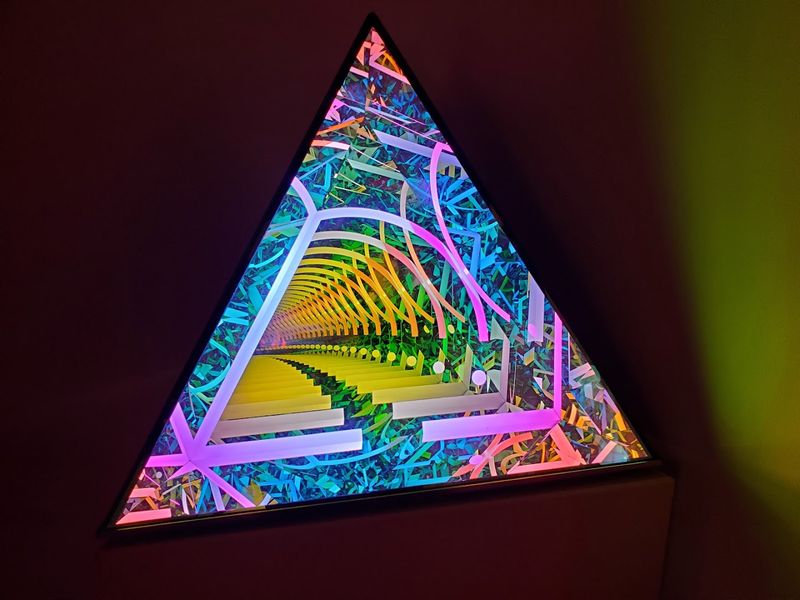
The Butler is not only about historic paintings and carefully framed tradition. Its Beecher Center for Electronic and New Media Art shows how seriously the museum takes contemporary American expression, expanding the story far beyond canvas and bronze.
That modern commitment gives the institution an energy that keeps it relevant for repeat visitors.
If you worry that an art museum focused on history might feel static, this section changes the mood quickly. Electronic art, video, and experimental media invite you to think about how American creativity continues to evolve with technology, culture, and changing audiences.
It is a smart reminder that artistic heritage is still being built in real time.
This blend of old and new is one reason so many visitors describe the museum as unexpectedly exciting. You can admire deeply rooted traditions in one gallery, then step into work that feels current, immersive, and refreshingly bold just moments later.
6. A Visitor-Friendly Experience From Start to Finish
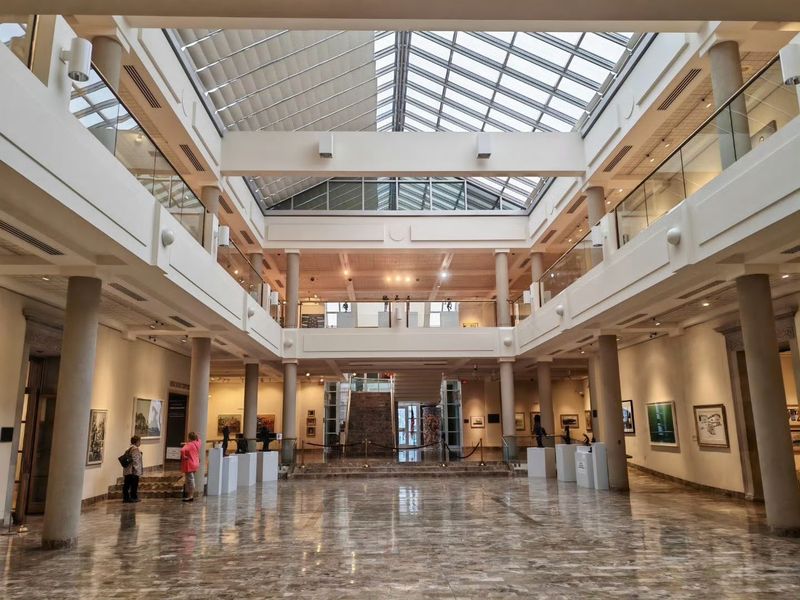
Practical details can make or break a museum visit, and The Butler gets many of them right. Visitors frequently praise the friendly staff, easy-to-follow layout, elevators, free parking, and the helpful maps or tips offered at the entrance.
Those touches may sound small, but they create a relaxed experience that lets you focus on the art.
The museum’s hours are somewhat limited, generally opening at 11 AM from Tuesday through Saturday and noon on Sunday, so planning ahead helps. Once inside, though, the atmosphere feels calm and generous rather than hectic.
Many guests recommend setting aside at least two hours, and some happily spend three without seeing everything.
Because the museum sits near Youngstown State University, it feels connected to the life of the city while remaining easy for out-of-town visitors to enjoy. It is polished, accessible, and welcoming in all the right ways.
7. Why Free Admission Feels So Remarkable Here
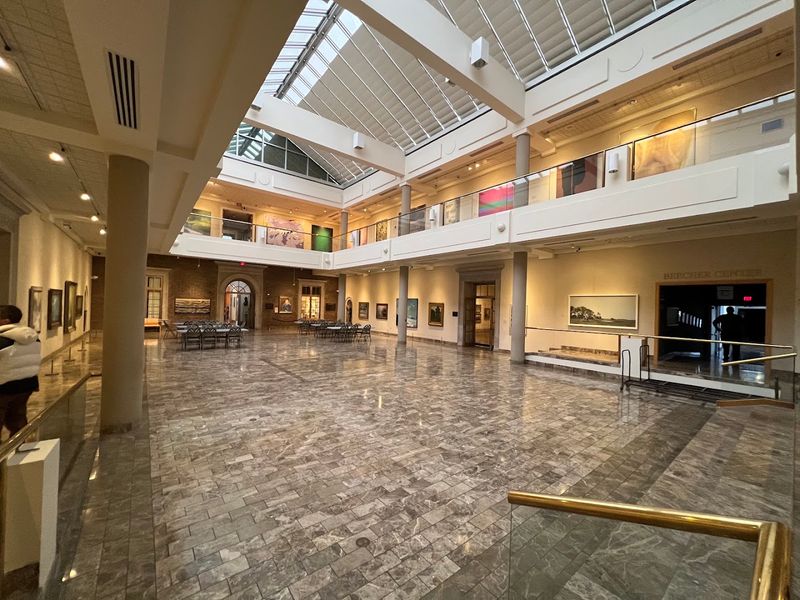
Free admission is one of the most celebrated parts of the Butler experience, and honestly, it changes everything. When a museum of this quality opens its doors without a ticket price, you feel more freedom to wander, revisit favorite rooms, and take your time with the collection.
The experience becomes less transactional and more generous.
That policy also reflects the museum’s founding purpose in a very direct way. Art here is not treated as something reserved for specialists or big spenders.
It is offered as a public good, which makes the institution feel deeply rooted in service rather than exclusivity.
Review after review mentions surprise at how much is available without charge, from major artists to changing exhibitions and convenient parking. For families, students, road trippers, or anyone simply curious, that accessibility removes a barrier and makes a visit feel easy to say yes to, even on short notice.
8. Special Exhibitions Keep the Museum Fresh
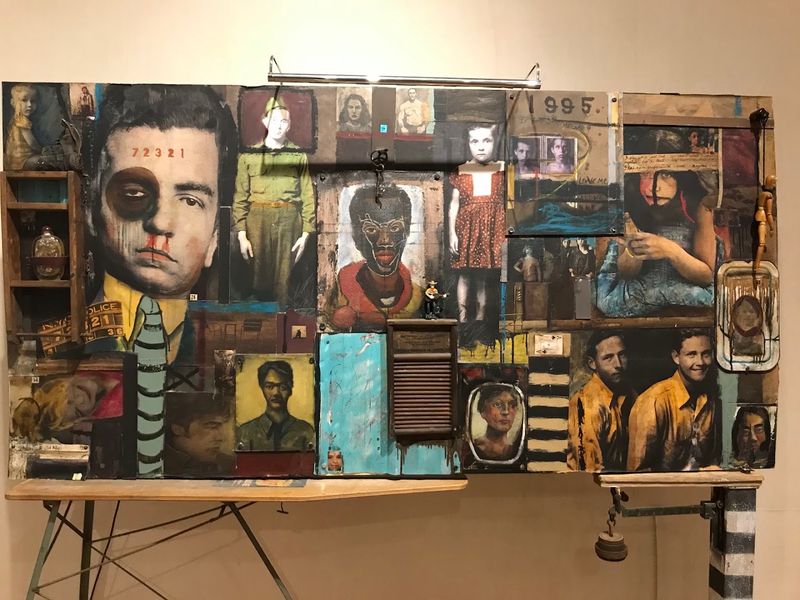
Even with an outstanding permanent collection, The Butler avoids feeling fixed in place because its rotating exhibitions bring in fresh perspectives throughout the year. Visitors have highlighted shows focused on African American art, photography, crafts, and regional subjects, showing that the museum stays active instead of relying only on its established reputation.
That variety gives you a reason to return.
Special exhibitions also help broaden the story of American art beyond the names everyone already knows. They can spotlight underrepresented voices, new interpretations, or local connections that make the museum feel responsive to current conversations.
The result is a richer experience than a simple greatest-hits display.
If you are planning a visit, checking the current exhibition schedule on the museum’s website is worth it. You may arrive for the famous collection, then find yourself just as captivated by a temporary show that adds something timely, intimate, or unexpectedly moving to the day.
9. A Place That Welcomes Families and First-Time Art Lovers
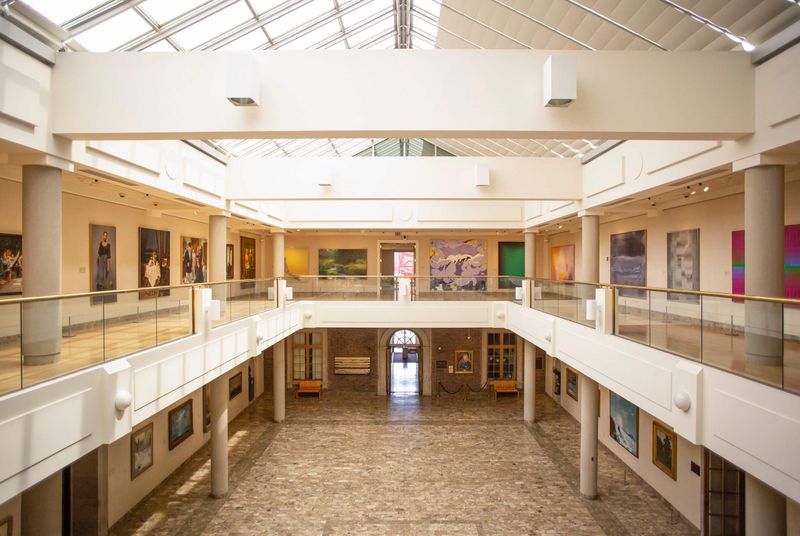
Not every museum manages to feel equally rewarding for devoted art fans, casual visitors, and children, but The Butler comes impressively close. Reviews often describe school groups touring the galleries, interactive elements that hold attention, and a welcoming environment where first-time museumgoers can feel comfortable.
That openness matters because it makes the art feel approachable instead of academic.
People who do not usually think of themselves as museum lovers have also described being pleasantly surprised here. The broad mix of styles, the manageable flow, and the clear exhibit information make it easier to connect with what you are seeing.
You do not need a deep art history background to enjoy the experience.
For families, the free admission helps take pressure off the outing. For curious travelers, the museum offers a low-risk and high-reward stop.
It is the kind of place where you can simply show up, explore, and leave feeling unexpectedly inspired.
10. One of Ohio’s Most Underrated Cultural Treasures
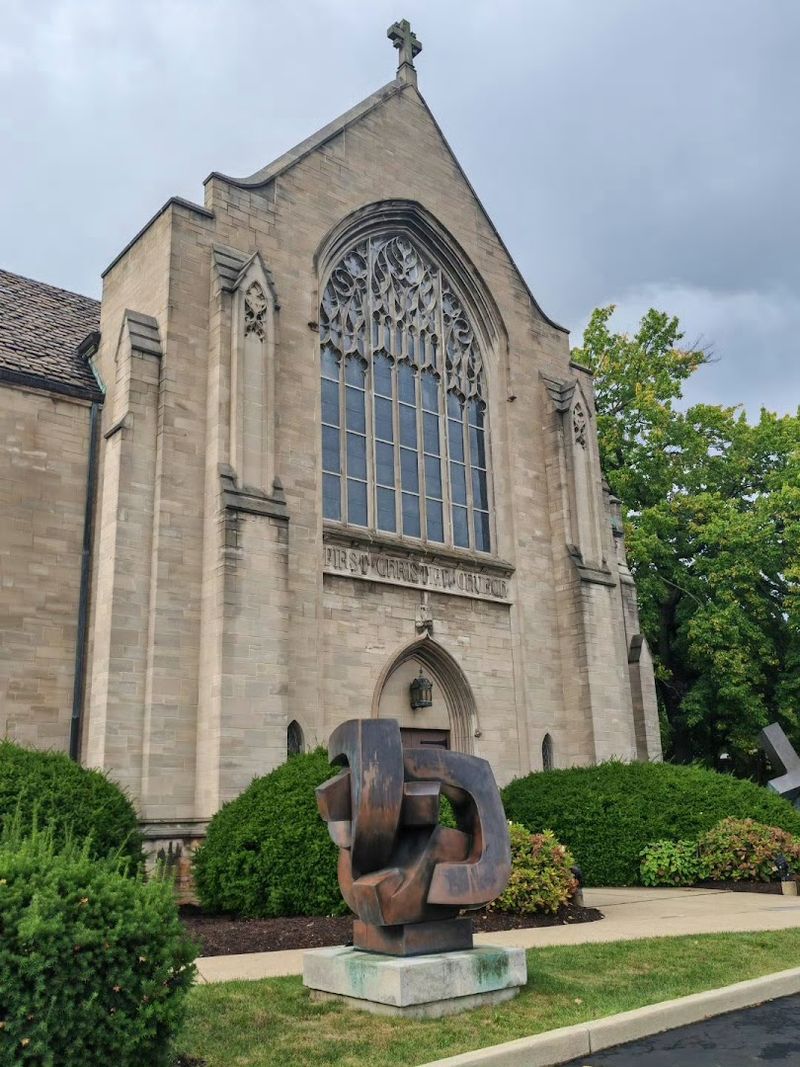
The strongest impression The Butler leaves is how much it exceeds expectations. Again and again, visitors call it a hidden gem, a must-visit museum, or one of their favorite art destinations in Ohio, often noting how surprising its depth and quality are for a free museum in Youngstown.
That sense of discovery is part of what makes a trip here memorable.
There is also something refreshing about a museum that feels substantial without feeling overhyped. You can spend an afternoon with major American art, thoughtful exhibitions, helpful staff, and a beautiful historic setting, all without the crowds or cost that often shape larger institutions.
The result feels personal, calm, and deeply rewarding.
If you are anywhere near northeastern Ohio, this is the kind of place worth building a day around. The Butler Institute of American Art proves that a museum does not need to be enormous to feel essential, lasting, and genuinely moving.