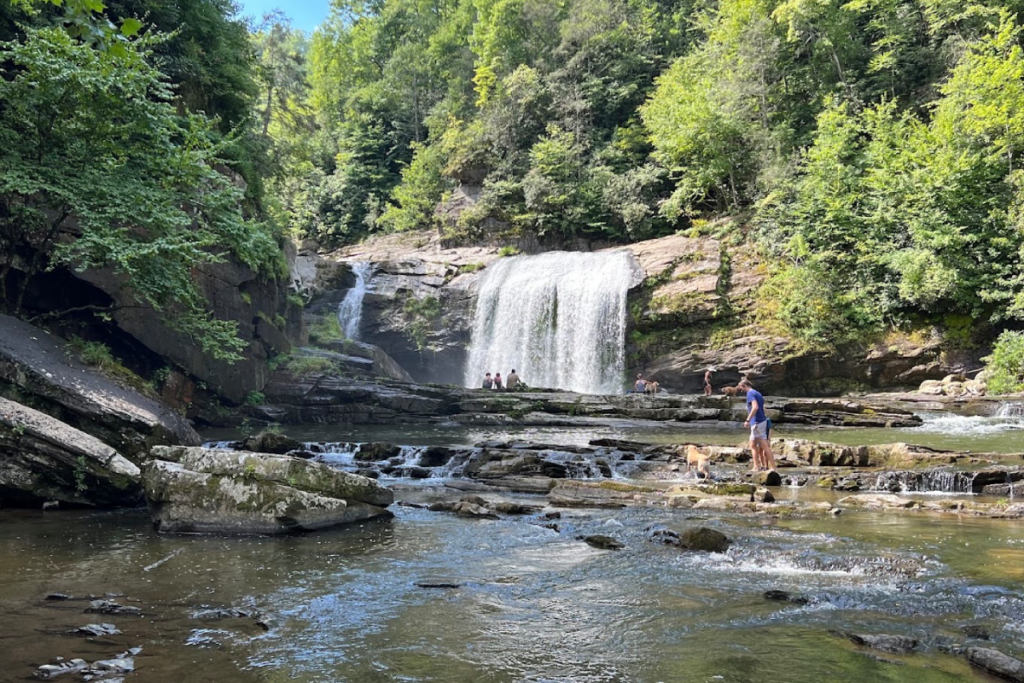
Deep in the mountains near the Tennessee-North Carolina border sits Twisting Falls, a powerful cascade that rewards brave hikers with stunning natural beauty. Getting there means tackling one of the steepest, most challenging trails in the region—a rocky descent that feels more like climbing than walking.
But those who make the journey agree the breathtaking waterfall and dramatic gorge setting make every difficult step worthwhile.
A Wild Tennessee Adventure Begins Deep in the Forest
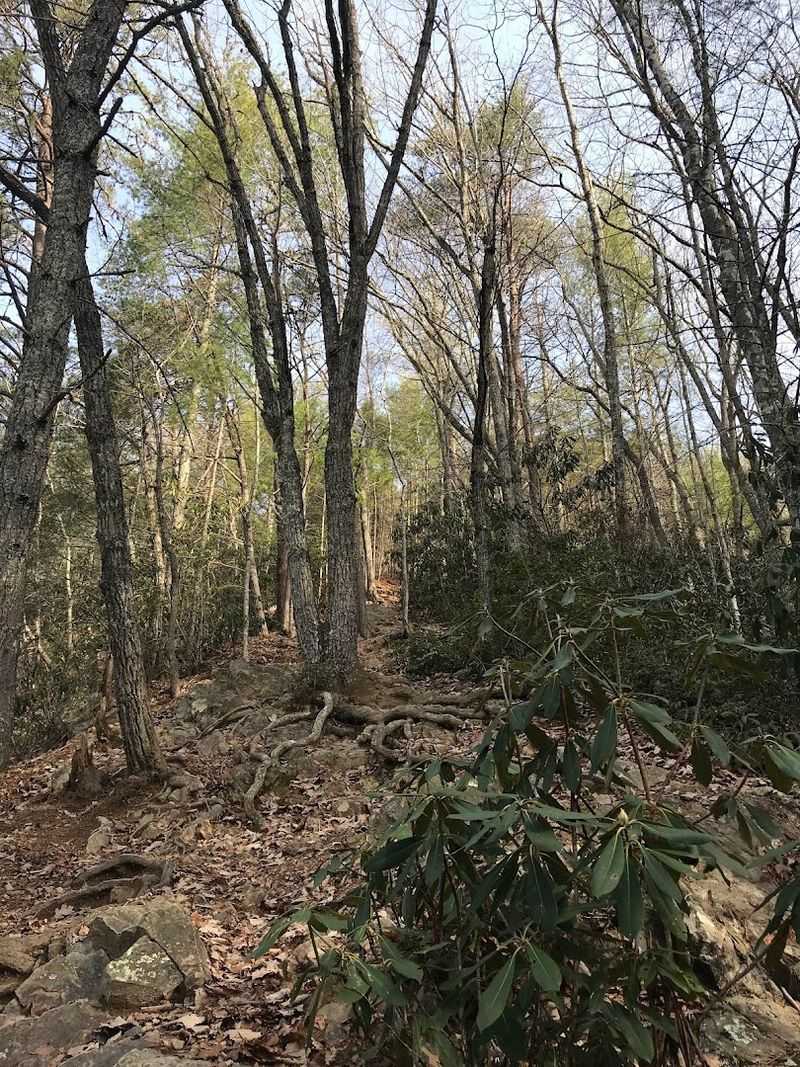
Finding Twisting Falls starts with navigating a narrow, rocky forest service road that tests your vehicle’s clearance. Dark Ridge Road winds through thick woodland before ending at an unmarked dirt parking area that might make you wonder if you’re in the right place.
There are no official signs, no visitor center, and no paved lots—just a clearing where fellow adventurers leave their cars before heading into the wilderness.
The remote location adds to the wild character of this destination. You’ll need to rely on GPS coordinates or local knowledge since traditional markers don’t exist here. Cell service becomes spotty or nonexistent once you arrive, so download maps and directions beforehand.
Once parked, a short walk along a dirt path leads to a trail fork where the real adventure begins. Going left starts your descent into the gorge, while other paths lead elsewhere. The lack of infrastructure means you’re truly entering backcountry territory.
This primitive access keeps crowds manageable compared to more developed waterfall sites. On peak leaf season days, you might still have the falls nearly to yourself.
The isolation creates an authentic wilderness experience that feels worlds away from busy tourist attractions.
Bring everything you need because there are no facilities, water sources, or emergency services nearby. Pack extra supplies, tell someone your plans, and prepare mentally for a challenging hike.
The adventure truly starts the moment you step out of your car and realize you’re about to earn one of Tennessee’s most spectacular waterfall views through sheer determination and careful footwork down a mountain gorge.
The Rugged Trail That Leads to the Falls
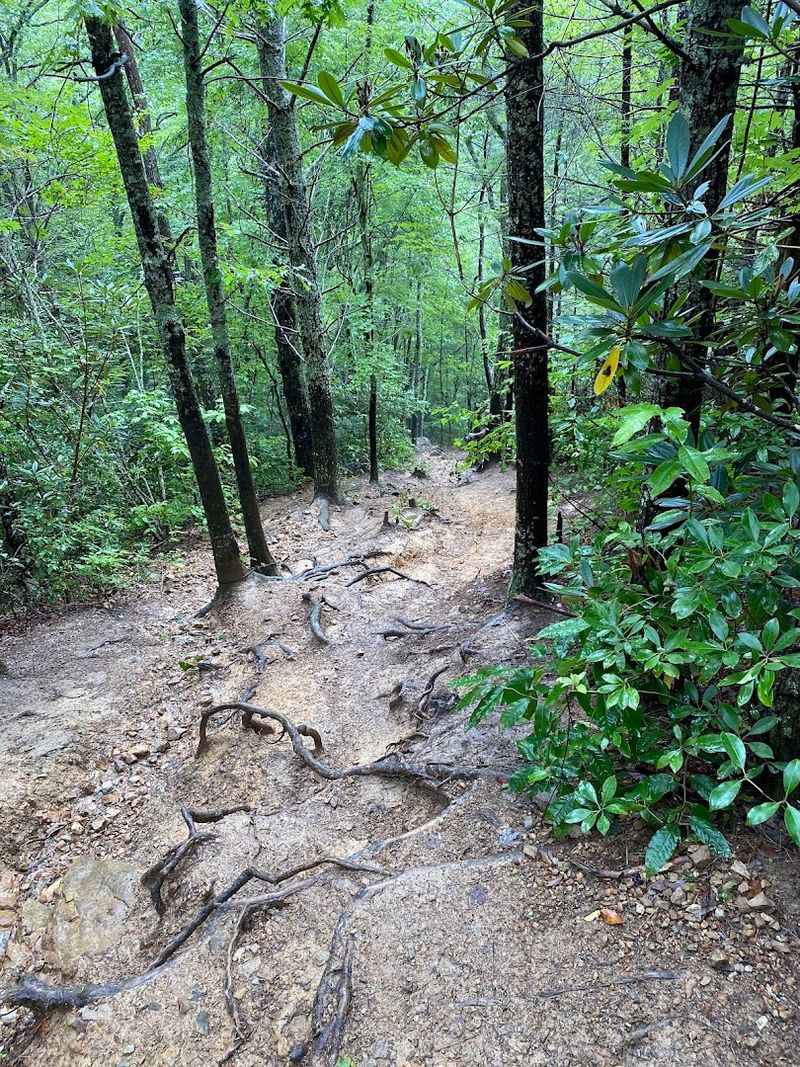
The trail to Twisting Falls drops roughly 400 to 450 feet over just a quarter mile, creating one of the steepest hiking descents you’ll encounter in Tennessee. Imagine walking down a surface that feels closer to 60 or even 70 degrees in places—it’s more vertical challenge than gentle woodland stroll.
Loose rocks, exposed tree roots, and slippery leaves create a constantly shifting surface beneath your boots.
Worn ropes appear at the most treacherous sections, placed by previous hikers who recognized the danger spots. These ropes show significant wear and shouldn’t be trusted completely, but they offer psychological comfort and occasional assistance.
Experienced hikers recommend bringing your own rope or trekking poles for added security.
Going down actually proves harder than climbing back up for many visitors. Gravity works against your balance, and the steep angle forces you to carefully place each step to avoid sliding. Rocks kick out from underfoot easily, and one wrong move could mean a twisted ankle—hence part of the waterfall’s name, according to trail wisdom.
The path winds through dense forest, crossing under power lines before plunging into the gorge. Leaves often obscure the trail completely during fall, requiring you to feel for roots and rocks as footholds.
After rain, the trail becomes dangerously slick, and multiple reviewers strongly advise against attempting it in wet conditions.
Despite being short in distance, this trail demands full attention and solid physical conditioning. Taking it slow and steady makes the difference between an exhilarating adventure and a potential rescue situation in an area with no cell service.
Why This Hike Is Better for Experienced Adventurers
Twisting Falls isn’t the place to test out new hiking boots or bring along folks who haven’t tackled challenging terrain before. The extreme steepness and technical nature of the descent require genuine hiking experience and solid physical fitness.
You need decent cardiovascular conditioning just to handle the climb back up after seeing the falls. Several visitors in their 60s and 70s successfully made the journey, but they emphasized taking it extremely slow and resting frequently.
Being “in shape” means different things to different people, but this trail will test whatever fitness level you bring.
Proper footwear makes an enormous difference between safe passage and potential injury. Hiking boots with aggressive tread provide the ankle support and grip essential for navigating loose rock on steep inclines.
Walking sticks or trekking poles offer crucial stability, especially on the return climb.
Multiple reviewers strongly recommend against hiking alone here. Having companions means someone can help if you slip, get injured, or need assistance on particularly tricky sections.
The remote location and lack of cell service make solo hiking genuinely risky.
Families with young children face serious challenges on this trail. While some parents successfully carried toddlers, they acknowledged the difficulty and wouldn’t recommend it for most families.
Dogs can handle the trail if they’re fit and kept on leash, but consider whether your pet has experience with steep, rocky terrain before bringing them along on this demanding adventure.
The First Glimpse of the Waterfall Is Unforgettable
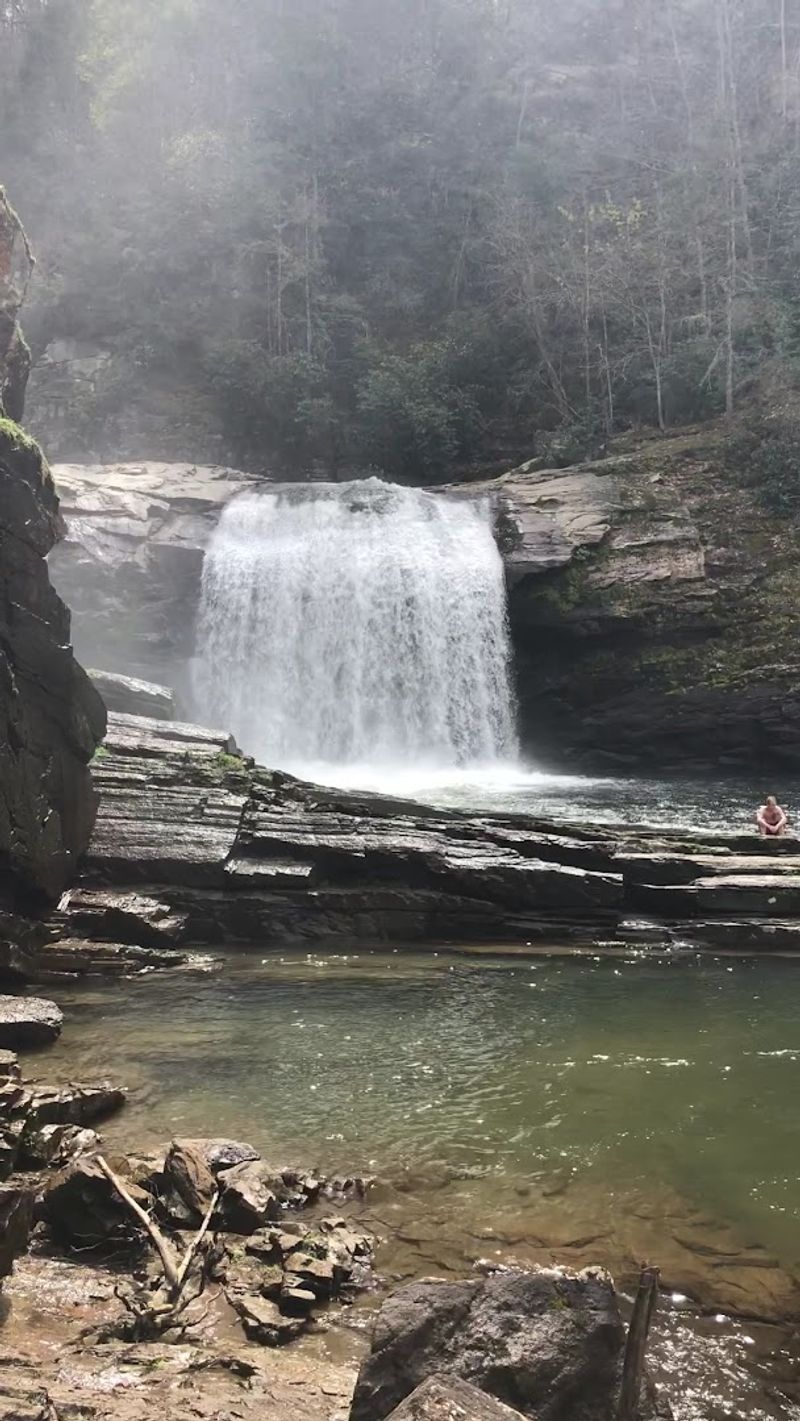
After the grueling descent, the trail finally levels out and follows alongside the water. Walking this lower section feels like sweet relief after the vertical challenge you just conquered.
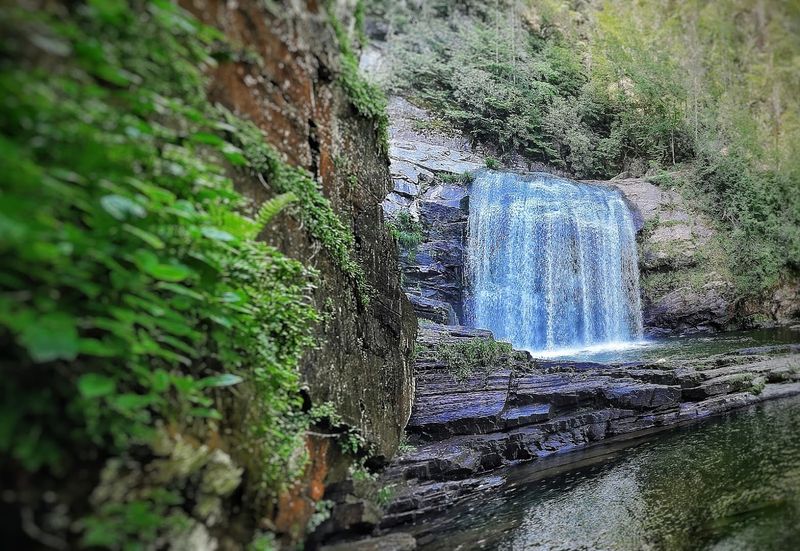
Then you round a bend and suddenly there it is—the massive cascade known locally as Compression Falls, the first major waterfall in the gorge. The sight hits you with immediate impact. Water plunges dramatically over rock ledges into a deep, clear pool below.
Mist rises from where the falls pound the water surface, and the sound echoes off the gorge walls surrounding you.
Most photos online actually show Compression Falls rather than Twisting Falls itself, which lies further upstream in an even more difficult-to-reach location. But this spectacular waterfall provides the reward most hikers seek, and few feel disappointed by what they find.
The combination of exhausting effort and sudden natural beauty creates an emotional payoff that makes the struggle worthwhile.
The pool at the base invites swimming during warmer months, though the rocks around it stay dangerously slippery from constant spray. Multiple visitors warn about the slick, sharp stones—wear water shoes if you plan to wade in, and move carefully to avoid painful falls on wet rock.
Some adventurous souls climb to the top of the falls to slide or jump into the pool below, adding an extra thrill to the experience. A trail on the right side of the falls leads upward for those daring enough to try.
The jump measures roughly 35 feet, not for the faint of heart but unforgettable for those who take the plunge into the crystal-clear mountain water.
Powerful Cascades and a Dramatic Mountain Setting
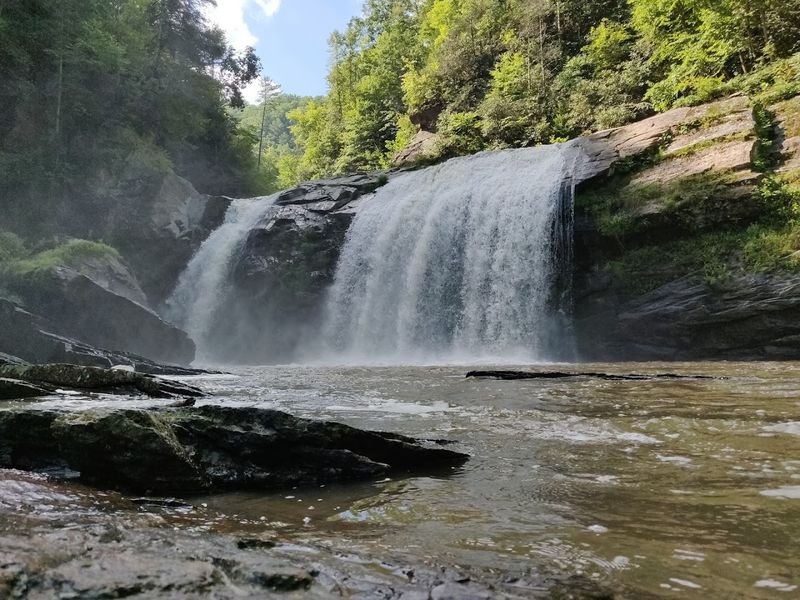
The falls sit in a dramatic gorge carved deep into the mountain, with steep slopes rising on all sides. Dense forest clings to the rocky walls, creating a wild, untouched atmosphere that feels genuinely remote.
The setting amplifies the power of the water as it crashes downward through the narrow canyon.
Crystal-clear mountain water flows year-round, fed by streams higher in the watershed. The clarity lets you see straight to the bottom of the pools, revealing smooth stones polished by centuries of flowing water.
During peak flow after spring rains, the falls roar with impressive force.
Twisting Falls itself lies upstream from Compression Falls, though reaching it requires even more challenging scrambling through dense underbrush and steep terrain. Few hikers attempt to find the actual Twisting Falls, and those who do report difficult bushwhacking with limited views.
The gorge continues upstream toward North Carolina, with additional pools and smaller cascades for those adventurous enough to explore further. This extended area offers more jumping spots and swimming holes, though accessing them requires serious rock-hopping skills and comfort with rugged terrain.
Most visitors stick to Compression Falls and feel satisfied with that spectacular destination.
Photographers find endless angles and compositions here, from wide shots capturing the full cascade to close-ups of water details. The challenge comes in protecting camera gear during the steep descent and managing the mist that constantly drifts from the falls, making everything damp and slippery near the water’s edge.
What to Know Before Attempting the Hike
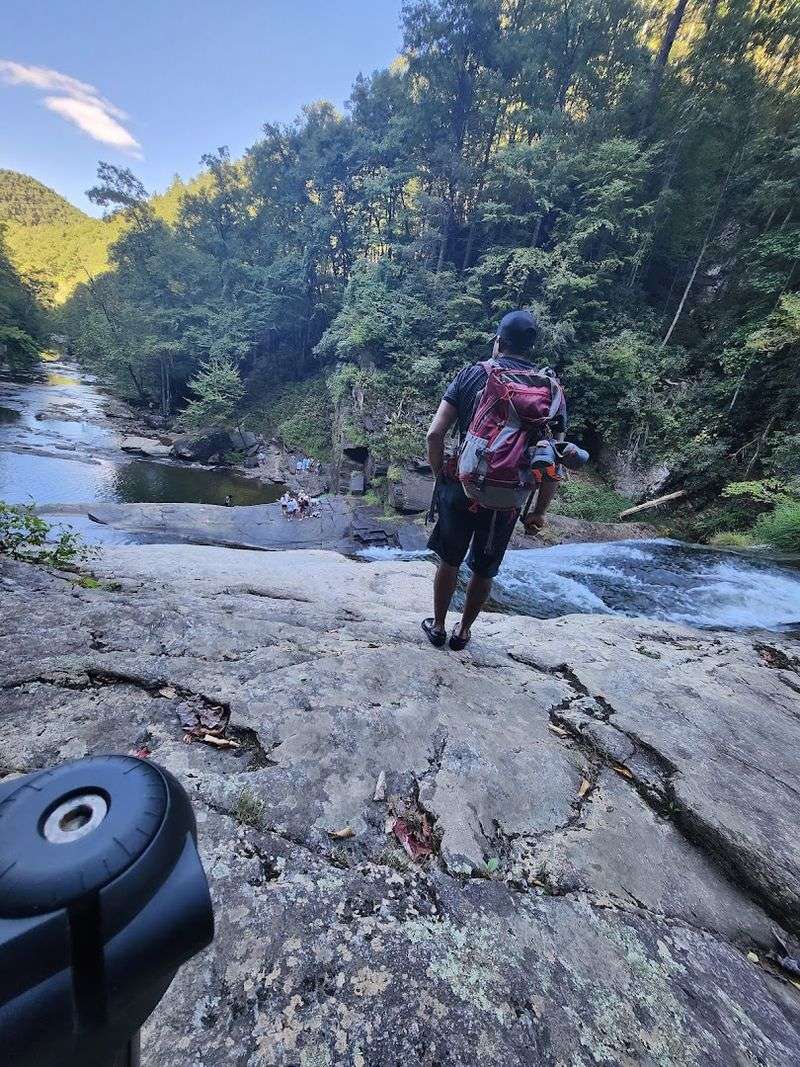
Preparation makes the difference between an epic adventure and a dangerous situation at Twisting Falls. Start with proper footwear—hiking boots with ankle support and aggressive tread are non-negotiable.
Bring trekking poles or a sturdy walking stick to help with balance on the steep sections. Extra socks prove valuable since you’ll likely get wet near the falls, and dry feet make the climb out more comfortable. Pack more water than you think you need because the steep ascent back demands serious hydration.
Check weather conditions before going, and skip this hike entirely if rain is forecast or recent precipitation has occurred. The trail becomes treacherously slick when wet, with loose rocks turning into sliding hazards.
Multiple experienced hikers emphasize avoiding this trail in muddy conditions.
Download offline maps and directions before leaving cell service behind. GPS becomes unreliable in the gorge, and you won’t be able to call for help if something goes wrong. Tell someone your hiking plans and expected return time.
Consider bringing rope if you’re uncomfortable with the existing trail ropes, which show significant wear. A basic first aid kit makes sense given the remote location and technical terrain.
Bring your swimsuit if you want to enjoy the pools, and pack out everything you bring in—this pristine area stays beautiful because visitors respect it.
Plan for the hike to take longer than the distance suggests. The steep terrain and necessary caution mean you’ll move slowly, and the return climb requires frequent rest breaks for most people regardless of fitness level.
Why This Hidden Tennessee Waterfall Is Worth the Effort
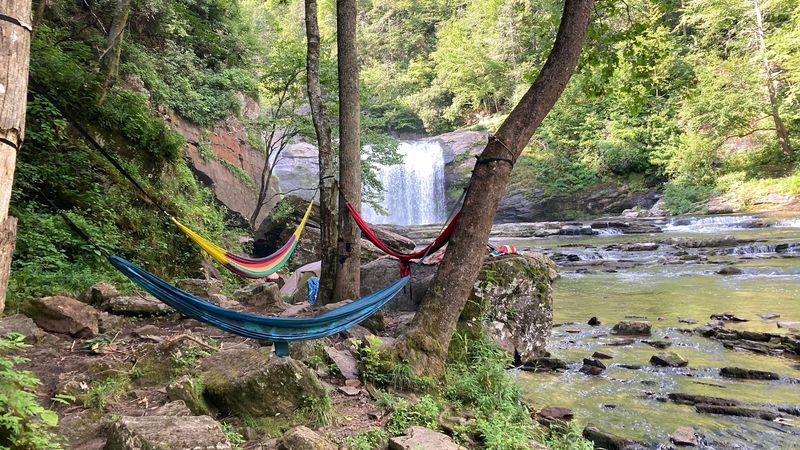
Despite all the warnings about difficulty and danger, nearly every visitor rates Twisting Falls five stars and declares the journey absolutely worth the effort. Something about earning a view through physical challenge makes it more meaningful than easily accessible attractions.
The waterfall becomes a reward rather than just a destination.
The combination of pristine natural beauty and genuine wilderness experience creates memories that last far beyond typical tourist stops. You’re not shuffling along paved paths with crowds—you’re genuinely adventuring into backcountry where your skills and preparation matter.
The relatively low visitor numbers mean you might have this spectacular waterfall to yourself or share it with just a handful of other adventurers. That solitude amplifies the experience, letting you truly absorb the power and beauty without distractions.
Peak seasons bring more people, but nothing like the crowds at famous waterfalls.
For those who enjoy physical challenges, the steep trail itself becomes part of the appeal rather than just an obstacle. Testing yourself against the mountain and successfully navigating the descent and ascent builds confidence and provides genuine accomplishment.
The difficulty filters out casual visitors, creating a self-selecting community of capable hikers who appreciate what they’ve achieved.
The waterfall delivers on its promise of dramatic beauty—powerful cascades, clear pools, and a wild gorge setting that photographs beautifully. Adventurous visitors can add cliff jumping for extra thrills.
Whether you come for the challenge, the scenery, or both, Twisting Falls provides an unforgettable Tennessee adventure that rewards every difficult step with natural wonder and personal achievement in one of the state’s most rugged landscapes.