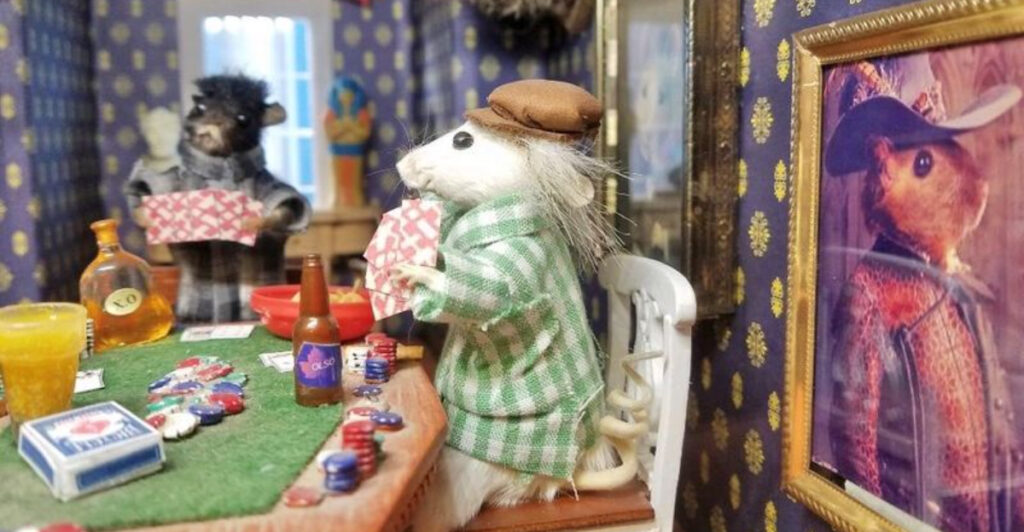
Mackinaw City has no shortage of tourist stops, but this one plays by its own wonderfully odd rules. Inside The Wacky Taxidermy and Miniatures Museum, tiny scenes, handcrafted creatures, and blink-and-you-missed-it details pull you into a world that is part art project, part curiosity cabinet, and part scavenger hunt.
It is compact, funny, and unexpectedly intricate, which makes every square foot work harder than most much larger attractions. If you like places with personality instead of polish, this is the stop that can hijack your whole afternoon.
A storefront in Mackinaw City that refuses to blend in
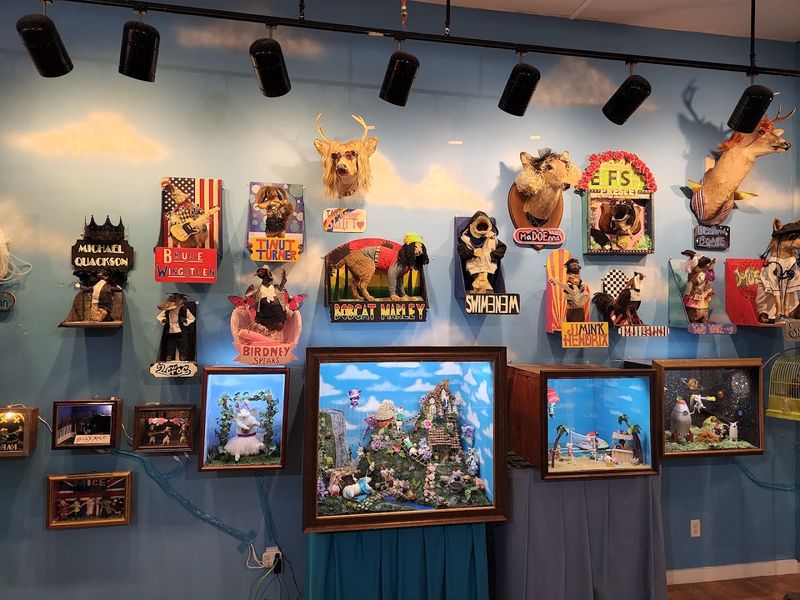
On a stretch of Mackinaw City where classic vacation energy can blur into storefront after storefront, this museum breaks the pattern fast. The name alone signals that you are not walking into another predictable stop, and the location on South Huron Avenue puts it right where curious travelers can pivot from ordinary sightseeing into something far stranger.
That contrast is part of the fun.
The scale catches you first. This is not a sprawling institution with long corridors and formal galleries, but a compact attraction that uses its size to its advantage by packing visual surprises into nearly every direction you look.
Instead of asking you to march through space, it invites you to slow down and notice the density of handmade detail.
That setup changes your pace almost immediately. You are less likely to breeze through and more likely to stop, lean in, laugh, point out a tiny prop, then realize there is another scene tucked just beyond it.
The museum turns casual browsing into a search pattern, which makes the opening minutes feel active rather than passive.
There is also a strong roadside-Americana quality to the whole experience. Mackinaw City thrives on family attractions, ferry traffic, fudge shops, and quick detours, yet this place carves out a lane that is much more personal and art driven.
It has the spirit of an oddball roadside stop, but the execution is closer to an intimate studio packed with private obsessions made public.
That combination is exactly why the museum lands so well here. It catches attention with humor, then keeps you inside with craftsmanship and visual density.
Before long, the outside world of traffic, souvenir bags, and vacation schedules starts to fade behind miniature rooms, tiny characters, and a wonderfully strange sense that this little building contains far more than its footprint suggests.
The tiny dioramas are the real rabbit hole
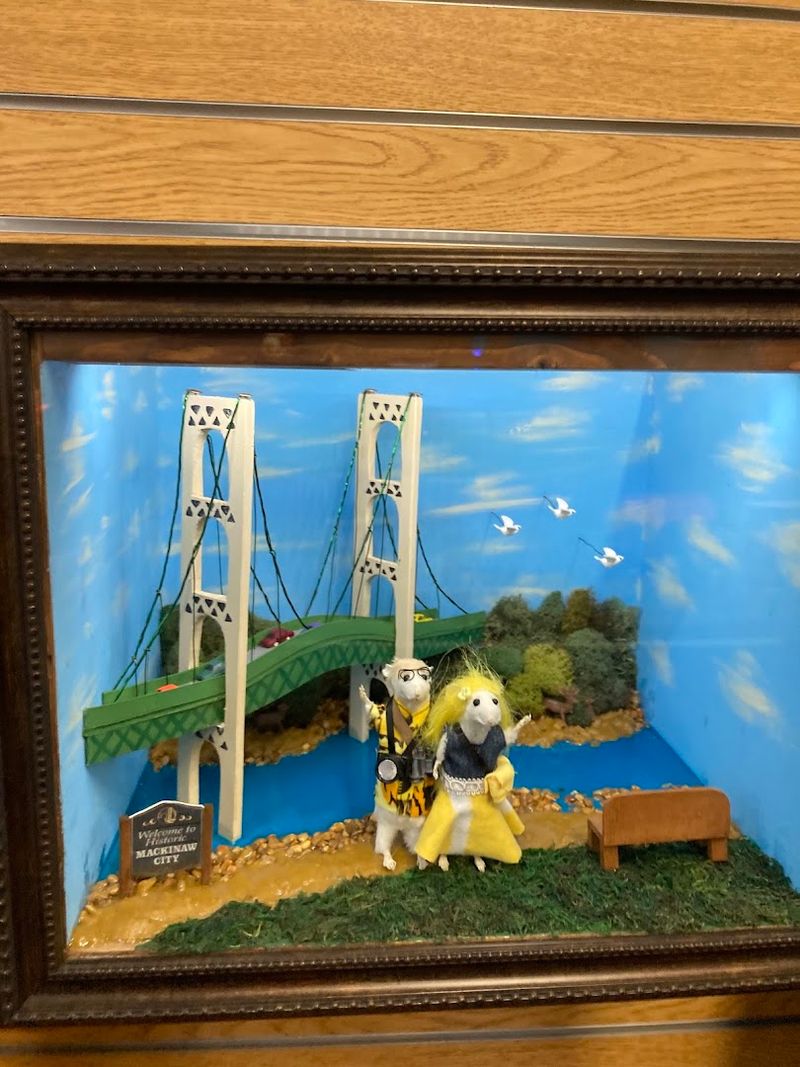
The museum’s core pleasure comes from its miniature worlds, and they work best when you treat them less like decorations and more like stages. Each scene rewards close inspection, because the point is not simply that the displays are small.
The point is how much narrative gets compressed into that smallness through props, poses, costumes, and visual jokes.
That storytelling density gives the museum unusual rhythm. You move from one setup to another, but each one asks for a different kind of attention, whether that means scanning the background, reading the arrangement of objects, or catching the punchline built into a tiny gesture.
Instead of one big centerpiece swallowing the room, the experience keeps splitting into dozens of smaller discoveries.
Mice appear repeatedly, and that recurring scale helps tie the place together. Rather than functioning as a single-theme novelty, the museum uses them as characters moving through varied environments, moods, and situations.
The effect is part dollhouse, part theater set, part visual comedy sketch, with every little scene pushing your eyes to keep working.
Because the displays are handmade, the imperfections become strengths. Slight quirks in proportion, texture, and expression keep the work from feeling mass produced or overly polished, and that handmade quality is essential to the charm.
You are not looking at factory-made miniatures behind glass. You are looking at a creative universe assembled piece by piece by artists with a very specific sense of humor.
This is why rushing through would miss the point completely. The museum is built for hovering, doubling back, and suddenly spotting a detail that was invisible at first glance.
A tiny accessory, a hidden face, an odd object in the corner, or a scene-within-a-scene can change the whole joke. The longer you give these dioramas, the more they open up.
Where weird taxidermy becomes handcrafted visual comedy
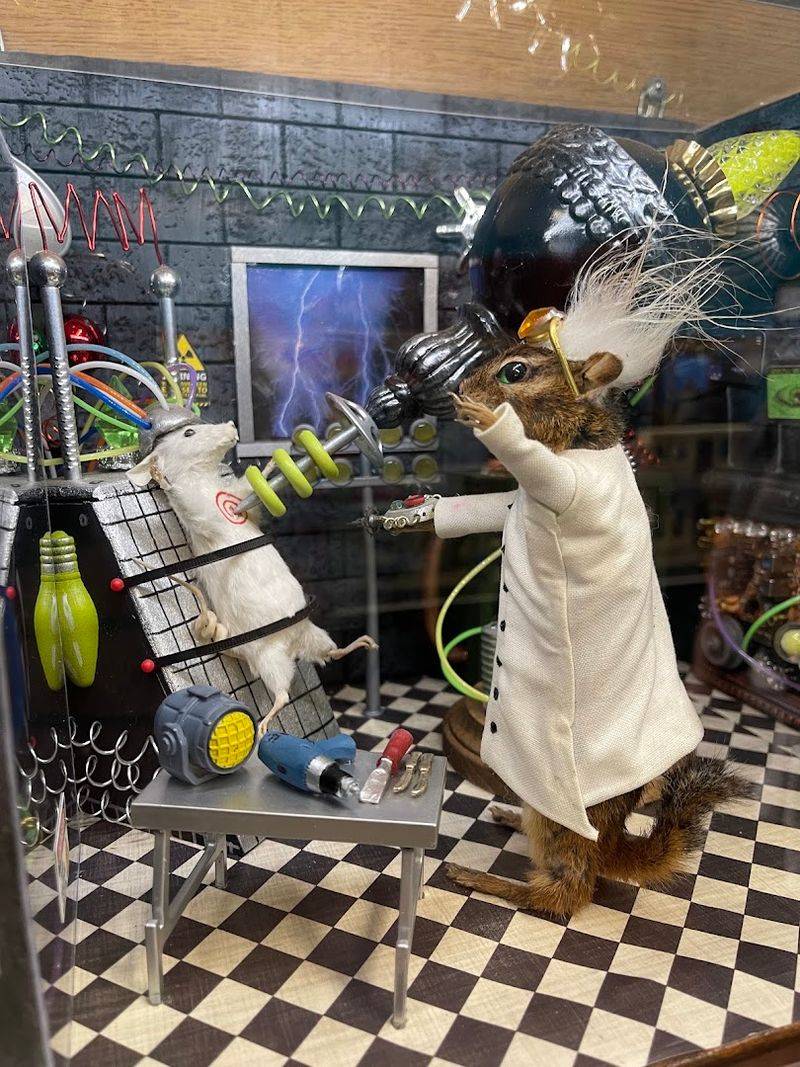
Taxidermy can intimidate people when it is presented with too much seriousness, but this museum takes a very different route. Here, the medium gets pulled into humor, fantasy, and oddball invention, which changes the mood from stiff display to playful art object.
You are not being asked to admire solemn trophies. You are being invited to engage with a very specific creative language.
That approach matters because it widens the audience. Someone who might skip a traditional taxidermy collection can still connect with these pieces through wit, absurdity, and sheer curiosity.
The museum leans into unexpected combinations, stylized creatures, and theatrical setups that make the work feel imaginative first and technical second, even though the craftsmanship is clearly part of the appeal.
At several points, the humor arrives before the explanation does. A strange creature shape, a surprising pose, or a bizarre pairing catches your eye, then your brain starts sorting out what exactly you are looking at.
That delayed recognition is one of the museum’s best tricks. It creates a tiny pause between confusion and laughter, and the room benefits from that rhythm.
There is also an educational undercurrent woven through the fun. Without turning preachy or museum-stiff, the displays can prompt you to think about taxidermy as an art form involving sculpture, posing, storytelling, and material decisions, not just preservation.
That wider frame gives the attraction more substance than its wacky title initially suggests, and it helps explain why the place lands with both kids and adults.
Most important, the weirdness never feels random. The work has direction, patience, and visual intent, so the jokes do not collapse into clutter.
Every odd little creature or scene contributes to a larger world built on eccentric taste and careful making. In a town full of quick distractions, that level of creative commitment gives this museum its own unmistakable identity.
The secret game hidden between the displays
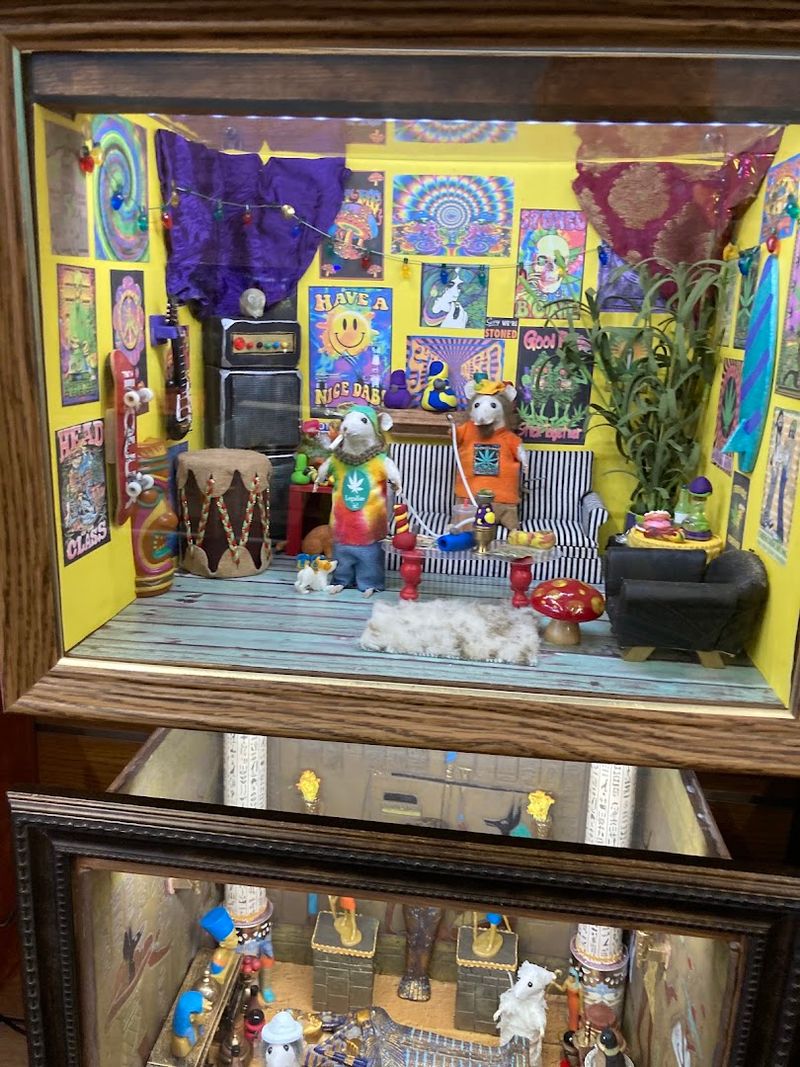
One of the smartest choices in the museum has nothing to do with floor size or formal interpretation panels. It is the way the exhibits become interactive through hidden details, including scavenger-hunt style elements that turn browsing into a mission.
Suddenly the room is not just a place to look around. It becomes a place to search.
That changes how different age groups use the space. Kids get a built-in objective, adults start scanning shelves and corners with the same competitive focus, and the entire visit gains a layer of movement that keeps attention sharp.
Instead of drifting past displays at one speed, you slow down, crouch, peer upward, and retrace your steps because a clue might be tucked somewhere unexpected.
The hidden gnome mice and other small surprises are especially effective because they fit the museum’s scale. A giant game would overpower the exhibit, but tiny concealed elements deepen it.
They encourage close looking, which is already the best way to experience handmade miniatures. In other words, the interactive pieces are not gimmicks pasted on top.
They reinforce the museum’s visual logic.
This also helps the attraction work well on days when the weather turns or the midday heat pushes people indoors. A small museum can feel finished too quickly if it lacks engagement, but a built-in search activity stretches the experience naturally without forcing it.
You are not standing around trying to invent fun. The room gives you a reason to stay alert.
The result is a compact stop that feels more layered than its footprint suggests. You can laugh at a strange display, admire the craftsmanship, then abruptly switch into detective mode because you spotted a tiny door or remembered one missing figure.
That back-and-forth between observation and play gives the museum a lively pulse, and it keeps the whole visit from ever becoming static.
Why this offbeat stop fits Michigan travel so well
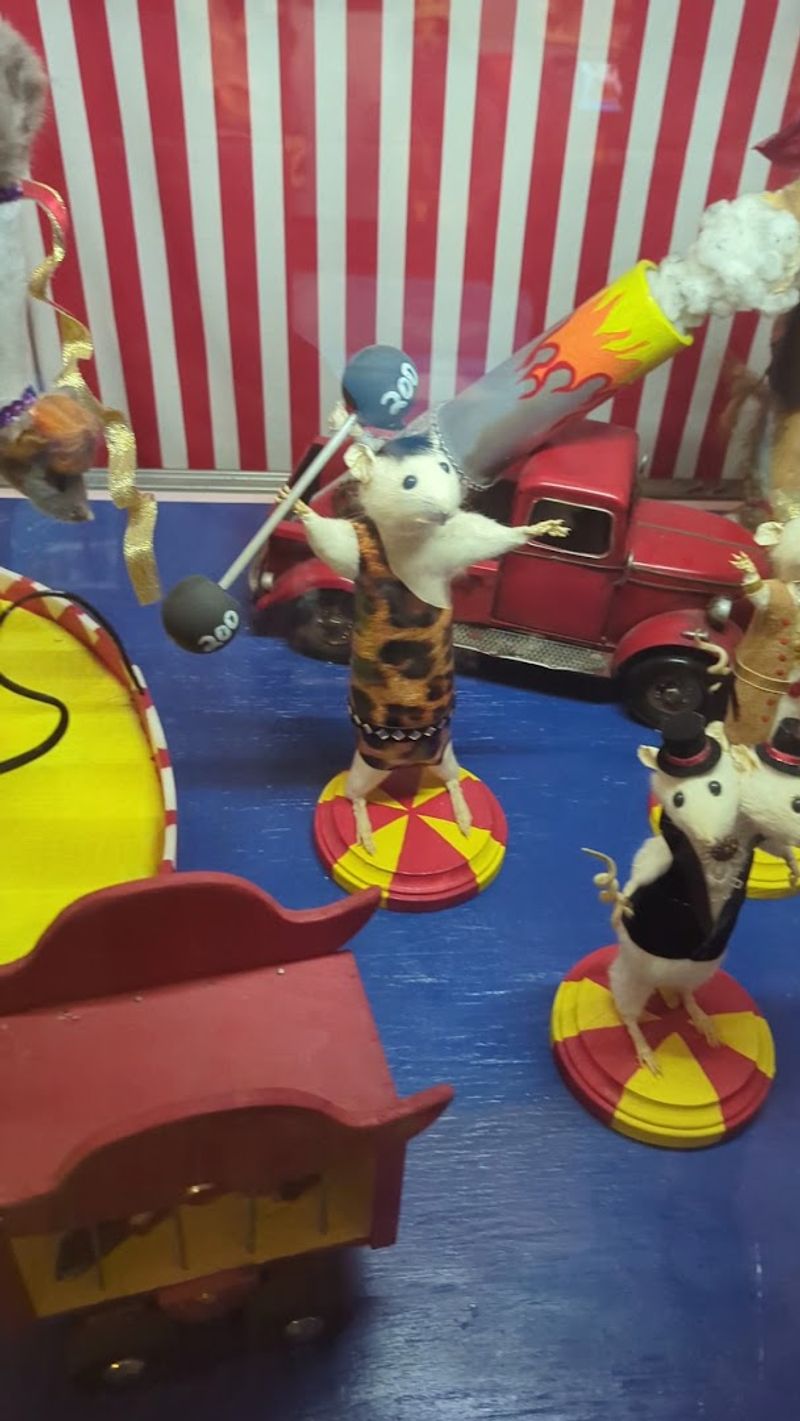
Michigan road trips are full of big water views, historic forts, ferry departures, and family attractions that lean hard into summer momentum. This museum fits that travel pattern precisely because it offers the opposite scale.
Instead of another sweeping vista or high-traffic attraction, you get a compact interior world where the entertainment comes from noticing tiny choices and handcrafted weirdness.
That contrast makes it especially useful in Mackinaw City. A day here can easily become all movement: parking, walking, shopping, boarding, waiting, crossing streets, watching schedules.
The museum interrupts that tempo with something slower and more eccentric. You step inside, narrow your field of vision, and trade wide-open sightseeing for concentrated detail.
There is also a regional logic to a place like this in northern Michigan. Roadside attractions have long been part of the state’s travel culture, and communities that rely on seasonal visitors often develop memorable stops with strong personality.
The Wacky Taxidermy and Miniatures Museum belongs in that lineage, but it avoids the dusty look of an attraction coasting on novelty alone. Its identity comes from active making, not just old signs and nostalgia.
That distinction matters. Plenty of quirky places are fun for five minutes and then run out of ideas.
Here, the humor is supported by craft, and the craft is supported by a clear visual point of view. The museum earns repeat attention because it is packed tightly enough that you can miss things, then catch them on another pass through the room.
For travelers building a day around Mackinaw City, this makes an excellent side step between bigger commitments. It works as a rainy-day detour, a heat break, or a deliberately odd stop that prevents the day from feeling too programmed.
Michigan is especially good at attractions with personality, and this one delivers that quality in miniature form, with extra mice.
How to experience the museum without missing the best details
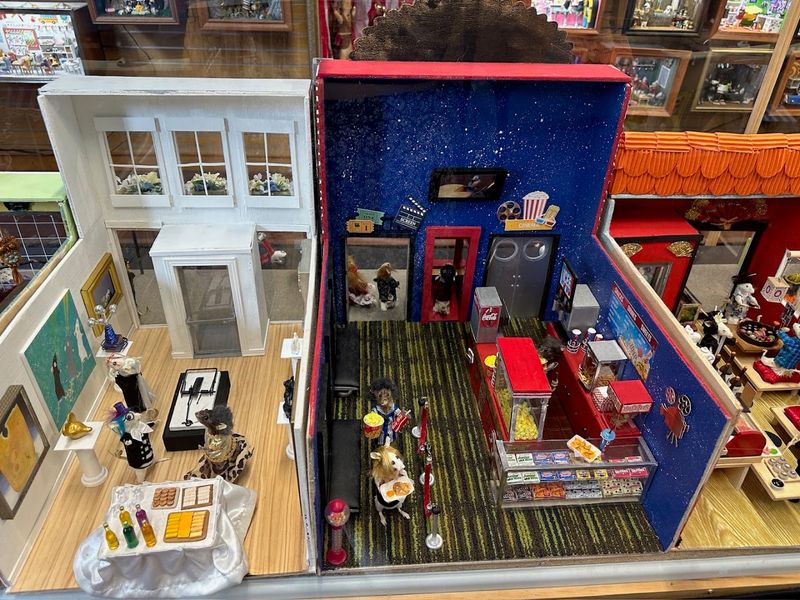
The best way to handle this museum is to ignore the instinct to treat it like a quick novelty checkmark. A fast lap will show you that the place is funny, but it will not show you why it works.
The displays are layered, the sightlines are busy, and small details are often the entire joke, so pacing matters more than square footage.
Start by taking in each scene at a distance, then move closer. That first wider glance lets you understand the setup, while the second pass reveals the props, textures, and tiny visual punchlines that give the display its character.
If you only do one or the other, you lose part of the effect. The museum rewards a back-and-forth way of looking.
It also helps to keep your eyes moving vertically. Some attractions load everything at one level, but here the pleasure often lies in peeking into corners, checking shelves, and noticing little elements that sit above or below your normal line of sight.
If a hidden search game is active during your visit, that habit becomes even more useful.
Families will probably find that the museum works best when nobody rushes the next person. Children can focus on the hunt, adults can study the craftsmanship, and both groups still end up sharing discoveries.
That overlapping attention is rare. Too many family stops split into separate experiences, but this one creates common ground through curiosity and low-pressure play.
Timing is straightforward, too. The museum generally operates midday into late afternoon on open days, which makes it an easy fit between lunch, shopping, or waterfront plans.
Because it is small, a busy moment can make the details harder to absorb, so a slightly less crowded window may improve the experience. Give it time, keep scanning, and let the tiny worlds dictate your pace.
A tiny museum with a surprisingly big aftereffect
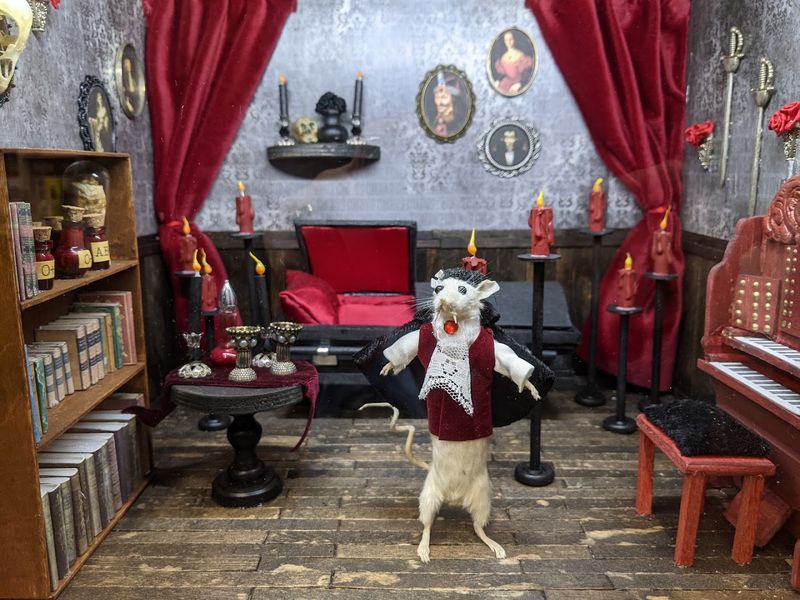
The museum’s biggest success is not that it is unusual. Plenty of places are unusual.
Its real strength is that the unusual parts are organized into a coherent experience, one that mixes handcrafted art, comedy, scavenger-hunt energy, and compact storytelling without coming apart at the seams. That balance is harder to achieve than the playful exterior suggests.
By the time you finish, the attraction has usually shifted categories in your mind. What looked at first like a novelty stop reveals itself as a carefully built creative environment with a strong point of view.
The miniatures invite patient looking, the taxidermy adds strangeness and technique, and the hidden details keep the room active instead of static. Every element supports the next.
That is why the museum can appeal beyond the obvious audience for oddities. You do not need to arrive as a collector, a miniature enthusiast, or a taxidermy buff to enjoy it.
You just need a tolerance for eccentricity and enough curiosity to look closely. The place meets you there, then steadily gives you more to notice.
In practical terms, it also fills a useful niche in Mackinaw City. It is affordable, indoor, and easy to pair with a larger day of sightseeing, yet it has more personality than many bigger attractions.
When travel schedules get stuffed with standard stops, a place like this resets the day by offering humor and concentration instead of another broad overview.
That final impression is probably the clearest reason to go. The Wacky Taxidermy and Miniatures Museum does not try to compete through size, prestige, or spectacle.
It wins through specificity: tiny worlds, handmade creatures, odd jokes, and the sense that someone built this place exactly the way they wanted. In a busy tourist town, that kind of conviction stands out immediately.