Tennessee packs more stunning scenery into one state than most people realize. From misty mountain peaks to thundering waterfalls and mysterious underground lakes, this state offers natural wonders that belong on every traveler’s bucket list.
Whether you’re planning your first visit or you’ve lived here your whole life, these breathtaking spots will make you fall in love with Tennessee all over again.
1. Great Smoky Mountains National Park – Gatlinburg
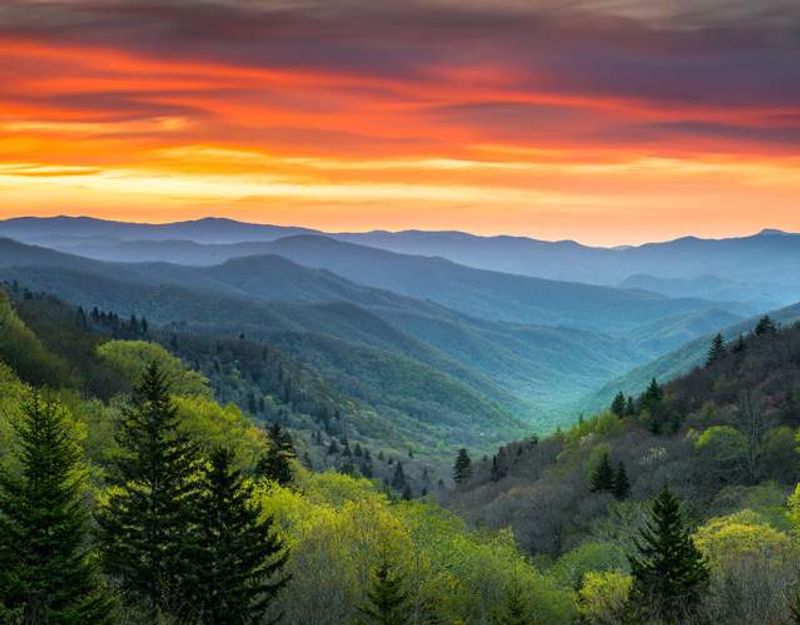
America’s most visited national park sits right on Tennessee’s eastern border, and once you see those rolling blue ridges stretching to the horizon, you’ll understand why millions of people make the pilgrimage every year. The park covers over 500,000 acres of protected wilderness, offering everything from easy roadside overlooks to challenging backcountry trails.
Morning fog drifts through ancient forests where black bears still roam wild. Wildflowers carpet the hillsides in spring, while autumn transforms the landscape into a blazing tapestry of orange, red, and gold.
The park straddles the Tennessee-North Carolina border, but the Gatlinburg entrance gives you quick access to some of the most spectacular viewpoints.
You can spend weeks exploring here and still not see everything. Historic buildings dot Cades Cove, rushing streams carve through rocky gorges, and over 800 miles of trails wind through forests that have stood for centuries.
Best of all, admission is completely free, making this natural wonder accessible to everyone who wants to experience true Appalachian beauty.
2. Cades Cove – Great Smoky Mountains National Park
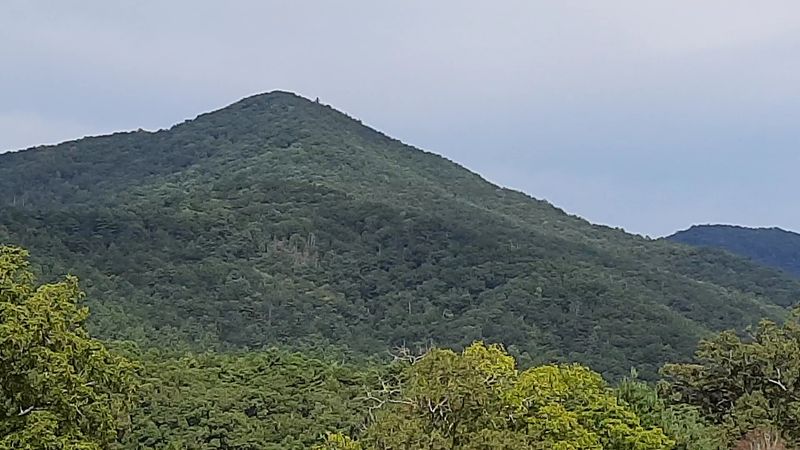
Driving the eleven-mile loop through Cades Cove feels like stepping back in time to pioneer Tennessee. This broad, lush valley was once home to a thriving mountain community, and today you can still see their log cabins, churches, and barns standing exactly where settlers built them in the 1800s.
Wildlife watching here ranks among the best in the entire park.
White-tailed deer graze in the open fields while black bears occasionally wander across the road, stopping traffic as visitors scramble for their cameras. Wild turkeys strut through the meadows, and if you’re lucky, you might spot a coyote at dawn or dusk.
The loop road gets crowded during peak season, but early morning visits reward you with misty valleys and animals going about their business undisturbed.
Several historic structures allow walk-through exploration, including churches where you can almost hear hymns echoing off the wooden walls. Bike rentals are available on Wednesday and Saturday mornings when the loop closes to vehicles, offering a peaceful way to experience this valley that time forgot.
3. Clingmans Dome Observation Tower – Great Smoky Mountains National Park
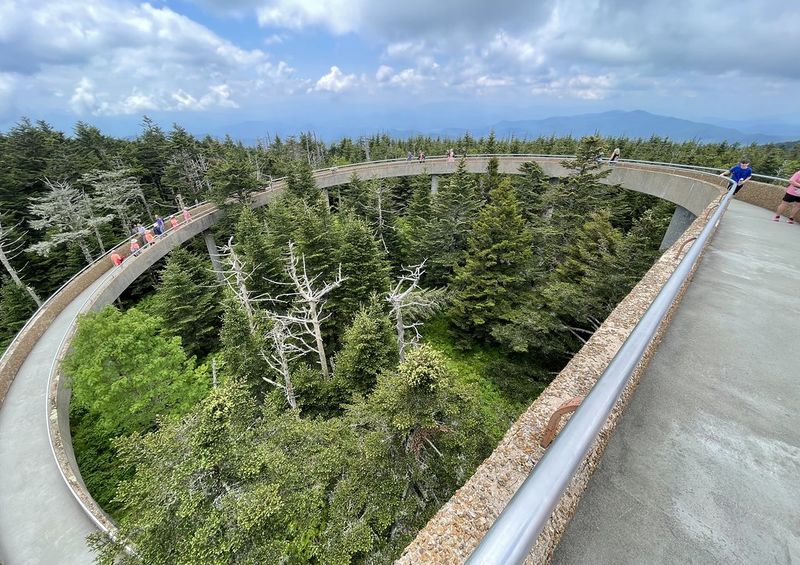
Standing at 6,643 feet, Clingmans Dome claims the title of highest point in Tennessee and the third-highest mountain east of the Mississippi. The unique spiral observation tower rises above the tree line, offering 360-degree views that stretch across seven states on clear days.
Getting there requires a half-mile uphill walk from the parking area, but the payoff makes every step worthwhile.
The tower itself looks like something from a science fiction movie, with its curved concrete ramp spiraling upward to the viewing platform. On foggy days, you might find yourself literally standing in the clouds, surrounded by an ethereal white mist that transforms the landscape into something magical.
Even when visibility is limited, the experience of being at Tennessee’s rooftop remains unforgettable.
Temperatures here run about 20 degrees cooler than in the valleys below, so bring a jacket even in summer. The access road closes in winter, typically from December through March, but hardy hikers can still trek in through the snow.
Sunrise and sunset paint the mountain ridges in spectacular colors, though you’ll share these moments with crowds during peak fall foliage season.
4. Fall Creek Falls State Park – Spencer
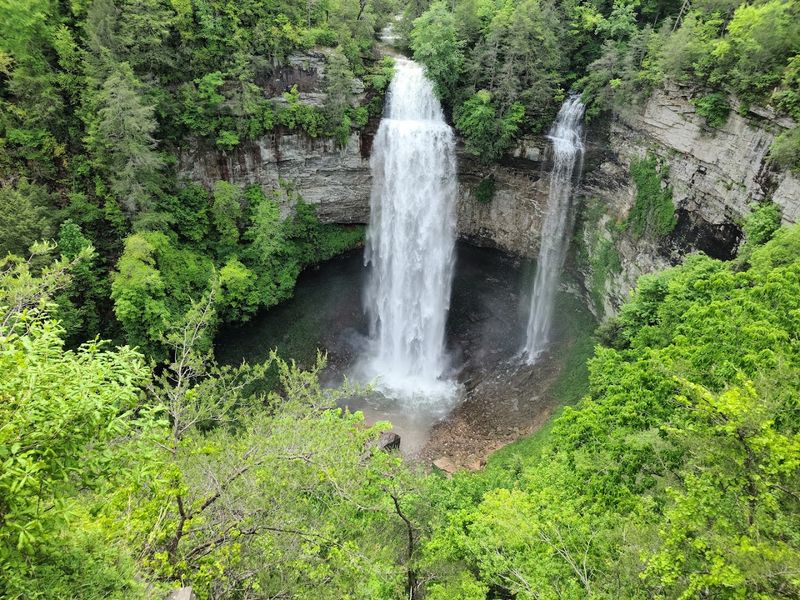
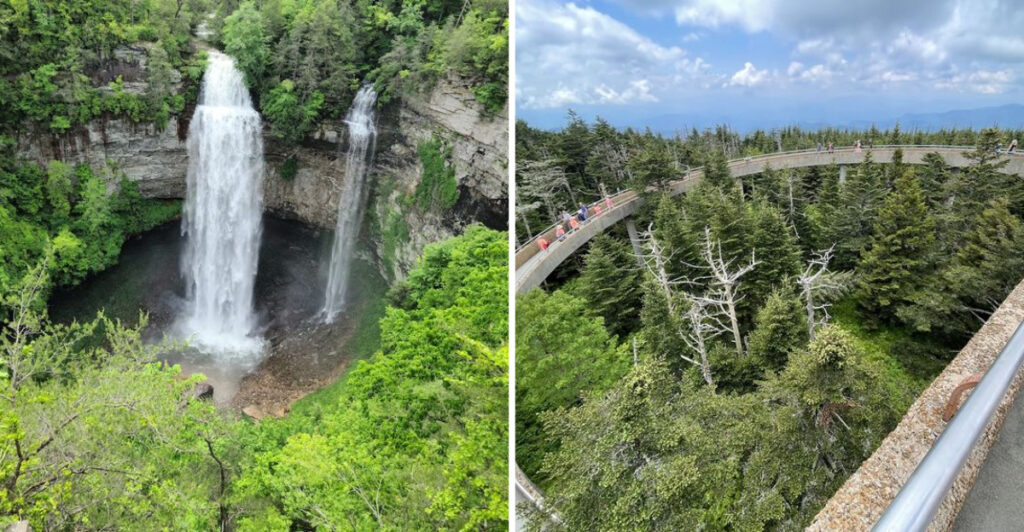
At 256 feet, Fall Creek Falls drops farther than Niagara, plunging over a rocky precipice into a misty gorge that echoes with the constant roar of falling water. This centerpiece of Tennessee’s largest state park creates one of the most photographed scenes in the entire state.
Multiple overlooks give you different perspectives, from distant panoramas to up-close viewpoints where spray dampens your face.
The park encompasses over 26,000 acres of Cumberland Plateau wilderness, with three other major waterfalls besides the namesake attraction. Hiking trails range from easy strolls to challenging scrambles down into the gorges, where you can stand at the base of the falls and feel the power of all that water crashing down.
Mountain bikers love the park’s extensive trail system, while anglers cast lines into Fall Creek Lake.
Overnight visitors can choose from cabins, campsites, or the historic inn perched on the plateau rim. Spring brings wildflowers and rushing water from snowmelt, while fall transforms the gorge into a canyon of color.
Even on busy weekends, the park’s size means you can find quiet spots to appreciate nature’s grandeur.
5. Cummins Falls State Park – Cookeville
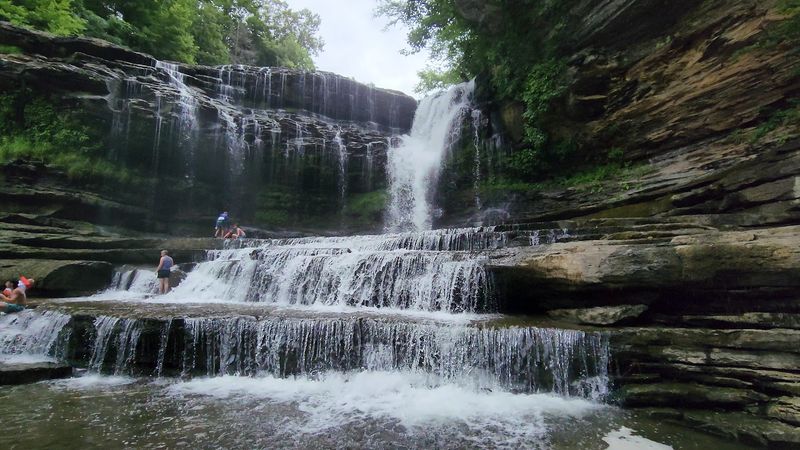
Cummins Falls rewards adventurous visitors with one of Tennessee’s best swimming holes, tucked beneath a 75-foot cascade that tumbles over layered rock formations. Getting there means hiking a mile and a half through the woods, then carefully picking your way over and around boulders in the creek itself.
Wear sturdy shoes that can get wet because you’ll definitely be wading.
The main pool at the falls’ base stays refreshingly cool even on the hottest summer days, deep enough for swimming but not dangerously so. Smooth rocks surrounding the pool provide perfect spots for sunbathing between dips, while the constant mist from the falls keeps the air comfortable.
This place gets packed on summer weekends, so arrive early or visit on weekdays for a more peaceful experience.
The park requires reservations during peak season to manage crowds and protect the environment. Rangers emphasize safety because flash floods can occur rapidly after heavy rain upstream.
Despite these precautions, the hike remains family-friendly for anyone reasonably fit and sure-footed. The combination of scenic beauty and the chance to actually swim at the falls makes this spot uniquely memorable among Tennessee’s natural attractions.
6. Burgess Falls State Park – Sparta
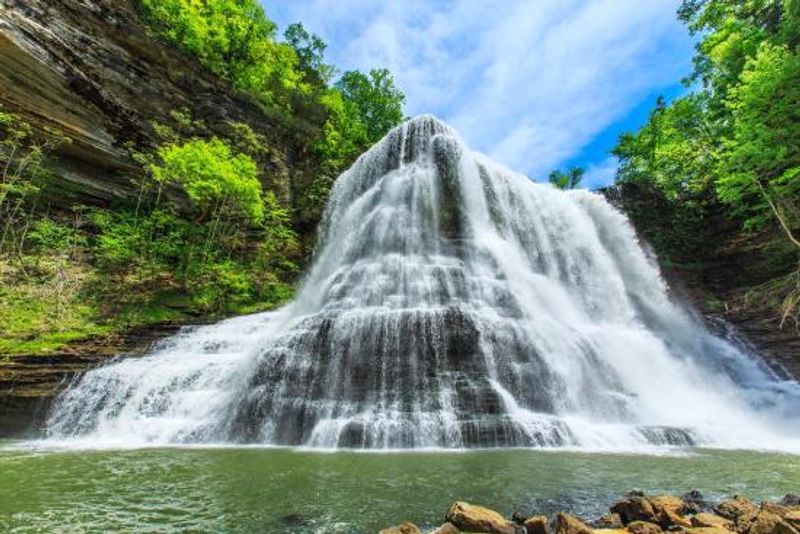
Four distinct waterfalls cascade along the Falling Water River as it carves through limestone bluffs, but the grand finale at Burgess Falls steals the show completely. Water plummets 136 feet in a powerful curtain that crashes into a stunning turquoise pool far below.
The relatively easy trail to the main falls makes this spectacular sight accessible to most visitors, though the path does include some stairs and elevation changes.
You’ll pass three smaller falls on the mile-long hike to the big one, each beautiful in its own right. The upper falls slide smoothly over layered rock, the middle cascade tumbles through a narrow chute, and the lower falls create a wide curtain before the river makes its dramatic final plunge.
Observation platforms at the main falls provide safe viewing spots with unobstructed views of the entire scene.
Photographers flock here during autumn when the surrounding forest explodes in color, creating a perfect frame for the falling water. The gorge stays cool and shaded even in summer, making this an ideal escape from the heat.
Recent improvements to the trail and platforms have made the park more accessible while preserving the wild beauty that makes Burgess Falls a hidden gem.
7. Roan Mountain State Park – Roan Mountain
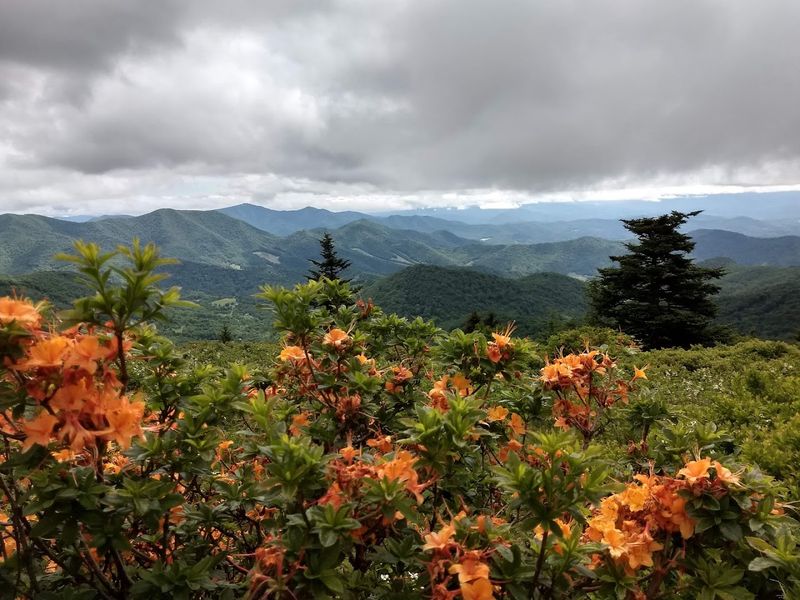
Every June, Roan Mountain transforms into one of the most spectacular natural flower gardens in the world when hundreds of acres of wild rhododendron burst into bloom. The famous Catawba rhododendron gardens at 6,000 feet elevation create a sea of pink and purple flowers that attracts visitors from across the country.
Hiking through these blooms feels like walking through a fairytale landscape.
The mountain straddles the Tennessee-North Carolina border, offering panoramic views that stretch for miles in every direction. Even outside the rhododendron season, Roan Mountain captivates with its grassy balds, rare mountain ecosystems where trees mysteriously refuse to grow.
These open summits provide unobstructed views and excellent wildlife watching opportunities.
The state park at the mountain’s base offers camping, cabins, and access to miles of hiking trails that climb through diverse ecosystems. The Appalachian Trail crosses Roan Mountain’s summit, making this a bucket-list destination for long-distance hikers.
Winter brings cross-country skiing opportunities, while fall foliage rivals anywhere in the Smokies. Whether you visit during the famous bloom or any other season, Roan Mountain showcases Tennessee’s high country at its absolute finest.
8. The Lost Sea Adventure – Sweetwater
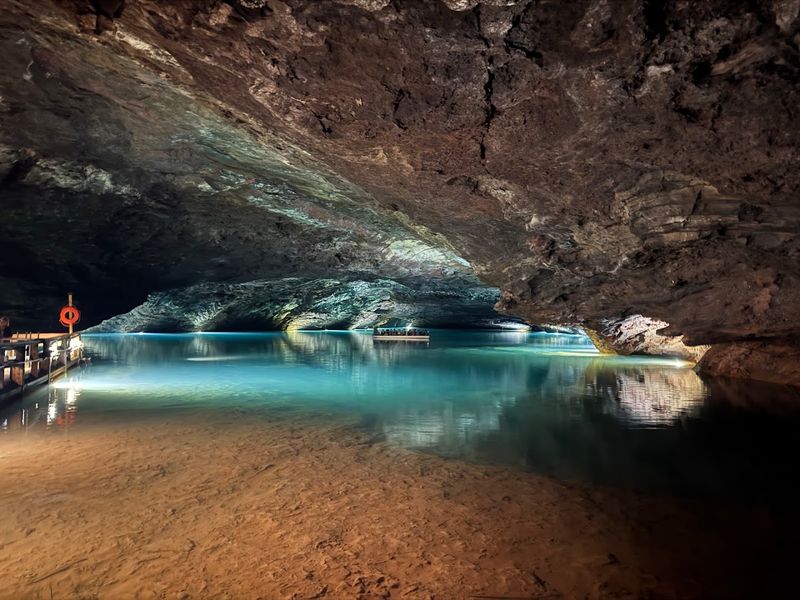
Deep beneath the rolling hills of East Tennessee lies America’s largest underground lake, a mysterious body of water discovered in 1905 by a young boy who squeezed through a tiny opening in a cave. Today, glass-bottom boat tours glide across the crystal-clear water while guides point out rare cave formations and explain the geology that created this hidden wonder.
The lake’s actual size remains unknown because divers have explored over 13 acres without finding the far shore.
The adventure begins with a guided walk through caverns filled with stalactites, stalagmites, and flowstone formations that took millions of years to create. Your guide shares stories about moonshiners who once used these caves, Confederate soldiers who mined saltpeter here for gunpowder, and the modern explorers who continue mapping new passages.
The temperature stays a constant 58 degrees year-round, so bring a light jacket.
Once you reach the lake, boarding the boat feels surreal as you realize you’re floating hundreds of feet underground. The water is so clear you can see rare cave fish swimming below.
This combination of natural wonder and fascinating history makes The Lost Sea a uniquely Tennessee experience that amazes visitors of all ages.
9. Lookout Mountain – Chattanooga
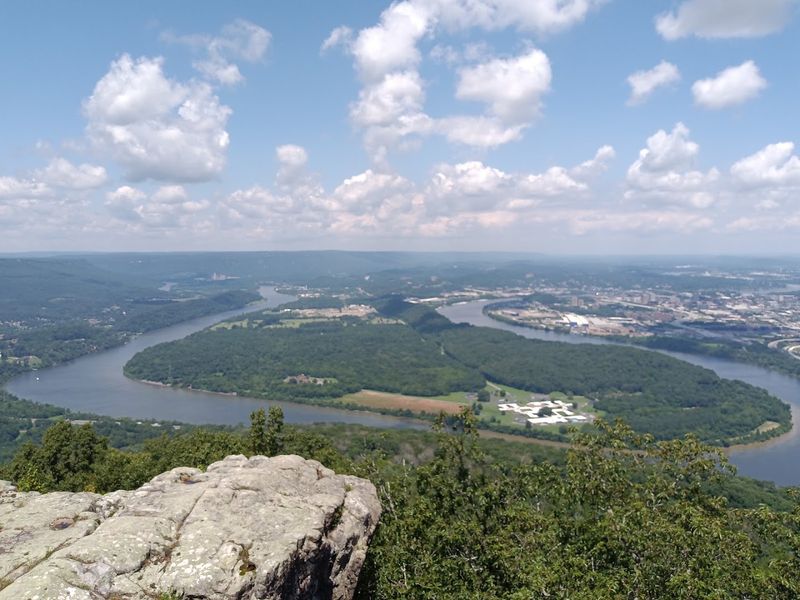
Rising dramatically above Chattanooga, Lookout Mountain has witnessed everything from ancient Cherokee history to pivotal Civil War battles to modern tourism. The mountain offers multiple attractions, but simply standing at the overlooks and taking in the sweeping views of the Tennessee River valley makes the trip worthwhile.
On clear days, you can see seven states from various viewpoints along the mountain’s ridgeline.
Point Park at the mountain’s northern tip preserves the site of the famous “Battle Above the Clouds,” fought in 1863 when Union forces stormed up the steep slopes through thick fog. Historic markers and preserved fortifications tell the story, while the views from the park’s observation areas showcase why this strategic high ground mattered so much.
The Incline Railway, one of the world’s steepest passenger railways, provides a thrilling ride up the mountain’s face.
Beyond the historical significance, Lookout Mountain hosts hang gliding launches, hiking trails, and several commercial attractions. The neighborhood atop the mountain feels like a small town suspended in the sky, with local shops and restaurants catering to visitors.
Whether you’re interested in history, outdoor adventure, or simply spectacular views, Lookout Mountain delivers an experience that defines Chattanooga.
10. Reelfoot Lake State Park – Tiptonville
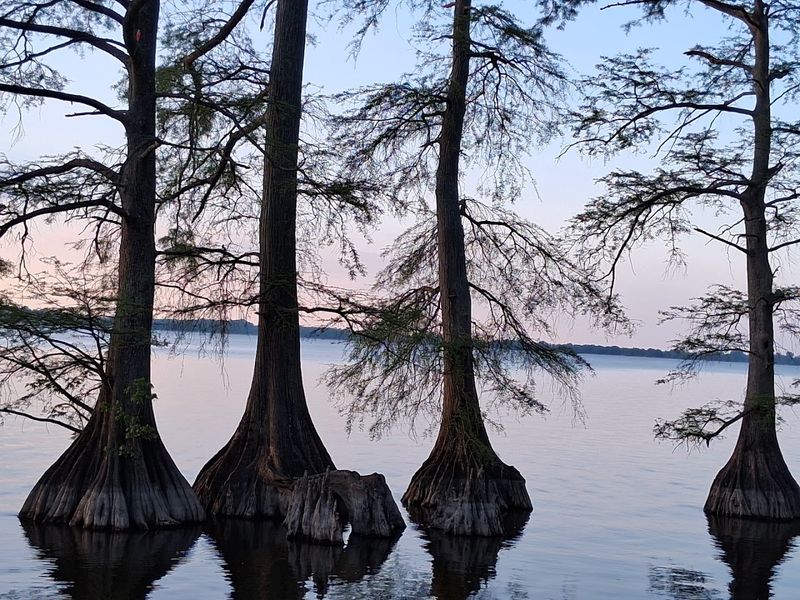
Created by massive earthquakes in 1811-1812 that literally made the Mississippi River flow backward temporarily, Reelfoot Lake remains one of Tennessee’s most unusual natural features. Ancient cypress trees rise from shallow water, their knobby knees breaking the surface while Spanish moss drapes from branches overhead.
This 15,000-acre wetland in Tennessee’s northwest corner hosts some of the best birdwatching in the state, particularly during winter when bald eagles gather by the dozens.
Boat tours glide through the cypress forest, offering close-up views of herons, egrets, and other water birds. The lake averages only five feet deep, creating perfect habitat for fish that attract both wildlife and anglers.
Crappie fishing here ranks legendary among serious fishermen, while casual visitors enjoy the otherworldly beauty of paddling through the flooded forest. The lake’s remoteness and quiet atmosphere feel worlds away from Tennessee’s busier tourist destinations.
Several observation decks provide excellent viewing without getting on the water, though experiencing the lake from a boat or kayak offers the most immersive adventure. Winter eagle tours sell out quickly, so book early if you want to see these majestic birds.
Reelfoot Lake proves that Tennessee’s natural wonders extend far beyond the mountains everyone talks about.
11. Bald River Falls – Tellico Plains
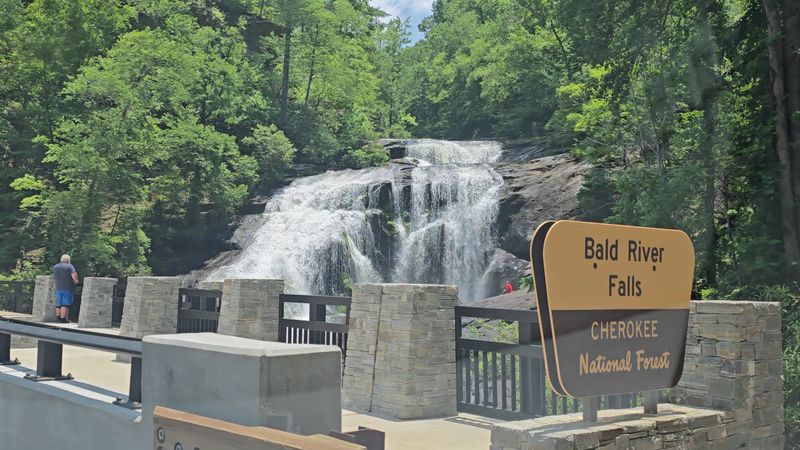
Tucked away in the Cherokee National Forest, Bald River Falls spreads across a wide rock face before plunging 90 feet into a pristine pool below. Unlike many waterfalls hidden at the end of difficult trails, this beauty sits just steps from the parking area along the Cherohala Skyway, making it one of the most accessible spectacular waterfalls in Tennessee.
The ease of access doesn’t diminish the magic of watching thousands of gallons of water cascade over ancient stone.
The falls flow strongest in spring when snowmelt and rain swell the Bald River, creating a thunderous display of power. Even during drier months, the waterfall maintains enough flow to create that mesmerizing curtain of water that photographers love.
The pool at the base stays icy cold year-round, fed by mountain streams that rarely see direct sunlight in the dense forest upstream.
A short trail leads to the base where you can feel the mist and hear the roar up close. The surrounding forest provides a perfect frame, especially in autumn when maples and oaks paint the hillsides in brilliant colors.
Because the falls sit along a scenic driving route rather than in a major park, you’ll often find fewer crowds here than at more famous waterfalls, making Bald River Falls a peaceful escape into Tennessee’s wild beauty.