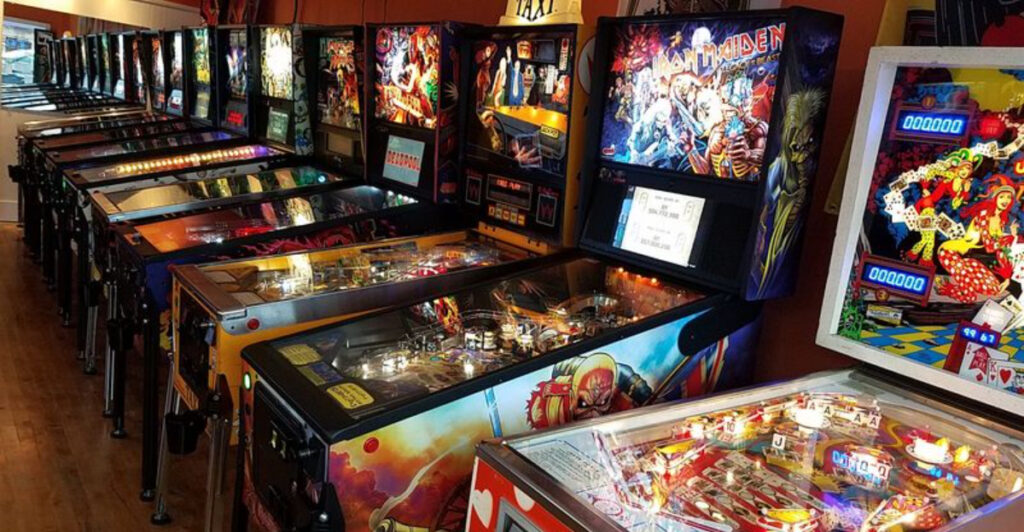
A lot of arcades promise nostalgia, but Pinball Land in Rockford turns that idea into a full-on afternoon plan. This is the kind of place where flashing marquees, pinball chimes, and row after row of playable machines quickly replace any thought of a quick stop.
With more than 100 classic games and a simple pay-to-play setup, it invites you to slow down, explore, and keep wandering into the next room. If you want a Michigan spot that works for date night, family time, and pure button-mashing fun, this one earns a serious look.
Neon on Courtland Street and a Doorway Into Another Era
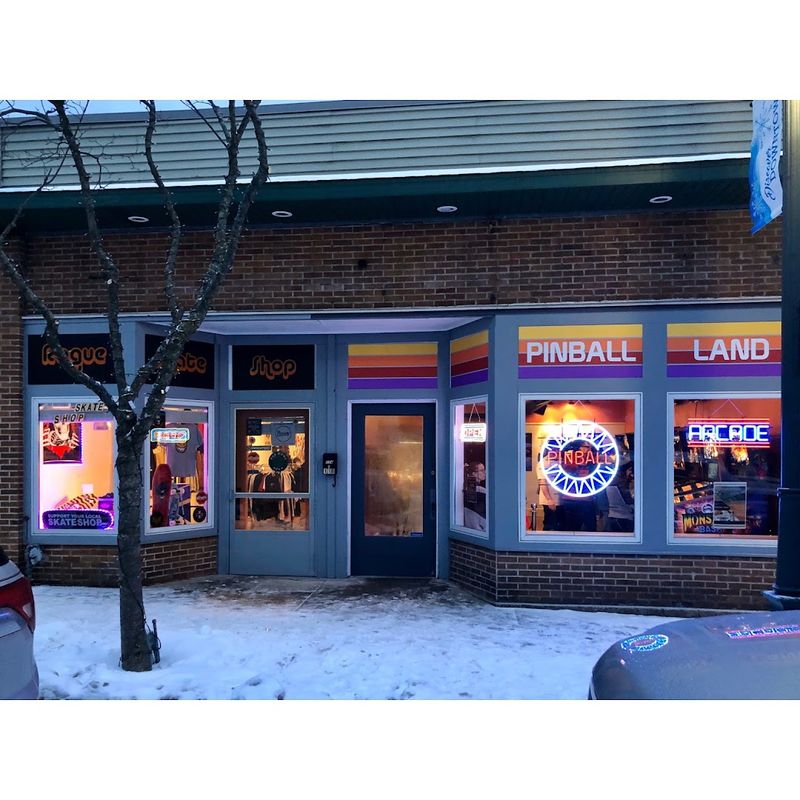
Pinball Land does not hide what it is. Set on Courtland Street in downtown Rockford, the arcade announces itself with neon glow and a storefront energy that cuts through the usual rhythm of shops, sidewalks, and passing traffic.
Before a single game starts, the place already signals that this stop will run on color, light, and noise rather than errands and routine.
That first visual hit matters because the location creates contrast. Rockford has the easy walkable pace of a small downtown, then suddenly this bright arcade appears like a portal built for score chasing and friendly competition.
The effect is immediate without being overdone, and it sets up the rest of the visit as something more immersive than a quick pop-in.
Inside, the layout opens up instead of funneling everyone into one tight room. Machines spread across multiple spaces, which keeps the experience moving and gives the arcade a sense of discovery rather than a single wall of blinking cabinets.
You can drift from one zone to another, catch a burst of pinball audio from the next room, and follow it like a trail.
There is also a practical upside to that structure. Groups do not have to stack shoulder to shoulder around the same few machines, and families can spread out without losing each other entirely.
It keeps the visit lively while still readable, especially for anyone who likes to scan first, pick targets second, and settle into a rhythm after the initial sensory rush.
Plenty of retro arcades lean hard on clutter as decoration. Pinball Land appears to favor a cleaner, more open presentation, which lets the actual machines do the visual work.
In a place built around classic play, that restraint lands well, because the glow of the cabinets and tables becomes the scenery all by itself.
Why the Pay-by-the-Hour Format Changes the Whole Experience
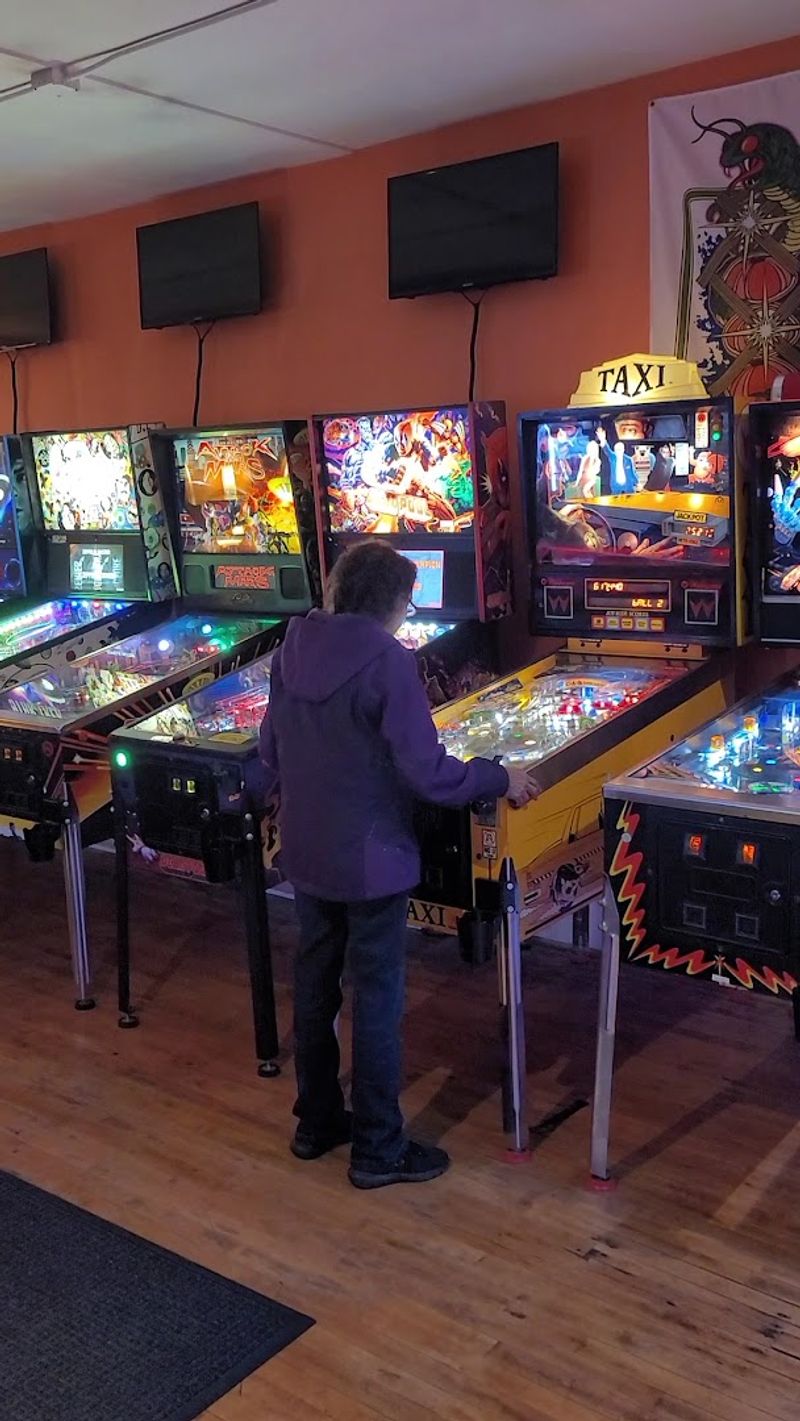
The smartest part of Pinball Land may be the way it removes the usual arcade math from your head. Instead of hovering over a coin slot, debating whether a machine is worth another dollar, you get a pay-by-the-hour setup that encourages experimenting.
That changes your pace right away, because curiosity suddenly becomes part of the game plan.
In a quarter-fed arcade, every decision carries tiny pressure. You commit to a cabinet, stick with it longer than you want, and sometimes avoid unfamiliar machines because learning them costs money.
Here, that tension drops away, so you can bounce from a racing game to a fighter to a pinball table in seconds, then circle back later without feeling wasteful.
That freedom is especially important in a place with this much variety. More than 100 games can feel overwhelming if each trial comes with a separate cost, but a timed admission model turns the lineup into an open field.
You are not buying single plays. You are buying room to explore, compare, restart, and abandon a machine the second another one catches your eye.
It also smooths out mixed-age visits. Adults can revisit older favorites, kids can sample whatever flashes at them first, and nobody has to keep stopping for tokens, change, or card reloads.
The whole outing becomes less transactional and more fluid, which is exactly what an arcade should be when the goal is sustained fun rather than a quick burst.
Pinball Land benefits from that structure because pinball, especially, rewards repeat attempts. A table can take a game or two before its flow clicks, and free play encourages that learning curve.
Instead of treating each ball as a tiny expense, you get to chase better timing, cleaner shots, and higher scores until your hands finally start keeping up with your eyes.
More Than Pinball: The Mix That Keeps the Rooms Moving
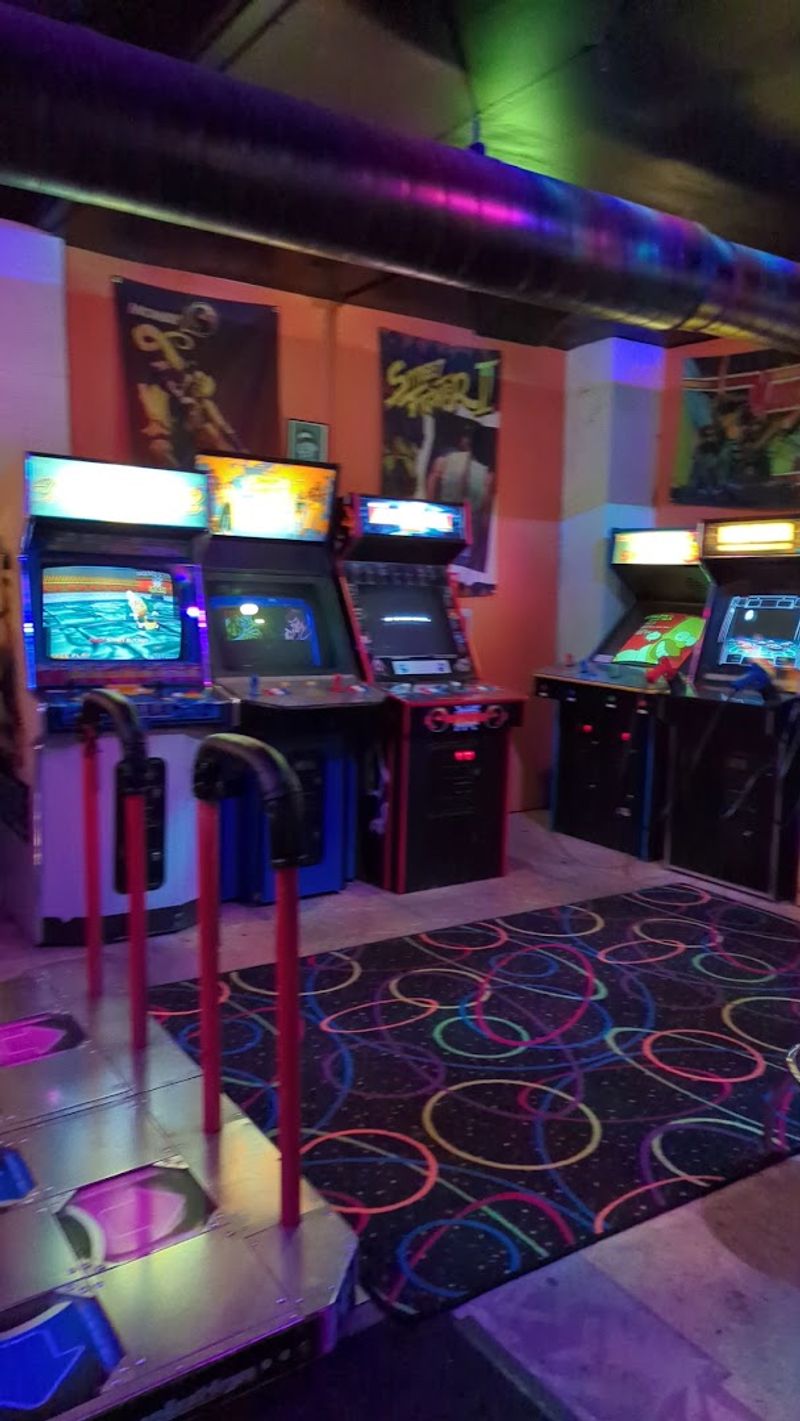
The name points straight at pinball, and yes, that is the star. But Pinball Land avoids becoming a one-note stop because the supporting cast stretches well beyond silver balls and flippers.
Racing games, fighting cabinets, rhythm machines, shooting setups, and classic arcade staples give the place enough range to keep the rooms active from several directions at once.
That variety matters because it broadens the audience without watering down the identity. Pinball fans can lock into table after table, while someone else can make a hard turn toward Mortal Kombat, a driving game, or a dance machine.
The arcade never seems boxed into a single era or style, which keeps the energy from flattening into pure nostalgia.
The lineup also creates a useful rhythm for longer visits. Pinball asks for focus, timing, and fast reactions in a relatively fixed space, while other cabinets bring in side-by-side competition, racing tension, or simple button-mashing release.
Switching between those modes prevents fatigue and makes a two-hour session move differently than an hour spent only on one category.
Pinball Land seems to understand that an all-day arcade does not need every game type in existence. It needs enough contrast to make the next choice exciting.
A newer themed pinball machine can sit comfortably beside older tables, then a driving setup shifts the body language of the room, and suddenly the visit has momentum again.
For families and friend groups, that flexibility becomes one of the strongest features in the building. Not everybody wants to play the same thing at the same pace, and they do not have to here.
One person can chase a leaderboard, another can hunt for a cabinet remembered from childhood, and the group still meets back in the middle with plenty to talk about.
Michigan Nostalgia Without the Dusty-Museum Vibe
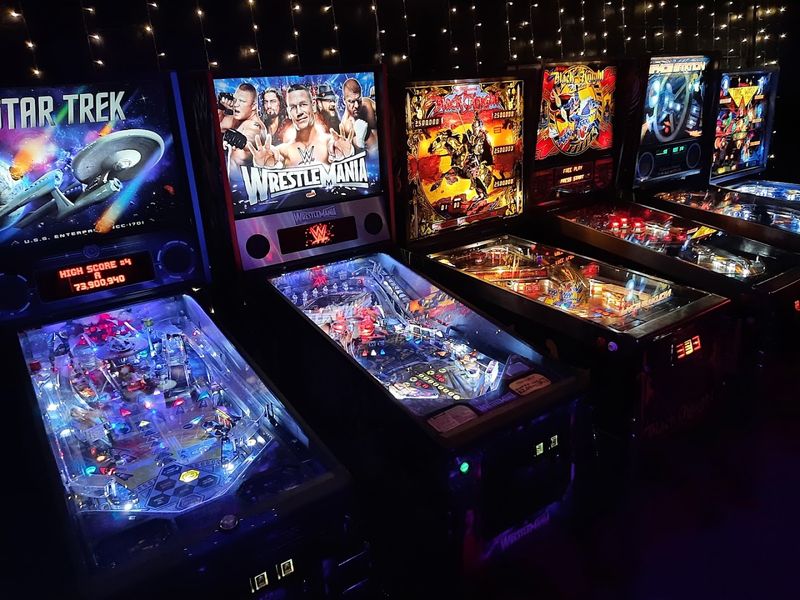
Nostalgia can be tricky. Some retro arcades lean so hard into the past that they start feeling more like storage with admission, a place where old machines are present but not especially inviting.
Pinball Land appears to avoid that trap by keeping the retro appeal front and center while presenting it in a way that still functions as active entertainment.
That distinction matters in Michigan, where classic arcade culture has strong pull across generations. Older players want recognition, younger players want immediacy, and neither group benefits from a room that treats the machines like untouchable artifacts.
Pinball Land works because the throwback factor is built into actual play, not just decor or memory bait.
The machine mix supports that balance. Vintage games provide the sharp graphics, familiar cabinets, and old-school sounds that anchor the room, while newer pinball tables add movement, effects, and a different kind of spectacle.
You get a timeline of arcade design without needing a lecture, and the contrast becomes obvious the second you move between eras.
There is also a physical quality to retro gaming that never translates on a phone screen. Buttons demand force, steering wheels fight back, and pinball requires quick nudges and precise flipper timing that keep both hands occupied.
In Pinball Land, that tactile side appears to be a big reason the nostalgia lands so well, because it is not passive at all.
The result is a place where memory and novelty can happen in the same hour. A parent might head straight for a classic cabinet, while a kid discovers why pinball still commands attention when the lights, sounds, and ball speed all kick in at once.
That blend gives the arcade durability, turning a sentimental idea into a repeatable outing.
How to Build the Best Visit, From One Hour to All Afternoon
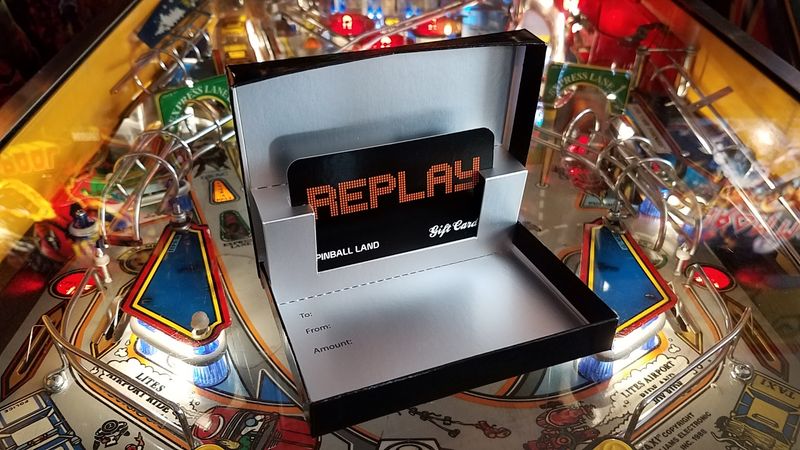
Pinball Land can work as a quick detour, but the space and pricing model clearly reward a little strategy. The biggest mistake would be burning the whole visit on the first machine that catches your eye, because this arcade is built for wandering, sampling, and doubling back.
A better plan is to treat the first stretch like a scouting lap.
Start broad instead of deep. Walk the rooms, identify the pinball tables that pull you in, clock the racing games, and note the classic cabinets that trigger immediate recognition.
Once the full landscape is in view, you can settle into a loop that mixes short bursts of familiar favorites with a few machines you would normally skip.
That approach helps different kinds of visitors equally. If you are bringing kids, the early scan prevents all the time from disappearing at the first flashy cabinet near the entrance.
If it is a date night, alternating between competitive games and cooperative wandering keeps the energy light and prevents the visit from turning into one long high-score grind.
Time of day also changes the experience. Afternoons are a natural fit for families or anyone pairing the arcade with a walk through downtown Rockford, while evening hours on Friday or Saturday make more sense for adults who want a longer, livelier session.
Because the arcade opens later on several weekdays, it fits especially well into after-school and after-work plans.
One hour can absolutely deliver a good time here, but the place seems designed to make that hour disappear fast. Two hours gives the lineup room to breathe, especially if pinball is your main target.
If the goal is to turn a simple outing into a genuine all-day adventure, Pinball Land gives you enough variety to keep earning another lap.
A Local Hangout That Also Knows How to Handle Parties
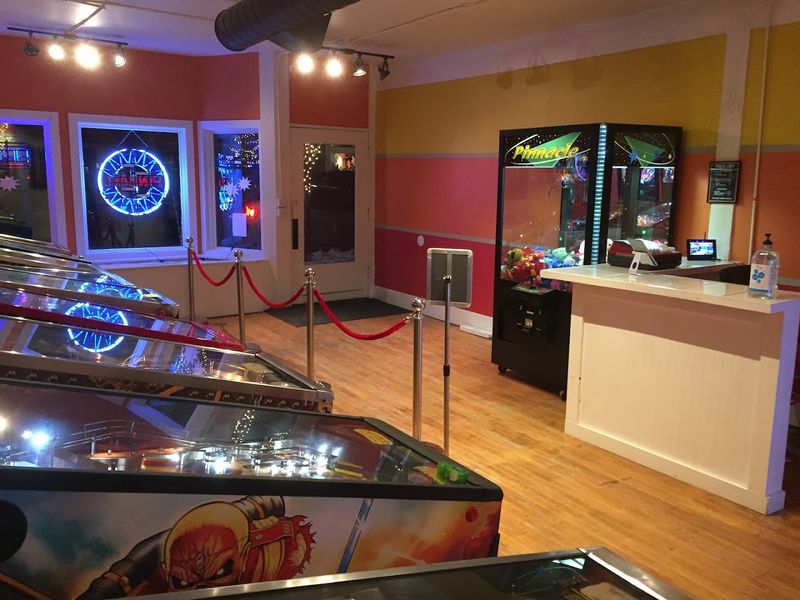
Some arcades are great for solo play but awkward for groups. Pinball Land appears to do both, which is part of why it has become more than a niche stop for pinball devotees.
The open multi-room setup, broad age appeal, and timed play format naturally support gatherings without stripping away the drop-in fun that makes an arcade work on ordinary days.
That flexibility shows up most clearly in the way the place fits birthday parties and group celebrations. A building full of playable machines already provides its own entertainment structure, so the event does not depend on a host forcing activities every ten minutes.
People can split off, compare scores, race, regroup, and keep moving without much friction.
For parents, that matters because idle time tends to be the enemy. In a standard party venue, one bottleneck can drain the room fast, whether it is a line for one attraction or a schedule that moves too slowly.
Pinball Land solves that by distributing attention across many games and several spaces, which keeps the energy circulating instead of bunching up.
It also helps that the arcade is not aimed only at children. Plenty of the appeal comes from shared recognition between generations, whether that means older cabinets, classic pinball tables, or games adults actually want to play instead of merely supervise.
That changes the dynamic of group visits, because the grown-ups are participants, not just chaperones standing by the wall.
Even outside private events, the place reads like a local hangout with staying power. A downtown arcade only works long term if it can support repeat visits from families, couples, and friend groups who all need different things from the same address.
Pinball Land seems to meet that challenge by making play flexible, social, and easy to restart the next time you are in Rockford.
The Sharp Final Take: Why Pinball Land Stands Out in Rockford
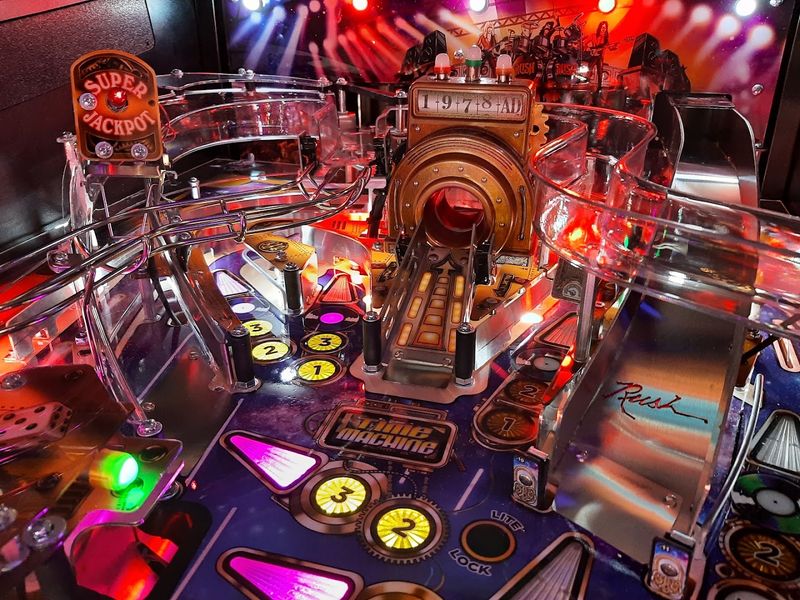
Pinball Land stands out because it solves a problem that many retro entertainment spots never quite crack. It preserves the excitement of old-school arcade culture while making the experience easy to enter, easy to understand, and easy to extend far beyond a few novelty rounds.
In Rockford, that combination turns a specialized hobby space into a real destination.
The place has clear strengths: a large game count, a pinball-heavy identity, a flexible free-play structure, and enough variety to keep different ages engaged. Just as important, it seems to avoid the downsides that can sink this category, including cramped layouts, dead machines, and pricing models that make experimentation feel expensive.
That practical competence gives the fun room to breathe.
Location helps too. Being in downtown Rockford means the arcade can anchor a broader outing rather than requiring a full entertainment complex around it.
You can build an afternoon or evening with the arcade at the center, then step back outside into a walkable setting that changes the pace before the next round inside.
There is also a deeper reason the place clicks. Pinball, unlike many modern entertainment options, demands physical attention, quick adaptation, and a willingness to fail publicly in bright lights before finally getting the rhythm right.
Put that beside classic cabinets and competitive racing games, and you get an environment where participation matters more than spectatorship.
That is why Pinball Land reads as more than a nostalgia stop. It is active, social, and unusually flexible, whether you have one hour after school, two hours on a date night, or a full Saturday to burn through every room. For anyone chasing a Michigan arcade that still understands momentum, this one delivers it game after game.