A warm cider doughnut can derail an otherwise disciplined shopping trip in seconds. One minute, you are examining a sensible bag of Jersey tomatoes; the next, you are carrying a pie, three cheeses, smoked bacon, and enough soft pretzels to feed the Turnpike.
That is the particular danger—and pleasure—of New Jersey’s best food markets. These are not interchangeable rows of produce tents.
Some are sprawling institutions where butchers, bakers, farmers, fishmongers, and flea-market vendors share the same property. Others operate for only a few hours each week, rewarding early arrivals with just-picked corn, crusty bread, local honey, and pastries that may disappear before noon.
The 14 markets below stretch from Paterson to Pilesgrove, with stops at century-old farms, Amish marketplaces, suburban train stations, and one wonderfully chaotic South Jersey flea market. Bring reusable bags, leave some room in the trunk, and do not make the rookie mistake of eating before you go.
1. Trenton Farmers Market – Lawrence Township
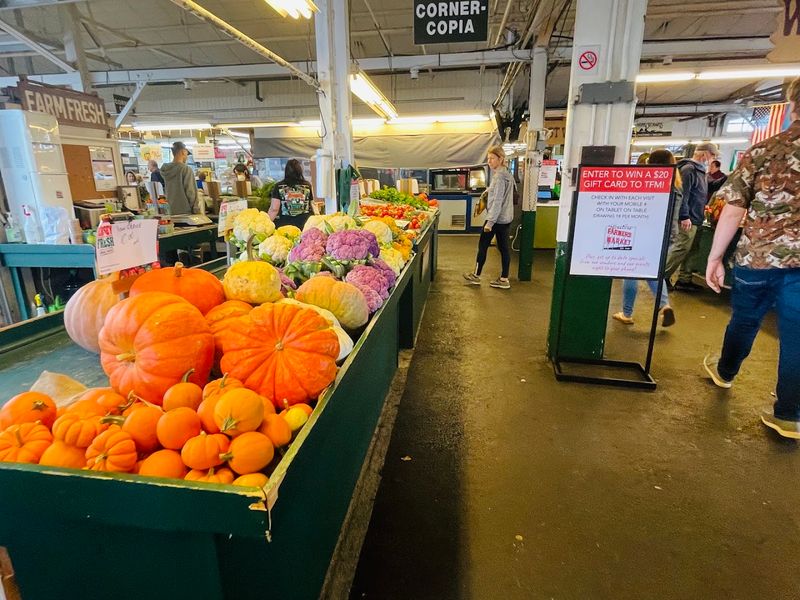
History is still doing the weekly grocery shopping on Spruce Street. Established as a farmer-owned cooperative in 1939 and based at its Lawrence Township location since 1948, this indoor market has the worn-in, practical character of a place that has been feeding local families for generations.
Nobody has polished away its personality, and that is exactly the appeal. Produce remains the backbone, with Jersey-grown fruits, vegetables, flowers, plants, honey, and other seasonal goods filling the farm stands.
Yet a proper visit quickly expands beyond tomatoes and peaches. Shoppers can pick up Amish meats and poultry, artisan cheese, Polish deli specialties, kielbasa, baked goods, local wine, and prepared meals ranging from barbecue to rotisserie chicken and vegan dishes.
Come hungry enough to build lunch as you walk. A sandwich or plate of smoked meat makes sense, but so does following the smell of doughnuts and saving room for something sweet.
The variety also makes the market useful when a dinner plan is still taking shape; you can begin with produce, add meat or cheese, and leave with nearly everything required for a serious Sunday meal. The market operates indoors and has a large parking area, so it is easier to navigate than a pop-up market.
Weekday mornings generally offer the most breathing room, while weekends bring the full neighborhood-market energy.
2. Columbus Farmers Market – Columbus
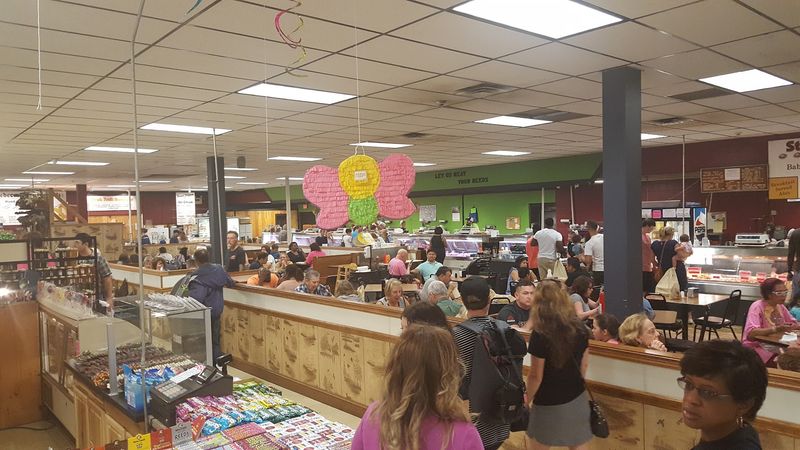
Half the fun at this Burlington County institution is accepting that your shopping list will not survive first contact with the property.
Columbus combines an indoor farmers market, an enormous outdoor flea market, and a dedicated produce and seafood row, creating the kind of sprawling stop where strawberries, smoked meat, vintage tools, and patio furniture can all end up in the same car.
Food lovers should begin inside, where permanent businesses cover far more ground than the market’s name suggests. The selection can include butcher counters, bakeries, prepared foods, deli items, seafood, produce, sweets, and Pennsylvania Dutch specialties.
It is a strong destination for shoppers who prefer browsing several independent counters instead of pushing one cart through a conventional supermarket. Then head toward Produce and Seafood Row, especially during warmer months when Jersey-grown corn, tomatoes, peppers, berries, and peaches are at their best.
The outdoor market adds unpredictability; vendors change, seasonal offerings rotate, and a quick grocery run can easily become a half-day outing. Thursday is the classic Columbus day and often delivers the fullest experience, although the indoor market and outdoor sections follow different schedules.
Arrive early for produce and flea-market browsing, wear shoes built for mileage, and keep a cooler in the trunk if seafood, meat, or dairy is part of the plan. This place rewards shoppers who come prepared but leave the itinerary loose.
3. Dutch Country Farmers Market – Flemington
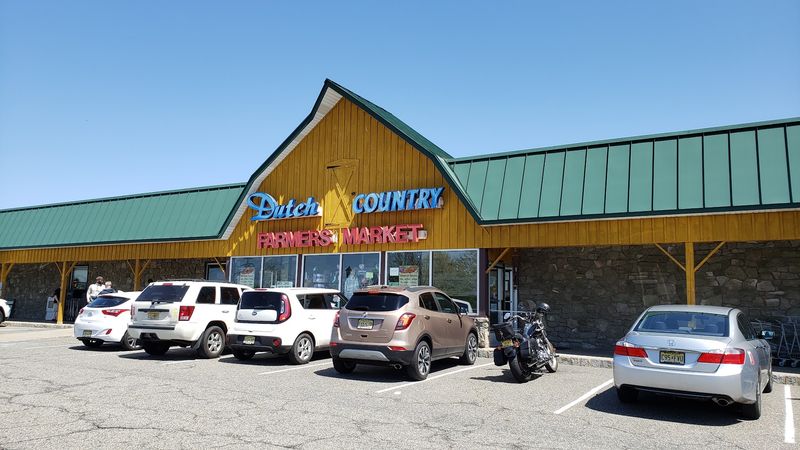
The line at the pretzel counter often tells you everything you need to know. Inside this compact Flemington market, warm dough, roasted meat, sugary glaze, and bakery spices compete for attention while regulars move between counters with the efficiency of people who already know exactly what will be coming home.
Several Amish and Pennsylvania Dutch vendors operate independently under one roof, giving the market the feel of a tightly packed collection of specialty shops. Fresh meats, poultry, seafood, deli salads, cheeses, bakery treats, candy, and prepared foods make it possible to cover an entire weekend’s eating in a single lap.
The smart move is to mix groceries with immediate gratification. Pick up steaks, pork chops, chicken, or sliced deli meats for later, then order a soft pretzel or something hot before leaving.
Whoopie pies and doughnuts travel well in theory, although their survival rate on the drive home is questionable. Because the market opens only Thursday through Saturday, timing matters.
Saturdays can get tight in the aisles, particularly around popular food counters, so Thursday or Friday offers a calmer visit. Separate vendors may have separate payment setups, and sought-after bakery or prepared-food items can sell out.
Bring a cooler, arrive with a loose list, and buy the pretzel before debating whether you truly need it.
4. Pennsylvania Dutch Farmers Market – Princeton
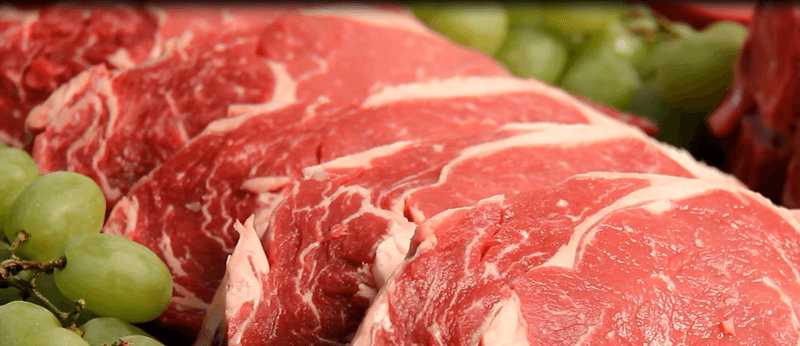
A shopping center along Route 27 hides one of Princeton’s most reliable sources of soft pretzels, deli meats, bakery boxes, and Lancaster County comfort food. The exterior may be ordinary, but the moment the doors open, the smell of warm bread and roasted poultry makes the market’s priorities wonderfully clear.
Operating since 1992, the indoor market brings together Amish vendors selling baked goods, meat, poultry, seafood, produce, dairy products, cheese, candy, salads, juices, and hot food. Start with food that is best eaten immediately.
A freshly twisted pretzel is the obvious choice, though pretzel-wrapped hot dogs and other savory variations can turn a snack into lunch. From there, move toward the bakery for doughnuts, pies, breads, or sweets, then handle the practical shopping at the meat, poultry, produce, and dairy counters.
The market is open Thursday through Saturday, and Friday tends to strike a useful balance between full selection and manageable crowds. Saturday shoppers should arrive early, particularly before holidays, when turkey orders, baked goods, and party foods draw extra traffic.
Parking is available at the surrounding shopping center, making this an easy stop to combine with errands—although the number of bakery bags in the car may suggest a much grander expedition.
5. Mullica Hill Amish Market – Mullica Hill
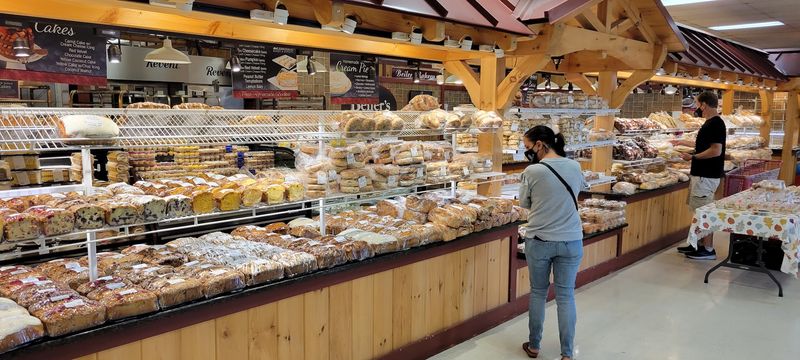
The bakery case is where good intentions go to retire. Doughnuts, whoopie pies, cakes, breads, and pastries form a colorful first argument for abandoning restraint, while the aroma from the barbecue counter delivers the second.
By the time the soft pretzels appear, the sensible grocery list no longer has much authority. This South Jersey market gathers more than a dozen vendors selling fresh meats, cheese, deli goods, produce, salads, candy, seafood, flowers, gifts, soaps, and prepared meals.
The bakery is a natural starting point, while the meat, cheese, produce, and deli counters help turn the visit into a full grocery run. For lunch, look toward the barbecue stands or the sit-down restaurant.
Rotisserie-style meats, ribs, chicken, sandwiches, comfort-food sides, and fresh pretzels give visitors plenty to eat before confronting the dessert counters. Seafood vendors add crab cakes and other coastal favorites to a lineup that otherwise leans heavily toward Pennsylvania Dutch cooking.
The market operates Thursday through Saturday, and it becomes busiest as the weekend approaches. Friday offers longer browsing time, while an early Saturday visit provides the best chance of finding bakery favorites before the crowds thicken.
Each counter functions as its own business, so plan to make several transactions. A cooler is useful, but an empty back seat may prove even more important once the meat, cheese, produce, and pastry boxes begin multiplying.
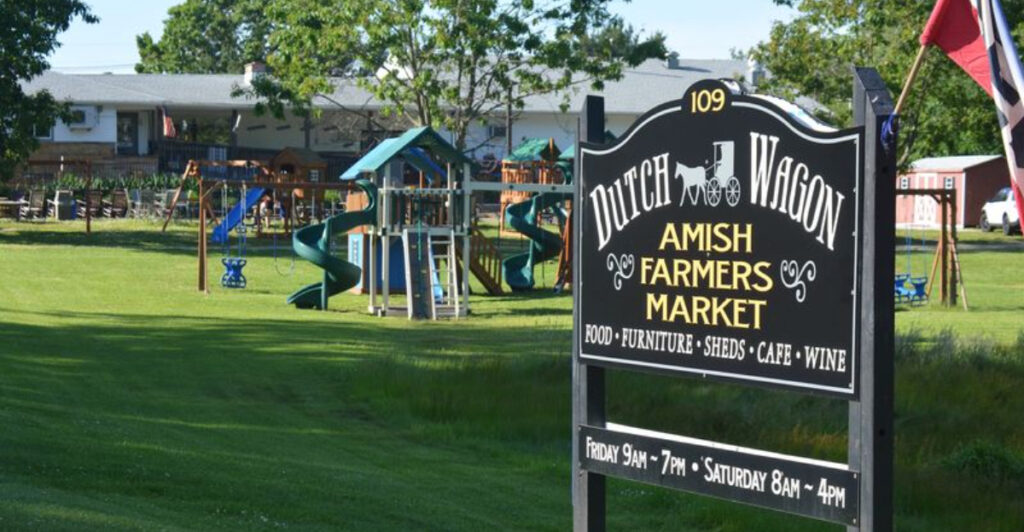
6. Dutch Wagon Amish Market – Medford
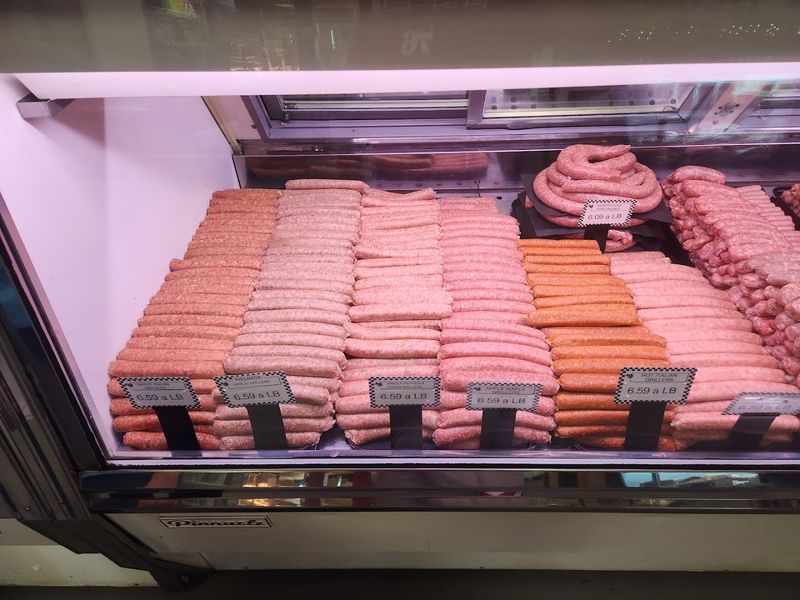
Small size works in this Medford market’s favor. There are fewer aisles to wander and fewer distractions between you and the important decisions: which bacon to buy, how many pretzels count as excessive, and whether a container of homemade salad can reasonably be considered dinner.
The Dutch Wagon opens only on Fridays and Saturdays, creating a concentrated burst of weekly shopping. Its vendors cover the essentials of an Amish market—fresh poultry and meat, eggs, cheese, deli items, baked goods, candy, salads, hot foods, and soft pretzels—without the scale or commotion of some larger destinations.
That makes it particularly handy for shoppers who want quality food without committing an entire afternoon. Seasonal produce adds a strong local angle, with vegetable plants, herbs, flowers, regional specialty foods, local honey, sauces made with Jersey tomatoes, and seafood rounding out the selection.
In peak summer, the Jersey tomatoes and fresh produce alone justify pulling off Route 70. Grab hot food or a pretzel first, then shop the cold counters so meat and dairy spend less time out of refrigeration.
Friday has the advantage of evening hours, while early Saturday is better for the widest bakery and produce selection. The market is easy to pass while driving, so watch for the entrance.
Once inside, the compact layout makes it possible to shop quickly—provided the bakery does not slow you down.
7. Berlin Farmers Market – Berlin
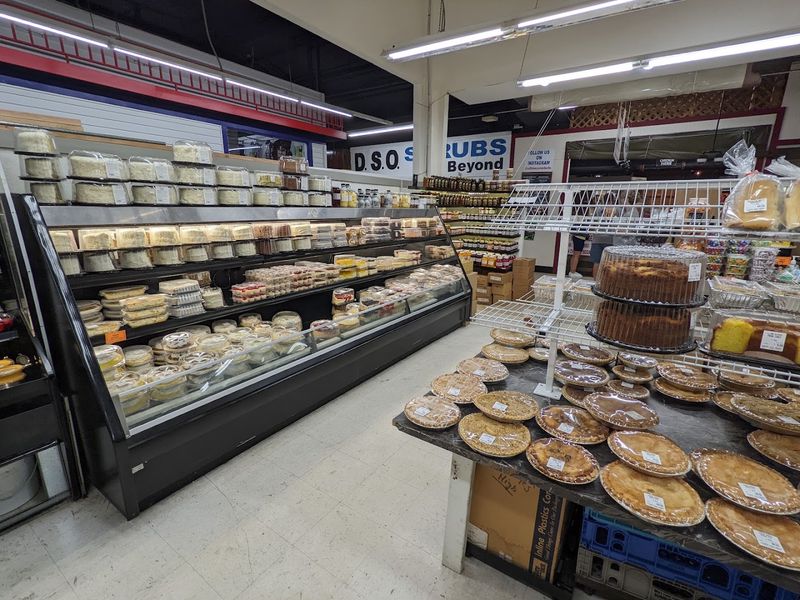
Fresh produce shares the stage with tattoo shops, sneaker sellers, phone repair counters, collectibles, furniture, and hundreds of outdoor flea-market spaces. It sounds improbable until you step inside Berlin Farmers Market, where the mix has been part of the attraction for generations.
This is less a curated food hall than a South Jersey choose-your-own-adventure. The indoor market contains dozens of businesses, including food vendors offering groceries, snacks, meals, sweets, and ingredients to take home.
Outside, the flea market expands the hunt with seasonal produce, plants, food stands, antiques, tools, clothing, and household finds spread across long rows. Food lovers should treat the visit as a grazing expedition.
Begin indoors, where permanent counters are easier to navigate, then move outside for produce and whatever food vendors happen to be operating that weekend. The constantly shifting outdoor lineup means no two visits are quite identical, and that unpredictability is the point.
You might arrive for tomatoes and leave discussing the merits of a vintage mixing bowl found three aisles away. The indoor shopping center opens Thursday through Sunday, while the outdoor market operates Friday through Sunday.
Saturday morning brings the broadest selection and the largest crowds. Arrive early during hot weather, since outdoor vendors may wind down before the official closing time.
Parking is plentiful but the property is large, so remember where you left the car.
8. Cowtown Farmers Market – Pilesgrove
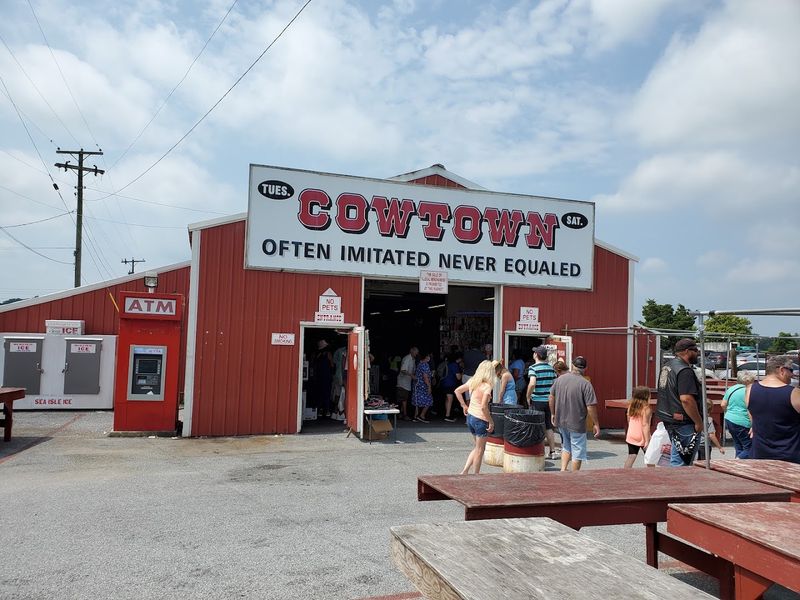
A livestock auction launched this Salem County landmark in 1926. A century later, the livestock is gone, but the market still has the scale, grit, and glorious unpredictability of an old-fashioned trading day.
Hundreds of indoor and outdoor vendors can fill the property, offering everything from produce and pantry goods to clothing, tools, collectibles, and hot food. Cowtown operates every Tuesday and Saturday throughout the year, rain or shine.
Heated indoor buildings provide shelter when the weather turns, while outdoor rows expand the hunt on pleasant days. Food vendors are scattered throughout, so the smell of grilled meat, fried snacks, and other market-day staples has a habit of changing the route you planned to take.
This is not the place for delicate browsing in polished surroundings. It is built for shoppers who enjoy digging, comparing, and following a crowd toward whichever stand is producing the most promising aroma.
Produce, meats, baked goods, spices, snacks, and prepared foods can appear among the permanent and rotating vendors, but selection varies. That variation is part of the deal.
Arrive close to the morning opening for better parking, cooler temperatures, and first choice outside. Tuesday is often less hectic than Saturday, while Saturday can be paired with the seasonal Cowtown Rodeo.
Comfortable shoes are mandatory, cash is useful, and pets should stay home. Give yourself more time than expected; “one quick lap” is a deeply optimistic concept here.
9. Delicious Orchards – Colts Neck
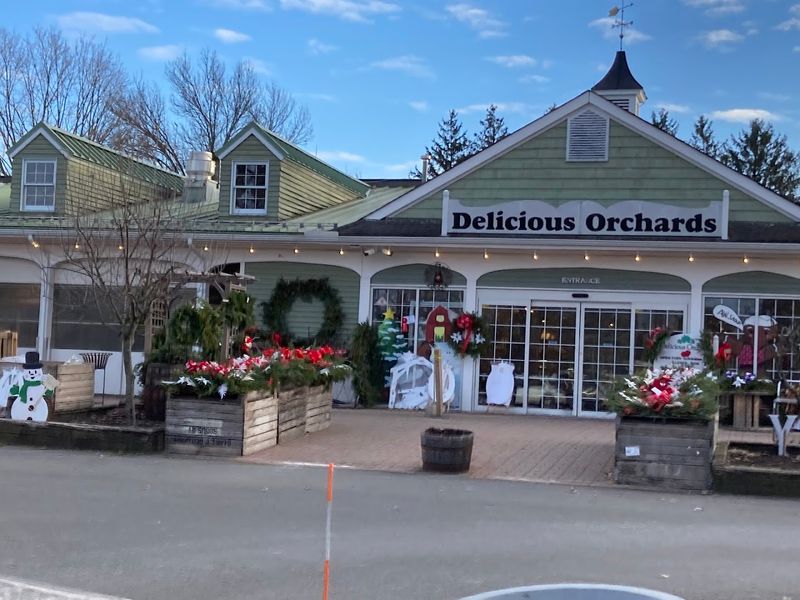
The scent of apples arrives before the full scale of the place does. Then come the pyramids of fruit, the bakery counters, shelves of specialty groceries, prepared foods, fresh-ground peanut butter, and enough pies to make choosing one feel unfair to the others.
Delicious Orchards began as a farm market and has grown into a Colts Neck food destination where grocery shopping and gift-box temptation overlap. The produce department remains central, especially when Jersey corn, tomatoes, peaches, and apples are in season.
Yet many visitors head straight toward the bakery for apple cider doughnuts, pies, cookies, Danish rings, biscuits, coconut buns, Irish soda bread, and other house-made treats. The fresh-pressed cider is another signature, worth picking up even when autumn is months away.
A juice and smoothie bar and on-site café make it possible to pause for a drink or light meal, while prepared foods, meats, seafood, cheeses, breads, and pantry items can cover dinner with minimal effort. Prices can run higher than at a basic supermarket, so this is best approached as a quality-first market rather than a bargain hunt.
Weekends and the weeks before major holidays can become extremely busy, particularly around the bakery. Visit on a weekday when possible, and place holiday pie orders well ahead.
The parking lot is large, but so are the crowds when apple season and Thanksgiving collide.
10. Springdale Farm Market – Cherry Hill
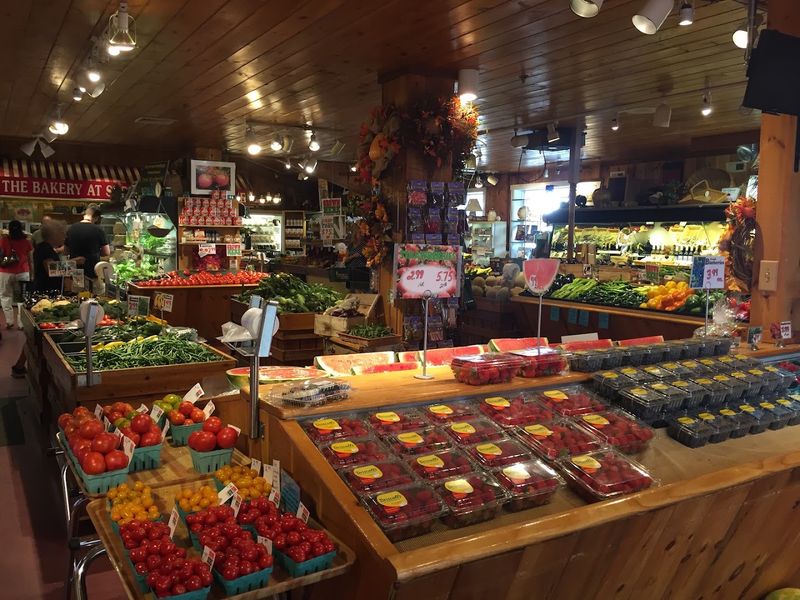
Corn does not travel far before reaching the bins here. Springdale Farms is Cherry Hill’s last working farm, a surviving stretch of cultivated land surrounded by suburban development, and the produce market still feels connected to what is growing just beyond its doors.
The family has farmed along Springdale Road since 1949, selling seasonal fruits and vegetables while expanding the market to include a bakery, plant yard, gifts, garden supplies, and family events.
Summer is the headline season, when Jersey corn, tomatoes, blueberries, peppers, squash, and other warm-weather crops arrive in abundance.
The pleasure lies in seeing the selection change as the calendar moves rather than expecting every product every week. Do not overlook the bakery.
Breads, muffins, cookies, cakes, pies, and other treats give shoppers an easy excuse to reward themselves for purchasing vegetables. The market is also useful for gardeners, with herbs, flowers, vegetable plants, hanging baskets, and seasonal decorations appearing throughout the year.
Autumn changes the rhythm, bringing pumpkins, hayrides, fall displays, and families making an event of the visit. Those weekends can become crowded, so food-focused shoppers may prefer a weekday morning.
The farm market is open daily during its main season, with on-site parking and enough variety to justify a trip beyond a standard produce run. Buy what looks best rather than arriving fixated on one item; the season decides what gets top billing.
11. Dreyer Farms – Cranford
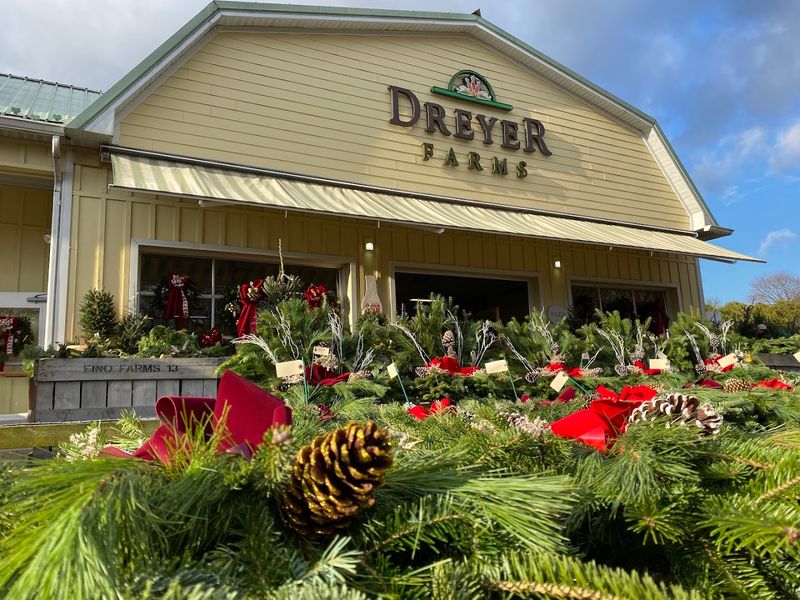
It is unusual to find a working farm and garden center woven so tightly into a Union County suburb, yet Dreyer Farms has occupied its Cranford corner since 1904.
The surrounding roads may feel thoroughly residential, but the farm stand still marks the seasons with corn, tomatoes, flowers, pumpkins, and whatever the fields and kitchen are producing that week.
Fresh produce is the foundation, supplemented by goods from partner farms when needed. The selection shifts throughout the year, making the “what’s in season” board more useful than a rigid shopping list.
Summer brings the ingredients for tomato sandwiches and corn-heavy dinners; fall leans toward apples, squash, pumpkins, and cooler-weather cooking. The bakery gives visitors another reason to stop.
Apple cider mini doughnuts are made fresh daily, alongside rotating pies, breads, desserts, and other baked goods. Preordering is smart when you need a particular pie or a larger quantity.
A prepared-food kitchen also turns seasonal ingredients into ready-made dishes, soups, salads, sides, and treats, with the lineup changing according to availability. The nursery section is substantial, so a visit can easily shift from groceries to herbs, flowers, houseplants, or plans for a backyard vegetable garden.
Dreyer Farms generally operates from early spring until late December, closing during the deepest part of winter. Weekday mornings are relaxed, while fall weekends draw more families.
Parking is available, but the lot can fill quickly when pumpkins and cider doughnuts reach peak persuasive power.
12. Montclair Farmers Market – Montclair
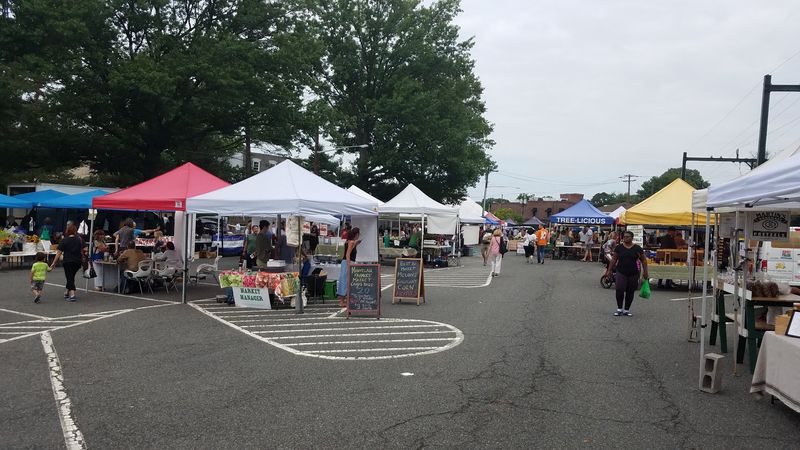
Saturday mornings at the Walnut Street train station have their own soundtrack: paper bags rustling, dogs greeting one another, farmers explaining unfamiliar greens, and someone inevitably asking whether the last loaf has already been claimed.
Since launching in 1993, the market has become less of an occasional event and more of a weekly Montclair ritual.
The vendor lineup balances farm staples with food worth eating immediately. Depending on the season and week, shoppers can find fruits, vegetables, meat, poultry, fish, cheese, honey, flowers, pickles, wine, condiments, baked goods, and prepared meals.
That breadth makes it equally useful for filling the refrigerator and assembling an impromptu breakfast while walking between stalls. Summer delivers the biggest produce display, with tomatoes, corn, stone fruit, berries, herbs, and greens changing rapidly through the growing season.
Cooler months bring roots, apples, winter vegetables, bread, meat, pantry goods, and other products that keep the market active rather than shutting it down. The year-round schedule is a major advantage.
Summer hours begin earlier and run longer, while the winter market opens later on Saturdays. Arrive near opening time for popular baked goods and the widest produce selection, or come later for a more relaxed social lap.
The train-station location is convenient for walkers and transit users, though drivers should allow time for neighborhood parking.
13. Paterson Farmers Market – Paterson
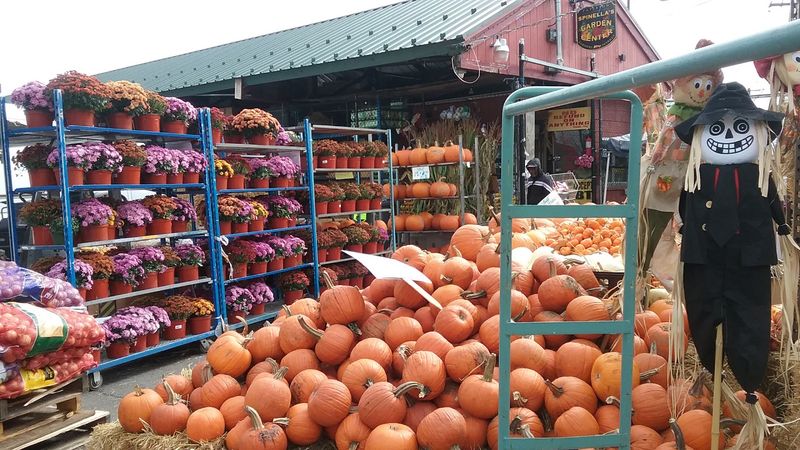
Forget the picture-perfect village green. Paterson’s market is a practical urban produce district built around East Railway Avenue, where shoppers come for volume, variety, international ingredients, and prices that can make a supermarket produce aisle look needlessly precious.
The market traces its roots to the early 1930s and includes several produce businesses and seasonal farm vendors clustered in the same area.
Fresh fruits and vegetables dominate, but shoppers may also encounter nuts, beans, herbs, eggs, meat, poultry, seafood, flowers, plants, coffee, juices, and groceries serving Paterson’s diverse communities.
This is an especially rewarding stop for cooks who move beyond a predictable weekly menu. Tropical fruit, cooking greens, peppers, roots, herbs, bulk produce, and Latin American or Caribbean ingredients can appear alongside familiar Jersey crops.
Buy with a dish in mind, but remain open to changing dinner plans when a crate of ripe mangoes, inexpensive plantains, or particularly good tomatoes comes into view.
Different businesses and farm stands may keep different hours, although parts of the market operate year-round and seasonal growers commonly appear on weekends.
Morning is the best time for a broad selection and easier maneuvering. Bring cash as a backup, compare quality and price across vendors, and keep reusable bags sturdy enough for serious produce weight.
This is a working market rather than a leisurely artisan fair, which is precisely why committed home cooks should know it.
14. Collingswood Farmers’ Market – Collingswood
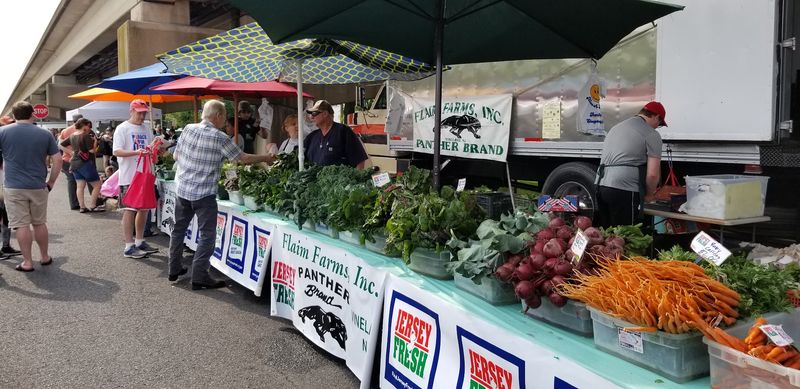
The PATCO trains rumbling overhead are not background noise so much as part of the market’s identity.
Every Saturday morning from May through Thanksgiving, farmers and food makers line Atlantic Avenue beneath the elevated tracks, turning an ordinary transit corridor into one of South Jersey’s most recognizable weekly gatherings.
Produce leads the way, with the season progressing from spring greens and strawberries to blueberries, peaches, tomatoes, corn, apples, squash, and late-fall vegetables.
Bakers, cheesemakers, meat producers, prepared-food vendors, and other artisans round out the weekly roster, although not every vendor attends every date.
Checking what is available that weekend can be useful when a specific loaf, cheese, or farm is the main objective. The market has a playful community streak.
Produce-themed opening-day festivities and seasonal pie contests give regulars reasons to linger beyond their shopping, while food-donation efforts and volunteer programs keep the event tied closely to the borough. Hours run from morning until noon, and early arrival is essential for the best baked goods and delicate produce.
Parking can be found along portions of Atlantic Avenue, on nearby streets, and in surrounding lots, while the Collingswood PATCO station makes the market especially easy to reach without a car. Bring a list, but leave room for whichever pie, pastry, or perfect peach disrupts it.