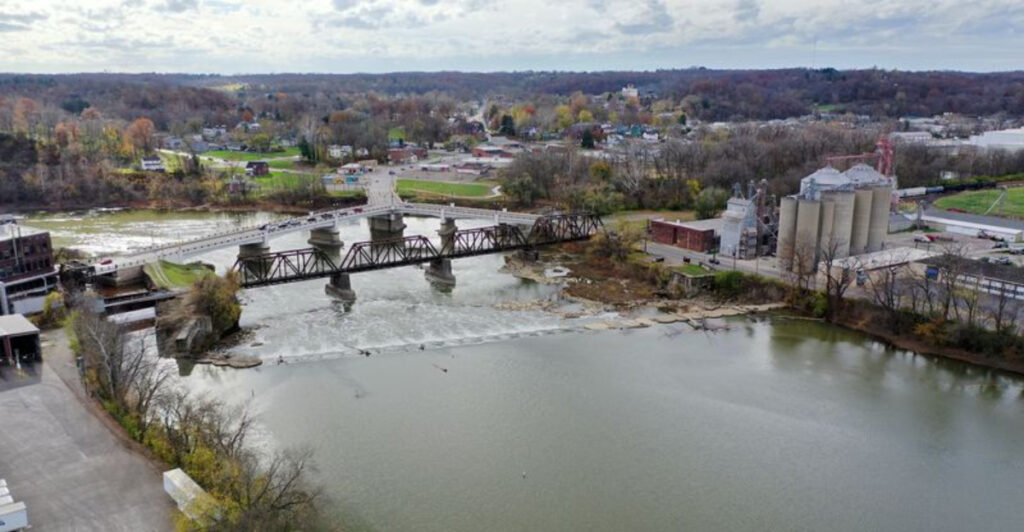
If your 2026 Ohio road trip needs something more memorable than another chain exit and another rushed coffee stop, the state’s locks and dams offer a surprisingly satisfying kind of detour, one where river engineering, local history, and wide open scenery come together in ways that feel both practical and cinematic. You get the kind of places where barges slide through chambers with quiet precision, where river towns reveal their older working identities, and where a quick stop can turn into an hour of watching water, reading plaques, and noticing how deeply the Ohio River and Muskingum system shaped the communities around them.
What makes these stops especially worth your time is that they are not polished distractions pretending to be authentic attractions – they are the real thing, still connected to navigation, labor, landscape, and everyday life in Ohio, which gives even a simple overlook or museum room a stronger sense of place than many larger tourist sites ever manage. If you like your travel with a little motion, a little history, and the feeling that you found something most people speed past, these nine lock and dam stops across Ohio deliver exactly that, giving you excellent excuses to leave the highway, breathe in the river air, and see a side of the state that feels grounded, mechanical, scenic, and genuinely rewarding.
1. New Cumberland Locks and Dam, Stratton
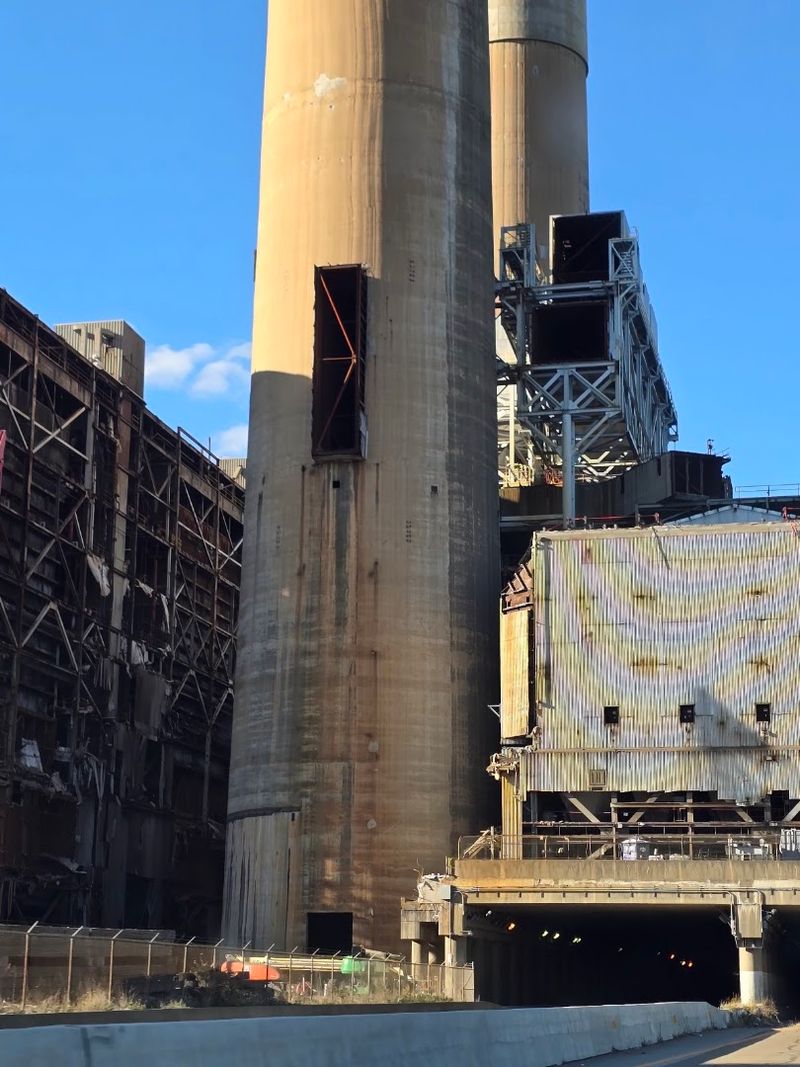
If you are driving through eastern Ohio and want a detour that feels genuinely tied to the landscape, this stop gives you exactly that. The river does not rush your experience here, and that slower rhythm makes it easier to appreciate how much planning and labor went into shaping navigation along this stretch.
I like places like this because they feel useful first and impressive second, which somehow makes them even more memorable.
Once you get near New Cumberland Locks and Dam, the scale starts to register in a way photos rarely capture. You can watch the water levels, the gates, and the movement of commercial traffic and quickly understand that this is not just a scenic backdrop but part of a working system that still matters.
That practical edge gives the stop a sense of purpose, and you end up paying closer attention than you might at a more polished attraction.
Stratton adds another layer because it keeps the outing grounded in small-town Ohio rather than turning it into a stand-alone river overlook. A quick visit can easily expand into a longer pause if you enjoy photography, transportation history, or simply standing somewhere that feels calm but not empty.
The combination of steel, concrete, moving water, and broad sky creates the kind of contrast that sticks with you.
For a 2026 detour, this one works best when you let yourself slow down and watch instead of checking it off too quickly. Bring a drink, give yourself time, and notice how the river traffic changes the mood from one minute to the next.
In a state full of overlooked infrastructure, New Cumberland makes a strong case for why these working river sites deserve more curiosity from travelers like you.
2. Hannibal Locks and Dam and Visitors Center, Hannibal
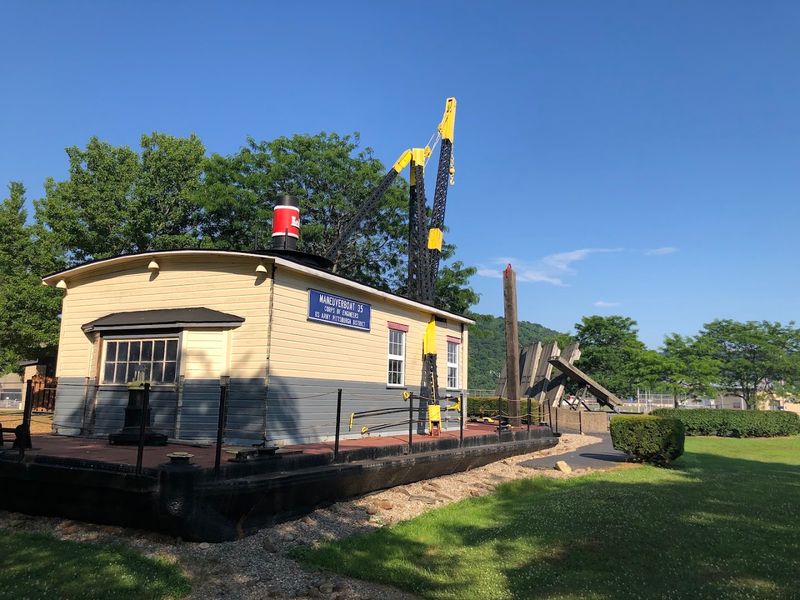
Some detours win you over because they offer more than one way to enjoy the stop, and this is one of them. You get the spectacle of the river infrastructure itself, but you also get a visitors center that helps explain what you are seeing without making the experience feel overly formal.
That mix is perfect if you want something educational that still feels relaxed and easy on a road trip.
The real fun begins when a barge or tow approaches the lock and the whole place shifts from quiet observation to active process. Watching the chamber operation gives you a much better understanding of river commerce than any quick textbook summary ever could.
I think that is what makes Hannibal memorable – you are not just reading history, you are watching an ongoing system do its job.
The visitors center gives this stop extra staying power because it turns a simple overlook into a fuller experience. Displays, views, and context help you connect the engineering to the broader story of Ohio River travel, industry, and community life.
If you are traveling with kids, curious adults, or anyone who likes to know how things work, that added layer makes a difference.
Hannibal itself feels like the right setting for this kind of stop, small enough to keep the focus on the river but rooted enough to remind you that these structures serve real places. It is an easy detour to recommend for 2026 because it rewards both short visits and longer pauses.
When you leave, you are likely to remember not just the view but the sequence of motion, timing, and control that keeps the river moving.
3. Willow Island Locks and Dam, Newport
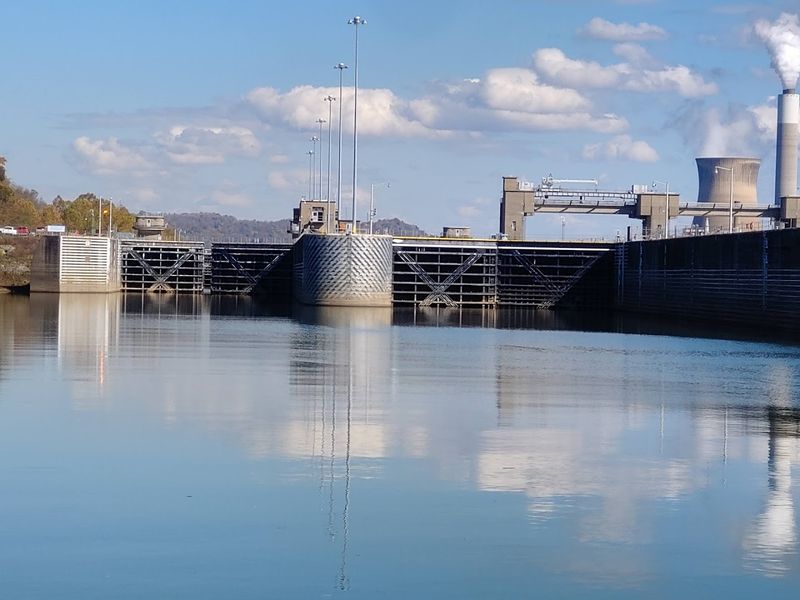
There is something especially appealing about a stop that feels slightly out of the way yet fully worth the turn, and this one fits that mood well. The setting near Newport gives you a quieter encounter with the river, where the machinery and the natural scenery share the frame instead of competing for attention.
If you like detours that feel discovered rather than announced, this is a satisfying choice.
At Willow Island Locks and Dam, the geometry of the structure stands out against the softer edges of the shoreline and sky. You can spend a surprising amount of time simply watching how the water behaves around the lock and how the scale changes when a vessel enters the scene.
That contrast between stillness and movement is what keeps your attention longer than you expect.
Because this stop is not built around heavy tourism, it can feel more personal and less scripted, which I think many travelers appreciate. You are free to notice details at your own pace, whether that is the sound of the water, the shape of the gates, or the broad view downriver.
It is the kind of place that rewards patience, especially if you enjoy taking photographs or sitting quietly for a while.
For a 2026 Ohio detour, this stop works beautifully as a reset between bigger attractions or longer driving stretches. It gives you a direct connection to the working river without asking for much planning or fanfare.
By the time you pull away from Willow Island, you may find that the stop stayed with you not because it was flashy, but because it felt honest, spacious, and distinctly tied to this part of Ohio.
4. Captain Anthony Meldahl Locks and Dam, Felicity
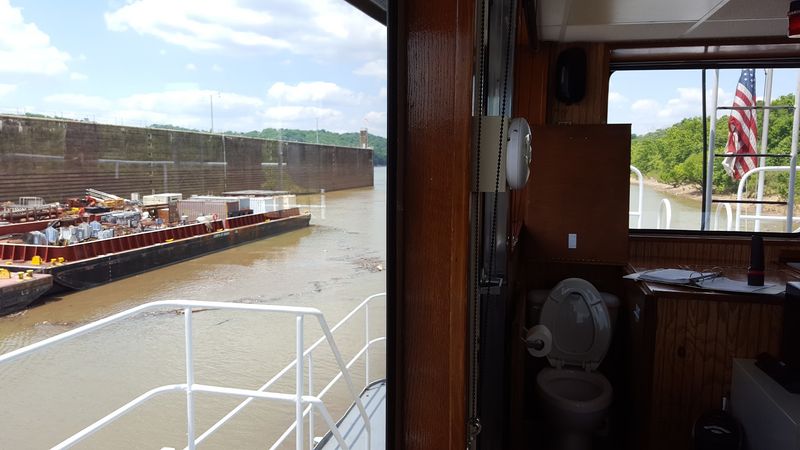
Not every worthwhile stop announces itself with classic tourist charm, and that is exactly why this one belongs on the list. The appeal here comes from scale, function, and the way the river landscape suddenly feels more legible once you are standing near a major navigation structure.
If you enjoy seeing how infrastructure shapes geography, this detour gives you plenty to think about.
The site near Felicity has a strong working-river presence, and that matters more than any decorative feature could. Watching the relationship between the lock, the dam, and the steady flow of the Ohio River helps you understand that movement across this region has always depended on careful control as much as open water.
Captain Anthony Meldahl Locks and Dam is the kind of place where engineering feels physical, not abstract.
What I find most interesting is how the stop changes your sense of distance and direction. A map can show the river corridor, but standing here lets you feel how communities, industry, and transportation all lean on the same channel.
That makes the visit more than a quick scenic break, because you leave with a stronger sense of how this section of Ohio fits into a larger network.
As a 2026 detour, this works especially well for travelers who want something different from the usual town square or museum loop. You are trading crowds for observation and polished entertainment for real operational purpose, which can be far more rewarding.
Give yourself time to look, listen, and watch the water patterns, and Felicity becomes more than a waypoint – it becomes one of those stops that quietly reframes the whole trip.
5. Chilo Lock 34 Park and River Museum, Chilo
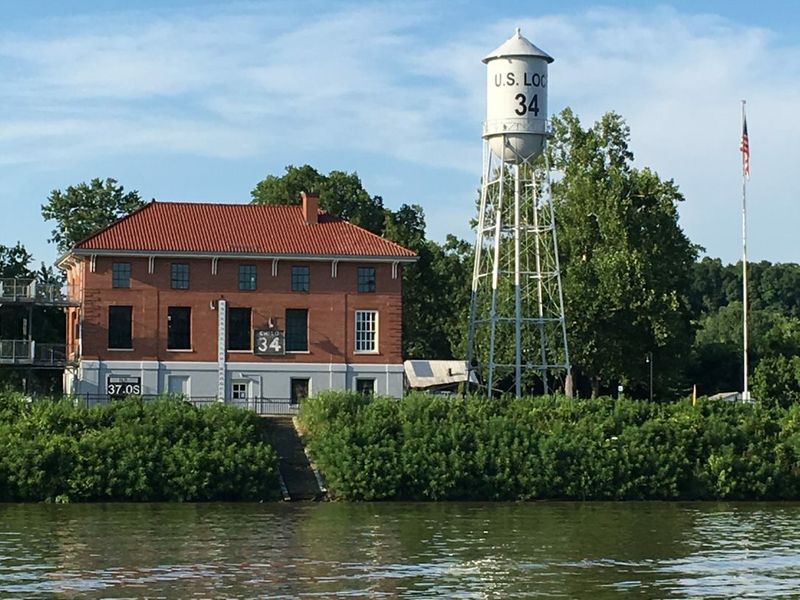
If you want a stop that balances river history with a more visitor-friendly setting, this one is easy to love. You are not just looking at infrastructure from a distance here, because the park and museum help translate the bigger story into something personal and approachable.
That makes it ideal when you want your detour to feel both scenic and genuinely informative.
The outdoor setting gives you room to wander, pause, and connect the museum experience to the river right in front of you. Seeing the old lock area while learning about earlier navigation systems helps you understand how dramatically travel and commerce changed along the Ohio River.
Chilo Lock 34 Park and River Museum does a good job of making that history feel lived in rather than remote.
I especially like stops where you can shift between exhibits and fresh air without losing the thread of the story. Here, that rhythm works beautifully because the landscape itself becomes part of the interpretation, and you can imagine how the river once structured daily life for nearby communities.
It is the kind of place where families, history fans, and casual travelers can all find something to hold onto.
For a 2026 Ohio itinerary, this is one of the strongest detours if you want substance without a lot of hassle. You can keep the visit short, or you can linger and let the museum context deepen what you are seeing outside.
By the time you leave Chilo, you are likely to feel that you visited more than a roadside attraction – you stepped into a river story that still shapes how this part of Ohio understands itself.
6. Luke Chute Lock and Dam No. 5, Waterford
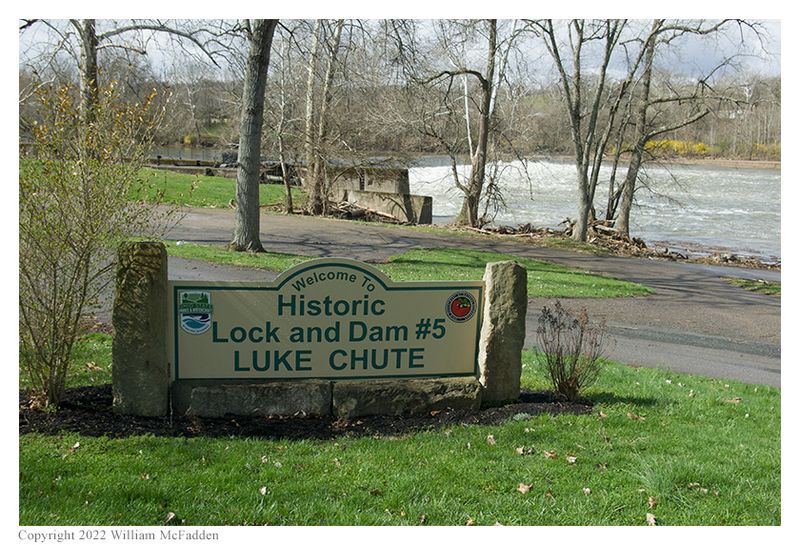
Some of the best Ohio detours are the ones that reveal a quieter chapter of transportation history, and this stop does that beautifully. Instead of the broad commercial drama of the main Ohio River, you get a more intimate encounter with the Muskingum system and the legacy of river improvement inside the state.
That difference gives the visit a distinct personality and a slower, more reflective mood.
Standing near this lock and dam, you can see how engineering on a smaller river still carried enormous importance for trade, travel, and local development. The structure feels connected to an earlier era, yet it still holds your attention because the relationship between water level, channel control, and movement is so easy to grasp on site.
Luke Chute Lock and Dam No. 5 turns technical history into something visual and immediate.
Waterford is the right setting for this kind of stop because it keeps the experience rooted in Ohio rather than abstracted into a general lesson. You are reminded that rivers shaped towns one by one, not just regions on a map, and that each lock had its own role in making movement possible.
I think that local scale is what makes this detour especially satisfying for curious travelers.
In 2026, this is a smart stop for anyone building a scenic route through southeastern Ohio with a little depth built in. It pairs well with wandering, photography, and the kind of travel day where you want a meaningful pause instead of a rushed attraction.
Leave room in your schedule, because once Waterford starts telling its river story, you may want to stay longer than planned.
7. McConnelsville Lock and Dam No. 7, McConnelsville
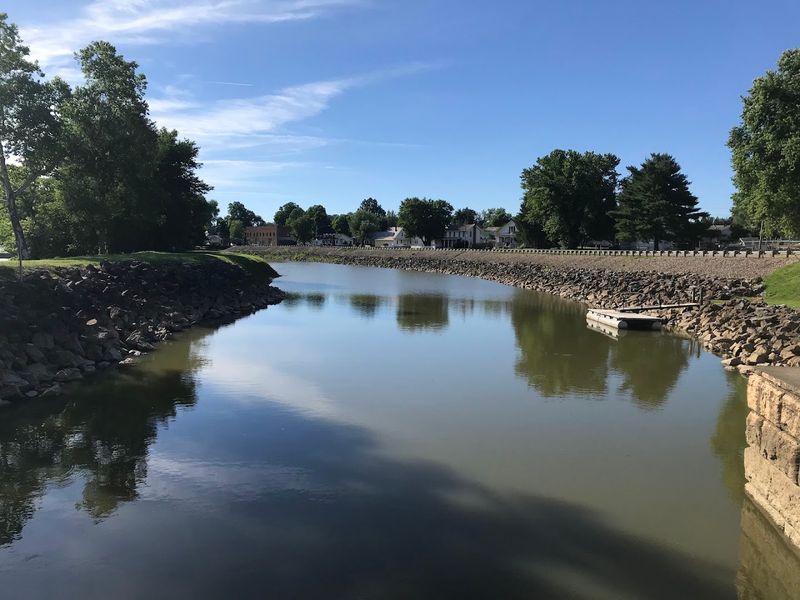
A great detour often gives you two experiences at once, and this one does exactly that. You get a fascinating piece of river infrastructure, but you also get the charm of a community that still feels connected to its waterfront history.
That pairing makes the stop easy to recommend if you like practical landmarks with a strong sense of place.
Near the lock and dam, the Muskingum River feels measured and purposeful, almost as if the landscape is demonstrating its own logic. Watching the structure in context helps you understand why these improvements mattered so much to towns trying to move goods and people efficiently through Ohio.
McConnelsville Lock and Dam No. 7 is not flashy, but it rewards attention in a deeper way.
The town itself strengthens the visit because it adds walkable character to the engineering story. After taking in the river views, you can better imagine how commerce, scheduling, and seasonal change once revolved around water conditions and lock operations.
I always think that kind of mental reconstruction is part of the fun, especially in places where history still feels visible instead of buried.
As a 2026 stop, this one is ideal for travelers who want their route to include places that feel grounded, regional, and a little underappreciated. It invites you to slow down, look closely, and connect the mechanism in front of you to the life of the town beside it.
McConnelsville proves that a lock and dam detour can offer much more than a nice view – it can give your whole day a stronger sense of story.
8. Philo Lock and Dam No. 9, Duncan Falls
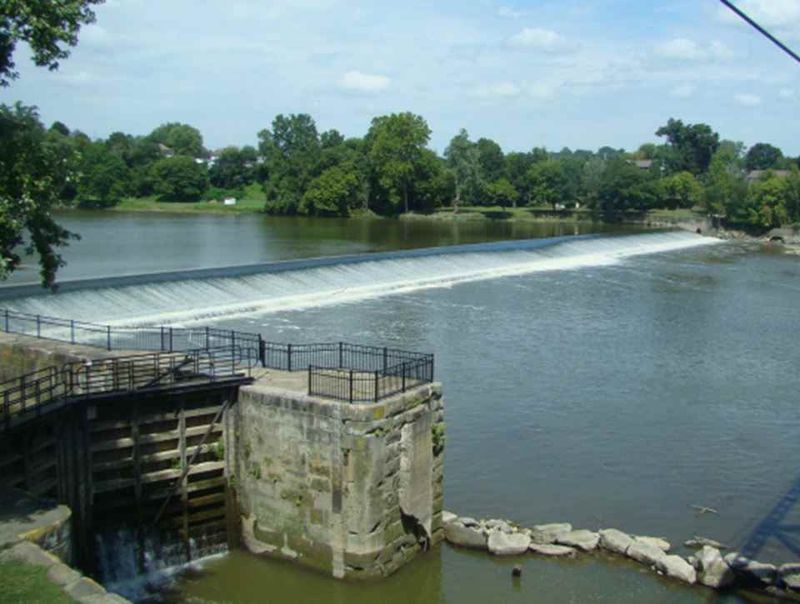
When a road trip calls for a stop that feels both niche and genuinely worthwhile, this one fits the brief. The appeal is not about crowds or polished entertainment, but about seeing a working idea from Ohio’s river past still expressed clearly in the landscape.
If you enjoy places that reward curiosity, this detour can be far more engaging than it first appears.
The setting near Duncan Falls helps keep the experience quiet enough to notice details that might otherwise blur together. You can take in the lock structure, the water control features, and the way the river corridor frames the whole scene without a lot of distraction.
Philo Lock and Dam No. 9 gives you the chance to appreciate how local transportation systems once depended on a chain of carefully managed points like this one.
What makes the stop stick with you is the combination of modest scale and historical weight. It is easy to imagine freight, schedules, weather, and river levels all influencing daily life in ways modern travelers rarely consider.
That thought alone can turn a brief visit into one of the more interesting pauses on your route through Ohio.
For 2026, this is the kind of detour I would suggest to anyone who prefers meaningful places over obvious ones. You do not need a huge time commitment to get something from it, but giving it a little extra attention pays off.
By the time you leave Duncan Falls, the lock and dam may seem less like an isolated structure and more like a surviving clue to how movement, labor, and settlement once fit together in this part of the state.
9. Zanesville Lock and Dam No. 10, Zanesville
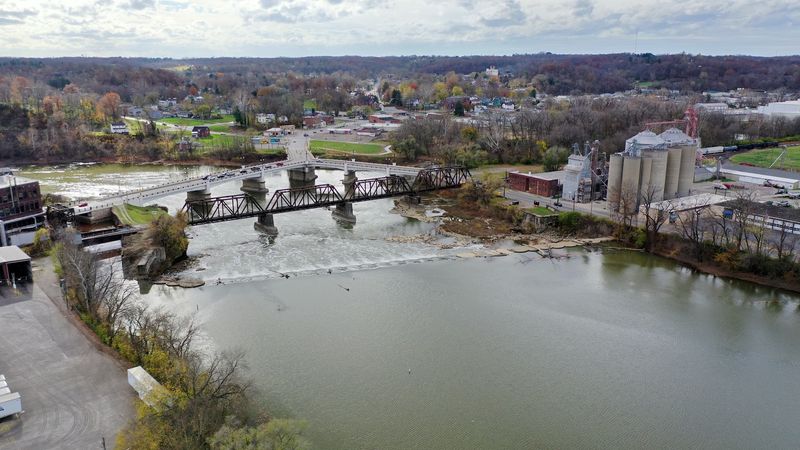
If you want your river detour to come with a little more urban context, this is a strong way to end the list. The stop lets you connect Ohio’s lock history to a city that has long been shaped by water, transportation, and regional movement.
That combination gives the visit both visual interest and a broader historical frame.
At the site, you can sense how the lock and dam system helped organize access and opportunity along the Muskingum. Even if you arrive knowing only the basics, the structure quickly communicates the practical ambition behind these projects and the reason they mattered to inland Ohio.
Zanesville Lock and Dam No. 10 works because it links engineering to a recognizable community story.
What I like most is the contrast between the built environment and the steady logic of the river itself. You are not just looking at an isolated relic, because the city around it helps show how navigation improvements supported growth, exchange, and everyday life over time.
That makes the stop feel layered in a way many scenic overlooks never quite achieve.
For a 2026 detour, this one is especially useful if you want to pair river history with food, downtown wandering, or other Zanesville attractions nearby. It can anchor a fuller outing while still standing on its own as a worthwhile place to pause and look closely.
Leave a little room in your schedule, because once you start reading the river through this site, Zanesville begins to feel richer, older, and more interconnected than a quick pass-through would ever suggest.