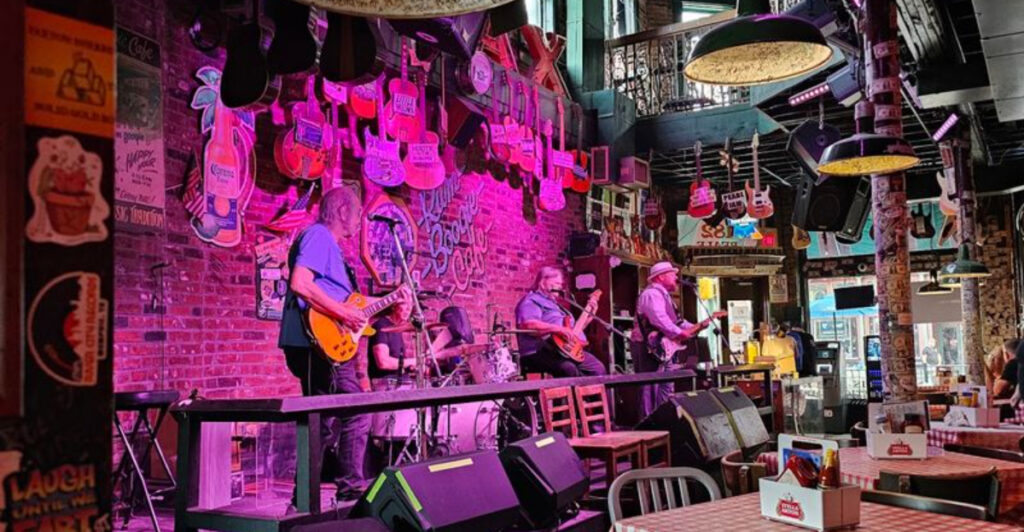
Right in the heart of Beale Street sits a Memphis landmark that serves up live blues, legendary memorabilia, and some seriously good Cajun cooking all under one roof. Rum Boogie Cafe isn’t your average tourist trap—it’s where music history hangs from every corner, including a jaw-dropping collection of guitars signed by artists who’ve shaped American music. Whether you’re craving award-winning seafood gumbo or hoping to catch a killer horn section live on stage, this iconic spot delivers an experience that’s pure Memphis magic.
A Collection of 200 Signed Guitars Hanging From the Ceiling
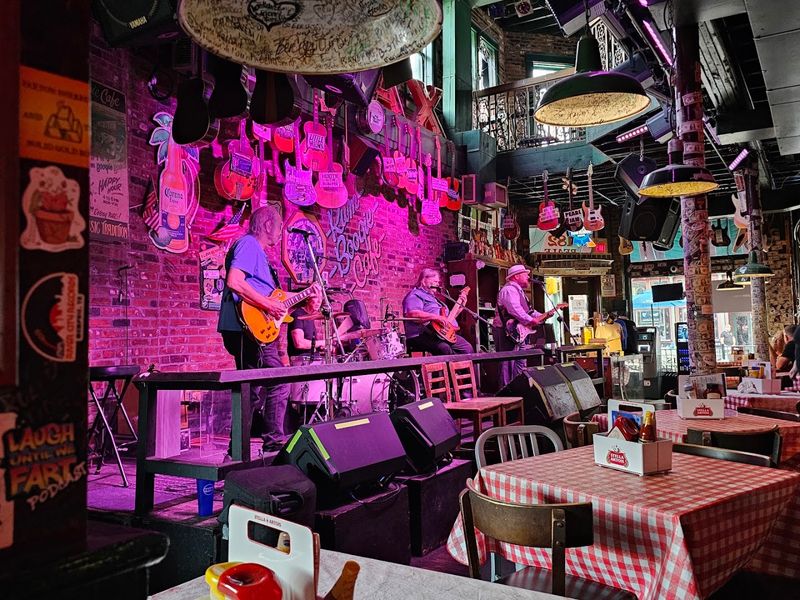
Walk into Rum Boogie Cafe and prepare to spend your first ten minutes staring straight up. Guitars cover every available inch of ceiling space, each one autographed by musicians who’ve made their mark on blues, rock, soul, and everything in between. This isn’t some random collection thrown together for decoration—these instruments tell the story of American music one signature at a time.
The collection started organically when touring musicians began leaving signed guitars behind as thank-you gifts for great shows and Southern hospitality. Over the years, that tradition snowballed into what you see today: roughly 200 guitars creating a canopy of musical history. You’ll spot signatures from B.B.
King, Jerry Lee Lewis, and countless other legends who’ve graced Beale Street stages.
What makes this display extra special is how accessible it feels. Unlike museum exhibits behind glass, these guitars hang overhead while you eat pulled pork sandwiches and sip rum drinks. The casual presentation matches the vibe perfectly—this is Memphis, after all, where music history doesn’t need velvet ropes.
Regulars say you could visit a dozen times and still discover new signatures you missed before. The lighting creates shadows that hide certain instruments until you shift your seat or the afternoon sun hits just right. It’s like a treasure hunt for music nerds.
The guitars aren’t organized by genre or era, which adds to the charm. A country star’s acoustic might hang next to a rock legend’s electric, creating visual conversations between different musical worlds. That mix reflects Beale Street itself, where musical boundaries have always been beautifully blurred.
Photography enthusiasts love this spot because every angle offers a different composition. The colorful tablecloths below contrast with the wooden instruments above, and the whole scene practically begs for Instagram documentation. Just don’t get so caught up taking photos that you miss the live band starting their first set.
Isaac Hayes’ Legendary Gold-Trimmed Cape on Display
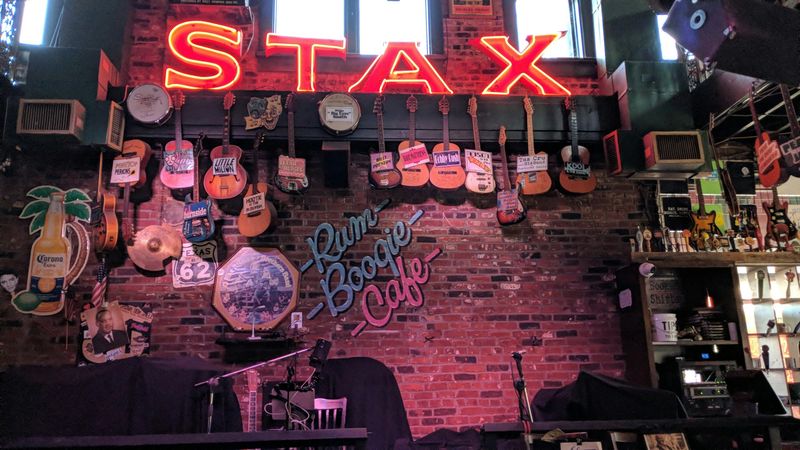
Among all the guitars and neon signs, one piece of memorabilia stops visitors dead in their tracks: the actual cape worn by Isaac Hayes, Memphis soul royalty and the voice behind the Shaft theme song. This isn’t a replica or tribute piece—it’s the genuine article, complete with gold trim and enough swagger to fill the room. Seeing it in person hits different than any photo could capture.
Hayes wasn’t just a musician; he was a cultural icon who defined cool for an entire generation. His stage presence combined showmanship with serious musical chops, and his fashion choices were as bold as his compositions. That cape represents an era when performers didn’t just play music—they created entire experiences.
The cape’s placement at Rum Boogie makes perfect sense when you consider Memphis’s role in shaping American soul music. Hayes recorded at Stax Records just a few miles away, helping create the Memphis Sound that influenced everything that came after. Having his cape here connects Beale Street’s present-day scene to its legendary past.
What’s remarkable is how well-preserved the garment remains. The gold accents still catch the light, and the fabric maintains its dramatic drape. You can almost picture Hayes wearing it on stage, commanding attention before he even hit the first note.
That kind of stage presence is what separated good performers from legends.
Visitors often ask staff about the cape’s backstory—how Rum Boogie acquired it and whether Hayes ever visited the venue. Those conversations become mini history lessons about Memphis music, connecting younger generations to artists they might only know from their parents’ playlists. The cape serves as a conversation starter and a tangible link to musical greatness.
Standing near this piece of Memphis history while live blues pours from the stage creates a powerful moment. You’re literally surrounded by past and present, with the cape reminding you that today’s performers are building on foundations laid by giants like Hayes.
Award-Winning Seafood Gumbo That Earned National Recognition
Here’s something most tourists don’t expect: one of Memphis’s best bowls of gumbo comes from a blues bar on Beale Street. Rum Boogie’s seafood gumbo has racked up awards and turned skeptics into believers, proving that this place takes its kitchen as seriously as its music. The rich, dark roux and perfectly seasoned broth make it worth the trip even if you’re not particularly hungry.
Traditional Louisiana gumbo relies on patience—hours of stirring roux until it reaches that perfect chocolate color without burning. Rum Boogie’s kitchen respects that process, creating a base that’s deep, complex, and slightly smoky. They load it with shrimp and other seafood, letting the proteins shine without drowning in overpowering spices.
What separates good gumbo from great gumbo often comes down to balance. Too much okra makes it slimy; too little seasoning leaves it flat. Rum Boogie nails that sweet spot where every spoonful delivers layers of flavor—a little heat, some sweetness from the seafood, and that unmistakable depth only a proper roux can provide.
The portion sizes lean generous, which makes sense considering you’re fueling up for a night of dancing to live music. Pair it with their rice and beans, and you’ve got a meal that sticks to your ribs without weighing you down. The gumbo also happens to pair beautifully with their signature rum drinks, though iced tea works just as well.
Some reviewers specifically mention coming back just for the gumbo, which says everything about its quality. In a city famous for barbecue and hot chicken, earning recognition for Cajun cooking takes serious skill. The kitchen staff clearly knows their way around Southern cuisine beyond the typical Memphis specialties.
First-timers often order it as an appetizer to share, then immediately regret not getting their own bowl. The gumbo arrives steaming hot with visible chunks of seafood, looking as good as it tastes. It’s the kind of dish that makes you slow down and savor instead of rushing through to the next thing.
Live Blues Music Seven Nights a Week
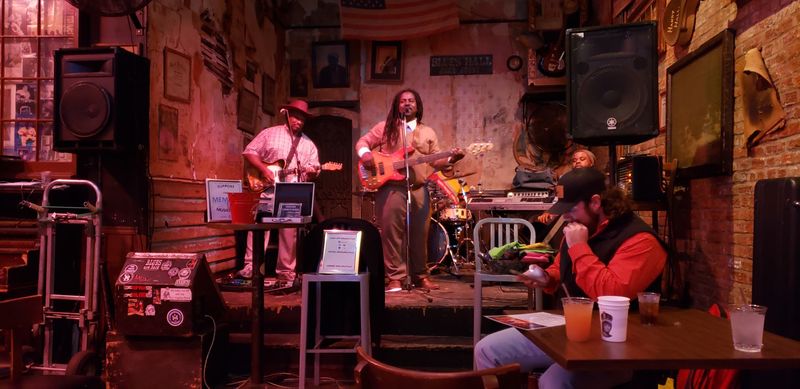
Most bars book bands on weekends and call it good. Rum Boogie brings live music to their stage every single night, treating locals and tourists to authentic Memphis blues performed by seriously talented musicians. The house band Freeworld has earned a devoted following for their versatility and the kind of tight musicianship that only comes from playing together constantly.
What makes these performances special is the full horn section that backs up the core band. That alto sax player reviewers rave about brings a jazz sophistication to traditional blues arrangements, creating moments that give you chills. When the horns hit those punchy accents perfectly in sync, you remember why Memphis music conquered the world.
The band doesn’t just run through greatest hits on autopilot. They take requests, improvise, and adapt their setlist based on the crowd’s energy. One night might lean heavy on B.B.
King classics; another could veer into funky soul territory or even rock covers reimagined with blues swagger.
The venue’s layout deserves credit for making the music work so well. You can post up right near the stage if you want the full concert experience, or grab a table in the back room where the sound softens enough for conversation. That flexibility means couples on dates and rowdy bachelor parties can both enjoy themselves without ruining each other’s nights.
Afternoon performances offer a completely different vibe from the nighttime shows. Sunday afternoon sets tend toward storytelling and music history, with performers like Red Thomas weaving tales between songs. Those daytime shows attract serious music fans who want to focus on the artistry without the party atmosphere.
The musicians clearly love playing here, which comes through in their performances. There’s a joy and authenticity that can’t be faked—these aren’t bored session players punching a clock. They’re keeping Memphis musical traditions alive while putting their own spin on the blues.
That combination of respect for history and creative freedom is what makes Beale Street special.
The Historic Beale Street Location
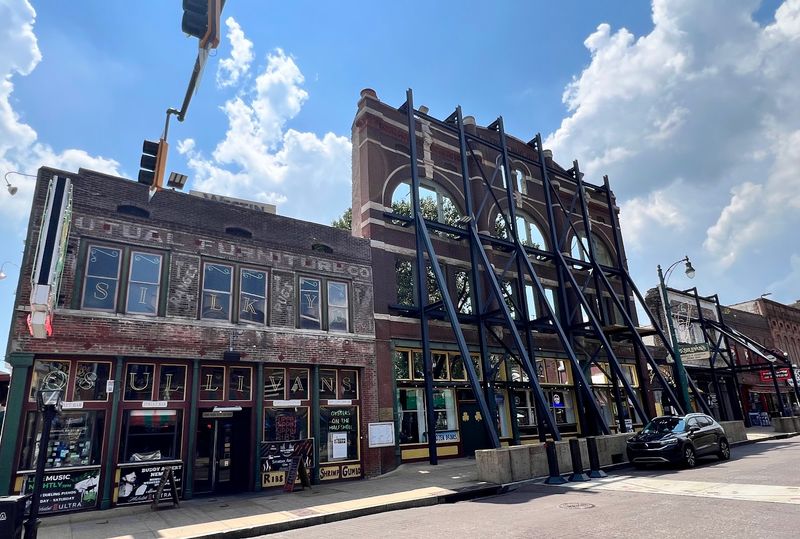
Location matters, especially when you’re talking about American music history. Rum Boogie sits at 182 Beale Street, which puts it smack in the middle of the strip that gave birth to the blues. Walking past the neon signs and hearing music pour from every doorway, you’re literally following in the footsteps of legends who shaped popular music.
Beale Street’s importance to music history can’t be overstated. This is where W.C. Handy published the first blues composition, where young B.B.
King honed his craft, and where countless musicians found their voice. The street survived urban decay and deliberate destruction attempts, emerging as a protected historic district that celebrates its past while staying very much alive.
What separates Rum Boogie from some other Beale Street establishments is its commitment to authenticity. While some spots lean heavy on tourist gimmicks, this cafe maintains genuine connections to Memphis musical traditions. The memorabilia isn’t random décor shipped in from warehouses—it’s actual artifacts from the musicians who built this city’s reputation.
The building itself has character that newer constructions can’t replicate. Brick walls, worn wooden floors, and architectural details that have witnessed decades of music create an atmosphere you can feel the moment you walk in. Even during quiet afternoon hours, the space practically vibrates with accumulated energy from thousands of performances.
Being on Beale means you’re part of something bigger than one venue. You can bar-hop to compare different bands, catch street performers between stops, and soak up the concentrated musical culture that exists nowhere else. Rum Boogie serves as an anchor point for those explorations—a place to start your night or end it, depending on your stamina.
The patio seating offers prime people-watching opportunities. Beale Street attracts everyone from international tourists to locals celebrating birthdays, creating a constantly changing parade of humanity. Watching that scene unfold while sipping a rum drink and listening to blues spill from the doorway captures the essence of Memphis nightlife.
Signature Rum Drinks and Heavy Pours
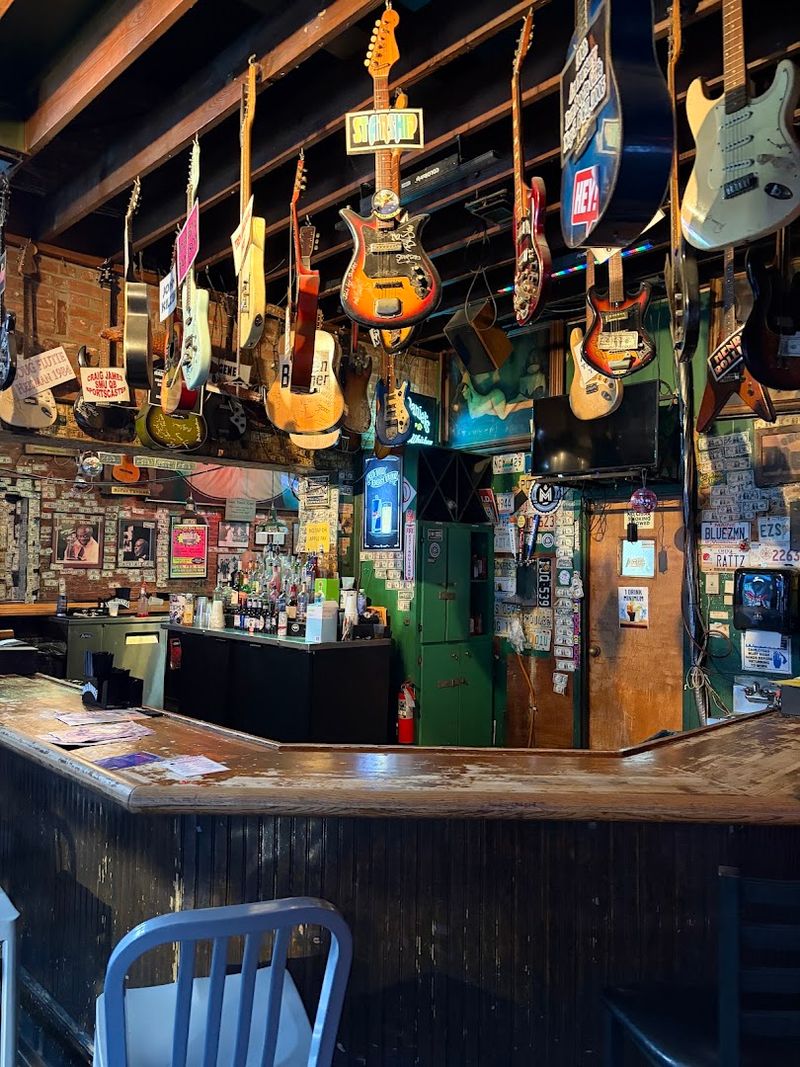
The “Rum” in Rum Boogie isn’t just clever branding—it’s a promise. The bartenders here pour drinks with a generosity that surprises first-timers and keeps regulars coming back. Those cherry margaritas people rave about in reviews pack enough punch to justify nursing them slowly while the band warms up.
Memphis isn’t particularly known for tropical cocktails, which makes Rum Boogie’s drink menu stand out even more. They’ve carved a niche serving rum-based concoctions that complement the blues atmosphere without feeling gimmicky. The drinks are sweet enough to be enjoyable but balanced enough that serious drinkers don’t dismiss them as sugary nonsense.
What really earns praise is the pour size. In an era when many bars measure every ounce to maximize profits, Rum Boogie’s bartenders still free-pour with a heavy hand. You’re getting your money’s worth and then some, which matters when you’re settling in for a long night of music.
The bar setup allows for two distinct drinking experiences. The main bar near the stage puts you in the thick of the action, where you can chat with bartenders between songs and feel the bass vibrate your barstool. The separate bar area offers a quieter alternative for those who want drinks without the full concert volume.
Bartenders like April have built reputations for friendliness that rivals their mixing skills. They remember regulars’ orders, make newcomers feel welcome, and somehow keep everything moving smoothly even when the place is packed. That Southern hospitality isn’t an act—it’s genuine warmth that enhances the whole experience.
The drink menu goes beyond rum cocktails, of course. Local beers, classic mixed drinks, and non-alcoholic options ensure everyone finds something they enjoy. But ordering a rum drink feels right given the venue’s name and tropical-meets-blues aesthetic.
When in Rome—or in this case, when on Beale—embrace the house specialty and see what all the fuss is about.
Blues Memorabilia Creating a Musical Museum Atmosphere
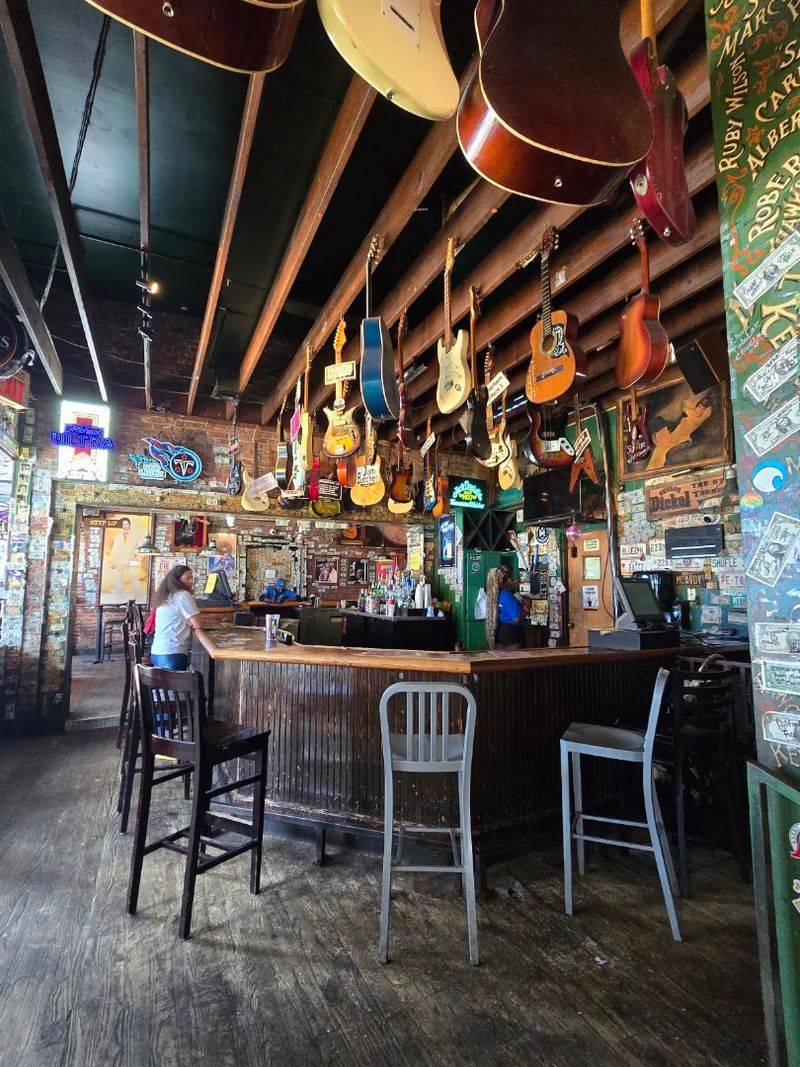
Calling Rum Boogie a restaurant-bar sells it short. The place functions as an unofficial museum of Memphis music, with artifacts covering every surface from floor to ceiling. You could spend an hour just examining the walls and still miss details, making each visit a chance to discover something new.
The memorabilia collection extends far beyond the famous guitars. Vintage concert posters, photographs of legendary performances, album covers, and personal items from musicians create layers of visual interest. Unlike sterile museum displays, everything here lives in the wild—you’re drinking beer inches from priceless pieces of music history.
What makes this approach work is the authentic connection between the items and the venue. These aren’t reproductions bought from a catalog; they’re genuine artifacts with stories attached. Many pieces came directly from the artists who performed here, creating a direct lineage from Memphis’s musical past to its present.
The chaotic abundance of memorabilia could feel overwhelming, but somehow it doesn’t. The collection has an organic quality, like someone’s passionate hobby that grew beyond all reasonable boundaries. That personal touch makes browsing the walls feel intimate rather than curated for maximum tourist appeal.
Photography enthusiasts find endless subjects here. The interplay between neon signs, vintage posters, and hanging guitars creates compositions that capture Memphis’s musical essence. Natural light from the windows hits certain displays perfectly during afternoon hours, while nighttime brings out the glow of illuminated signs.
Even the bright gingham tablecloths contribute to the overall aesthetic. They provide cheerful pops of color that prevent the historical memorabilia from feeling too serious or museum-like. That balance between honoring the past and maintaining a fun, accessible vibe is what separates Rum Boogie from more pretentious establishments.
First-time visitors often comment on feeling the energy and history radiating from the space. It’s not imagination—when you’re surrounded by artifacts from decades of musical excellence, that legacy becomes tangible. You’re not just reading about Memphis music history; you’re literally sitting in the middle of it.