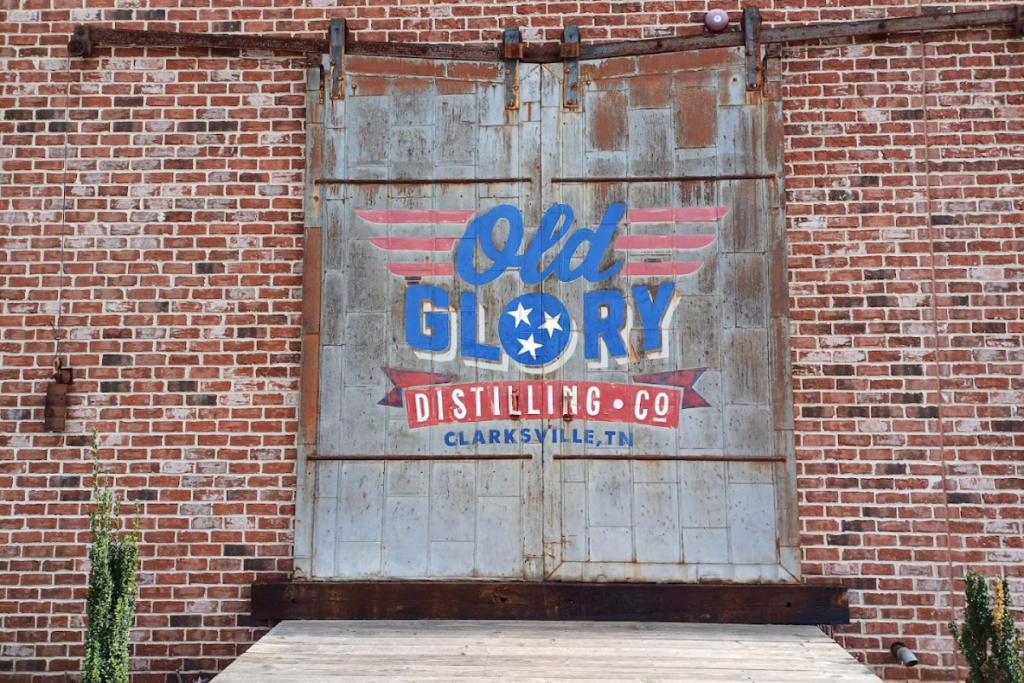
Tennessee knows how to breathe new life into old bones. Across the state, entrepreneurs and chefs have transformed century-old factories, distilleries, and industrial warehouses into some of the most memorable places to eat and drink.
These spaces preserve their original character while serving everything from wood-fired pizza to handmade pasta, giving diners a chance to experience history alongside exceptional food.
1. White Duck Taco Shop — Johnson City
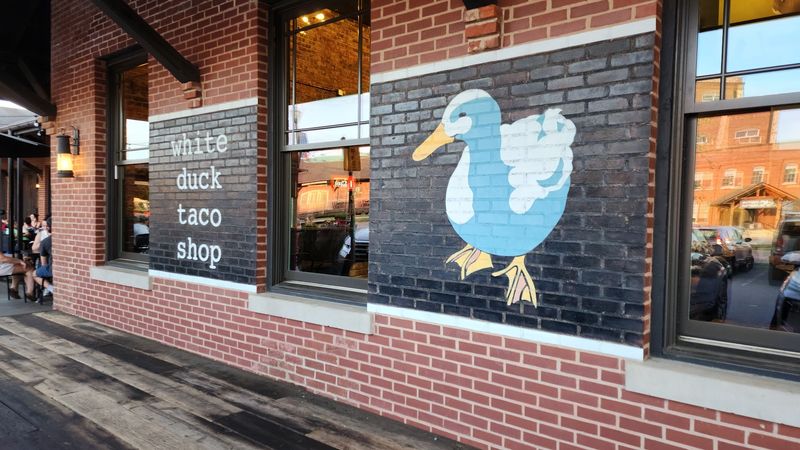
Stepping into White Duck means walking through a piece of railroad history that’s been standing for 130 years. The building once served as a Tweetsie railroad station, and now it houses both this popular taco shop and Yee-Haw Brewing Company’s original brewery.
The exposed brick walls and original architectural details remind you that this space has stories to tell.
White Duck built its reputation on creative tacos that go way beyond basic. You’ll find combinations like Korean beef bulgogi, Thai chicken, and buffalo chicken alongside more traditional options. Each taco arrives on fresh-pressed tortillas, and the kitchen doesn’t hold back on bold flavors or generous portions.
Sharing the space with a brewery means craft beer flows freely here. Yee-Haw’s taps are right there, making it easy to pair your tacos with something local and cold.
The combination of historic atmosphere, inventive food, and quality beer creates an experience that feels authentically Johnson City.
The layout encourages lingering. High ceilings and industrial touches give the space an open, relaxed vibe where you can settle in with friends.
Whether you grab a seat near the brewery side or stick closer to the taco counter, you’re surrounded by reminders of the building’s railroad past.
What makes White Duck special isn’t just the food or the beer—it’s how the space itself becomes part of your meal. Eating tacos in a 130-year-old train station feels different than eating them anywhere else. The history seeps into the experience, making every visit feel like you’ve discovered something worth returning to again and again.
2. Junction 35 Kitchen & Bar — Pigeon Forge
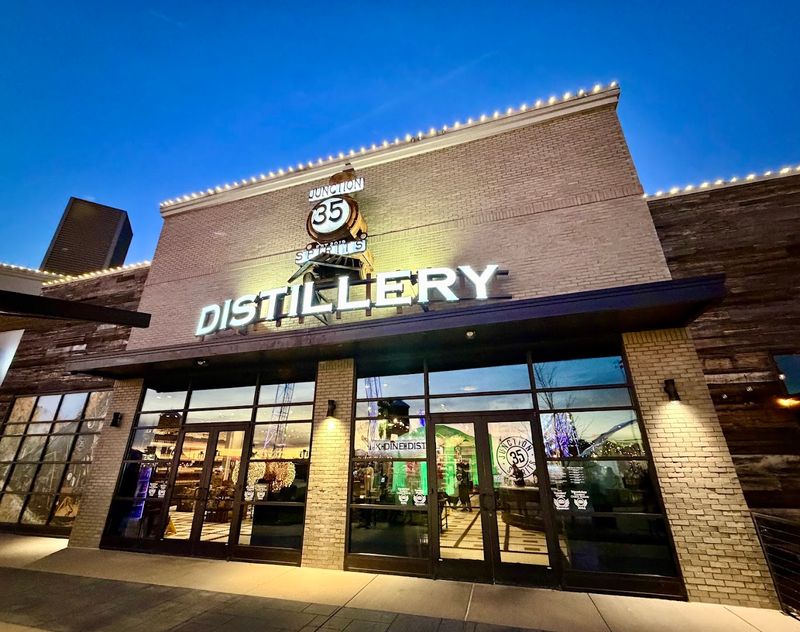
Most restaurants give you a menu and a table. Junction 35 gives you a working distillery to watch while you eat.
The restaurant operates right alongside the spirit-making operation, so you can see copper stills and fermentation tanks while you’re deciding between the smoked ribs and the loaded burger.
The kitchen focuses on satisfying, straightforward food that pairs well with bourbon. Burgers come thick and juicy, barbecue arrives with proper smoke rings, and the sides don’t play second fiddle to the mains.
Everything’s designed to complement the cocktails being mixed at the bar, which naturally feature spirits made just feet away.
Watching the distillery work adds an unexpected layer to your meal. You might see staff checking fermentation levels or moving barrels while you’re halfway through your pulled pork sandwich.
It’s not a show—it’s actual production happening in real time, which makes the whole experience feel more authentic and less staged.
The cocktail menu leans heavily on house-made spirits, which makes sense given the setup. Bartenders can walk you through what went into making the whiskey in your Old Fashioned, and they’re usually happy to explain the distilling process if you’re curious.
That kind of transparency builds trust in what you’re drinking.
Pigeon Forge isn’t short on places to eat, but Junction 35 stands out by combining food, drinks, and education into one package. You leave with a full stomach, a slight buzz, and a better understanding of how Tennessee whiskey gets made.
That’s a pretty good return on a dinner reservation.
3. Kern’s Bakery — Knoxville
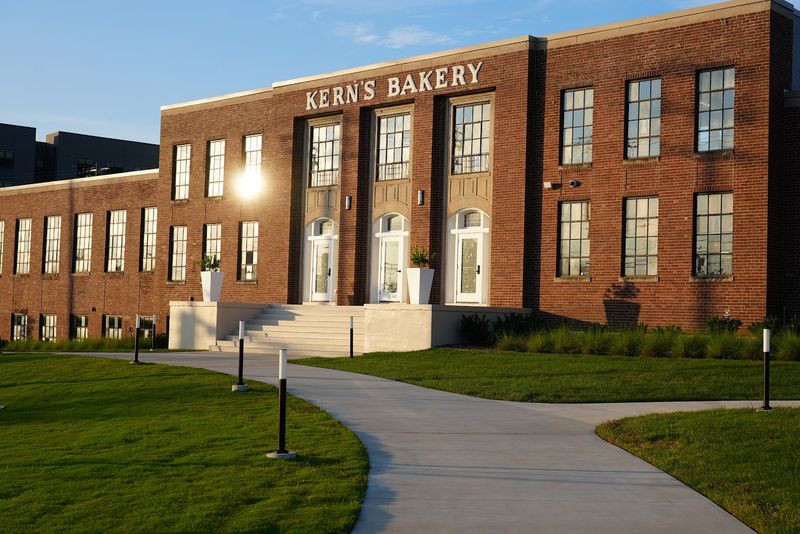
Kern’s Bakery earned its name honestly—it really was a bakery once. The building spent decades producing bread and baked goods for Knoxville before being transformed into a restaurant that honors its past while serving contemporary food.
Walking through the door feels like stepping into a time capsule that’s been carefully updated for modern tastes.
The industrial bones of the space remain intact. Original features like high ceilings, large windows, and utilitarian fixtures create an atmosphere that’s both nostalgic and stylish. The designers didn’t try to hide what this building used to be; instead, they celebrated it, letting the bakery’s history inform the restaurant’s character.
Food here reflects a commitment to quality ingredients and thoughtful preparation. The menu changes seasonally, drawing on local producers and regional flavors.
Whether you’re ordering brunch, lunch, or dinner, you’ll find dishes that feel both familiar and elevated—comfort food that’s been given careful attention without losing its soul.
The space works equally well for a casual weeknight dinner or a special occasion. Its versatility comes from that industrial-chic aesthetic, which feels dressed up without being stuffy. You can show up in jeans or something nicer, and either way, you’ll fit right in.
Knoxville has watched Kern’s evolve from a working bakery into a dining destination, and locals appreciate how the transformation respected the building’s origins. Eating here means participating in that ongoing story—enjoying new food in an old space that continues to serve the community, just in a different way than it did decades ago.
4. Old Glory Distilling Co. Restaurant — Clarksville
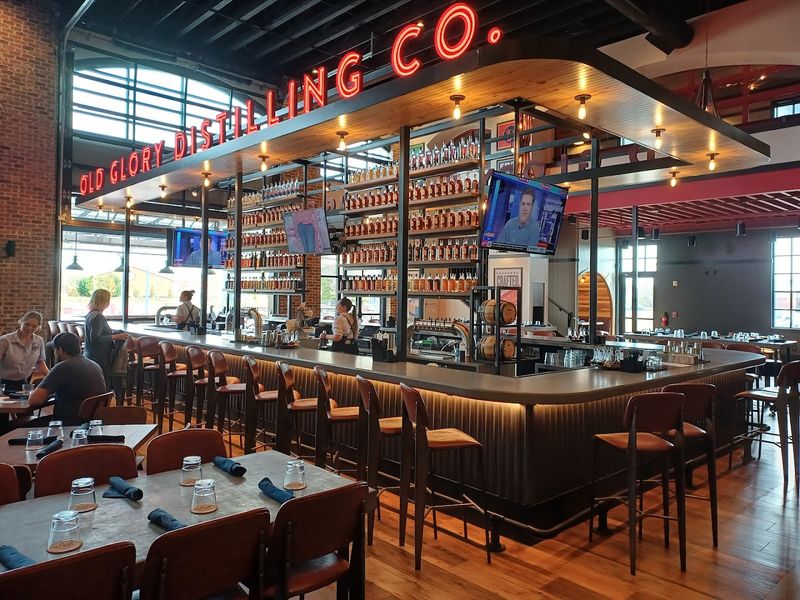
Old Glory doesn’t make you choose between touring a distillery and having a proper meal. The restaurant sits directly inside the working distillery, surrounding diners with stills, barrels, and all the equipment needed to turn grain into bourbon.
It’s dinner theater where the show is actual whiskey production.
The kitchen specializes in Southern comfort food that matches the setting’s honest, unpretentious vibe. Fried chicken, slow-cooked meats, and sides like mac and cheese arrive without apology or unnecessary fanciness.
This is food meant to satisfy, served in portions that respect your appetite and your wallet.
Bourbon-driven cocktails dominate the drink menu, which makes perfect sense given the surroundings. Bartenders work with spirits made on-site, creating drinks that showcase what Old Glory does best.
If you prefer your whiskey neat, they’ll pour you something fresh from the barrel and let the spirit speak for itself.
The industrial space feels raw and authentic. Exposed brick, metal beams, and concrete floors create an atmosphere that’s more warehouse than white tablecloth.
It’s the kind of place where you can relax completely, knowing nobody expects you to whisper or worry about which fork to use.
What strikes most diners is how seamlessly the restaurant and distillery coexist. You’re never quite sure where one ends and the other begins, which is exactly the point.
The experience blends food, drink, and production into something that feels uniquely Tennessee—practical, flavorful, and rooted in the state’s deep connection to whiskey-making traditions that stretch back generations.
5. The Skylight — Franklin
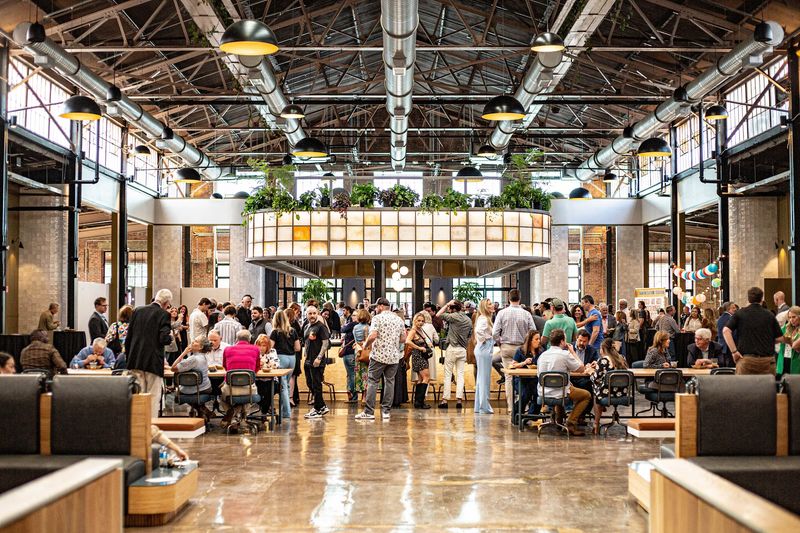
The Factory at Franklin started life making stoves, and its massive industrial footprint still dominates the landscape. The Skylight sits at the heart of this repurposed complex, occupying prime real estate in a building that’s been transformed into a destination for shopping, dining, and entertainment.
Those original steel trusses overhead? They’re not decoration—they’re the real deal.
Walking into The Skylight means encountering a space that’s both grand and grounded. The industrial bones create drama, but the restaurant softens things with comfortable seating and warm lighting.
The menu leans contemporary American, offering dishes that appeal to a wide range of tastes. From salads and sandwiches to steaks and seafood, the kitchen covers the bases without trying to be everything to everyone.
Quality matters more than trendiness here, and the food reflects a commitment to doing familiar things well.
Being part of The Factory means The Skylight benefits from foot traffic and the energy of a larger complex. Diners often combine their meal with browsing the shops or catching live music elsewhere in the building.
It’s a multi-purpose destination where eating is just one part of a bigger experience.
Franklin has no shortage of restaurants, but The Skylight offers something most can’t match: a genuine connection to the town’s industrial past. The building’s history as a stove factory isn’t buried or ignored—it’s celebrated, giving diners a sense of place that goes deeper than just good food and drinks.
6. Humble Baron — Shelbyville
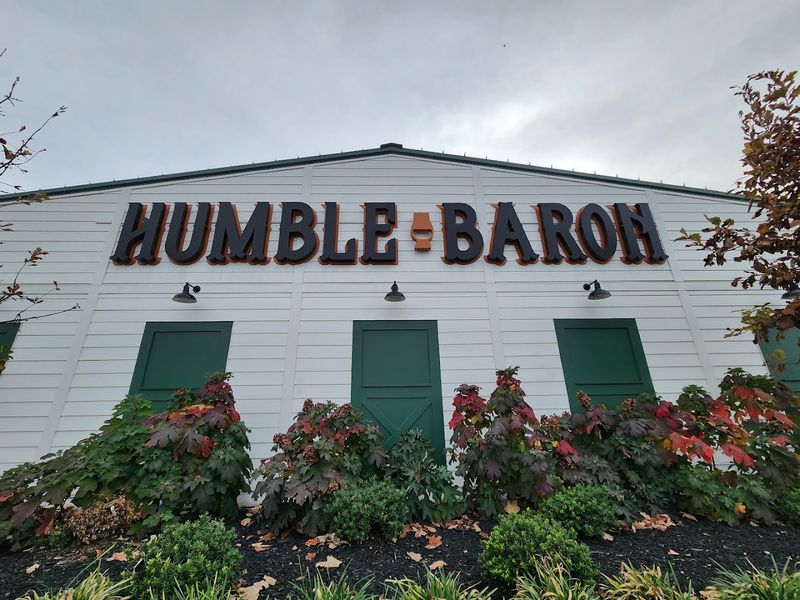
A 518-foot bar isn’t something you see every day. Humble Baron built one anyway, stretching it through the Nearest Green Distillery in a display of ambition that matches the space’s larger-than-life personality.
This isn’t a quiet corner restaurant—it’s a full-scale entertainment venue that happens to serve excellent food alongside its whiskey.
The connection to Nearest Green gives Humble Baron instant credibility in the spirits world. The distillery honors Nathan “Nearest” Green, the formerly enslaved master distiller who taught Jack Daniel how to make whiskey.
That history runs through everything here, from the cocktails to the atmosphere to the respect given to Tennessee’s distilling heritage.
Food comes out generous and flavorful, designed to fuel a long evening of drinking and socializing. The menu covers Southern favorites and crowd-pleasers, with enough variety to keep groups happy.
Whether you’re here for a full dinner or just apps and drinks, the kitchen delivers quality that matches the bar’s ambitions.
Live entertainment happens regularly, turning dinner into an event. The space was designed for performance, with sightlines and acoustics that make music feel intimate even in a large venue.
You might catch local acts or touring musicians, but either way, the energy level stays high.
Shelbyville isn’t the first place most people think of when planning a night out, but Humble Baron changes that calculation. The combination of that record-breaking bar, quality cocktails, solid food, and live music creates something worth driving for.
It’s a destination restaurant in the truest sense, pulling people from across the region to experience something they can’t find anywhere else.
7. Rolf and Daughters — Nashville
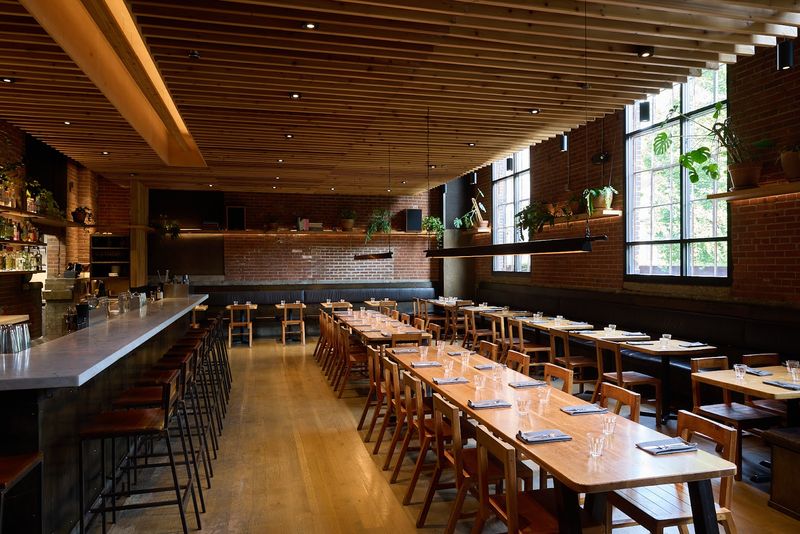
Germantown’s Werthan factory once churned out bags and textiles. Now part of it houses Rolf and Daughters, where the machinery has been replaced by a pasta-making operation that’s earned national recognition.
The factory windows and exposed brick remain, connecting diners to the building’s industrial origins while they twirl house-made noodles around their forks.
Chef Philip Krajeck built his reputation on handmade pastas and seasonal dishes that change with what’s available. The menu reads like a love letter to Italian traditions filtered through Southern ingredients and sensibilities. Expect things like ricotta gnocchi, wood-fired vegetables, and proteins treated with restraint and respect.
The dining room feels both rustic and refined. Factory architecture provides the bones, but thoughtful design makes the space comfortable rather than cold.
Large windows flood the room with natural light during the day, while evening service brings a warmer, more intimate atmosphere.
An industrial courtyard extends the dining space outdoors when weather permits. Eating outside here means being surrounded by brick walls and remnants of the factory’s past, creating an urban garden vibe that’s distinctly Nashville.
It’s the kind of setting that makes you want to order another bottle of wine and stay awhile.
Rolf and Daughters represents Nashville’s evolution from meat-and-three town to serious food city. The restaurant doesn’t abandon Southern roots—it builds on them, using the framework of Italian cooking to showcase regional ingredients.
That the whole operation happens in a repurposed factory just adds another layer to the story, connecting past and present in every dish that leaves the kitchen.
8. The Restaurant at Nelson’s Green Brier Distillery — Nashville
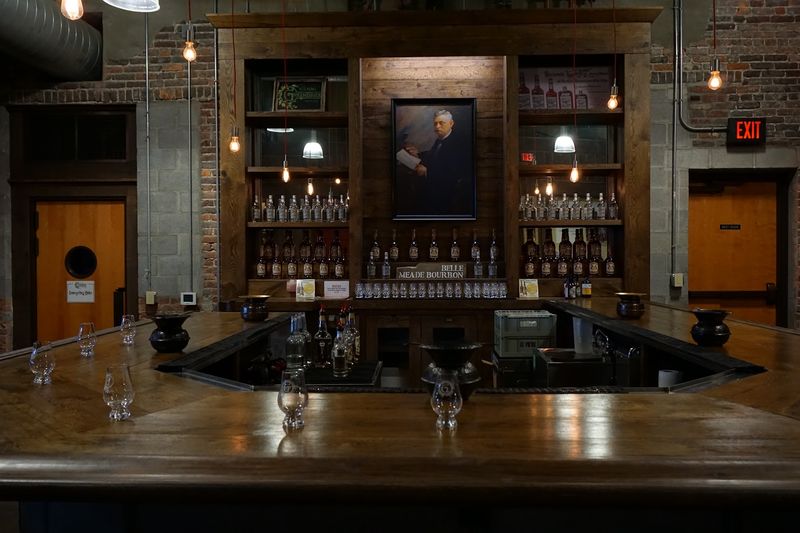
Marathon Village used to build cars. Now it makes whiskey and serves dinner, with Nelson’s Green Brier Distillery leading the charge.
The restaurant here operates inside that former automobile factory, where the bones of industrial production still frame every meal. Distilling equipment shares space with dining tables, creating an environment where past and present collide.
The menu draws inspiration from Southern traditions without being bound by them. You’ll find dishes that feel familiar—fried chicken, pork chops, seasonal vegetables—but prepared with a level of care that elevates them beyond standard comfort food.
The kitchen respects tradition while allowing room for creativity and modern technique.
Being inside a working distillery means spirits play a major role. Cocktails feature Nelson’s Green Brier products prominently, and the staff can walk you through the distilling process if you’re interested.
Marathon Village itself deserves credit for the atmosphere. The complex houses multiple businesses, creating a community feel that extends beyond just the restaurant and distillery.
You might wander through artist studios or other shops before or after your meal, making the whole visit feel more expansive than just dinner.
Nashville has become a distillery town in recent years, but Nelson’s Green Brier carries extra historical weight. The Belle Meade brand they produce has roots stretching back to the 1800s, and that legacy informs everything happening in the space.
Eating here means connecting to Tennessee whiskey history while enjoying food that’s very much of the moment—past and present, industrial and culinary, all mixed together in one distinctive package.
9. Little Bettie Pizza & Snacks — Memphis
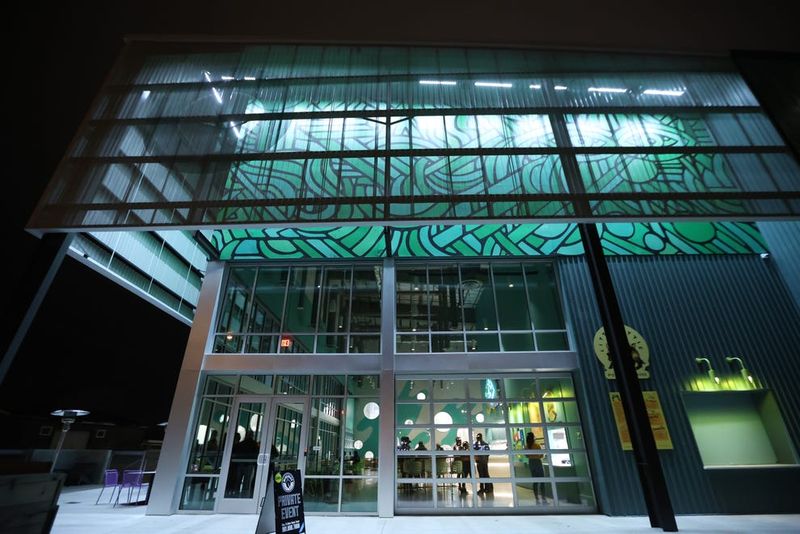
Memphis finally got serious pizza when Little Bettie opened inside Wiseacre Brewing’s sprawling downtown taproom. The combination makes perfect sense—pizza and beer have been friends forever, and putting them under the same industrial roof in a converted warehouse feels like destiny.
This is West Tennessee’s strongest answer to the industrial dining trend, and it delivers on both atmosphere and food.
The pizza style is New Haven, which means thin crust with a slight char, simple toppings, and respect for tradition. Pies come out of a proper oven with leopard-spotted crusts and toppings that don’t overwhelm the dough.
You can go classic margherita or branch out into more creative territory, but either way, you’re getting pizza that’s been thought through and executed well.
Wiseacre’s beers provide the natural pairing, and the brewery knows what it’s doing. The taproom offers a rotating selection that includes hoppy IPAs, crisp lagers, and more experimental brews.
Having the brewery and pizza kitchen operate in the same space means you’re never far from a fresh pour or a hot slice.
The warehouse setting gives the whole operation room to breathe. High ceilings, concrete floors, and industrial fixtures create a casual, come-as-you-are vibe.
It’s loud when it’s busy, which is most of the time, and that energy feeds the experience. This isn’t a place for quiet conversation—it’s a place for groups, celebrations, and letting loose a little.
Memphis needed this kind of spot, and Little Bettie filled the gap admirably. The city has plenty of barbecue and Southern soul food, but sometimes you just want good pizza and cold beer in a space that doesn’t take itself too seriously.
10. August Sage Cafe & Lounge — Columbia
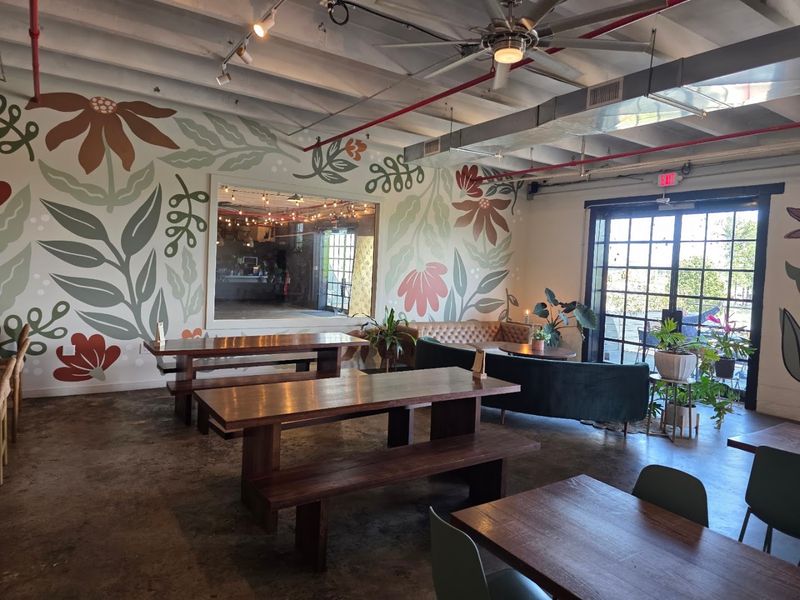
Columbia doesn’t always get the attention Nashville or Memphis command, but August Sage makes a compelling case for exploring what this smaller town offers. The cafe and lounge occupies a repurposed building that’s been given new life as a dining destination.
The space balances historic character with contemporary comfort, creating an atmosphere that feels both rooted and refreshed.
The menu at August Sage covers breakfast, lunch, and dinner, making it a versatile option for whatever meal you’re craving. Expect fresh ingredients prepared simply, with an emphasis on flavor over fussiness.
The lounge aspect adds evening appeal, transforming the space into somewhere you’d want to linger after dinner. Cocktails lean craft-focused, with bartenders who know their way around a shaker.
The drink menu complements the food without overshadowing it, creating balance between the cafe and lounge identities.
What makes August Sage notable is how it fits into Columbia’s ongoing revitalization. The town has been working to preserve historic buildings while attracting new businesses, and this restaurant represents that effort succeeding. It’s not trying to be Nashville—it’s trying to be the best version of Columbia, which is exactly what the town needs.
The building’s history adds depth to every visit. You’re not just eating in a restaurant; you’re eating in a space that’s served the community in different ways over the decades.
That continuity matters, connecting past generations to present diners through architecture and shared experience. August Sage honors that history while writing new chapters, proving that repurposed spaces can serve their communities just as well the second time around.
11. The White Alligator — Franklin
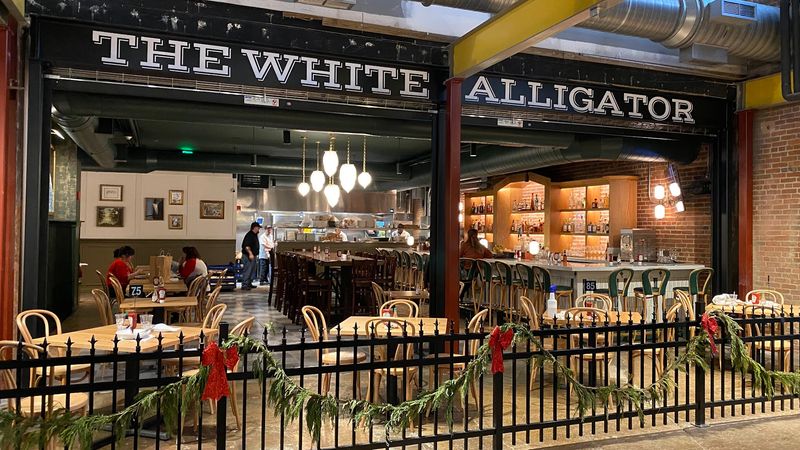
Franklin has built a reputation for preserving history while encouraging growth, and The White Alligator fits perfectly into that philosophy. The restaurant occupies a repurposed space that maintains its historic integrity while functioning as a modern dining destination.
The name alone suggests something different, and the space delivers on that promise with character that stands out even in a town full of interesting buildings.
The kitchen focuses on Southern cuisine with contemporary touches, creating dishes that honor tradition without being stuck in the past. Seasonal ingredients drive the menu, which means what you eat in summer won’t be the same as what you find in fall.
That commitment to freshness and adaptability keeps regulars coming back to see what’s new.
The atmosphere strikes a balance between casual and upscale. You can dress up if you want, but you won’t feel out of place in smart casual attire either.
Being in Franklin means The White Alligator benefits from the town’s thriving food scene and tourist traffic. Visitors exploring the historic downtown often discover the restaurant while wandering, while locals treat it as a neighborhood spot worth returning to regularly. That mix of clientele keeps the energy fresh and varied.
The building’s transformation from whatever it was before into what it is now represents Franklin’s broader story—respecting the past while building the future. The White Alligator doesn’t try to erase history or pretend the space was always a restaurant.
Instead, it celebrates the building’s journey, letting diners feel connected to something larger than just their meal. That sense of place, combined with solid food and a distinctive atmosphere, makes this one of Franklin’s most memorable dining experiences.