If your ideal buffet starts with sushi and ends somewhere near crab legs, dim sum, and dessert, this Madison Heights spot deserves a closer look. Fuji Japanese Buffet has built the kind of reputation that makes hungry drivers detour off John R Road without much hesitation.
The draw is not just variety, but the way the place is set up for a full-scale, all-in meal that keeps moving. For anyone in metro Detroit chasing a buffet that actually puts seafood and sushi front and center, this is the one to know.
A buffet room built for maximum temptation
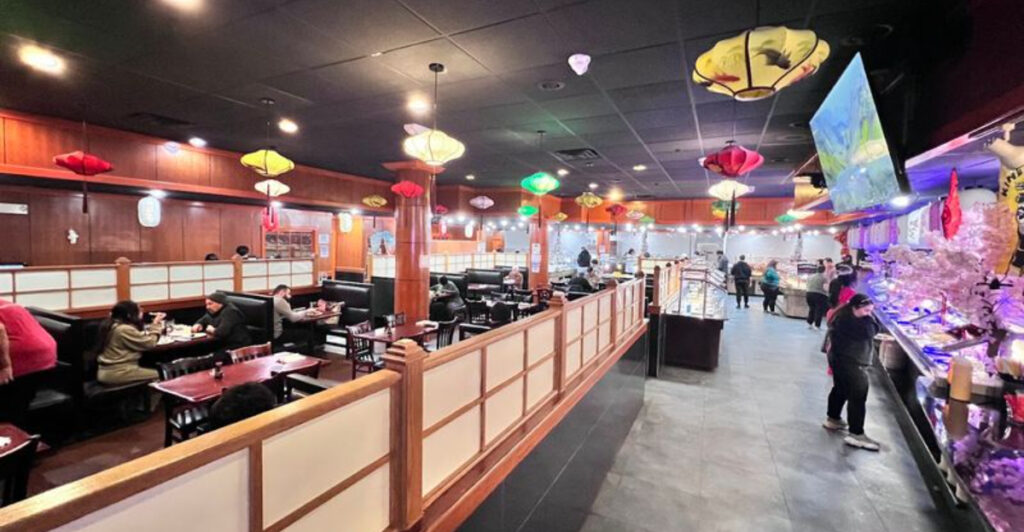
Drive into Madison Place and Fuji Japanese Buffet does not play coy about what it is. This is a big, busy restaurant with the footprint and traffic pattern of a place designed for serious appetite, not a quiet little dinner stop.
You can tell quickly that the layout matters here, because a buffet only works when movement feels easy instead of chaotic.
Inside, the scale is part of the appeal. The room is spacious, the buffet lines stretch with purpose, and the dining area has enough visual activity to create energy without turning every meal into a scramble.
That matters when you are balancing multiple rounds, scanning hot dishes, checking on sushi, and deciding whether dessert should wait or happen immediately.
The strongest first impression is how much of the experience is built around circulation. You are not pinned into one narrow station or forced to make one plate carry the entire meal.
The setup encourages browsing, doubling back, and changing your plan halfway through when a fresh tray lands or another section suddenly looks more convincing than the one you started with.
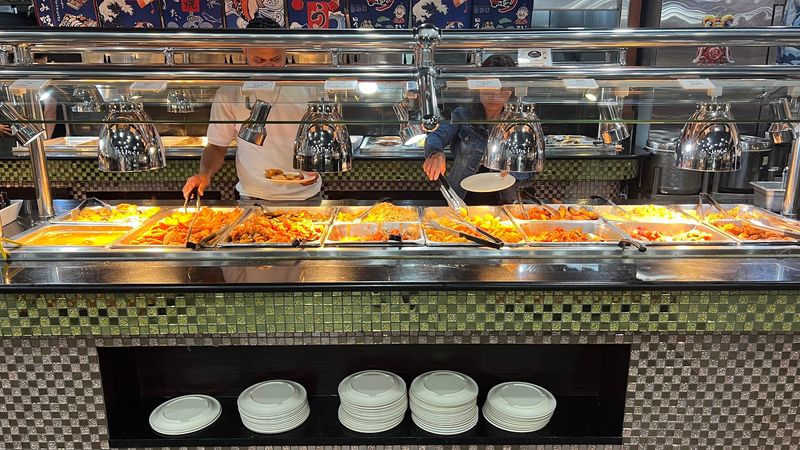
That sense of abundance is also practical. A place with this kind of volume needs clear zones, regular refills, and staff who can keep tables from turning into towers of used plates.
Fuji’s large format gives it a different presence than smaller sushi restaurants nearby. Instead of one showcase counter and a few standard entrees, you get a buffet built to support wandering, comparing, and stacking a meal in layers, with enough room around you to enjoy the process instead of rushing through it.
Where the sushi display takes over the meal
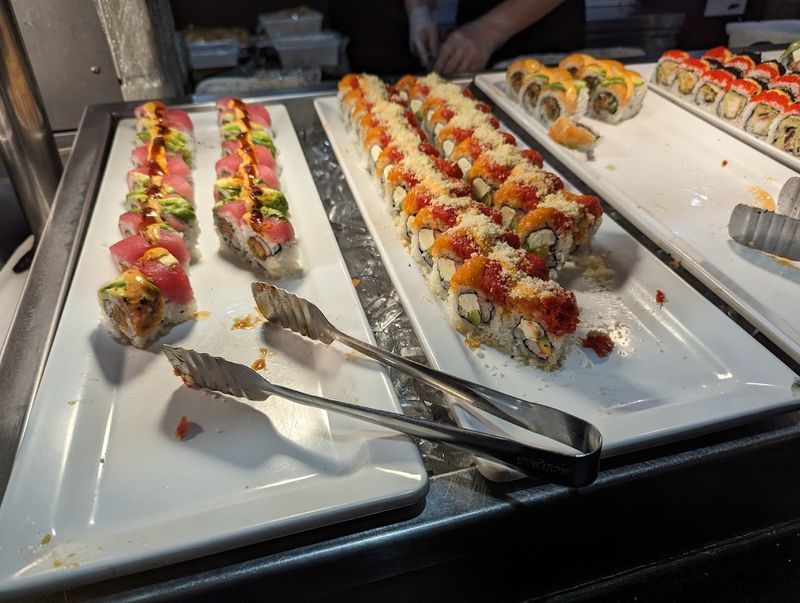
The headline attraction at Fuji is the sushi bar, and it earns that role visually before you even take a bite. Instead of treating sushi like a side station added to justify the word Japanese on the sign, the restaurant gives it real territory.
Rolls line up in broad rows, colors pop against dark serving trays, and the selection reads like a main event rather than backup filler.
That scale changes how you approach the buffet. You are not grabbing one California roll and moving on to fried rice out of necessity.
You can build an actual sushi-focused meal here, mixing cooked rolls, tempura options, nigiri, and sashimi depending on what is available at the moment, then circle back when a new tray appears or a favorite gets refreshed.
Fuji’s popularity with sushi fans makes sense because the buffet format can easily fail at this category. When sushi sits too long, the whole idea collapses fast.
Here, the point is turnover. A busy room helps the display move, and movement matters more than decorative flourish when rice, seafood, and temperature all need to stay on your side.
If you are the type who measures a buffet by whether the sushi feels central or merely included, this is where Fuji separates itself from generic all-you-can-eat competition. The spread invites comparison between one roll and the next, and it gives you enough range to go from familiar pieces to more playful combinations without leaving the same station.
That alone explains why this address lands on repeat radar for metro Detroit diners who care far more about seafood and sushi than steam-table basics.
Seafood, dim sum, and the buffet sections that widen the appeal
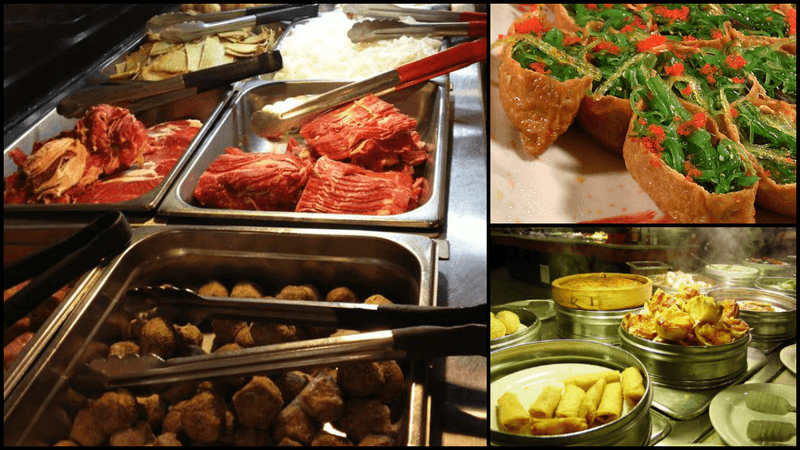
Sushi may be the star, but Fuji does not stop at one lane. The restaurant description points directly to seafood and dim sum, and that combination gives the buffet much more range than a roll-heavy setup alone.
If your table includes one person chasing sashimi, another wanting hot cooked seafood, and someone else eyeing dumplings and fried favorites, the structure starts making sense immediately.
Seafood is where the breadth shows up best. Shrimp, mussels, squid, and crab-focused options help the meal feel bigger than standard buffet expectations, especially when you want a plate that mixes cold items with hot shellfish and crispy sides.
The buffet format lets you test combinations you might never order together in a regular restaurant, then adjust your second round with more precision.
The dim sum angle adds another texture entirely. A few steamed items can change the rhythm of the meal, slowing down the rush toward heavier dishes and giving you softer, lighter bites between richer seafood selections.
That contrast matters because big buffets often blur into one long chain of fried foods and sauces; Fuji has enough category shifts to keep your palate awake.
There is also a practical advantage to a spread this broad. Not everyone walking into a Japanese buffet wants raw fish as the main attraction, and not every seafood lover wants a plate built around rolls.
By offering hot dishes, steamed options, and a wider range of cooked selections, Fuji turns a specialized craving into a group-friendly destination. You can arrive focused on sushi and still end up appreciating the sections that round out the experience, especially when the table starts comparing finds from different corners of the room instead of eating the exact same plate.
Why this Michigan buffet works for groups
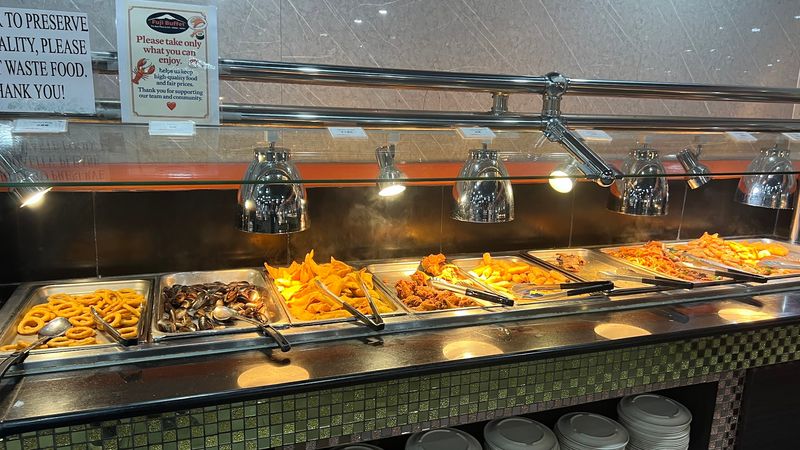
Some restaurants are great for a focused meal with one other person. Fuji is built for a different kind of outing.
The spacious dining room, broad selection, and quick reset nature of buffet dining make it especially useful when you are feeding a family, a birthday group, or one of those mixed parties where nobody agrees on a single cuisine for more than ten seconds.
That flexibility is more important than it sounds. A sushi-first buffet can intimidate picky eaters if the rest of the room does not offer easy alternatives, but Fuji’s spread reaches across seafood, hot entrees, fried options, sweets, and simpler picks.
You can bring the adventurous eater, the kid looking for familiar textures, and the grandparent who wants a comfortable sit-down dinner, and nobody needs to negotiate every bite in advance.
Service also matters more in this format than people sometimes admit. Plates accumulate fast, drinks need refills, and a big table can start feeling cramped if the clearing pace falls behind the meal.
Fuji’s stronger service notes center on attentiveness, and that kind of table maintenance quietly shapes the whole experience by keeping the focus on eating instead of managing clutter.
There is another reason group dining fits this address well: buffet meals generate conversation through comparison. One person returns with sashimi, another shows up with crab legs, someone else discovers a dessert section detour, and suddenly the table is sharing strategy instead of staring at identical entrees.
In a metro area where many buffets disappeared or lost momentum, a place that can handle varied appetites with this kind of scale has obvious staying power. If you are choosing one restaurant for a crowd and want a better answer than the usual chain fallback, Fuji makes a strong case without overcomplicating the plan.
The best way to play your visit without wasting appetite
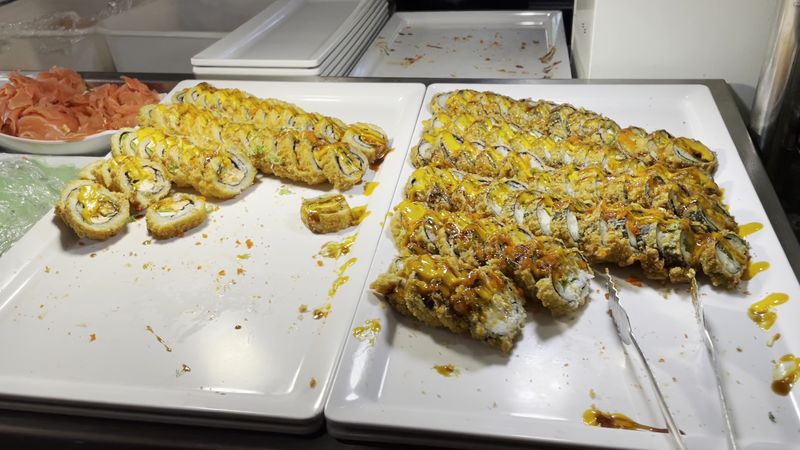
A buffet this large rewards a little strategy. The smartest move at Fuji is not loading your first plate like it is your last chance to eat.
When the room offers sushi, seafood, dim sum, hot dishes, desserts, and drinks, the better approach is pacing, because you want to see the full field before committing too hard to the first shiny tray in view.
Start with a visual lap. Check the sushi situation, scan seafood, note where the steamed items are, and figure out whether the hot bar is in strong shape at that moment.
A quick circuit saves you from filling up on average choices before reaching the sections that likely brought you here in the first place.
After that, build in rounds instead of one overloaded mountain plate. Sushi and sashimi deserve their own pass, especially if you want to taste differences between rolls rather than compress everything under sauce from another section.
Then shift into hot seafood or dim sum, and only after that decide whether fried items or heavier sides still sound good enough to spend appetite on.
Timing matters too. Busy buffets can benefit from turnover, since fresh trays appear more frequently when traffic is steady, but peak rushes can also mean waiting for certain favorites to return.
If you want the best odds of both energy and manageable access, aim for a visit that is active without landing at the absolute busiest minute. And if a station looks temporarily thin, do not treat that as the whole story.
At a place built around movement, the next round of food can change your plan in a few minutes, which is exactly why patient, layered eating works better here than buffet panic.
Right off John R, with the kind of convenience that matters
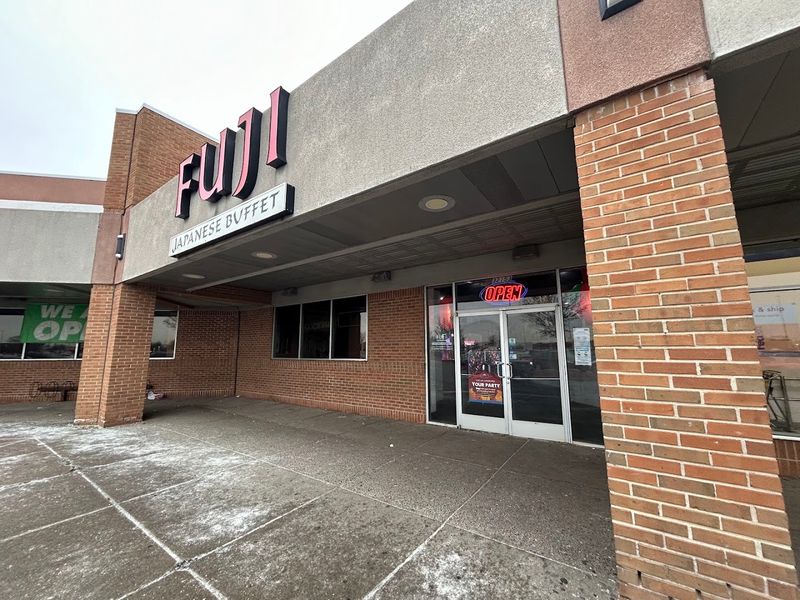
Location alone does not make a restaurant notable, but it can make a popular place much easier to work into real life. Fuji sits in Madison Place on John R Road in Madison Heights, a setting that reads practical rather than precious.
You are dealing with a restaurant positioned for access, errands, and group meetups, not a destination that asks for complicated downtown choreography before dinner even starts.
That matters more for buffet dining than for many other meals. A buffet tends to be chosen when appetite is high, schedules are loose enough to linger, and the group may be arriving from different directions.
A spot with straightforward parking and easy suburban navigation removes friction, which means the meal can stay the main event instead of the parking hunt or the last-minute text chain about where to meet.
The hours also support that convenience. With lunch and dinner service running daily and later closing on Friday and Saturday, Fuji has the kind of schedule that works for both midday stop-ins and weekend evening plans.
You do not need a special occasion to justify going, which is part of why a place like this can become a repeat option instead of a once-a-year splurge.
There is a broader metro Detroit context here too. Full-scale buffets with strong seafood and sushi presence are not as common as they once were, especially ones that function as an actual gathering spot rather than a fading relic.
Fuji benefits from being accessible in both geography and concept. It is easy to find, easy to park, and easy to explain to the group chat: a large Japanese buffet in Madison Heights where sushi and seafood take the lead.
Sometimes convenience is not boring at all. Sometimes it is exactly why a place gets remembered and revisited.
Why Fuji lands on the short list for sushi cravings
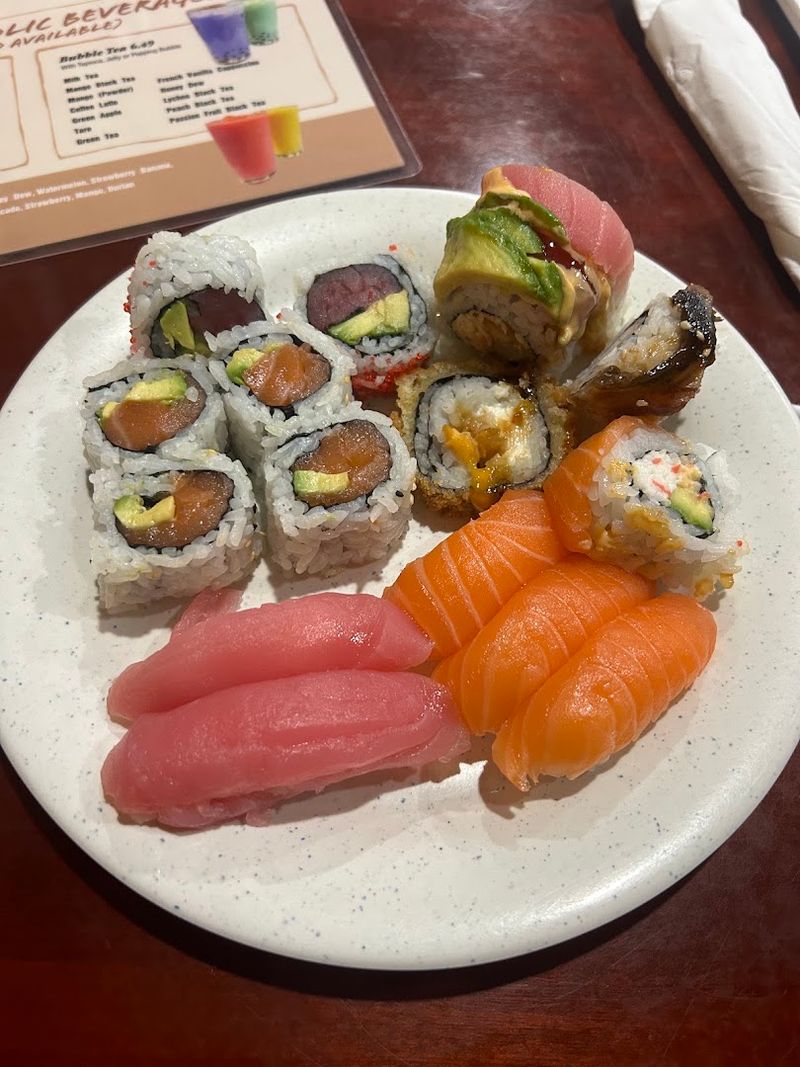
Fuji stands out because it understands its headline craving and supports it with enough range to keep the entire meal interesting. If the restaurant only offered a large sushi display, it would still catch attention.
The reason it keeps showing up in conversation is that the sushi sits inside a broader system of seafood, dim sum, hot dishes, desserts, and service rhythms that make an all-you-can-eat format actually function.
There is a difference between abundance and clutter, and that is where this place earns its spot on the radar. A buffet can overwhelm you with quantity while offering very little direction.
Fuji’s better qualities come from having clear anchors: sushi for the first draw, seafood for added weight, and enough surrounding categories to make the visit work whether you are dining solo, bringing family, or turning dinner into a birthday outing.
It also occupies a useful niche in Madison Heights. The restaurant is not pretending to be a tiny omakase room, and that is exactly the point.
You come here for scale, variety, and the ability to follow one craving into several others without ordering a dozen separate dishes. In that sense, the buffet format is not a compromise. It is the reason the experience works for this kind of meal.
If you are a sushi lover scanning southeast Michigan for a place that can satisfy a serious appetite without reducing the meal to generic buffet filler, Fuji deserves attention.
The draw is concrete: a large Japanese buffet on John R Road where sushi gets real prominence, seafood stays part of the identity, and the overall setup invites repeat visits. In a crowded dining landscape, that combination is specific enough to matter.