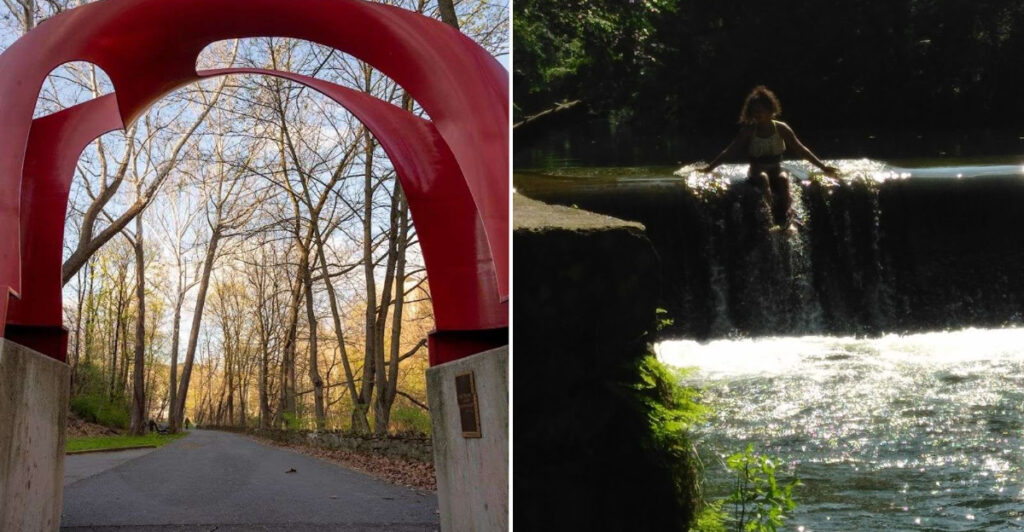
If you think a forest walk is only about trees and quiet views, this Easton trail has a surprise waiting around the bend. The Karl Stirner Arts Trail blends nature, public art, and local character in a way that feels both peaceful and unexpected. Instead of simply passing through a landscape, visitors are invited to experience a place where creativity and the outdoors come together, turning an ordinary walk into something much more memorable. As you follow the path, sculptures and installations appear like discoveries instead of decorations. Each piece adds a new layer of personality to the trail, creating moments that encourage you to pause, take a closer look, and appreciate the connection between art and nature.
The changing scenery, thoughtful artwork, and relaxed atmosphere make every visit feel a little different. It is the kind of place that makes you slow down, look closer, and wonder why more trails are not designed like this. Whether you are searching for a peaceful stroll, an inspiring outdoor experience, or a unique Pennsylvania destination that feels unlike anywhere else, the Karl Stirner Arts Trail offers a refreshing reminder that art can be found in the most unexpected places.
1. A Trail Where Art Meets Nature
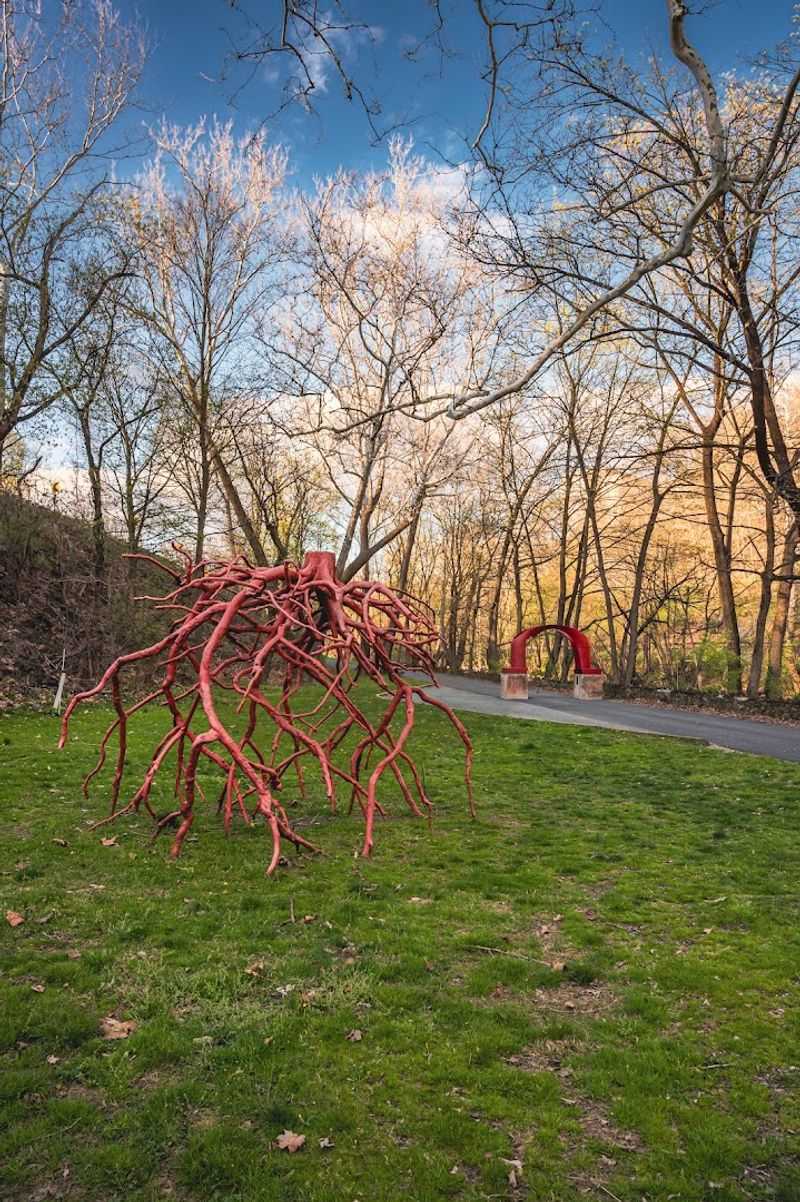
The first thing that stands out on the Karl Stirner Arts Trail is how naturally art and landscape flow together.
You are not walking through a formal museum garden or a fenced sculpture park.
Instead, the pieces appear along a green corridor that feels relaxed, local, and wonderfully unforced.
That balance is what makes the experience memorable.
One moment you are paying attention to birdsong, tree cover, and the curve of the path, and the next you are studying a large installation that completely changes how the space feels.
It keeps the walk engaging without ever overwhelming the setting.
I love that the trail invites curiosity instead of demanding it.
You can move at your own pace, stop when something catches your eye, and simply enjoy being outside in Easton.
For anyone who likes easy walks with a creative twist, this trail delivers a genuinely refreshing kind of outing.
2. The Surprising Outdoor Gallery Feel
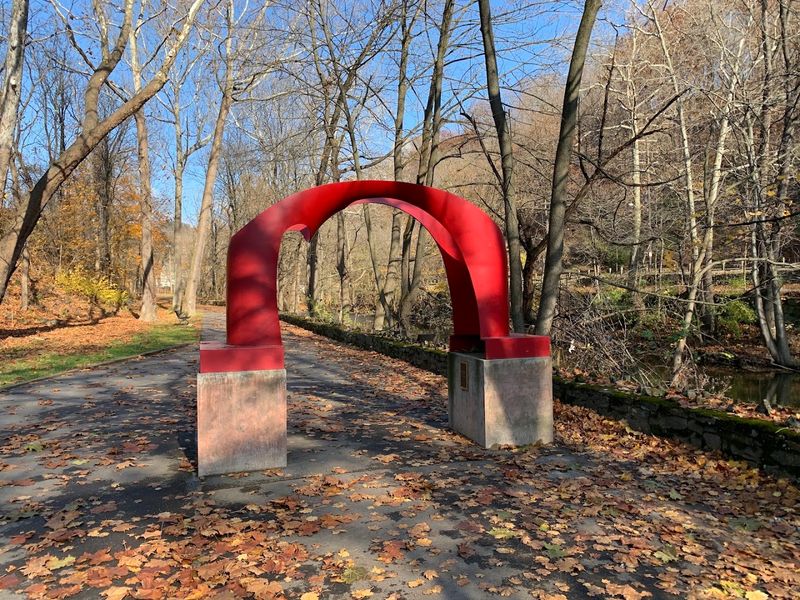
What makes this place so surprising is that it feels like an open air gallery hidden inside an everyday walk.
You are not stepping into a building with white walls and quiet rooms.
You are encountering artwork in changing light, weather, and seasons, which gives every piece a different personality.
That setting changes the way you look at sculpture and design.
A work framed by summer leaves can feel playful and alive, while the same piece on a gray day may seem dramatic or reflective.
The trail turns observation into part of the journey rather than a separate activity.
I think that is why the experience stays with you.
Even if you are not someone who usually seeks out public art, the trail makes it approachable and easy to enjoy.
It feels welcoming, not intimidating, and that makes each discovery along the path feel personal and unexpectedly exciting for first time visitors.
3. A Walkable Escape In Easton
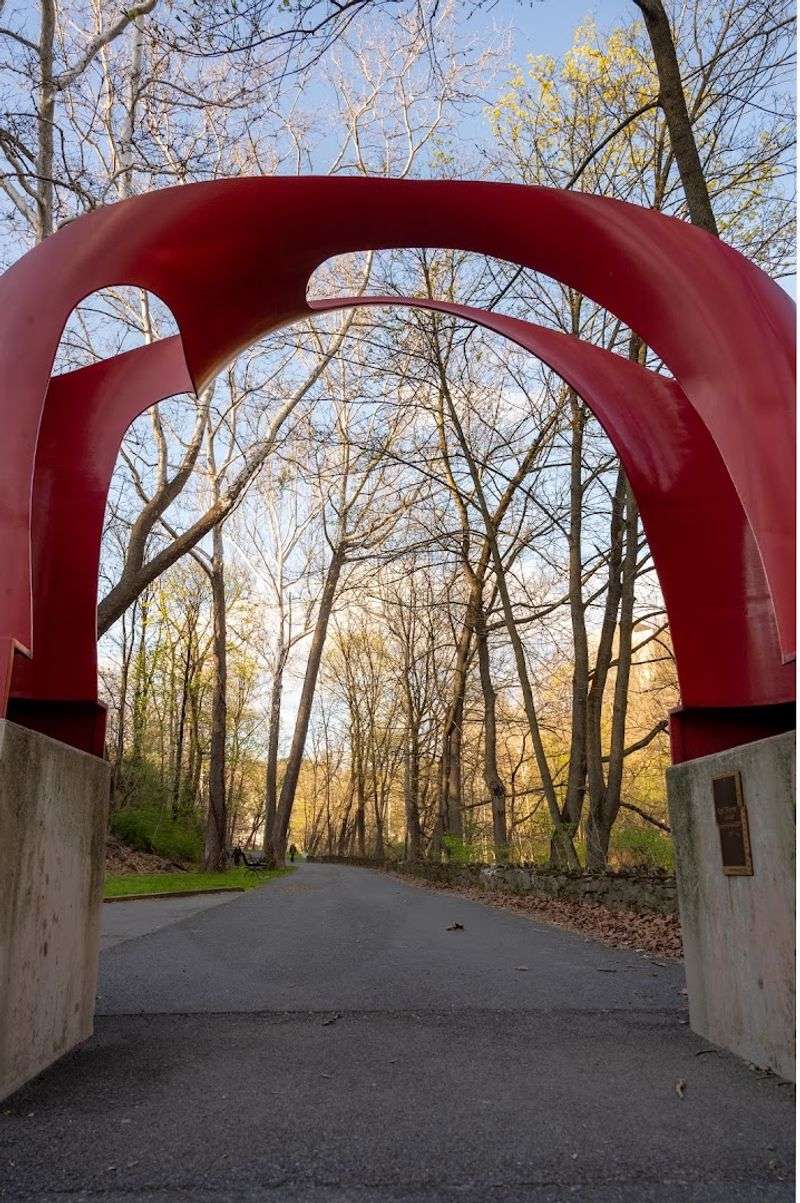
The Karl Stirner Arts Trail offers something many travelers and locals want but do not always find easily – a true escape that still feels connected to town.
You can enjoy a calm, scenic walk without driving deep into remote wilderness.
That convenience makes the trail especially appealing for a spontaneous afternoon outing.
The path gives you room to breathe while remaining approachable for many kinds of visitors.
You can come for a short stroll, a slower art focused wander, or a simple break from errands and busy streets.
It works equally well when you want movement, fresh air, or a thoughtful change of scenery.
I like how the trail never feels overly complicated or overly curated.
It lets Easton show a softer, greener side while still celebrating creativity in a public way.
If you only have a little time, this is exactly the kind of place that can reset your mood and make the day feel richer.
4. Sculptures That Reward Slow Looking
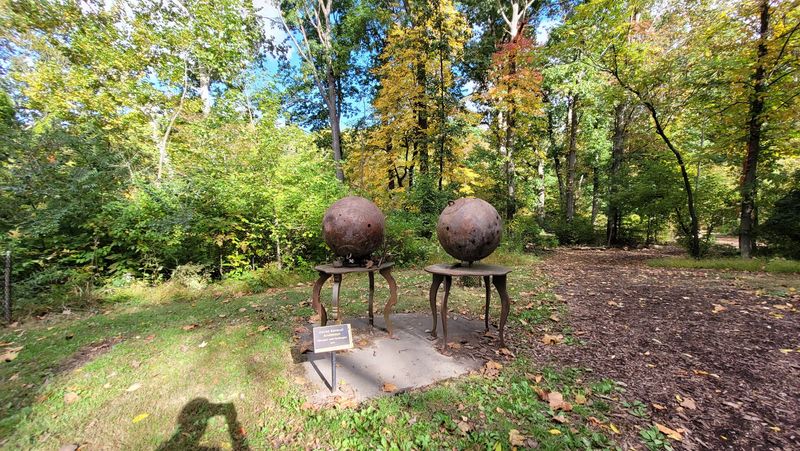
One of the best parts of visiting the Karl Stirner Arts Trail is realizing that the artwork rewards patience.
At first glance, a piece may seem simple, abstract, or purely decorative.
But when you stop and really look, you begin noticing shape, texture, scale, and how the surrounding landscape changes what the work communicates.
This is not the kind of place where you rush from one landmark to the next just to check boxes.
The trail encourages you to pause, circle a sculpture, and view it from different angles.
Sunlight, shadow, and distance all play a role in how each installation comes across.
I think that slower rhythm is part of the trail’s charm.
It gives you permission to be observant without feeling self conscious about it.
Even a short visit can turn into a more thoughtful experience when you let the artwork unfold gradually instead of expecting every piece to reveal itself immediately.
5. The Landscape Is Part Of The Experience
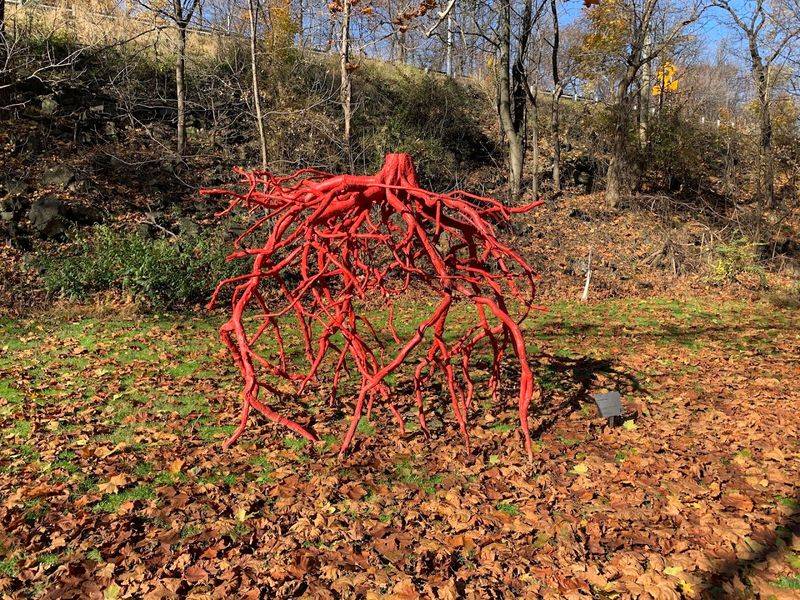
At the Karl Stirner Arts Trail, the landscape does more than provide a pretty backdrop.
The trees, open grassy stretches, and shifting seasonal color actively shape the experience of the art.
Nature is not separate from the installations here.
It is part of the conversation the trail creates.
That relationship makes the walk feel immersive instead of staged.
A sculpture can seem grounded, hidden, playful, or monumental depending on the vegetation around it and the amount of open space nearby.
Even the sound of wind or rustling leaves adds atmosphere that a traditional indoor setting could never replicate.
I appreciate how the trail allows you to enjoy the environment on its own terms while still highlighting creativity.
If you come mainly for a peaceful walk, the setting satisfies that immediately.
If you come for the artwork, the landscape deepens every piece and gives the entire trail a sense of calm, connection, and quiet surprise.
6. Why It Feels Different In Every Season
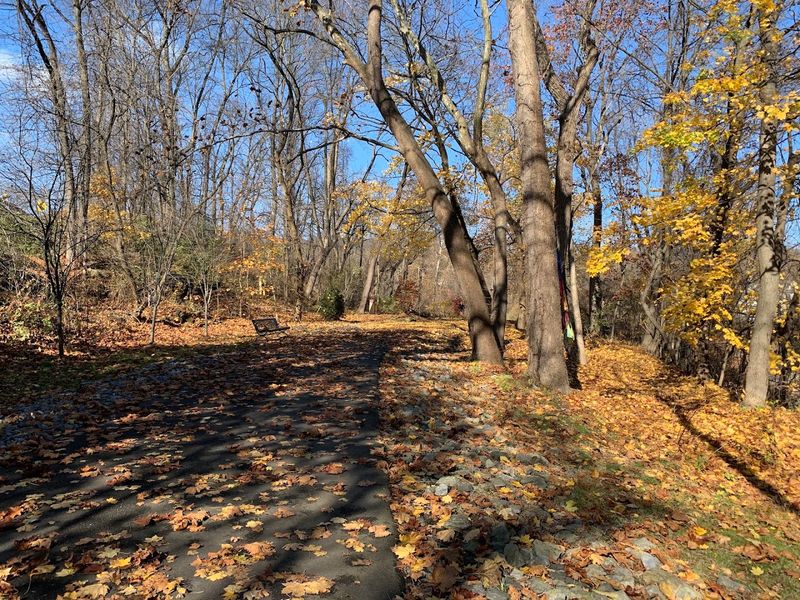
One reason people return to the Karl Stirner Arts Trail is that it never feels exactly the same twice.
Seasonal changes reshape the walk in obvious and subtle ways, from leaf color and light quality to the mood surrounding each installation.
A trail visit in spring can feel bright and fresh, while autumn may make the same route feel richer and more dramatic.
The art benefits from that constant transformation.
Pieces that seem bold against summer greenery can become stark and striking in winter.
New shadows, bare branches, and changing ground cover influence how your eye moves through the space and what details stand out first.
I think that repeat value is one of the trail’s biggest strengths.
You are not just visiting a fixed collection of objects.
You are stepping into a living environment that keeps rearranging the emotional tone of the walk.
That makes every return feel worthwhile, even when you already know the path well.
7. A Relaxed Place For Reflection
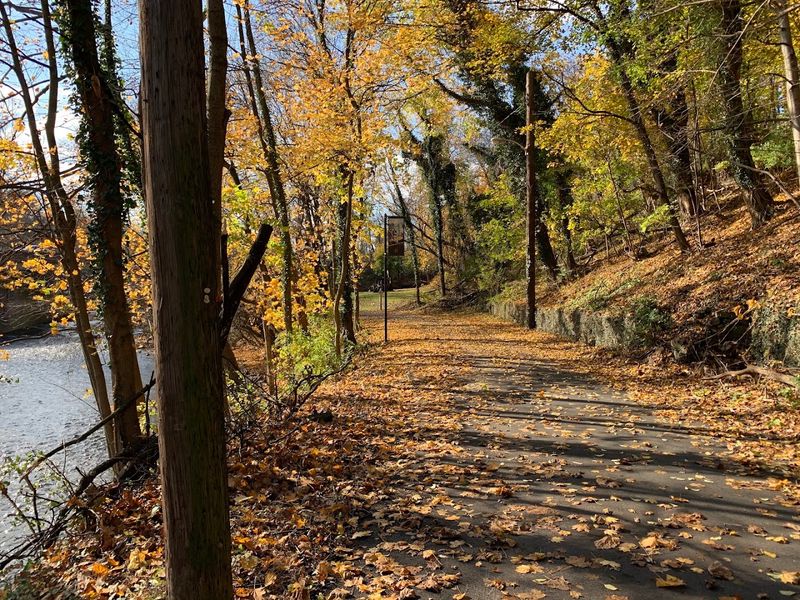
Some outdoor attractions feel built for constant activity, but the Karl Stirner Arts Trail has a quieter appeal.
It is a place where you can think, breathe, and let the surroundings settle you without needing a packed itinerary.
The art gives your mind something to engage with, while the natural setting keeps the overall mood grounded and restful.
That combination makes the trail especially nice when you want a walk with a little meaning behind it.
You are not just moving from point A to point B.
You are taking in forms, textures, and spaces that can feel meditative when approached without hurry.
I find that the trail works well for solo visits because of that reflective quality.
You can spend the entire time in conversation, or barely speak at all and still leave feeling satisfied.
For anyone craving a low pressure outing in Easton, this trail offers calm without ever becoming dull or empty.
8. An Easy Art Stop For Curious Visitors
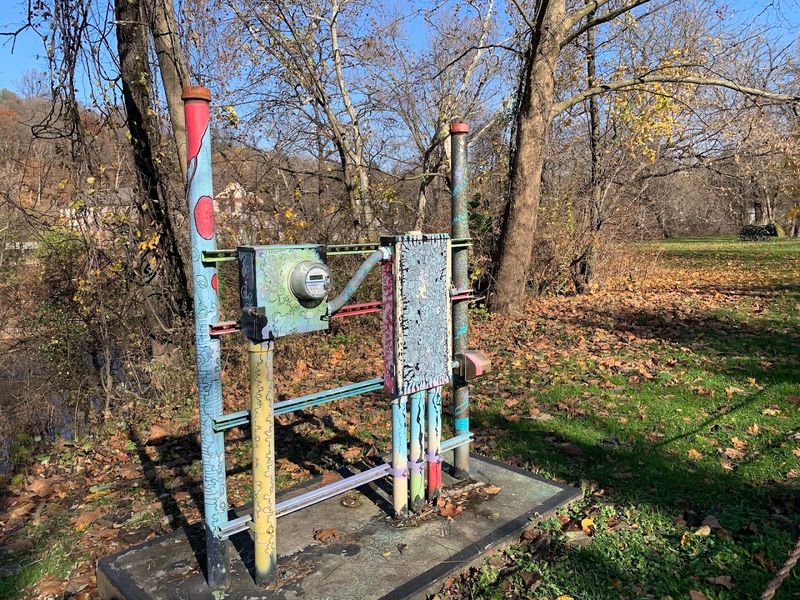
The Karl Stirner Arts Trail is especially appealing because it makes public art feel accessible to people who might not usually seek it out.
You do not need background knowledge, museum stamina, or a perfect plan to enjoy what is here.
You simply show up, start walking, and let the experience reveal itself as you go.
That ease matters more than people sometimes realize.
Art can feel distant or overly explained in some settings, but this trail strips away that pressure.
If a piece speaks to you, great.
If another leaves you puzzled, that is fine too.
The walk still feels enjoyable and complete.
I think this is what makes the trail such a smart stop in Easton.
It works for dedicated art lovers, casual walkers, and people who just want something different from the usual park visit.
There is enough creativity to spark interest, but the atmosphere remains welcoming, simple, and pleasantly free of pretense for everyone.
9. A Great Spot For Photos And Details
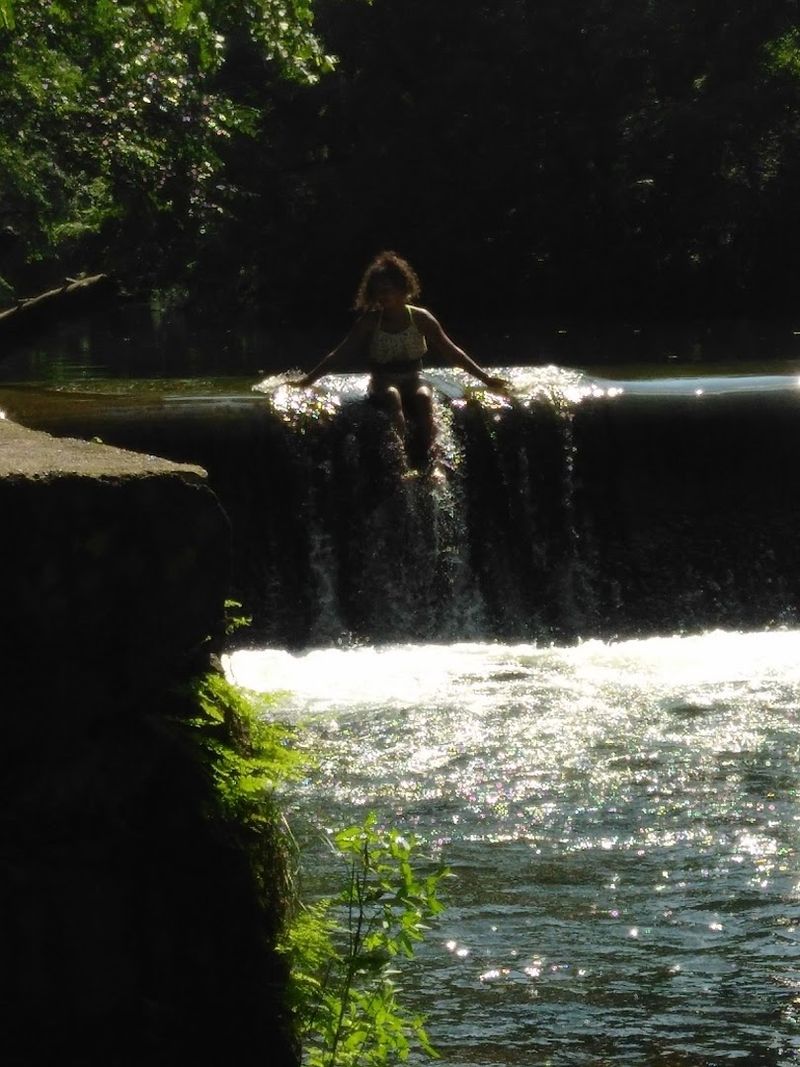
If you enjoy taking photos during your walks, the Karl Stirner Arts Trail gives you plenty to work with.
The mix of natural textures, open views, and striking artwork creates scenes that feel balanced and interesting without trying too hard.
You can capture wide landscape shots, detail images, or people interacting with the trail in a natural way.
What helps most is the variety along the route.
Different angles, backgrounds, and light conditions make it easy to find compositions that do not all look the same.
The artwork also adds strong focal points, which can turn an ordinary trail photo into something more memorable and visually layered.
I would still recommend putting the camera down now and then.
Some places become more meaningful when you experience them directly instead of only framing them for later.
Even so, this trail is undeniably photogenic, and it offers plenty of moments that look just as good in person as they do through a lens.
10. Why This Easton Trail Is Worth Seeking Out
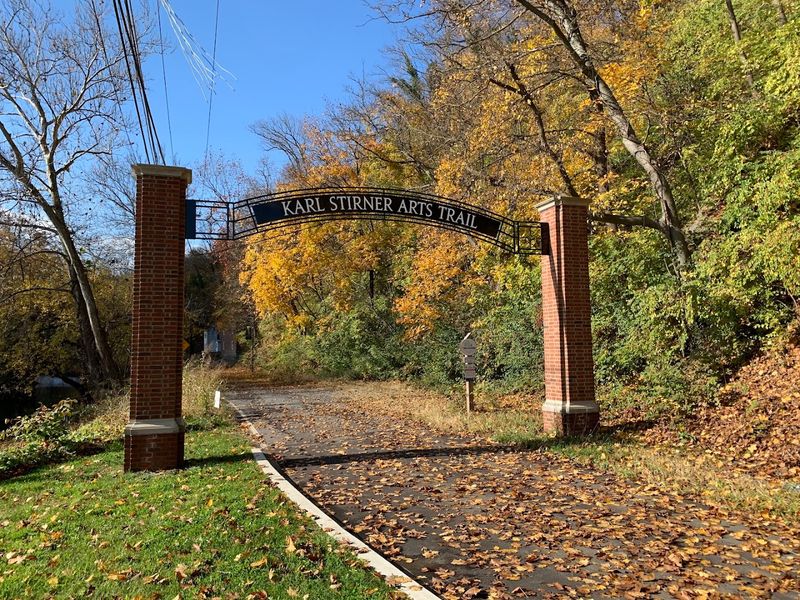
What ultimately makes the Karl Stirner Arts Trail worth seeking out is how many experiences it combines in one easy visit.
It offers fresh air, movement, creativity, local character, and a sense of discovery that feels rare in a casual trail walk.
You do not have to choose between a nature outing and an art stop here, because the place gives you both at once.
That blend makes the trail memorable long after the walk ends.
Instead of recalling only scenery or only sculptures, you remember how the two interacted and elevated each other.
The route feels intentional, but never rigid, which helps the visit stay relaxed and enjoyable.
If you are looking for something distinctly Easton and a little unexpected, this is an excellent choice.
The trail proves that public spaces can be creative, restorative, and inviting all at the same time.
It is the kind of place you recommend quickly because it genuinely feels like a discovery worth sharing.