Tennessee’s natural beauty doesn’t require steep climbs or grueling endurance to enjoy. Across the state, paved and easy trails offer stunning lake views, river scenery, historic sites, and wildlife encounters without the knee-punishing descents or breathless ascents.
Whether you’re looking for a peaceful morning walk or a scenic afternoon outing, these ten trails prove that accessibility and breathtaking views can absolutely go hand in hand.
1. Sugarlands Valley Nature Trail — Gatlinburg
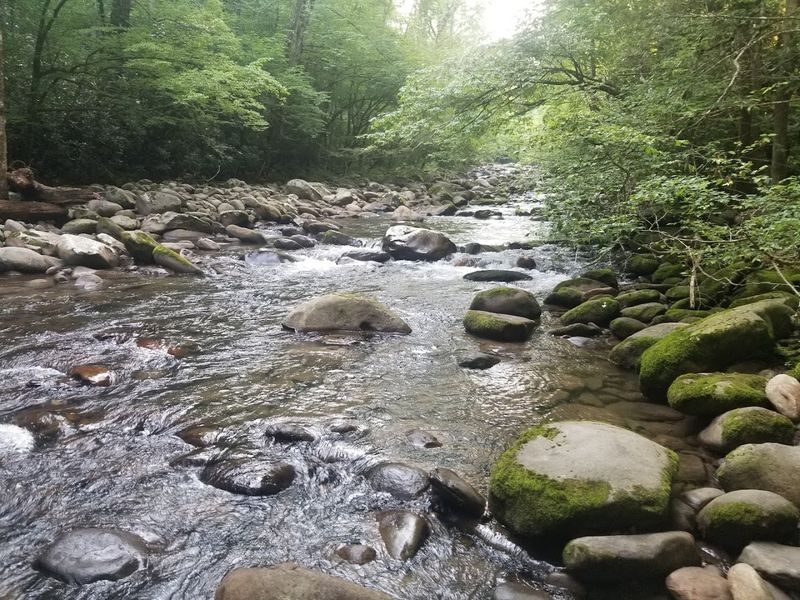
Right at the entrance to Great Smoky Mountains National Park sits a trail that welcomes everyone. The Sugarlands Valley Nature Trail loops just half a mile through towering hardwoods and rhododendron thickets, following the West Prong of the Little Pigeon River as it tumbles over mossy rocks.
Being the only ADA-accessible trail in the entire park makes this route special for more than just its convenience. The paved surface stays smooth year-round, and benches appear at regular intervals for anyone who wants to pause and listen to the water rush by.
Interpretive signs share stories about the forest’s recovery and the families who once farmed this valley before the park was established.
Morning visits often reward walkers with misty views and birdsong echoing through the canopy. Afternoons bring dappled light that dances across the trail surface.
The river stays close enough that you can hear it the entire way, creating a soothing soundtrack that drowns out any road noise from nearby Route 441.
Parking sits directly at the trailhead, eliminating long walks before the hike even begins. Restrooms are available at the Sugarlands Visitor Center just down the road.
The trail stays relatively flat, with only the gentlest grade changes that most walkers barely notice.
Wildflowers bloom along the path in spring, while autumn transforms the surrounding forest into a blaze of orange and gold. Even winter offers its own quiet beauty when frost coats the rhododendron leaves and the river runs crystal clear.
No matter the season, this trail delivers genuine Smokies scenery without requiring stamina or special equipment—just comfortable shoes and a willingness to slow down and enjoy the moment.
2. Marble Plains Overlook Trail — Tims Ford State Park, Winchester
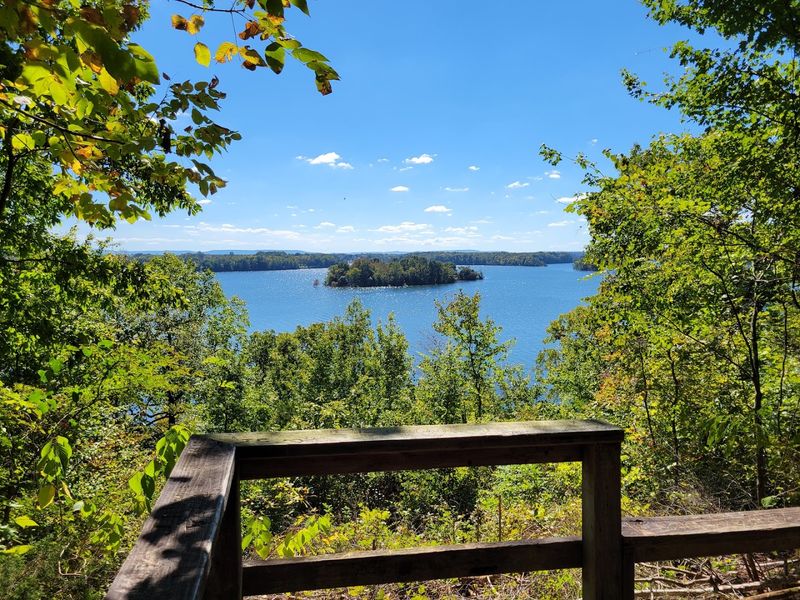
Tucked away in south-central Tennessee, Tims Ford Lake stretches across more than 10,000 acres, and the Marble Plains Overlook Trail offers one of its best vantage points. This 1.1-mile paved path climbs so gradually you might not realize you’re gaining elevation until the overlook suddenly opens up before you.
The trail winds through mixed hardwood forest where oak, hickory, and maple trees provide shade for most of the journey. Birdsong fills the air during spring migration, and butterflies drift across the path in summer.
The pavement stays in excellent condition, wide enough for walkers to stroll side by side while chatting about the scenery.
What makes this hike memorable isn’t just the easy walking—it’s the payoff at the end. The overlook platform reveals a sweeping panorama of Tims Ford Lake with its distinctive wooded islands rising from the blue water like green jewels.
On clear days, the surrounding hills roll away in layers of blue-green, creating depth and dimension that photographers love.
Benches at the overlook invite visitors to linger and watch boats glide across the water far below. Eagles sometimes soar past at eye level, riding thermal currents above the lake.
The elevation provides enough of a breeze to keep things comfortable even on warm days.
The state park maintains this trail beautifully, keeping vegetation trimmed back and the surface free of debris. Parking is plentiful near the trailhead, and the park offers additional amenities including picnic areas and restrooms.
Early morning walkers often have the trail entirely to themselves, while late afternoon brings golden light that makes the lake glow. Either way, the views justify every step of that gentle 1.1-mile journey to the overlook platform.
3. Otter Creek Road Trail — Radnor Lake State Natural Area
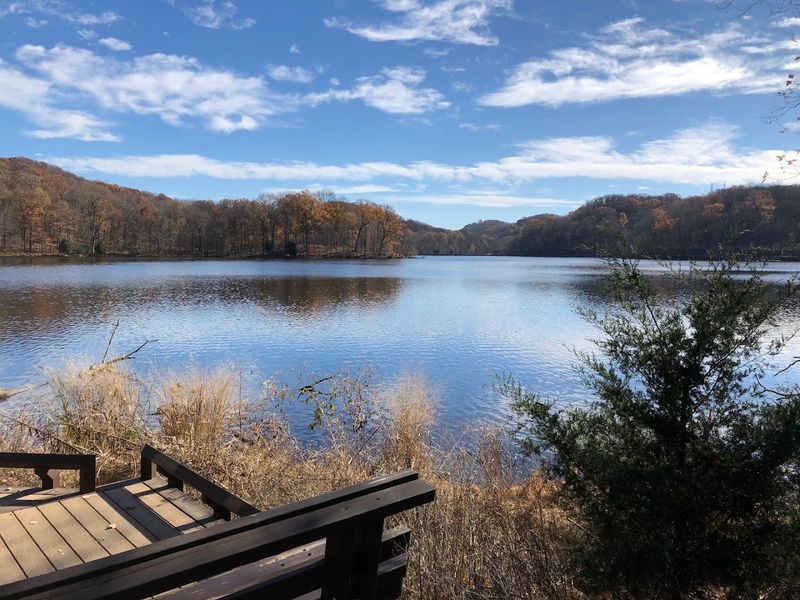
Nashville’s Radnor Lake has earned a reputation as an urban wildlife sanctuary, and Otter Creek Road Trail provides the easiest access to its natural wonders. Following a former roadway now closed to vehicles, this 1.05-mile route stays completely level and paved, making it genuinely wheelchair-friendly while offering lake views that rival any challenging backcountry trail.
The trail hugs the eastern shore of Radnor Lake, where the water reflects the surrounding forested hillsides like a massive mirror. Walkers regularly spot great blue herons stalking fish in the shallows, turtles sunning themselves on logs, and white-tailed deer browsing along the water’s edge.
The park’s famous beaver lodge sits visible from the trail, and patient observers sometimes catch glimpses of these industrious animals during early morning or evening hours.
What sets this trail apart is how close it brings visitors to the lake itself. Unlike many accessible paths that stay frustratingly distant from the main attraction, Otter Creek Road runs right along the shoreline.
Benches appear frequently, positioned to take advantage of the best views and provide comfortable spots for birdwatching or simply soaking in the peaceful atmosphere.
The wide, smooth surface accommodates everyone from power walkers to those using mobility aids, and the lack of vehicle traffic creates a safe, quiet environment. Interpretive signs along the way explain the lake’s ecology and the conservation efforts that have protected this 1,368-acre natural area since 1973.
Spring brings migrating songbirds and blooming wildflowers along the trail edges. Summer mornings arrive cool and misty over the lake.
Fall transforms the surrounding hillsides into a spectacular color show reflected in the still water. Winter reveals the lake’s structure and allows clearer views of wildlife. Each season offers something special, and the easy accessibility means visitors can return again and again to experience them all.
4. Couchville Lake Trail — Long Hunter State Park, Hermitage
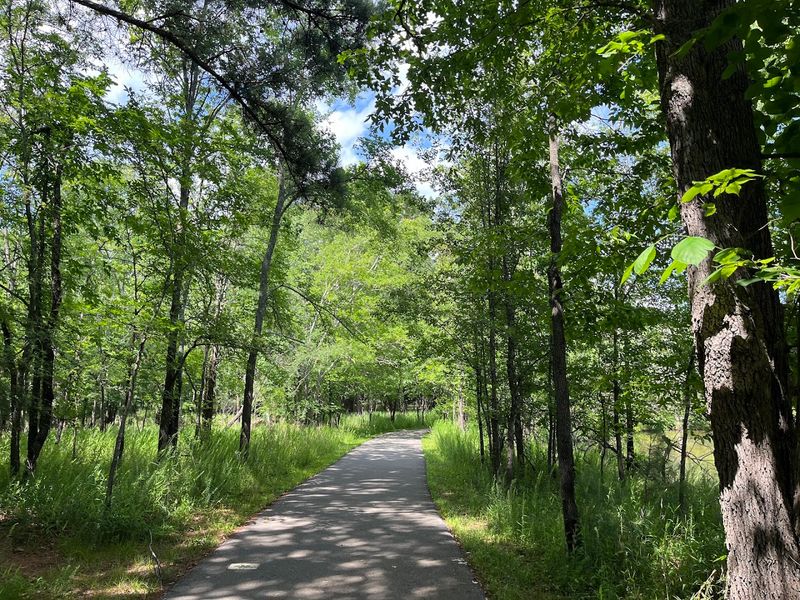
Just east of Nashville, Long Hunter State Park protects a peninsula jutting into Percy Priest Lake, and the Couchville Lake Trail showcases some of the park’s prettiest corners. This 2.1-mile paved loop circles a small, peaceful lake that feels worlds away from the nearby interstate despite being only minutes from the city.
The trail’s smooth asphalt surface makes it one of Tennessee’s most approachable scenic walks. Gentle curves follow the lake’s natural shoreline, passing through mixed hardwood forest that provides shade for most of the route.
Several observation areas with benches overlook the water, strategically placed where wildlife sightings happen most frequently.
Birdwatchers love this trail because the lake attracts waterfowl year-round. Wood ducks paddle among the cypress knees in spring.
Great egrets stalk the shallows in summer. Migrating geese and other waterfowl stop over during fall and winter. The forest sections host woodpeckers, songbirds, and occasionally owls that call from the trees at dusk.
The complete loop takes most walkers about an hour at a comfortable pace, but the beauty of a circular trail is that you can turn around whenever you choose. No need to retrace your steps—just continue forward and you’ll eventually return to your starting point.
The lake itself stays visible for much of the journey, its calm surface reflecting the sky and surrounding trees.
Park amenities include ample parking, restrooms, and picnic facilities near the trailhead. The trail sees regular maintenance, keeping the surface in excellent condition and vegetation trimmed back.
On weekday mornings, you might share the path with only a handful of other walkers and the resident wildlife. Weekends bring more visitors, but the 2.1-mile length prevents overcrowding.
Sunrise and sunset paint the lake in gorgeous colors, making early or late visits especially rewarding. The combination of easy walking, beautiful scenery, and abundant wildlife viewing opportunities makes this trail a favorite among locals who return again and again.
5. Tennessee Riverwalk — Chattanooga
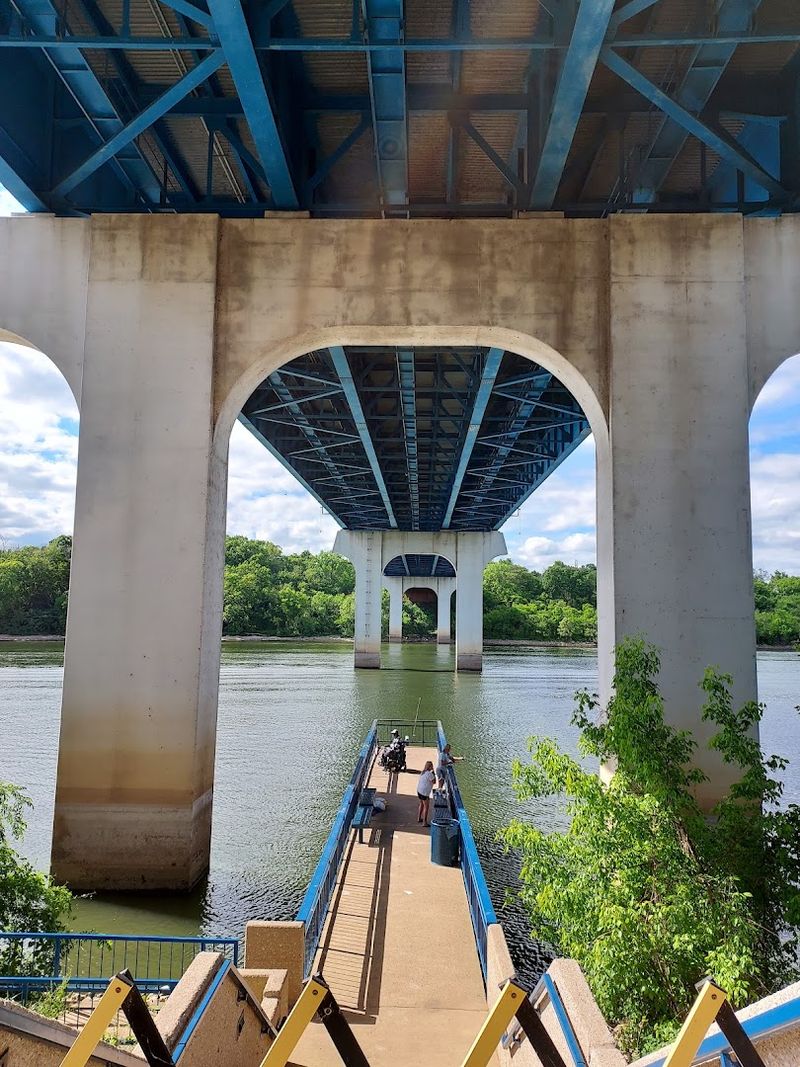
Chattanooga’s Tennessee Riverwalk stretches for miles along both banks of the Tennessee River, but visitors don’t need to tackle the entire route to enjoy its charms. Choosing a comfortable section for an out-and-back walk allows everyone to experience this urban greenway at their own pace while soaking in river views and city scenery.
The paved trail passes through multiple parks, each offering different perspectives on the river and surrounding mountains. Public art installations appear along the route, from colorful murals to sculptural pieces that spark conversation.
Historic bridges cross overhead, and the Walnut Street Bridge—one of the world’s longest pedestrian bridges—provides an optional detour with spectacular views in all directions.
Wide and well-maintained, the Riverwalk accommodates walkers, joggers, cyclists, and anyone using mobility aids. Benches appear frequently, often positioned to capture the best river views or provide shade under mature trees.
The trail stays level for most of its length, with only gentle grades where it climbs to bridge level or descends back to the waterfront.
River traffic adds interest to any walk. Paddleboarders glide past. Kayakers explore the shoreline. Riverboats cruise by carrying tourists who wave from the decks.
Across the water, Lookout Mountain rises dramatically, its forested slopes forming a scenic backdrop that changes with the light throughout the day.
Multiple access points mean you can start from various parking areas and choose your distance. Ross’s Landing near the Tennessee Aquarium makes an excellent starting point with plenty of parking and nearby amenities.
From there, you can walk east toward Coolidge Park or west toward the Bluff View Art District, turning back whenever you’re ready.
Early morning brings joggers and dog walkers. Lunch hours see downtown workers taking breaks along the water.
Evenings attract families and couples enjoying the cooler temperatures and beautiful light. The Riverwalk works for any schedule and any walking ability, proving that accessible trails can absolutely deliver memorable views and urban energy.
6. Brough Slough Nature Trail — Reelfoot Lake State Park, Tiptonville
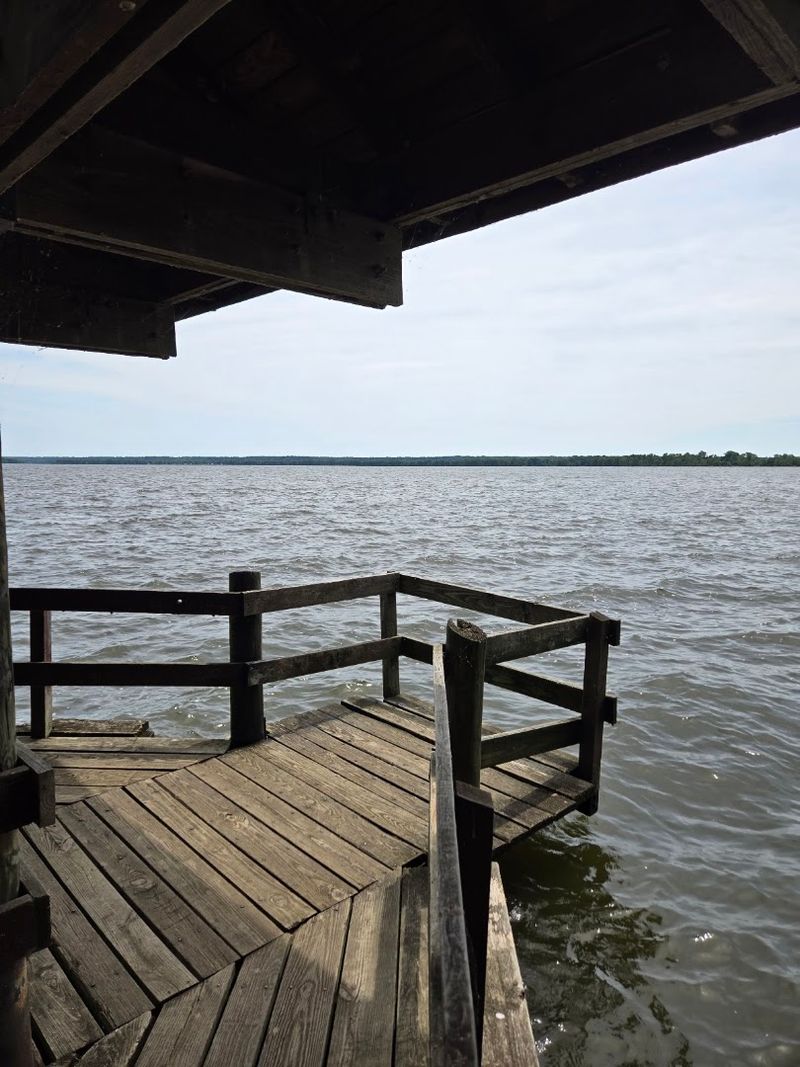
Way up in Tennessee’s northwest corner, Reelfoot Lake creates one of the state’s most unusual landscapes. Formed by earthquakes in 1811-1812, this shallow lake spreads across flooded forests where bald cypress trees rise from dark water and Spanish moss drapes from every branch.
The Brough Slough Nature Trail offers an easy introduction to this otherworldly environment in just 0.3 miles.
Short doesn’t mean disappointing here. This trail packs an incredible amount of scenery and wildlife viewing into its brief length.
Boardwalk sections keep feet dry while bringing visitors right into the heart of the cypress forest, where knobby cypress knees poke up from the water and create a landscape unlike anything else in Tennessee.
Reelfoot Lake is famous for its birdlife, especially during winter when bald eagles arrive to fish the shallow waters. Even during other seasons, great blue herons, egrets, and countless other water birds make this trail a birdwatcher’s paradise.
The still water reflects the trees perfectly, creating mirror images that blur the line between reality and reflection.
Interpretive signs along the trail explain how the earthquakes created the lake and how this unique wetland ecosystem functions. The information enriches the walk without overwhelming visitors with too much text.
Most people naturally pause to read while catching their breath and taking in the strange beauty surrounding them.
The trail’s short length makes it perfect for anyone unsure about their walking endurance. Even if you’re having a low-energy day, 0.3 miles is achievable without feeling exhausted.
Yet the scenery rivals trails ten times longer, proving that distance and difficulty don’t determine a trail’s value.
Photography opportunities abound, especially during golden hour when light filters through the cypress canopy and illuminates the moss-draped branches. The stillness of the water and the primeval feel of the flooded forest create an atmosphere that transports visitors to a different time.
Reelfoot Lake is unlike anywhere else in Tennessee, and this accessible trail provides the perfect introduction.
7. Shelby Farms Greenline — Memphis
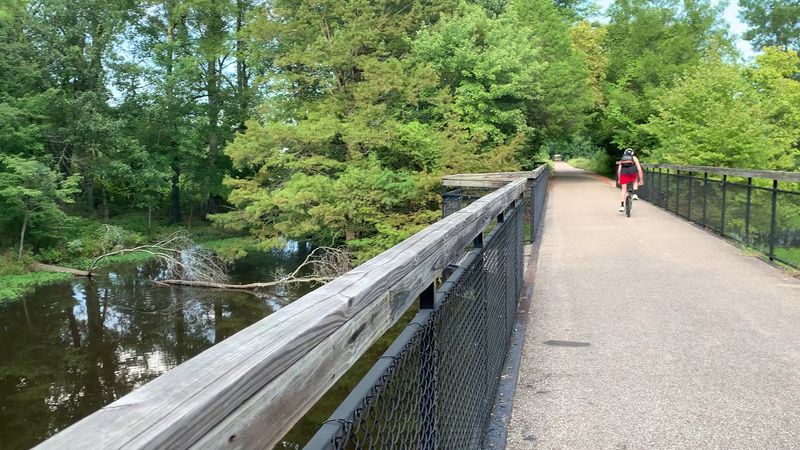
Memphis’s Shelby Farms Park sprawls across more than 4,500 acres, making it one of the largest urban parks in America. The Greenline cuts through a section of this massive green space, offering a paved trail where walkers can choose their own distance rather than committing to the full 10-plus-mile route.
Selecting a shorter section through Shelby Farms Park itself provides the best scenery with the most amenities. The paved trail winds through diverse landscapes including shady woodland, open meadows, and lake shores.
Mature trees arch over portions of the path, creating natural tunnels that provide welcome shade during summer months.
What makes this trail special is the variety packed into any chosen segment. One stretch might pass through dense forest where songbirds flit between branches.
The next opens onto prairie restoration areas with native grasses and wildflowers. Then the trail curves around one of the park’s lakes, where paddlers glide across the water and turtles sun themselves on logs.
Rest areas appear frequently along the Greenline, equipped with benches, water fountains, and sometimes covered shelters. The trail’s width accommodates everyone comfortably, with plenty of room for walkers, cyclists, and others to share the space safely.
The smooth pavement stays in excellent condition thanks to regular maintenance.
Park amenities extend beyond the trail itself. Playgrounds, picnic areas, and restrooms sit near various access points.
The park’s Woodland Discovery Playground and Chickasaw Bluffs are worth exploring if you have energy after your walk. Multiple parking areas mean you can start from different locations and experience different sections of the trail.
Wildlife sightings happen regularly despite the urban location. White-tailed deer browse in the meadows during early morning and evening.
Hawks circle overhead hunting for prey. Beavers maintain lodges in the park’s lakes and streams.
The combination of wild spaces and easy accessibility makes Shelby Farms Greenline a gem for anyone seeking nature without leaving the city or tackling difficult terrain.
8. Sycamore Shoals River Trail — Elizabethton
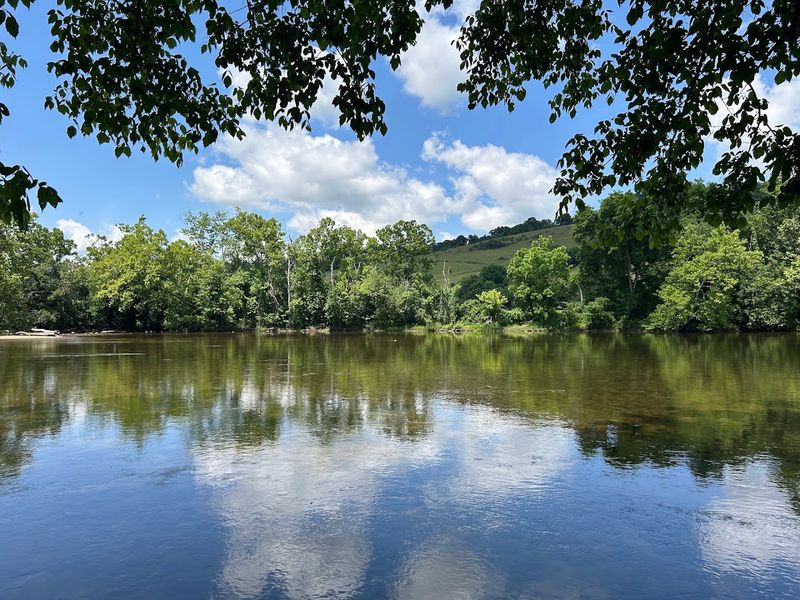
In northeast Tennessee’s Elizabethton, history and nature intertwine along the Watauga River. Sycamore Shoals State Historic Park preserves the site where the Transylvania Purchase was negotiated in 1775 and where the Overmountain Men mustered before the Battle of Kings Mountain during the Revolutionary War.
The park’s river trails connect these historic sites with beautiful natural scenery, all on approachable paths.
The trail system follows the Watauga River as it flows past the park, providing water views and mountain vistas. Sycamore trees—the park’s namesake—shade portions of the path, their massive trunks and mottled bark creating natural sculptures.
The river itself flows clear and shallow over rocky shoals, creating a pleasant soundtrack of rushing water.
Fort Watauga’s reconstruction sits within the park, and trails connect to this fascinating glimpse of frontier life. Walking from natural areas to historic sites and back again creates a varied experience that engages both the mind and senses.
Interpretive signs throughout the park share stories of the settlers, Cherokee, and Revolutionary War soldiers who shaped this region’s history.
The trails themselves stay relatively flat, following the river’s contours rather than climbing the surrounding hillsides. This makes them accessible for most walking abilities while still delivering scenic rewards.
Benches placed at key viewpoints invite visitors to pause and contemplate both the natural beauty and the dramatic history that unfolded here.
Spring brings wildflowers to the riverbanks and nesting birds to the sycamores. Summer provides lush green scenery and the cooling presence of the river. Autumn transforms the forest into brilliant color while the water runs especially clear. Winter reveals the landscape’s bones and allows unobstructed views across the river to the mountains beyond.
The park offers ample parking, restrooms, and a visitor center with exhibits about the area’s history. Combining an easy walk with historical education makes this destination appealing for anyone interested in Tennessee’s past as well as its natural present.
9. South Chickamauga Creek Greenway — Chattanooga
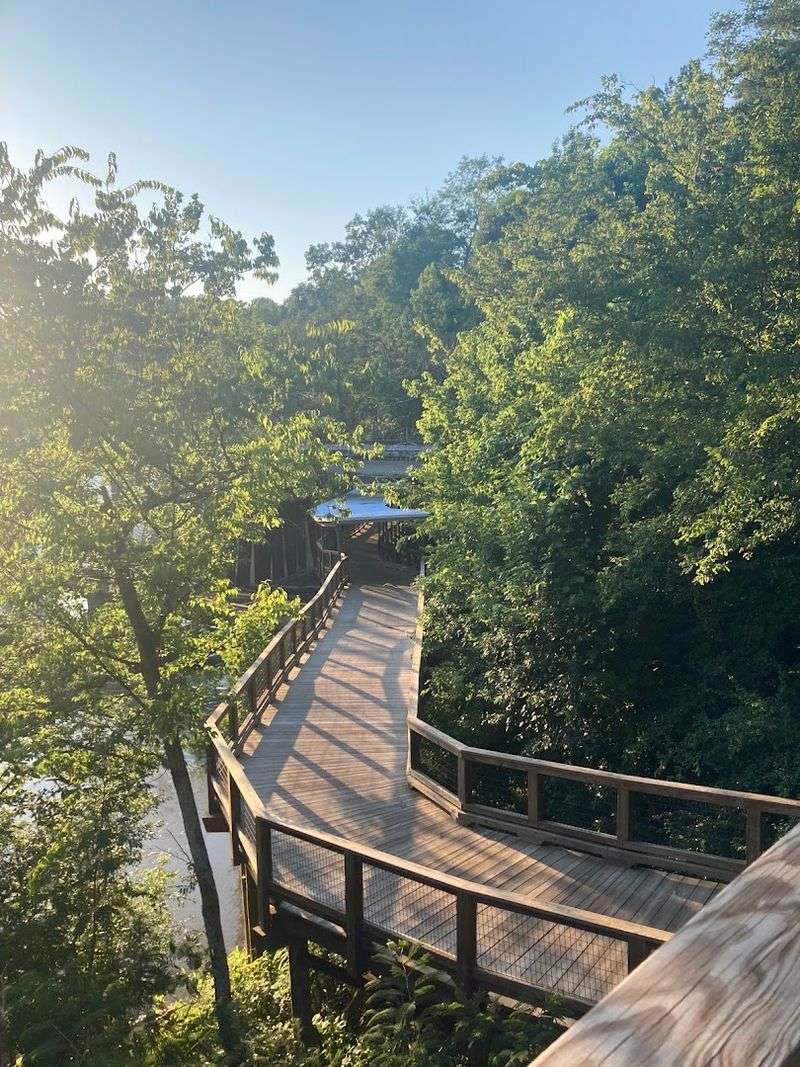
Chattanooga’s greenway system extends far beyond the downtown Riverwalk, and the South Chickamauga Creek Greenway offers something different—a paved trail that explores wetlands, farmland, and forest in the city’s northern reaches. The section near Sterchi Farm provides the best accessible walking with the most varied scenery.
Elevated boardwalks carry the trail over wetland areas where South Chickamauga Creek meanders through cattails and rushes. These wooden sections put visitors right in the middle of the wetland ecosystem, close enough to spot turtles basking on logs and frogs calling from the vegetation.
The creek itself flows clear and shallow, its rocky bottom visible through the water.
Beyond the wetlands, the trail passes through oak-hickory forest where mature trees create a shady canopy. The forest sections stay cool even on hot summer days, and the leaf litter muffles footsteps, creating a peaceful atmosphere.
Farmland views open up along other stretches, showcasing the agricultural heritage that still exists alongside Chattanooga’s urban growth. The mix of natural and cultivated landscapes creates visual interest and reminds visitors of the region’s diverse land uses.
The paved surface stays smooth throughout, making the entire route easy to navigate.
What makes this greenway special is how it avoids difficult climbs while still delivering diverse scenery. The trail follows the creek’s natural grade, rising and falling gently but never presenting challenging slopes.
Benches and rest areas appear regularly, positioned to take advantage of the prettiest views.
Wildlife viewing opportunities rival more remote locations. Herons and egrets stalk the creek shallows. Deer tracks mark the soft ground near the forest sections. Butterflies and dragonflies patrol the wetlands during warm months.
The greenway demonstrates that accessible trails can absolutely provide genuine nature experiences.
Parking is available at the Sterchi Farm access point, and the greenway connects to other trail sections for anyone wanting to extend their walk. The combination of boardwalks, forest, farmland, and creek views makes this one of Chattanooga’s most interesting greenway segments.
10. Dunbar Cave Lake and Short Loop Trails — Clarksville
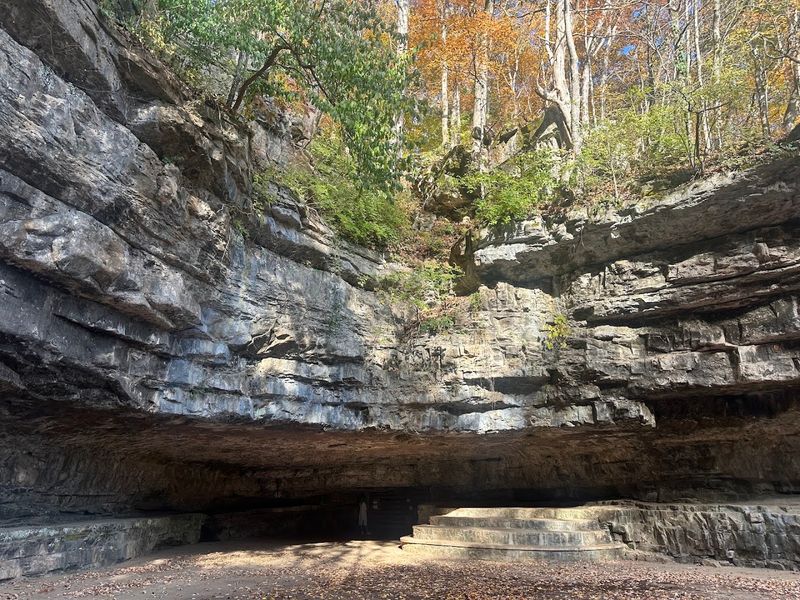
Clarksville’s Dunbar Cave State Park protects a massive cave system with a colorful history involving everything from prehistoric Native American ceremonies to 1930s big band concerts. While the cave itself requires guided tours, the park’s interconnected trail system lets visitors explore the surrounding landscape independently, creating shorter walks that showcase Swan Lake, wetlands, and the dramatic cave entrance.
Swan Lake sits at the heart of the trail network, its calm waters reflecting the sky and surrounding woods. The trail circles the lake through mixed forest where wildflowers bloom in spring and migrating birds stop over during fall.
The lake’s name comes from the trumpeter swans that once lived here, and though they’re gone now, other waterfowl still frequent the area.
The cave entrance makes a dramatic focal point for any walk. The massive opening yawns from the base of a limestone bluff, framed by vegetation and rock formations.
Even without entering the cave, standing at the entrance and peering into the darkness creates a sense of mystery and wonder. The cool air flowing from the cave provides natural air conditioning on hot days.
Wetland areas along the trails host diverse plant communities including cattails, sedges, and water-loving wildflowers. Boardwalk sections keep feet dry while providing close-up views of this productive ecosystem.
Frogs chorus during spring evenings, and dragonflies patrol the wetlands during summer days.
The beauty of this trail system is its flexibility. Visitors can choose the shortest loop around Swan Lake or combine sections to create longer walks without committing to the entire network.
All paths stay relatively flat and well-maintained, making them accessible for most walking abilities.
Parking sits near the visitor center, which offers restrooms and information about the cave’s geology and history. Picnic areas provide spots to relax before or after your walk.
The combination of lake scenery, wetlands, forest, and the cave entrance creates enough variety to keep even frequent visitors interested.
Morning walks often reveal mist rising from Swan Lake and wildlife activity before the day heats up. Evening visits bring golden light and the chorus of frogs and insects.
Any time of day, these trails prove that you don’t need challenging terrain to experience Tennessee’s natural and geological wonders.