Tennessee holds more than rolling hills and country music. Behind its charming towns and historic landmarks lurk stories of restless spirits, unexplained phenomena, and eerie encounters that have unsettled visitors for generations.
From shadowy caves tied to legendary hauntings to abandoned hospitals echoing with whispers from the past, these spine-tingling destinations offer a glimpse into the state’s darker side—and they might just make you question what you thought you knew about the places around you.
1. Bell Witch Cave — Adams
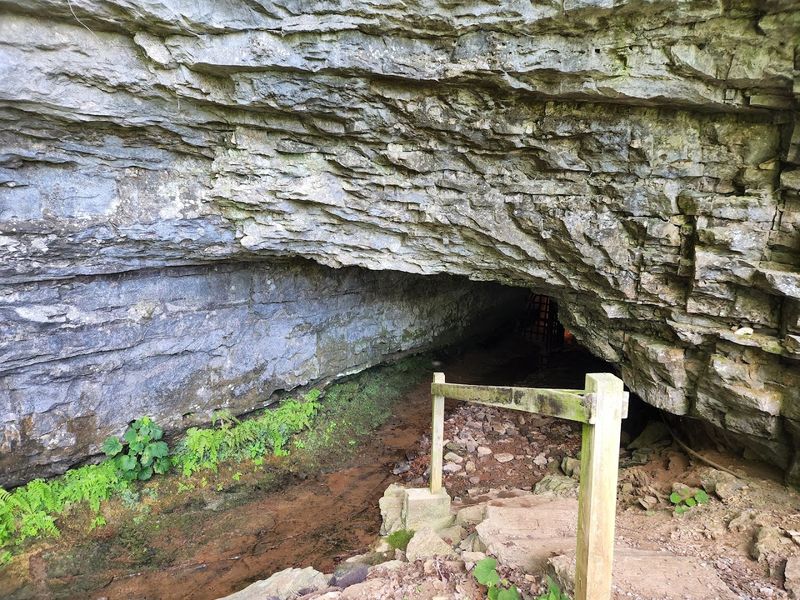
Walk into Bell Witch Cave and you’re stepping into one of America’s most documented supernatural mysteries. The Bell family’s ordeal during the early 1800s wasn’t just whispered folklore—it drew the attention of neighbors, investigators, and even Andrew Jackson, who reportedly fled the area after his own unsettling experience.
Today, the cave remains a focal point for those fascinated by the paranormal.
Tours guide visitors through narrow passages where temperature drops happen without warning and strange sounds seem to follow you deeper underground. Some report feeling watched or hearing disembodied voices echoing off the stone walls.
The atmosphere inside feels heavy, as if the cave itself remembers the terror that unfolded above ground generations ago.
Outside the cave, trails wind through woods where the Bell Witch is said to have first made her presence known. Guides share accounts of objects moving on their own, unexplained scratches appearing on visitors, and cameras malfunctioning at key moments.
Skeptics often leave with stories they can’t quite explain.
What makes this location especially unnerving is its historical credibility. Court documents, family letters, and newspaper articles from the 1800s all reference the disturbances.
This wasn’t a tale invented for tourism—it’s woven into the community’s actual past.
Visiting during autumn adds another layer of creepiness when mist rolls across the property and daylight fades early. Whether you believe in spirits or not, standing at the cave’s entrance while shadows deepen around you creates an experience that’s hard to shake.
The Bell Witch legend refuses to fade, and this cave keeps it disturbingly alive.
2. Thomas House — Red Boiling Springs
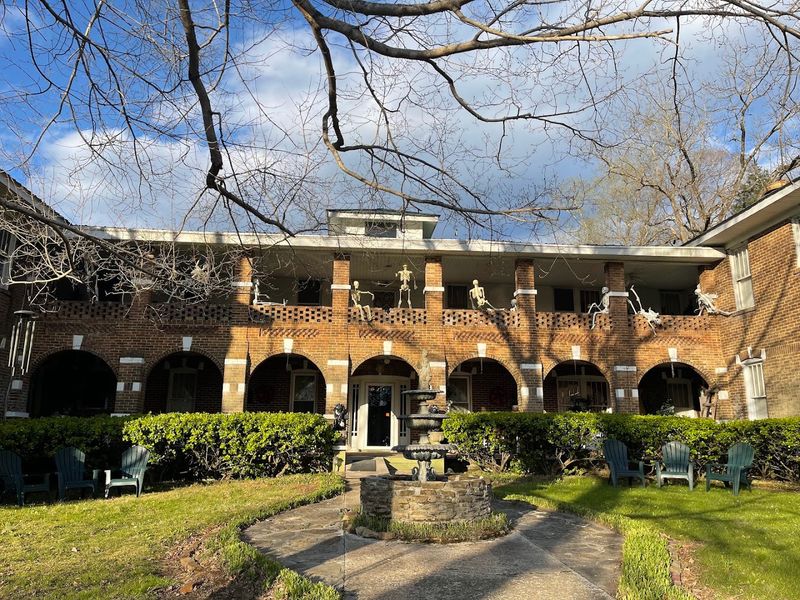
Guests check into Thomas House knowing they might not sleep alone. Built in the late 1800s as a grand hotel, this Red Boiling Springs landmark has become famous for paranormal activity that staff and visitors consistently report.
Unlike places where ghost stories feel manufactured for effect, the encounters here happen regularly enough that the hotel now hosts investigation weekends for those brave enough to spend the night hunting evidence.
Footsteps echo down empty hallways long after midnight. Doors open and close without anyone nearby. Shadowy figures appear in mirrors or pass through walls where doorways once existed during earlier renovations.
Room assignments come with warnings about which spaces have the most activity. Some guests specifically request the most haunted rooms, hoping for their own encounter.
Others unknowingly book a stay and find themselves texting the front desk at 2 a.m. about sounds they can’t explain or the feeling of someone sitting on the edge of their bed.
The hotel’s history includes deaths, heartbreak, and decades of travelers passing through its doors. Paranormal investigators have captured electronic voice phenomena, unexplained temperature fluctuations, and photographs showing anomalies that weren’t visible to the naked eye during shooting.
Equipment malfunctions happen frequently during investigations—batteries drain within minutes, and devices shut off without reason.
What sets Thomas House apart is how casually staff discuss the activity. They’ve seen too much to dismiss it, sharing stories over breakfast about the previous night’s disturbances.
The hotel doesn’t sensationalize its haunted reputation—it simply acknowledges what happens within its walls. Staying here means accepting that you might experience something you can’t rationally explain, and that possibility hangs in the air from the moment you walk through the door.
3. Lotz House — Franklin
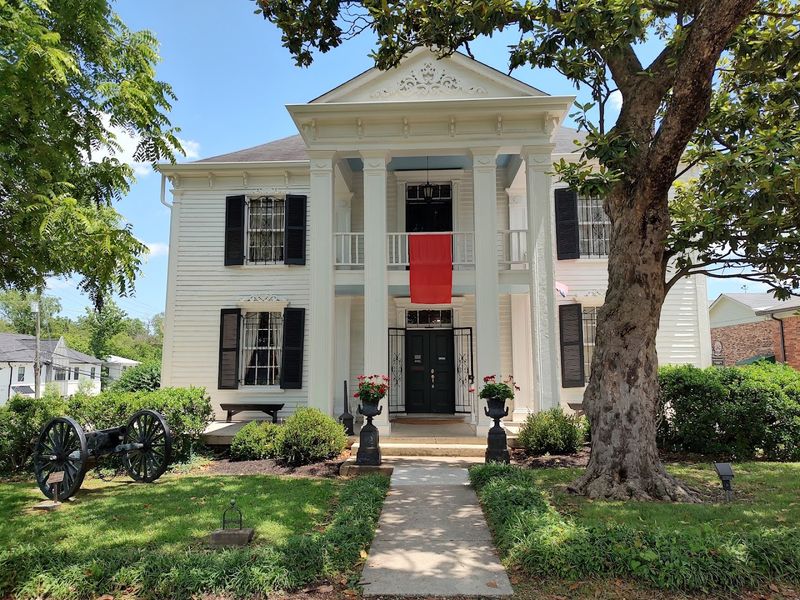
Lotz House sat directly in the path of one of the Civil War’s bloodiest battles. On November 30, 1864, thousands of soldiers clashed just outside its walls, and the home itself became a makeshift field hospital where wounded men suffered and died.
That violent history hasn’t left—visitors and staff report phenomena that suggest the past refuses to stay buried.
Mysterious noises echo through rooms when the house stands empty. Objects move from where staff carefully placed them.
Figures appear in windows when no one is upstairs, sometimes described as soldiers still wearing uniforms from another century.
Tour guides share accounts of cold spots that appear suddenly in specific locations, often where the worst injuries were treated during the battle. Photographs taken inside sometimes reveal unexplained shadows or light anomalies that weren’t visible when the shutter clicked.
Some visitors report feeling overwhelming sadness or anxiety in certain rooms, emotions that seem to come from nowhere and disappear just as quickly once they step outside.
The Lotz family’s original carpentry shop remains on the property, and it carries its own unsettling energy. Tools have been found moved overnight, and footsteps cross the floor above when the building is locked and empty.
Security footage occasionally captures movement that can’t be explained by wind, animals, or human presence.
Franklin’s history is inseparable from the battle that devastated it, and Lotz House stands as a physical reminder of that trauma. The home has been meticulously restored to its 1860s appearance, which somehow makes the paranormal activity more jarring—you’re surrounded by period accuracy while experiencing something that defies rational explanation.
Walking through these rooms means confronting the reality that some events leave marks that time can’t erase.
4. Cragfont State Historic Site — Castalian Springs
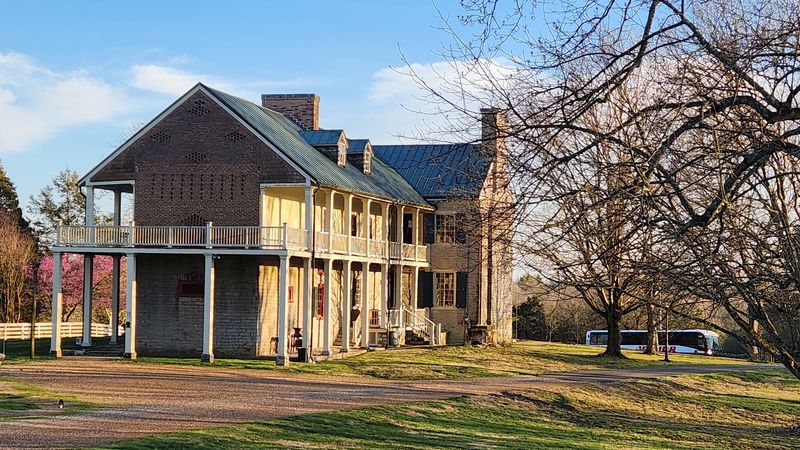
Cragfont’s massive stone walls have stood since 1802, built by General James Winchester as a symbol of frontier prosperity. But prosperity doesn’t protect a place from accumulating dark stories.
Over two centuries, this imposing mansion has developed a reputation for unexplained activity that keeps visitors uneasy from the moment they step inside.
Footsteps echo through empty upstairs rooms when tours are conducted on the ground floor. Staff members have heard their names called by voices that seem to come from nowhere.
Doors that were carefully closed are found standing open minutes later, with no one nearby to explain the change.
Cold spots appear in specific locations throughout the house, often accompanied by the feeling of being watched. Some visitors report seeing shadowy figures moving through doorways or standing near windows, only to vanish when approached.
Photographs taken inside occasionally show strange light patterns or shapes that weren’t visible during the shoot.
The mansion’s isolation adds to its eerie atmosphere. Surrounded by quiet farmland with few neighbors nearby, Cragfont feels removed from the modern world.
That remoteness becomes especially unsettling during late afternoon tours when shadows lengthen across the property and the house seems to grow darker from within.
Historical records document deaths, family tragedies, and the struggles of frontier life that played out within these walls. Paranormal investigators who’ve spent nights at Cragfont report electronic voice phenomena, unexplained temperature drops, and equipment failures that coincide with reported sightings.
The activity isn’t constant, but it’s consistent enough that staff members no longer dismiss strange occurrences as imagination.
Visiting Cragfont means experiencing Tennessee history through a building that refuses to let go of its past. The architecture impresses, the craftsmanship amazes, but the atmosphere unsettles—and that combination creates an experience you won’t forget anytime soon.
5. Historic Rugby — Rugby
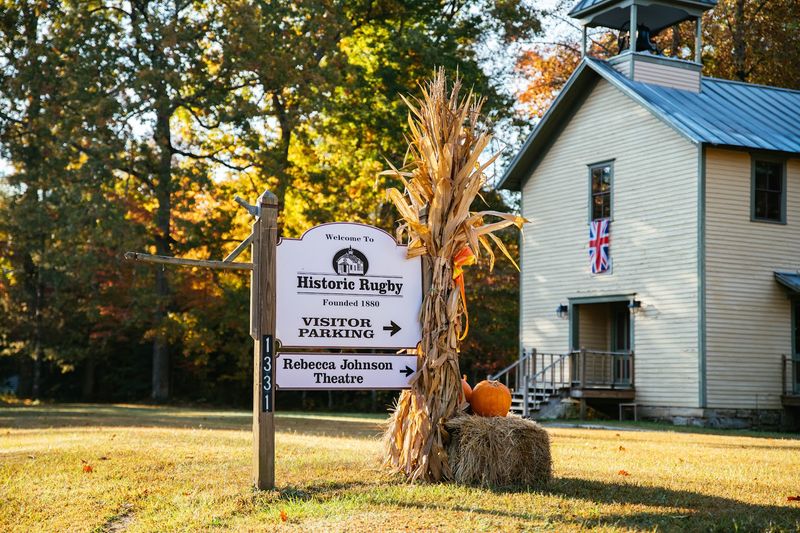
Rugby was supposed to be utopia. Founded in 1880 by English author Thomas Hughes, this Victorian village aimed to create a perfect society where younger sons of British gentry could build new lives.
The dream collapsed within years, leaving behind preserved buildings that now feel frozen in time—and according to many visitors, still occupied by those who never left.
Fog rolls through Rugby with eerie regularity, wrapping around the old structures and creating an atmosphere that feels pulled from a gothic novel. Ghost tours wind through the village after dark, sharing stories of former residents whose presence seems to linger in the homes they once occupied.
The old library, still filled with Victorian-era books, reportedly hosts unexplained sounds—pages turning when no one is near, footsteps crossing the floor above, whispers that seem to come from the shadows between shelves. Tour guides and visitors have reported seeing figures in period clothing standing near windows or walking paths between buildings, only to disappear when approached.
Several of the historic homes are said to be particularly active. Doors open on their own, cold spots appear without explanation, and some visitors report feeling suddenly unwelcome in certain rooms—as if they’ve intruded on someone’s private space.
Photographs taken throughout the village sometimes capture unexplained anomalies, especially near the original buildings that have stood since the 1880s.
What makes Rugby especially unsettling is how well-preserved it remains. Walking through feels like stepping back 140 years, and that authenticity seems to amplify whatever energy lingers here.
The village isn’t commercialized or overdeveloped—it’s simply there, quiet and strange, holding onto stories from people who arrived with hope and left with disappointment. That melancholy hangs in the air, particularly when mist obscures the modern world beyond the village boundaries and you’re left standing among buildings that remember everything.
6. Brushy Mountain State Penitentiary — Petros
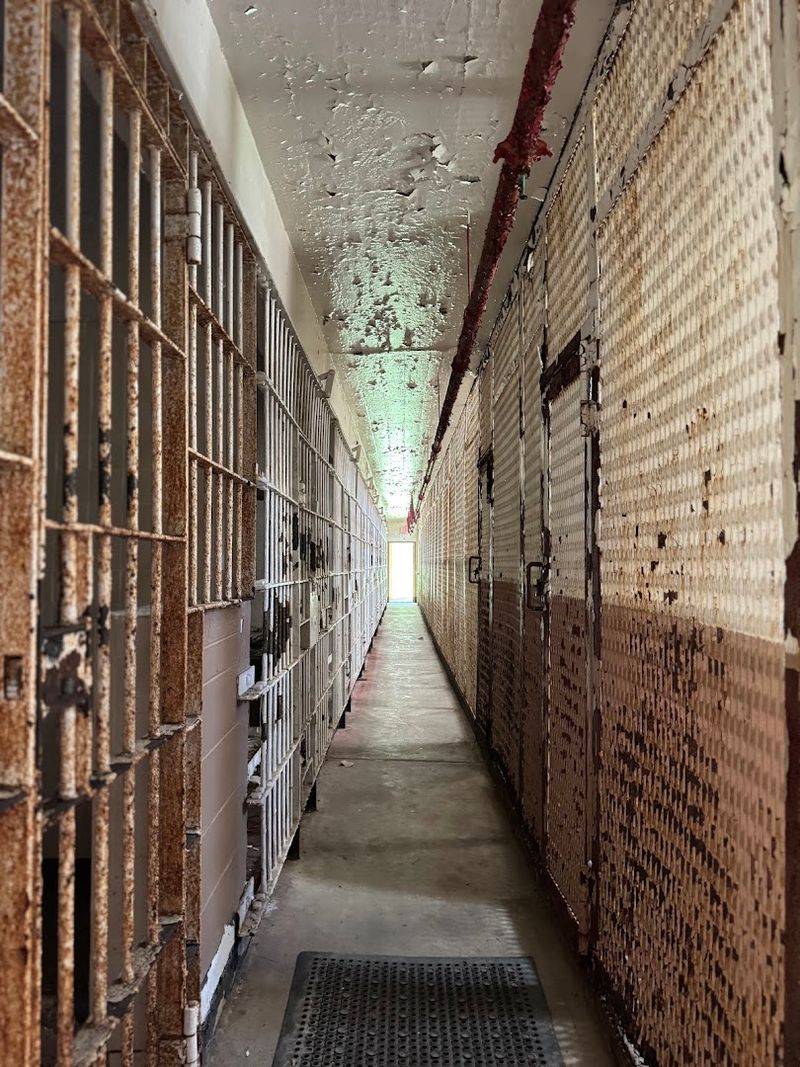
Brushy Mountain wasn’t just any prison—it was Tennessee’s most notorious maximum-security facility, housing the state’s most dangerous criminals for over a century. James Earl Ray, Martin Luther King Jr.’s assassin, was incarcerated here and attempted escape through these walls.
Violence, isolation, and death were daily realities within the cellblocks, and that dark energy hasn’t dissipated just because the facility closed in 2009.
Tours now lead visitors through the same corridors where riots erupted and inmates spent decades in confinement. Walking past rows of tiny cells, you can almost feel the desperation that soaked into the concrete.
The isolation units are particularly disturbing—windowless spaces where men were locked away from all human contact, sometimes for years.
Paranormal investigations held at Brushy Mountain consistently produce unsettling results. Electronic voice phenomena recordings capture voices responding to questions, sometimes with names matching former inmates.
Shadow figures are reported moving through cellblocks, and visitors describe sudden feelings of anger, fear, or sadness that seem to come from the building itself rather than their own emotions.
Equipment malfunctions happen frequently during investigations—fully charged batteries drain within minutes, cameras shut off without explanation, and temperature readings spike or plummet without environmental cause. Some visitors report being touched, pushed, or feeling breath on their necks when no one is behind them.
The prison’s history is thoroughly documented through records, photographs, and firsthand accounts from former guards and inmates. That factual foundation makes the paranormal activity harder to dismiss.
These aren’t vague legends—they’re experiences happening in a place where documented suffering occurred for over 100 years.
Standing inside Brushy Mountain creates discomfort that goes beyond the creepy aesthetic. The building remembers violence, hopelessness, and death.
Whether you believe in ghosts or not, spending time within these walls means confronting the weight of that history—and sometimes, that weight feels like it’s watching you back.
7. Historic Scott County Jail — Huntsville
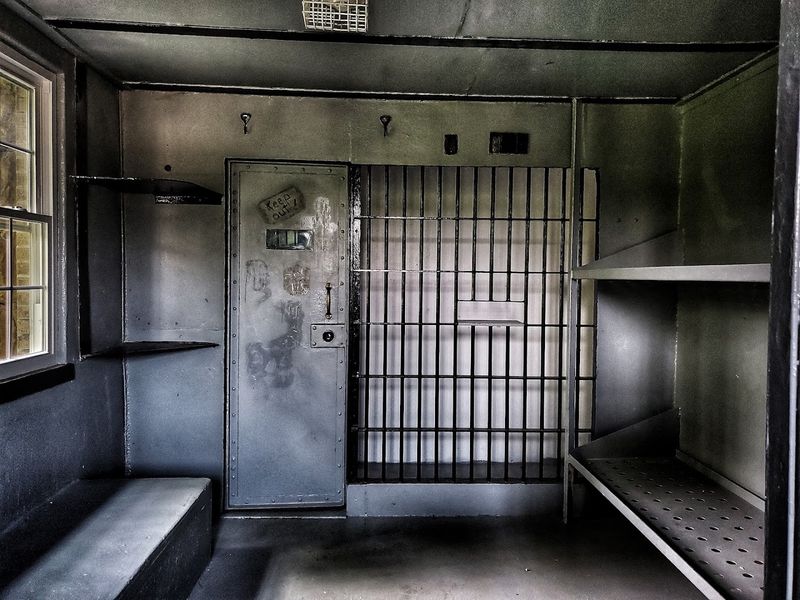
Scott County Jail looks small from the outside, almost quaint compared to modern detention facilities. But step inside and you’re confronted with the brutal reality of 19th-century incarceration—narrow cells barely large enough to lie down in, heavy iron doors designed to crush hope, and an atmosphere thick with the suffering of those who were locked away here.
The jail operated for decades, housing everyone from petty thieves to violent criminals awaiting trial or execution. Stories tied to former prisoners have accumulated over the years, tales of deaths within the cells, escape attempts that ended badly, and the mental deterioration that came from extended confinement in such cramped, dark spaces.
Visitors touring the jail report unsettling experiences almost immediately. Cold spots appear in specific cells, often accompanied by the feeling of being watched.
Some hear whispers or moaning sounds that seem to come from the walls themselves. Others describe sudden anxiety or claustrophobia that vanishes the moment they step back outside.
The cells remain furnished with period-appropriate items, which somehow makes the experience more disturbing. Seeing the actual chains, the narrow bunks, and the scratches prisoners left on stone walls creates a visceral connection to the suffering that happened here.
It’s not abstract history—it’s preserved reality.
Paranormal investigators have captured electronic voice phenomena within the jail, sometimes hearing responses that match names from historical records. Photographs occasionally show unexplained shadows or light anomalies near the cells where deaths were documented.
Equipment failures are common, with devices shutting off or malfunctioning in ways that don’t happen during testing outside the building.
What makes this jail particularly creepy is its size. There’s nowhere to retreat, no distance to create from the cells and their stories.
You’re constantly aware of the small space, the heavy doors, and the desperation that must have filled these rooms. The preservation is thorough, which means the atmosphere remains intact—and that atmosphere is deeply, persistently unsettling.
8. Old Historic Harriman Hospital — Harriman
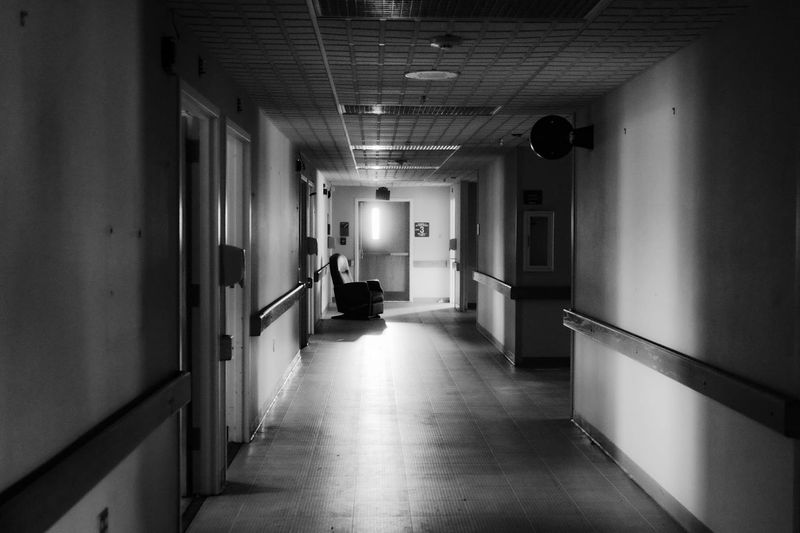
Hospitals carry emotional weight even when they’re operating—they’re places where life begins, where healing happens, and where people die. When a hospital closes and stands empty, all that accumulated energy seems to remain, creating an atmosphere that visitors describe as deeply unsettling.
Old Historic Harriman Hospital fits that description perfectly.
Empty patient rooms line dark corridors where footsteps echo louder than they should. Medical equipment was left behind when the facility closed, and seeing abandoned gurneys, examination tables, and supply cabinets creates an eerie time capsule effect.
It looks like staff might return any moment, except the dust, decay, and silence make clear that no one’s coming back.
Paranormal investigations at the hospital produce consistent activity. Voices are heard in empty wings, sometimes calling for nurses or crying out in pain.
Shadow figures move through hallways, appearing in doorways before vanishing. Cold spots appear suddenly, often in rooms where deaths were documented during the hospital’s operating years.
Visitors report feeling watched, especially when exploring alone or in small groups. Some describe overwhelming sadness washing over them in specific locations, emotions that feel external rather than personal.
Others experience sudden nausea, dizziness, or anxiety that disappears once they leave the building.
Electronic voice phenomena captured during investigations sometimes include responses to questions, names being called, or fragments of conversation that seem to come from another time. Equipment malfunctions are common—cameras shut off without explanation, batteries drain completely within minutes, and temperature sensors record impossible fluctuations.
What makes this location particularly disturbing is its authenticity. This isn’t a theme park haunted house designed for scares—it’s an actual medical facility where real suffering occurred.
The building’s decay adds to the atmosphere, with peeling paint, broken windows, and the smell of abandonment creating sensory input that keeps you on edge. Walking through empty hospital corridors at night tests even skeptics, because something about the space feels fundamentally wrong, as if you’re intruding where you don’t belong.
9. Wheatlands Plantation — Sevierville
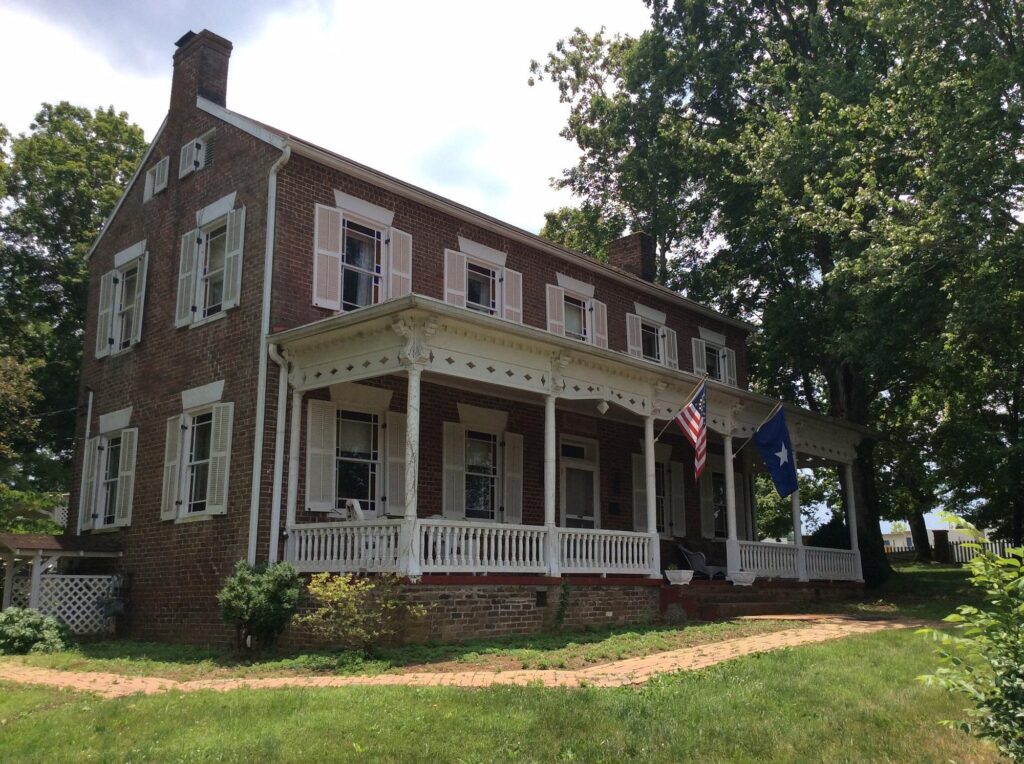
Wheatlands Plantation carries the complicated weight of antebellum Southern history. Built in the mid-1800s, the property witnessed the best and worst of that era—wealth built on enslaved labor, family dramas played out across generations, and the violent upheaval of the Civil War.
That layered history seems to have left marks that go beyond the physical structure.
Stories of apparitions at Wheatlands have persisted for decades. Visitors and staff report seeing figures in period clothing walking the grounds or standing near windows.
Strange sounds echo through the house when it’s empty—footsteps crossing floors above, doors closing in unoccupied rooms, voices murmuring conversations that can’t quite be understood.
The plantation’s past includes deaths, both natural and tragic, along with the suffering of enslaved people who lived and worked on the property. That darkness seems to linger, creating an atmosphere that many visitors describe as heavy or oppressive.
Some rooms feel particularly unwelcoming, as if you’ve entered a space where you’re not wanted.
Paranormal investigators who’ve studied Wheatlands report electronic voice phenomena, unexplained temperature fluctuations, and equipment malfunctions that coincide with reported sightings. Photographs taken throughout the house and grounds sometimes capture light anomalies or shadowy shapes that weren’t visible when the pictures were taken.
Cold spots appear without warning, often accompanied by the feeling of being watched. Some visitors report sudden emotional shifts—sadness, anger, or fear that seems to come from nowhere and vanishes just as quickly.
These experiences happen frequently enough that staff members no longer dismiss them as imagination.
What makes Wheatlands especially unsettling is how its beauty contrasts with its dark history. The architecture is stunning, the grounds are well-maintained, but underneath that polish lies a past that refuses to stay quiet.
Walking through the house means confronting both the elegance of the era and the suffering that made that elegance possible—and sometimes, it feels like that suffering is still making its presence known.
10. The Greenbrier Restaurant — Gatlinburg
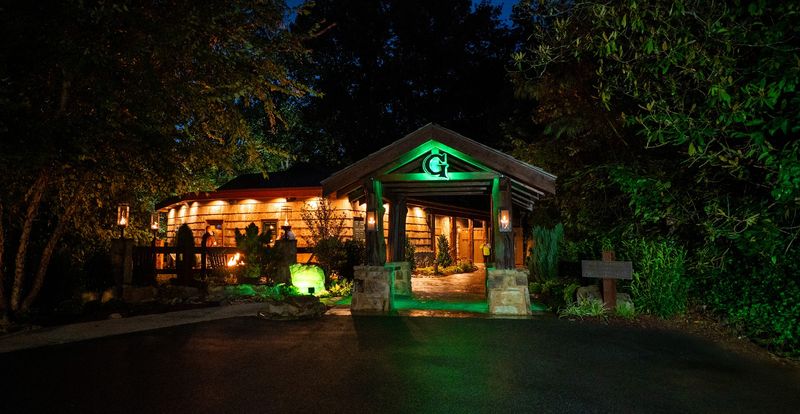
The Greenbrier Restaurant serves excellent food in a beautiful mountain setting, but ask staff about Lydia and the conversation takes a darker turn. Known as the Greenbrier Ghost, Lydia’s story centers on heartbreak—a young woman who died tragically and apparently chose to remain at the location that held significance in her life.
Employees share stories of unexplained encounters that happen regularly. Doors open and close without anyone nearby.
Footsteps cross empty dining rooms after hours. Cold spots appear suddenly, often accompanied by the scent of perfume or flowers that wasn’t there moments before.
Lydia is most often reported near a specific seat in the restaurant, an area where staff and guests have seen a figure appearing briefly before vanishing. Some describe feeling a presence standing beside them, while others report items moving on tables—silverware rearranging itself, napkins being folded, glasses shifting position without explanation.
What makes these stories compelling is their consistency. Different people, unaware of previous reports, describe similar experiences in the same locations.
Skeptical staff members who started work dismissing the ghost stories often become believers after their own encounters—and those encounters happen frequently enough that Lydia has become part of the restaurant’s identity.
Guests who’ve had experiences often describe them as unsettling but not threatening. Lydia doesn’t seem malevolent—just present, making her existence known in small ways that are hard to ignore.
Lights flicker without electrical cause, shadows move through empty rooms, and occasionally someone glimpses a young woman in period clothing who wasn’t there when they look again.
The restaurant’s age and history contribute to its atmosphere. Built in a location with deep Smoky Mountain roots, the building has witnessed generations of visitors passing through.
That continuity seems to have created space for something—or someone—to remain. Whether you believe in ghosts or not, dining at the Greenbrier means accepting that you might experience something strange, and that possibility adds an unexpected layer to your meal.
11. Shiloh National Military Park — Shiloh
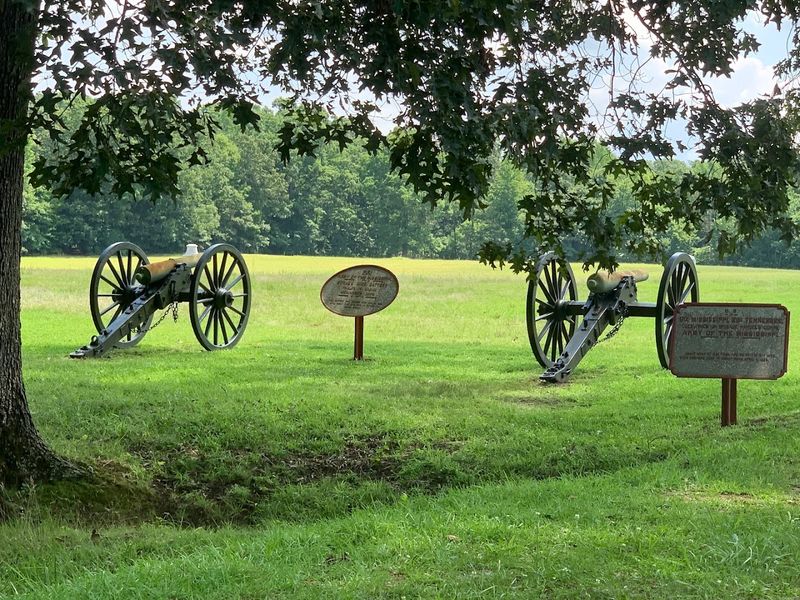
Over 23,000 soldiers were killed, wounded, or went missing during the two-day Battle of Shiloh in April 1862. Walking across the battlefield today, you’re stepping on ground that witnessed unimaginable violence and suffering.
That history doesn’t stay buried—visitors consistently report experiences that suggest the battle hasn’t entirely ended.
Distant drums echo across fields where no reenactors are present. Phantom gunfire cracks through the air on quiet days when the park stands empty.
Figures appear in the tree line or near monuments, dressed in uniforms that place them firmly in the 1860s, only to vanish when approached.
Rangers and frequent visitors share stories of encountering soldiers who seem lost or confused, asking directions to units that no longer exist. These figures appear solid and real until they disappear without warning, leaving witnesses questioning what they actually saw.
Some visitors report smelling gunpowder or hearing shouted commands in areas where the fighting was most intense.
Certain locations within the park carry particularly heavy energy. The Hornet’s Nest, where Union soldiers held their position against repeated Confederate assaults, feels oppressive to many visitors.
The Bloody Pond, where wounded soldiers crawled to drink and died in the water, creates discomfort that goes beyond its tragic history.
Paranormal investigations at Shiloh have captured electronic voice phenomena—sometimes hearing orders being given, other times catching fragments of conversation between soldiers. Photographs taken across the battlefield occasionally show unexplained figures or light anomalies that weren’t visible when the shutter clicked.
What makes Shiloh so unsettling is the combination of beauty and horror. The park is peaceful, well-maintained, and stunningly scenic.
But knowing what happened on this ground creates cognitive dissonance—how can something so lovely be the site of such carnage? That contrast seems to create openings for the past to bleed through, reminding visitors that this quiet landscape once echoed with screams, gunfire, and death.
The battle might be over historically, but experientially, it continues.
12. The Orpheum Theatre — Memphis
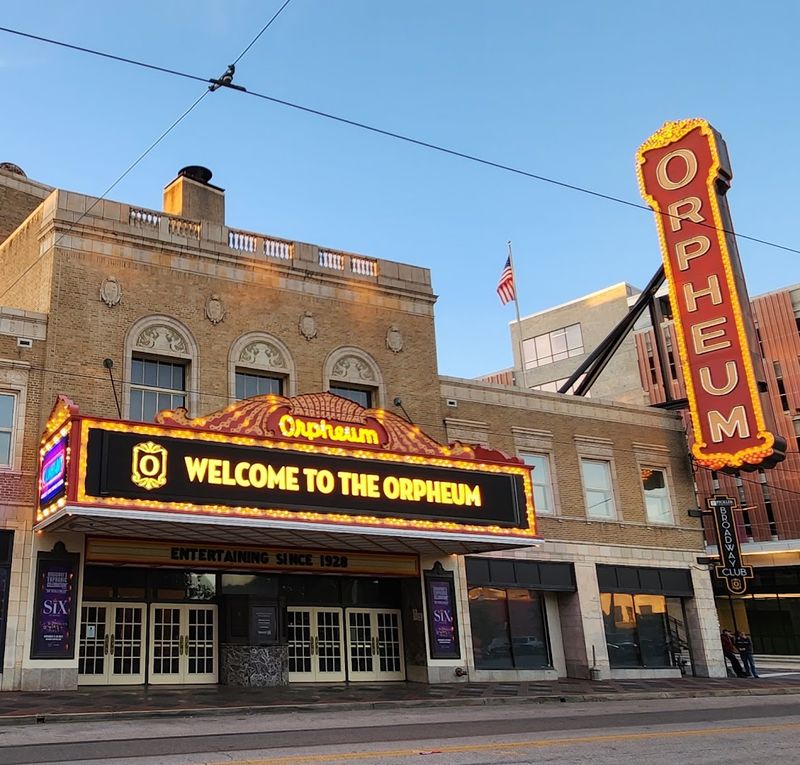
The Orpheum Theatre opened in 1928 as a grand movie palace, designed to transport audiences into worlds of glamour and entertainment. But somewhere along the way, the theater gained a permanent audience member who never bought a ticket—a young girl known simply as Mary, whose presence has been reported for decades.
Mary is most often seen near seat C-5 in the balcony, an area where staff and patrons report unexplained occurrences. Some describe seeing a young girl in old-fashioned clothing sitting alone, only to have her vanish when approached.
Others report feeling someone sitting beside them in an empty seat or experiencing cold spots that appear suddenly and without explanation.
Doors throughout the theater open and close on their own, particularly during quiet hours when the building should be empty. Staff members hear footsteps crossing the stage or moving through hallways when they’re alone in the building.
Lights flicker without electrical cause, and equipment occasionally malfunctions in ways technicians can’t explain.
Mary’s story varies depending on who’s telling it—some say she died in the theater, others claim she was killed nearby and her spirit found refuge in the building she loved. What’s consistent are the reports of her presence, which come from employees, performers, and audience members who had no knowledge of the ghost story before their own experience.
The encounters are frequent enough that Mary has become part of the Orpheum’s identity. Staff members speak about her casually, sharing their own experiences or relating stories from colleagues.
Some performers refuse certain dressing rooms, claiming they feel watched or uncomfortable. Others embrace the legend, leaving small gifts near seat C-5 as acknowledgment of their ghostly co-resident.
What makes the Orpheum’s haunting compelling is its specificity. This isn’t vague supernatural activity—it’s consistent reports centered on a particular spirit in a particular location.
The theater’s grandeur creates atmosphere that amplifies every creak and shadow, but the experiences people describe go beyond old building sounds. Mary makes her presence known, and after nearly a century of reports, she shows no signs of leaving her favorite seat.