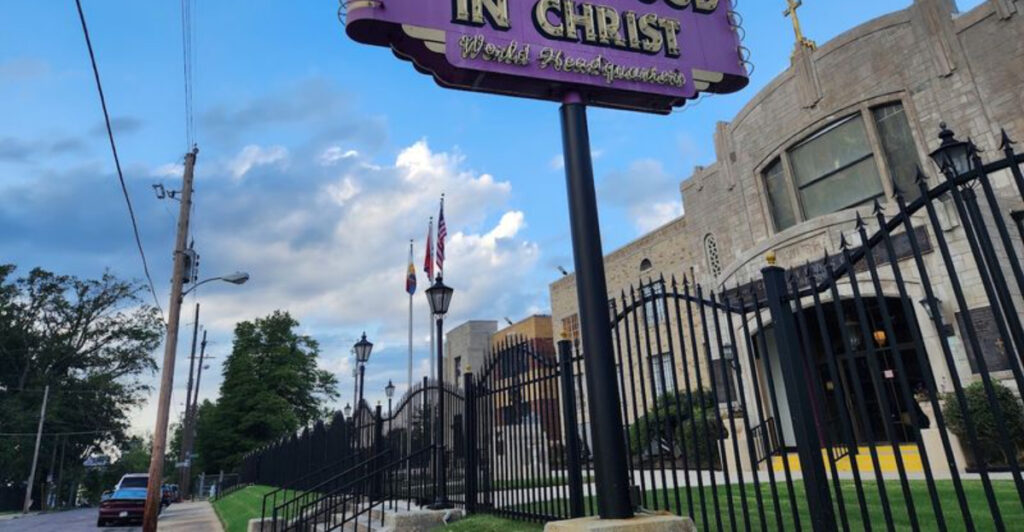
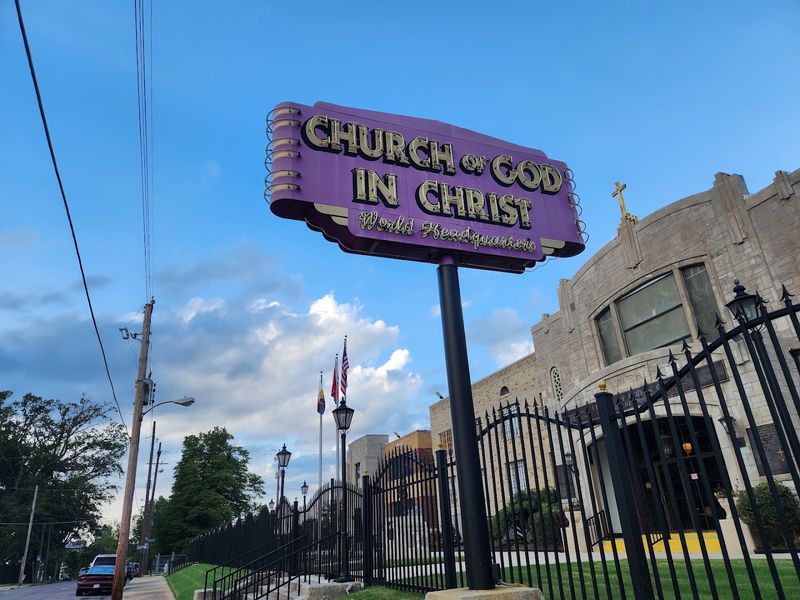
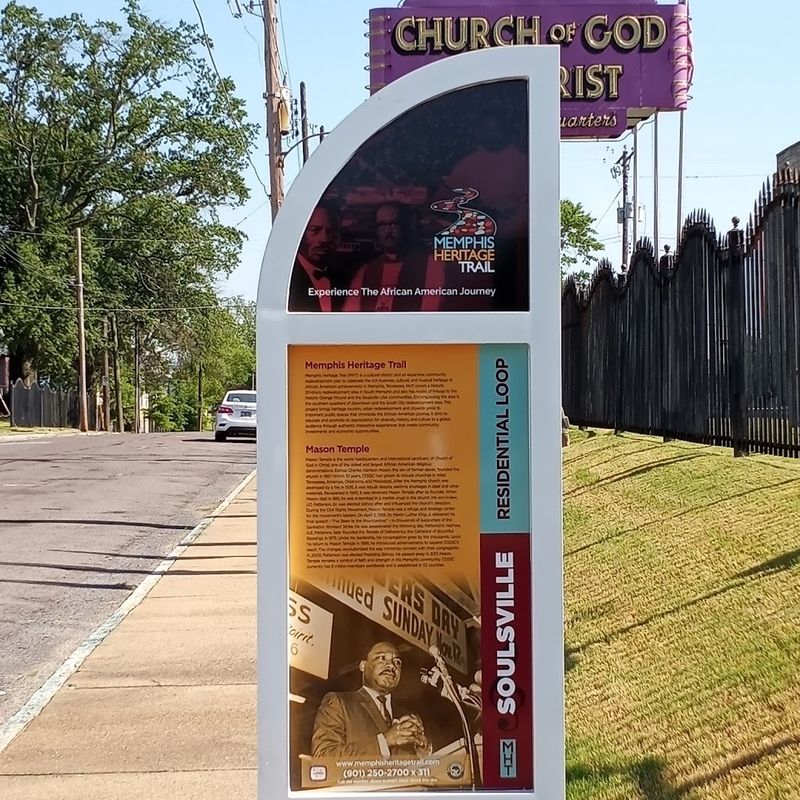
Standing at 930 Mason Street in Memphis, Mason Temple isn’t just another church building. This massive structure holds some of the most important moments in American civil rights history within its walls, including Dr. Martin Luther King Jr.’s final speech before his assassination. As the worldwide headquarters for the Church of God in Christ, this Pentecostal landmark has witnessed countless gatherings that shaped both religious and social movements across the nation.
The Site Where Dr. King Delivered His Final Prophetic Words
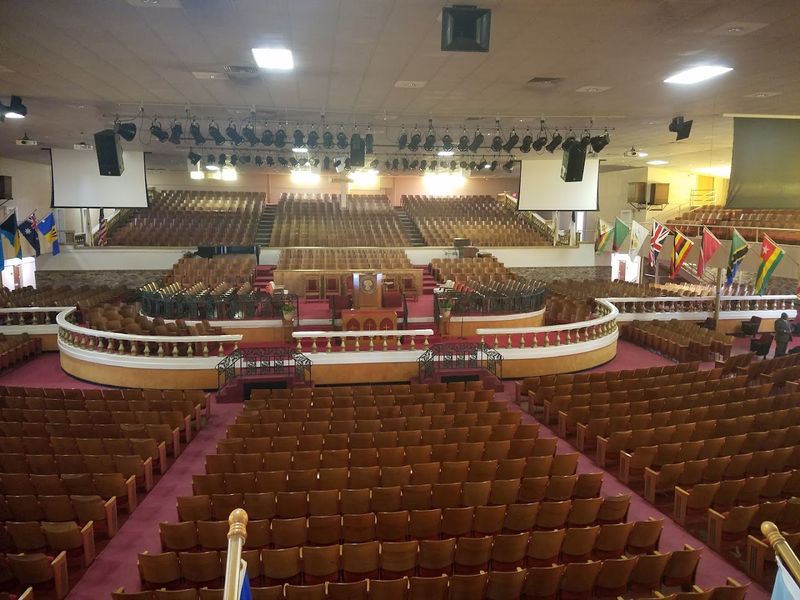
On April 3, 1968, a thunderstorm raged outside while Dr. Martin Luther King Jr. stood at the pulpit of Mason Temple, delivering what would become known as the “I’ve Been to the Mountaintop” speech. He had no way of knowing these would be his final public words before an assassin’s bullet took his life the very next day. The speech resonated through the massive sanctuary, reaching thousands of sanitation workers and supporters who had gathered during the Memphis strike.
Visitors today often describe an overwhelming sense of history when standing in the exact spot where Dr. King spoke those prophetic words. The sanctuary has been carefully preserved to honor this watershed moment in civil rights history. Many people make pilgrimages specifically to walk the same floors and sit in the same pews where history unfolded on that stormy April night.
The emotional weight of this location cannot be overstated. Dr. King’s words about seeing the promised land, even if he might not get there with his audience, took on haunting significance within 24 hours. That speech became a defining moment not just for the civil rights movement, but for American history itself.
Tour guides and church members often share stories about the energy in the room that night, passed down through generations. The acoustics of the building carried Dr. King’s voice with power and clarity, making every word land with impact. Even decades later, recordings of that speech capture the raw emotion and spiritual fervor that filled Mason Temple.
Walking through the sanctuary today feels like stepping into a time capsule. The building management has worked to maintain the authentic character of the space while ensuring it remains functional for modern worship services. This balance allows contemporary visitors to genuinely connect with the past while the church continues serving its community, keeping Dr. King’s legacy alive through both preservation and active ministry.
Bishop Charles Harrison Mason’s Vision Made Stone and Steel
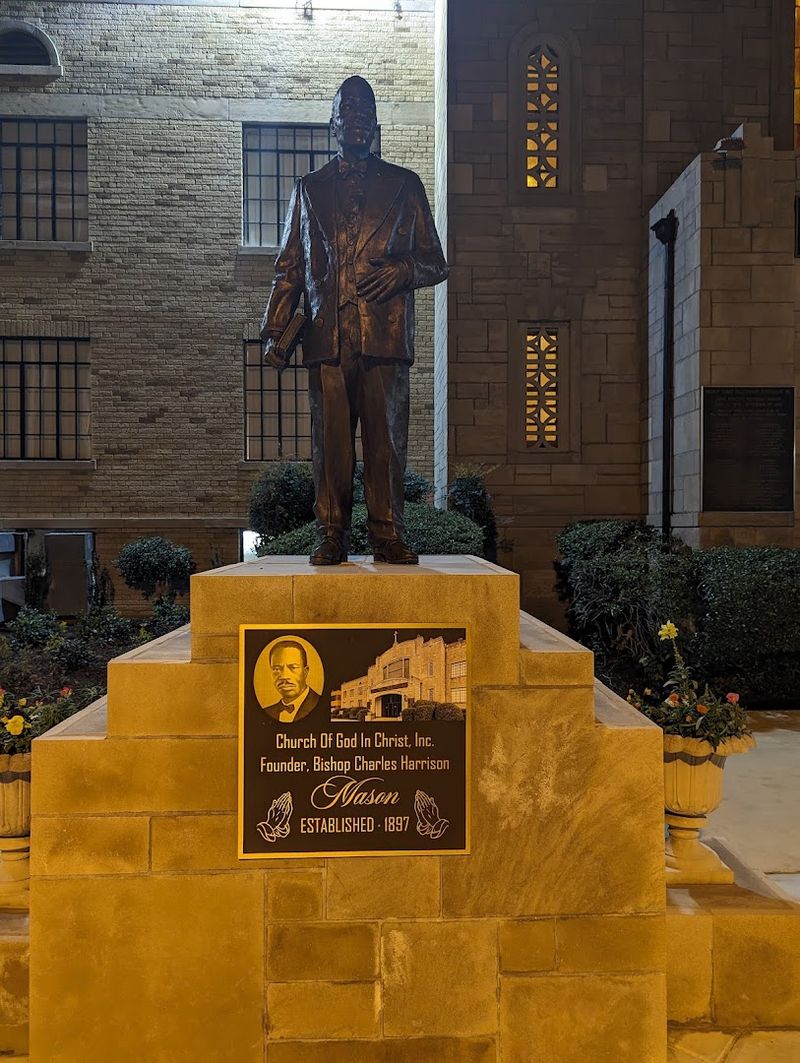
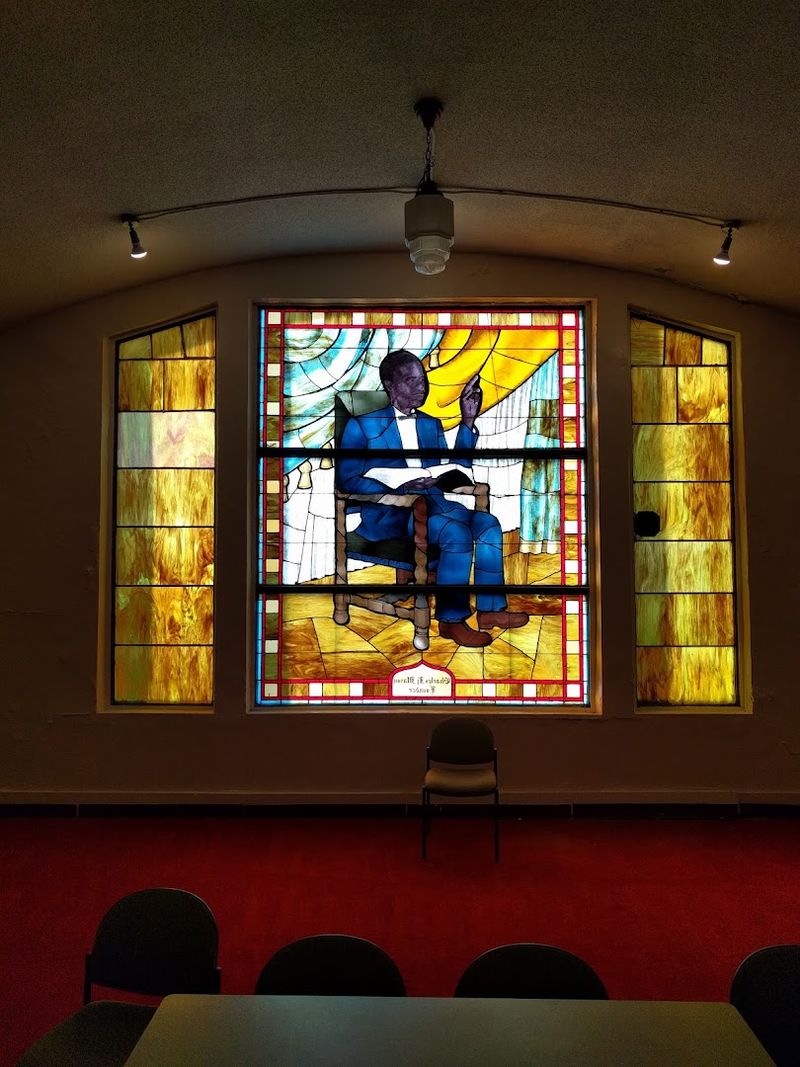
Bishop Charles Harrison Mason founded the Church of God in Christ in 1907, and this magnificent temple bears his name for good reason. Born in 1864 to former slaves, Mason experienced a powerful spiritual calling that led him to establish what would become one of the largest Pentecostal denominations in America. His vision extended far beyond a single congregation—he dreamed of a movement that would spread across the globe.
The temple itself was constructed as a physical manifestation of that grand vision. When you approach the building at 930 Mason Street, the sheer scale tells you immediately that something significant happens here. The architecture reflects both the ambition of the denomination and the dedication of its members who contributed to its construction, with many of their names etched into the walls as permanent recognition.
Inside the building, you’ll find Bishop Mason’s mausoleum, where his remains rest alongside the spiritual legacy he created. Visitors describe feeling a profound connection to church history when viewing this memorial space. The prayer room and library have been preserved to reflect the original design, giving modern guests a window into the denomination’s early days.
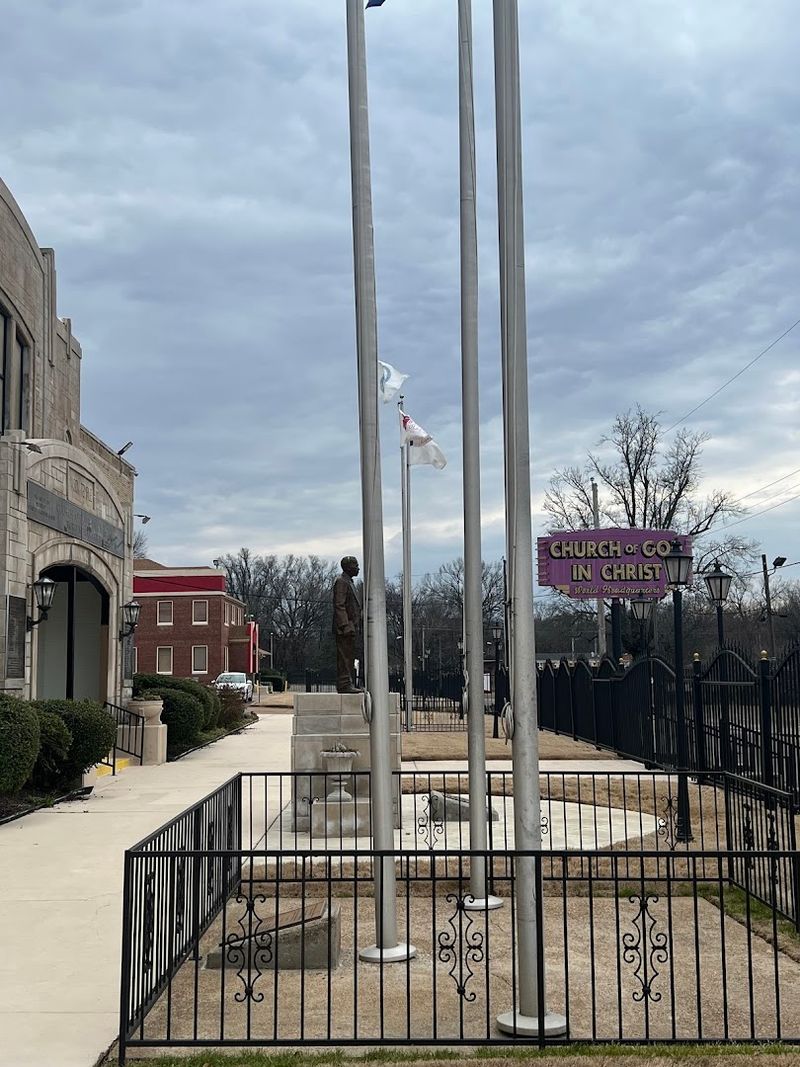
A statue of Bishop Mason was recently dedicated on the grounds, becoming an immediate landmark for visitors and members alike. The sculpture captures the founder’s dignified bearing and spiritual authority, serving as a visual reminder of the man whose faith sparked a worldwide movement. Photography around the statue has become a meaningful ritual for many who visit.
The building houses the denomination’s School of Theology, continuing Bishop Mason’s commitment to education and spiritual formation. Students walk the same halls where foundational decisions about church doctrine and practice were made. This living educational mission ensures that the temple remains more than a museum—it’s an active center of religious training and leadership development for future generations.
Annual Holy Convocation Returns Home After Twelve Years
Every November, something extraordinary happens at Mason Temple when thousands of Church of God in Christ members gather for the denomination’s Holy Convocation. After a twelve-year absence in Saint Louis, the 114th anniversary celebration marked the triumphant return of this massive annual gathering to its Memphis birthplace. The homecoming felt especially meaningful to longtime members who remembered previous convocations in this historic space.
The logistics of hosting such a large event are staggering. Mason Temple’s sanctuary can accommodate thousands of worshipers at once, creating an atmosphere of collective spiritual energy that attendees describe as transformative. The building was specifically designed to handle these large-scale gatherings, with acoustics and sightlines that work even when every seat is filled.
During convocation week, Memphis becomes a hub of Pentecostal activity. Hotels fill with delegates from across the country and around the world, bringing economic vitality to the surrounding community. Local restaurants and businesses prepare for the annual influx, creating a symbiotic relationship between the church and the city that has developed over generations.
The worship services during Holy Convocation showcase the full spectrum of COGIC’s musical and preaching traditions. Dynamic sermons, powerful choir performances, and spontaneous moments of spiritual expression fill the temple with sound and movement. First-time attendees often express amazement at the scale and intensity of these gatherings, which can last for hours without anyone wanting to leave.
For many members, attending convocation at Mason Temple represents a spiritual pilgrimage. Families plan their entire year around this event, saving money and arranging time off work to make the journey. The multigenerational nature of these gatherings creates powerful bonds, with grandparents introducing grandchildren to traditions that have shaped their family’s faith journey for decades, ensuring the legacy continues into the future.
Architectural Preservation Meets Modern Worship Needs
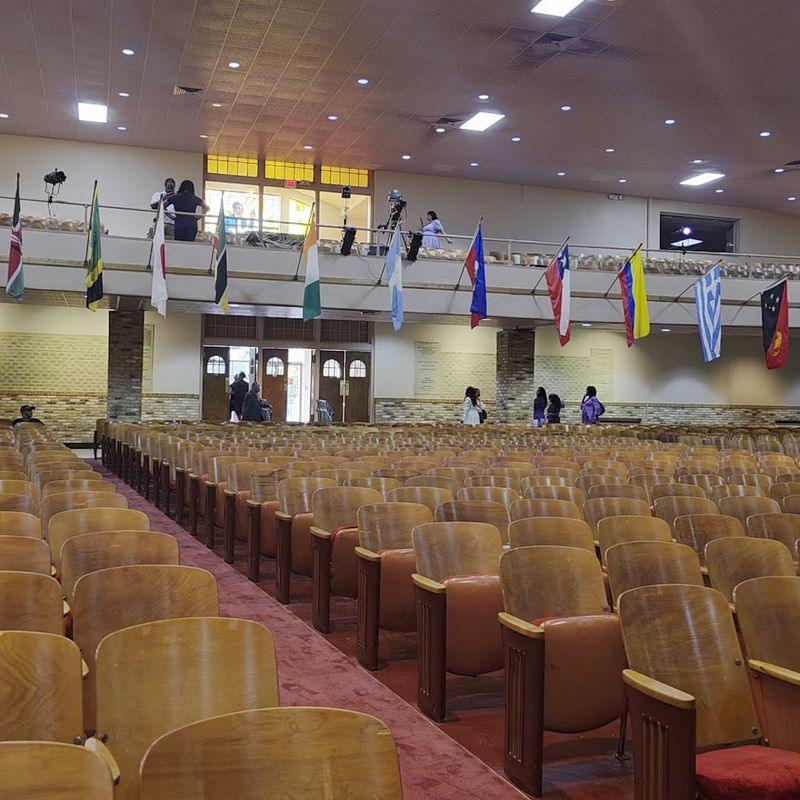
Walking into Mason Temple feels like entering a carefully maintained time machine. The preservation team has worked meticulously to keep the building as close to its original design as possible, from the etched names of contributors on the walls to the layout of the sanctuary itself. This dedication to historical accuracy creates an authentic experience that modern churches often sacrifice for contemporary aesthetics.
The walls themselves tell stories through the names carved into them. These aren’t just random decorations—they’re a permanent record of the people who financially supported the temple’s construction and renovation over the decades. Reading these names connects current visitors to the faithful individuals who invested in Bishop Mason’s vision long before the building became a civil rights landmark.
Balancing historical preservation with functional worship space presents ongoing challenges. The building must serve contemporary congregations with modern needs while maintaining its historical integrity. Upgrades to sound systems, climate control, and accessibility have been carefully implemented to avoid compromising the building’s authentic character.
The library housed within Mason Temple contains rare documents and materials related to both COGIC history and broader Pentecostal movements. Researchers and historians value access to these primary sources, which provide insights into early 20th-century African American religious life. The collection grows continuously as the denomination adds new materials while preserving older ones.
Perhaps most striking is how the building continues to function as an active worship space rather than becoming a static museum. Services still happen regularly, with the sanctuary filled with music, preaching, and prayer just as it was in Bishop Mason’s time. This living history approach means that preservation serves a purpose beyond nostalgia—it maintains a space where spiritual transformation continues happening just as it did generations ago, creating continuity between past and present.
A Spiritual Experience That Transcends Denomination
You don’t have to be a Church of God in Christ member to feel the spiritual weight of Mason Temple. Visitors from all faith backgrounds and even those with no religious affiliation describe profound emotional experiences when walking through the building. One reviewer captured this perfectly, writing about a “glorious spiritual experience, renewal, vitalization, reconnection of my spiritual self” and finding “peace long forgotten.”
The building’s atmosphere seems to affect people regardless of their expectations. Some arrive as tourists interested in civil rights history and leave feeling spiritually moved in ways they didn’t anticipate. Others come seeking connection to their family’s religious heritage and discover something deeper than genealogical links—they find a living tradition that speaks to contemporary spiritual needs.
Security officers and staff members like Officer Jones have become informal ambassadors, sharing the temple’s history with visitors and creating welcoming experiences. Their knowledge and passion for the building’s significance enhance every tour, turning what could be a simple walk-through into a meaningful educational and spiritual encounter. Many visitors specifically mention staff kindness in their reviews.
The prayer room offers a quiet space for personal reflection separate from the main sanctuary. Visitors use this area for individual meditation, finding it provides an intimate counterpoint to the grand scale of the main worship space. Some people spend hours in contemplative silence there, processing the historical and spiritual significance of their visit.
Even when the building is closed, walking the exterior grounds provides a powerful experience. The physical presence of the structure itself seems to radiate significance, causing visitors to pause and reflect on the events that transpired here. One reviewer noted being unable to enter during their visit but still feeling grateful just to walk around the property and absorb its history through proximity alone.
Community Hub and Cultural Landmark for African American Heritage
Mason Temple stands as more than a religious building—it’s a cornerstone of African American cultural heritage in Memphis and beyond. The temple’s role in the sanitation workers’ strike of 1968 connected it permanently to labor rights struggles and economic justice movements. When Dr. King came to support those striking workers, he brought national attention to local injustices, with Mason Temple serving as the gathering point for organizing and inspiration.
The surrounding neighborhood has changed dramatically over the decades, but Mason Temple remains a constant presence and source of community pride. Local residents point to the building as evidence of their area’s historical significance, countering narratives that might overlook or diminish their community’s contributions to American history. The temple’s presence elevates the entire neighborhood’s profile.
Educational groups regularly visit Mason Temple as part of civil rights history curricula. Students from elementary through university levels tour the facility, learning about the intersection of faith and social justice movements. These educational visits help younger generations understand how religious institutions served as safe spaces and organizing hubs during dangerous times for activists.
The church’s outreach extends beyond its walls through various community programs and services. While maintaining its role as the COGIC worldwide headquarters, the local congregation continues serving Memphis residents with practical assistance and spiritual support. This dual identity—global headquarters and neighborhood church—creates a unique dynamic that benefits both the denomination and the local community.
Food has become part of the Mason Temple experience, with many reviewers mentioning “great food” alongside the spiritual and historical aspects. Fellowship meals connect visitors to African American culinary traditions while creating informal opportunities for conversation and relationship building. These shared meals embody the temple’s commitment to holistic ministry that addresses both spiritual and physical needs, continuing traditions of hospitality that have always characterized African American church culture.
Planning Your Visit to This Living Monument
Mason Temple operates on an unusual schedule that surprises many first-time visitors. The building is open 24 hours on Saturdays and Wednesdays but closed the other days of the week. This schedule reflects the church’s dual role as both an active worship center and a historical site.
Planning ahead is essential—calling (901) 947-9300 before your visit ensures you won’t arrive when the doors are locked.
Many visitors report arriving when the building was closed, which can be disappointing after traveling specifically to see this landmark. However, even exterior visits provide value, as the building’s imposing presence and the newly dedicated Bishop Mason statue offer photo opportunities and moments for reflection. Still, experiencing the interior adds immeasurably to understanding the temple’s full significance.
The location at 930 Mason Street places the temple in a historically significant Memphis neighborhood. GPS coordinates (35.1216235, -90.04935929999999) make finding the site straightforward for out-of-town visitors. Parking is generally available, though during Holy Convocation and special services, arriving early is advisable due to the large crowds these events attract.
Visitors should approach Mason Temple with appropriate reverence, remembering it’s an active worship space, not merely a museum. Modest dress and respectful behavior show consideration for the congregation and the building’s sacred purpose. Photography is typically permitted, but asking permission demonstrates courtesy, especially during services when worship should take priority over documentation.
The temple’s 4.8-star rating from 318 reviews reflects consistently positive visitor experiences. Reviewers emphasize the building’s historical significance, the welcoming nature of parishioners, and the powerful spiritual atmosphere. First-generation visitors often express amazement at standing where history happened, while COGIC members describe deep connections to their denominational heritage.
Whether you’re interested in civil rights history, religious architecture, or spiritual exploration, Mason Temple delivers an experience that resonates long after you leave its grounds.