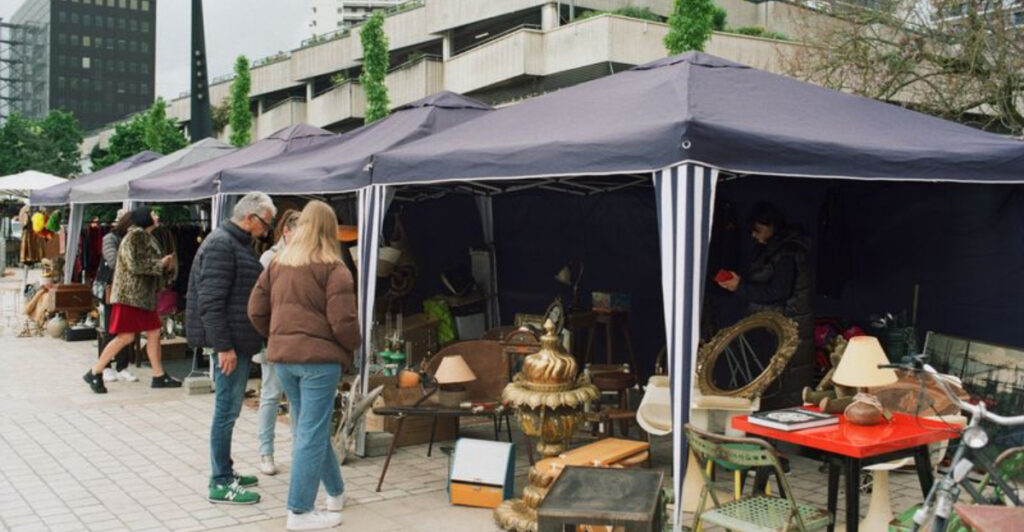
A folding table covered with tarnished silverware might not look promising—until you spot a century-old serving spoon hiding beneath a pile of mismatched forks. That is how a New Jersey flea market gets you.
You arrive looking for one practical thing, wander through three acres of apparent randomness, and leave carrying a vintage lamp, an old concert poster, and a wooden crate you suddenly cannot imagine living without.
The state’s biggest markets make the hunt especially addictive, mixing serious antique dealers with weekend sellers, produce stands, food counters, handmade goods, closeouts, collectibles, and boxes that reward anyone willing to dig.
Some fill sprawling outdoor fields every week. Others take over convention centers for enormous, festival-like events.
A few have been operating for generations and still feel refreshingly untouched by modern retail. Bring comfortable shoes, a little cash, and enough trunk space for the purchase you definitely did not plan to make.
1. Columbus Farmers Market & Flea Market
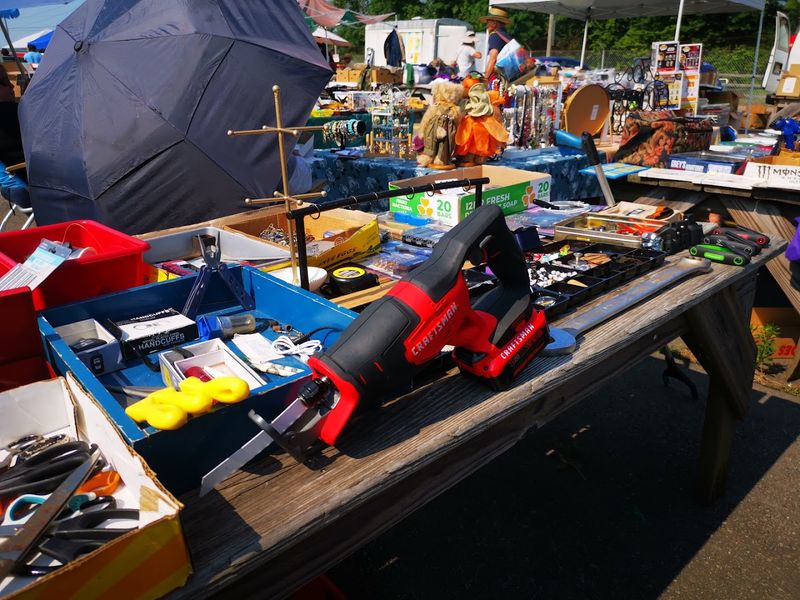
Rows of folding tables seem to stretch toward the horizon at this Burlington County institution, where one vendor may be unloading vintage tools while the next arranges costume jewelry, old toys, housewares, luggage, plants, and furniture. The outdoor flea market is the part that delivers the true treasure-hunt experience.
There is no carefully coordinated inventory, which means shoppers have to slow down, scan every table, and occasionally look underneath one. That unpredictability is precisely why regulars return.
Columbus is described as the Delaware Valley’s oldest and largest flea market, and its scale gives shoppers a real chance of finding both practical bargains and items with some history behind them.
The surrounding market adds even more reasons to stay, including indoor businesses and a produce-and-seafood row that can turn a morning of browsing into a full grocery run.
The outdoor vendors operate year-round on Thursdays, Saturdays, and Sundays, generally from 8 a.m. to 3 p.m. Arriving early provides the best first look, but a later visit can sometimes make sellers more willing to negotiate rather than pack everything back into the car.
Either way, this is not a quick lap around a parking lot. Wear shoes made for walking, bring reusable bags, and leave a suspiciously large amount of open space in the trunk.
2. Englishtown Auction Sales
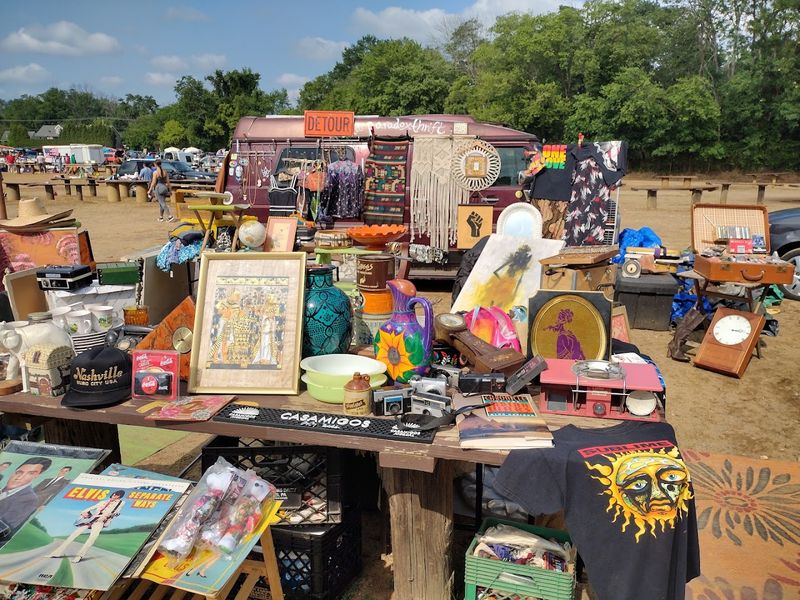
A weekend morning here begins with the steady shuffle of shoppers moving past tables loaded with merchandise that could have come from an attic, a workshop, a closed store, or somebody’s lifelong collection. The fun comes from never knowing which version of Englishtown will appear.
One aisle might lean heavily toward tools and household goods, while another turns up vintage advertising, collectibles, clothing, toys, furniture, and the occasional baffling object that invites a ten-minute conversation with its seller.
This Manalapan landmark bills itself as one of the country’s largest open-air markets, and it has the size to make aimless wandering feel productive.
Serious shoppers often arrive with a target in mind, but Englishtown is better approached with a flexible list and enough patience to inspect tables that initially appear chaotic. The market operates every Saturday and Sunday throughout the year, rain or shine, from 8 a.m. to 4 p.m.
Indoor areas offer some shelter when the weather refuses to cooperate, although the sprawling outdoor setup remains the main attraction. Get there near opening time when you are hunting for something collectible or difficult to replace.
Come later when the goal is casual bargain hunting and friendly negotiation. Most importantly, do not dismiss the unsorted boxes.
At Englishtown, those are often where the morning’s best story begins.
3. New Meadowlands Market
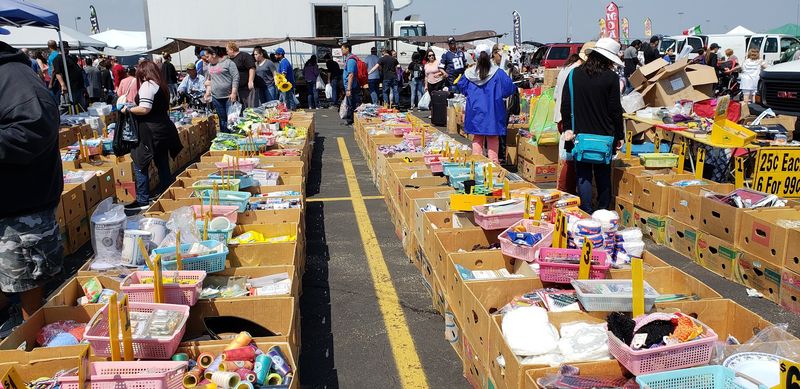
Few flea markets come with a backdrop as unmistakably New Jersey as MetLife Stadium looming over rows of bargain-filled tables.
Held in Lot J at the Meadowlands Sports Complex, this Saturday market takes an enormous stadium parking area and temporarily turns it into a maze of merchandise, food vendors, games, and entertainment.
The setting creates a different experience from a rural antiques field. This one feels fast-moving and urban, attracting shoppers looking for clothing, accessories, household items, collectibles, electronics, gifts, and plenty of inexpensive everyday goods.
Hundreds of vendors can participate, so the selection changes enough from week to week to keep the hunt from becoming predictable. Admission and parking are free, making it easy to wander without feeling pressured to buy something immediately—although the odds of leaving empty-handed become smaller with every aisle.
The usual hours are Saturday from 8 a.m. to 4 p.m., but the stadium’s event schedule can cause closures. That matters especially during football games, concerts, international sporting events, and major setup or teardown periods.
Check the operating calendar before driving to East Rutherford rather than assuming every Saturday is available. Service animals are the only animals permitted, and comfortable shoes are nonnegotiable.
Stadium lots were designed for crowds, not leisurely shopping, and covering the entire market can add up to a serious amount of walking.
4. Berlin Farmers Market
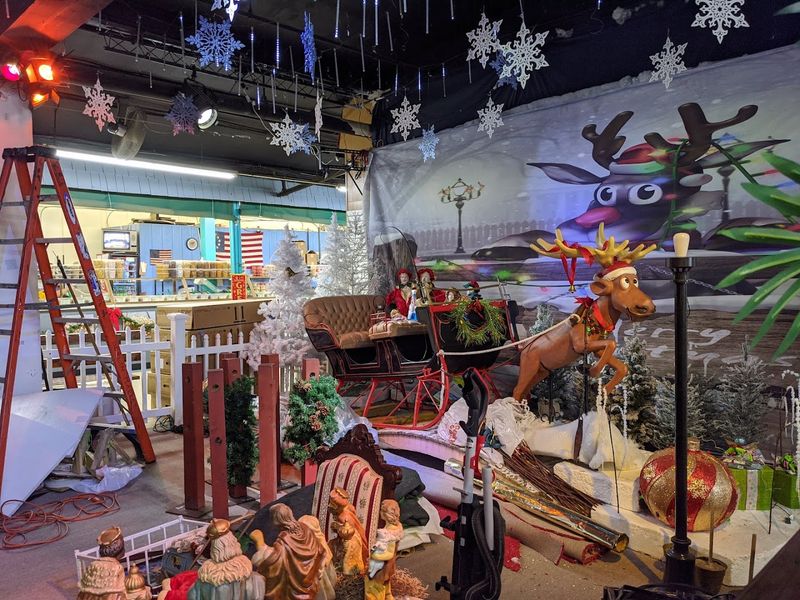
The first surprise is that the outdoor flea market is only half the operation. Beyond the open-air rows stands a busy indoor shopping center filled with established businesses, services, food counters, and specialty merchants, giving Berlin the feel of a small bargain-shopping district rather than a simple weekend swap meet.
Outside, space is available for as many as 700 vendors, which explains why the selection can swing wildly from one visit to another. Antiques, tools, toys, plants, furniture, electronics, produce, flowers, clothing, and household goods can all appear within a few rows of one another.
Some shoppers arrive to furnish a room on a budget. Others come to dig through boxes for old hardware, records, kitchenware, or collectibles.
The smartest approach is to explore outdoors first while the best secondhand pieces are still available, then head inside for lunch and another round of browsing. The outdoor market normally runs Friday through Sunday from 8 a.m. to 4 p.m. throughout the year.
Indoor businesses operate Thursday through Sunday with later closing times, so the visit does not have to end when the outdoor tables begin packing up. Berlin can become busy on weekends, but its large footprint spreads the crowd across many rows.
Set aside more time than you think you need. The table you rush past is usually the one holding exactly what you came to find.
5. Collingwood Auction & Flea Market
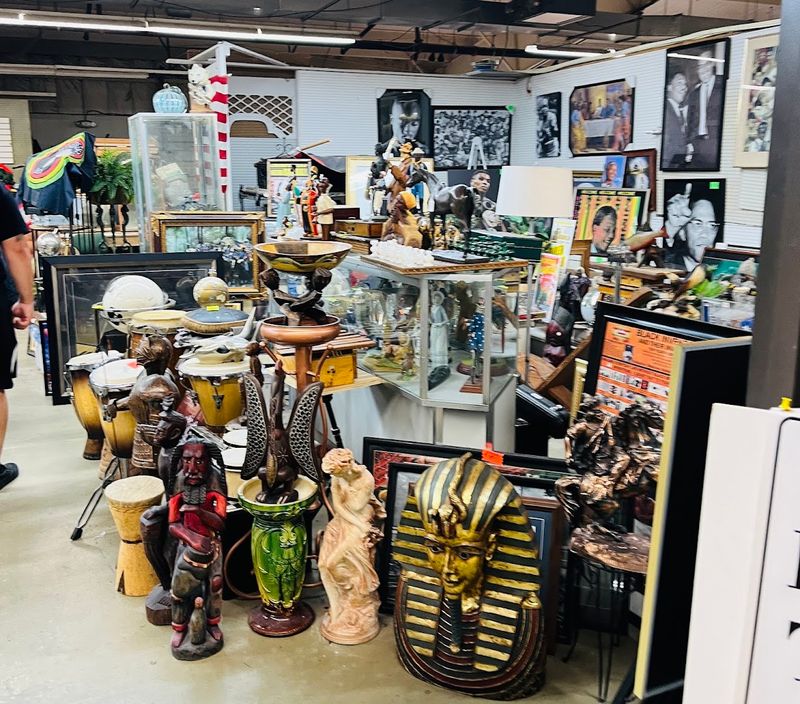
Twenty-five acres give shoppers plenty of room to make questionable but delightful purchasing decisions. Located near the border of Howell and Wall townships, Collingwood combines more than 500 outdoor merchants with a 60,000-square-foot building containing around 100 indoor tables and booths.
That indoor-outdoor mix is one of its biggest strengths. A sudden shower or cold morning does not have to end the hunt, and shoppers can move between open-air bargain tables and more permanent stalls without losing momentum.
Merchandise ranges from closeouts and newer goods to used furniture, country collectibles, sports items, jewelry, housewares, clothing, antiques, and all the odd little pieces that resist easy classification.
The outdoor section delivers the best chance of finding an underpriced surprise, particularly when sellers are clearing estates, garages, or storage spaces.
Inside, the displays tend to be more organized and easier to browse when you have a specific category in mind. Snack shops make it possible to refuel without leaving the grounds, which is useful because a complete visit can occupy much of the day.
Collingwood operates Friday, Saturday, and Sunday throughout the year, generally from 8 a.m. to 5 p.m. Friday can be a good choice for a calmer search, while weekends usually bring a fuller vendor lineup.
Bring cash in smaller bills and inspect larger purchases carefully before carrying them halfway across the property.
6. Golden Nugget Antique Flea Market
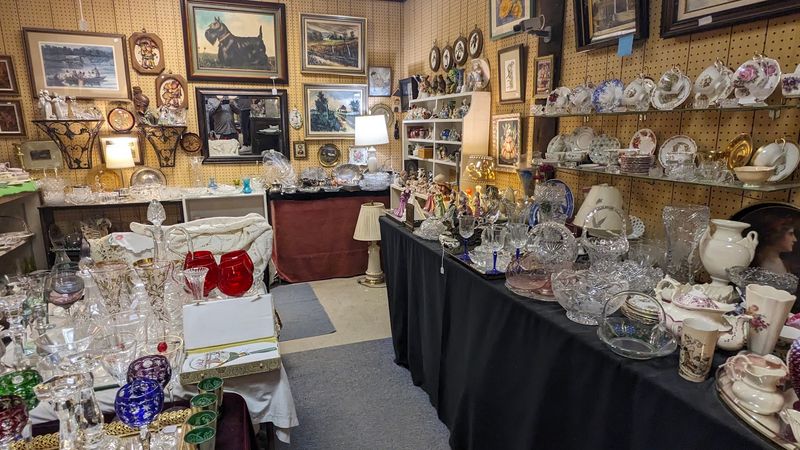
Before most people have finished their first cup of coffee, serious collectors are already examining old signs, artwork, porcelain, jewelry, furniture, records, glassware, and pieces of Americana beside the Delaware River.
Golden Nugget opens its outdoor market at 6 a.m., rewarding shoppers willing to arrive early with first access to newly unloaded merchandise.
The focus here leans more heavily toward genuine antiques, vintage pieces, art, and collectibles than at markets built around general discount goods. That makes it especially appealing when the goal is a distinctive object rather than a package of inexpensive socks.
Permanent indoor shops add another layer to the experience, with dealers specializing in categories such as china, artwork, furniture, holiday pieces, glassware, and vintage décor. The market has operated for more than 50 years, and its Lambertville-area location fits the material perfectly.
A morning at the tables can easily lead into an afternoon exploring additional antiques shops nearby. Golden Nugget runs year-round on Wednesdays, Saturdays, and Sundays.
Outdoor shopping begins at 6 a.m., while the indoor shops generally open at 8 a.m.; both close around 4 p.m. Parking and entry are free, and the grounds include ATMs, indoor restrooms, and a café for a proper break.
Pets are not permitted. Bring measurements when shopping for furniture, because falling in love with a midcentury cabinet is much easier than fitting one into a compact car.
7. Cowtown Farmers Market
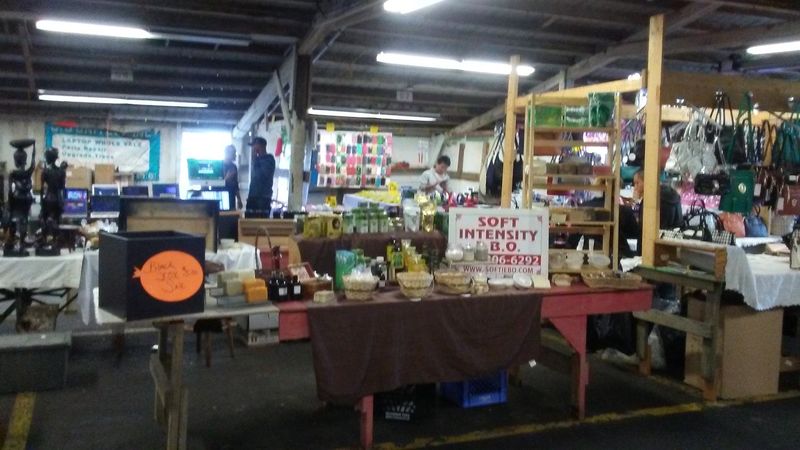
Nearly a century of trading has given this South Jersey market a personality no newly launched shopping event could manufacture. Cowtown began as a livestock auction in 1926 and has evolved into a sprawling indoor-and-outdoor marketplace with more than 400 vendors.
The livestock sales ended years ago, but the market still carries the practical, unpolished spirit of a place built for buying, selling, and getting business done.
Tables and booths offer clothing, footwear, tools, hardware, jewelry, crafts, household goods, antiques, collectibles, toys, beauty products, prepared foods, baked goods, and seasonal produce.
In summer, the displays of Jersey tomatoes, corn, peaches, blueberries, peppers, and melons can be just as tempting as the flea-market finds. Heated indoor facilities keep the market useful during colder months, while outdoor rows deliver the widest sense of scale when the weather is pleasant.
Cowtown opens every Tuesday and Saturday from 8 a.m. to 4 p.m., year-round and rain or shine. Tuesday is an underrated option for shoppers who prefer fewer weekend crowds, while Saturdays can be turned into a full outing during rodeo season, when evening events take place nearby.
Pets are not allowed on the market property. Come ready to compare prices rather than buying the first version of an item you see.
With hundreds of vendors, another choice may be waiting only two aisles away.
8. New Egypt Flea Market Village
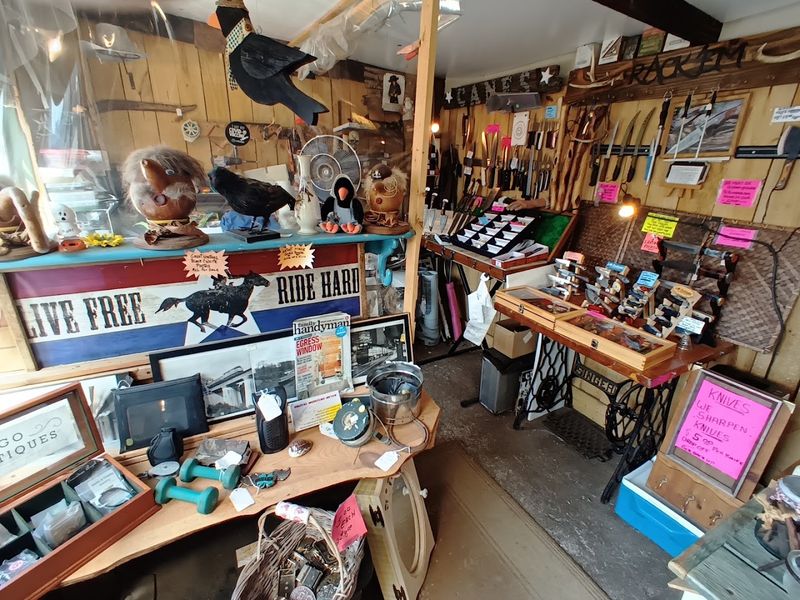
Weathered little buildings, narrow pathways, and tables arranged around an old-fashioned country setting make this Cream Ridge market feel like a collection of tiny curiosity shops. The village layout is what separates New Egypt from the enormous parking-lot markets elsewhere in the state.
Instead of marching through uniform rows, visitors drift between sheds and rustic structures filled with antiques, artwork, vintage housewares, tools, crafts, collectibles, and objects that appear to have been waiting decades for the right buyer.
The market has remained family-run for more than 60 years and is often described as one of New Jersey’s last old-time country flea markets.
That history is visible in its slower rhythm. Sellers are generally willing to talk about what they have, and the experience favors patient browsers over shoppers trying to complete a rigid checklist.
The most interesting finds may be sitting inside a dim corner, hanging from a wall, or tucked behind something much larger. New Egypt operates year-round on Wednesdays and Sundays, rain or shine, with outdoor tables beginning early and buildings generally open through the early afternoon.
Sunday brings the classic weekend crowd, while Wednesday can feel more relaxed and dealer-focused. Arrive early enough to explore before vendors begin winding down around 2 p.m.
Wear shoes suited to uneven outdoor surfaces, carry some cash, and resist the urge to rush. This village reveals itself one doorway at a time.
9. Manahawkin Flea Market
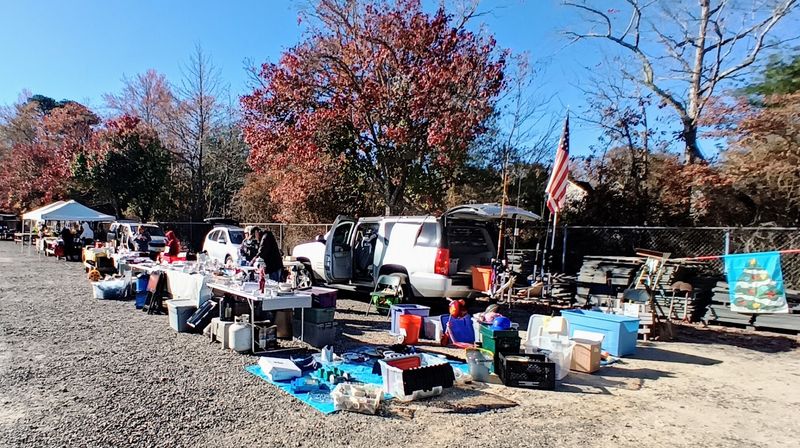
A summer drive toward Long Beach Island can become much more interesting with a detour onto East Bay Avenue. Established in 1977, this longtime Manahawkin market spreads across roughly four acres and brings together indoor shops with a seasonal outdoor flea market.
More than 80 merchants can operate across the property, giving the place the feeling of a small shopping village where permanent businesses and weekend sellers overlap.
The indoor side is useful when you want a more organized browse, while the outdoor section provides the classic thrill of tables changing from one weekend to the next.
Crafts, secondhand goods, collectibles, household pieces, clothing, and assorted vintage items can all turn up, with the strongest outdoor activity generally arriving during warmer weather. The outdoor market runs from April through the end of December, weather permitting, and vendor spaces are offered on Saturdays and Sundays.
That seasonal schedule makes summer and early fall particularly good times to visit, especially when shore traffic has already put you in the area. The market is not built around polished antique displays or high-end design pieces.
Its charm is more casual, local, and unpredictable—the kind of place where a seller may have one excellent item surrounded by thirty things you would never consider buying. Check current shop and event hours before making a special trip, since the indoor businesses and outdoor vendors can follow different schedules.
10. Avenel Flea Market
Early risers have a clear advantage at this Middlesex County standby.
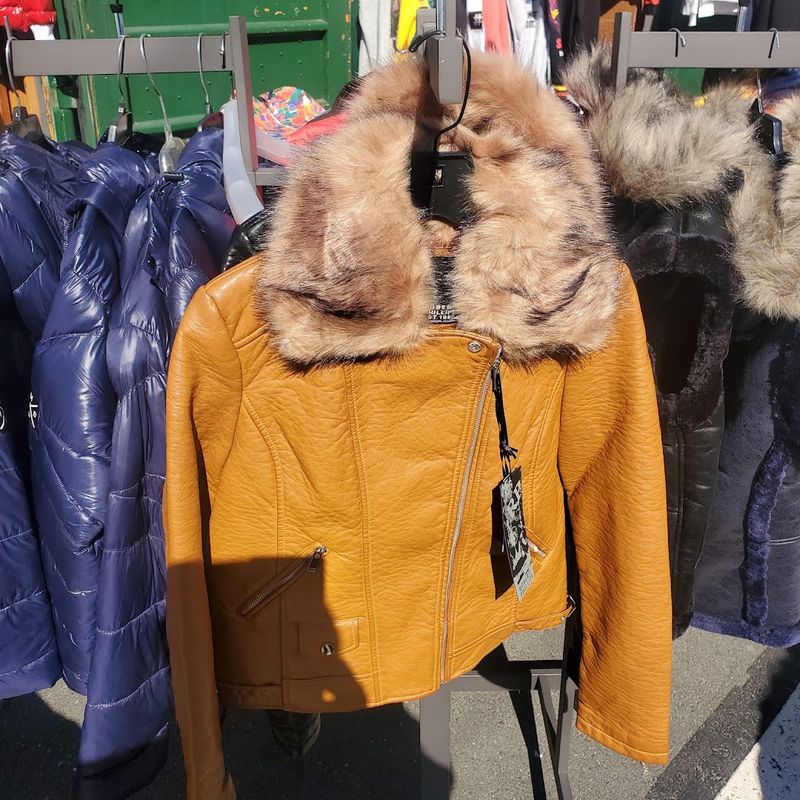
Founded in 1940, Avenel has more than 150 vendor spaces, sheds, and stores, creating a mix of open-air tables and semi-permanent shopping areas where new merchandise sits beside used goods, clothing, antiques, and whatever sellers have brought that week.
The market’s age gives it a distinctly local character. Some shoppers come looking for affordable everyday items, while others move slowly through the older merchandise hoping to uncover tools, furniture, décor, records, toys, or collectibles worth rescuing.
Because the vendor mix is broad, this is a useful market for both practical bargain hunters and people who simply enjoy searching without knowing what they want. The sheds and stores deserve as much attention as the outdoor tables; permanent sellers often have deeper inventories than can be seen from the main walkway.
Avenel operates year-round on Thursdays, Saturdays, and Sundays, with current posted hours running from 7:30 a.m. to 4 p.m. Admission and parking are free, so there is little downside to stopping by even when you have only an hour.
Still, the best finds tend to reward earlier arrivals. Bring cash, especially in smaller denominations, and ask politely before negotiating.
Sellers usually respond better to a reasonable offer than to someone treating every marked price as the beginning of a courtroom argument.
11. The New Jersey Big Flea
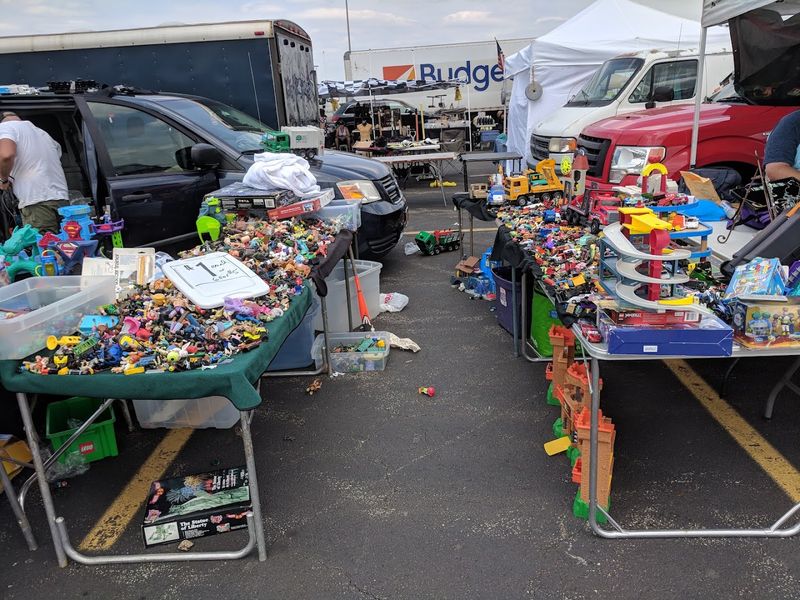
Instead of appearing every weekend, this market arrives like a major touring production.
The New Jersey edition of The Big Flea takes over the New Jersey Convention and Exposition Center in Edison for scheduled multi-day events, filling the indoor venue with dealers specializing in antiques, vintage fashion, jewelry, furniture, art, décor, and collectibles.
The controlled convention-center setting creates a more curated experience than a typical outdoor market. Merchandise is generally arranged for serious browsing, and shoppers can move between displays without worrying about rain, wind, or muddy ground.
Vintage clothing is a major draw, with racks spanning different decades and styles. Midcentury furniture, statement lighting, old advertising, decorative objects, and smaller pieces of jewelry give shoppers options whether they arrived with an SUV or a single tote bag.
The company behind the shows has promoted antique and collectible events for roughly 40 years, so the setup feels closer to a large antiques fair than a neighborhood yard sale. Admission is ticketed, and the New Jersey event runs only on selected weekends, making advance planning essential.
Check the calendar rather than showing up at the Edison venue unannounced. Arriving near opening provides the widest selection, but shoppers who enjoy negotiating may find the final hours interesting as dealers weigh an offer against loading a heavy item back into their vehicles.
12. New Jersey Punk Rock Flea Market
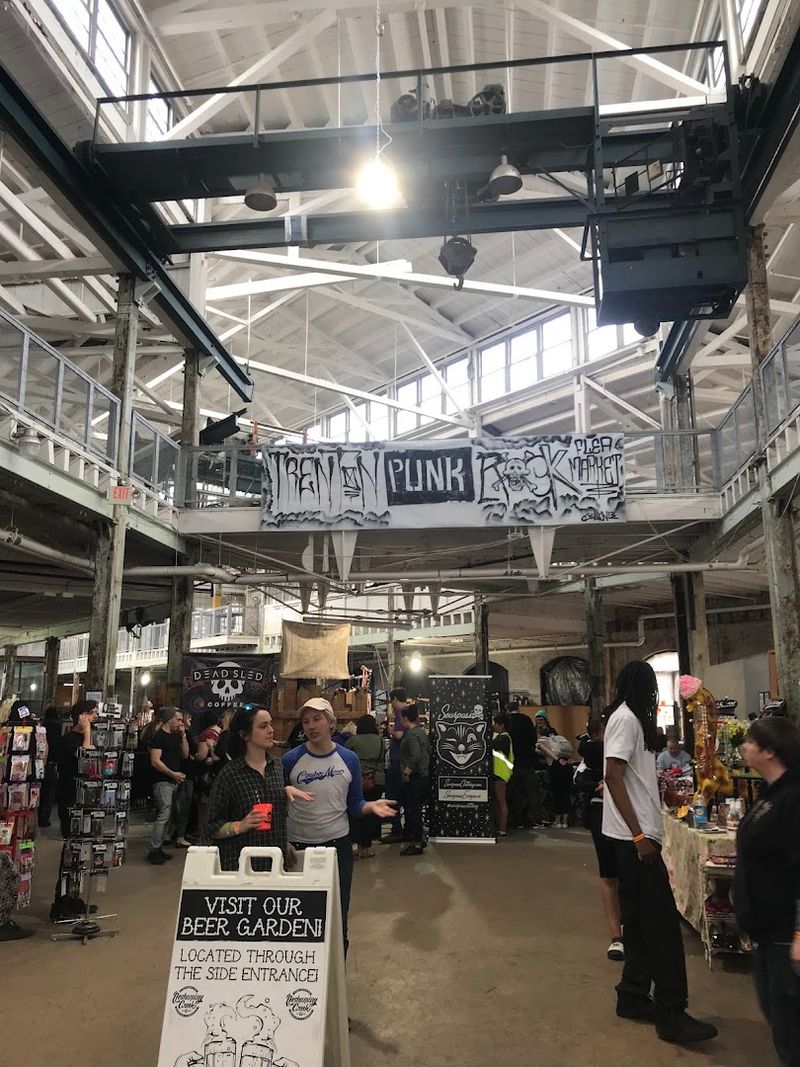
Loud music, tattoo artists, arcade games, oddities, food trucks, and hundreds of independent creators make this the market for anyone who finds traditional antiques fairs a little too quiet.
The New Jersey Punk Rock Flea Market transforms the Expo Center in Edison into a mash-up of DIY shopping festival, art show, music gathering, and gloriously strange convention.
Vendors come from across the country carrying original artwork, vintage clothing, vinyl records, handmade accessories, horror collectibles, alternative décor, curiosities, and items that defy sensible retail categories.
You might browse screen-printed shirts, flip through record crates, watch tattooing, inspect unusual taxidermy, and stumble into a live performance without leaving the same building.
The scale is enormous, but the merchandise remains centered on small businesses, artists, makers, and collectors rather than ordinary mass-market sellers. That gives the event a sense of personality even when the aisles are crowded.
It is also far more curated than a weekly flea market; shoppers pay admission and attend on specific event dates rather than dropping in any Saturday. Multiple themed events are scheduled at the Edison venue throughout the year, so verify the date, hours, ticket information, and guest lineup beforehand.
Comfortable shoes still matter, despite the indoor setting. There is a lot to see, plenty to eat, and a strong possibility that the small item you buy will require a lengthy explanation when somebody notices it in your living room.