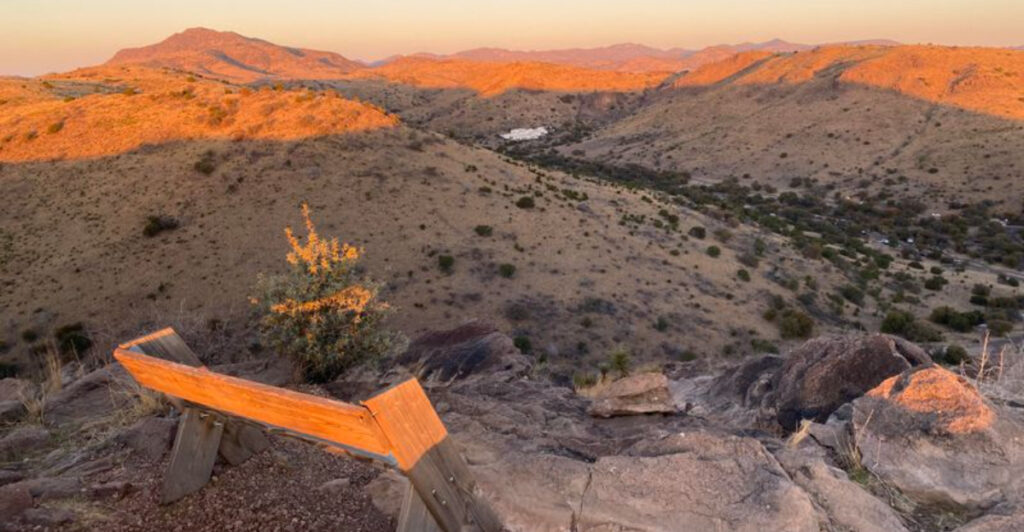
Texas is huge, and that means plenty of room to disappear when you need a break from traffic, noise, and humanity in general. While most folks flock to the same handful of tourist traps, the Lone Star State hides some seriously remote corners where solitude is the main attraction. These eight spots offer jaw-dropping scenery, total peace and quiet, and the kind of wide-open space that makes you remember why Texas feels like its own country.
1. Big Bend National Park (Far West Texas)
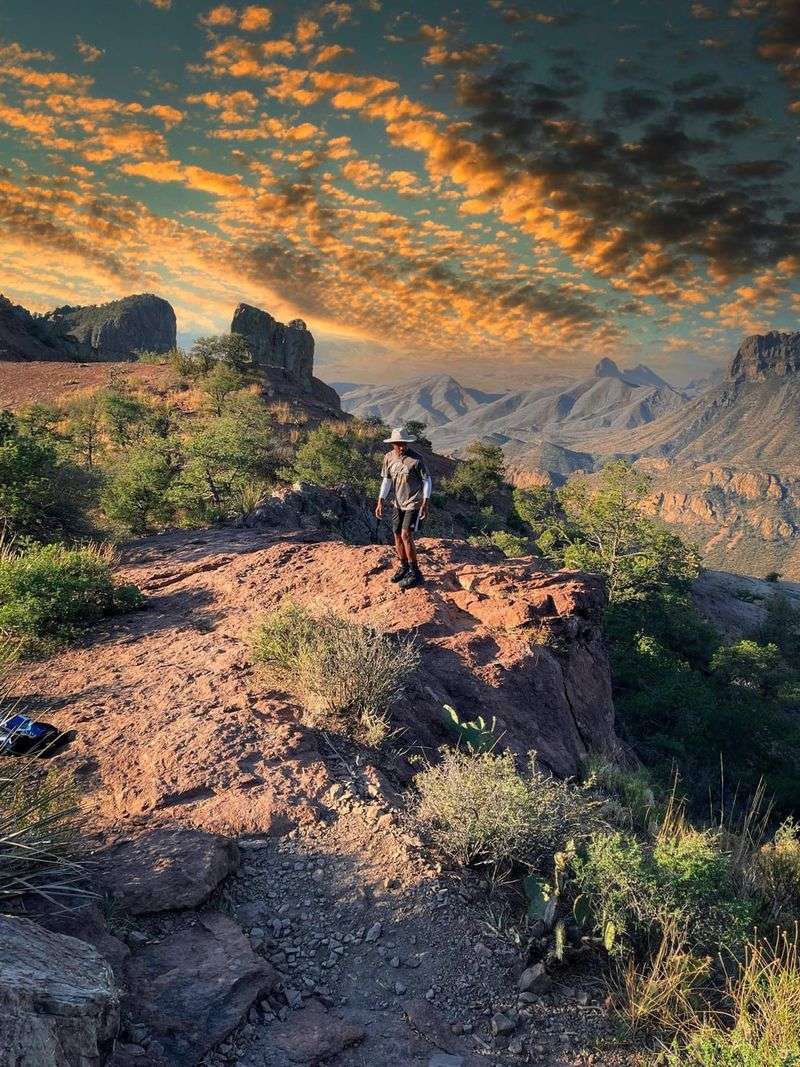
Out where cell service becomes a distant memory and the nearest gas station might be an hour away, Big Bend sprawls across more than 800,000 acres of pure, untouched wilderness. The Chisos Mountains rise from the desert floor like something from another planet, and the Rio Grande carves its way through Santa Elena Canyon with walls that shoot up 1,500 feet on either side. You can hike for hours without seeing another soul, especially if you venture beyond the popular trails.
Spring and fall bring perfect weather for exploring, though summer heat can be brutal if you’re not prepared. The park offers everything from easy riverside walks to challenging mountain scrambles that reward you with views stretching into Mexico. Night skies here rank among the darkest in the country, making stargazing an absolute must.
Wildlife sightings happen regularly, from roadrunners darting across highways to javelinas rooting around campsites at dusk. Black bears occasionally wander through, though they generally keep their distance. The park’s sheer size means you can always find your own private slice of desert, even during busier seasons.
Camping options range from developed campgrounds with some amenities to primitive backcountry sites where you’re truly on your own. The nearby town of Terlingua offers quirky charm and surprisingly good food if you need a break from trail mix. Hot springs along the river provide natural soaking spots after long days of hiking.
Getting here requires commitment since it’s genuinely far from everything, but that distance is precisely what keeps the crowds away. Pack extra water, fill your tank before entering, and prepare for an experience that feels more like West Texas did a century ago than the modern state most people know.
2. Caddo Lake State Park (Karnack)
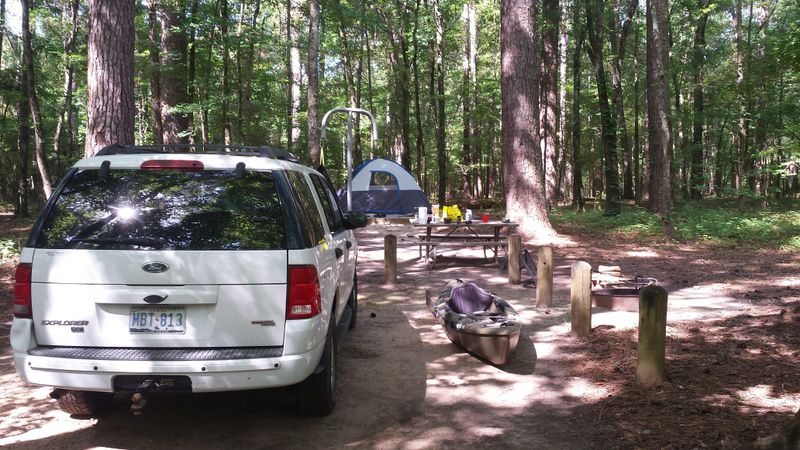
Spanish moss drapes from ancient cypress trees like nature’s curtains, creating a landscape that feels lifted straight from Louisiana bayou country. Caddo Lake sits on the Texas-Louisiana border, covering 25,400 acres of mysterious waterways, sloughs, and channels that wind through a forest growing right out of the water. Paddling here feels like entering a fairy tale, especially when morning fog rolls across the surface and herons take flight from hidden perches.
The lake formed naturally, making it Texas’s only natural lake of significant size, though a dam later raised water levels. Cypress knees poke up everywhere, creating a maze that’s easy to get lost in if you don’t pay attention. Renting a canoe or kayak gives you the best way to explore, letting you slip quietly through narrow passages where motorboats can’t follow.
Alligators live here, though they’re generally shy and more interested in fish than people. You’ll likely spot turtles sunning themselves on logs, and if you’re lucky, you might catch a glimpse of an otter playing in the shallows. The birdwatching opportunities are incredible year-round, with everything from wood ducks to bald eagles making appearances.
Fishing enthusiasts come for largemouth bass, crappie, and catfish, though navigating to good spots takes local knowledge or patience. The park offers camping facilities and screened shelters that protect against the mosquitoes that thrive in this humid environment. Summers get sticky hot, but spring and fall transform the area into something magical.
Unlike West Texas parks, this one delivers a completely different Texas experience, proving the state’s landscape diversity. The eerie beauty and complete sense of isolation make you forget about highways and strip malls entirely, replacing them with something primeval and strange.
3. Lost Maples State Natural Area (Vanderpool)
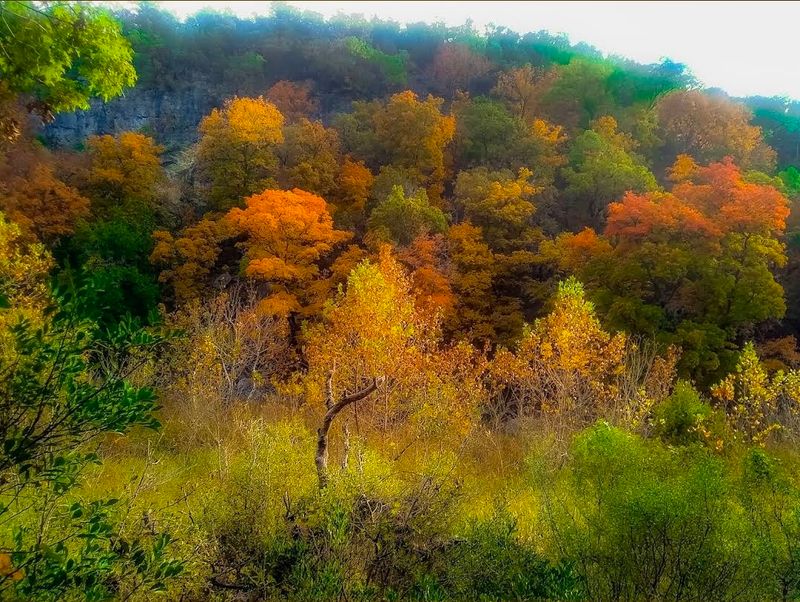
Every autumn, a small corner of the Hill Country explodes in reds, oranges, and golds that rival anything New England can offer. Lost Maples earned its name from the isolated stands of Bigtooth maples that somehow ended up in this limestone canyon, far from their typical range. These trees put on a show that draws leaf-peepers from across the state, though visiting outside peak color season means having the trails mostly to yourself.
The Sabinal River cuts through the property, creating pools perfect for cooling off after a hike. Trails range from easy strolls to more demanding climbs that take you up onto the canyon rim for sweeping views. Limestone cliffs shelter the maples in protected canyons where microclimates allow these trees to thrive despite Texas heat.
Spring brings a different kind of beauty when wildflowers carpet the hillsides and water flows more reliably through the creek beds. Summer can be scorching, but the shaded canyon floors stay relatively comfortable. Winter offers its own stark beauty and virtually guaranteed solitude since most visitors only think about this place when fall color reports start circulating.
Camping here requires reservations well in advance, especially during October and November when the maples peak. The park limits daily visitors to protect the fragile ecosystem, which also means you won’t encounter the massive crowds that plague some state parks. Bring binoculars because the birding is excellent, with golden-cheeked warblers nesting in the area during breeding season.
The drive to reach Lost Maples takes you through some of the prettiest Hill Country scenery Texas offers, with winding roads and tiny towns that time forgot. Cell service is spotty at best, which helps enforce the disconnection from everyday life that makes this place special.
4. Guadalupe Mountains National Park (near Dell City)
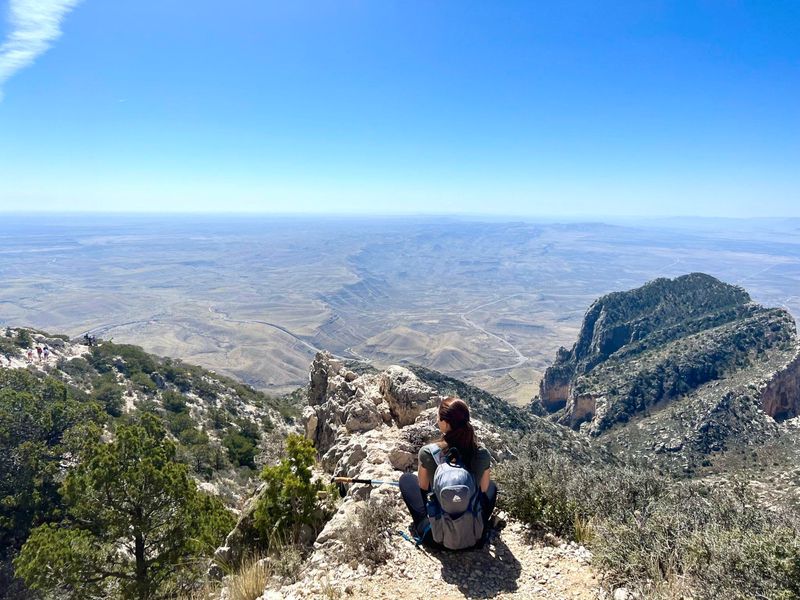
Texas’s highest peak rises 8,749 feet above sea level in a range that most Texans couldn’t locate on a map if their lives depended on it. The Guadalupe Mountains jut up from the Chihuahuan Desert in far West Texas, creating an island of alpine forest surrounded by scrubland and sand. This park sees a fraction of the visitors that crowd into Big Bend, despite offering equally stunning scenery and some of the best hiking in the state.
El Capitan’s sheer limestone face dominates the southern approach, looking like something transported from Yosemite. The reef that forms these mountains dates back to when an ancient sea covered this region, creating fossils and geological features that tell stories millions of years old. Hiking to Guadalupe Peak takes most people six to eight hours round trip, but standing on top of Texas makes the effort worthwhile.
McKittrick Canyon delivers one of the few reliable fall color displays in West Texas when bigtooth maples, oaks, and other deciduous trees turn brilliant shades. The canyon also holds a year-round spring that creates a riparian oasis completely at odds with the surrounding desert. Wildlife includes mule deer, elk that were reintroduced to the area, and occasionally mountain lions, though the big cats stay well hidden.
Camping options are primitive, with no water available at the backcountry sites and limited facilities at the developed campground. The nearest towns offer minimal services, so arriving fully prepared is essential. Wind rips across these mountains with impressive force, especially in spring when gusts can literally knock you sideways on exposed ridges.
Summer afternoons bring thunderstorms that develop quickly and turn trails into temporary waterfalls. The isolation and rugged terrain mean you need to be self-sufficient and reasonably experienced, but the payoff is having an entire national park practically to yourself most days of the year.
5. Monahans Sandhills State Park (Monahans)
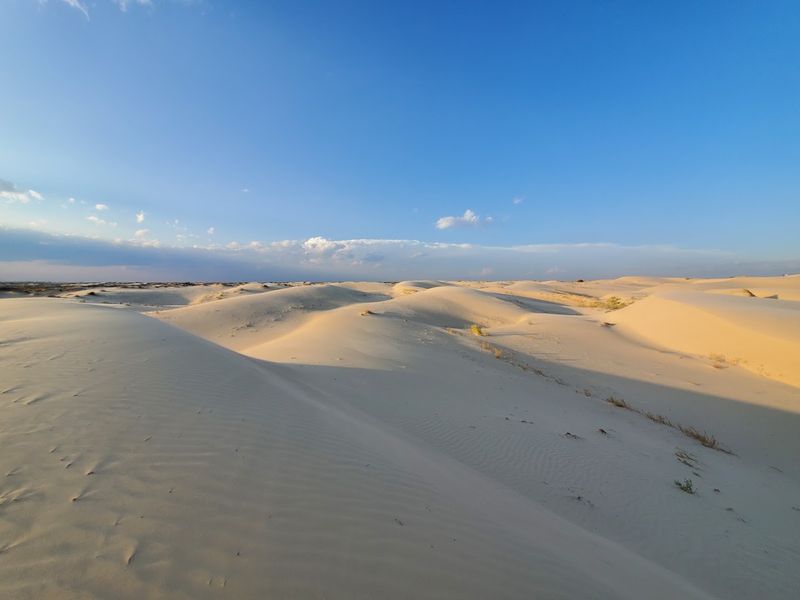
Imagine 3,840 acres of rolling sand dunes that look like they belong in the Sahara, not Texas. Monahans Sandhills rise up to 70 feet high in places, creating a landscape so surreal that first-time visitors often just stand and stare. The sand stays loose and soft, perfect for the park’s most popular activity: renting a disk and sliding down the dunes like you’re surfing on sand.
These dunes formed over thousands of years as wind deposited sand from ancient river systems. They’re still active, meaning they shift and change shape constantly, though hardy shin oak manages to anchor some areas with root systems that can reach 90 feet down searching for water. Walking barefoot across the sand in summer will burn your feet in about thirty seconds, but cooler months make it comfortable to explore.
The park sits just off Interstate 20, making it one of the more accessible escapes on this list, though most travelers blow right past without realizing what they’re missing. Families love bringing kids here because there’s something primal and joyful about climbing a dune and running full-speed down the other side. The interpretive center explains the geology and ecology, including how certain animals have adapted to this harsh environment.
Camping facilities are basic but adequate, and the park offers showers to rinse off the sand that inevitably gets everywhere. Sunrise and sunset transform the dunes into something magical as shadows stretch long and the light turns golden. Photographers find endless compositions in the curves and patterns the wind creates.
Unlike beach sand, this stuff doesn’t clump when wet, and it’s so fine it squeaks when you walk on it. The park provides the sand disks for a small rental fee, or you can bring your own sled or boogie board. Just remember that what goes down must first climb up, and hauling yourself up a 70-foot sand dune will remind you of muscles you forgot you had.
6. Caprock Canyons State Park & Trailway (Quitaque)
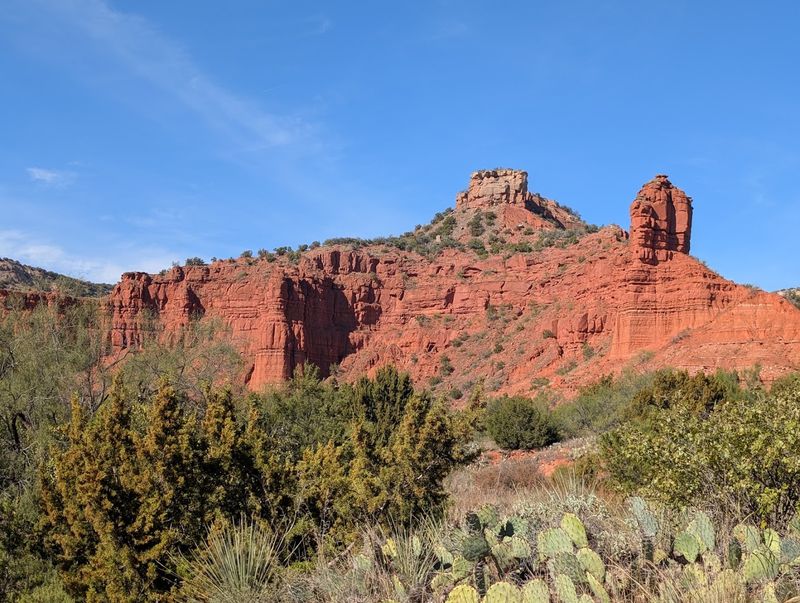
Where the flat plains of the Panhandle suddenly drop away into colorful canyons, you’ll find one of Texas’s best-kept secrets. Caprock Canyons protects over 15,000 acres of rugged terrain where red rock formations glow at sunset and a herd of bison roams free, descendants of the massive herds that once covered the plains. The park feels remote because it genuinely is, sitting hours from any major city in a part of Texas that most folks only see from airplane windows.
The official state bison herd lives here, numbering around 100 animals that graze the canyon floors and grasslands. Seeing these massive creatures against a backdrop of red cliffs creates a connection to what this landscape looked like before settlement. The park asks visitors to maintain serious distance since bison are wild, unpredictable, and can run 35 miles per hour when motivated.
Hiking trails wind through juniper breaks and across mesas that offer panoramic views of the surrounding canyons. The 64-mile Caprock Canyons Trailway follows an old railroad bed, perfect for mountain biking or horseback riding through landscapes that shift from grassland to canyon to badlands. Spring wildflowers blanket the area in color, while fall brings comfortable temperatures and clear skies.
Lake Theo sits within the park, offering fishing and a pretty setting, though water levels fluctuate with rainfall. Camping options include everything from primitive sites to spots with water and electric hookups. The park stays quiet even on holiday weekends since its location keeps casual visitors away.
Night skies here rival those at Big Bend for darkness and star visibility, with the Milky Way visible as a bright band across the sky. Coyotes sing their evening songs, and if you’re very lucky, you might hear the rare call of a canyon towhee. The combination of geological drama, wildlife, and genuine isolation makes this place feel like stepping back to a wilder Texas.
7. South Padre Island (South Padre Island)
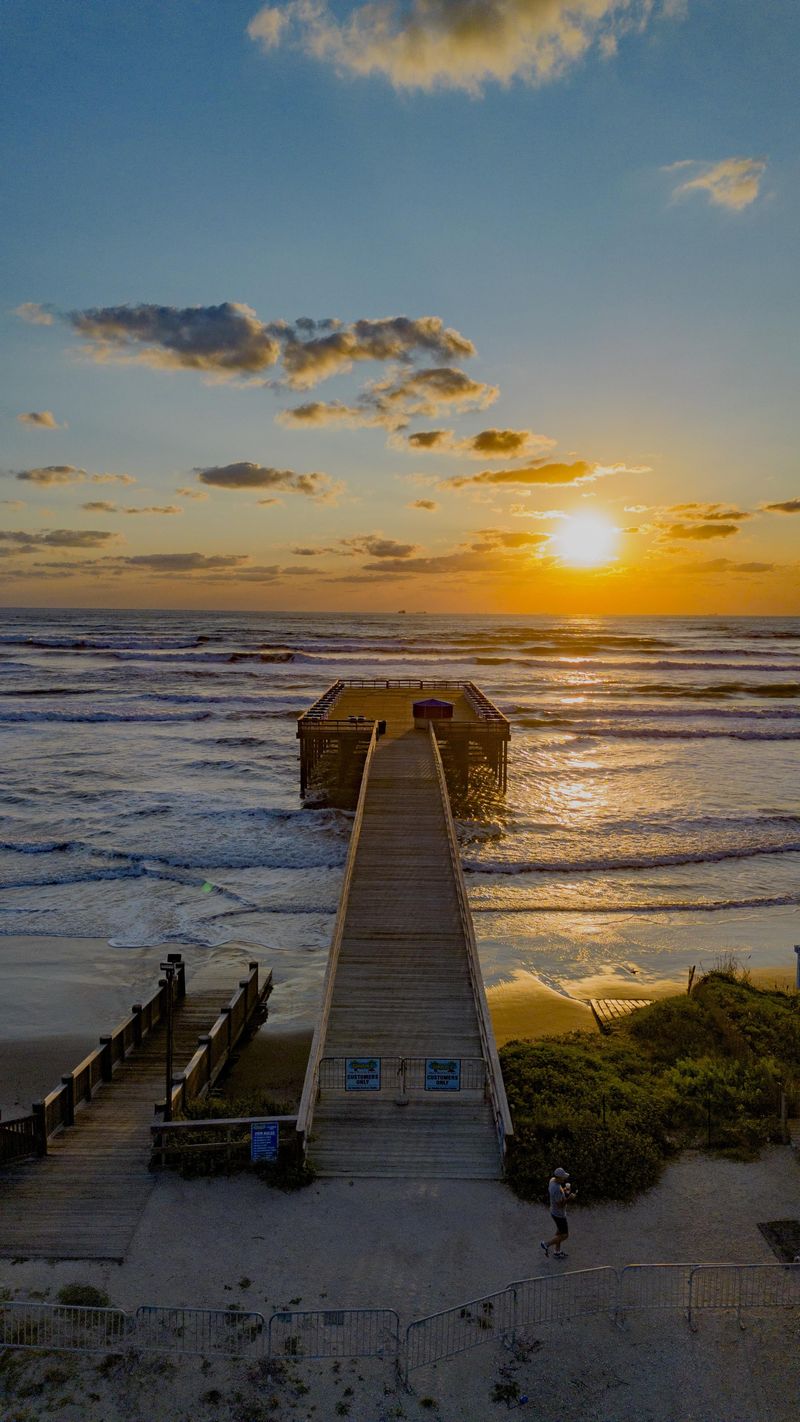
Yes, South Padre gets crazy during spring break, but show up literally any other time and you’ll find miles of gorgeous beach with more seashells than people. The southern tip of this barrier island, especially the areas near the convention center and beyond, offers the kind of coastal escape where you can walk for an hour and maybe see a handful of beachcombers. The Gulf waters here glow in shades of turquoise and green that look photoshopped but are completely real.
Winter brings the best combination of pleasant weather and total peace, with temperatures in the 60s and 70s while the rest of Texas shivers. Dolphins cruise just beyond the breakers, often close enough that you can watch them hunt. Sea turtle releases happen during summer months when conservation groups help hatchlings reach the water, creating unforgettable moments for anyone lucky enough to witness it.
The island stretches 34 miles long but stays narrow, so you’re never far from both bay and Gulf views. Birding opportunities are world-class, especially during migration seasons when exhausted birds make landfall after crossing the Gulf. Sandpipers race the waves, pelicans dive-bomb for fish, and roseate spoonbills add shocking pink to the marshes.
Fishing from the beach, piers, or charter boats produces everything from redfish to kingfish depending on the season. The calmer Laguna Madre bay side offers perfect conditions for kayaking and paddleboarding through shallow, clear water. Kiteboarding enthusiasts flock to the bay for consistent winds and forgiving conditions.
Avoiding the main party zones means seeking out the quieter stretches north of the main tourist district or south toward the jetties. Sunrise over the Gulf paints the sky in colors that make early wake-ups worthwhile. The combination of tropical vibes, genuine natural beauty, and the option to completely avoid crowds makes South Padre work for people seeking peace just as well as it serves the party crowd.
8. Davis Mountains State Park (Fort Davis)
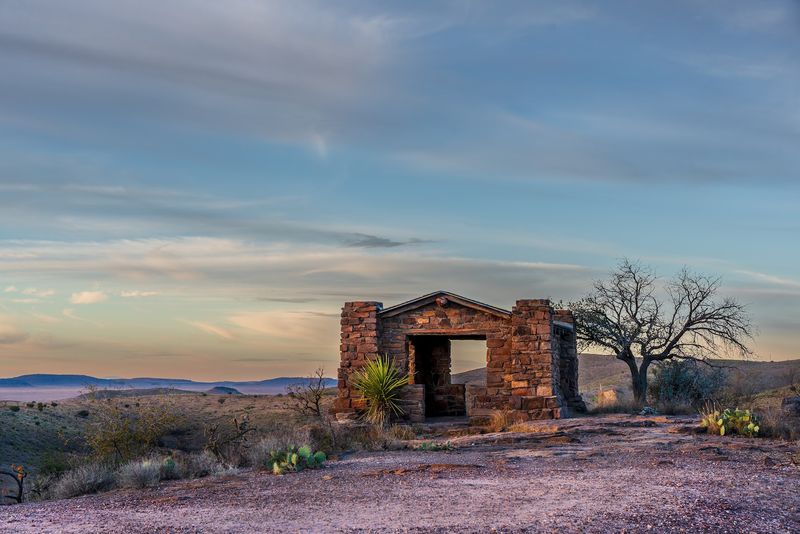
At elevations between 5,000 and 8,000 feet, the Davis Mountains create their own climate zone where pines grow and temperatures stay bearable even when the surrounding desert bakes. This sky island ecosystem supports plants and animals found nowhere else in Texas, making it feel more like New Mexico or Arizona than the Lone Star State most people picture. The park sits in the heart of this range, offering hiking, camping, and access to some seriously dramatic scenery.
Fort Davis, the historic frontier military post, sits just outside the park and offers fascinating glimpses into 1800s Army life on the Texas frontier. The town of Fort Davis itself might be the most charming small town in West Texas, with old buildings, friendly locals, and surprisingly good restaurants. McDonald Observatory perches atop Mount Locke nearby, hosting star parties where visitors can peer through research-grade telescopes at galaxies and nebulae.
Park trails lead through grasslands dotted with sotol and yucca, climbing into forested canyons where oaks provide shade. The Skyline Drive scenic loop takes you up to overlooks with views stretching for miles across the volcanic landscape. Wildlife includes mule deer, javelinas, and occasionally black bears that wander down from the higher peaks.
The Indian Lodge, a pueblo-style hotel built by the Civilian Conservation Corps, offers comfortable rooms for those not interested in camping. The lodge’s massive fireplace and mountain views create a cozy atmosphere that’s perfect after a day of hiking. Camping facilities range from developed sites to primitive areas where you can find total solitude.
Summer afternoons bring brief thunderstorms that cool things down and create dramatic cloud formations. Fall and spring offer perfect weather for exploring, while winter can bring occasional snow to the higher elevations. The combination of altitude, isolation, and unique ecosystem makes the Davis Mountains feel like a secret hideaway that somehow ended up in Texas by mistake.