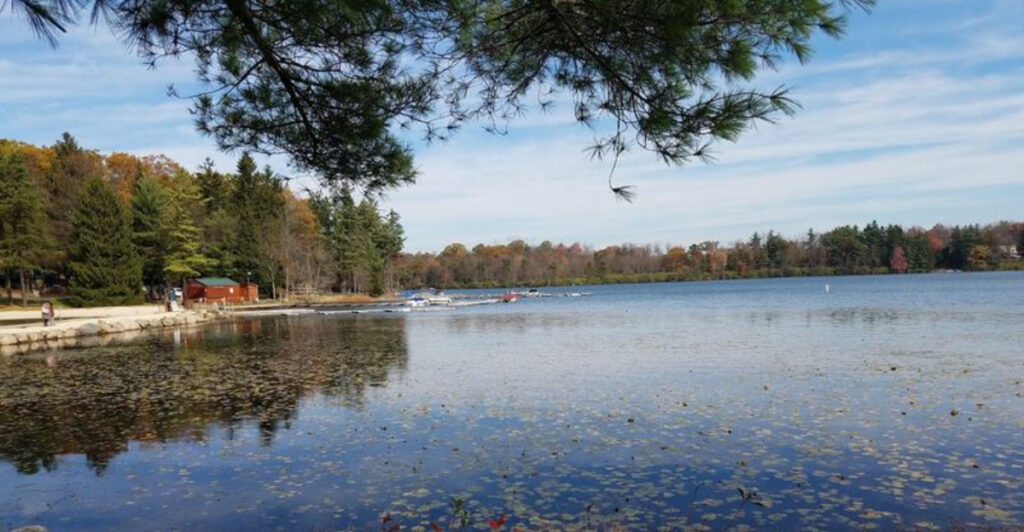
Lake Harmony still looks like the kind of mountain lake town where you can slow down, exhale, and hear the water before anything else. Surrounded by wooded hills, peaceful shorelines, and the natural beauty of the Poconos, it has long attracted visitors looking for a quieter escape from the pace of everyday life. But in summer, that peaceful image starts to crack as traffic thickens, boat noise carries farther, and every shoreline hot spot fills up fast. If you have visited recently, you have probably felt the tension between postcard charm and peak-season overload. The same features that make Lake Harmony so appealing — its scenic views, recreational opportunities, and small-town atmosphere — also draw larger crowds when the weather warms up.
What was once a relaxing retreat can quickly feel much busier as visitors arrive looking for the perfect summer getaway. This is a close look at how one small Pennsylvania lake community is struggling to hold onto its identity while more and more people pile in. From crowded roads and packed waterfront areas to the challenges of balancing tourism with local life, Lake Harmony’s growing popularity raises a familiar question for many beloved destinations: how do you welcome visitors while protecting the character that made people fall in love with the place in the first place?
1. Gridlocked roads are changing the first impression
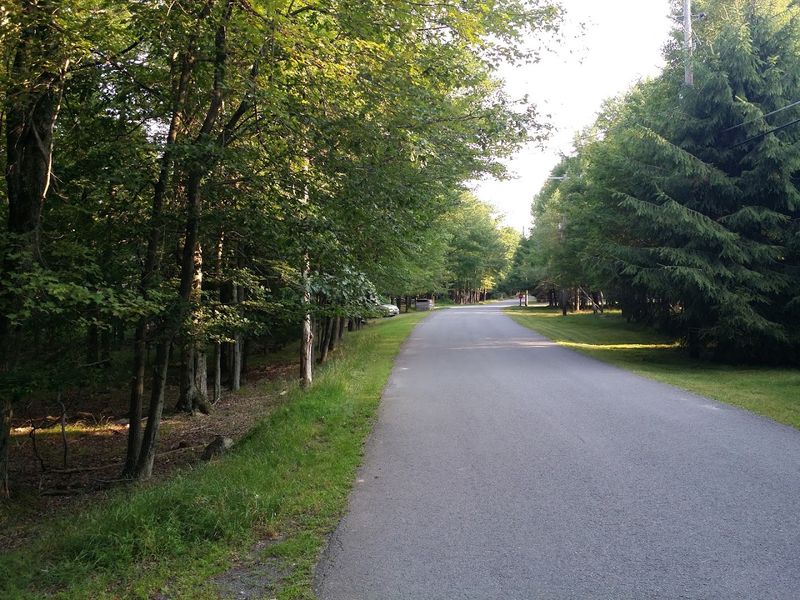
You feel the pressure almost as soon as you drive into Lake Harmony in summer.
Roads that once felt sleepy and scenic now clog with weekend arrivals, delivery vans, boat trailers, and drivers circling for a place to stop.
What should be a relaxed entry into town can quickly become a lesson in patience.
The biggest frustration is not just the volume of cars, but how little room the town has to absorb them.
Narrow roads, limited shoulders, and frequent turns toward rentals and lake access points create bottlenecks that ripple through the entire area.
Even short trips start taking longer than visitors expect.
That traffic shapes the mood before anyone even reaches the water.
Residents feel crowded in their own neighborhoods, and visitors arrive already stressed.
In a place known for calm views and easy weekends, the gridlock now sends a very different message every busy summer day.
2. Short-term rentals are crowding out the old rhythm
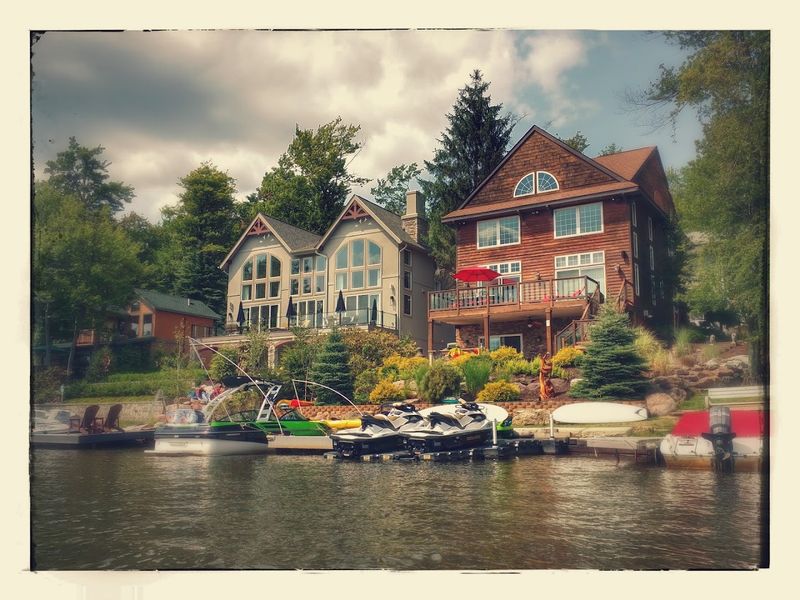
One of the biggest shifts in Lake Harmony is how many homes now function as short-term rentals during the warmest months.
On any given summer weekend, quiet residential lanes fill with rotating groups, packed SUVs, extra trash bags, and a level of turnover that makes the community feel less rooted.
You can sense the old rhythm slipping.
For longtime locals, the issue is not that people want to visit.
It is that high-demand rentals can bring larger groups into spaces designed for normal neighborhood living, which changes noise levels, parking habits, and expectations around the clock.
A cabin once used by one family may now host several groups in a single week.
That constant churn affects trust and familiarity.
Neighbors no longer always know who is staying next door, and visitors may not understand local norms.
In summer, Lake Harmony can feel less like a town and more like a heavily booked resort zone.
3. Parking pressure is spilling into every public corner
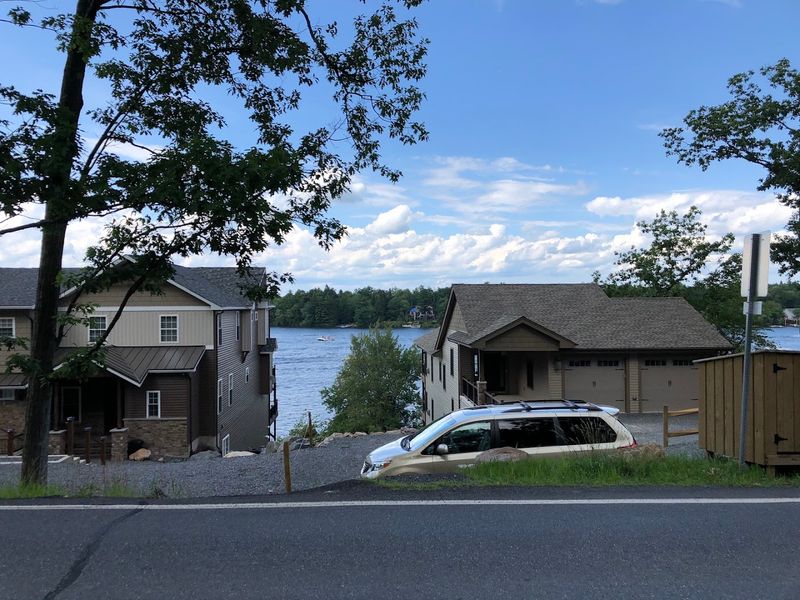
Parking might sound like a small annoyance, but in Lake Harmony it has become one of the clearest signs of summer strain.
When demand spikes, cars spill onto road edges, neighborhood streets, and improvised spots that were never meant to handle heavy public use.
The result is a town that feels physically squeezed.
Visitors looking for access to the lake, restaurants, or nearby recreation often end up circling repeatedly.
That adds even more traffic, more confusion, and more frustration for residents trying to move through their own community.
Emergency access and basic visibility can also become concerns when shoulders and corners are packed.
What makes the issue feel bigger is how visible it is.
Even if you know nothing about local planning, you can see that the town is absorbing more vehicles than its public spaces were built to manage.
In summer, every overfilled pull-off tells the same story.
4. The lake itself feels louder and busier
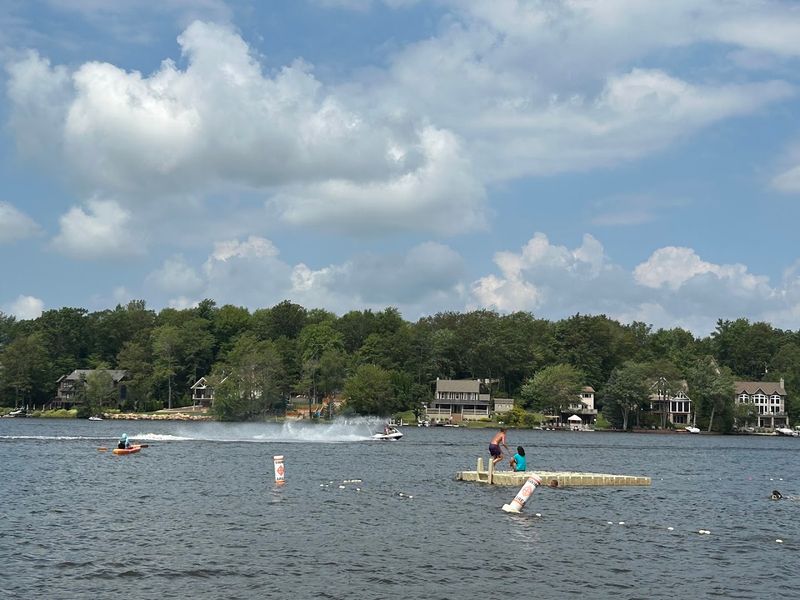
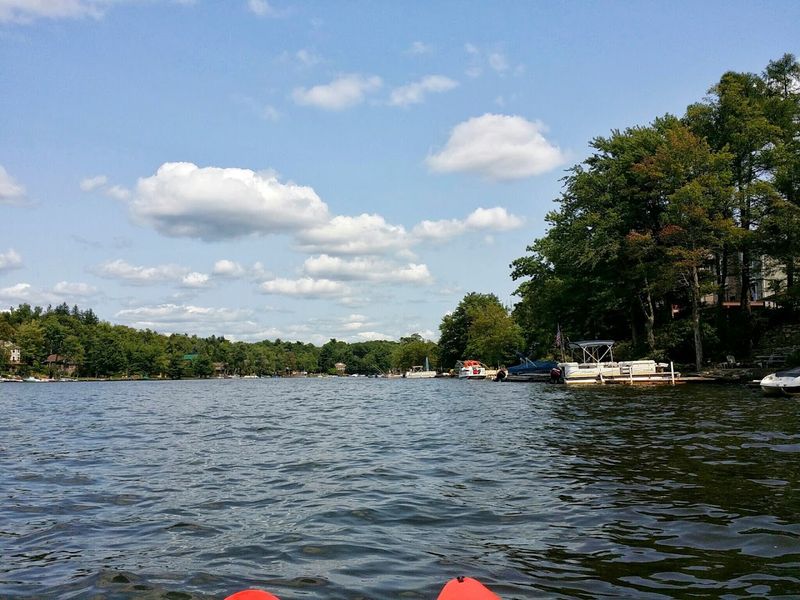
The water is still beautiful, but the experience of being on or near Lake Harmony changes when too many people crowd it at once.
Boat traffic, personal watercraft, music, and shoreline activity all layer together until the calm atmosphere many people came for starts to disappear.
You notice the noise before long.
For residents and repeat visitors, the contrast can be jarring.
A lake that once invited quiet paddling, easy floating, or peaceful early mornings now often feels programmed for maximum activity, especially on hot weekends.
The visual appeal remains, yet the sense of refuge becomes much harder to find.
That matters because the lake is the town’s identity.
When the water starts feeling overused, the whole place feels less balanced.
Summer crowds do not just fill the shoreline, they reshape the emotional experience of Lake Harmony itself, turning serenity into a much rarer and more fragile thing.
5. Noise is becoming part of the seasonal landscape
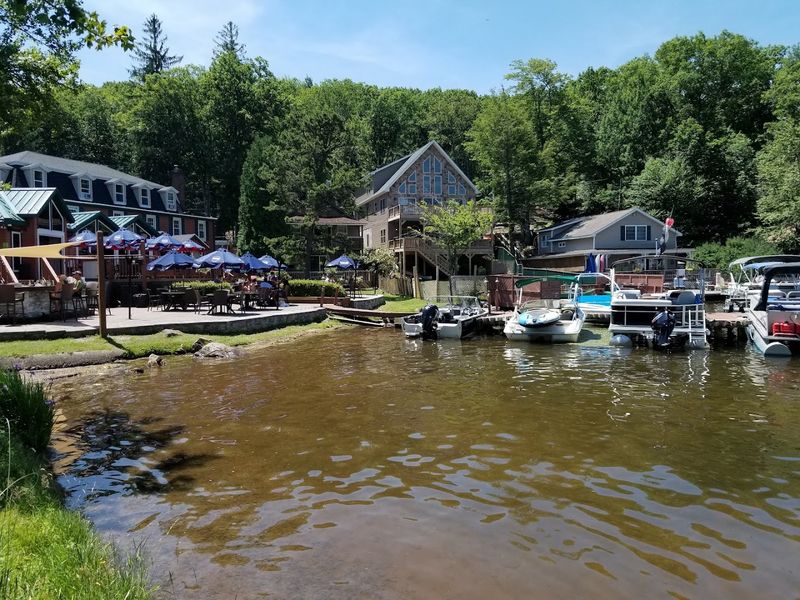
In a small lake town, sound travels farther than many visitors realize.
Summer in Lake Harmony can bring deck parties, rental-house gatherings, boat engines, late arrivals, and outdoor music that carries across water and through wooded neighborhoods well after sunset.
What feels festive to one group can feel relentless to everyone nearby.
The challenge is that noise is rarely isolated.
It stacks up over the course of a weekend, starting with traffic and daytime recreation, then rolling into evening socializing and overnight disruptions.
For people who live there full time, there is less room to escape it than outsiders might assume.
This shift changes how the town feels after dark.
Quiet nights used to be part of the appeal, especially in a mountain setting where stillness was once easy to find.
Now, summer noise has become one more sign that Lake Harmony is struggling to balance popularity with livability.
6. Residents are losing the peace they used to count on
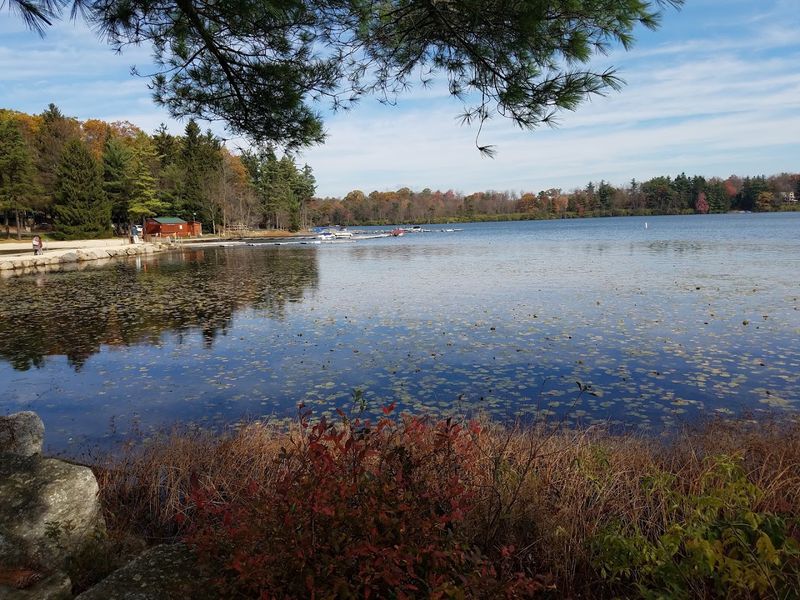
What gets lost most easily in the conversation about tourism is the daily reality for people who actually live in Lake Harmony.
Summer can mean crowded roads, unfamiliar neighbors, late-night noise, and the sense that ordinary routines now require extra planning or compromise.
Even simple errands can feel harder than they should.
That erosion of peace is not always dramatic, but it is cumulative.
When every weekend brings another wave of congestion and disruption, the charm that once defined local life starts feeling conditional, available only in short windows between busy stretches.
People begin measuring their own town around other people’s vacations.
For a place built on natural calm and seasonal beauty, that is a meaningful loss.
Residents are not just reacting to more visitors, they are reacting to a gradual change in how home feels.
In Lake Harmony, summer now asks locals to tolerate pressures that were once the exception, not the norm.
7. Environmental stress is harder to ignore
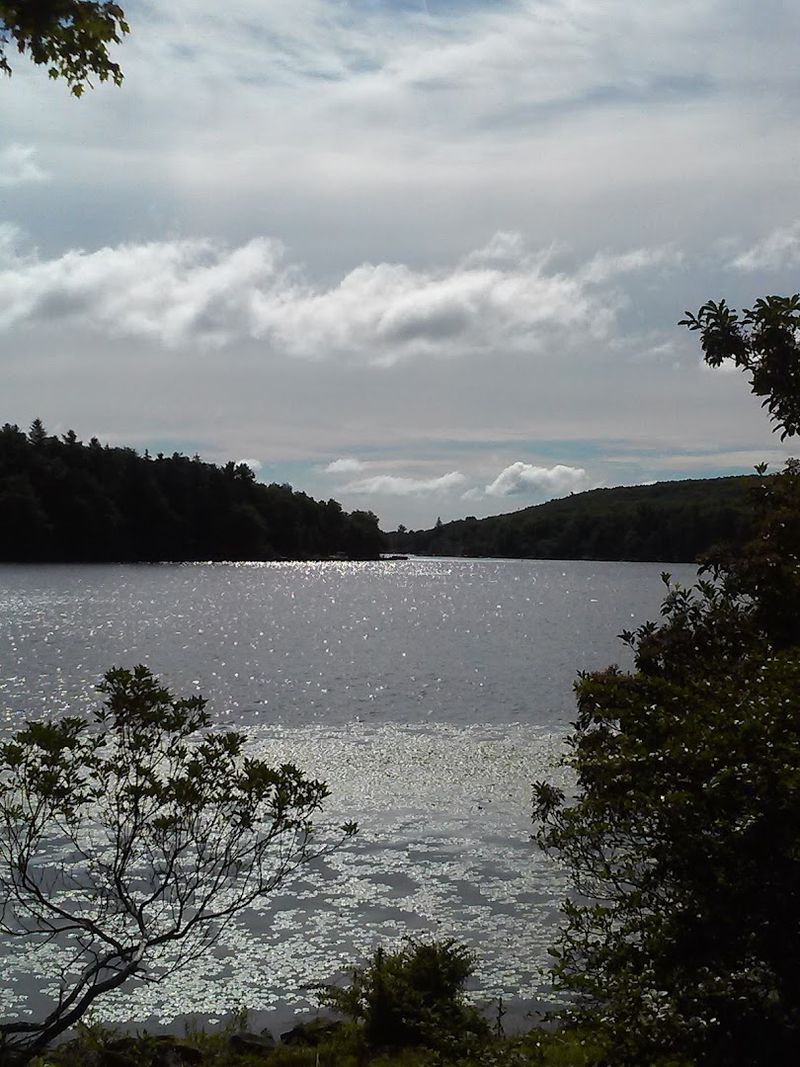
Heavy summer use does not only affect mood and mobility in Lake Harmony.
It also raises quieter concerns about shoreline wear, litter, water quality pressure, and the cumulative impact of large numbers of people using a relatively small lake-centered environment at the same time.
Nature absorbs a lot, but not endlessly.
Even when most visitors mean well, concentrated recreation leaves marks.
More boats, more foot traffic, more trash, and more demand on waste systems can gradually weaken the very landscape that draws people there in the first place.
Environmental stress often builds slowly, then becomes obvious all at once.
That is why crowding here feels bigger than a temporary inconvenience.
If the lake and surrounding community are pushed too hard each summer, the damage can outlast the season.
In Lake Harmony, preserving the setting means recognizing that popularity has limits, especially in a place defined by water, woods, and space.
8. Lake Harmony is facing an identity test
What is happening in Lake Harmony is not just a story about traffic, noise, or crowded weekends.
It is really a question about what kind of place this town wants to remain as more people discover it, book it, and expect it to perform like a full-scale summer destination.
Popularity can be flattering until it starts reshaping everything.
The challenge is finding a balance that protects residents, preserves the lake experience, and still welcomes visitors who genuinely appreciate the area.
That is easier said than done in a small community where infrastructure, housing patterns, and public space were never designed for endless seasonal growth.
The pressure is visible almost everywhere now.
If Lake Harmony cannot manage that tension, it risks losing the very character that made it appealing in the first place.
Summer crowds may be temporary, but the choices made in response to them will shape the town’s identity for years to come.