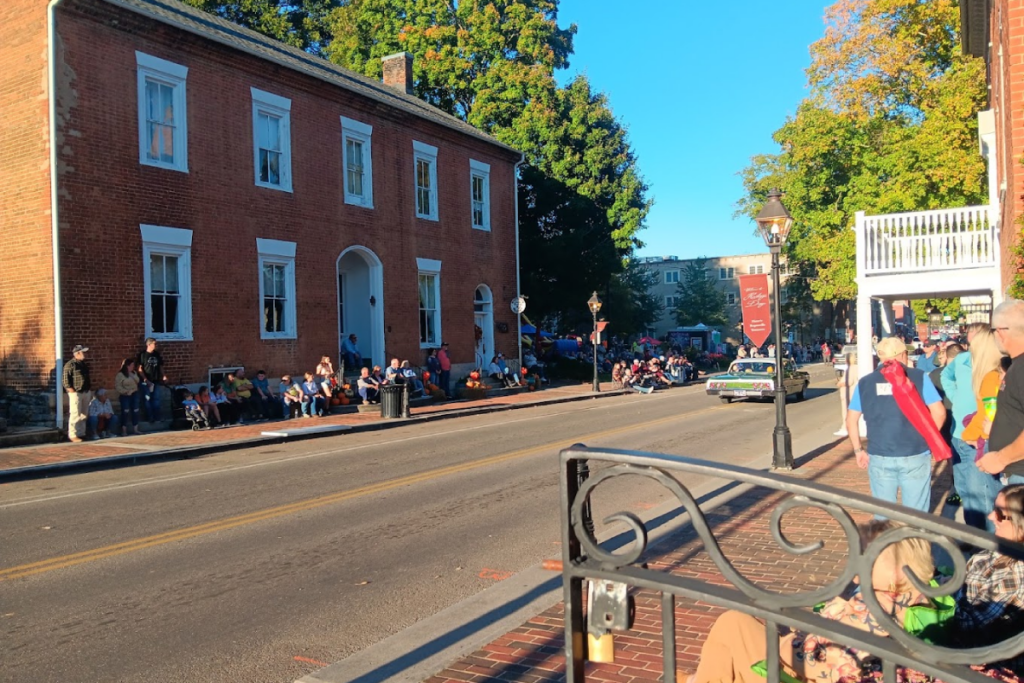
Tennessee holds a special collection of small towns where history isn’t just remembered—it’s still alive on every street corner. These communities have preserved their historic buildings, traditions, and slower pace of life so well that walking through them feels like stepping back decades or even centuries.
From Victorian villages to old railroad stops, these ten towns offer a genuine glimpse into Tennessee’s past while welcoming visitors with warm Southern hospitality.
1. Jonesborough
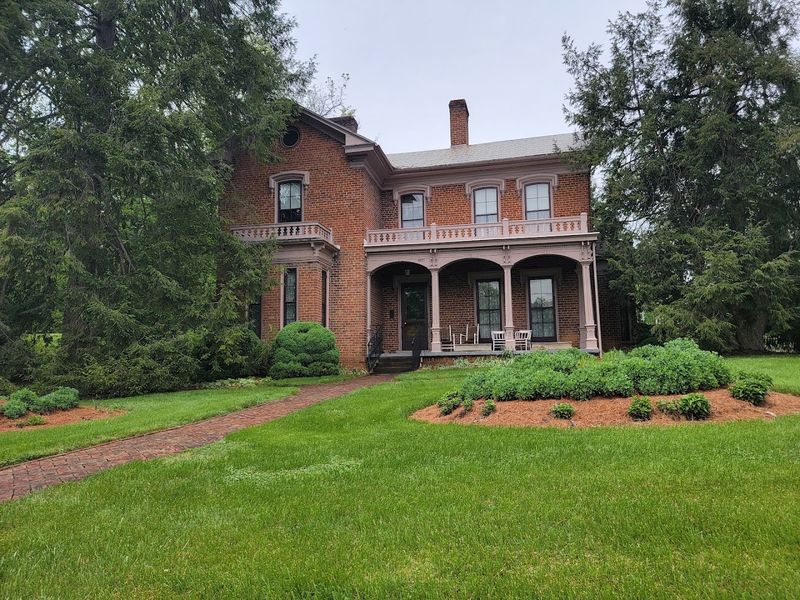
Founded in 1779, Jonesborough earned its place as Tennessee’s oldest town, and locals have worked hard to keep that heritage visible. Red brick sidewalks line Main Street, where carefully preserved buildings house museums, galleries, and locally owned shops.
The whole downtown district feels like a living history lesson without the stuffiness.
Walking these streets means encountering architecture from multiple centuries, all kept in remarkable condition. The Chester Inn, built in 1797, once hosted President Andrew Jackson.
The International Storytelling Center continues a tradition that’s made this town famous worldwide every October.
Small details make Jonesborough special—vintage lampposts, hand-painted signs, window displays that change with the seasons. Shop owners often know regular visitors by name.
The town square hosts festivals, farmer’s markets, and community gatherings that bring neighbors together just like they did generations ago.
Historic markers throughout town tell stories of early settlers, Civil War events, and the people who shaped this community. You can spend hours just reading plaques and imagining life in different eras.
The town’s commitment to preservation means future generations will experience the same timeless atmosphere.
Local restaurants serve Southern comfort food in buildings that have stood for over a century. Antique stores offer treasures from Tennessee’s past.
Even the pace of conversation feels unhurried, like folks have all the time in the world to chat on sidewalks or front porches, just as their great-grandparents did.
2. Rugby
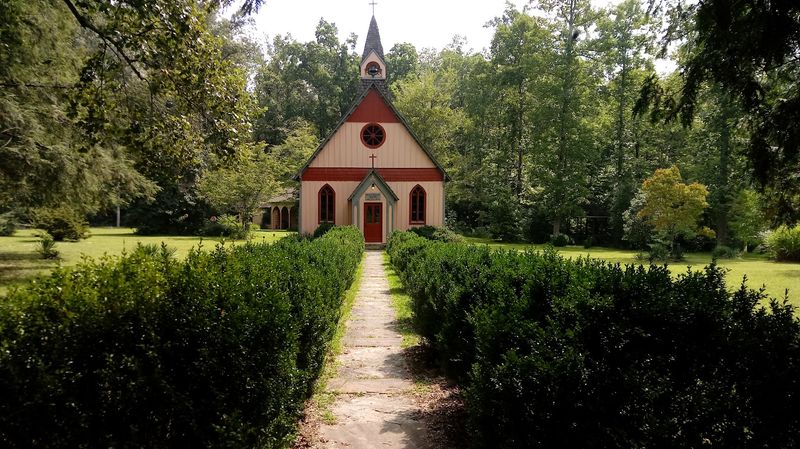
Picture an English village tucked into the Cumberland Plateau, and you’ve got Rugby. Founded in 1880 by British author Thomas Hughes, this experimental utopian community attracted settlers seeking a fresh start in America.
What makes Rugby extraordinary is how much of that original vision survives today.
Seventeen original Victorian buildings still stand, maintained by Historic Rugby. Christ Church Episcopal, built in 1887, holds services with its original organ and stained glass windows shipped from England.
The Hughes Free Public Library contains 7,000 Victorian-era books, many brought by the original colonists.
Walking Rugby’s quiet lanes feels genuinely different from other historic sites. There’s no main commercial strip or tourist bustle. Instead, you’ll find cottage-style homes with gingerbread trim, split-rail fences, and gardens that could belong in the English countryside.
The town’s isolation helped preserve its character. Located far from major highways, Rugby never experienced the development pressure that changed so many communities.
That remoteness means fewer visitors, which only adds to the feeling of discovering something special and unspoiled.
Guided tours share stories of the British settlers who cleared land, built homes, and tried creating an egalitarian society in the Tennessee wilderness. Some succeeded, some returned to England, but their architectural legacy remains beautifully intact.
Surrounding forests and mountain views complete the time-capsule effect, making Rugby feel genuinely removed from the modern world.
3. Granville
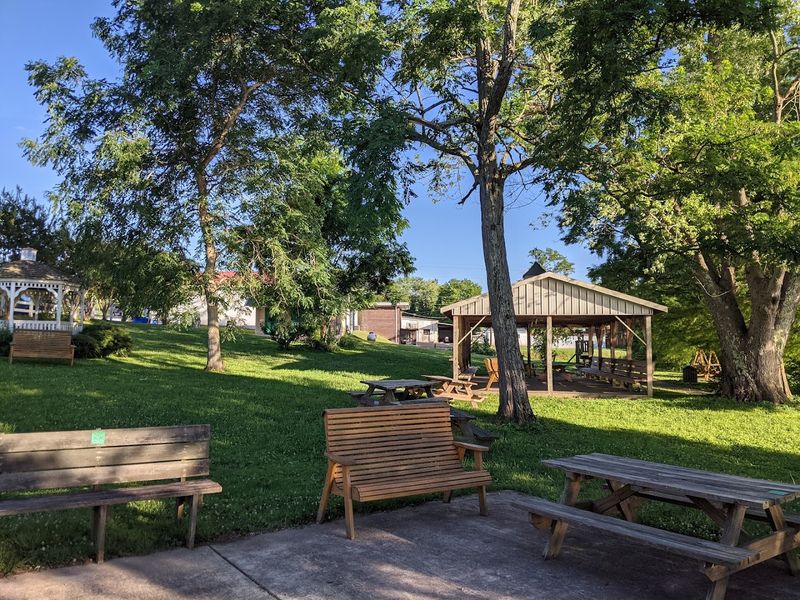
Granville sits beside Cordell Hull Lake like it’s always been there, though the town actually predates the reservoir by well over a century. Founded in 1802, this Jackson County community maintains a collection of historic buildings that transport visitors to simpler times.
The lakeside setting just adds to the peaceful, timeless atmosphere.
The town’s general store operates much as it has for generations, with creaky wooden floors and shelves stocked with both necessities and nostalgia. Nearby, the Sutton House Museum occupies an 1890s home filled with period furnishings and local artifacts.
These aren’t just tourist attractions—they’re genuine pieces of community life that locals still value and use.
Main Street features historic storefronts that have housed various businesses over the decades. Some buildings show their age proudly, with original brickwork and vintage signage.
The pace here runs slow, with neighbors stopping to chat and visitors welcomed like old friends returning home.
What makes Granville particularly special is how it avoided becoming a theme park version of history. Real people live in these old houses, shop at the general store, and gather for community events. The town doesn’t try too hard to impress—it simply exists as it has for generations.
The lake brings recreational visitors, but Granville’s historic character keeps them coming back. Fishing, boating, and waterside relaxation pair perfectly with exploring antique shops and historic sites.
Local festivals celebrate heritage and crafts, bringing traditional music and demonstrations to the streets. It’s history you can touch, taste, and experience rather than just observe behind velvet ropes.
4. Bell Buckle
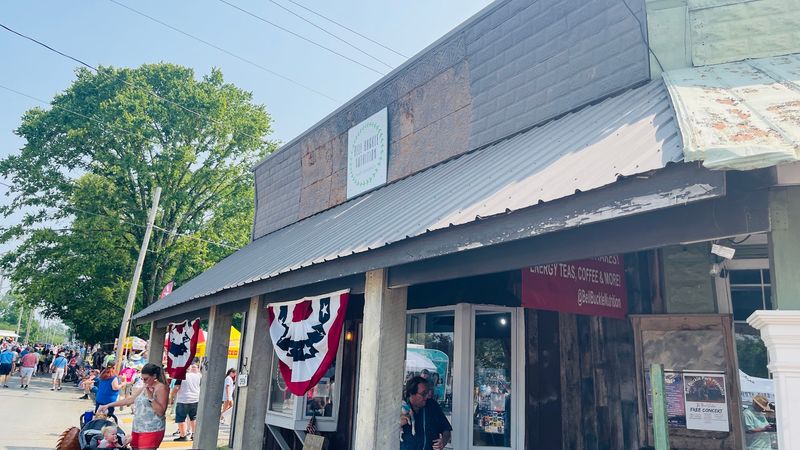
Bell Buckle earned its quirky name from either a large bell and buckle found by surveyors or a creek bend shaped like a belt buckle—nobody’s completely sure anymore. What everyone agrees on is this former railroad village’s undeniable charm.
Victorian buildings line the compact downtown, each one packed with personality and local character.
Antique shops dominate the business landscape, offering everything from vintage furniture to collectible treasures. Browsing these stores means discovering items with genuine history, often with stories attached. Shopkeepers love sharing the background of special pieces, making each purchase feel meaningful rather than just transactional.
The Bell Buckle Café serves home-cooked Southern meals in a building that’s fed travelers for decades. Across the street, the Webb School campus adds historic architecture and educational heritage dating back to 1870.
The whole town measures just a few blocks, making it perfectly walkable and wonderfully manageable.
Local traditions keep Bell Buckle interesting year-round. The RC Cola and Moon Pie Festival every June celebrates Southern snack culture with music, crafts, and plenty of the beloved treats. The Daffodil Festival in spring brings thousands of blooms and visitors to town.
Victorian-era homes surround the commercial district, many beautifully maintained with original details intact. Front porches invite sitting and watching the world go slowly by.
Despite its small size, Bell Buckle punches above its weight in personality. Artists, craftspeople, and entrepreneurs have found a welcoming home here, adding creative energy while respecting the town’s historic character.
It’s preservation with a playful twist.
5. Lynchburg
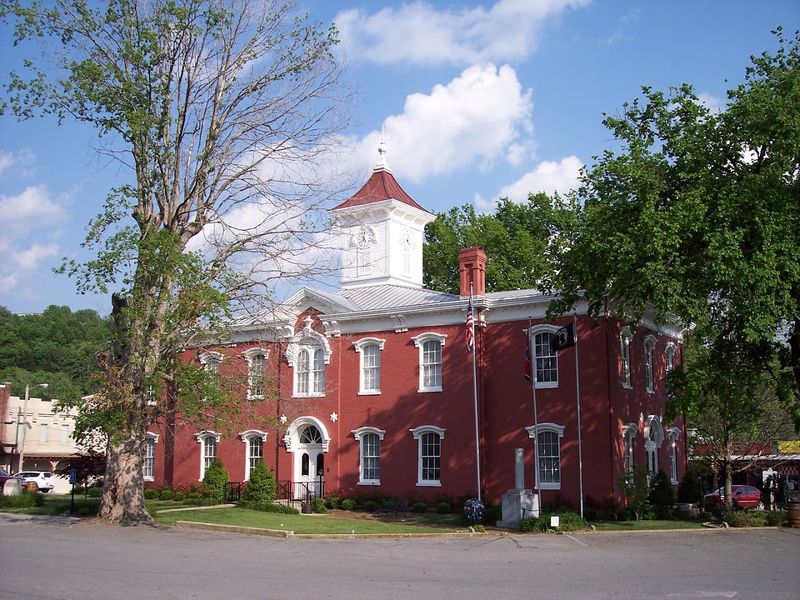
Everyone knows Lynchburg as the home of Jack Daniel’s Distillery, but this Moore County seat offers much more than famous whiskey. The courthouse square represents small-town Southern life at its most authentic, with historic buildings housing locally owned businesses that have served the community for generations.
Population hovers around 6,000, keeping things genuinely small-town.
The red brick courthouse dominates the square, surrounded by shops selling everything from handmade crafts to old-fashioned candy. Hardware stores, cafes, and gift shops occupy buildings that have stood for over a century.
Rocking chairs line several storefronts, inviting visitors to sit and soak in the unhurried atmosphere.
Jack Daniel’s may draw the crowds, but the town itself keeps them lingering. Tours of the distillery show production methods that haven’t changed much since 1866, when Jasper Newton Daniel registered his operation.
The ironclad water and charcoal mellowing process still happen right here, creating Tennessee whiskey the old-fashioned way.
Beyond the distillery, Lynchburg maintains its historic character through careful preservation and community pride. The town square hosts festivals, craft fairs, and seasonal celebrations that bring neighbors together.
Local restaurants serve Southern cooking—fried chicken, biscuits, sweet tea—in settings that feel comfortably familiar rather than staged for tourists.
Moore County remains dry, creating the amusing paradox of producing world-famous whiskey where you can’t buy it by the drink. This quirk adds to Lynchburg’s unique character.
Visitors adapt, enjoying the town’s other charms while learning about whiskey-making history.
Surrounding countryside features rolling hills, farms, and scenic roads perfect for leisurely drives. The whole area feels removed from urban hustle, operating on its own relaxed timeline where quality matters more than speed.
6. Cumberland Gap
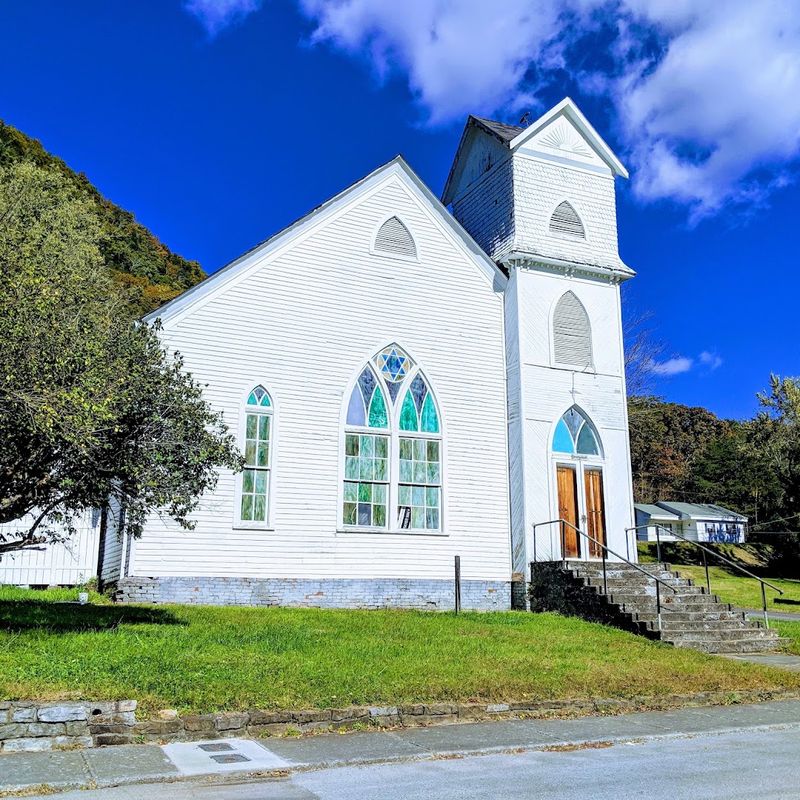
Mountains surround Cumberland Gap on three sides, creating natural borders that have kept this community small and isolated since its founding. The town sits near the famous gap where Kentucky, Virginia, and Tennessee meet—a passage that brought pioneers westward and soldiers during the Civil War.
That dramatic geography still shapes life here today.
Historic buildings line the quiet streets, many constructed when the town served as a gateway to the frontier. Victorian-era homes and commercial structures show Appalachian architectural influences.
The pace runs exceptionally slow, with minimal traffic and plenty of time for front-porch conversations.
Cumberland Gap National Historical Park preserves the natural passage and tells stories of the 300,000 settlers who crossed these mountains seeking new opportunities. The town itself serves as a living extension of that history, maintaining connections to pioneer heritage through preservation and community traditions.
Local shops and restaurants operate in buildings that have housed various businesses over the decades. Change happens slowly here, which residents consider a feature rather than a bug.
The mountain setting provides constant reminders of the town’s geographic isolation and historical significance.
Hiking trails, scenic overlooks, and natural beauty attract outdoor enthusiasts who appreciate Cumberland Gap’s remote character. The town offers basic services and genuine hospitality without trying to become a tourist destination.
Visitors often comment on how different it feels from more developed areas.
Appalachian culture runs deep, visible in local crafts, music, and the self-reliant spirit of residents. The mountains that once made travel difficult now protect the town from rapid development.
Modern life exists here, but it coexists peacefully with traditions and architecture from earlier eras, creating a balanced sense of timelessness.
7. Wartrace
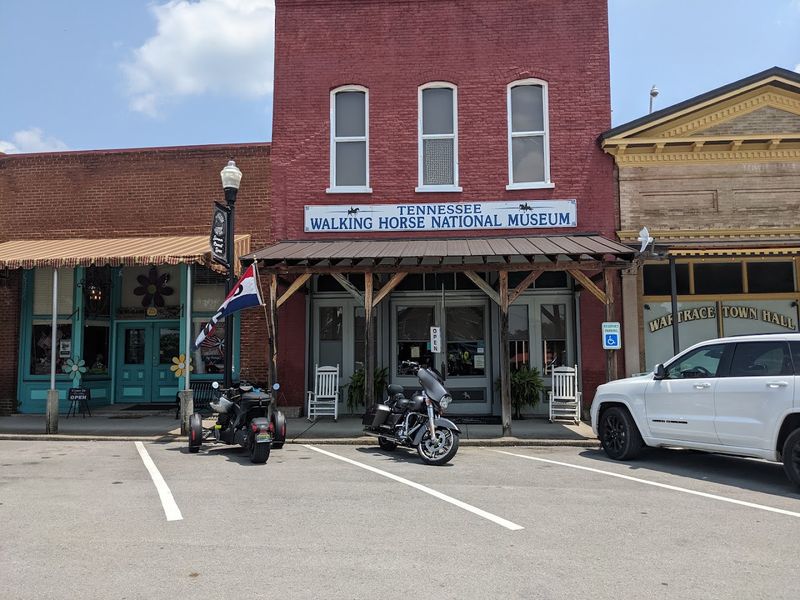
Railroad tracks run straight through Wartrace, just as they have since the 1850s when this Bedford County town grew up around the Nashville and Chattanooga Railroad. Those tracks brought prosperity, commerce, and the Tennessee Walking Horse industry that still defines the community.
Historic buildings on both sides of the railroad tell stories of that prosperous past.
The Walking Horse industry transformed Wartrace into an equestrian center, and that heritage remains visible everywhere. Stables, training facilities, and horse farms surround the small downtown.
The breed was perfected here, and locals take enormous pride in that legacy.
Downtown Wartrace features beautifully preserved Victorian homes and commercial buildings. The Walking Horse Hotel, built in the late 1800s, still welcomes guests in period-appropriate style.
Antique shops and small businesses occupy structures that have served the community for generations. Everything moves at a gentle pace, much like the smooth gait of the horses that made the town famous.
The Overall Company building stands as a remarkable example of adaptive reuse—a former factory now housing shops and event space. Its brick walls and original details create atmospheric settings for weddings, gatherings, and community events.
Small-town traditions thrive in Wartrace. The annual Spring Festival brings music, crafts, and horse demonstrations to the streets. Neighbors know each other, and newcomers quickly become part of the community fabric. The railroad still carries freight trains through town, their whistles marking time much as they did 150 years ago.
Surrounding countryside features the gentle hills and farmland perfect for raising Tennessee Walking Horses. The whole area feels agricultural and unhurried, operating on seasonal rhythms rather than digital schedules.
8. Rogersville
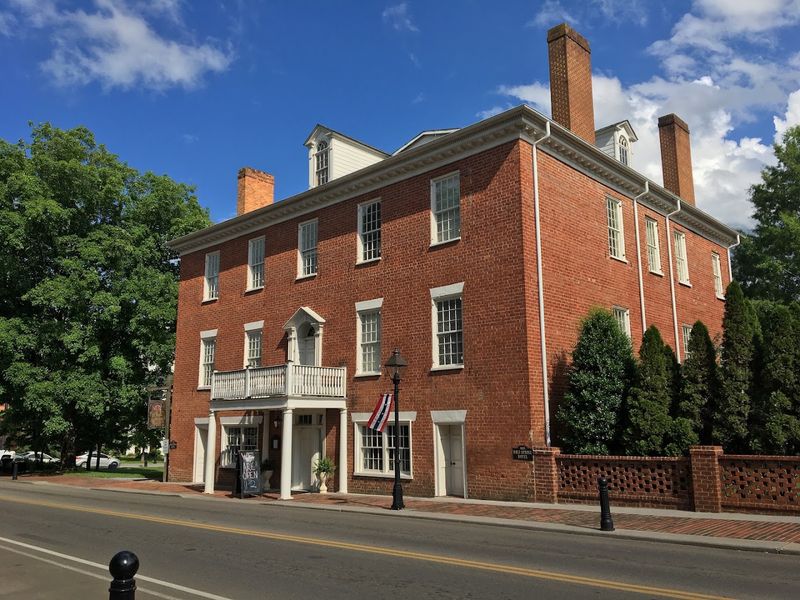
Rogersville stakes its claim as Tennessee’s second-oldest town, founded in 1789 and named for an Irish immigrant who donated land for the county seat. That long history shows in the remarkably preserved downtown, where buildings from multiple centuries create a living timeline of Tennessee architecture.
Walking these streets means encountering structures that witnessed the state’s entire history.
The Hale Springs Inn, built in 1824, operates as Tennessee’s oldest continuously running inn. Three presidents—Andrew Jackson, James K. Polk, and Andrew Johnson—stayed here, and guests can still book rooms in this National Historic Landmark. Original details and period furnishings transport visitors to earlier eras of Southern hospitality.
Downtown Rogersville features brick commercial buildings, historic homes, and tree-lined streets that create picture-perfect scenes. The Hawkins County Courthouse, constructed in 1836, anchors the town square with Greek Revival architecture.
Local businesses occupy historic storefronts, maintaining the commercial vitality that’s kept the downtown alive rather than abandoned.
Rogersville Heritage Association works actively to preserve buildings and share local history. Their efforts show in the well-maintained structures, informative markers, and community pride visible throughout town.
This isn’t accidental preservation—it’s the result of dedicated people who value their heritage.
The town celebrates its history through festivals, walking tours, and educational programs. The Swift College Campus adds more historic architecture, with buildings dating to the early 1800s. Churches, homes, and public buildings represent various architectural styles from different periods, creating visual interest and historical depth.
Modern amenities exist alongside historic structures, proving old towns can remain functional and livable. Restaurants, shops, and services operate in buildings that have housed businesses for generations.
Rogersville shows how preservation and progress can coexist when communities value their past while embracing the future.
9. Collierville
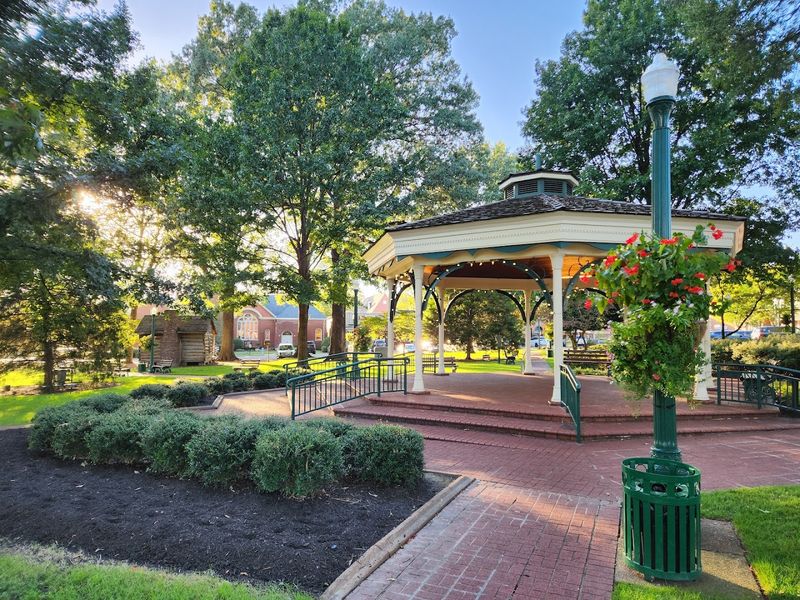
Collierville’s historic town square centers around a white gazebo that’s become the symbol of this Shelby County community. Surrounding the square, locally owned shops, restaurants, and businesses occupy buildings that reflect the town’s railroad heritage.
Despite being part of the Memphis metropolitan area, Collierville has maintained its small-town identity through careful preservation and community commitment.
The town square hosts concerts, festivals, and community gatherings throughout the year. Farmers markets bring local produce and crafts to the heart of downtown.
The gazebo serves as a stage, meeting place, and photography backdrop—a genuine town center where people gather rather than just pass through.
Historic buildings around the square house antique stores, boutiques, cafes, and restaurants that draw visitors from across the region. The Morton Museum of Collierville History occupies the old train depot, sharing stories of the town’s railroad past and agricultural heritage.
That depot reminds everyone how Collierville grew up along the Memphis and Charleston Railroad.
Victorian homes and historic churches surround the commercial district, many beautifully restored and maintained. Tree-lined streets invite walking, and the compact downtown makes everything easily accessible.
Modern development exists on the town’s edges, but the historic core remains protected and cherished.
Collierville has grown significantly while keeping its historic heart intact. That balance isn’t easy—many towns lose their character to growth—but strong preservation ordinances and community values have protected what makes this place special.
Local events celebrate both history and community. Christmas brings special decorations and festivities to the square. Summer concerts fill warm evenings with music and socializing. The town has figured out how to honor its past while building its future, creating a nostalgic atmosphere that feels genuine rather than manufactured.
10. Beersheba Springs
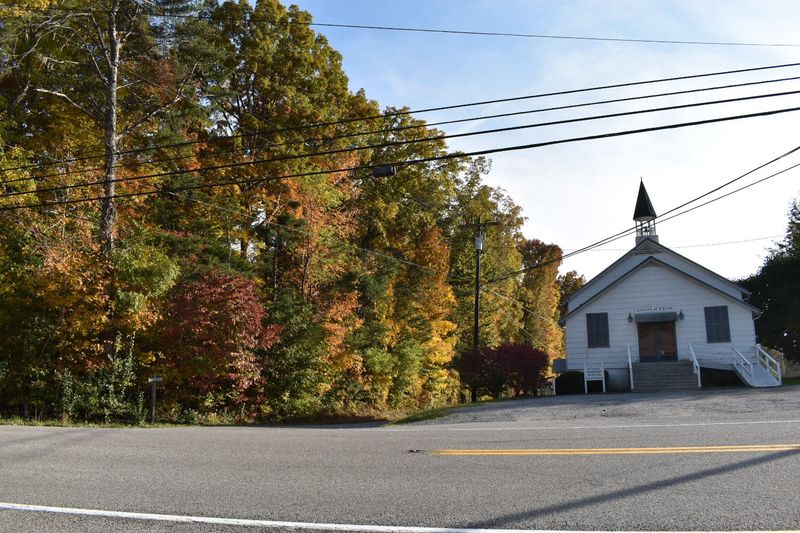
High atop the Cumberland Plateau, Beersheba Springs exists in splendid isolation. This Grundy County community began as a mineral springs resort in the 1830s, attracting wealthy Southerners seeking cool mountain air and healing waters.
The resort era ended long ago, but the buildings, atmosphere, and remote location remain remarkably unchanged.
The Beersheba Springs Hotel, built in 1854, still stands as the centerpiece of the village. Though no longer operating as a hotel, the building represents antebellum resort architecture at its finest.
Wraparound porches, tall windows, and period details transport visitors to the era of Southern aristocracy seeking summer refuge from lowland heat.
Surrounding the old hotel, historic cottages and homes create a village frozen in time. Many structures date to the mid-1800s, maintained by families who’ve owned them for generations.
The whole community covers just a few acres, creating an intimate, almost secret feeling enhanced by the mountain setting.
Getting to Beersheba Springs requires navigating winding mountain roads that discourage casual visitors. That difficulty has protected the village from development pressure and tourist crowds.
Those who make the journey find a place genuinely removed from modern life, where silence, natural beauty, and history combine in rare harmony.
The mineral springs that created the resort still flow, though the grand spa buildings are long gone. Stone walls, old pathways, and scattered ruins hint at the village’s more populated past.
Now, Beersheba Springs attracts people seeking solitude, natural beauty, and connection to Tennessee’s resort heritage. Nearby state parks and natural areas offer hiking, waterfalls, and scenic overlooks. The village serves as a quiet base for exploring the plateau’s natural wonders.
Modern amenities are minimal—this isn’t a place for shopping or dining out. Instead, Beersheba Springs offers something increasingly rare: genuine escape from contemporary life.