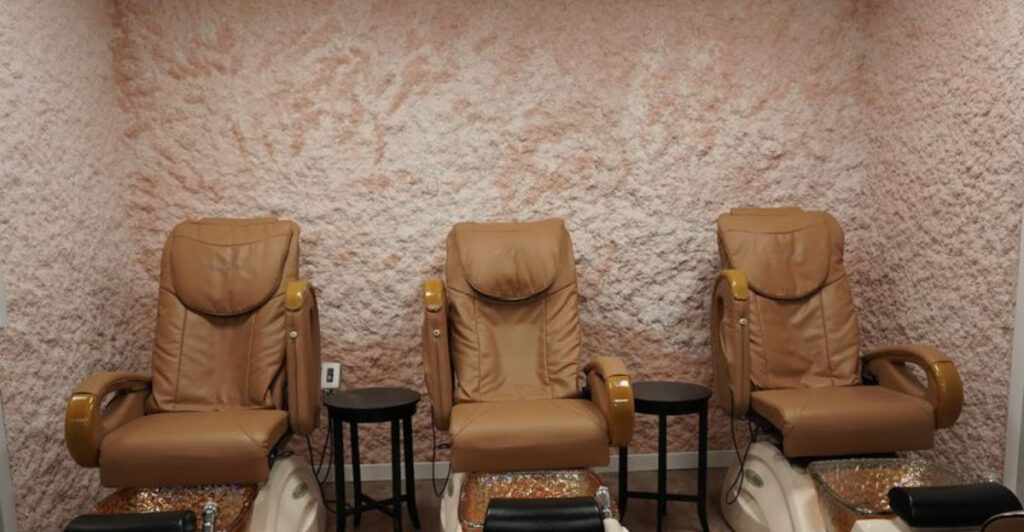
A floor covered in salt crystals crunches underfoot while the walls glow pink, purple, and amber like a sunset trapped inside stone. Outside, traffic moves along Allwood Road and Clifton carries on at its usual North Jersey pace.
Inside The Salt Cavern Wellness Spa, however, the loudest assignment is breathing. This unassuming retreat at 658 Allwood Road centers its experience on a Himalayan salt cave filled with soft light, crisp air, and zero-gravity chairs that invite visitors to stop checking the clock.
During a typical 45-minute halotherapy session, microscopic dry-salt particles circulate through the room while guests simply recline and relax. Some arrive curious about sinus comfort or seasonal irritation.
Others just want three-quarters of an hour in which nobody needs an answer from them. Add sound bowls, massages, facials, acupuncture, and an infrared sauna, and this hidden Clifton spa becomes a surprisingly complete escape from the daily rush.
An Unassuming Clifton Storefront Hides a Glowing Himalayan Salt Sanctuary
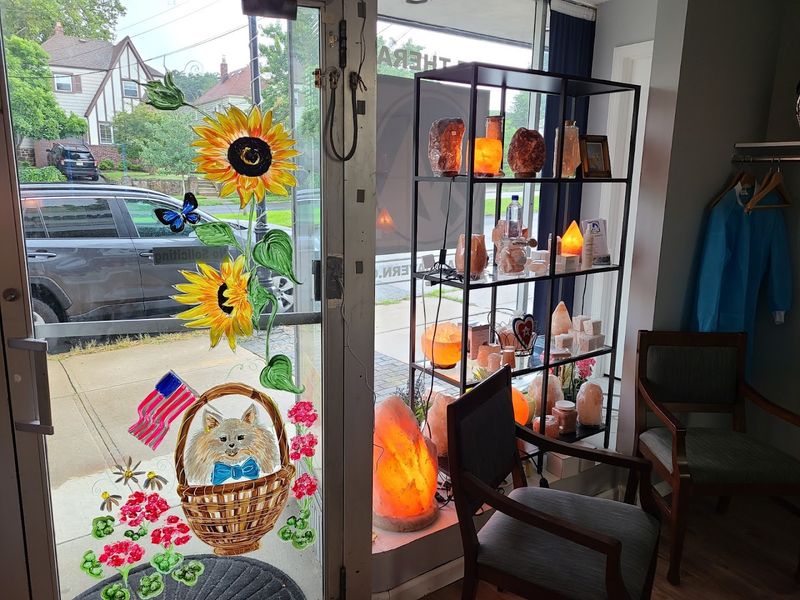
Clifton is better known for busy highways, crowded shopping plazas, and an impressive ability to place excellent food within a few minutes of almost anywhere. A Himalayan salt sanctuary is not necessarily the first thing that comes to mind.
That contrast makes The Salt Cavern Wellness Spa such a fun discovery. Its location on Allwood Road looks practical and familiar from outside, but crossing the threshold changes the mood almost immediately.
Himalayan salt lamps cast a warm glow around the reception area, the lighting softens, and the noise of North Jersey seems to lose its grip. The transformation becomes complete upon entering the cave itself.
Walls built with rosy blocks of Himalayan salt surround a floor blanketed in loose crystals, producing the look of an underground chamber without requiring anyone to descend into an actual mine. The salt’s natural color ranges from pale peach to deep coral, and lighting brings out different shades as the room changes.
It is dramatic enough to feel special yet restrained enough to remain restful. That balance matters because this is not designed as a walk-through attraction where visitors snap a picture and move along.
The room is meant for lingering. Shoes stay outside the cave, comfortable clothing makes settling in easier, and the main activity is choosing a chair and letting the surroundings do their work.
The Salt Cavern sits at 658 Allwood Road, close enough to Route 3 and the Garden State Parkway to make the visit practical for much of North Jersey. Appointments are encouraged, and the spa asks for at least a day’s advance notice for many bookings.
That little bit of planning pays off once the door closes and an ordinary Clifton errand corridor suddenly feels several states—and perhaps a small planet—away.
Rose-Colored Salt Walls and Shifting Lights Create an Otherworldly Escape
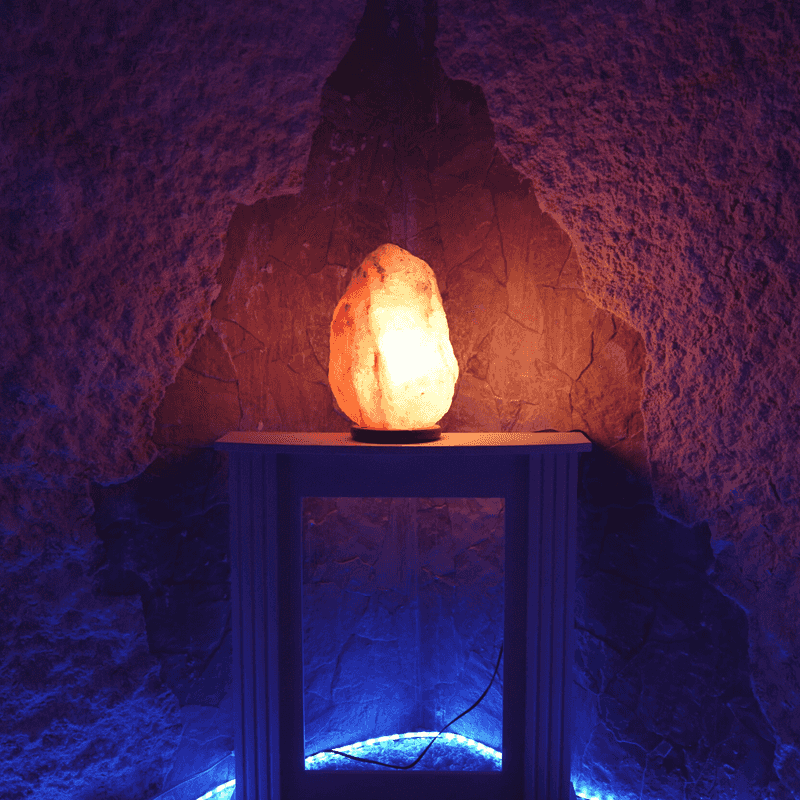
First the room glows warm orange. Then cooler blue and violet tones move across the rough salt blocks, changing the cave from a sunset-colored hideaway into something resembling an underwater grotto.
The effect is slow rather than flashy, giving restless minds something gentle to follow while the body settles. Color is only one piece of the experience.
The thick bed of salt crystals produces a soft crunch beneath each step, while the textured walls catch shadows in their uneven surfaces. Himalayan salt gets its familiar pink and reddish coloring from naturally occurring trace minerals, so no two blocks look exactly alike.
Together, they create layers of peach, rose, coral, and pale amber around the room. The cave also feels noticeably different from a conventional spa treatment room.
There are no bright overhead lights, bustling hallways, or whispered conversations drifting through thin curtains. Once everyone is seated, the combination of dim illumination, quiet music, and cool, dry air narrows the world down to a manageable size.
Guests can close their eyes, watch the colors change, or focus on the wall’s crystalline details. That flexibility is part of the appeal.
Meditation can sometimes feel like another skill to master, especially for someone whose brain treats silence as an invitation to review every unfinished task from the past month. Here, the setting provides a built-in focal point without demanding perfect concentration.
Phones may take a few photographs before a session begins, but the room makes putting them away surprisingly easy. Even visitors who remain skeptical about the broader wellness claims surrounding salt caves can appreciate the value of spending uninterrupted time in a low-stimulation environment.
The salt walls supply the visual drama, but the real luxury is simpler: for 45 minutes, nothing flashes, buzzes, honks, or asks to be answered.
Microscopic Salt Particles Turn Quiet Relaxation Into a Halotherapy Session
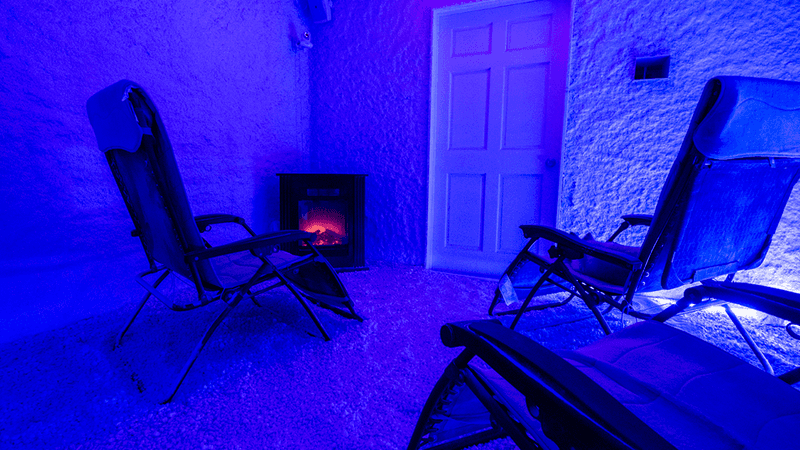
The glowing walls make the strongest first impression, but a machine working quietly in the background separates active halotherapy from merely sitting beside decorative salt. A halogenerator grinds pharmaceutical-grade salt into microscopic dry particles and disperses them through the room.
Visitors breathe normally while those nearly invisible particles circulate in the cool, low-humidity air. No mask, mist, or special breathing technique is involved.
Halotherapy traces its inspiration to salt mines and caves, particularly in Eastern Europe, where people noticed that miners appeared to experience fewer respiratory complaints. Modern salt rooms attempt to reproduce aspects of that dry underground environment in a comfortable, controlled setting.
People commonly seek sessions for relaxation, seasonal congestion, sinus discomfort, or support alongside an existing wellness routine. Some also report that the dry salt environment feels helpful for certain skin concerns.
Individual responses vary, however, and the evidence supporting halotherapy for specific medical conditions remains limited. It should be treated as a complementary wellness experience rather than a substitute for prescribed medication or professional care.
Anyone with a serious respiratory condition, active infection, fever, or uncertainty about dry-salt exposure should consult a healthcare professional first. That sensible caveat does not diminish what the session unquestionably provides: a designated period for slower breathing and genuine rest.
The air may taste faintly salty, and newcomers occasionally notice a mild tickle in the throat or dryness afterward, making hydration a smart idea. Others notice very little during the session beyond a gradually quieter mind.
There is no required reaction and no prize for emerging with a dramatic story. For many visitors, the best result is simply leaving less tense than they arrived.
In a region where a short drive can raise anyone’s blood pressure, sitting still in salt-infused air for three-quarters of an hour is a refreshingly undemanding form of self-care.
Zero-Gravity Chairs Make Forty-Five Minutes of Stillness Feel Effortless
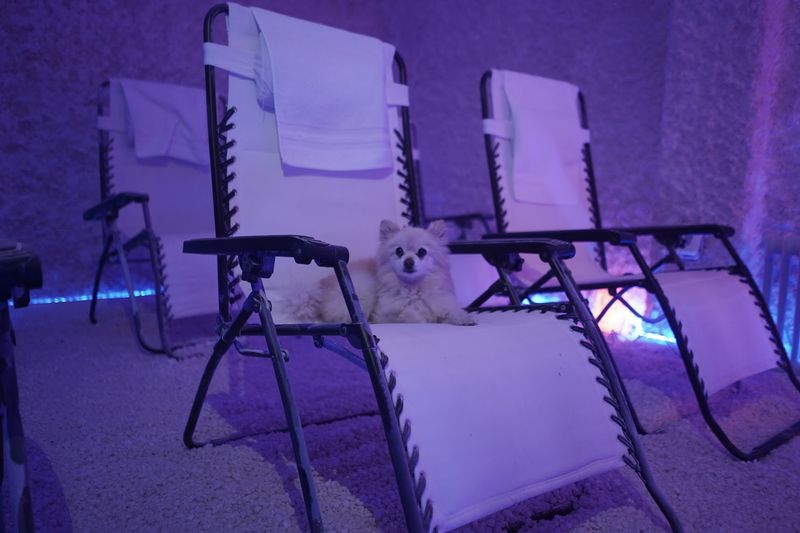
Forty-five minutes can vanish during a good movie and feel endless in an uncomfortable waiting-room chair. The Salt Cavern wisely avoids the second scenario.
Its zero-gravity recliners elevate the legs and distribute body weight more evenly, reducing the pressure points that can make ordinary seating uncomfortable. Once tilted back, guests are supported from shoulders to feet in a position that feels somewhere between reclining and floating.
The setup turns stillness from a challenge into the whole attraction. A typical salt session requires no changing room, complicated preparation, or recovery period.
Visitors remain fully clothed, settle into a chair, and breathe naturally while quiet music or relaxing sounds fill the space. Comfortable, loose-fitting clothes work best, and socks may be useful in the cool cave even though footwear stays outside.
From there, the experience is wonderfully open-ended. Some people watch the colored lights move across the walls.
Some practice slow breathing or listen closely to the soundtrack. Others fall asleep within minutes, which may be the most honest review a relaxation room can receive.
The 45-minute length hits a practical sweet spot. It allows enough time for shoulders to drop, thoughts to slow, and the novelty of the setting to give way to actual rest.
Yet it does not consume an entire day or require turning self-care into a logistical campaign. One or two people can book a salt session, making it workable as either a solitary reset or a low-key shared experience.
The chairs also remove the expectation that visitors must sit cross-legged, maintain perfect posture, or know anything about meditation. There is no correct way to spend the session beyond respecting the quiet atmosphere.
In fact, the cave may be most effective when guests stop trying to “do wellness” properly and simply let themselves be comfortable. The chair supports the body, the lighting occupies the eyes, and the clock quietly handles the rest.
Children’s Sessions Give Younger Visitors Room to Play and Unwind
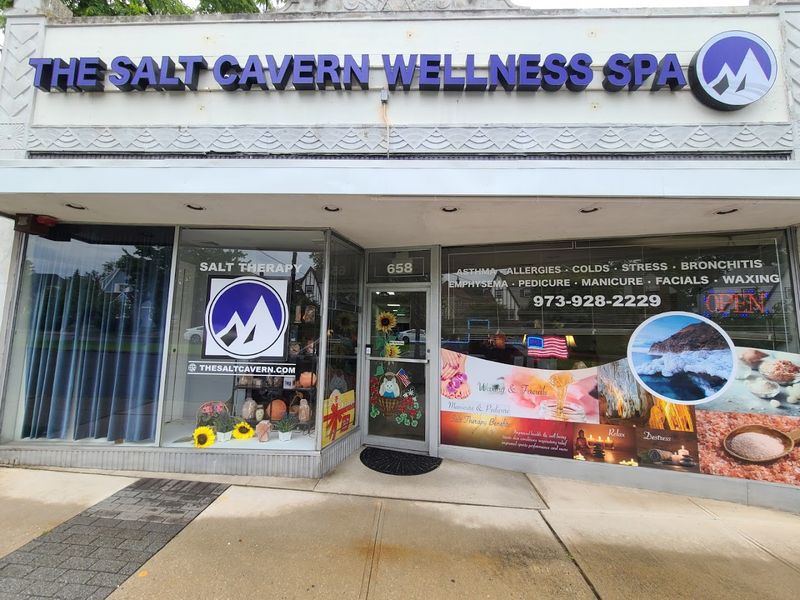
Salt caves need not be adults-only zones where every cough earns a sharp glance. Younger visitors can experience the room in a more flexible way, turning the salt-covered floor into part of the fun instead of treating absolute stillness as an entrance requirement.
Children can touch and scoop the loose crystals, explore the unusual space, and grow comfortable with the cave at their own speed. That playful approach makes sense because asking a child to recline silently for 45 minutes can turn relaxation into a very determined contest of wills.
The visual elements already do plenty of the work. Color-changing lights wash across pink salt walls, the floor feels like an indoor beach, and the entire room looks unlike anything encountered in a typical afternoon outing.
Children who are fascinated by sensory play may be especially intrigued by the crunch and texture of the salt. Parents, meanwhile, get an experience that feels calmer than a noisy play center while still giving kids something tangible to explore.
Families may be drawn to halotherapy during allergy season or periods of mild stuffiness, but expectations should remain measured.
Salt therapy is not a treatment for asthma, infections, or other medical conditions, and parents should consult a pediatric healthcare professional when a child has ongoing respiratory concerns.
The value of the visit can be much simpler: shared downtime in a low-stimulation room where nobody is rushing between activities.
Because session formats, ages, availability, and expectations for young guests can change, families should confirm the current children’s options directly with the spa when reserving.
That advance conversation also helps parents choose a time when ordinary kid sounds and movement will not interrupt an adult quiet session. Done thoughtfully, a family visit gives children permission to experience wellness without having to imitate adults.
They can investigate, play, and gradually unwind—three things kids tend to understand far better than anyone carrying a packed calendar.
Massages, Sound Bowls, and Infrared Saunas Extend the Wellness Experience
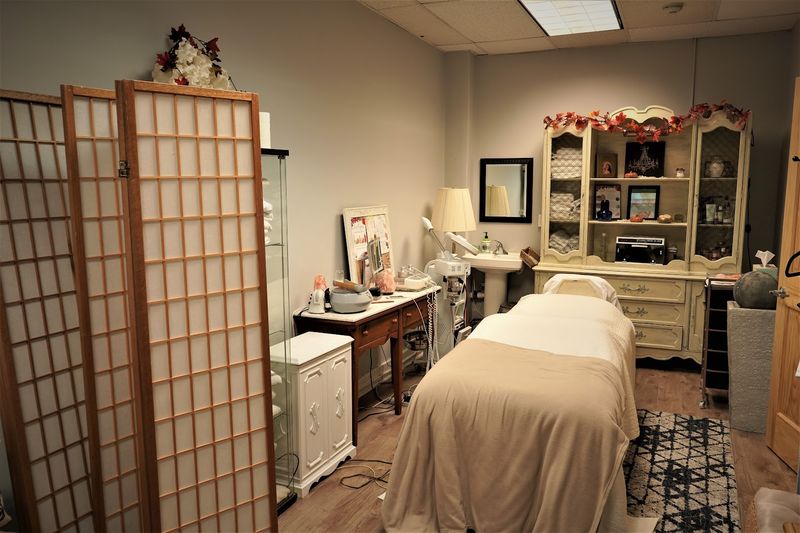
The cave may be the headliner, but The Salt Cavern operates as a full wellness spa rather than a one-room novelty. Its service menu includes Swedish and deep-tissue massage, customized facials, manicures, pedicures, waxing, acupuncture, an infrared sauna, and hyperbaric oxygen sessions.
That range makes it possible to build a visit around a specific kind of reset instead of assuming salt therapy suits every person and every mood. Tight shoulders may point toward massage, while someone craving warmth after the cool cave can turn to the infrared sauna.
Unlike a traditional sauna that primarily heats the surrounding air, an infrared unit uses radiant heat and generally operates at a lower air temperature. The sensation is gentler, but it can still produce a serious sweat, so arriving hydrated and allowing time to cool down afterward are sensible moves.
Sound therapy takes the experience in a quieter direction. Practitioner Katalin Staudinger uses Tibetan singing bowls and chimes in meditative sessions designed around their resonant tones.
Sessions have been offered in both the yoga room and the salt room, where up to six people can experience the bowls among the glowing walls. The spa has listed sound sessions at $35 in the yoga room and $45 in the salt room, though prices and schedules are worth confirming when booking.
Guests are asked to bring their own mats, drink water beforehand, and note that the sessions are not advised for people who are pregnant or have pacemakers or sound-induced epilepsy.
The broader menu also includes practical beauty services, allowing a facial or nail appointment to become part of an unrushed afternoon rather than one more maintenance stop.
What holds the options together is not a promise of miraculous transformation. It is the chance to step away from Allwood Road, choose a form of rest that feels right, and spend a little time in a place where slowing down is the entire point.